The 2025 vintage follows in the tradition of early and sunny years.
It will be marked by a striking contrast between excellent water reserves and two consequent heatwaves.
The winter was characterized by temperatures close to seasonal norms and slightly above-average rainfall, particularly thanks to a very wet January. Coupled with an already rainy autumn, these conditions allowed the soil to be replenished with water, which would prove crucial in the coming months. The spring proved to be particularly sunny, warm, and rainy.
The summer temperatures observed in late March and early April accelerated the growth cycle. Despite a brief period of cooler weather in the middle of the month, temperatures rose again from the end of April, allowing for active vine growth. The phenological stages progressed rapidly.
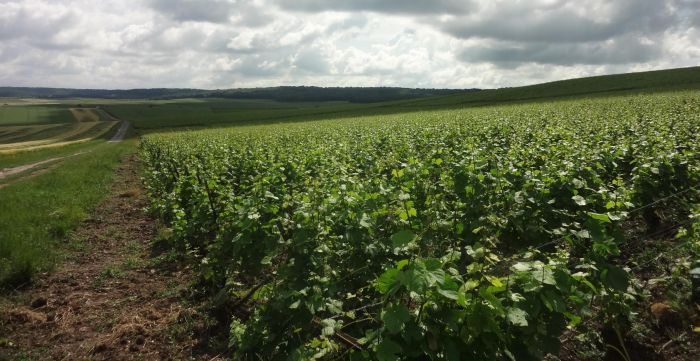
From mid-May, the growing season was on average 10 days ahead from the norm of the last decade, ranking the 2025 vintage among the earliest in history. The infrequent rainfall helped maintain low mildew pressure, a real relief after the difficulties of 2024. The weather remained favorable for weed growth, but conversely, it provided ample opportunities for mechanical weeding.
June began with cool temperatures but ended with a heatwave from the 19th until the beginning of July. Flowering was observed from the second week of June under weather conditions favorable to vine growth, resulting in significant coulure, particularly with the Sauvignon Blanc.
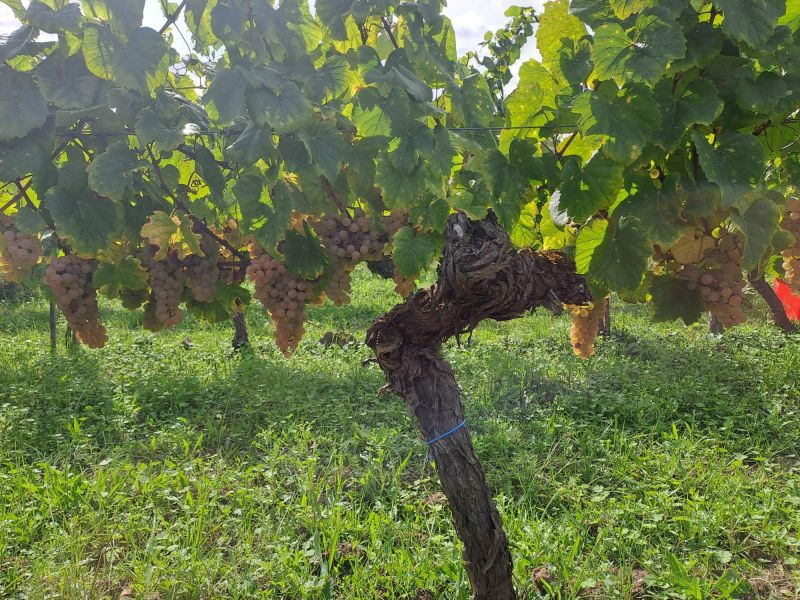
May and June were the driest months in more than 15 years. Only young vines suffered from hydric stress, as the majority of the vines benefited from winter reserves.
The month of July left a more mixed impression. The first ten days started like June ended, with hot weather. A cooler period followed, accompanied by rain showers that slightly slowed down the vegetative cycle. The onset of véraison (grape ripening) was slow to become widespread. It only began at the end of July for the red grape grapes and in the first few days of August for the whites.
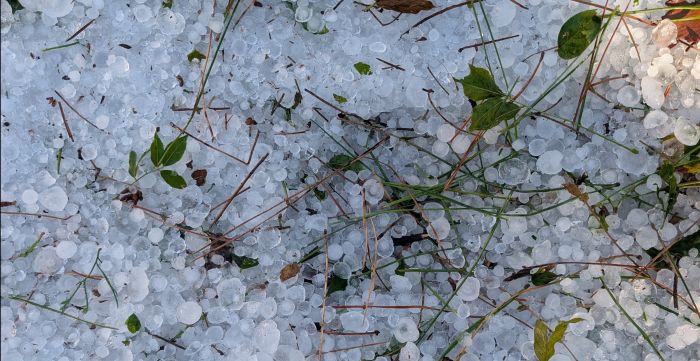
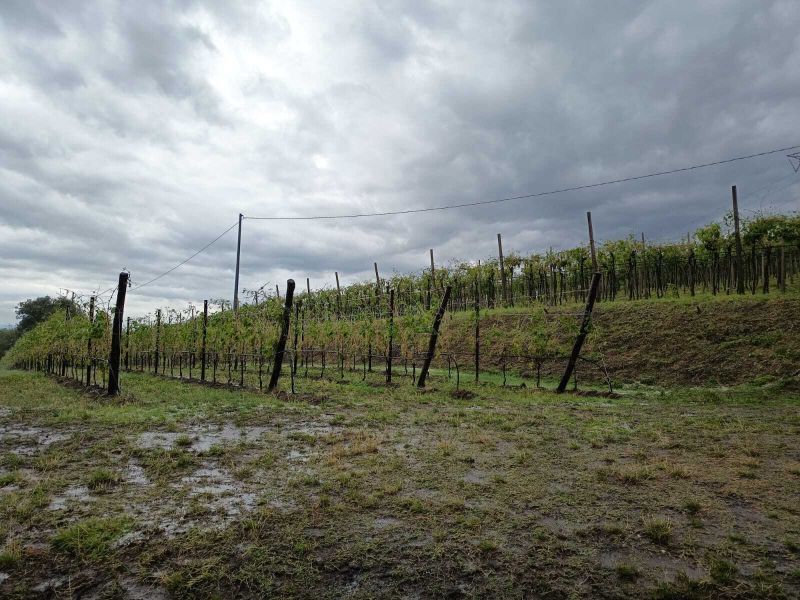
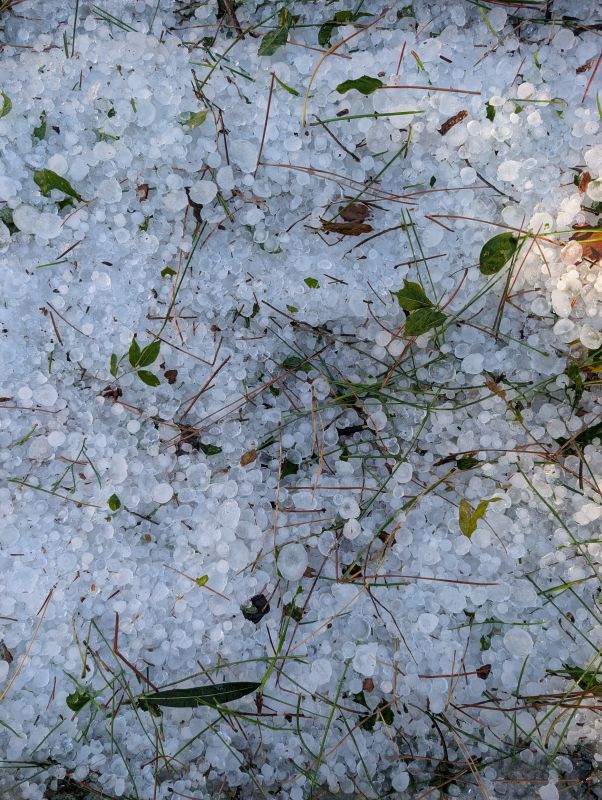
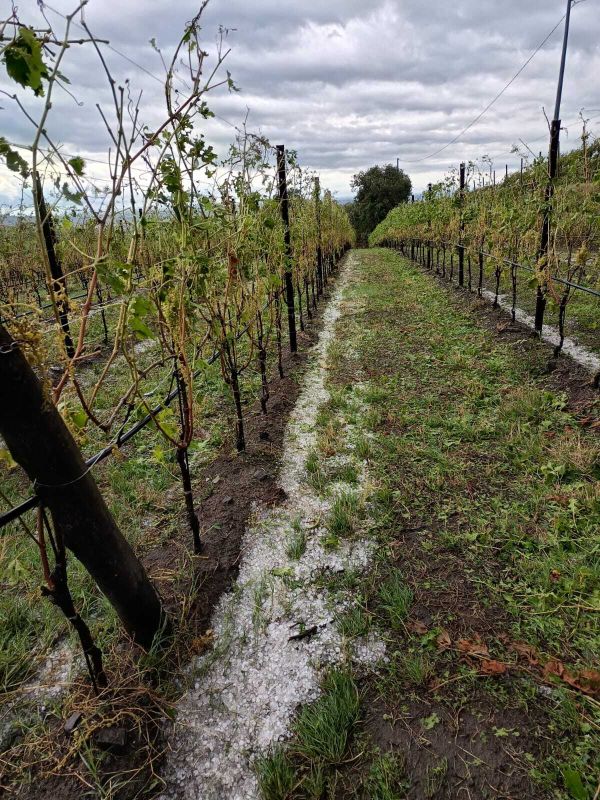
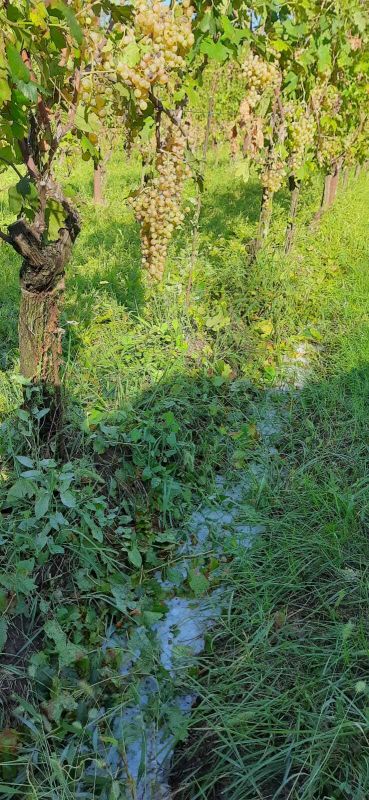
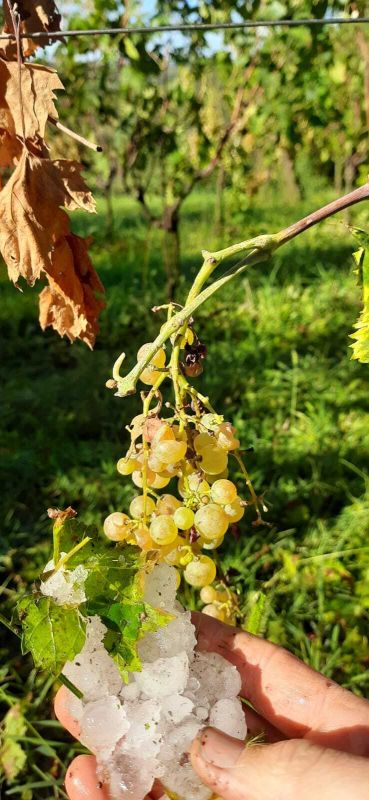
With cloudy and cool weather for the season, the harvest date, initially planned for September 1st, seemed to shift towards September 8th. The end of July was mainly marked by a violent hailstorm on July 23rd, significantly impacting approximately 350 hectares the commune of Sury en Vaux.
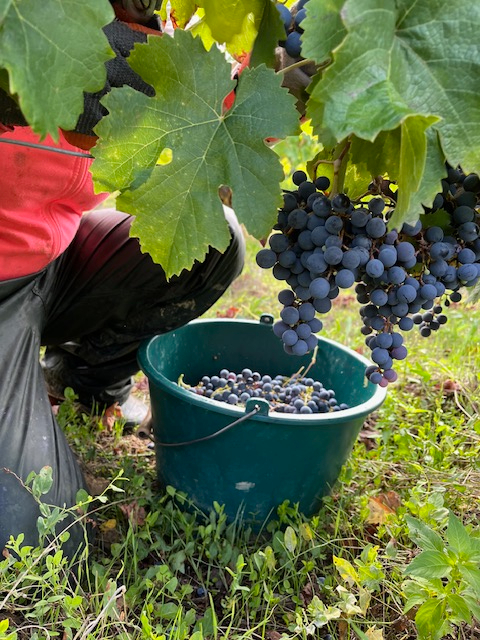
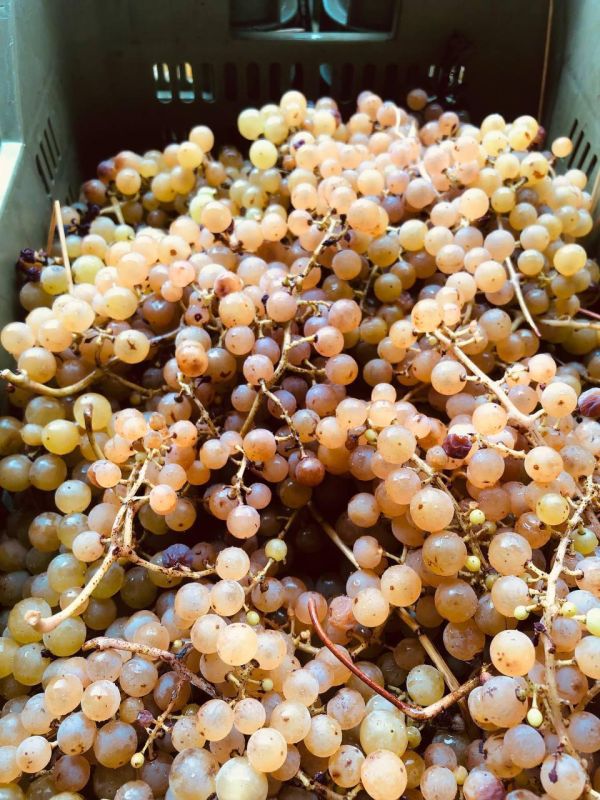
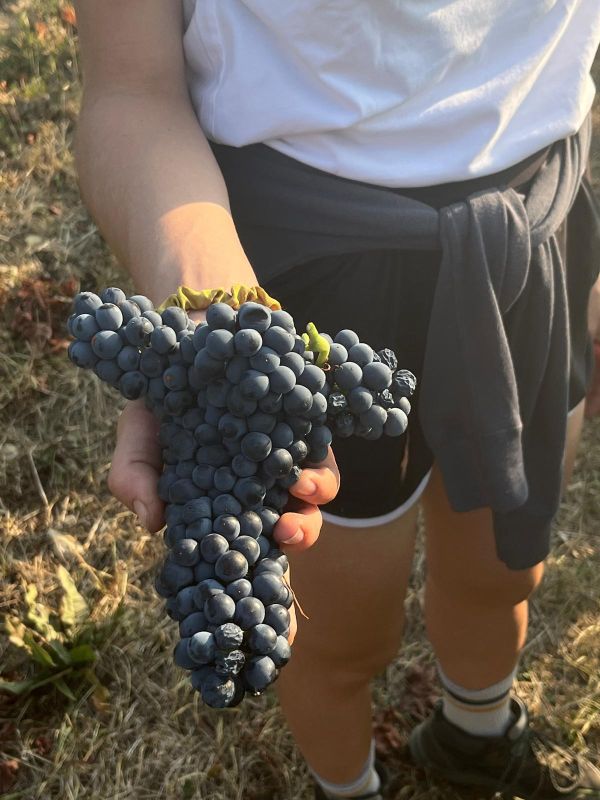
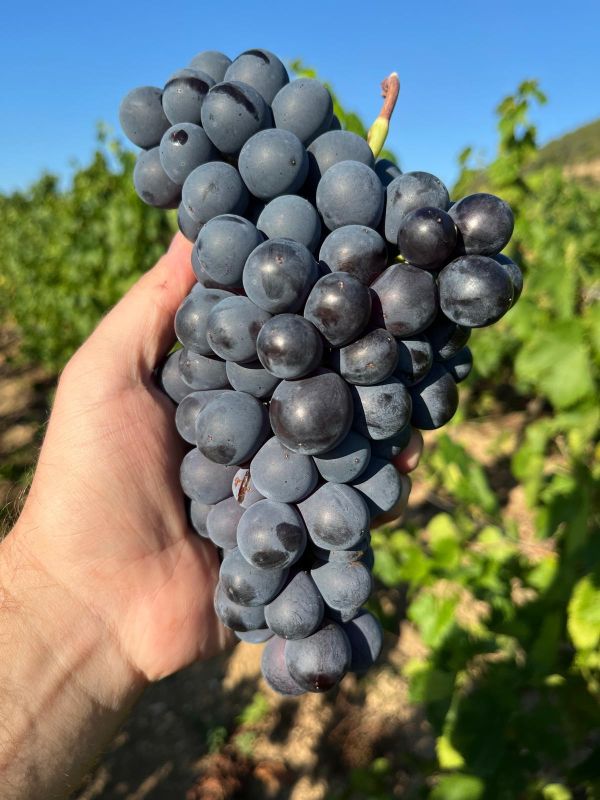
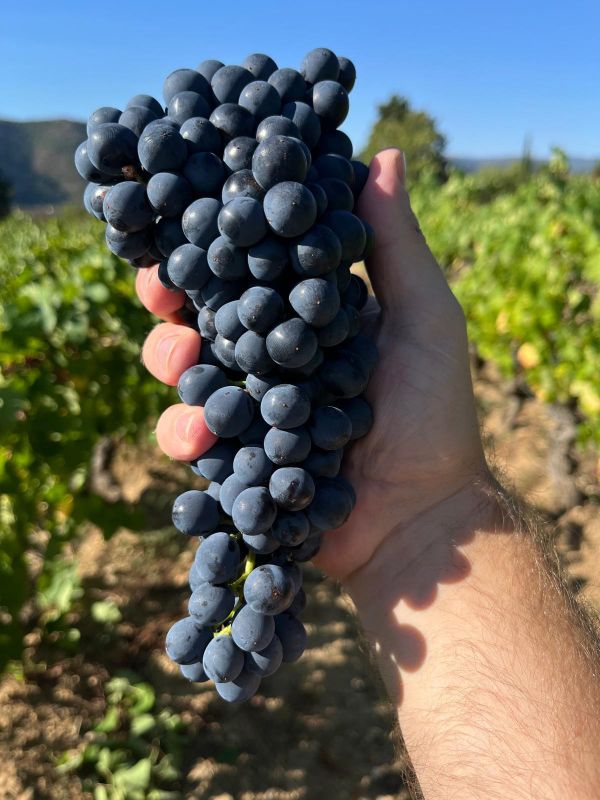
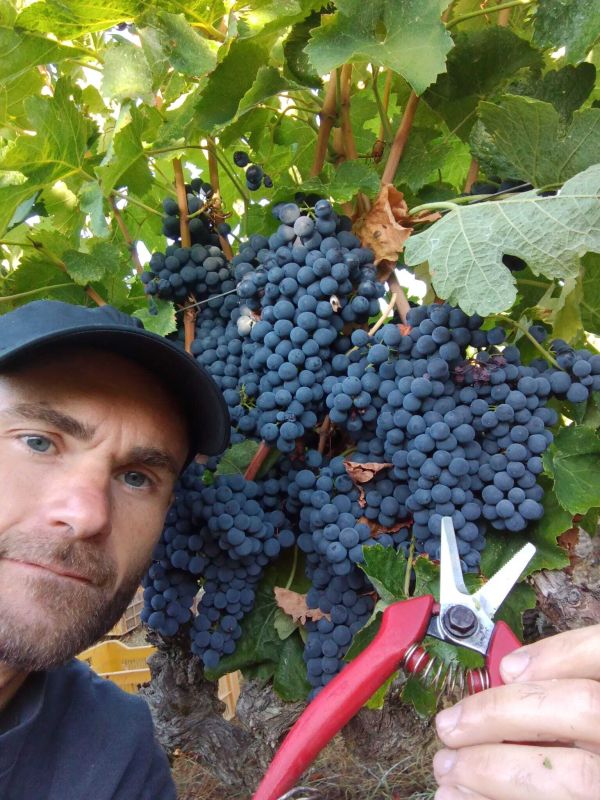
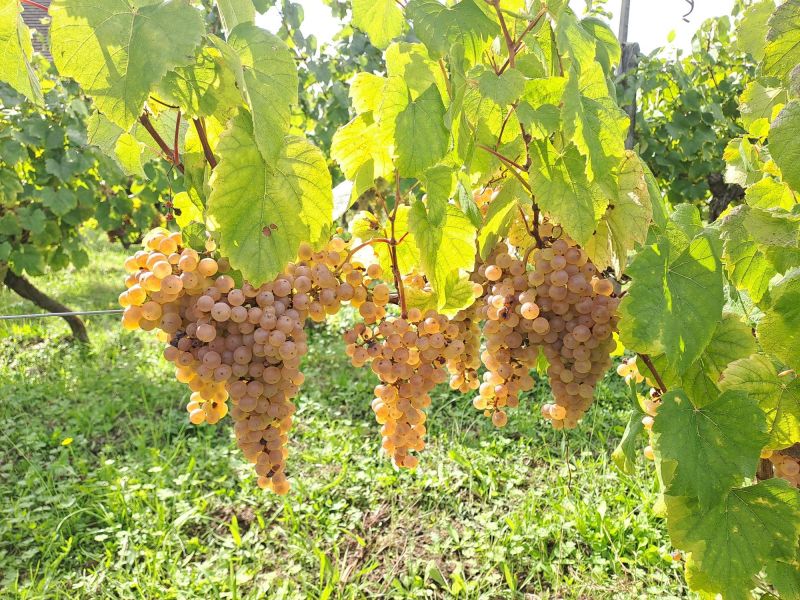
The ripening period began with a new heatwave that affected all of France between August 8th and 18th. This will have a real impact on the harvested volumes: the skins thicken and the size of the berries remains small. The vines benefit from this heat, and the grapes ripen quickly despite some burn scorches observed in certain areas. This weather is also very favorable for the synthesis of coloring matter in red grape varieties.
The ground lost in July was quickly recovered. The vine's vegetative cycle will have been among the shortest on record: an early harvest is now certain. The much-awaited rain returned on August 20th, benefiting the vines but without any real effect on berry size. The sugar content, which was already well advanced during the first maturity check, will not decrease until the harvest, and the acidity levels were well preserved.
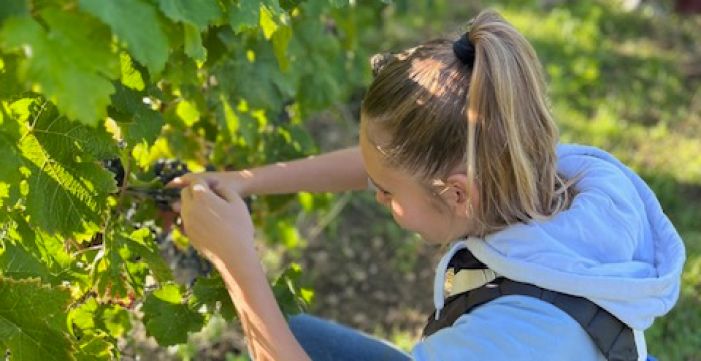
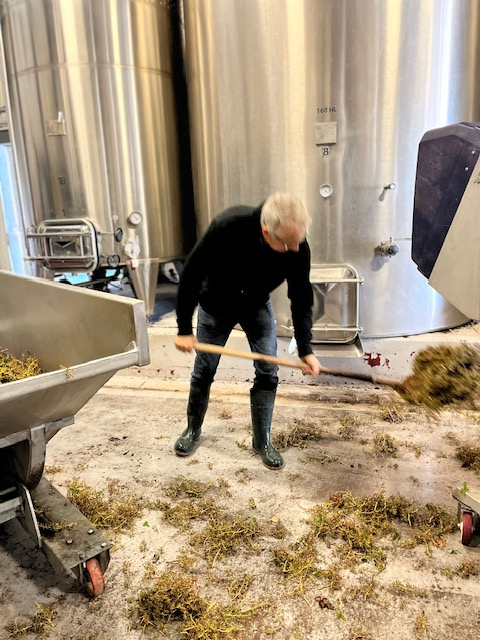
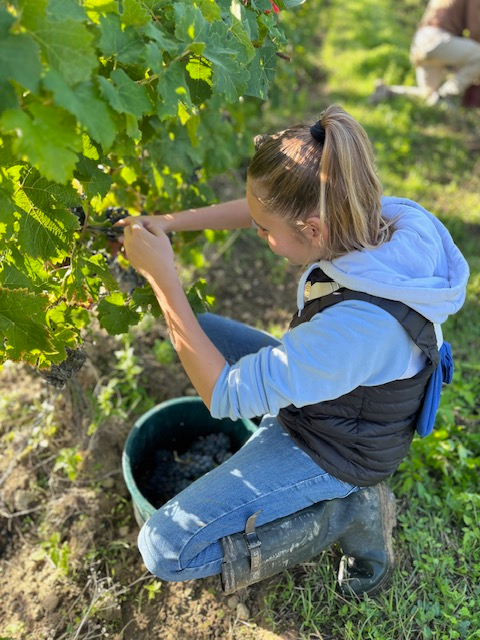
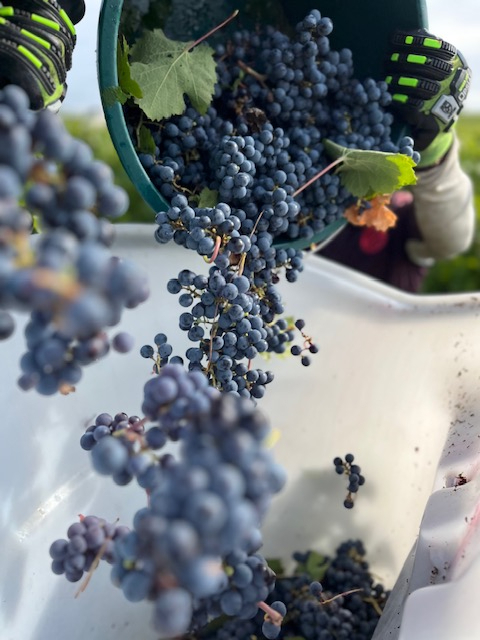
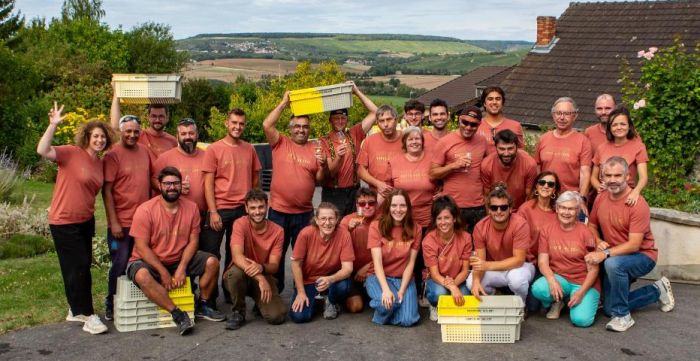
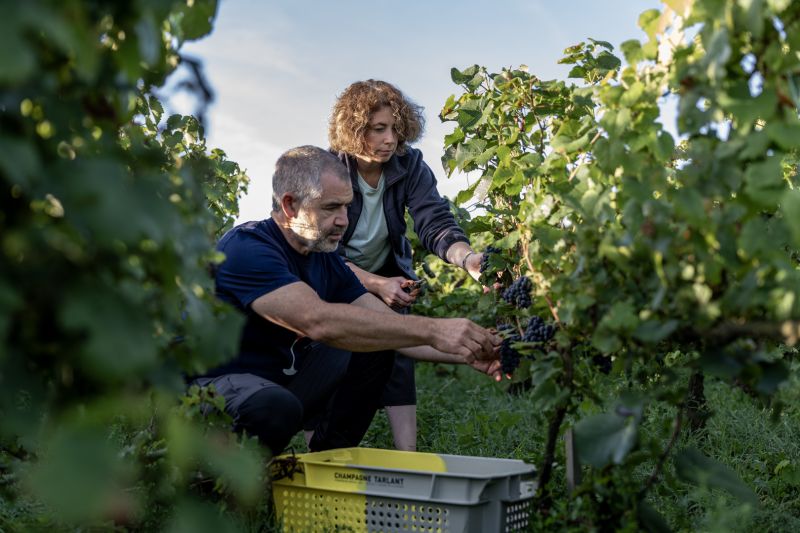
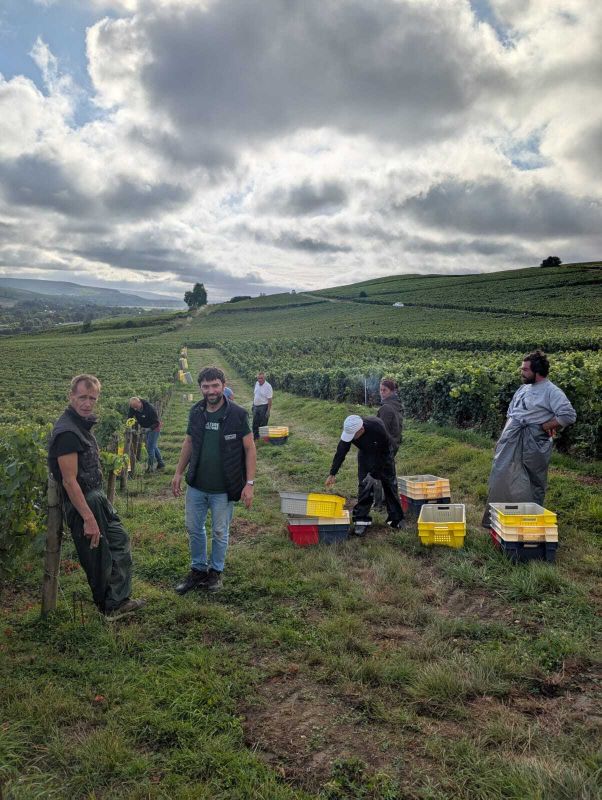
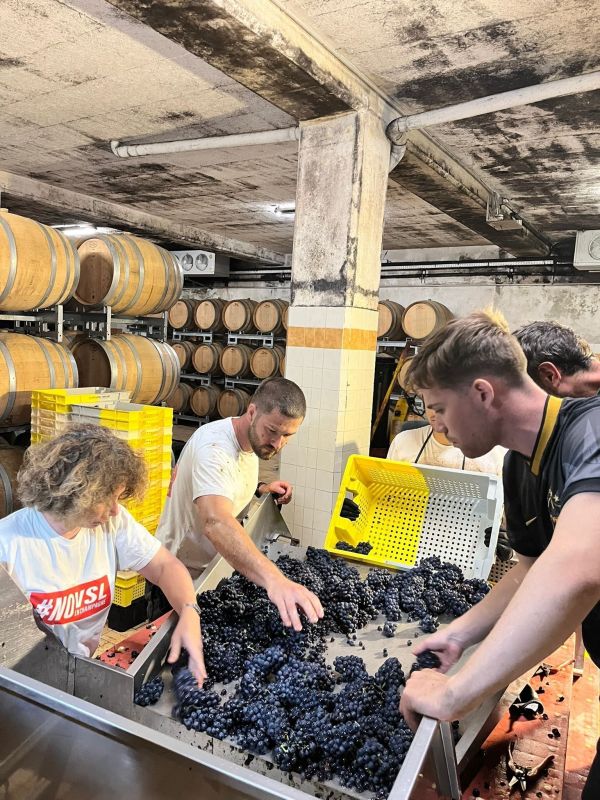
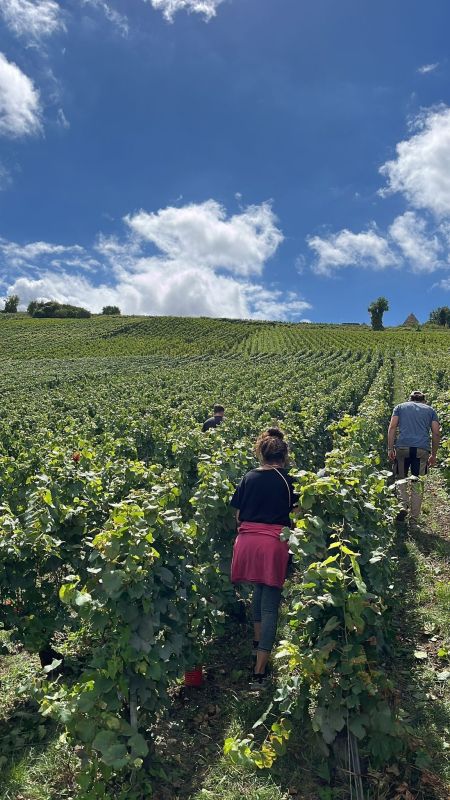
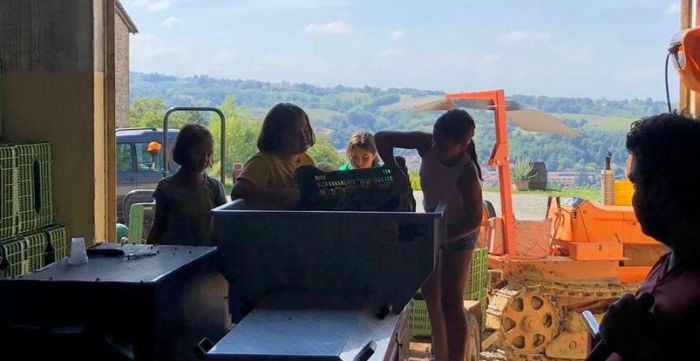
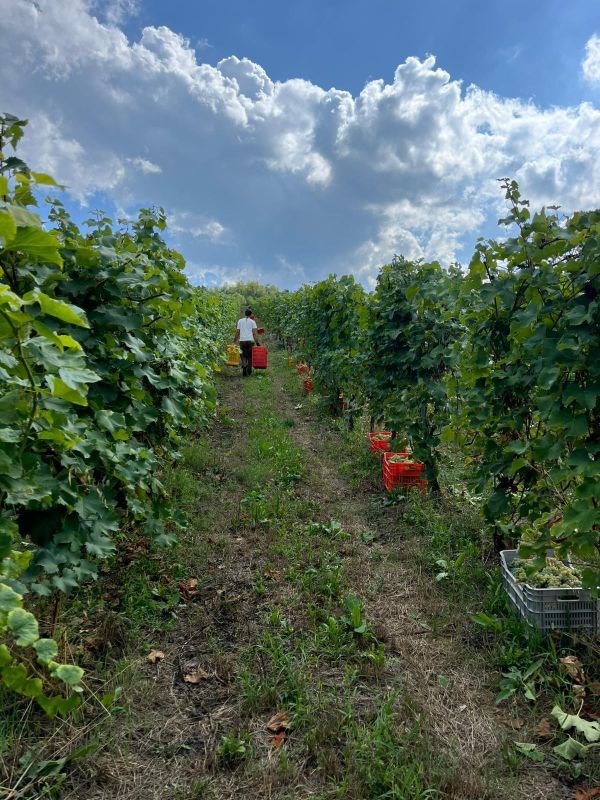
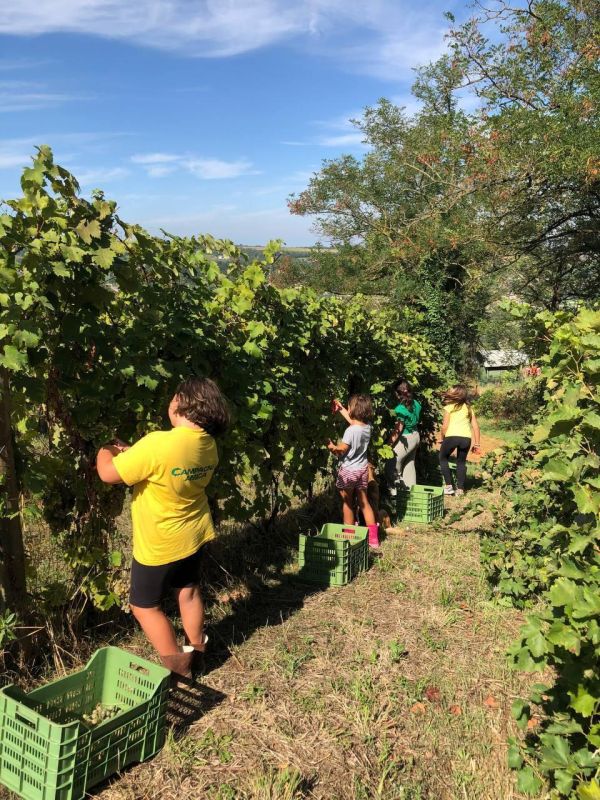
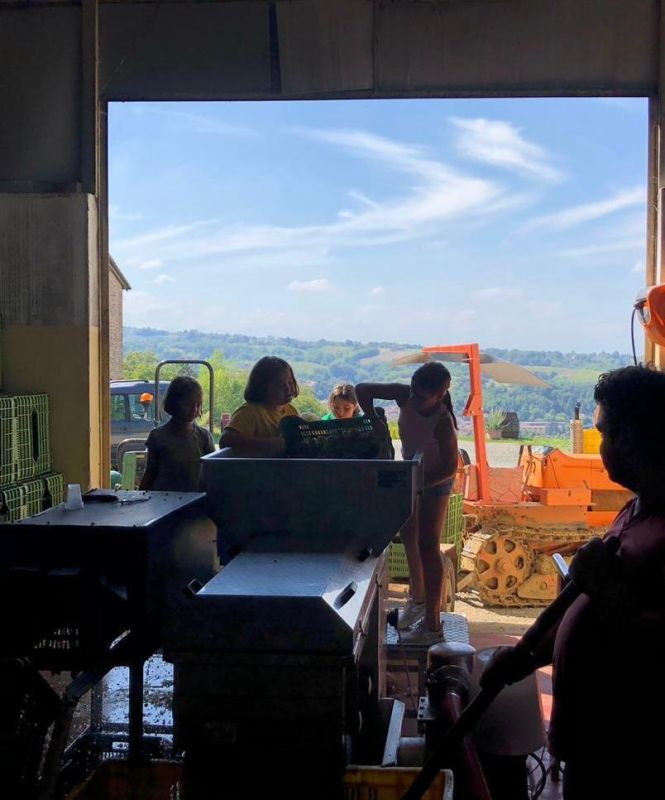
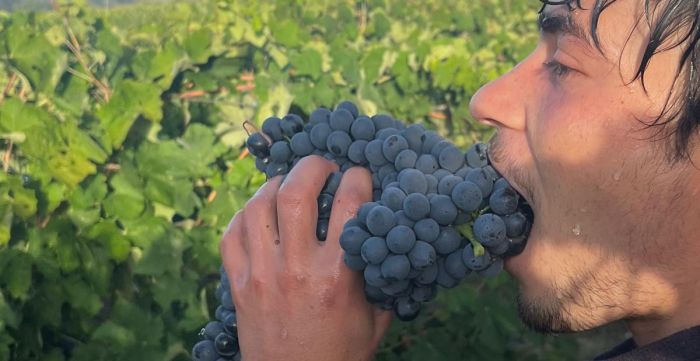
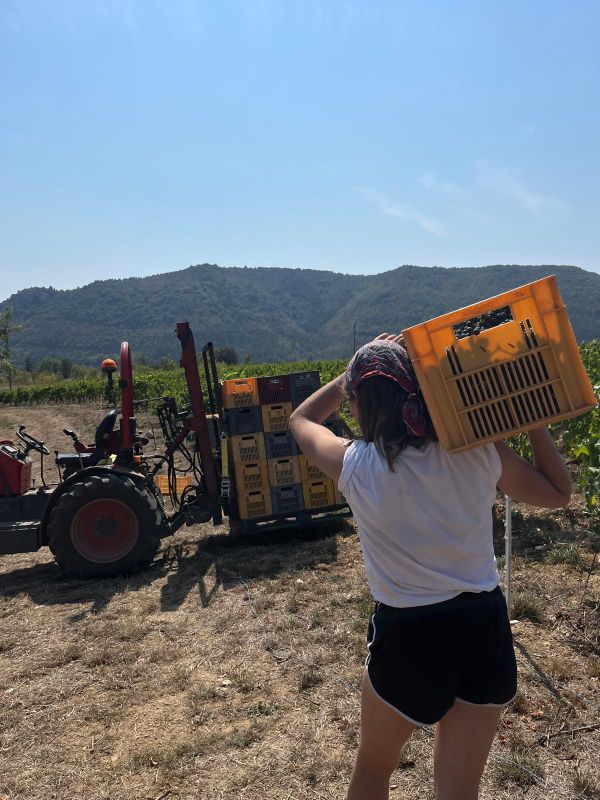
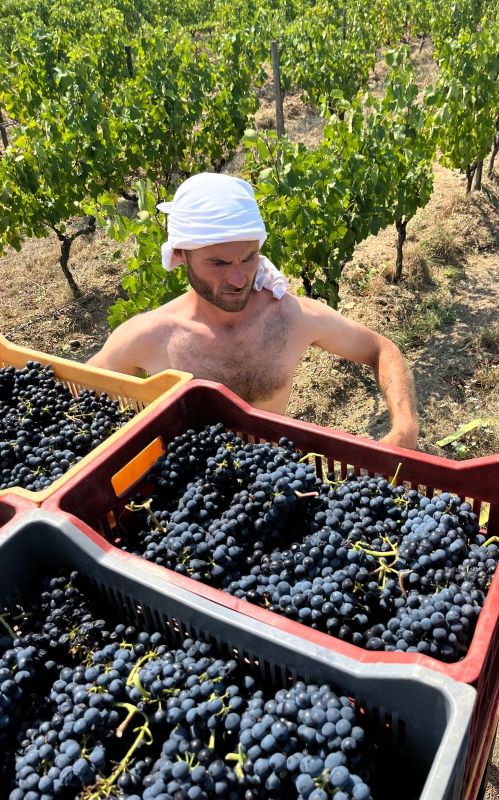
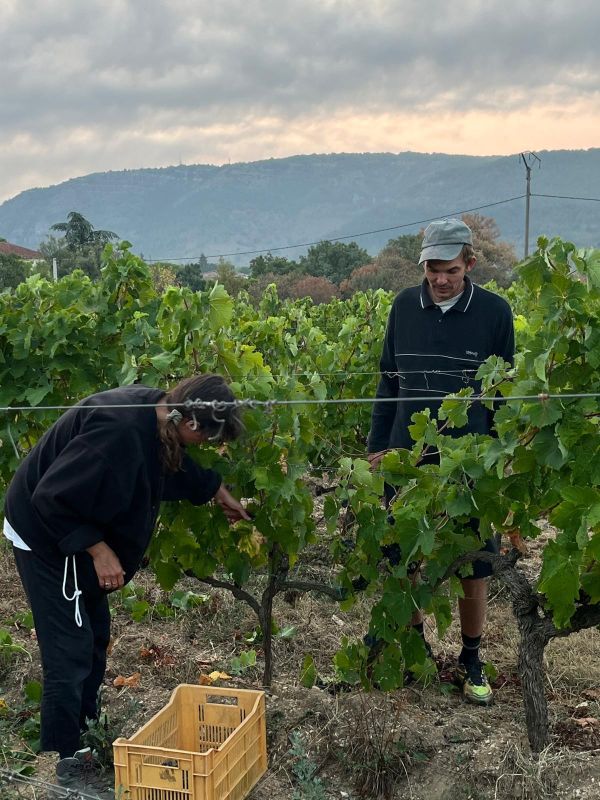
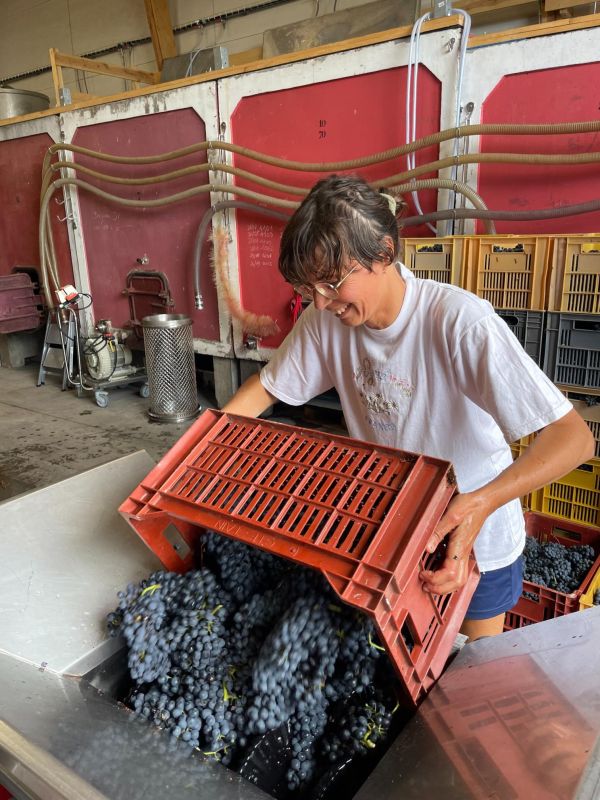
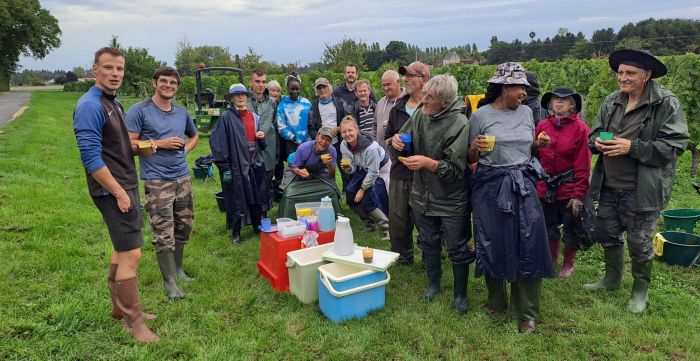
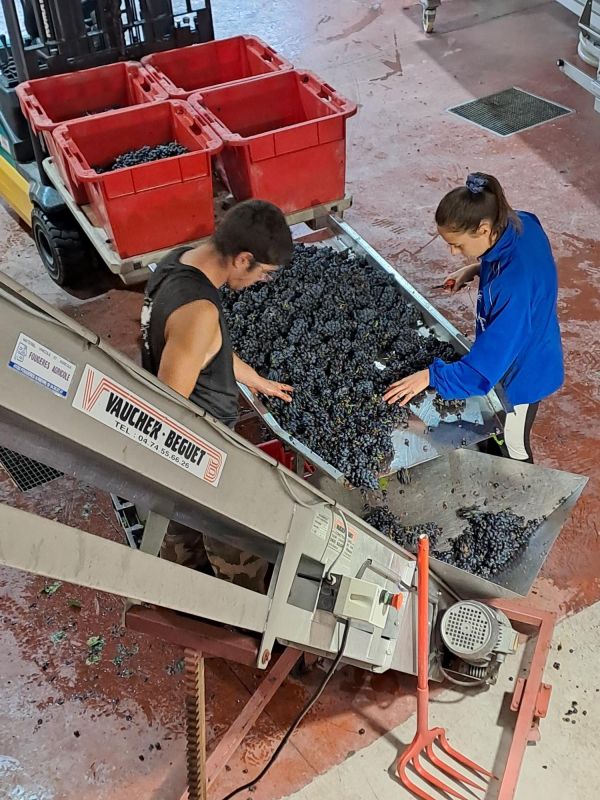
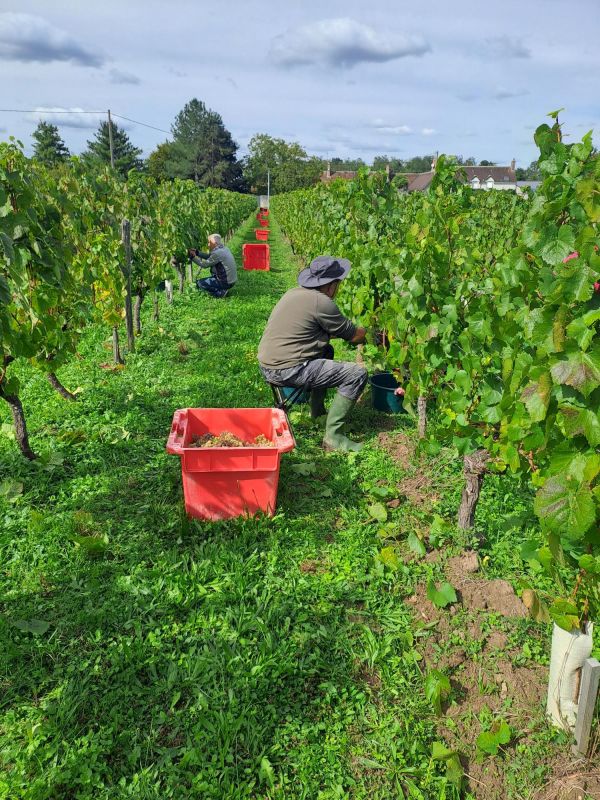
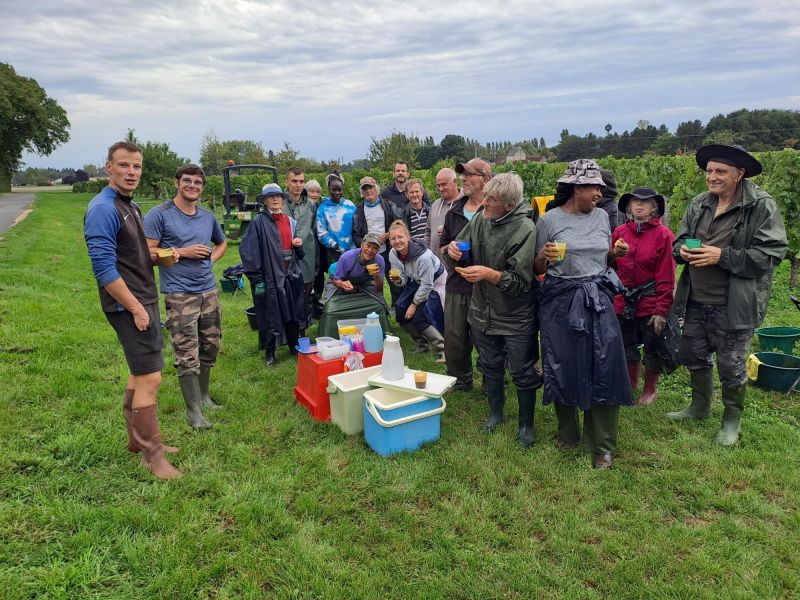
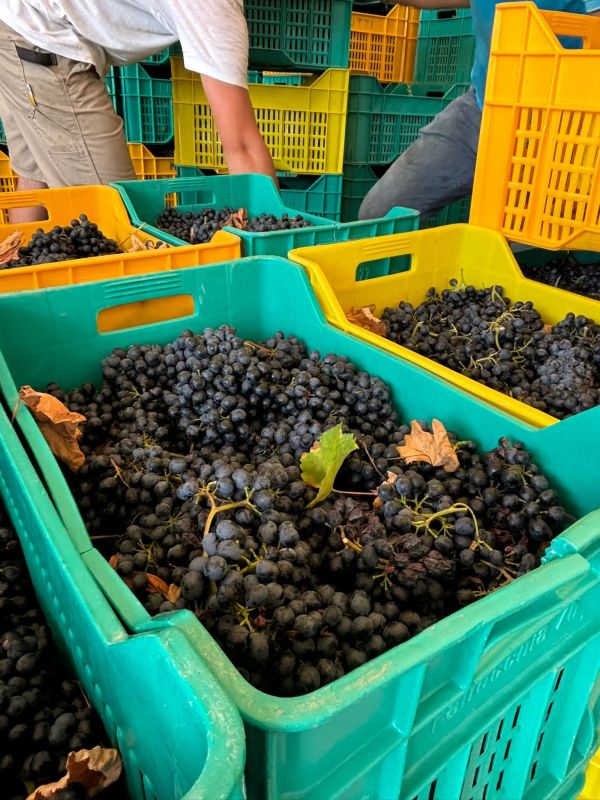
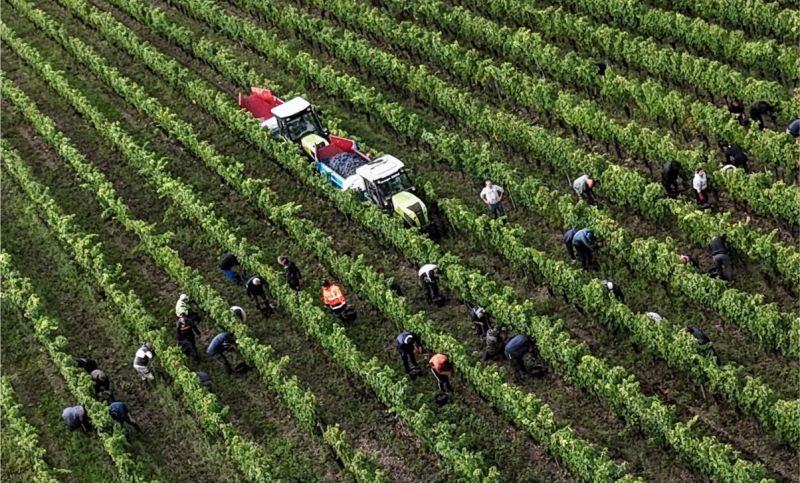
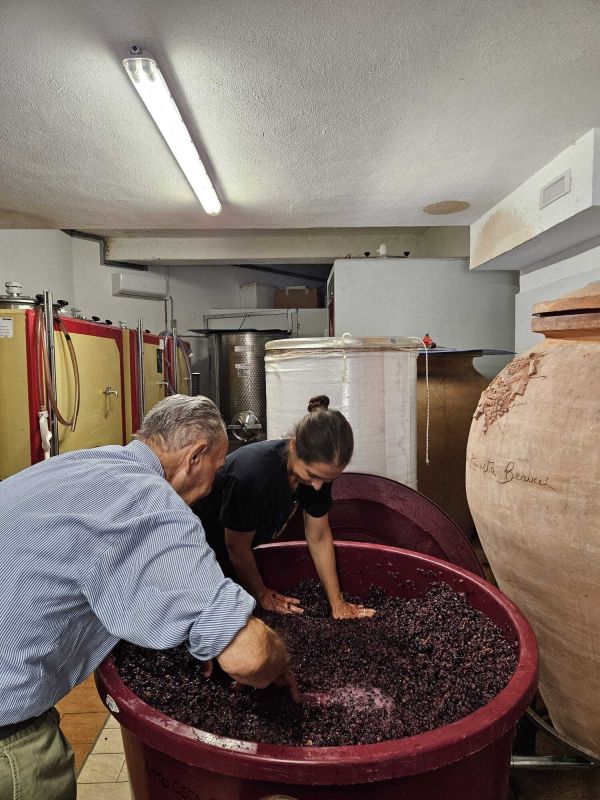
Harvest began on September 8th. The potential we observed when tasting the grapes is definitely there! The musts offer beautiful aromatic purity and freshness. In mid-September, the last plots from the areas affected by the July hailstorm were harvested.
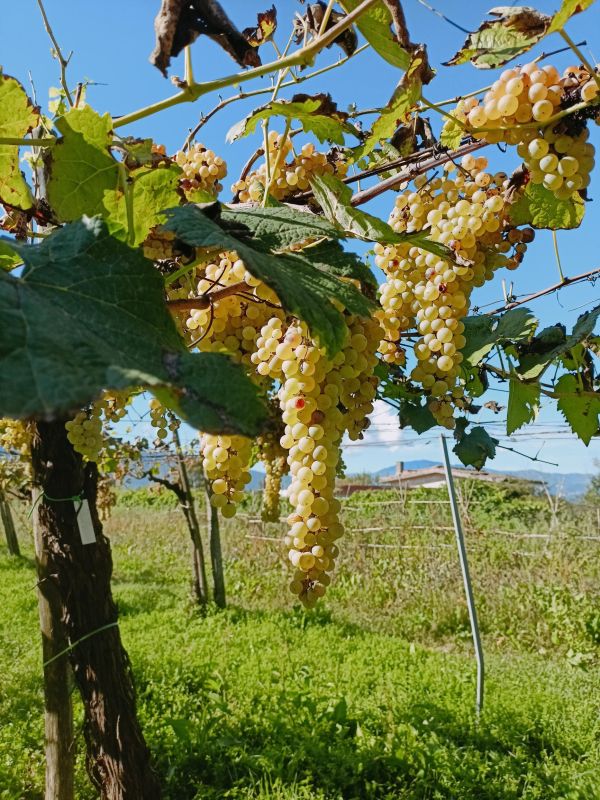
The white wines offer notes of white fruits. Pear and white peach are clearly discernible, complemented by hints of anise and licorice. A sense of both sweetness and freshness is present. The palate is full-bodied and crisp, combining substance and elegance.
The red wines display a good depth of color. Aromas of small red berries characterize the aromatic profile, particularly notes of cherry and raspberry. The palate is fresh, supported by silky tannins.