producer profile
31.05.2019
Vittorio Bera & Figli Producer Profile
<p>You find good wine even when you are not looking for it. This time, Alessandra Bera is the one that found us.</p>
<p>Late in 2002, we received some exhuberant e-mails from a winemaker in <glossary title="793">Piemonte</glossary> telling us we had to work with her wines. She had been given our address by her good friends in France, like <a href="http://kermitlynch.com/our_wines/catherine-et-pierre-breton/">Pierre Breton</a> of <span class="zalup"><span><glossary title="191">Bourgueil</glossary><span>,</span></span></span> <a href="http://louisdressner.com/producers/Richaud/">Marcel Richaud</a> of <span class="zalup"><span><glossary title="220">Cairanne</glossary><span>,</span></span></span> <a href="http://louisdressner.com/producers/Tue_Boeuf/">Jean-Marie and Thierry Puzelat</a> in <glossary title="283">Cheverny</glossary> and Claude Marechal in <span class="zalup"><span><glossary title="212">Burgundy</glossary><span>.</span></span></span> All these French <glossary title="1089">vignerons</glossary> had<glossary title="1089"> </glossary>told Alessandra that her style of natural farming and <glossary title="708">natural wine</glossary> would be a perfect fit for Louis/Dressner Selections.<br />
<br />
Alessandra had our attention. We learned that she would be joining the festivities surrounding Catherine & Pierre Breton’s legendary <glossary title="395">Dive Bouteille</glossary> tasting held every year the Saturday before the <glossary title="904">Salon des Vins de Loire</glossary> in <span class="zalup"><span><glossary title="104">Angers</glossary><span>.</span></span></span> We told Signora Bera that we would see her there.</p>
<p>When everybody met, it was clear her <glossary title="1089">vignerons</glossary> friends had steered us in the right direction. But Joe and Denyse, completely unfamiliar with Italian wine, were concerned working with a single Italian producer would prove challenging. So it was decided we'd visit the Bera family and that Alessandra would arrange a tasting with like-minded producers that would make sense in our portfolio. It included Cascina degli Ulivi, Cascina Tavijn and La Biancara, all of whom we still work with. </p>
<p>In this sense, we really have Alessandra to thank for opening up the world of Italian wines to us. It was of course something that Kevin had had on his mind since moving back from Rome in the mid 1990's, but this opportunity really kicked things off. Today, Italian wines have become a focal point for us, slowly but surely growing to over 50 producers. Alessandra and Gianluigi have also become dear friends. <br />
<br />
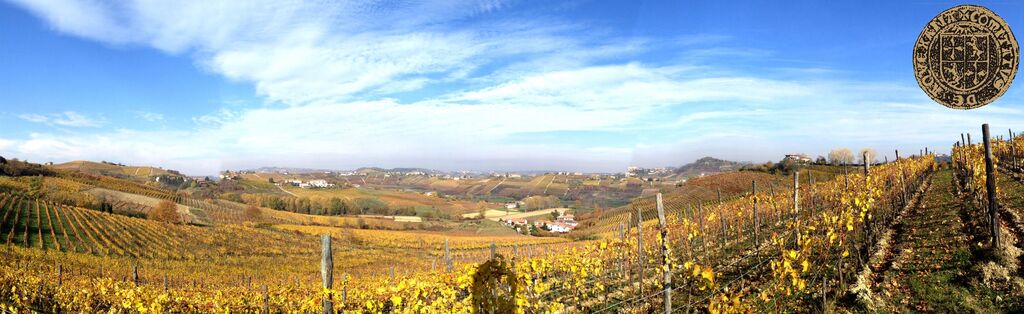
The <glossary title="427">estate</glossary> dates back to 1785, when the Bera's ancestors originally purchased some of the land from the <a href="http://en.wikipedia.org/wiki/Knights_Hospitaller#Knights_of_Malta" target="notSet">Knights of Malta</a>. By this time, the cultivation of grapes -- and in this area particularly <glossary title="686">Moscato</glossary> grapes -- was already well-established since the 13th century (and once again we are indebted to those reviled Crusaders for their faithful spreading of the word “Grape” to every corner of the known world they traveled to!) By the end of the 18th century -and continuing the 19th and 20th centuries- the fame of <glossary title="686">Moscato</glossary> (read: <glossary title="124">Asti Spumante</glossary>) spread worldwide -- and so did slipshod production methods. With few exceptions, the bulk standardization of this wine has been the norm ever since.<br />
<br />
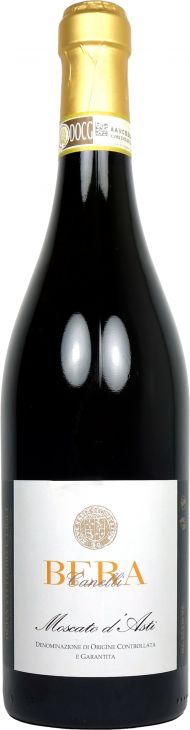
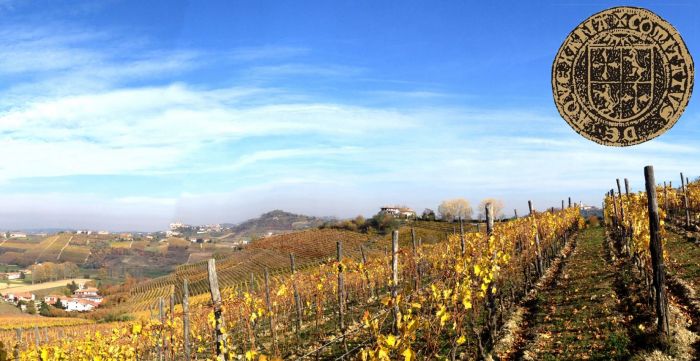
The Bera family is different. This was the first <glossary title="427">estate</glossary> to <glossary title="185">bottle</glossary> and market its' own wine in the <glossary title="230">Canelli</glossary> region. The <glossary title="427">estate</glossary> lies in Sant’Antonio di Canelli, within the region of <span class="zalup"><span><glossary title="945">Serra Masio</glossary><span>,</span></span></span> the most prestigious and ancient of the area’s <glossary title="686">Moscato</glossary> production. The grapes are entirely <glossary title="699">Muscat Blanc à Petits Grains</glossary> and are cultivated on steep, southeast slopes of <glossary title="222">calcerous</glossary> <glossary title="632">marl</glossary> (of ancient oceanic origins). All of the <glossary title="427">estate</glossary> is cultivated in <glossary title="746">organic</glossary> <glossary title="1103">viticulture</glossary> with an emphasis on creating an active, healthy ecosystem. All grapes are <glossary title="520">harvested by hand</glossary> and their juice is <glossary title="441">fermented</glossary> without <span class="zalup"><span><glossary title="542">inoculations</glossary><span>.</span></span></span> All the winemaking is done by Alessandra's brother, Gianluigi. <br />
<br />
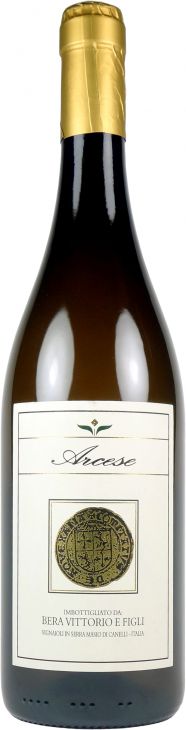
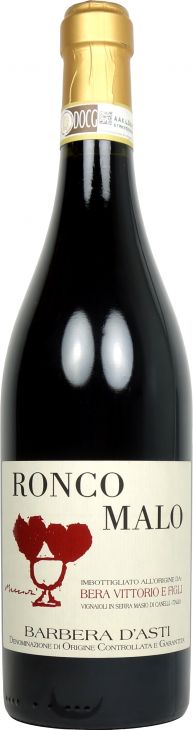
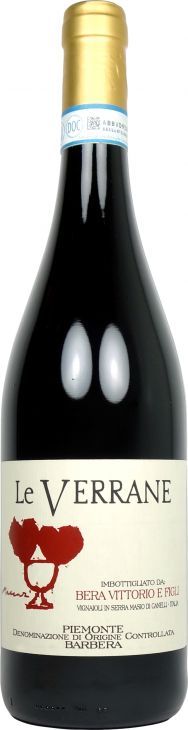
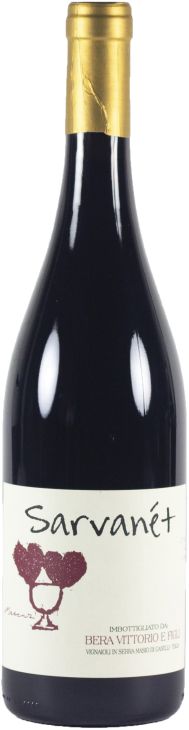
In addition to <span class="zalup"><span><glossary title="686">Moscato d'Asti</glossary><span>,</span></span></span> the Bera family also grows the precocious white grapes <span class="zalup"><span><glossary title="341">Cortese</glossary><span>,</span></span></span> <glossary title="437">Favorita</glossary> and <glossary title="118">Arneis</glossary> which they <glossary title="168">blend</glossary> to make a fantastic white wine called "Arcese". For reds - all <glossary title="1104">vinified</glossary> with no <span class="zalup"><span><glossary title="447">filtering</glossary><span>,</span></span></span> <glossary title="449">fining</glossary> or added <span class="zalup"><span><glossary title="993">S02</glossary><span>-</span></span></span> <glossary title="398">Dolcetto</glossary> and <glossary title="138">Barbera</glossary> are cultivated using the same care in the vines. </p>
Article

interview
22.05.2019
An Interview with Alessandra Bera from 2011
<p><strong><em>This interview with Alessandra Bera took place in Los Angeles in March 2011.</em></strong></p>
<p><strong>Tell us about the Bera estate.</strong><br />
<br />
We are a small <span class="zalup"><span><glossary title="427">estate</glossary><span>,</span></span></span> which is common in <span class="zalup"><span><glossary title="793">Piemonte</glossary><span>.</span></span></span> We own 10 <glossary title="523">hectares</glossary> of vines in the <glossary title="322">commune</glossary> of <glossary title="230">Canelli</glossary> and for the last two years we've also been renting two <glossary title="523">hectares</glossary> in the area. Our best known <glossary title="363">cuvée</glossary> is our <glossary title="686">Moscato d'Asti</glossary> and represents the bulk of our production, since we are in a great area for this <span class="zalup"><span><glossary title="1071">variety</glossary><span>.</span></span></span> Six of our <glossary title="523">hectares</glossary> are <span class="zalup"><span><glossary title="688">Moscato</glossary><span>.</span></span></span> We also grow <span class="zalup"><span><glossary title="341">Cortese</glossary><span>,</span></span></span> <glossary title="118">Arneis</glossary> and <glossary title="437">Favorita</glossary> –with which we make the "Arcese" <glossary title="363">cuvée</glossary> - in white, and in red we grow <glossary title="138">Barbera</glossary> and <span class="zalup"><span><glossary title="398">Dolcetto</glossary><span>.</span></span></span><br />
<br />
<strong>You work with the rest of your family, right?</strong><br />
<br />
Of course! I work with my brother Gianluigi who does most of the work in the <glossary title="254">cellar</glossary> and our father Vittorio who is the founder of the <span class="zalup"><span><glossary title="427">estate</glossary><span>.</span></span></span> He is still a very strong presence and oversees pretty much everything we do, especially in the vineyard. <br />
<br />
<strong>In a way you are directly responsible for Louis/Dressner discovering many of the Italian wines we currently work with. How did that happen?</strong><br />
<br />
I've been working with my family for a long time now and over the years I'd befriended many French <glossary title="1089">vignerons</glossary> who were involved in France's <glossary title="708">natural wine</glossary> movement. They were the ones, in particular <a href="http://kermitlynch.com/our_wines/catherine-et-pierre-breton/" target="_blank">Pierre Breton</a> and <a href="http://louisdressner.com/producers/Puzelat/" target="_blank">Thierry Puzelat</a>, who told me I should contact Louis/Dressner. This was around the time of the <glossary title="395">Dive Bouteille</glossary>; Joe and Kevin were there and we were introduced. I then wrote them an email about wanting to work with them: they agreed and I think this was the inspiration for exploring more <glossary title="708">natural</glossary> Italian wines. They asked me to organize a tasting with a small selection of <glossary title="427">estates</glossary> I liked. We did this at my house and I brought in wines from Stefano Bellotti (<a href="http://louisdressner.com/producers/Ulivi/" target="notSet">Cascina degli Ulivi</a>), Nadia Verrua (<a href="http://louisdressner.com/producers/Tavijni/">Cascina Tavijn</a>) and <a href="http://louisdressner.com/producers/Maule/">Angiolino Maule</a>. This served as a launching point for Louis/Dressner's passion for great Italian <span class="zalup"><span><glossary title="708">natural wine</glossary><span>.</span></span></span> <br />
<br />
<strong>What's the work like in the vines?</strong><br />
<br />
Very simple. My father took over the <glossary title="427">estate</glossary> from my grandfather in 1964 and continued working the exact same way. He once told me "Why should I poison myself? My father was able to work without <glossary title="279">chemicals</glossary> so why can't I?" <br />
<br />
We are working traditionally: everything in the vines is done manually, with the exception of the occasional <glossary title="810">plowing</glossary> to get rid of weeds, which we do with a tractor. We've been <glossary title="260">certified organic</glossary> since 2000, but as far as I'm concerned we work traditionally; the work methods are the exact same as my grandfather's. Some newer additions include the use of green <glossary title="442">fertilizers</glossary> by planting selected legumes in the fall that help the flow of <glossary title="719">nitrogen</glossary> into the roots of the vines. In the spring we bury them so they can be closer to the roots. Under no circumstances do we trim the vines, opting to tie them up manually. We use <glossary title="333">copper</glossary> and <glossary title="179">bouillie-bordelaise</glossary> to prevent <span class="zalup"><span><glossary title="1137">mildew</glossary><span>.</span></span></span> We <span class="zalup"><span><glossary title="520">hand harvest</glossary><span>.</span></span></span> <br />
<br />
<strong>And in the cellar? </strong><br />
<br />
We've been making entirely <glossary title="708">natural wine</glossary> in the <glossary title="254">cellar</glossary> for many years now: no <glossary title="542">inoculation</glossary> and respect of <span class="zalup"><span><glossary title="1026">terroir</glossary><span>.</span></span></span> For me the <glossary title="254">cellar</glossary> work is secondary; the real work is in the vines. We are perfectionists in the vines because we want our grapes to be as pure as they can be. We have very low <glossary title="1129">yields</glossary> which obviously helps the <glossary title="639">maturing</glossary> process. Once we get those grapes to the <glossary title="254">cellar</glossary> it's pretty straightforward.<br />
<br />
<glossary title="686">Moscato</glossary> is a little more complicated because it is partially <span class="zalup"><span><glossary title="441">fermented</glossary><span>:</span></span></span> the tradition of this style of wine is to prematurely stop <glossary title="441">fermentation</glossary> in order to reach 5.5% alchohol. This is a more involved process that requires technical skill, but again our <glossary title="686">Moscato</glossary> is made in a traditional fashion. That's why it's so complex: we use very ripe grapes of the utmost quality, and by not manipulating it with <glossary title="279">chemicals</glossary> in the <glossary title="254">cellar</glossary> it remains bright and expressive.<br />
<br />
For the reds, everything is done in <glossary title="325">concrete</glossary> <glossary title="1140">tanks</glossary>; we don't use any <span class="zalup"><span><glossary title="">wood</glossary><span>.</span></span></span> I find them to always taste alive and fresh. We prefer <glossary title="325">concrete</glossary> to <span class="zalup"><span><glossary title="986">stainless steel</glossary><span>.</span></span></span> And even though we don't use <span class="zalup"><span><glossary title="1126">wood</glossary><span>,</span></span></span> our reds are wine that truly benefit from <glossary title="74">aging</glossary> in bottle. This helps them evolve, open up and be more expressive. We never <glossary title="447">filter</glossary> the reds. Reds also spend a long time on their <span class="zalup"><span><glossary title="590">lees</glossary><span>,</span></span></span> 18-24 months or more depending on the <glossary title="363">cuvée</glossary> and the <span class="zalup"><span><glossary title="1109">vintage</glossary><span>.</span></span></span> My brother Gianluigi is an adept of <span class="zalup"><span> <glossary title="590">lees</glossary><span>:</span></span></span> for him it helps the wines develop in <glossary title="990">structure</glossary> and complexity. Never any <span class="zalup"><span><glossary title="843">racking</glossary><span>,</span></span></span> just a <glossary title="379">débourbage</glossary> when we <span class="zalup"><span><glossary title="185">bottle</glossary><span>.</span></span></span> Very little <span class="zalup"><span><glossary title="993">sulfur</glossary><span>,</span></span></span> just a tiny bit at <glossary title="185">bottling</glossary> to help preserve the wines because they have great <glossary title="74">aging</glossary> potential (<strong>note:</strong> <glossary title="993">sulfur</glossary> is no longer used).<br />
<br />
<strong>How do you feel about your DOC, and more specifically how do your wines fit into the notion of "typicity" of a region?</strong><br />
<br />
This is a delicate matter. Just like in France we have problems with <span class="zalup"><span><glossary title="1156">DOCs</glossary><span>.</span></span></span> We feel that we make wines that are typical of the region and truly reflect their <span class="zalup"><span><glossary title="1026">terroir</glossary><span>,</span></span></span> their soil and their grapes. However our wines don't necessarily correspond to the image of our <span class="zalup"><span><glossary title="1156">DOC</glossary><span>.</span></span></span> Our <glossary title="686">Moscato</glossary> is always too rich, the color is too dark, something is always wrong! But with the exception of the "Arcese", which is our only <span class="zalup"><span><glossary title="1006">table wine</glossary><span>,</span></span></span> we fight for our wines to remain part of our <glossary title="1156">DOC</glossary> because we feel that <glossary title="230">Cannelli</glossary> is the purest, most expressive <glossary title="113">appellation</glossary> for <span class="zalup"><span><glossary title="686">Moscato</glossary><span>.</span></span></span> It would be disrespectful to renounce it. This is <span class="zalup"><span><glossary title="686">Moscato d'Asti</glossary><span>,</span></span></span> what it was then and what it can be now. <br />
<br />
<strong>What's your stance on natural wine?</strong><br />
<br />
Again this is a bit complicated. In many cases, for wines made naturally, the proof is in the wines themselves. It has become a bit trendy as of late, especially in Italy where the debate on <glossary title="708">natural wine</glossary> is very new compared to France. And people still aren't clear what <glossary title="708">natural wine</glossary> really means. I think a lot of people fixate too much on <span class="zalup"><span><glossary title="993">sulfur</glossary><span>,</span></span></span> and to me this is a fake problem. <br />
<br />
Speaking for myself, <glossary title="708">natural wines</glossary> are wines that reflect their <span class="zalup"><span><glossary title="1026">terroir</glossary><span>,</span></span></span> soil, and <span class="zalup"><span><glossary title="1109">vintage</glossary><span>.</span></span></span> Wines that aren't standardized, that aren't the same every year. I find the expression of different <glossary title="1026">terroirs</glossary> to be a beautiful thing. It gives the wine a character, an ability to distinguish itself. <br />
<br />
<strong>How do you feel about your wines?</strong><br />
<br />
Wines from <glossary title="793">Piemonte</glossary> are easy to drink. They are complex and <glossary title="990">structured</glossary> but always fresh, with a lot of <span class="zalup"><span><glossary title="662">minerality</glossary><span>.</span></span></span> In such you can drink them at any point in a meal, and and it's fun to see what pairs well. The <span class="zalup"><span><glossary title="686">Moscato</glossary><span>,</span></span></span> on the other hand, is obviously a great <glossary title="389">dessert wine</glossary> but I really appreciate it as an <span class="zalup"><span><glossary title="112">aperitif</glossary><span>.</span></span></span> With food, I think it pairs well with a stronger goat cheese or a blue cheese.<br />
<br />
<strong>What are you favorite wines to drink?</strong><br />
<br />
I like all wines and I like all cuisines. There are no absolutes; I like to try everything. I obviously drink a lot of <glossary title="708">natural wine</glossary> because I have a hard time drinking anything else! As long as they're easy to drink and inspire me to drink them again! If they don't disjoint the meal and work in harmony with food, I like it! And to be perfectly honest, I like drinking the wines of my friends!</p>
Article
producer visit
26.08.2019
Vittorio Bera & Figli Visit
<p><strong><em>This visit at Vittorio Bera & Figli took place in November, 2012</em></strong></p>
<p><strong><em>Words by Jules Dressner, photos by Jake Halper and Josefa Concannon.</em></strong></p>
<p>Our two day visit with the Bera family involved A LOT of food. We arrived to <glossary title="230">Canelli</glossary> in the evening and jumped right into this <a href="https://www.lifeinitaly.com/recipes/bagna-cauda" target="_blank">Bagna Càuda</a>. </p>
<p><img src="http://louisdressner.com/uploads/images/article/2019_Aug_26//54/da/54da4eefbb78562ae01f4e30edcc5ae6.jpg" /></p>
<p>This local <glossary title="793">Piemontese</glossary> dish translates to "hot dip", and consists anchovies and garlic in heated oil that you dip raw vegetables into. It was a welcome change from the HUGE QUANTITIES of meat and pasta we had been (joyfully) eating over the last few days, and it all felt pretty light. Except at the end where Alessandra started cracking eggs in the hot oil, cooking them in the process and forcing us to scoop them out with bread. Not to mention the humongous cheese platter and the "<em>broth of 11 o'clock</em>", a bowl of beef broth that supposedly makes you digest huge meals better. I'm pretty sure there was caffeine in it, because it woke me right up.<br />
<br />
To pair with dessert, we ended the meal with a <glossary title="">magnum</glossary> of Raymond Boulard, the <glossary title="427">estate</glossary> <a href="http://louisdressner.com/producers/Boulard/" target="_blank">Francis Boulard</a> used to run with his siblings. </p>
<p><img src="http://louisdressner.com/uploads/images/article/2019_Aug_26//54/67/5467c539808dd01e244a72b78315265c.jpg" /></p>
<p>It was surprisingly <span class="zalup"><span><glossary term="Aromatic" title="120">aromatic</glossary><span>,</span></span></span> low in alcohol and high in sugar, which many of us believed was due to an unusually high <span class="zalup"><span><glossary title="403">dosage</glossary><span>.</span></span></span> But the joke was on us, as it was actually...<br />
<br />
<span class="zalup"><span><glossary title="686">MOSCATO D'ASTI</glossary><span>!</span></span></span><br />
<br />
Those crazy Bera tricksters! Because of this flub, the Master Sommelier Committee™<em> </em>immediately stripped us of our <glossary title="969">SOMM</glossary> badges, and re-edited the blockbuster <glossary title="969">Somm</glossary> to not feature any footage of us. <br />
<br />
The next morning, we set out to the vines. </p>
<p><img src="http://louisdressner.com/uploads/images/article/2019_Aug_26//7b/11/7b11e93705939be4e28524eb5db51879.jpg" /></p>
<p><img src="http://louisdressner.com/uploads/images/article/2019_Aug_26//52/37/52371d12f00cce2d3f4e01a03abbeda6.jpg" /></p>
<p><img src="http://louisdressner.com/uploads/images/article/2019_Aug_26//8b/c3/8bc3a38d0ea84422404ffb1193041e07.jpg" /></p>
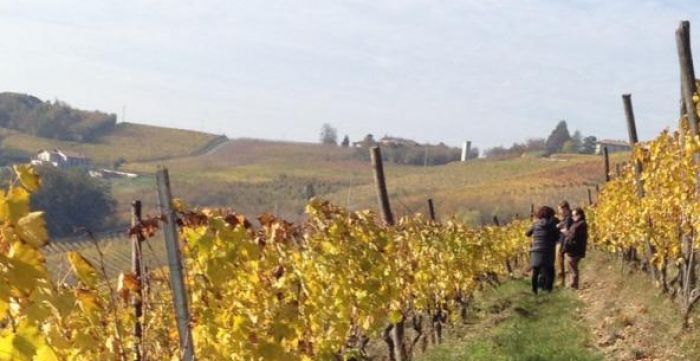
<p>The Beras own 12 <glossary title="523">hectares</glossary> of vines, and we started by visiting the five which surround the house. These <glossary title="686">Moscato</glossary> vines are 25 years old, south facing and planted on fairly steep <span class="zalup"><span><glossary title="345">coteaux</glossary><span>.</span></span></span> No <glossary title="442">fertilizers</glossary> are ever used, so the vines are low <glossary title="1129">yielding</glossary> and much less vigorous that what has become the norm in the area. </p>
<p><img src="http://louisdressner.com/uploads/images/article/2019_Aug_26//58/6e/586ecbb89539195350a4cc8bc13acb31.jpg" /></p>
<p><img src="http://louisdressner.com/uploads/images/article/2019_Aug_26//9e/d6/9ed65e98fd804366d551c3dd350379f7.jpg" /></p>
<p><img src="http://louisdressner.com/uploads/images/article/2019_Aug_26//ea/cb/eacb803f71d9376cea05611d1f6c38c0.jpg" /></p>
<p>The soils here are <span class="zalup"><span><glossary title="222">calcareous</glossary><span>.</span></span></span> As you can see, there is a lot of grass in the vineyards. They do the fava bean and grass in one row, <glossary title="810">plow</glossary> the other row thing: this is a technique many of our producers use, the idea being to give one row the "year off" to rest and fully replenish itself. The <glossary term="Estate" title="427">estate</glossary> is <span class="zalup"><span><glossary title="260">certified organic</glossary><span>.</span></span></span> </p>
<p><img src="http://louisdressner.com/uploads/images/article/2019_Aug_26//91/f5/91f5cc8679f6a8fcada94ff5e542c5d6.jpg" /></p>
<p><img src="http://louisdressner.com/uploads/images/article/2019_Aug_26//7e/73/7e73dc403d884bd0d5e009d314233dd9.jpg" /></p>
<p><img src="http://louisdressner.com/uploads/images/article/2019_Aug_26//28/2f/282fc0fb0fff3d8f79560393a51feb76.jpg" /></p>
<p>The lovely <a href="https://en.wikipedia.org/wiki/Sovereign_Military_Order_of_Malta#Knights_of_Malta" target="_blank">Knights of Malta</a> brought the <glossary title="686">Moscato</glossary> grape from Greece to this part of Italy in the 13th century. The Bera family actually bought land from the Knights themselves! <glossary title="686">Moscato d'Asti</glossary>'s unique style is due to two major influences: before <glossary title="447">filtration</glossary> techniques were introduced to <span class="zalup"><span><glossary title="254">cellars</glossary><span>,</span></span></span> bubbles were a natural way of preserving wine. Throw in the fact that the taste of nobility was for sweet wines at the time, and there you have it! <br />
<br />
Next, we visited a recently acquired <glossary title="1133">plot</glossary> located very close to the house. </p>
<p><img src="http://louisdressner.com/uploads/images/article/2019_Aug_26//5b/2d/5b2d8f582fc4bed34e0821e6c129c1ce.jpg" /></p>
<p><img src="http://louisdressner.com/uploads/images/article/2019_Aug_26//74/32/743224fc3d31543fef58c3efe99dc35f.jpg" /></p>
<p><img src="http://louisdressner.com/uploads/images/article/2019_Aug_26//7a/f2/7af2d266707ad8f43df1a0bca5a8ae13.jpg" /></p>
<p><span class="zalup"><span><glossary title="138">Barbera</glossary><span>,</span></span></span> <glossary title="686">Moscato</glossary> and <glossary title="927">Sauvignon Blanc</glossary> are planted here. The vines were owned by an old farmer who recently retired, are on average 80 years old and have been always been worked <span class="zalup"><span><glossary title="746">organically</glossary><span>.</span></span></span> Buying more land hadn't been in the works, but the proximity to the house and the age/sanitary state of the vines made it a deal too good to pass up. </p>
<p><img src="http://louisdressner.com/uploads/images/article/2019_Aug_26//03/f3/03f39d54577a0184f68e2f2012755e30.jpg" /></p>
<p><img src="http://louisdressner.com/uploads/images/article/2019_Aug_26//d2/2f/d22fe7a121c9a690e3300c19777e79d6.jpg" /></p>
<p>Their cat Piccolito decided to keep guard in case of intruders. </p>
<p><img src="http://louisdressner.com/uploads/images/article/2019_Aug_26//0d/a2/0da286057f7bbcec855503049a62da7e.jpg" /><br />
<br />
As we continued our walk, we came upon this statue of San Giovanni the Evangelist, which looms over an ugly power plant. </p>
<p><img src="http://louisdressner.com/uploads/images/article/2019_Aug_26//bb/76/bb762054992862b3d598c9ce8616b6d8.jpg" /></p>
<p><img src="http://louisdressner.com/uploads/images/article/2019_Aug_26//a1/ef/a1ef5e9e0a7d345a0081af7e13afc40a.jpg" /></p>
<p>After touring the vines, it was time to visit the <glossary title="254">cellar</glossary> and have Gianluigi give us an official lesson on how to make <span class="zalup"><span><glossary title="686">Moscato</glossary><span>.</span></span></span> Get ready, this is complex stuff!<br />
<br />
<strong>1.</strong> <glossary title="521">Harvest</glossary> grapes in 20 kilo plastic crates<br />
<br />
<strong>2.</strong> Do a slow <glossary title="811">pneumatic press</glossary> (3-5 hours)</p>
<p><img src="http://louisdressner.com/uploads/images/article/2019_Aug_26//0c/48/0c48063bc8f50ef1ab48ac85a516966d.jpg" /></p>
<p><strong>3.</strong> Immediately <glossary title="843">rack</glossary> the juice to <glossary title="986">stainless steel</glossary> <glossary title="1140">tanks</glossary><br />
<br />
<strong>4.</strong> The <glossary title="700">must</glossary> is then <glossary title="299">clarified</glossary> with a natural <glossary title="486">gelatin</glossary> that dissolves in the juice and sinks to the bottom, nabbing all the dirty stuff along the way<br />
<br />
<strong>5.</strong> The clean wine is <glossary title="843">racked</glossary> and separated from its <span class="zalup"><span><glossary title="590">lees</glossary><span>.</span></span></span> <glossary title="700">Must</glossary> is then frozen and brought to a cold chamber, where it is kept for a later step. The risk in working this way is that the <glossary title="1128">yeasts</glossary> in the <glossary title="700">must</glossary> (which are almost completely dormant, but not always), could potentially reactivate, thus wasting the <glossary title="700">must</glossary> <br />
<br />
<strong>6.</strong> At this point, Gianluigi <glossary title="447">filters</glossary> ONLY if there are too many <span class="zalup"><span><glossary title="590">lees</glossary><span>.</span></span></span> In conventional <glossary title="686">Moscato</glossary> making, a systematic and very strong <glossary title="447">filtration</glossary> is done to get rid of live <span class="zalup"><span><glossary title="1128">yeasts</glossary><span>,</span></span></span> then a "stimulant" <glossary title="321">commercial yeast</glossary> is used to make the bubbles, as there is still a lot of sugar left in the wine at this point.<br />
<br />
<strong>7.</strong> Wine is <glossary title="843">racked</glossary> to a 5000 l thermal tank. <glossary title="441">Fermentation</glossary> starts at 19 degrees. It's usually quite slow the first two days, but really picks up on the third. Normally, it takes no longer than a week for the wine to reach 5.5% alcohol. <br />
<br />
<img src="http://louisdressner.com/uploads/images/article/2019_Aug_26//fb/73/fb73305fdcd8cba18ac6e4d0659ef090.jpg" /></p>
<p><strong>8.</strong> When the desired amount of alcohol is reached, the tank is chilled down to block the <span class="zalup"><span><glossary title="441">fermentation</glossary><span>.</span></span></span> The wines <glossary title="985">stabilize</glossary> for 10-15 days.<br />
<br />
<strong>9.</strong> The wine is now softly <span class="zalup"><span><glossary title="447">filtered</glossary><span>.</span></span></span> This is not an easy task because the the wine is under pressure and still active. One <glossary title="1140">tank</glossary> takes a full day. <br />
<br />
<strong>10.</strong> The wine is <span class="zalup"><span><glossary term="Bottling" title="185">bottled</glossary><span>,</span></span></span> and you get to drink it! <br />
<br />
Unsurprisingly, the old school way of making <glossary title="686">Moscato</glossary> was way more primitive, and involved this contraption.</p>
<p><img src="http://louisdressner.com/uploads/images/article/2019_Aug_26//4b/49/4b494df845883444aee68cdf30a14bc0.jpg" /><br />
<br />
The wine was <glossary title="447">filtered</glossary> through cloths (placed in those things that look like udders), then caught in a wool sack at the bottom. The <glossary title="441">fermentation</glossary> would actually be blocked by the cold of the winter! 1973 was the last year it was used. <br />
<br />
That night, we had a huge dinner with a ton of meat and a fantastic risotto. Vittorio was very happy that our appetites were up to par.</p>
Article

interview
22.05.2019
A Video Interview with Alessandra Bera
<p>Alessandra Bera discusses, being a family <span class="zalup"><span><glossary title="427">estate</glossary><span>,</span></span></span> "<glossary term="Typicity" title="1056">typicity</glossary>" and working traditionally.</p>
<p><iframe allowfullscreen="" frameborder="0" height="360" src="//www.youtube.com/embed/BC1CTu623Pw" width="640"></iframe></p>
<p><iframe allowfullscreen="" frameborder="0" height="360" src="//www.youtube.com/embed/AhNSNbQegY8" width="640"></iframe></p>
<p><iframe allowfullscreen="" frameborder="0" height="360" src="//www.youtube.com/embed/M9NTvZc2zwE" width="640"></iframe></p>
<p><iframe allowfullscreen="" frameborder="0" height="360" src="//www.youtube.com/embed/bTE4E5z_p_k" width="640"></iframe></p>
Article
harvest report
14.10.2010
2010 Harvest Report from Gianluigi Bera
<p>Before beginning the <glossary title="521">harvest</glossary> I was worried and a little depressed about the <span class="zalup"><span><glossary title="1109">vintage</glossary><span>.</span></span></span> The season was late at every stage, August and the beginning of September were relatively cold and it looked like an overabundant crop: everything left the impression of a mediocre year and I was resigned to a "petit millésime". And the talk in the region started to alarm me: ripeness levels lower than seen in many years. So, I couldn’t believe my eyes when I checked the first grape <glossary title="700">must</glossary> with an old Baumè scale: 14 and ½ degrees! And, <em>quatordzemès</em>, as the old folks exclaim is a wonderful <glossary title="1381">potential grade</glossary> they think for making an undoubtedly true <glossary title="686">Moscato</glossary> di <span class="zalup"><span><glossary title="230">Canelli</glossary><span>.</span></span></span> Given my assumptions and expectations, it was a small miracle.</p>
<p>At the beginning of August, when the grapes are just beginning <span class="zalup"><span><glossary title="1396">veraison</glossary><span>,</span></span></span> as a rule we stop the <glossary title="993">sulfur</glossary> <glossary title="328">treatment</glossary> against <span class="zalup"><span><glossary title="737">oidium</glossary><span>.</span></span></span> We did not notice, however, only a portion of the grapes on each <glossary title="1138">bunch</glossary> had started to <glossary title="639">mature</glossary>; the remainder were still far behind because of a <glossary title="1179">flowering</glossary> which took place in several stages. So, many of these grapes that were still green were attacked by <span class="zalup"><span><glossary title="737">oidium</glossary><span>,</span></span></span> but, unusually, they were not cracked, making them look like sad little wood bells: it dried them but left them intact as small grained raisins. There was a kind of natural thinning: the remaining grapes could ripen to perfection, and thanks to the cool weather, conserved their given acids and aromas. The price to pay was a reduction in the overall <span class="zalup"><span><glossary title="1129">yield</glossary><span>,</span></span></span> but because the crop was already so abundant compared to our normal <span class="zalup"><span><glossary title="521">harvests</glossary><span>,</span></span></span> it’s not a problem.<br />
<br />
In summary:</p>
<p>The <glossary title="686">Moscato</glossary> is as good as it gets: added to the richness of the sugars, is a beautiful freshness and finesse in perfume, a powerful and energetic <span class="zalup"><span><glossary title="990">structure</glossary><span>,</span></span></span> but yet suavely elegant. A <glossary title="686">Moscato</glossary> in <em>“</em> <span class="zalup"><span><glossary title="230">Canelli</glossary><span>-</span></span></span>style<em>”</em> like we have not seen for a while.<br />
<br />
The <span class="zalup"><span><glossary title="398">Dolcetto</glossary><span>,</span></span></span> for having a optimal ripeness level, has an <glossary title="71">acidity</glossary> a little higher than usual and is a little less intense in color and richness of <span class="zalup"><span><glossary title="990">structure</glossary><span>.</span></span></span> Fearing an excess of green <glossary title="1010">tannins</glossary> and astringency, we did a quick <glossary title="610">maceration</glossary> of only ten days. I hope for a fresh and very pleasant wine.<br />
<br />
For the other whites, surprisingly good for the early grapes; the <glossary title="341">Cortese</glossary> is good, fresh, direct and mineral. We’ll see the result when <span class="zalup"><span><glossary title="1146">blended</glossary><span>.</span></span></span><br />
<br />
With the <glossary title="138">Barbera</glossary> I need to say one other thing. It was also very late and in mid-September still had a lot of <span class="zalup"><span><glossary title="71">acidity</glossary><span>.</span></span></span> Because I HATE the practice of <glossary title="377">deacidification</glossary> (to me it's an unexplainable violence) the only thing to do was wait. And we waited, despite two strong downpours at the beginning of October. Finally, only for fear of the weather, we <glossary title="521">harvested</glossary> beginning the 8th October. The grapes are really beautiful, great color, intact, pulpy skins, unusually so for this difficult variety. The rain has somewhat lowered the alcohol level without otherwise compromising the <span class="zalup"><span> <glossary title="990">structure</glossary><span>,</span></span></span> the completeness and balance: I think in the end it will be at the level of the formidable 2001.<br />
<br />
To finish off, therefore, it’s a great <glossary title="521">harvest</glossary> and a top <span class="zalup"><span><glossary title="1109">vintage</glossary><span>.</span></span></span></p>
Article
harvest report
11.09.2010
2010 Pre-Harvest Report from Gianluigi Bera
<p>If you think about it, half of your existence passes through this place and exits and flows and drips out together with every single centiliter of wine <span class="zalup"><span><glossary title="700">must</glossary><span>.</span></span></span> Better not to think about it, better to just get down with the elbow grease without looking too deep inside. The old folks speak of a magical place where “one feels oneself”, where those who unwittingly opened their eyes and saw themselves, understanding everything at that moment, were often unable to overcome the violence of this awakening. The <glossary title="1200">press</glossary> is one of those places.</p>
<p><br />
<em><strong>"…e la vita la vita, si fa grande così<br />
e comincia domani<br />
<br />
Dove sarò domani? Dove sarò?<br />
<br />
Dove sarò domani che ne sarà dei miei sogni infranti, dei miei piani<br />
Dove sarò domani? Tendimi le mani, tendimi le mani !<br />
<br />
Ma domani domani, domani lo so,<br />
lo so che si passa il confine.<br />
Tra le nuvole e il mare, si può fare e rifare;<br />
con un pò di fortuna si può dimenticare...<br />
E comincia...domani!<br />
<br />
...and life, life, it becomes so big<br />
and begins tomorrow<br />
<br />
Tomorrow where will I be? Tomorrow where will I be?<br />
<br />
Where will I be tomorrow, what will become of my broken dreams and my plans?<br />
Where will I be tomorrow, give me our hands, give me your hands?<br />
<br />
But tomorrow, tomorrow, tomorrow I know,<br />
I know we'll go far beyond.<br />
Between the clouds and the sea and we can do it and do it again;<br />
with a little luck we can forget<br />
and it begins...tomorrow!</strong></em></p>
Article

harvest report
10.10.2008
2008 Harvest Report from Gianluigi Bera
<p>To think the season started off well.<br />
<br />
The vines potentially had a lot of grapes and <glossary term="Budding" title="1166">budded</glossary> splendidly, green and vigorous. The climate was the best, not too hot and really dry.<br />
<br />
Then, on the 20th of May, the catastrophe began - a continuous month of rain, sometimes hard, sometimes light, but daily; a month of continuous cold with dark clouds in the sky. It was the kind of thing no one remembered seeing for at least 100 years. The delicate moment of <glossary title="1179">flowering</glossary> was compromised, most of all for the late ripening <glossary term="Varietal" title="1071">varieties</glossary>; under the constant wet, the little flowers closed up, rotted and fell off. All that remained of the <glossary title="1138">bunch</glossary> was a sad twig.<br />
<br />
The vineyards soon became a disaster, the growth of the grass was unstoppable and it became high, without any way to eliminate it. The <glossary title="1137">mildew</glossary> started and attacked the leaves in a very harsh way. Not being able to go between the rows with a tractor, I couldn't do anything but try to control by doing <glossary title="328">treatments</glossary> of powder with a sprayer on my back. This was somewhat homeopathic, but tiring, because every day it rained and every other day I had to repeat the <span class="zalup"><span><glossary title="328">treatment</glossary><span>.</span></span></span> Then the rain stopped and from one day to the next it broke out in a heat: a humid heat, intense and harmful. The vineyard looked like it had become a jungle, and on top of the <glossary title="1137">mildew</glossary> came <glossary title="737">oidium</glossary> (or powdery mildew), could this year get any worse!. Everybody was using a ton of poison, but we stayed with <glossary title="746">organic</glossary> <glossary title="328">treatments</glossary> and our crops were no worse than the others.<br />
<br />
Everything came to a head at the end of July in a week of madness. I needed to bottle some <glossary title="688">Moscato</glossary> and I could not go into the vineyard. My father was cutting the grass with a tractor so the daily <glossary title="328">treatment</glossary> of <glossary title="993">sulfur</glossary> against the <glossary title="737">oidium</glossary> was left off for a day. Within the week the malady had become unstoppable despite the interventions that were done after. As far as there remained any grapes, they were dried out.<br />
<br />
After a windy and hot August, the <glossary title="521">harvest</glossary> began for us on the 8th of September. It was a strange a depressing <span class="zalup"><span> <glossary title="521">harvest</glossary><span>.</span></span></span> There were very few grapes: 50% less than normal on the <span class="zalup"><span><glossary title="688">Moscato</glossary><span>,</span></span></span> 60% less on the other white grapes and 70% less of <glossary title="398">Dolcetto</glossary> and <span class="zalup"><span><glossary term="Barbera" title="138">Barbera</glossary><span>:</span></span></span> a true disaster. The quality? It was best for the <span class="zalup"><span><glossary title="688">Moscato</glossary><span>,</span></span></span> since luckily we are situated in the best vineyard sites in the region and could pick later. It's fair quality for the reds; they suffered at the end of the season so the ripening was not perfect. It was the same for the white grapes <span class="zalup"><span>(<glossary title="118">Arneis</glossary><span>,</span></span></span> <glossary title="341">Cortese</glossary> and <glossary title="437">Favorita</glossary>); the grapes were very healthy but not completely ripe. Qualitatively, in complexity it's a good year; quantitatively, it's the worst in the last 100 years.<br />
<br />
For now, there is a sufficient amount of <glossary title="688">Moscato</glossary>; with the reds on the other hand I am thinking of making a single wine, which should yield about 6,000 bottles as a souvenir of the most difficult and agonizing <glossary title="1109">vintage</glossary> of my life!</p>
Article
harvest report
17.10.2007
2007 Harvest Report from Gianluigi Bera
<p>A year like no one can remember, not even the oldest folks, and one would have to go back to 1805 to find something similar.<br />
<br />
First of all, there was no winter. After the rainy <glossary title="521">harvest</glossary> of 2006, there was nothing but a long, warm autumn without water or snow that then became spring with no changes. At the end of January 2007, there were days with max temperatures of 29° C (84° F). And then it continued like this: warm, sunny and, most of all, dry.<br />
<br />
By mid-April, the vines had full shoots. The few days of rain in mid-May were followed by a new, dry heat wave that lasted until the end of June. During the first days of July, the grapes were already starting to change color! It was a dramatic <span class="zalup"><span><glossary title="1167">drought</glossary><span>,</span></span></span> most of all in those which, in normal years, are our best vineyard sites. The vines heroically searched out the last drops of water buried deep in the earth, but deprived their grapes which stayed small and short on juice.<br />
<br />
July was still hot, but with cool, dry evenings – perfect for developing the aromas. A heavy storm on the 4th of August restored the soil and the dried-out vines that had somewhat shut down but started again to allow the grapes to get bigger. On the 10th of August a few people started picking the precocious whites; by the 17th of August many were already picking the <span class="zalup"><span><glossary title="688">Moscato</glossary><span>.</span></span></span> We were still not satisfied – the <glossary title="1167">drought</glossary> had made the vines stingy in producing sugars. We waited until the 25th of August when most others were already finished.<br />
<br />
We started first with the <span class="zalup"><span><glossary title="688">Moscato</glossary><span>,</span></span></span> optimal in quality but with very low <span class="zalup"><span><glossary title="1129">yields</glossary><span>,</span></span></span> 40% less overall than in normal years. The <glossary term="alcoholic potential" title="1381">potential alcohol</glossary> was between 13 and 14 degrees. Four days later came an unexpected deluge of rain – over three inches of rain in one night! We had to wait a few days, but then the <glossary title="521">harvest</glossary> restarted. The rain came too late, but carried some benefits nonetheless. We finished the 8th of September, earlier than in anyone’s memory.<br />
<br />
Then came the <span class="zalup"><span><glossary title="398">Dolcetto</glossary><span>:</span></span></span> it was very small quantity, very good quality, but not at maximum <span class="zalup"><span><glossary title="639">maturation</glossary><span>.</span></span></span> We had to wait another 10 days: it had great body and good dry matter, but was more rustic than tame.<br />
<br />
After that, the whites for the "Arcese": absolutely perfect! Never had I seen these grapes so healthy and beautifully shaped. They needed six days of <glossary term="Maceration" title="610">maceration</glossary> on the skins because it would have been a shame to <glossary title="827">press</glossary> them right away.<br />
<br />
At last, on the 14th of September, the <span class="zalup"><span><glossary title="138">Barbera</glossary><span>,</span></span></span> perhaps the grape that seems to have given the better result: powerful, smooth, great fruit and opulent, silky material. It is still <glossary title="441">fermenting</glossary> after a month.<br />
<br />
In the end, the most negative factor is the low <span class="zalup"><span><glossary title="1129">yields</glossary><span>.</span></span></span> With respect to other years of record heat, 2003 for instance, the quality is much better, because the fruit was not scorched or cooked and the <glossary title="538">indigenous yeasts</glossary> worked very well without problems. They will make for great drinking (We hope!) but in parsimonious portions. “Pòch, ma bon” as our old folks say! “A little, but good!”</p>
Article
harvest report
13.09.2005
2005 Harvest Report from Alessandra Bera
<p><u><strong>September 13th, 2005:</strong></u></p>
<p>.…And here we go! The <glossary term="Harvest" title="521">harvest</glossary> has started. After a very ugly week of rain, storms, squalls and even a little <span class="zalup"><span><glossary term="Hail" title="1136">hail</glossary><span>,</span></span></span> we started this morning. The grapes are beautiful at the moment, maybe not perfect in <span class="zalup"><span><glossary term="Maturation" title="639">maturity</glossary><span>,</span></span></span> but because of the rain, we need to <glossary term="Harvest" title="521">harvest</glossary> otherwise rot could begin to set.</p>
<p>Hope the weather is good where you are.<br />
</p>
Article