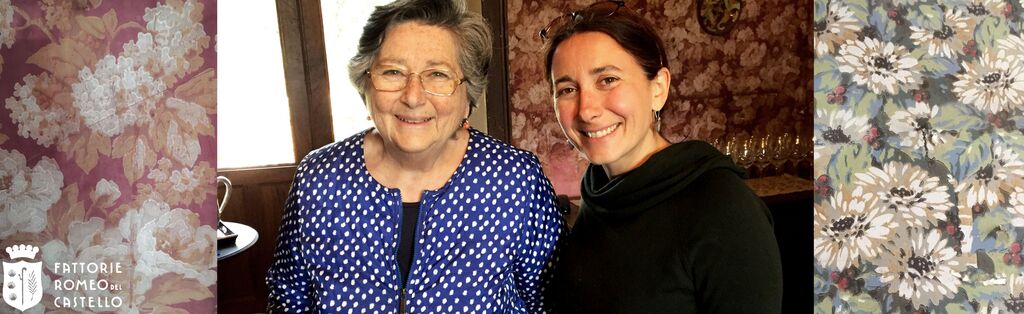
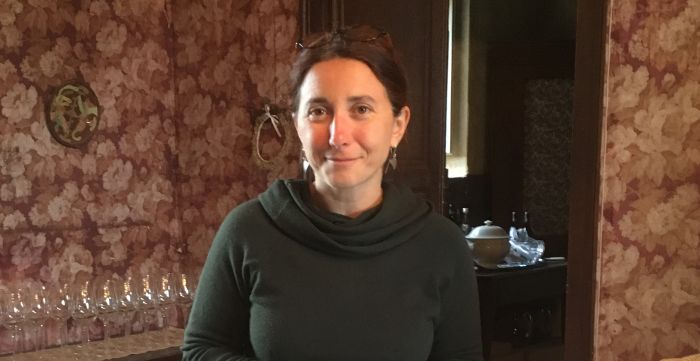
Chiara Vigo returned to her family winery partly due to a fascination with wine labels. In fact she made them her thesis in art school and released a book about it. Also, read on to find out about the huge volcano wall.
Chiara Vigo returned to her family winery partly due to a fascination with wine labels. In fact she made them her thesis in art school and released a book about it. Also, read on to find out about the huge volcano wall.
Read more
Quick Facts
Name of Estate
Fattorie Romeo del Castello
Region
Sicily
Country
Italy
Proprietor
Rosanna Romeo and Chiara Vigo
Size
14 hectares
Farming
Organic (Certified)
Soils
Volcanic ash, sand stone
Grapes grown
Nerello Mascalese, Nerello Cappucio
Fun facts
Chiara Vigo returned to her family winery partly due to a fascination with wine labels. In fact she made them her thesis in art school and released a book about it. Also, read on to find out about the huge volcano wall.
<p>Proprietors Rosanna Romeo and her daughter Chiara Vigo are taking <glossary title="429">Etna's</glossary> historic <glossary title="436">Fattorie</glossary> Romeo del Castello to a higher level.</p>
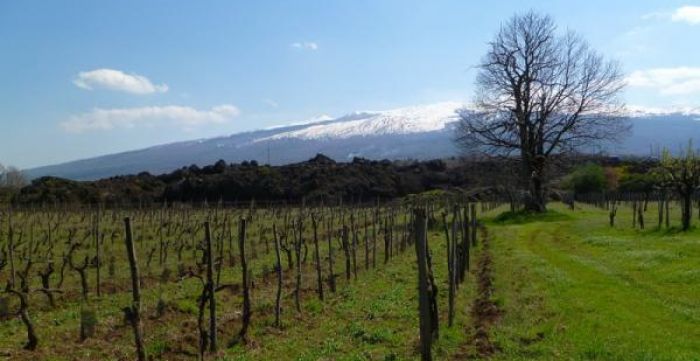
<p>The 14 <glossary title="523">hectare</glossary> <glossary title="427">estate</glossary> is surrounded by a 20 foot wall of petrified lava formed during an eruption in 1981, one of <glossary title="429">Etna's</glossary> most vicious. The stream that forms the wall was headed directly towards the vineyards and house, but miraculously took an abrupt right turn before extinguishing itself into the Alcantara river. Though 15 <glossary title="523">hectares</glossary> of land were scorched, luckily their 100 year old vineyard of <glossary title="713">Nerello Mascalese</glossary> was spared. And to top it off, the wall of lava has modified the vines' <glossary title="430">exposure</glossary> to wind, creating a unique <span class="zalup"><span><glossary title="656">micro-climate</glossary><span>!</span></span></span> On a lower <span class="zalup"><span><glossary title="809">plateau</glossary><span>,</span></span></span> <glossary title="1130">young vines</glossary> of <glossary title="713">Mascalese</glossary> from <glossary title="941">massale selection</glossary> have been planted over the last decade, for a total of 14 <glossary title="523">hectares</glossary> at 700m <span class="zalup"><span><glossary title="419">elevation</glossary><span>.</span></span></span><br />
<br />
All of the vines are trained in <span class="zalup"><span><glossary title="497">alberello</glossary><span>,</span></span></span> the traditional cultivation method of the region. In her beginnings, Chiara was heavily assisted by <a href="http://louisdressner.com/producers/foti/">Salvo Foti's I Vigneri team</a> of workers in the vines as well as Salvo in the <span class="zalup"><span><glossary title="254">cellar</glossary><span>.</span></span></span> But with accumulated experience, she now does everything herself. </p>
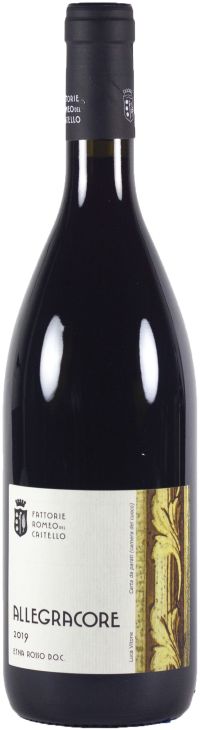
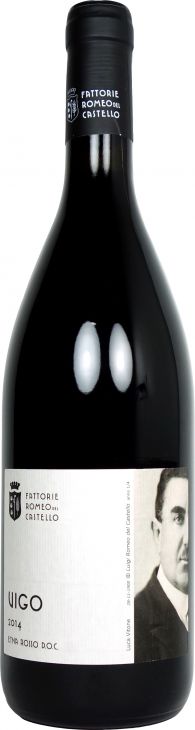
<p>The grapes are <span class="zalup"><span><glossary title="520">hand-harvested</glossary><span>,</span></span></span> <glossary title="441">fermented</glossary> in open <glossary title="1126">wood</glossary> <glossary title="1140">vats</glossary> for the "Vigo" <glossary title="363">cuvée</glossary> and <glossary title="986">stainless steel</glossary> for "Allegracore," without <span class="zalup"><span><glossary title="1128">yeasts</glossary><span>,</span></span></span> <span class="zalup"><span><glossary title="423">enzymes</glossary><span>,</span></span></span> or <span class="zalup"><span><glossary title="1018">temperature control</glossary><span>.</span></span></span> <glossary title="993">Sulfur</glossary> is used sparingly, if at all. "Vigo", a <glossary title="852">riserva</glossary><glossary title="852"></glossary> made only in exceptional <span class="zalup"><span><glossary title="1109">vintages</glossary><span>,</span></span></span> is <glossary title="74">aged</glossary> in older <glossary title="731">oak</glossary> <glossary title="242">casks</glossary> for about 14 months then <glossary title="185">bottled</glossary> without <glossary title="449">fining</glossary> or <span class="zalup"><span><glossary title="447">filtration</glossary><span>.</span></span></span> The "Vigo" shows all the remarkable characteristics and potential of this perfect match of <glossary title="1026">terroir</glossary> (pure <glossary title="1117">volcanic</glossary> ash and <glossary title="1117">lava flow</glossary>) and a delicious grape variety only found in this corner of the world. How great are the soils here? A thousand year old olive tree survives in them.</p>
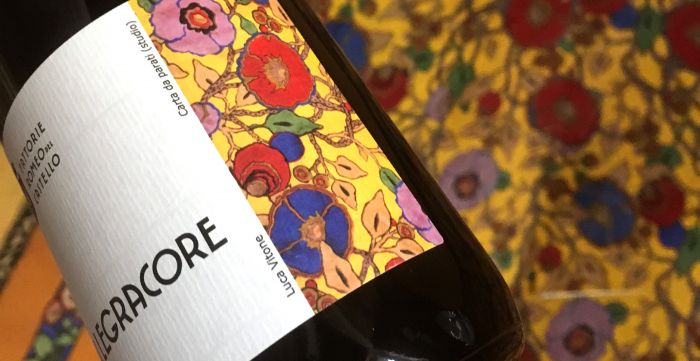
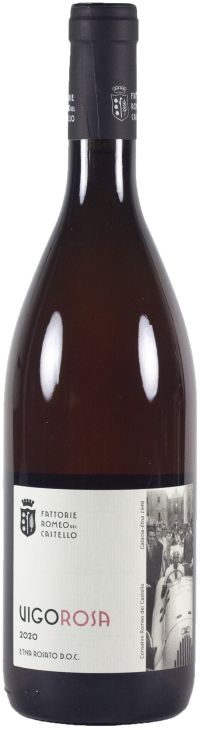
<p>Beyond the wine itself, Chiara has used Fattorie Romeo del Castello to pen a love letter of sorts to her family's past through the dynamic, ever changing <span class="zalup"><span><glossary title="573">labels</glossary><span>.</span></span></span> Each<strong> <glossary title="363">cuvée</glossary></strong> tells a different story, with each <glossary title="1109">vintage</glossary> adding an element to the narrative (we highly recommend you reading each wine's "fun facts" to dive deeper into their meanings). Prior to coming back to the winery, Chiara earned her PHD in art and specifically focused on <glossary title="573">wine labels </glossary>(she even published a book!) so it's no surprise her own wines would serve as an artistic outlet. </p>
interview24.05.2019
An interview with Chiara Vigo of Fattorie Romeo del Castello
<p><em>This interview with Chiara Vigo took place at </em><glossary title="568"><em>L'Herbe Rouge</em></glossary><em> in February, 2012.</em></p>
<p><strong>Tell us about<font color="#7b143e"> Fattorie</font> Romeo del Castello.</strong><br />
<br />
The <glossary title="427">estate</glossary> dates back to my great grandmother, and was inherited by my mom, whose maiden name was Vagliasindi. My grandfather produced wine through the first half of the 1900's, and the <glossary title="573">label</glossary> he used was a huge inspiration, so we've kept it. The name of the <glossary title="427">estate</glossary> and <span class="zalup"><span><glossary title="363">cuvée</glossary><span>,</span></span></span> Romeo del Castello, is also the same. My father was from <span class="zalup"><span><glossary title="1197">Naples</glossary><span>,</span></span></span> but moved to <glossary title="951">Sicily</glossary> when my parents got married in the 1970's. He maintained the farm, but didn't produce any wine. When he died in 1987, and my mother continued this work until 2007, when I moved back to <span class="zalup"><span><glossary title="951">Sicily</glossary><span>.</span></span></span><br />
<br />
In 1981, <glossary title="429">Mt Etna</glossary> erupted and the lava destroyed a big part of the property. It was a great tragedy that really affected my parents: prior to 1981, they had about 60 <glossary title="523">hectares</glossary> of land, but under these tough economic circumstances they were forced to sell a lot of vines. In the end, the farm became half the size. We have 14 <glossary title="523">hectares</glossary> of vines, as well as olive trees, pear trees, chestnut trees, <glossary title="731">oak</glossary> trees and of course lava! The only grape we work with is <span class="zalup"><span><glossary title="713">Nerelo Marscalese</glossary><span>:</span></span></span> the 14 <glossary title="523">hectares</glossary> are old vines (70-100 years) that produce the wine I currently offer, and we've replanted 10 <glossary title="523">hectares</glossary> of very young vines that haven't produced any fruit yet. <br />
<br />
<strong>What brought you back?</strong><br />
<br />
I've always been attached to this place: I grew up there and it's where my father died... But it was never the plan to study <glossary title="422">oenology</glossary>/<glossary title="80">agronomy</glossary> and start making wine here!<br />
<br />
After high school, I studied and lived all over the place. I studied mass media communication in <glossary title="172">Bologna</glossary> and got my doctorate of the arts in <span class="zalup"><span><glossary title="1076">Venice</glossary><span>.</span></span></span> By then I already knew I wanted to come back to <span class="zalup"><span><glossary title="951">Sicily</glossary><span>,</span></span></span> and began thinking about combining art with the island. This inspired my thesis, which revolved around studying <glossary title="573">wine labels </glossary>designed by artists. The focus was on Italian and French labels, and this really drew me into the world of wine. <br />
<br />
My research brought me to Paris for two years, where I eventually finished my thesis. I then spent a year in Milan adapting it into a book called <em>Arte e Vino</em>. I moved back to <glossary title="951">Sicily</glossary> in 2007, and decided to live in <span class="zalup"><span><glossary title="844">Randazzo</glossary><span>.</span></span></span> I was all alone there for two years, and it was very hard. So now I spend the winter in <glossary title="248">Catania</glossary> and stay in the country the rest of the year. <br />
<br />
<strong>So what made you decide to make wine from your land?</strong><br />
<br />
Through a chance encounter with Salvo Foti in April, 2007. He made me understand that I had a treasure, something I wasn't really conscious of. He gave me the confidence to start making my family's wine again. <br />
<br />
I didn't really like wine until my stay in France. Before that I'd only had wines from <span class="zalup"><span><glossary title="429">Etna</glossary><span>,</span></span></span> which I really didn't like. They were very basic and lacked elegance. So at that point I actually believed I disliked all wine! But in the process of writing my thesis, I began actually tasting the bottles and that's when I realized that I actually liked it! I'm happy to say that wines from <glossary title="429">Etna</glossary> have really evolved in the last decade, and that there's a new wave of great wine being made here. <br />
<br />
<strong>What's the work in the vines like?</strong><br />
<br />
We've continued to work the same way as our ancestors. We've never used any <glossary title="279">chemicals</glossary> in the vineyard. I've recently reintegrated wildlife to the vines, especially during the winter. We use <glossary title="333">copper</glossary> and <span class="zalup"><span><glossary title="993">sulfur</glossary><span>,</span></span></span> and that's it. Because Salvo mentored me and works <span class="zalup"><span><glossary title="746">organically</glossary><span>,</span></span></span> we have never thought of working any other way. And honestly, if there is any point in continuing, it's through this type of <span class="zalup"><span><glossary title="78">agriculture</glossary><span>.</span></span></span> I can't ever imagine using <span class="zalup"><span><glossary title="279">chemicals</glossary><span>.</span></span></span> <br />
<br />
<strong>How is the wine made?</strong><br />
<br />
Salvo Foti is my <glossary title="422">oenologist</glossary>; he trained me in 2007 and 2008 at other wineries where he was calling the shots. At the moment we don't have a <glossary title="254">cellar</glossary> on the property, which is frustrating and something that needs to happen soon. We actually have an <glossary title="758">edifice</glossary> called a <glossary title="758">palmento</glossary> dating back to the 1700's, and this is where the wine had always been made. Unfortunately, Italian law would never let us use it for security and hygiene reasons. I'm torn because I really need a <span class="zalup"><span><glossary title="254">cellar</glossary><span>,</span></span></span> but at the same time there is so much history there that I really want to renovate it and turn it into a museum. <br />
<br />
<strong>You had a recent visit from Stefanno Belloti of <em>Cascina Degli Ulivi</em> right?</strong><br />
<br />
Yeah, we met last year in Milan. I told him my story, and he was really intrigued. Then I basically asked him if he could help me! He came to <glossary title="429">Etna</glossary> for the first time in his life in January (2012). I really hope he can come back to give us some more great advice. We've already started planting grains between the rows and implementing some of his techniques. My goal is to one day work in his very unique take on the <glossary title="160">biodynamic</glossary> philosophy. I look forward to visiting his farm to see what he does first-hand!<br />
<br />
<strong>At what point were you introduced to wines made wine with native yeasts?</strong><br />
<br />
Again, through Salvo. I restarted the <glossary title="427">estate</glossary> to reconnect with my ancestors, so it was completely logical to work the vines and make the wine just like they had. I can't envision any other way to do it. <br />
<br />
<strong>Can we talk about the new "Allegracore" cuvée?</strong><br />
<br />
We started with the "Vigo" wine in 2007. I used my last name as an homage to my father, because he worked this land and died here. But we'd originally wanted to call the wine "Allegracore" because it's the name of the <span class="zalup"><span><glossary title="760">parcel</glossary><span>.</span></span></span> I love the name, because it means "the place that makes a happy heart"! This was not possible because <glossary title="1156">D.O.C</glossary> legislation dictated that everything made in my area had to be <glossary title="429">Etna</glossary> <span class="zalup"><span><glossary title="874">Rosso</glossary><span>.</span></span></span> But thanks to a dedicated group of <glossary title="1089">vigniaoli</glossary> who fought against this, as of 2011 you are allowed to write the name of a parcel on an <glossary title="429">Etna</glossary> <span class="zalup"><span><glossary title="874">Rosso</glossary><span>.</span></span></span> <br />
<br />
So now the <glossary title="146">base wine</glossary> will be called "Allegracore", and the "Vigo" <glossary title="363">cuvée</glossary> will only be produced in great <span class="zalup"><span><glossary title="1109">vintages</glossary><span>.</span></span></span> "Allegracore" will be cheaper because it's <glossary title="74">aged</glossary> in <span class="zalup"><span><glossary title="986">stainless steel</glossary><span>.</span></span></span> The "Vigo" will be made the same way as 2007 and 2008: <glossary title="986">stainless steel</glossary> <glossary title="441">fermentation</glossary> then <glossary title="74">aged</glossary> in <span class="zalup"><span><glossary title="142">barrel</glossary><span>.</span></span></span> At least for now!</p>
producer visit21.08.2019
Fattorie Romeo del Castello Visit
This visit to Fatorie Romeo del Castello took place in April, 2012
<p><em>This visit at Fattorie Romeo del Castello took place in April, 2012. </em></p>
<p><em>Words by Jules Dressner, photos by Lauren Feldman, Shawn Mead and Ian Becker.</em></p>
<p>After lunch at the excellent <em>San Giorgio e il Drago</em>, we hopped into our cars to visit Rosanna Romeo and Chiara Vigo of Fattorie Romeo del Castello. The <glossary title="427">estate</glossary> is located just on the outskirts of <span class="zalup"><span><glossary title="844">Randazzo</glossary><span>,</span></span></span> so it was a very quick drive. A long dirt path off the main road brings you to the 17th century house where Rosanna and Chiara live part time (their main residence is in <glossary title="248">Catania</glossary>).</p>
<p><br />
<img src="http://louisdressner.com/uploads/images/article/2019_Aug_21//3f/e4/3fe4c2711e756ebd8bf09f54ee2cbfbe.jpg" /></p>
<p>Rosanna, who is a local, inherited the farm from her grandmother in the 1970's. She then married Mr. Vigo (originally from <glossary title="1197">Naples</glossary>), and together they took care of the farm and vines, but sold all of the grapes. After his death in 1987, Rosanna continued to maintain the farm alone. Her daughter Chiara, after travelling the world to pursue her masters degree, become a published author and a certified <a href="http://en.wikipedia.org/wiki/Kundalini_yoga">kundalini yoga</a> master, decided to return in 2007. <br />
<br />
From an early age, Chiara found herself drawn to the parallels between works of nature and art. Inspired by this connection, she found a perfect middle ground with <span class="zalup"><span><glossary title="573">wine labels</glossary><span>:</span></span></span> this passion became the foundation of her masters' thesis, which she later developed into the great book <a href="http://www.hoepli.it/libro/arte-e-vino-l-etichetta-d-autore-come-immagine-del-gusto/9788889632116.asp" target="notSet"><em>Arte e Vino</em></a>. After many years yearning to return to the farm, a chance encounter with <a href="http://louisdressner.com/producers/foti/">Salvo Foti</a> in 2007 gave her the perfect reason.<br />
<br />
<em>"He made me understand that I had a treasure, something I wasn't really conscious of."</em><br />
<br />
She returned almost immediately with the goal of independently <glossary title="185">bottling</glossary> wine from her family's <glossary title="427">estate</glossary> for the first time since her grandfather in the 1950's. Because of her lack of <glossary title="80">agronomical</glossary> and <glossary title="422">oenological</glossary> knowledge, Salvo offered to mentor her by showing her how to tend the vines and make the wine. 2007 was the first<strong> <glossary title="1109">vintage</glossary> </strong>for the <glossary term="Estate" title="427">estate</glossary><span class="zalup"><span><span>,</span></span></span> with a single wine called "Vigo" produced as an hommage to Chiara's father. <br />
<br />
The 14 <glossary title="523">hectares</glossary> of vines are 70-100 years old, all in <span class="zalup"><span><glossary title="713">Nerello Mascalese</glossary><span>.</span></span></span> </p>
<p><br />
<img src="http://louisdressner.com/uploads/images/article/2019_Aug_21//d7/67/d767e482310f2f12d778fc412660ee41.jpg" /></p>
<p><img src="http://louisdressner.com/uploads/images/article/2019_Aug_21//a6/cb/a6cb8aa2888c50400e1cad090159813f.jpg" /></p>
<p><img src="http://louisdressner.com/uploads/images/article/2019_Aug_21//e5/ee/e5ee3bd207fe0a51e9497079b480ea00.jpg" /></p>
<p>In the background, you can see the huge wall of lava that borders the vines.</p>
<p><img src="http://louisdressner.com/uploads/images/article/2019_Aug_21//3e/8d/3e8dd91b01775ad86ae8af761e1a328e.jpg" /><br />
<glossary title="429"></glossary></p>
<p><glossary title="429">Mount Etna</glossary> is one of the most active volcanoes in the world, and its massive eruption in 1981 almost completely destroyed the entire Romeo del Castello property. The flow's original trajectory was headed directly towards the house, but at the last minute took a right turn, sparing the property. It was a great tragedy that cost the family a lot of land, but's it's also the very reason why the wines are one of a kind. The lava wall heavily affects how the winds hit the vines and how temperature is contained, thus creating a unique <span class="zalup"><span><glossary title="656">micro-climate</glossary><span>.</span></span></span> The result is a bright, <glossary title="324">concentrated</glossary> red with a ton of personality. <br />
<br />
At no point have <glossary title="279">chemicals</glossary> ever been used in the <glossary title="427">estate's</glossary> history. Chiara has recently reintegrated wildlife into the vines, and Stefano Bellotti of <a href="http://louisdressner.com/producers/Ulivi/" target="notSet">Cascina Degli Ulivi</a> is consulting on how to incorporate <glossary title="160">biodynamic</glossary> practices. His first visit was in January; he plans to return in summer, and Chiara can't wait to visit his farm to see what he does first hand.<br />
<br />
Walking back, we got to see this 1000 year old tree. </p>
<p><img src="http://louisdressner.com/uploads/images/article/2019_Aug_21//89/19/891903c552fe17bc0982ec182b38c16e.jpg" /></p>
<p>At some point, another completely different tree started growing OUT of it. Pretty trippy man! <br />
<br />
I then petted Rosanna's dog because it was super cute.</p>
<p><img src="http://louisdressner.com/uploads/images/article/2019_Aug_21//bd/4a/bd4a3650b263b7a815b828019d995bf1.jpg" /><br />
<br />
About a ten minute walk South of the house, Chiara has replanted vines -also in <span class="zalup"><span><glossary title="713">Nerello Mascalese</glossary><span>-</span></span></span> that have yet to produce fruit. </p>
<p><img src="http://louisdressner.com/uploads/images/article/2019_Aug_21//5a/a5/5aa5d46aa1b9bc0a6497fb12635e5863.jpg" /></p>
<p>They aren't too far from the <span class="zalup"><span><glossary title="957">Simeto river</glossary><span>.</span></span></span></p>
<p><img src="http://louisdressner.com/uploads/images/article/2019_Aug_21//c3/d5/c3d5e014d373371486dded450bea1046.jpg" /></p>
<p>If you look closely, you can see exactly where the flow of lava that borders the vines ended. The river is very dry this time of year, but fills up considerably. <br />
<br />
We then visited the old <span class="zalup"><span><glossary title="758">palmento</glossary><span>,</span></span></span> which is adorned by that creepy leatherface thing that was just as terrifying in person as it is in the picture. </p>
<p><img src="http://louisdressner.com/uploads/images/article/2019_Aug_21//a2/74/a27468c48102cffed51d279c92a781ee.jpg" /></p>
<p>It was time to taste, so we stepped into the house. First up were the 2007 and 2008 "Vigo" which have both been available in the US before. Since Chiara is such a <glossary title="573">label</glossary> geek, it's no surprise that she has spent a lot of time thinking about her own designs. The "Vigo" <glossary title="573">label</glossary> features a map showcasing the exact place where the lava flowed through her property (highlighted in red). </p>
<p><img src="http://louisdressner.com/uploads/images/article/2019_Aug_21//71/10/71102eb6f973d582e13c28df8eeec97c.jpg" /><br />
<br />
It was inspired by this map of the 1981 eruption of where the lava flowed.</p>
<p><img src="http://louisdressner.com/uploads/images/article/2019_Aug_21//4a/f9/4af9e644be0eca7e1953d278d0a06f95.jpg" /></p>
<p>Next up where the "Allegracore" wines, which are new and about to be available in the United States for the first time. Chiara explains the idea behind this <glossary title="363">cuvée</glossary> in her interview:<br />
<br />
<em>"We started with the "Vigo" wine in 2007. I used my last name as an hommage to my father, because he worked this land and died here. But we'd originally wanted to call the wine "Allegracore" because it's the name of the </em><glossary title="760"><em>parcel</em></glossary><em>. I love the name, because it means "the place that makes a happy heart"! This was not possible because </em><glossary title="1156"><em>D.O.C</em></glossary><em> legislation dictated that everything made in my area had to be </em><glossary title="429"><em>Etna</em></glossary><em> </em><glossary title="874"><em>Rosso</em></glossary><em>. But thanks to a dedicated group of </em><glossary title="1089"><em>vigniaoli</em></glossary><em> who fought against this, as of 2011 you are allowed to write the name of a </em><glossary title="760"><em>parcel</em></glossary><em> on an </em><glossary title="429"><em>Etna</em></glossary><em> </em><glossary title="874"><em>Rosso</em></glossary><em>. So now the base wine will be called "Allegracore", and the "Vigo" </em><glossary title="363"><em>cuvée</em></glossary><em> will only be produced in great </em><glossary title="1109"><em>vintages</em></glossary><em>. "Allegracore" will be cheaper because it's </em><glossary title="74"><em>aged</em></glossary><em> in </em><glossary title="986"><em>stainless steel</em></glossary><em>. The "Vigo" will be made the same way as 2007 and 2008: </em><glossary title="986"><em>stainless steel</em></glossary><em> </em><glossary title="441"><em>fermentation</em></glossary><em> then </em><glossary title="74"><em>aged</em></glossary><em> in </em><glossary title="142"><em>barrel</em></glossary><em>. At least for now!"</em><br />
<br />
It is quite <span class="zalup"><span><glossary title="495">glou-glou</glossary><span>.</span></span></span> The <glossary title="573">labels</glossary> are pretty cool too, and will change every <span class="zalup"><span><glossary title="1109">vintage</glossary><span>.</span></span></span> Here is the initial line up for 09, 10 and 11, along with the original <glossary title="573">label</glossary> used by Chiara's grandfather on the far left.</p>
<p><img src="http://louisdressner.com/uploads/images/article/2019_Aug_21//c7/20/c72085a09701f2fb82240914e14752f2.jpg" /></p>
<p>For the first three, Chiara has actually used pictures of the original "art nouveau" wallpaper in the house. You can actually see the electrical wiring on the 2009 <span class="zalup"><span><glossary title="573">label</glossary><span>!</span></span></span></p>
<p><img src="http://louisdressner.com/uploads/images/article/2019_Aug_21//d3/6c/d36c6f38ced01848712760223d4f2af5.jpg" /></p>
<p>Here it is in real life. Not too sure what's going on with that clown though...</p>
<p><img src="http://louisdressner.com/uploads/images/article/2019_Aug_21//14/03/1403a4ee2c2ef1114fa3a414f4027642.jpg" /><br />
</p>
<p>Proprietors Rosanna Romeo and her daughter Chiara Vigo are taking <glossary title="429">Etna's</glossary> historic <glossary title="436">Fattorie</glossary> Romeo del Castello to a higher level.</p>
<p>The 14 <glossary title="523">hectare</glossary> <glossary title="427">estate</glossary> is surrounded by a 20 foot wall of petrified lava formed during an eruption in 1981, one of <glossary title="429">Etna's</glossary> most vicious. The stream that forms the wall was headed directly towards the vineyards and house, but miraculously took an abrupt right turn before extinguishing itself into the Alcantara river. Though 15 <glossary title="523">hectares</glossary> of land were scorched, luckily their 100 year old vineyard of <glossary title="713">Nerello Mascalese</glossary> was spared. And to top it off, the wall of lava has modified the vines' <glossary title="430">exposure</glossary> to wind, creating a unique <span class="zalup"><span><glossary title="656">micro-climate</glossary><span>!</span></span></span> On a lower <span class="zalup"><span><glossary title="809">plateau</glossary><span>,</span></span></span> <glossary title="1130">young vines</glossary> of <glossary title="713">Mascalese</glossary> from <glossary title="941">massale selection</glossary> have been planted over the last decade, for a total of 14 <glossary title="523">hectares</glossary> at 700m <span class="zalup"><span><glossary title="419">elevation</glossary><span>.</span></span></span><br />
<br />
All of the vines are trained in <span class="zalup"><span><glossary title="497">alberello</glossary><span>,</span></span></span> the traditional cultivation method of the region. In her beginnings, Chiara was heavily assisted by <a href="http://louisdressner.com/producers/foti/">Salvo Foti's I Vigneri team</a> of workers in the vines as well as Salvo in the <span class="zalup"><span><glossary title="254">cellar</glossary><span>.</span></span></span> But with accumulated experience, she now does everything herself. </p>
<p>The grapes are <span class="zalup"><span><glossary title="520">hand-harvested</glossary><span>,</span></span></span> <glossary title="441">fermented</glossary> in open <glossary title="1126">wood</glossary> <glossary title="1140">vats</glossary> for the "Vigo" <glossary title="363">cuvée</glossary> and <glossary title="986">stainless steel</glossary> for "Allegracore," without <span class="zalup"><span><glossary title="1128">yeasts</glossary><span>,</span></span></span> <span class="zalup"><span><glossary title="423">enzymes</glossary><span>,</span></span></span> or <span class="zalup"><span><glossary title="1018">temperature control</glossary><span>.</span></span></span> <glossary title="993">Sulfur</glossary> is used sparingly, if at all. "Vigo", a <glossary title="852">riserva</glossary><glossary title="852"></glossary> made only in exceptional <span class="zalup"><span><glossary title="1109">vintages</glossary><span>,</span></span></span> is <glossary title="74">aged</glossary> in older <glossary title="731">oak</glossary> <glossary title="242">casks</glossary> for about 14 months then <glossary title="185">bottled</glossary> without <glossary title="449">fining</glossary> or <span class="zalup"><span><glossary title="447">filtration</glossary><span>.</span></span></span> The "Vigo" shows all the remarkable characteristics and potential of this perfect match of <glossary title="1026">terroir</glossary> (pure <glossary title="1117">volcanic</glossary> ash and <glossary title="1117">lava flow</glossary>) and a delicious grape variety only found in this corner of the world. How great are the soils here? A thousand year old olive tree survives in them.</p>
<p>Beyond the wine itself, Chiara has used Fattorie Romeo del Castello to pen a love letter of sorts to her family's past through the dynamic, ever changing <span class="zalup"><span><glossary title="573">labels</glossary><span>.</span></span></span> Each<strong> <glossary title="363">cuvée</glossary></strong> tells a different story, with each <glossary title="1109">vintage</glossary> adding an element to the narrative (we highly recommend you reading each wine's "fun facts" to dive deeper into their meanings). Prior to coming back to the winery, Chiara earned her PHD in art and specifically focused on <glossary title="573">wine labels </glossary>(she even published a book!) so it's no surprise her own wines would serve as an artistic outlet. </p>
<p><em>This interview with Chiara Vigo took place at </em><glossary title="568"><em>L'Herbe Rouge</em></glossary><em> in February, 2012.</em></p>
<p><strong>Tell us about<font color="#7b143e"> Fattorie</font> Romeo del Castello.</strong><br />
<br />
The <glossary title="427">estate</glossary> dates back to my great grandmother, and was inherited by my mom, whose maiden name was Vagliasindi. My grandfather produced wine through the first half of the 1900's, and the <glossary title="573">label</glossary> he used was a huge inspiration, so we've kept it. The name of the <glossary title="427">estate</glossary> and <span class="zalup"><span><glossary title="363">cuvée</glossary><span>,</span></span></span> Romeo del Castello, is also the same. My father was from <span class="zalup"><span><glossary title="1197">Naples</glossary><span>,</span></span></span> but moved to <glossary title="951">Sicily</glossary> when my parents got married in the 1970's. He maintained the farm, but didn't produce any wine. When he died in 1987, and my mother continued this work until 2007, when I moved back to <span class="zalup"><span><glossary title="951">Sicily</glossary><span>.</span></span></span><br />
<br />
In 1981, <glossary title="429">Mt Etna</glossary> erupted and the lava destroyed a big part of the property. It was a great tragedy that really affected my parents: prior to 1981, they had about 60 <glossary title="523">hectares</glossary> of land, but under these tough economic circumstances they were forced to sell a lot of vines. In the end, the farm became half the size. We have 14 <glossary title="523">hectares</glossary> of vines, as well as olive trees, pear trees, chestnut trees, <glossary title="731">oak</glossary> trees and of course lava! The only grape we work with is <span class="zalup"><span><glossary title="713">Nerelo Marscalese</glossary><span>:</span></span></span> the 14 <glossary title="523">hectares</glossary> are old vines (70-100 years) that produce the wine I currently offer, and we've replanted 10 <glossary title="523">hectares</glossary> of very young vines that haven't produced any fruit yet. <br />
<br />
<strong>What brought you back?</strong><br />
<br />
I've always been attached to this place: I grew up there and it's where my father died... But it was never the plan to study <glossary title="422">oenology</glossary>/<glossary title="80">agronomy</glossary> and start making wine here!<br />
<br />
After high school, I studied and lived all over the place. I studied mass media communication in <glossary title="172">Bologna</glossary> and got my doctorate of the arts in <span class="zalup"><span><glossary title="1076">Venice</glossary><span>.</span></span></span> By then I already knew I wanted to come back to <span class="zalup"><span><glossary title="951">Sicily</glossary><span>,</span></span></span> and began thinking about combining art with the island. This inspired my thesis, which revolved around studying <glossary title="573">wine labels </glossary>designed by artists. The focus was on Italian and French labels, and this really drew me into the world of wine. <br />
<br />
My research brought me to Paris for two years, where I eventually finished my thesis. I then spent a year in Milan adapting it into a book called <em>Arte e Vino</em>. I moved back to <glossary title="951">Sicily</glossary> in 2007, and decided to live in <span class="zalup"><span><glossary title="844">Randazzo</glossary><span>.</span></span></span> I was all alone there for two years, and it was very hard. So now I spend the winter in <glossary title="248">Catania</glossary> and stay in the country the rest of the year. <br />
<br />
<strong>So what made you decide to make wine from your land?</strong><br />
<br />
Through a chance encounter with Salvo Foti in April, 2007. He made me understand that I had a treasure, something I wasn't really conscious of. He gave me the confidence to start making my family's wine again. <br />
<br />
I didn't really like wine until my stay in France. Before that I'd only had wines from <span class="zalup"><span><glossary title="429">Etna</glossary><span>,</span></span></span> which I really didn't like. They were very basic and lacked elegance. So at that point I actually believed I disliked all wine! But in the process of writing my thesis, I began actually tasting the bottles and that's when I realized that I actually liked it! I'm happy to say that wines from <glossary title="429">Etna</glossary> have really evolved in the last decade, and that there's a new wave of great wine being made here. <br />
<br />
<strong>What's the work in the vines like?</strong><br />
<br />
We've continued to work the same way as our ancestors. We've never used any <glossary title="279">chemicals</glossary> in the vineyard. I've recently reintegrated wildlife to the vines, especially during the winter. We use <glossary title="333">copper</glossary> and <span class="zalup"><span><glossary title="993">sulfur</glossary><span>,</span></span></span> and that's it. Because Salvo mentored me and works <span class="zalup"><span><glossary title="746">organically</glossary><span>,</span></span></span> we have never thought of working any other way. And honestly, if there is any point in continuing, it's through this type of <span class="zalup"><span><glossary title="78">agriculture</glossary><span>.</span></span></span> I can't ever imagine using <span class="zalup"><span><glossary title="279">chemicals</glossary><span>.</span></span></span> <br />
<br />
<strong>How is the wine made?</strong><br />
<br />
Salvo Foti is my <glossary title="422">oenologist</glossary>; he trained me in 2007 and 2008 at other wineries where he was calling the shots. At the moment we don't have a <glossary title="254">cellar</glossary> on the property, which is frustrating and something that needs to happen soon. We actually have an <glossary title="758">edifice</glossary> called a <glossary title="758">palmento</glossary> dating back to the 1700's, and this is where the wine had always been made. Unfortunately, Italian law would never let us use it for security and hygiene reasons. I'm torn because I really need a <span class="zalup"><span><glossary title="254">cellar</glossary><span>,</span></span></span> but at the same time there is so much history there that I really want to renovate it and turn it into a museum. <br />
<br />
<strong>You had a recent visit from Stefanno Belloti of <em>Cascina Degli Ulivi</em> right?</strong><br />
<br />
Yeah, we met last year in Milan. I told him my story, and he was really intrigued. Then I basically asked him if he could help me! He came to <glossary title="429">Etna</glossary> for the first time in his life in January (2012). I really hope he can come back to give us some more great advice. We've already started planting grains between the rows and implementing some of his techniques. My goal is to one day work in his very unique take on the <glossary title="160">biodynamic</glossary> philosophy. I look forward to visiting his farm to see what he does first-hand!<br />
<br />
<strong>At what point were you introduced to wines made wine with native yeasts?</strong><br />
<br />
Again, through Salvo. I restarted the <glossary title="427">estate</glossary> to reconnect with my ancestors, so it was completely logical to work the vines and make the wine just like they had. I can't envision any other way to do it. <br />
<br />
<strong>Can we talk about the new "Allegracore" cuvée?</strong><br />
<br />
We started with the "Vigo" wine in 2007. I used my last name as an homage to my father, because he worked this land and died here. But we'd originally wanted to call the wine "Allegracore" because it's the name of the <span class="zalup"><span><glossary title="760">parcel</glossary><span>.</span></span></span> I love the name, because it means "the place that makes a happy heart"! This was not possible because <glossary title="1156">D.O.C</glossary> legislation dictated that everything made in my area had to be <glossary title="429">Etna</glossary> <span class="zalup"><span><glossary title="874">Rosso</glossary><span>.</span></span></span> But thanks to a dedicated group of <glossary title="1089">vigniaoli</glossary> who fought against this, as of 2011 you are allowed to write the name of a parcel on an <glossary title="429">Etna</glossary> <span class="zalup"><span><glossary title="874">Rosso</glossary><span>.</span></span></span> <br />
<br />
So now the <glossary title="146">base wine</glossary> will be called "Allegracore", and the "Vigo" <glossary title="363">cuvée</glossary> will only be produced in great <span class="zalup"><span><glossary title="1109">vintages</glossary><span>.</span></span></span> "Allegracore" will be cheaper because it's <glossary title="74">aged</glossary> in <span class="zalup"><span><glossary title="986">stainless steel</glossary><span>.</span></span></span> The "Vigo" will be made the same way as 2007 and 2008: <glossary title="986">stainless steel</glossary> <glossary title="441">fermentation</glossary> then <glossary title="74">aged</glossary> in <span class="zalup"><span><glossary title="142">barrel</glossary><span>.</span></span></span> At least for now!</p>
Article
producer visit21.08.2019
This visit to Fatorie Romeo del Castello took place in April, 2012
<p><em>This visit at Fattorie Romeo del Castello took place in April, 2012. </em></p>
<p><em>Words by Jules Dressner, photos by Lauren Feldman, Shawn Mead and Ian Becker.</em></p>
<p>After lunch at the excellent <em>San Giorgio e il Drago</em>, we hopped into our cars to visit Rosanna Romeo and Chiara Vigo of Fattorie Romeo del Castello. The <glossary title="427">estate</glossary> is located just on the outskirts of <span class="zalup"><span><glossary title="844">Randazzo</glossary><span>,</span></span></span> so it was a very quick drive. A long dirt path off the main road brings you to the 17th century house where Rosanna and Chiara live part time (their main residence is in <glossary title="248">Catania</glossary>).</p>
<p><br />
<img src="http://louisdressner.com/uploads/images/article/2019_Aug_21//3f/e4/3fe4c2711e756ebd8bf09f54ee2cbfbe.jpg" /></p>
<p>Rosanna, who is a local, inherited the farm from her grandmother in the 1970's. She then married Mr. Vigo (originally from <glossary title="1197">Naples</glossary>), and together they took care of the farm and vines, but sold all of the grapes. After his death in 1987, Rosanna continued to maintain the farm alone. Her daughter Chiara, after travelling the world to pursue her masters degree, become a published author and a certified <a href="http://en.wikipedia.org/wiki/Kundalini_yoga">kundalini yoga</a> master, decided to return in 2007. <br />
<br />
From an early age, Chiara found herself drawn to the parallels between works of nature and art. Inspired by this connection, she found a perfect middle ground with <span class="zalup"><span><glossary title="573">wine labels</glossary><span>:</span></span></span> this passion became the foundation of her masters' thesis, which she later developed into the great book <a href="http://www.hoepli.it/libro/arte-e-vino-l-etichetta-d-autore-come-immagine-del-gusto/9788889632116.asp" target="notSet"><em>Arte e Vino</em></a>. After many years yearning to return to the farm, a chance encounter with <a href="http://louisdressner.com/producers/foti/">Salvo Foti</a> in 2007 gave her the perfect reason.<br />
<br />
<em>"He made me understand that I had a treasure, something I wasn't really conscious of."</em><br />
<br />
She returned almost immediately with the goal of independently <glossary title="185">bottling</glossary> wine from her family's <glossary title="427">estate</glossary> for the first time since her grandfather in the 1950's. Because of her lack of <glossary title="80">agronomical</glossary> and <glossary title="422">oenological</glossary> knowledge, Salvo offered to mentor her by showing her how to tend the vines and make the wine. 2007 was the first<strong> <glossary title="1109">vintage</glossary> </strong>for the <glossary term="Estate" title="427">estate</glossary><span class="zalup"><span><span>,</span></span></span> with a single wine called "Vigo" produced as an hommage to Chiara's father. <br />
<br />
The 14 <glossary title="523">hectares</glossary> of vines are 70-100 years old, all in <span class="zalup"><span><glossary title="713">Nerello Mascalese</glossary><span>.</span></span></span> </p>
<p><br />
<img src="http://louisdressner.com/uploads/images/article/2019_Aug_21//d7/67/d767e482310f2f12d778fc412660ee41.jpg" /></p>
<p><img src="http://louisdressner.com/uploads/images/article/2019_Aug_21//a6/cb/a6cb8aa2888c50400e1cad090159813f.jpg" /></p>
<p><img src="http://louisdressner.com/uploads/images/article/2019_Aug_21//e5/ee/e5ee3bd207fe0a51e9497079b480ea00.jpg" /></p>
<p>In the background, you can see the huge wall of lava that borders the vines.</p>
<p><img src="http://louisdressner.com/uploads/images/article/2019_Aug_21//3e/8d/3e8dd91b01775ad86ae8af761e1a328e.jpg" /><br />
<glossary title="429"></glossary></p>
<p><glossary title="429">Mount Etna</glossary> is one of the most active volcanoes in the world, and its massive eruption in 1981 almost completely destroyed the entire Romeo del Castello property. The flow's original trajectory was headed directly towards the house, but at the last minute took a right turn, sparing the property. It was a great tragedy that cost the family a lot of land, but's it's also the very reason why the wines are one of a kind. The lava wall heavily affects how the winds hit the vines and how temperature is contained, thus creating a unique <span class="zalup"><span><glossary title="656">micro-climate</glossary><span>.</span></span></span> The result is a bright, <glossary title="324">concentrated</glossary> red with a ton of personality. <br />
<br />
At no point have <glossary title="279">chemicals</glossary> ever been used in the <glossary title="427">estate's</glossary> history. Chiara has recently reintegrated wildlife into the vines, and Stefano Bellotti of <a href="http://louisdressner.com/producers/Ulivi/" target="notSet">Cascina Degli Ulivi</a> is consulting on how to incorporate <glossary title="160">biodynamic</glossary> practices. His first visit was in January; he plans to return in summer, and Chiara can't wait to visit his farm to see what he does first hand.<br />
<br />
Walking back, we got to see this 1000 year old tree. </p>
<p><img src="http://louisdressner.com/uploads/images/article/2019_Aug_21//89/19/891903c552fe17bc0982ec182b38c16e.jpg" /></p>
<p>At some point, another completely different tree started growing OUT of it. Pretty trippy man! <br />
<br />
I then petted Rosanna's dog because it was super cute.</p>
<p><img src="http://louisdressner.com/uploads/images/article/2019_Aug_21//bd/4a/bd4a3650b263b7a815b828019d995bf1.jpg" /><br />
<br />
About a ten minute walk South of the house, Chiara has replanted vines -also in <span class="zalup"><span><glossary title="713">Nerello Mascalese</glossary><span>-</span></span></span> that have yet to produce fruit. </p>
<p><img src="http://louisdressner.com/uploads/images/article/2019_Aug_21//5a/a5/5aa5d46aa1b9bc0a6497fb12635e5863.jpg" /></p>
<p>They aren't too far from the <span class="zalup"><span><glossary title="957">Simeto river</glossary><span>.</span></span></span></p>
<p><img src="http://louisdressner.com/uploads/images/article/2019_Aug_21//c3/d5/c3d5e014d373371486dded450bea1046.jpg" /></p>
<p>If you look closely, you can see exactly where the flow of lava that borders the vines ended. The river is very dry this time of year, but fills up considerably. <br />
<br />
We then visited the old <span class="zalup"><span><glossary title="758">palmento</glossary><span>,</span></span></span> which is adorned by that creepy leatherface thing that was just as terrifying in person as it is in the picture. </p>
<p><img src="http://louisdressner.com/uploads/images/article/2019_Aug_21//a2/74/a27468c48102cffed51d279c92a781ee.jpg" /></p>
<p>It was time to taste, so we stepped into the house. First up were the 2007 and 2008 "Vigo" which have both been available in the US before. Since Chiara is such a <glossary title="573">label</glossary> geek, it's no surprise that she has spent a lot of time thinking about her own designs. The "Vigo" <glossary title="573">label</glossary> features a map showcasing the exact place where the lava flowed through her property (highlighted in red). </p>
<p><img src="http://louisdressner.com/uploads/images/article/2019_Aug_21//71/10/71102eb6f973d582e13c28df8eeec97c.jpg" /><br />
<br />
It was inspired by this map of the 1981 eruption of where the lava flowed.</p>
<p><img src="http://louisdressner.com/uploads/images/article/2019_Aug_21//4a/f9/4af9e644be0eca7e1953d278d0a06f95.jpg" /></p>
<p>Next up where the "Allegracore" wines, which are new and about to be available in the United States for the first time. Chiara explains the idea behind this <glossary title="363">cuvée</glossary> in her interview:<br />
<br />
<em>"We started with the "Vigo" wine in 2007. I used my last name as an hommage to my father, because he worked this land and died here. But we'd originally wanted to call the wine "Allegracore" because it's the name of the </em><glossary title="760"><em>parcel</em></glossary><em>. I love the name, because it means "the place that makes a happy heart"! This was not possible because </em><glossary title="1156"><em>D.O.C</em></glossary><em> legislation dictated that everything made in my area had to be </em><glossary title="429"><em>Etna</em></glossary><em> </em><glossary title="874"><em>Rosso</em></glossary><em>. But thanks to a dedicated group of </em><glossary title="1089"><em>vigniaoli</em></glossary><em> who fought against this, as of 2011 you are allowed to write the name of a </em><glossary title="760"><em>parcel</em></glossary><em> on an </em><glossary title="429"><em>Etna</em></glossary><em> </em><glossary title="874"><em>Rosso</em></glossary><em>. So now the base wine will be called "Allegracore", and the "Vigo" </em><glossary title="363"><em>cuvée</em></glossary><em> will only be produced in great </em><glossary title="1109"><em>vintages</em></glossary><em>. "Allegracore" will be cheaper because it's </em><glossary title="74"><em>aged</em></glossary><em> in </em><glossary title="986"><em>stainless steel</em></glossary><em>. The "Vigo" will be made the same way as 2007 and 2008: </em><glossary title="986"><em>stainless steel</em></glossary><em> </em><glossary title="441"><em>fermentation</em></glossary><em> then </em><glossary title="74"><em>aged</em></glossary><em> in </em><glossary title="142"><em>barrel</em></glossary><em>. At least for now!"</em><br />
<br />
It is quite <span class="zalup"><span><glossary title="495">glou-glou</glossary><span>.</span></span></span> The <glossary title="573">labels</glossary> are pretty cool too, and will change every <span class="zalup"><span><glossary title="1109">vintage</glossary><span>.</span></span></span> Here is the initial line up for 09, 10 and 11, along with the original <glossary title="573">label</glossary> used by Chiara's grandfather on the far left.</p>
<p><img src="http://louisdressner.com/uploads/images/article/2019_Aug_21//c7/20/c72085a09701f2fb82240914e14752f2.jpg" /></p>
<p>For the first three, Chiara has actually used pictures of the original "art nouveau" wallpaper in the house. You can actually see the electrical wiring on the 2009 <span class="zalup"><span><glossary title="573">label</glossary><span>!</span></span></span></p>
<p><img src="http://louisdressner.com/uploads/images/article/2019_Aug_21//d3/6c/d36c6f38ced01848712760223d4f2af5.jpg" /></p>
<p>Here it is in real life. Not too sure what's going on with that clown though...</p>
<p><img src="http://louisdressner.com/uploads/images/article/2019_Aug_21//14/03/1403a4ee2c2ef1114fa3a414f4027642.jpg" /><br />
</p>