producer profile
15.11.2019
Clos de la Roilette Producer Profile
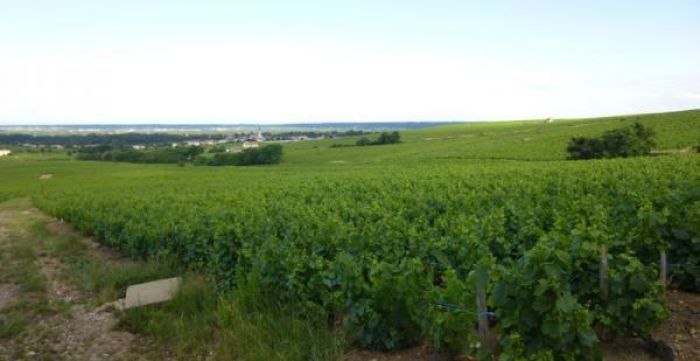
<p>The Clos de la Roilette, a <glossary title="594">lieu-dit</glossary> in the village of <span class="zalup"><span><glossary title="454">Fleurie</glossary><span>,</span></span></span> covers nine <glossary title="523">hectares</glossary> of one of the best slopes in the <glossary title="151">Beaujolais</glossary> <span class="zalup"><span><glossary title="1152">Crus</glossary><span>.</span></span></span> The <glossary title="305">clos</glossary> has an eastern <span class="zalup"><span><glossary title="430">exposure</glossary><span>,</span></span></span> borders the <glossary title="691">Moulin-à-Vent </glossary> <span class="zalup"><span><glossary title="113">appellation</glossary><span>,</span></span></span> and produces wines that are beautiful when young and have the capacity to age 5-10 years, depending on the <span class="zalup"><span><glossary title="1109">vintage</glossary><span>.</span></span></span> </p>
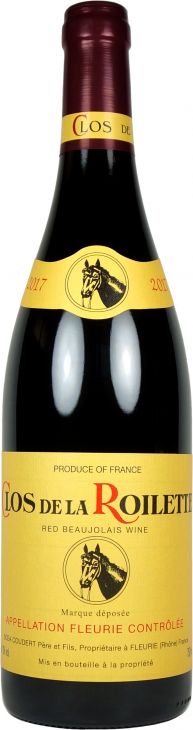
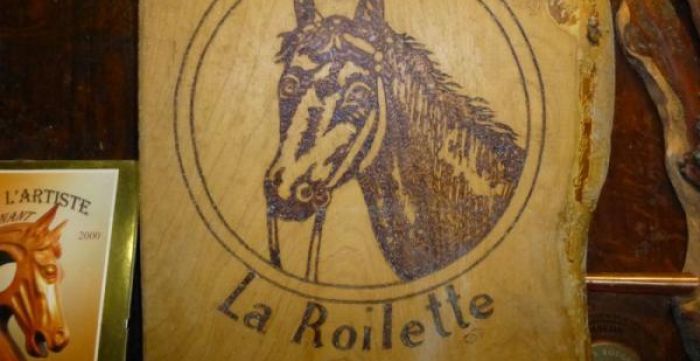
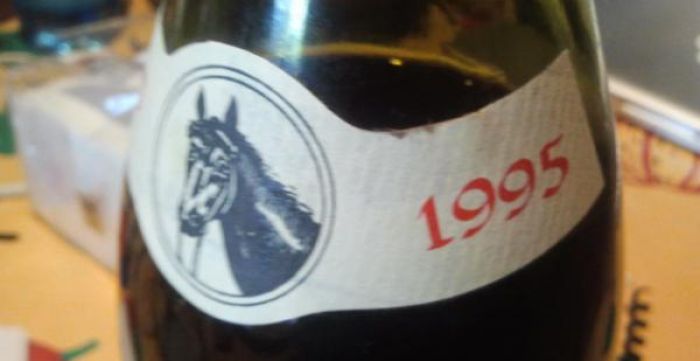
<p>In the 1920’s, when the <glossary title="454">Fleurie</glossary> <glossary title="113">appellation</glossary> was first created, the former landowner was infuriated with losing the <glossary title="691">Moulin-à-Vent</glossary> <glossary title="113">appellation</glossary> under which the <glossary title="305">clos</glossary> had previously been classified. He created a label, using a photograph of his racehorse Roilette, and used the name<strong> </strong>Clos de la Roilette without mentioning <span class="zalup"><span><glossary title="454">Fleurie</glossary><span>.</span></span></span> The owner vowed not to sell a drop of his wine on the French market and the production went to Switzerland, Germany and England.<br />
<br />
By the mid-1960s, the owner’s heirs had lost interest in the <glossary title="305">clos</glossary> and a large portion of the land had gone wild and untended. In 1967, Fernand Coudert bought this poorly maintained <glossary title="427">estate</glossary> and replanted the vineyards. His son Alain joined him in 1984, and has been the winemaker since. He has recently been joined by his son Alexis.<br />
<br />
The Couderts say their particular <glossary title="1026">terroir</glossary> (mainly <glossary title="301">clay</glossary> and <glossary title="626">manganese</glossary>), and the age of their vines account for the richness of their wine. It has a deep blackcurrant color with a hint of purple, a restrained <glossary title="723">nose</glossary> of crème de cassis, a rich, full mouth with aromas of cassis, black cherries, and a nutty character, and finishes with zesty <span class="zalup"><span><glossary title="71">acidity</glossary><span>.</span></span></span> This is a wine that ages gracefully and takes on the <glossary title="120">aromatic</glossary> character of a <span class="zalup"><span><glossary title="805">Pinot Noir</glossary><span>.</span></span></span> <br />
<br />
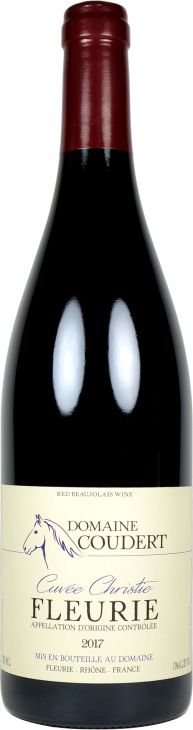
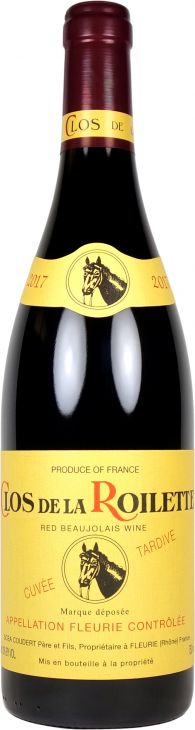
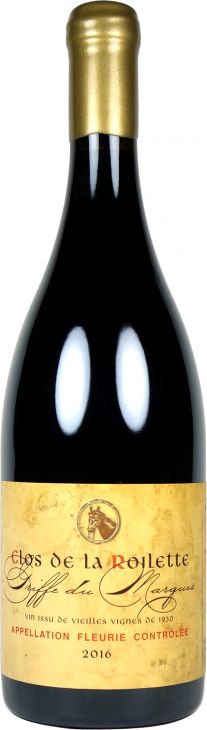
With the 1998 <span class="zalup"><span><glossary title="1109">vintage</glossary><span>,</span></span></span> the Couderts introduced a new wine,<strong> "</strong>Cuvée Christal" (recently renamed "Cuvée Christie") which is lighter and meant to drink younger. A few years later, they started a selection of <glossary title="740">old vines</glossary> <span class="zalup"><span><glossary title="363">cuvée</glossary><span>.</span></span></span> They call this<strong> "</strong>Cuvée Tardive", meaning that it needs more <glossary title="74">aging</glossary> time and has even greater longevity than the regular<strong> <glossary title="454">Fleurie</glossary></strong> <span class="zalup"><span><glossary title="363">cuvée</glossary><span>.</span></span></span> Finally, the most recent addition is a wine called "La Griffe du Marquis", made from the same <glossary title="740">old vines</glossary> that produce "Cuvée Tardive" but <glossary title="1104">vinified</glossary> and <glossary title="74">aged</glossary> exclusively in <glossary title="210">Burgundian</glossary> <span class="zalup"><span><glossary title="142">barrels</glossary><span>.</span></span></span> </p>
<p><img src="http://louisdressner.com/uploads/images/article/2019_Nov_15//db/62/db62bb0c0816ef22761ccde578b10096.jpg" /></p>
<p>The late Fernand Coudert.</p>
Article
interview
15.11.2019
An Interview with Alain Coudert from 2012
<p><strong><em>This interview with Alain Coudert took place at </em><glossary title="568"><em>L'Herbe Rouge</em></glossary><em> in February 2012.</em></strong></p>
<p><strong>Tell us about Clos de la Roilette</strong>.<br />
<br />
My father bought the <glossary title="427">estate</glossary> in 1967. Before that it was owned by a man named Crozet, who at the time owned 100 <glossary title="523">hectares</glossary> in <glossary title="685">Morgon</glossary> and <span class="zalup"><span><glossary title="454">Fleurie</glossary><span>.</span></span></span> The label dates back to 1910: Roilette was Crozet's prized race horse. <br />
<br />
<strong>What was your personal path to becoming a<font color="#7b143e"> vigneron</font>?</strong><br />
<br />
I have a brother, and we are just one year apart. His heart was set on working with my parents, but he had a serious accident in 1979. This made me reevaluate my own situation, and I decided to start working on the <glossary title="427">estate</glossary> that same year. I took over in 1991; my sister has also come back to help out, so it's still in the family! <br />
<br />
<strong>What's the work in the vines like?</strong><br />
<br />
We work in <span class="zalup"><span><glossary title="608">lutte raisonnée</glossary><span>,</span></span></span> with the least amount of <glossary title="789">phytosanitary</glossary> products possible. A large part of Roilette is heavy in <span class="zalup"><span><glossary title="301">clay</glossary><span>,</span></span></span> which makes any mechanical work next to impossible. So we work the soils manually about twice a year, but only superficially because I honestly think we'd rip the vines right out of the ground otherwise (especially the really old <glossary title="760">parcels</glossary>). The idea of passing a tractor through the 80 year old vines that make the<font color="#7b143e"><strong> "</strong></font>Cuvée Tardive", it's just impossible! <br />
<br />
<strong>And in the<font color="#7b143e"> cellar</font>? </strong><br />
<br />
<glossary title="1104">Vinification</glossary> is the traditional, <glossary title="942">semi-carbonic</glossary> <glossary title="151">Beaujolais</glossary> style. We do a submerged <span class="zalup"><span><glossary title="234">hat</glossary><span>,</span></span></span> we do <glossary title="1018">temperature control</glossary> and we use <span class="zalup"><span><glossary title="538">native yeasts</glossary><span>.</span></span></span> The idea is obviously to best express our <span class="zalup"><span><glossary title="1026">terroir</glossary><span>,</span></span></span> because in Roilette, our soils are 25% <glossary title="301">clay</glossary> (as opposed to the rest of the <glossary title="108">A.O.C</glossary> which is all <glossary title="502">granite</glossary>). This <glossary title="301">clay</glossary> is only found in a 50 <glossary title="523">hectare</glossary> radius, and result is a more structured wine, somewhere between a "typical" <glossary title="454">Fleurie</glossary> and a <span class="zalup"><span><glossary title="691">Moulin-à-Vent</glossary><span>.</span></span></span> I <glossary title="1104">vinify</glossary> in a more <glossary title="454">Fleurie</glossary> style, because I'm looking for that freshness and fruit.<br />
<br />
<strong>To make things clear once and for all, what's the deal with the<font color="#7b143e"> "Cuvée Tardive<em>"</em></font>? </strong><br />
<br />
When I called it the "late" <span class="zalup"><span><glossary title="363">cuvée</glossary><span>,</span></span></span> all I meant was that you should drink it later. You simply can't do a <glossary term="Late harvest wine" title="1392">late harvest</glossary> in <span class="zalup"><span><glossary title="151">Beaujolais</glossary><span>,</span></span></span> and you'll have a very unbalanced wine if you try. Cuvée Tardive" is made from 80 year old vines and can seriously <span class="zalup"><span><glossary term="Aging" title="74">age</glossary><span>.</span></span></span> In a way it's to prove that <glossary title="478">Gamay</glossary> is a grape that can achieve more than youthful drinkability. <br />
<br />
<strong>What about "Cuvée Cristal"? </strong><br />
<br />
"Cuvée Cristal" is the exact opposite of "Cuvée Tardive"! It comes from two <glossary title="502">granite</glossary> <glossary title="760">parcels</glossary> and the vines are much younger (25-30 years). The grapes produce something fruitier, so it's very easy to knock back on a hot summer day or for an <span class="zalup"><span><glossary title="112">aperitif</glossary><span>.</span></span></span> It's definitely not a <span class="zalup"><span><glossary title="725">nouveau</glossary><span>!</span></span></span> Maybe you could call it Roilette's <glossary title="725">nouveau</glossary> because it's the first thing released, but don't push your luck!<br />
<br />
<strong>Since we're on the topic, what about "Griffe du Marquis"?</strong> <br />
<br />
This wine is <glossary title="74">aged</glossary> in <span class="zalup"><span><glossary title="142">barrel</glossary><span>,</span></span></span> and I think it's a very interesting expression of <span class="zalup"><span><glossary title="478">Gamay</glossary><span>.</span></span></span> The <glossary title="1126">wood</glossary> is obviously not present to mask the wine, but rather to accompany it, to complement its <glossary title="1010">tannins</glossary> and create complexity. It's really tight the first two years, but opens up beautifully when you give it some time. <br />
<br />
The name comes from my parents' surname in the village, which was <em>Marquis</em>. It's definitely not from past lineage, so don't think we're royalists! I think it started with a good family friend who used to come over to drink a glass with my dad every day. He'd see my mom on the balcony and salute her, then tell people he'd seen the <em>Marquise</em> when he'd get back to the village. It stuck! <br />
<br />
<strong>What's your take on "<font color="#7b143e">natural wine</font>"?</strong><br />
<br />
I have nothing against <span class="zalup"><span><glossary title="708">natural wine</glossary><span>,</span></span></span> but if you're going to attempt to make them, you need to have a very serious approach. This means being able to really invest your energy in proper hygiene. Naturally made wine shouldn't be lazily made wine. You have to be omnipresent and control everything from A to Z. Abandoning your vines and letting them grow wild is not real work in my eyes. <br />
<br />
In the end, "nature" means a whole lot and at the same time not so much. There are some vintages where nature needs us to help it out, or else it doesn't fare so well. <br />
<br />
<strong>What do you like to drink?</strong><br />
<br />
<span class="zalup"><span><glossary title="212">Burgundy</glossary><span>!</span></span></span> I'm also a fan of classic <glossary title="277">Châteauneuf</glossary> and <span class="zalup"><span><glossary title="373">Côte-Rôtie</glossary><span>.</span></span></span> I drink <glossary title="151">Beaujolais</glossary> everyday too!</p>
Article
producer visit
17.07.2019
This visit at Clos de la Roilette took place in June, 2012
<p><strong><em>This visit at Clos de la Roilette took place in June, 2012.</em></strong></p>
<p><strong><em>Words and photos by Jules Dressner.</em></strong></p>
<p>Did you know that there is no <glossary title="305">clos</glossary> to be found at Clos de la Roilette? And that the horse on the the <glossary title="573">label</glossary> is actually a drawing of the past owner's prized race horse? That's some false advertising right there! <br />
<br />
At the end of a long, winding road, Alain and Audile Coudert live in the house Alain's late father Fernand bought when he founded the <span class="zalup"><span><glossary title="427">estate</glossary><span>.</span></span></span> Everything together in one place: the house and <glossary title="254">cellar</glossary> are one, and the vines are the first thing you see when you step outside. </p>
<p><img src="http://louisdressner.com/uploads/images/article/2019_Jul_17//0a/b0/0ab0bfd24027a9c83cfe72dfafda3e34.jpg" /></p>
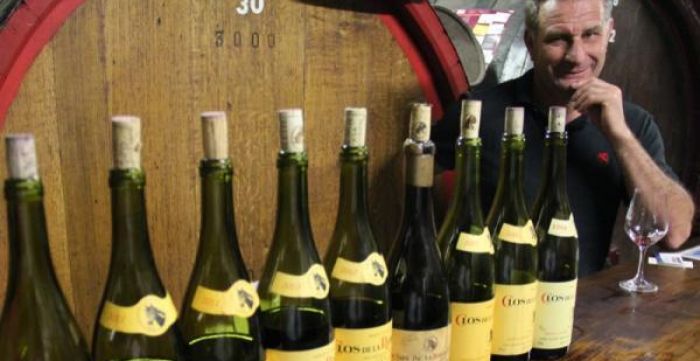
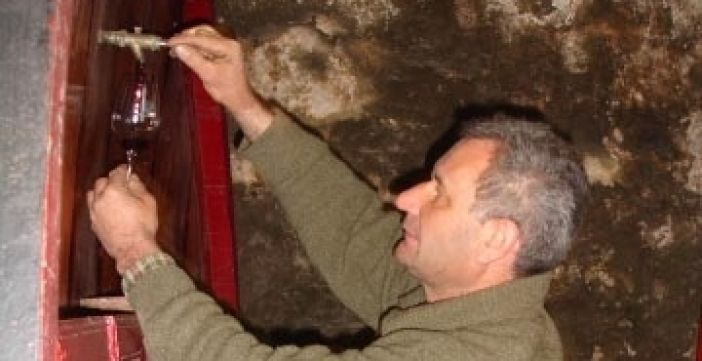
<p>We stepped into the tasting room which, as an extension of the <span class="zalup"><span><glossary title="254">cellar</glossary><span>,</span></span></span> also holds the <glossary title="462">foudre</glossary> <glossary title="142">barrels</glossary> the wines age in. </p>
<p><img src="http://louisdressner.com/uploads/images/article/2019_Jul_17//47/36/4736bf444c376ef758be43a86decab2d.jpg" /><br />
<br />
2012 will be a small <span class="zalup"><span><glossary title="521">harvest</glossary><span>,</span></span></span> mostly due to <glossary title="1137">mildew</glossary> and <span class="zalup"><span><glossary title="1136">hail</glossary><span>.</span></span></span> The 2011's were <glossary title="185">bottled</glossary> in May, so this was our first chance to taste them in bottle. The Roilette wines are known for needing a little time, and these were no exception. I really look forward to retasting them in a few months, and can confidently tell you to get ready for some more exceptional 2011 <span class="zalup"><span><glossary title="151">Beaujolais</glossary><span>.</span></span></span> <br />
<br />
During the tasting, we started talking about <glossary title="151">Beaujolais</glossary> and its horrible reputation. As an avid <glossary title="151">Beaujolais</glossary> lover, I still find this impossible to believe that the French have deemed it an unworthy region. It's gotten so bad that producers only name their wines by <glossary title="1152">cru </glossary><span class="zalup"><span>(<glossary title="454">Fleurie</glossary><span>,</span></span></span> <span class="zalup"><span> <glossary title="685">Morgon</glossary><span>,</span></span></span> etc..) because the heavy stigma of the word <glossary title="151">Beaujolais</glossary> is so strong that it scares consumers away. The result: a lot of vines are being abandoned, and Alain is sure that with this tough 2012, it looks like this might be the last <glossary title="1109">vintage</glossary> before many <glossary title="1089">vignerons</glossary> call it quits. <br />
<br />
In my opinion, this bad reputation serves as a striking example of a broken <glossary title="108">AOC</glossary> system that has betrayed itself. By oversimplifying (or confusing) "<glossary title="1056">typicity</glossary>" with "uniformity", we see mixed results at best: a "good" <glossary title="108">A.O.C</glossary> like <glossary title="277">Châteauneuf</glossary> permits producers to sell their stock and jack up their prices regardless of how good the wine actually is, because the consumer readily believes quality exists. On the other hand, a "bad" one like <glossary title="151">Beaujolais</glossary> is in majority shunned for the very same -often false, or at the very least misguided- preconceptions. Any wine lover knows that some <glossary title="277">Châteauneuf's</glossary> are much better than others, and the same goes for <span class="zalup"><span><glossary title="151">Beaujolais</glossary><span>.</span></span></span> And while yes, there is a lot of TERRIBLE, ABSOLUTELY UNDRINKABLE <glossary title="151">Beaujolais</glossary> out there, the more I taste, the more I realize this is the case in almost every <glossary title="1103">viticultural</glossary> region in the world. This is why we must continue supporting the independants, the little guys who actually care enough to make something shine. They never stopped believing in their <span class="zalup"><span><glossary title="1026">terroirs</glossary><span>,</span></span></span> and neither should we.<br />
<br />
Anyway, Alain is in the process of building a new <span class="zalup"><span><glossary title="254">cellar</glossary><span>,</span></span></span> mostly for stocking and <glossary title="185">bottling</glossary> purposes. It used to be a chicken and rabbit coop, and they had to dig out a whole bunch of the wall, but now they will have ample space. We also got to taste Griffe du Marquis 2011, which is the <glossary title="142">barrel</glossary> <glossary title="74">aged</glossary> <glossary title="363">cuvée</glossary> Alain started making a few years ago. Only 12 <glossary title="142">barrels</glossary> -or 3000 bottles- of this are produced; the wine will be <glossary title="185">bottled</glossary> in December. Tasted from four <span class="zalup"><span><glossary title="142">barrels</glossary><span>,</span></span></span> and it was fun to taste the subtleties of Fleurie's different micro<span class="zalup"><span><span>-</span> <span class="zalup"><span><glossary title="760">parcels</glossary><span>.</span></span></span></span></span><br />
<br />
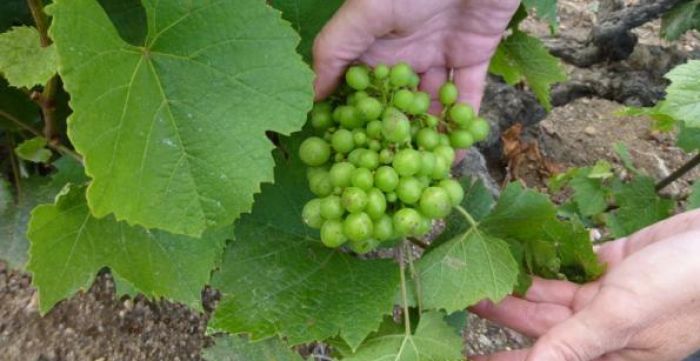
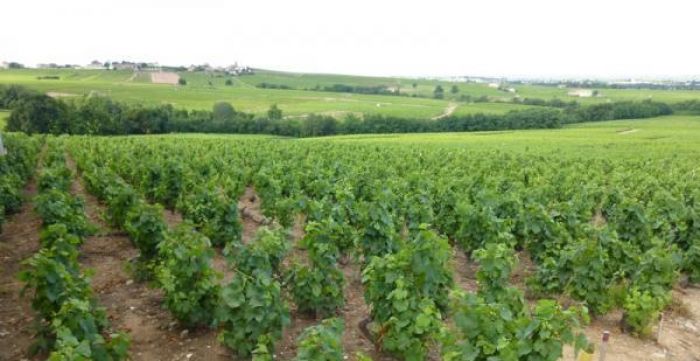
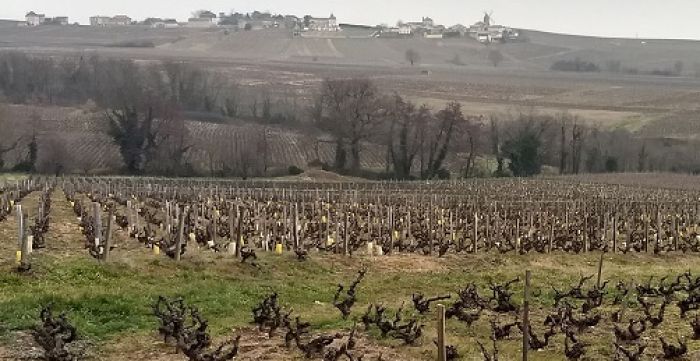
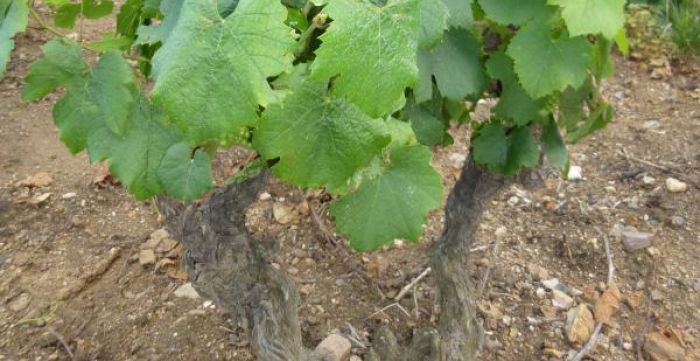
We didn't have to go far to check out the vines.</p>
<p><img src="http://louisdressner.com/uploads/images/article/2019_Jul_17//34/62/3462321ee059958c50d303be948b7bc1.jpg" /></p>
<p><img src="http://louisdressner.com/uploads/images/article/2019_Jul_17//b1/23/b123551c4a195c2df9c6fd253ac16ee7.jpg" /></p>
<p><img src="http://louisdressner.com/uploads/images/article/2019_Jul_17//43/af/43af121e795a5478d3f937ff243ca0bf.jpg" /><br />
<br />
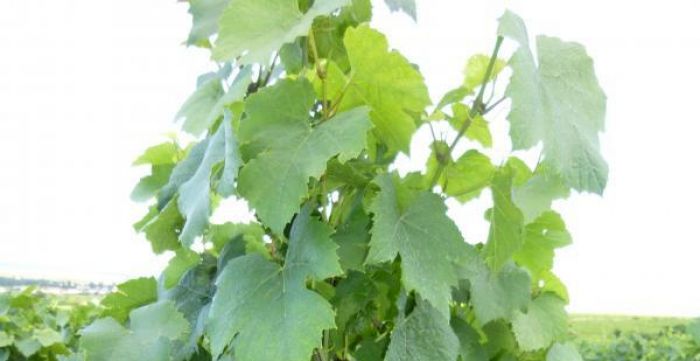
Isn't it weird to think <glossary title="478">Gamay</glossary> can ever be that green?</p>
<p> </p>
Article

harvest report
26.12.2025
2025 Harvest Report from Alain Coudert
<p>2025 was excellent in terms of quality but a bit disappointing in quantity. The vinifications were smooth but it will be a very solar vintage lacking Beaujolais typicity. I believe it will be very similar to 2015, then years later!</p>
<p>The other big news is that the "next vigneron of La Roilette" was born, our grandson Léo! <br />
</p>
Article
harvest report
19.01.2020
2020 Harvest Report from Alain Coudert
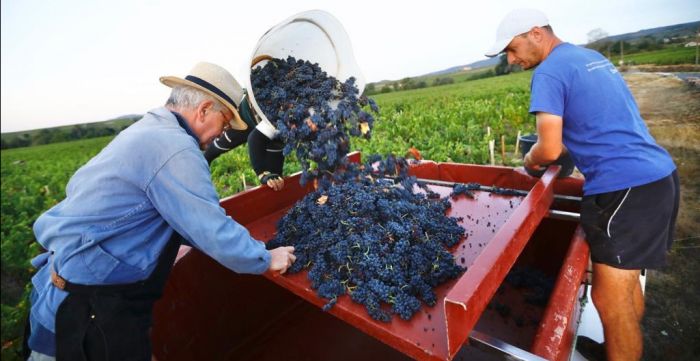
<p>Here are some pictures from our 2020.</p>
<p>Right after confinement started in France, the vegetation started evolving very quickly. COVID gave us ample time to spend in our vines and get a lot of fresh air.</p>
<p>We had very few issues related to climate: the vegetative cycle was beautiful and we had very healthy grapes. Of course it's another hot year, with the massive heat wave in the first two weeks of August producing a strong <glossary term="Concentration" title="324">concentration</glossary> in the grapes. </p>
<p>We started on August 22nd in <span class="zalup"><span><glossary term="Brouilly" title="200">Brouilly</glossary><span>,</span></span></span> followed by <glossary term="Fleurie" title="454">Fleurie</glossary> on the 24th. Everything went well, the Franco/Hungarian team did a great job. <glossary term="Fermentation" title="441">Fermentations</glossary> were easy but high in alcohol, with the wines clocking in around 14%. Despite it being a solar <span class="zalup"><span><glossary term="Vintage" title="1109">vintage</glossary><span>,</span></span></span> the wine has retained its fruit and <glossary term="Acidity" title="71">acidity</glossary> and has nice, round <span class="zalup"><span><glossary term="Tannin" title="1010">tannins</glossary><span>.</span></span></span> </p>
<p>The regular <glossary term="Fleurie" title="454">Fleurie</glossary> is already showing well but has some real <glossary term="Aging" title="74">aging</glossary> potential and of course you should wait on the "Tardive" as always. </p>
<p><img src="https://louisdressner.com/uploads/images/article//867/7b/a2/7ba27e45ad7733b138f63d8a37396032.jpg" /><img src="https://louisdressner.com/uploads/images/article//867/2f/38/2f38497f0e17d461fd852f34bb910606.jpg" /><img src="https://louisdressner.com/uploads/images/article//867/1e/24/1e2497987ace58c38f2833cee22a173e.jpg" /><img src="https://louisdressner.com/uploads/images/article//867/f6/78/f678a16eb9e31b575064d5580012d852.jpg" /><img src="https://louisdressner.com/uploads/images/article//867/97/e8/97e8a1114c5a5cae98d2fa9703d78acb.jpg" /><img src="https://louisdressner.com/uploads/images/article//867/38/1c/381cfb16a563bd23c785a91fb8fc6cf6.jpg" /></p>
Article
harvest report
16.09.2011
2011 Harvest Report from Alain Coudert
<p><u><strong>September 16th, 2011</strong></u></p>
<p>The beginning of the year was hotter than usual, with an exceptionally hot April and May full heat, dryness and sun. Unfortunately we had a disappointing summer with a lot of rain so we lost some grapes in the process.</p>
<p>We began <glossary term="Harvest" title="521">harvesting</glossary> on August 27th with the grapes in good shape. They are of high quality, with a great balance of sugar and <glossary title="71">acidity</glossary>; I'm expecting some promising <span class="zalup"><span><glossary title="363">cuvées</glossary><span>.</span></span></span><br />
<br />
The vines started <glossary title="1166">budding</glossary> around April 8th, 15 days earlier than usual. They started <glossary title="1179">flowering</glossary> around May 8th and the grapes turned color on July 4th.<br />
<br />
No illnesses to report this year.<br />
<br />
The <glossary title="521">harvest</glossary> itself went extremely well, with beautiful conditions (under the sun) and a motivated team of youngsters whose enthusiasm was quite refreshing; they gave the entire <glossary title="521">harvest</glossary> a great energy and ambiance.<br />
<br />
Alcohol varies from 12.5% to 12.7% to 13% and up in some cases. After tasting the wine, I feel the wines closely resemble those of 2009. I will wait for the <glossary title="622">malolactic fermentation</glossary> to end before I confirm my hypothesis.</p>
Article
harvest report
22.10.2008
2008 Harvest Report from Alain Coudert
<p><u><strong>October 22nd, 2008: </strong></u></p>
<p>A <glossary title="521">harvest</glossary> like in the 1980's.<br />
<br />
The official date for the start of the <glossary title="521">harvest</glossary> was set on Sept. 15th, which had not happened since 1996. The <glossary title="1109">vintage</glossary> is square in the average of the last 50 years, but later, and yet the growing season’s temperatures were 0.5 degree C above average. But it rained a lot: from January til the end of August, there were 152mm above the norm, and 30mm extra for August alone.<br />
<br />
After a strong presence in 2007, <glossary title="1137">mildew</glossary> was again in the spotlight. Other diseases were negligeable. The <glossary title="206">buds</glossary> sprouted leaves very late, around April 20th, which is 15 days later than in 2007.<br />
<br />
<glossary title="1179">Flowering</glossary> started on June 6th, which is also late, because of cold temperatures. The cool and humid conditions made the <glossary title="1179">flowering</glossary> take about 12 days, and the grapes were affected with a lot of <glossary title="1393">millerandage</glossary> (the berries stay tiny), so we knew the crop would be small. <span class="zalup"><span><glossary title="1396">Véraison</glossary><span>,</span></span></span> or the change in color brought by <span class="zalup"><span><glossary title="639">maturation</glossary><span>,</span></span></span> came in very late July, which pushed the <glossary title="521">harvest</glossary> to a late date.<br />
<br />
It rained a lot in May, and the <glossary title="1137">mildew</glossary> attack was intense, on the leaves and the grapes. We lost about 15% of our crop to it, despite the increased frequency of <span class="zalup"><span><glossary title="328">treatments</glossary><span>.</span></span></span> In September, rot started affecting the grapes and also slowed down ripening.<br />
<br />
Finally, we started on Sept. 19th. The sun and the north wind that had come at last allowed us to push the picking further in time, and we enjoyed ideal, sunny conditions.<br />
<br />
On the whole, our crop reached 11.7 degrees of <span class="zalup"><span><glossary title="1381">potential alcohol</glossary><span>.</span></span></span> The <glossary title="71">acidity</glossary> levels are very high, but there is a lot of <glossary title="1247">malic acid</glossary> which is going to be converted, so the total <glossary title="71">acidity</glossary> will come down.<br />
<br />
After my first tastings, I see wines with a strong resemblance to 2004 or 2006. For us, the crop is very small, though: about 70% of a normal <span class="zalup"><span><glossary title="1129">yield</glossary><span>.</span></span></span></p>
Article
harvest report
24.10.2006
2006 Harvest Report from Alain Coudert
<p><u><strong>October 24th, 2006:</strong></u></p>
<p>We had a good stretch in July, hot and dry weather that some called a heat wave, that was perfect for grapes. The <glossary title="639">maturation</glossary> slowed down when the temperatures dropped in August, but this coolness was good for keeping everything healthy. The August rains also helped the berries fill up, and we achieved exceptional ripeness thanks to beautiful weather just before and during the <span class="zalup"><span><glossary title="521">harvest</glossary><span>.</span></span></span><br />
<br />
The <glossary title="206">bud</glossary> bursting occurred on 04/20, eight days late compared to 2005, and the latest date in the past 14 years. The winter was cold, the coldest since 1970, and the <glossary title="1179">flowering</glossary> started late, on 06/08, as in 1996 and 2004 but four days later than in 2005; it went fast, though, and lasted eight days only. We saw the first berries turning color on July 17th, but that was very variable, according to the amount of grapes on each vine and the soil itself (depending on the humidity retained by the soil and localized rains).<br />
<br />
A few attacks of <glossary title="1137">mildew</glossary> threatened in spring, were stopped by the hot dry wave, and reappeared at the end of August, but without adverse consequences. The August rains created a few spots of <glossary title="181">botrytis</glossary> on the grapes, but they had no time to develop further.<br />
<br />
The amount of potential grapes at <glossary title="1166">budding</glossary> time was large, and we had to do a big manual job with <glossary title="380">de-budding</glossary> in the spring and <glossary title="507">green harvesting</glossary> on July: a lower final <glossary title="1129">yield</glossary> helped achieve excellent ripeness.<br />
<br />
We were planning an early <span class="zalup"><span><glossary title="521">harvest</glossary><span>,</span></span></span> at the very beginning of September, but we finally waited until the 11th to start. Under beautiful weather, the <glossary title="1381">potential degree of alcohol</glossary> went up everyday, and the average was 12.5% of alcohol. The <glossary title="71">acidity</glossary> level is low, but, since it is the malic component that is low, this won’t unbalance the wine, and the <glossary title="783">pH</glossary> is satisfactory.<br />
<br />
After tasting our first <span class="zalup"><span><glossary title="1140">vats</glossary><span>,</span></span></span> still full of <span class="zalup"><span><glossary title="310">CO2</glossary><span>,</span></span></span> we found a deeply colored, intensely red and above all very fruity wine. We find it a perfect example of <glossary title="478">Gamay</glossary> of <span class="zalup"><span><glossary title="151">Beaujolais</glossary><span>.</span></span></span><br />
<br />
So, a fruitier <glossary title="1109">vintage</glossary> than 2005, and which reminds us of <glossary title="1109">vintages</glossary> 1997 and 1998.</p>
Article
harvest report
10.10.2005
2005 Harvest Report from Alain Coudert
<p><u><strong>October 10th, 2005:</strong></u></p>
<p>With small to average <glossary title="1129">yields</glossary> and excellent health conditions of the grapes, the 2005 <glossary title="1109">vintage</glossary> looks very promising. To get to this result, the vines went through a cold winter, and warm and dry spring and early summer, and ended up with the smallest <glossary title="1129">yield</glossary> in 15 years.<br />
<br />
The first three months of the year were very dry (minus 48 mm over averages) and cold (minus 1.3 degrees Celsius). The second trimester balanced out the lack of rain and the average temperature was 1.5 degrees Celsius higher than normal. But July and August were almost totally dry.<br />
<br />
The <glossary title="1166">budburst</glossary> happened quite late, on April 12th, blossoming took 10 days, starting on June 13th, <glossary title="1396">véraison</glossary> (moment when the grapes turn color) occurred quite early, on July 27th. At that point, the ripening was two days earlier than in 1998, which had the same blossoming date.<br />
<br />
<glossary title="1137">Mildew</glossary> and <glossary title="737">oïdium</glossary> gave us some trouble, but we were able to treat on time and so reduce the frequency of <span class="zalup"><span><glossary title="328">treatments</glossary><span>.</span></span></span> <glossary title="1137">Mildew</glossary> showed up around May 12th, but the dry weather in July and August prevented any further development, as it did not allow any rot to set in either. About insects and acarians, in 2005 we had confirmation of the quasi disappearance of the lepideptora cochylis, although eudemis (or lobesia botrana) gained ground but few of its caterpillars developed.<br />
<br />
The flowers were not very abundant, and some cool days caused <glossary title="1393">millerandage</glossary> (berries smaller and less tight than is normal), so there was no need to <span class="zalup"><span><glossary title="507">green harvest</glossary><span>.</span></span></span><br />
<br />
The <glossary title="521">harvest</glossary> was done quite quickly, from September 7th to 14th, and was easy because we did not have to <glossary term="Sorting" title="1380">sort</glossary> anything (other than pick out the odd leaf).<br />
<br />
The ripeness was quite homogeneous, around 12.3 degrees of <glossary title="1381">potential alcohol</glossary> for all the vines, the <glossary title="71">acidity</glossary> was good and <glossary title="783">PH</glossary> rather low, which could indicate a wine for the long haul.<br />
<br />
2005 is a <glossary title="1109">vintage</glossary> with intense color, way above the usual, with fruit and <glossary title="990">structure</glossary> and silky <glossary title="1010">tannins</glossary> comparable to 1991’s or 1999’s.</p>
Article
harvest report
05.10.2004
2004 Harvest Report
<p>This is a generous year bearing much resemblance to 1996.<br />
<br />
On the whole, this year was characterized by average temperatures almost exactly in keeping with the averages (- 0.2 degrees C), rainfall which exceeded the averages by 40 mm (specifically, because of the rain that fell between August 10th and 20th) and perfectly normal periods of sunshine.<br />
<br />
<glossary title="1166">Budburst</glossary> on April 13th was similar to 1996 when it happened on April 17th. Then the somewhat late tendancy of the <glossary title="1109">vintage</glossary> was followed by the start of <glossary title="1179">flowering</glossary> on the same date as in 1996 (June 8th). At that stage, the <glossary title="1109">vintage</glossary> was 2 weeks behind 2003 and more than a week behind 2002.<br />
<br />
<glossary title="1179">Flowering</glossary> lasted 8 days.<br />
<br />
In terms of health, the excessive heat of summer 2003 disrupted some of the harmful insect populations. The absence of leaf-roller moths was the most noticeable phenomenon. In the spring, we didn’t notice any cochylis moths flying around, so no <glossary title="328">treatment</glossary> was necessary. This in turn allowed some leaf-eating pests to proliferate, namely thrips, grasshoppers and some beetles, but these were easily controlled by predatory mites (“typhodromes”).<br />
<br />
We noticed other insect or aphid predators, notably ladybugs, which were present during the whole growing season. There was a marked absence of <glossary title="1137">mildew</glossary> also, but localized touches of <span class="zalup"><span> <glossary title="737">oidium</glossary><span>,</span></span></span> which we contained quickly. <span class="zalup"><span> <glossary title="181">Botrytis</glossary><span>,</span></span></span> which was absent at the time of the closing of the <span class="zalup"><span> <glossary title="1138">bunches</glossary><span>,</span></span></span> developed later during the rains which fell between early and mid August.<br />
<br />
The small yields of 2003 were followed by an overabundance of grapes in 2004. We took several measures to limit the <span class="zalup"><span> <glossary title="1129">yields</glossary><span>,</span></span></span> like suppressing shoots in the spring and <glossary title="507">green harvesting</glossary> in July, in about half of our vines. This was beneficial, especially given the difficult weather pattern in August – the rainiest August in the last 40 years – which slowed down the ripening and caused <glossary title="181">botrytis</glossary> in somes areas.<br />
<br />
We pushed back our planned <glossary title="521">harvest</glossary> date by 5 days, started on September 15th and finished on the 25th. We had to sort the grapes twice to eliminate any traces of rot, first in the vines and then again on a sorting table at the cellar. Degrees vary from 11.8 and 12.8 degrees of potential alcohol, similar to the degrees achieved in 1996, but the acidity levels are much lower than in 1996. <glossary title="783">PH</glossary> levels and <glossary title="1012">tartaric acid</glossary> content are very satisfactory.<br />
<br />
The juice shows intense color, an early indication that the grapes were harvested at good <glossary title="784">phenolic</glossary> ripeness.</p>
Article
harvest report
09.09.2003
2003 Harvest Report from Alain Coudert
<p><u><strong>September 9th, 2003:</strong></u></p>
<p><span class="zalup"><span><glossary title="1135">Frost</glossary><span>,</span></span></span> <span class="zalup"><span><glossary title="1136">hail</glossary><span>,</span></span></span> <glossary title="1167">drought</glossary> and heat waves: we got it all this year!<br />
<br />
The weather conditions at the beginning of the year brought about a highly unusual early development of the vines. By the end of the first trimester, the lack of rainfall coupled with an unusually hot March were already causing widespread concern. The early <glossary title="206">bud</glossary> burst at the end of March had everyone worried about the risk of <glossary title="1135">frost</glossary> and sure enough it came on April 8 with temperatures dropping to - 4 C to – 6 C . Almost half the <glossary title="206">buds</glossary> were killed depending on which direction they were facing. With their lightened loads, the vines put all their vigor into the vine shoots. These weakened vines were not able to stand up to the violent gusts of wind which hit in May and again losses were heavy: 15%, 20% and even 50% in some <span class="zalup"><span><glossary title="760">parcels</glossary><span>.</span></span></span><br />
<br />
This very early spring led to a very fast <glossary title="1179">flowering</glossary> (May 26-28) and heralded what would be a whole series of early landmarks that would be seen this year:<br />
<br />
<glossary title="1179">Flowering</glossary> – eight days ahead of the norm<br />
The end of <glossary title="1179">flowering</glossary> – 10 days ahead<br />
berry formation – 13 days ahead<br />
<glossary title="1396">Véraison</glossary> (change in the color of the grapes) – 15 days ahead<br />
<br />
June was hot and dry (7 degrees warmer than usual) with very light precipitation. By this halfway point through the year, we had gotten less than 100mm of rain (the amount we would normally get in a three month period). But grape vines are plants with deep roots.<br />
<br />
July was also very hot, but also brought an enormous <glossary title="1136">hailstorm</glossary> on July 16 which destroyed up to 90% of the crop of some <span class="zalup"><span><glossary title="1133">plots</glossary><span>.</span></span></span><br />
<br />
In August, the heat wave ( 40 C in the shade) sped up the ripening process even more and kept the grapes healthy because the grapes that had been damaged by the <glossary title="1136">hail</glossary> fell off.<br />
<br />
All of these factors led to a <glossary title="521">harvest</glossary> that started 10 days ahead of schedule. Originally planned for August 25th, in our case, it started on August 18th. Such an early <glossary title="521">harvest</glossary> has not been seen for a century or a century and a half.<br />
<br />
An early <glossary title="521">harvest</glossary> also meant harvesting in hot weather. The high <glossary title="324">concentration</glossary> of sugar and the loss of volume resulted in natural degrees of <glossary title="1381">potential alcohol</glossary> of 13.5% to 14% on average. With percentages this high, one might be concerned about difficulties with <span class="zalup"><span><glossary title="441">fermentation</glossary><span>,</span></span></span> but luckily, we have cooling equipment to <glossary title="1018">control the temperature</glossary> in order to keep the fresh fruit so characteristic of <span class="zalup"><span><glossary title="151">Beaujolais</glossary><span>.</span></span></span><br />
<br />
During the <glossary title="521">harvest</glossary> we set up three stages of <span class="zalup"><span><glossary title="1380">triage</glossary><span>:</span></span></span><br />
<br />
- The first as the pickers selected which <glossary title="1138">bunches</glossary> to cut</p>
<p>- A second selection on a open gridwork sorting table which lets any dried out grapes fall through<br />
<br />
- A third before entering the <glossary title="254">cellar</glossary> with a manual inspection or passing through the <glossary title="378">destemming</glossary> machine which removed any dry material stuck to the grapes<br />
<br />
In conclusion, it seems as if every time the <glossary title="521">harvest</glossary> takes place in August, the quality turns out to be pretty good thanks to the fact that the final stages of ripening benefit from the longer days.<br />
<br />
Upon our first samplings of this year’s wine, we have noticed raspberry and cassis aromas and very supple, silky and deep <glossary title="1010">tannins</glossary> in the mouth. However, it is hard to say at this point whether or not the <glossary title="454">Fleurie</glossary> will have great <glossary title="74">aging</glossary> potential. We will have to wait until after the <glossary title="622">malolactic fermentation</glossary> to know for sure.<br />
<br />
On the whole, I am satisfied with the quality of this <glossary title="1109">vintage</glossary> because working with a <glossary title="521">harvest</glossary> so rich in sugar and in such high temperatures is no easy task.<br />
<br />
The only negative: quantities. With <glossary title="1129">yields</glossary> between 22 and 25 <span class="zalup"><span> <glossary title="528">hl/ha</glossary><span>,</span></span></span> in other words, we will only have half our usual amounts to sell this coming year.</p>
Article
article
22.09.2020
Old Stuff from the Cellar: Roilette Edition
<p><em>Originally published in September, 2012.</em></p>
<p><u><strong>1995 Clos de la Roilette Fleurie:</strong></u></p>
<p><img src="http://louisdressner.com/uploads/images/article/2020_Sep_22//5c/3c/5c3c180a53e129e11621f0849df7132a.jpg" /></p>
<p>This bottle was beat. There was still some fruit and <span class="zalup"><span><glossary term="Acidity" title="71">acidity</glossary><span>,</span></span></span> but the wine tasted heavy and flat.</p>
<p><u><strong>1997 Clos de la Roilette Fleurie:</strong></u></p>
<p><img src="http://louisdressner.com/uploads/images/article/2020_Sep_22//ce/40/ce40d2d110f1cad9dc4f39f7f4995e30.jpg" /></p>
<p>Even less expressive, slightly <span class="zalup"><span><glossary term="Oxidation" title="754">oxydized</glossary><span>.</span></span></span> Not good.</p>
<p><u><strong>2000 Clos de Roilette F</strong></u><u><strong>leurie "Cuvée Tardive":</strong></u></p>
<p><img src="http://louisdressner.com/uploads/images/article/2020_Sep_22//56/a5/56a506178c1b40f430ed2fe1c3717316.jpg" /></p>
<p>After the first two disappointments, this one finally hit the spot. It was a little closed off at first, but quickly came to life. There is a term in <glossary term="Beaujolais" title="151">Beaujolais</glossary> called <em>"pinotise"</em>, which means that aged <glossary term="Beaujolais" title="151">Beaujolais</glossary> start to take the characteristics of old <span class="zalup"><span><glossary term="Pinot Noir" title="805">Pinot Noir</glossary><span>,</span></span></span> and this was definetely the case here. It was balanced, elegant and a pleasure to drink. But it didn't even come close to:</p>
<p><u><strong>1995 Clos de la Roilette Fleurie (Methuselah):</strong></u></p>
<p><img src="http://louisdressner.com/uploads/images/article/2020_Sep_22//4a/12/4a12611de1fb22de0bcc3b5aebbe0036.jpg" /></p>
<p>Finding an occasion worthy of a six liter bottle of wine is no easy task, but a visit from our ENTIRE family in early August gave us the opportunity. Because the 1995 I'd opened from 750ml was really tired, I was nervous that it would be eight times worst in this extra large format. To my great joy, the wine was full brightness and life, almost like a current release! Everyone loved it, and we drank about half of it at dinner.</p>
<p>The next night was round two. In the 24 hours that had passed, the wine had <em>pinotised</em> considerably, taking darker notes of fruit and feeling fuller and <span class="zalup"><span><glossary term="Structure" title="990">structured</glossary><span>.</span></span></span> It was still delicious, but tasted much more like a serious "older wine" than the night before. Didn't stop anybody from finishing the bottle though.</p>
Article