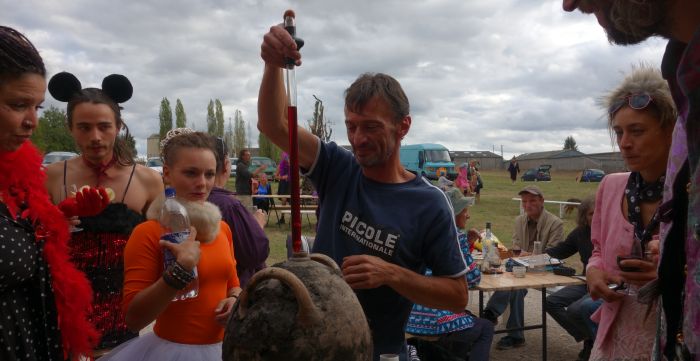
producer profile
14.06.2019
Olivier Lemasson Producer Profile
<p><strong>Oliver Lemasson left us in June, 2021. You can read Jules' hommage "A Tribute to Olivier Lemasson" below.</strong></p>
<p>Olivier Lemasson is a <glossary title="969">sommelier</glossary> who encountered <glossary title="708">natural wines</glossary> when he worked for the retailer Eric Macé in <span class="zalup"><span><glossary title="851">Rennes</glossary><span>,</span></span></span> <span class="zalup"><span><glossary title="197">Brittany</glossary><span>.</span></span></span> Lemasson became passionate about these odd wines, and trained at Marcel Lapierre’s winery in <span class="zalup"><span><glossary title="685">Morgon</glossary><span>,</span></span></span> <span class="zalup"><span><glossary title="151">Beaujolais</glossary><span>,</span></span></span> first by picking grapes four years in a row, then by working for a whole year in his vines and <span class="zalup"><span><glossary title="254">cellar</glossary><span>.</span></span></span> After a brief stint as a retailer at Square Trousseau in Paris, Lemasson’s passion definitely took over, and he settled as a winemaker in <span class="zalup"><span><glossary title="1036">Touraine</glossary><span>.</span></span></span></p>
<p>The story of les Vins Contés is that of a retailer meeting a winemaker. In 2002, <a href="http://louisdressner.com/producers/Villemade/">Hervé Villemade </a>was looking to start a <glossary title="729">négociant</glossary> business (i.e. buy grapes from other growers to <glossary title="1104">vinify</glossary> them). He picked Lemasson to be his partner, and les Vins Contés drew from their complementary talents. In 2006, they amiably parted ways so that Villemade could concentrate on his own <glossary title="427">estate</glossary> again. Undeterred, Lemasson continued on with Vins Contés. <br />
<br />
For many years the project was 100% purchased fruit; Olivier would source old vineyards worked <span class="zalup"><span><glossary title="746">organically</glossary><span>,</span></span></span> often seeking the obscure grapes of <glossary title="1036">Touraine</glossary> like <glossary term="Menu Pineau/Orbois" title="1464">Menu Pineau</glossary> and <span class="zalup"><span><glossary title="799">Pineau d'Aunis</glossary><span>.</span></span></span> Eventually he was able to start renting two <glossary title="523">hectares</glossary> of vines, and in 2016 was finally able to purchase his own land, nine <glossary title="523">hectares</glossary> he had previously been buying grapes from. <glossary title="746">Organic</glossary> fruit from many of his faithful suppliers is still purchased to complement production. <br />
<br />
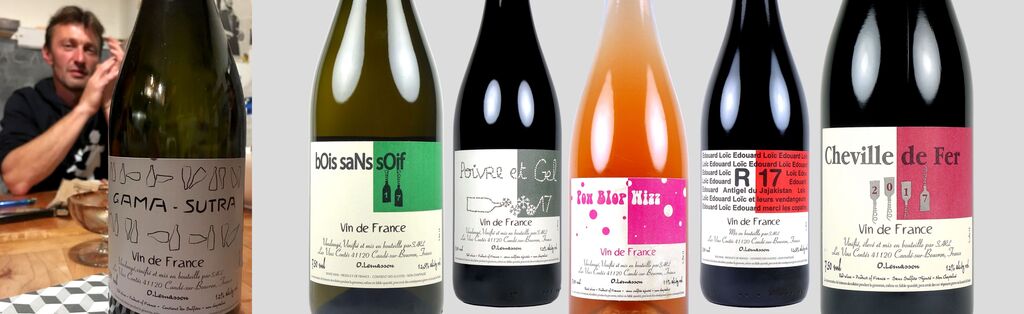
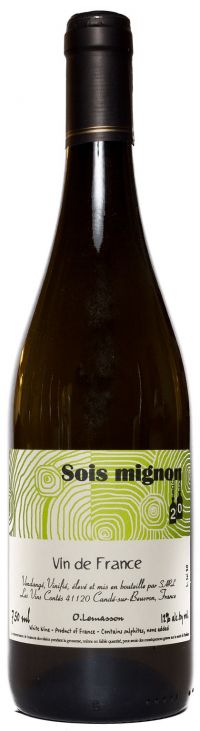
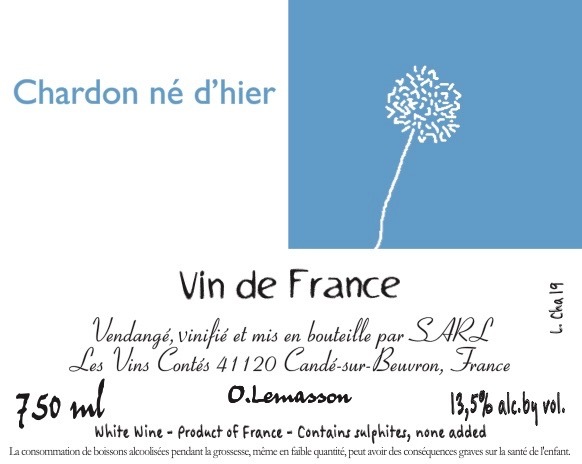
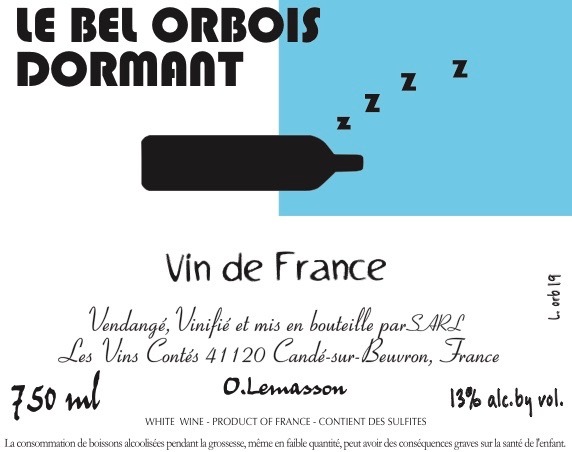
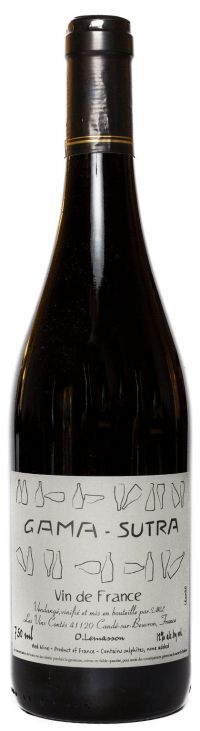
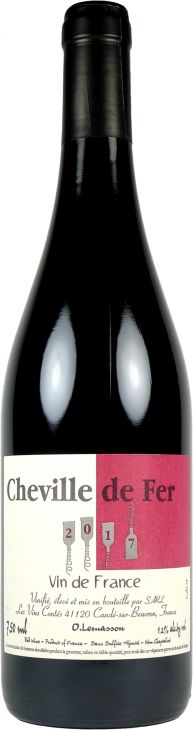
The wines are all made in an intentional "<glossary title="1094">vin de soif</glossary>" style; the whites are <span class="zalup"><span><glossary title="392">direct-pressed</glossary><span>,</span></span></span> vibrant and bright while the reds are for the most part short<strong> <glossary title="942">semi-carbonic macerations</glossary></strong> and meant to be drunk fruity and young. Two <span class="zalup"><span> <glossary title="363">cuvées</glossary><span>,</span></span></span> "Gamasutra" (from 100+ <glossary title="478">Gamay</glossary> vines) and "Cheville de Fer" (from 100+ <glossary title="366">Côt</glossary> vines), are made to <span class="zalup"><span><glossary title="74">age</glossary><span>,</span></span></span> though both are often easy-drinking on release. <br />
<br />
Sick of having to fight with the <glossary title="108">AOC</glossary> board for the <glossary title="1036">Touraine</glossary> <span class="zalup"><span><glossary title="113">appellation</glossary><span>,</span></span></span> Lemasson decided to intentionally <glossary title="383">declassify</glossary> all of his wines to <glossary title="1092">Vin de France</glossary> in 2012. Most <span class="zalup"><span><glossary title="1109">vintages</glossary><span>,</span></span></span> Olivier will <glossary title="185">bottle</glossary> the wines without the addition of <span class="zalup"><span><glossary title="993">S02</glossary><span>.</span></span></span> However, he is not opposed to adding a minuscule dose at <glossary title="185">bottling</glossary> if deemed absolutely neccessary.</p>
Article
article
07.06.2021
A Tribute to Olivier Lemasson
<p><u><strong>Words from Jules Dressner:</strong></u></p>
<p>My first memory of Olivier Lemasson dates back to a winter Loire trip in January, 2010. I was accompanying my father Joe; he was bullish and needed to participate but had started his cancer treatment a few months prior and lost mobility in his leg. I was by his side the entire time to help him get around but also to absorb what one of these “wine trips” was all about.</p>
<p>Too much walking or standing was exhausting for Joe, so he was forced to sit a lot. Throughout the trip, this often meant the vigneron would come and serve him tastes of each wine, not unlike a sommelier at a restaurant. The whole exercise was a bit strange for everyone, and I distinctly remember Olivier pouring us his 2009’s from brut de cuve. I got the sense he really wanted Joe to like it, so I asked my father who he was and he said something very “Joe” to the likes of “Oh that’s Olivier Lemasson. He started his own project a few years ago. We weren’t sure we could sell his crazy wines, but we loved the guy so we started working with him recently.” </p>
<p>I don’t remember how the wines tasted that day and frankly it was a fleeting first impression. To be honest, I was meeting a dizzying amount of vignerons for the first time, tasting hundreds of wines and doting on my father. It was a lot. But in hindsight Joe’s statement crystalized something important. Olivier was part of a late 90’s/early 2000’s wave of producers, along with Tue-Boeuf, Chaussard, Villemade, Mosse, Maupertuis and the early Italians where I feel Denyse, Joe and Kevin started taking bolder risks on “fringe” wines that they weren’t sure they could sell but wanted to because of the people behind them. </p>
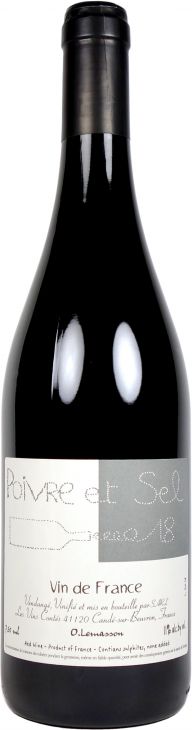
<p>And when I returned from that trip to San Francisco, increasingly geekified by working at a wine shop and later Terroir (the first “natural wine” bar in the United States), I distinctly remember discovering and seeking out the Vins Contés wines. My recent obsession with carbonic maceration and Pineau d’Aunis meant sleuthing for every bottle of Poivre et Sel I could get my hands on.</p>
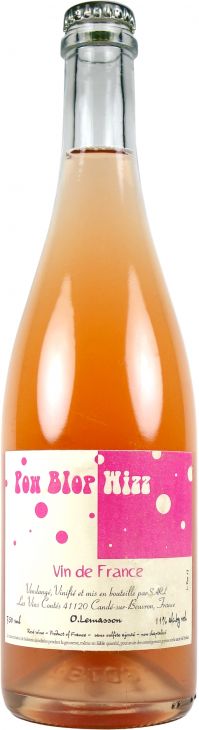
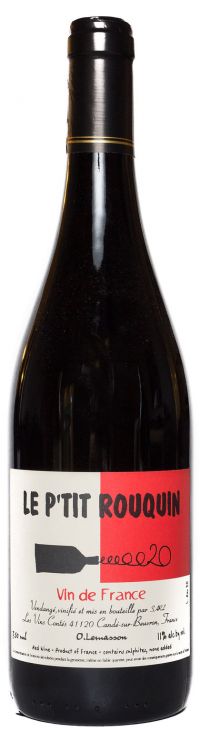
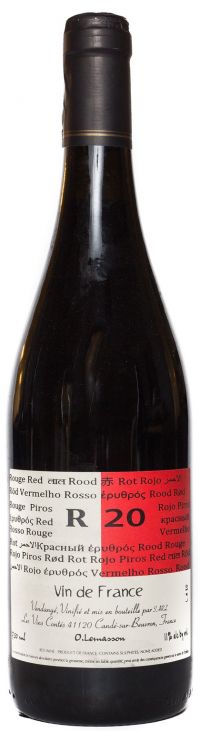
<p>I rarely talk about how a vigneron’s wines have affected me because I’ve always been more attracted to their humanity, vision and philosophy. But I think that for a lot of people like me who really got into wine in the late aughts/early 2010’s, Olivier’s cuvées, particularly his reds, were a gateway into the quirkier, more playful side of what wine could and should be. Beyond their “naturalness”, the R, P’tit Rouquin, Gama Sutra and especially Poivre et Sel were just so fun, unpretentious and, importantly, affordable enough that getting two or three bottles didn’t seem that crazy (nor did drinking them in one sitting). The packaging was fairly out there and almost provokingly juvenile in its design and punny names, making it clear that whoever was making this wasn’t trying to follow any rules or cater to expectations. More than any other producer, I get told Lemasson were some of the first wines to get people hooked. And to this day, Les Vins Contés is the standard bearer in my “wine is meant for drinking” ethos. </p>
<p>By the time I was working full time with LDM in 2011, I was a big fan of Les Vins Contés but barely knew Olivier. This would change on one of his numerous visits to the United States in March with his wife Cécile. We were so much alike: warm and fiercely loyal to those we care about, full of dry humor and with a penchant for cantankerous rants. A match made in grumpy heaven! Interviewing Olivier in a Venice Beach hotel room also permitted me to understand his work philosophy, illuminating the concept of “vin de soif” as a thought out, intentional style of winemaking. It was the beginning of a real friendship, a luxury we are blessed to have with so many of the vignerons we represent. </p>
<p><img src="https://louisdressner.com/uploads/images/article//736/2f/07/2f07276a62f4359c8caf0eff4e3b83c6.png" /><strong>Olivier and Cécile in Venice Beach, March 2011.</strong></p>
<p>From that point forward, the memories start to blur and lack chronology. There were the nicer, quieter moments: visiting Olivier and Cécile at their home, staying with them, drinking older vintages of Gama Sutra and Cheville de Fer, going to a 14th of July celebration to see the fireworks with their young daughters, Olivier jump starting my car after I’d let the brights on all night. Or Olivier showing his Brittany pride with his delicious fish fries. Then were the wacky hijinks of touring the USA: the insane bill we had to cover for Jorge’s hedonistic birthday meal at M.Wells diner, desperately trying to find a six pack in a deserted midtown night when they were staying at the Trump Tower, laughing our asses off that we were in the Trump Tower (no I’m not making that up, our Nevada distributor’s parents used to own an apartment there and for years let vignerons crash there), crawling the streets of NOLA late night with Loïc Roure and seeing the beginning of a budding friendship between the two, heated arguments about nothing and mutual apologies the next day…</p>
<p>Perhaps my fondest memories with Olivier revolve around our annual “casse croute” tradition at the Dive Bouteille. Since the Dive is an all day event, Olivier and a group of neighboring vignerons would pool together an impressive array of cheeses and charcuterie behind their barrels to snack on throughout the day. Unsolicited (though probably aware and accommodating to my constant hunger), Olivier told me one year that I was always welcome to come chow down. I gladly relished this opportunity, not only to feed myself but also to get away from the stain-teethed, tannin lipped small talks these fairs force one into.</p>
<p>This offer encapsulated Olivier’’s kindness and generosity, but also reminds me of a heartwarming moment we shared. It was the first year at the Dive’s current location in Saumur’s Caves Ackerman, and the Loire section was in a long corridor with wine bottles propped from the ceiling shining a hideous neon pink/purple hue (no one thought having vignerons spend 10 hours in what felt like the world’s worst hookah bar was a bad idea). While having my casse-croute behind Olivier’s barrel, some schmuck who I’d just overheard do the exact the same thing to Christian Venier came over and basically lied through his teeth that Dressner was doing a terrible job at importing the Vins Contés wines and that he couldn’t find them anywhere in Boston. The guy had no idea who I was, making the whole situation absurd and hilarious. After Olivier shooed him off, we burst into a long fit of laughter. I remember his trademark expressions: that big grin, rolling his eyes to the side while shaking his head in amusement followed by a warm tap on the shoulder. I realize now this was a beautiful moment: some asshole had unintentionally shined a neon light on our implicit trust and loyalty, both in friendship and in business.</p>
<p>I couldn’t wait to see Olivier and Cécile again this summer, my first Loire summer tour since 2016. I was planning to stay with them and days away from writing about my visit when I got the news. I’ll still be going and seeing my extended vigneron family in July, but it’s not going to be the same. The paradigm has shifted and there will be an irreplaceable void in the Cher, in the Loire, in our lives and in our glasses. Au revoir Olivier, tu ne saura jamais a quel point tu va me manquer.</p>
<p><img src="https://louisdressner.com/uploads/images/article//736/97/0c/970cae7a00ce0a5151664f0360a1a567.jpg" /></p>
<p> </p>
Article

interview
14.06.2019
An Interview with Olivier Lemasson from 2011
<p><em>This interview took place with Olivier Lemasson in Los Angeles in March 2011.</em></p>
<p><strong>Explain the way that Vin Contés works. </strong><br />
<br />
The grapes I work with come from two principle sources: the first being three <glossary title="523">hectares</glossary> of vines that I rent and work myself <span class="zalup"><span><glossary title="746">organically</glossary><span>.</span></span></span> The second is the equivalent of seven <glossary title="523">hectares</glossary> from which I purchase fruit; my team and I <glossary title="520">hand harvest</glossary> the grapes from these sites when they are ready to bring back to the <span class="zalup"><span><glossary title="254">cellar</glossary><span>.</span></span></span> The furthest vineyards I purchase grapes from is 40 kilometers away from my house; this permits me to get grapes from nice <glossary title="1026">terroirs</glossary> i wouldn't be able to work with in my area. <br />
<br />
<strong>How did you pick these sites you purchase from?</strong><br />
<br />
I'm not at all from the area. I'm originally from <span class="zalup"><span><glossary title="197">Brittany</glossary><span>,</span></span></span> where I ran a retail space. The problem with <glossary title="197">Brittany</glossary> is that there are no vines! Through my work at my retailer, I came to know and befriend Thierry Puzelat, Christian Chaussard, René Mosse and all the <glossary title="602">Loire</glossary> guys, and that was the first step for me moving to the <span class="zalup"><span><glossary title="602">Loire</glossary><span>.</span></span></span><br />
<br />
I did some research and found some <glossary title="760">parcels</glossary> that weren't necessarily being worked <span class="zalup"><span><glossary title="746">organically</glossary><span>,</span></span></span> but the <glossary title="1089">vignerons</glossary> were still working the old fashioned, traditional way, and this initially suited my needs. Today everyone I work with has <glossary title="332">converted</glossary> to <glossary title="746">organic</glossary> <span class="zalup"><span><glossary title="78">agriculture</glossary><span>,</span></span></span> which is great. I've been working with the same <glossary title="1089">vignerons</glossary> for nine years: there were a few kinks to work out when we first started working together but at this point I am loyal to them and trust them entirely in their good work. I stay in regular contact with them and we debrief each other on any concerns, but other than that, they work independently. <br />
<br />
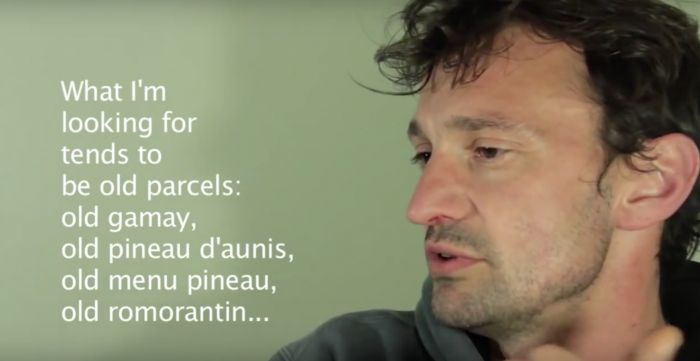
As far as what I'm looking for, it tends to be old <span class="zalup"><span><glossary title="760">parcels</glossary><span>:</span></span></span> old <span class="zalup"><span><glossary title="478">Gamay</glossary><span>,</span></span></span> old <span class="zalup"><span><glossary title="799">Pineau d'Aunis</glossary><span>,</span></span></span> old <span class="zalup"><span><glossary term="Menu Pineau/Orbois" title="1464">Menu Pineau</glossary><span>,</span></span></span> old <glossary title="867">Romorantin</glossary>… Having a <glossary title="729">négoce</glossary> gave me the opportunity to work with <glossary title="760">parcels</glossary> from all over; they're spread out far and wide!<br />
<br />
<strong>Have you always worked organically?</strong><br />
<br />
I've always been an advocate of <glossary title="746">organic</glossary> <span class="zalup"><span><glossary title="78">agriculture</glossary><span>.</span></span></span> Again I wasn't from the area and finding <glossary title="746">organic</glossary> grapes wasn't easy at first; the guys were working well but they were used to working a certain way and having them <glossary title="332">convert</glossary> wasn't exactly a simple process. I've always been "<glossary title="746">organic</glossary>" because I worked for Marcel Lapierre, and always pushed <span class="zalup"><span><glossary title="746">organic</glossary><span>,</span></span></span> or rather <glossary title="708">natural wines</glossary> as a retailer and <span class="zalup"><span><glossary title="969">sommelier</glossary><span>.</span></span></span> I plan to get everything <glossary title="260">certified</glossary> in the next two years so expect to see the <glossary title="66">A.B</glossary> <glossary title="573">label</glossary> on the bottles! <br />
<br />
<strong>What's the cellar work like?</strong><br />
<br />
The first step is <glossary title="520">hand harvesting</glossary> the grapes from their respective sites and bringing them back to the <span class="zalup"><span><glossary title="254">cellar</glossary><span>.</span></span></span> We then place the grapes (always in <glossary title="1124">whole clusters</glossary>) in large <span class="zalup"><span><glossary title="1140">vats</glossary><span>,</span></span></span> followed by <span class="zalup"><span><glossary title="236">carbonic maceration</glossary><span>:</span></span></span> no <span class="zalup"><span><glossary title="795">pigeages</glossary><span>,</span></span></span> no <span class="zalup"><span><glossary title="850">remontages</glossary><span>.</span></span></span> We let the grapes <glossary title="610">macerate</glossary> between 10 and 30 days depending on the <span class="zalup"><span><glossary title="363">cuvée</glossary><span>.</span></span></span> <br />
<br />
<strong>You source grapes from Touraine and Cheverny but none of your wines sport AOC labels. Instead you've chosen to only make Vin de Table (as of the 2010 vintage, the category was renamed Vin de France). How did this decision come about?</strong><br />
<br />
At first it wasn't a choice. In 2006 I presented the 300<glossary title="524">hl</glossary> of wine I'd made to the <glossary title="108">AOC</glossary> board and they denied all my <glossary title="363">cuvées</glossary> for being "atypical". Same thing in 2007. Same thing in 2008. When they <glossary title="300">classified</glossary> my wines as atypical, it wasn't because of the chemical analysis; those came out fine. There was no <glossary title="1116">volatile acidity</glossary> and it wasn't vinegar. It was just a question of taste: "this tastes different from what you usually get in the area, and therefore it cannot be classified as an <glossary title="108">AOC</glossary> wine".<br />
<br />
At this point you could imagine I was worried about selling 300<glossary title="524">hl</glossary> of wine as <span class="zalup"><span><glossary title="1006">VDT</glossary><span>,</span></span></span> but it worked out really well. It's harder to sell than <glossary title="1036">Touraine</glossary> or <span class="zalup"><span><glossary title="283">Cheverny</glossary><span>,</span></span></span> but we were able to sell them anyway and since then I've decided to not worry about making <glossary title="108">AOC</glossary> wine and continuing to work the way I want to. <br />
<br />
<strong>Does this permit you to be more adventurous and experimental in your work?</strong><br />
<br />
Absolutely. At this point I take full advantage of it. But to reiterate that was never the original plan; I believe <glossary title="113">appellations</glossary> are at their core a good thing and I am not crusading against them by any means. Some of my friends like fighting for their wines to be <glossary title="108">AOC</glossary> wines; I just don't feel like making a big deal out of it anymore. <br />
<br />
<strong>How do you feel about the whole natural wine debate? The term, the wines, the people making them?</strong><br />
<br />
If you check the <glossary title="123">AVN</glossary> (<em>Association des Vins Naturals</em>) website, you'll see that we've done our best to come up with a clear definition of <span class="zalup"><span> <glossary title="708">natural wine</glossary><span>:</span></span></span> <glossary title="746">organic</glossary> <glossary title="78">agriculture</glossary> (<glossary title="260">certification</glossary> is not a prerequisite), <glossary title="538">native yeasts</glossary> and <span class="zalup"><span><glossary title="520">hand harvesting</glossary><span>.</span></span></span> <br />
<br />
It's not the easiest thing to explain which is why I feel you need to define it. If you don't define it then people will, and in my opinion already have, start taking advantage or wrongfully using the term to define their wines. I'm just worried that the work and ideas that we have all contributed to this style of wine will be mass-marketed, disfigured and misinterpreted for all the wrong reasons.<br />
<br />
<strong>You make what you define as vin de soif ("wines of thirst") but do you make any wine with food in mind?</strong><br />
<br />
Yes. I think this plays more on the <glossary title="1071">varietals</glossary> though. My <glossary title="366">Côt</glossary> <glossary title="">cuvée</glossary> "La Cheville de Fer" <glossary title="74">ages</glossary> a year in <span class="zalup"><span><glossary title="739">old oak</glossary><span>,</span></span></span> as does the <span class="zalup"><span><glossary title="867">Romorantin</glossary><span>,</span></span></span> and these I would recommend as gastronomical wines. And to be clear, when I say <strong><glossary title="1094">vin de soif</glossary></strong>, I'm not claiming these wines are simple; they can be complex in their own right. What I mean by that is they are easy to drink on their own. Sometimes it's the <glossary title="1089">vignerons</glossary>' choice. <glossary title="799">Pineau d'aunis</glossary> is a good example: some <glossary title="1089">vignerons</glossary> make very structured <glossary title="799">Pineau d'Aunis</glossary> but mine focuses more on the fruit. <br />
<br />
<strong>Any wines you particularly like to drink?</strong><br />
<br />
I love the <span class="zalup"><span><glossary title="151">Beaujolais</glossary><span>.</span></span></span> My formative years in winemaking were at Marcel Lapierre's, and this whole <glossary title="1094">vin de soif </glossary>thing stems from the <glossary title="151">Beaujolais</glossary> style. Even though his <glossary title="">Morgon</glossary> was very complex, beautiful wine, it was also very easy to drink! This is also what inspired me to work with <span class="zalup"><span><glossary title="236">carbonic maceration</glossary><span>.</span></span></span> If you tweak <glossary title="236">carbonic</glossary> work and don't clear the juice everyday, you can still express and define a <glossary title="1026">terroir</glossary> in your wines, as well as its <span class="zalup"><span><glossary title="1071">varietal</glossary><span>.</span></span></span> At least that's what I try to do!</p>
Article
interview
14.06.2019
A Video Interview with Olivier Lemasson
<p>Olivier Lemasson on sourcing fruit, working in the cellar, and AOC vs VDT.</p>
<p><iframe allowfullscreen="" frameborder="0" height="360" src="//www.youtube.com/embed/118YbaTsYBA" width="640"></iframe></p>
<p><iframe allowfullscreen="" frameborder="0" height="360" src="//www.youtube.com/embed/xKZW_gDakSs" width="640"></iframe></p>
<p><iframe allowfullscreen="" frameborder="0" height="360" src="//www.youtube.com/embed/Q_lekAeKz4o" width="640"></iframe></p>
<p> </p>
Article
harvest report
19.01.2020
2020 Harvest Video from Olivier Lemasson
<p><iframe allowfullscreen="" frameborder="0" height="360" src="//www.youtube.com/embed/5qtxQmq6rjI?rel=0" width="640"></iframe></p>
Article
harvest report
22.07.2019
2019 Harvest Photos from Cécille Lemasson
<p><u><strong>October 28th, 2019:</strong></u></p>
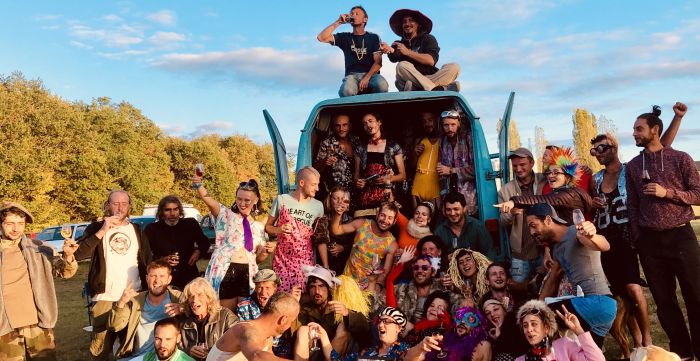
<p>This <glossary term="Vintage" title="1109">vintage</glossary> is marked by the sun, startung with its (very) beautiful side in the spring which helped avoid any issues with <span class="zalup"><span><glossary term="Mildew" title="1137">mildew</glossary><span>.</span></span></span> But my the time summer arrived, the lack of water blocked the grapes' <span class="zalup"><span><glossary term="Maturation" title="639">maturation</glossary><span>.</span></span></span> The grapes were very <glossary term="Concentration" title="324">concentrated</glossary> but gave very little juice. In summary: the wines are delicious but it's another <glossary term="Vintage" title="1109">vintage</glossary> with very little wine. </p>
<p>Brand new at Les Vins Contés, a nice new <span class="zalup"><span><glossary term="Pneumatic Press" title="811">press</glossary><span>!</span></span></span> We started the <glossary term="Harvest" title="521">harvest</glossary> with a small team of about ten people on September 5th under the sun. The full team of roughly 40 harvesters started on Monday the 9th. The early mornings were very cold, but the days were bright and sunny. </p>
<p>While we usually start in the <glossary term="Cher" title="282">Cher valley</glossary> because the grapes ripen earlier, this year we started in the <span class="zalup"><span><glossary term="Loire Valley" title="602">Vallée de la Loire</glossary><span>.</span></span></span> <span class="zalup"><span> <glossary term="Sauvignon Blanc" title="927">Sauvignon</glossary><span>,</span></span></span> <span class="zalup"><span><glossary term="Gamay" title="478">Gamay</glossary><span>,</span></span></span> <span class="zalup"><span><glossary term="Chardonnay" title="271">Chardonnay</glossary><span>,</span></span></span> <span class="zalup"><span><glossary term="Menu Pineau/Orbois" title="1464">Menu Pineau</glossary><span>,</span></span></span> <span class="zalup"><span><glossary term="Aligoté" title="91">Aligoté</glossary><span>,</span></span></span> <span class="zalup"><span><glossary term="Pineau d'Aunis" title="799">Pineau d'Aunis</glossary><span>,</span></span></span> <span class="zalup"><span><glossary term="Chenin Blanc" title="281">Chenin</glossary><span>,</span></span></span> <glossary term="Malbec" title="366">Côt</glossary> and <span class="zalup"><span><glossary term="Cabernet Franc" title="216">Cabernet</glossary><span>,</span></span></span> in that order. </p>
<p>The atmosphere was quite festive. </p>
<p><img src="http://louisdressner.com/uploads/images/article/2020_Jul_22//ae/e1/aee19c99d79fccb6f47750907a9e7775.jpg" /><img src="http://louisdressner.com/uploads/images/article/2020_Jul_22//76/ce/76ce76e75c2a5542b18bc89ff1807d5d.jpg" /><img src="http://louisdressner.com/uploads/images/article/2020_Jul_22//06/07/060744674135cdc81d0e2d5b1eba4172.jpg" /><img src="http://louisdressner.com/uploads/images/article/2020_Jul_22//a3/84/a384f5126b027f100bfa1ffb1dcdd49d.jpg" /><img src="http://louisdressner.com/uploads/images/article/2020_Jul_22//66/e9/66e911d0b4323dc29b37ed70cc775958.jpg" /><img src="http://louisdressner.com/uploads/images/article/2020_Jul_22//5f/eb/5feb290b0f450010b5f82c233139ee38.jpg" /><img src="http://louisdressner.com/uploads/images/article/2020_Jul_22//03/a5/03a5ca4a7c624dcfb2d0040712d22fcc.jpg" /><img src="http://louisdressner.com/uploads/images/article/2020_Jul_22//b4/c8/b4c84fa4d585244014d2fe9af31cf568.jpg" /><img src="http://louisdressner.com/uploads/images/article/2020_Jul_22//cc/78/cc780c380a161ba81a6de12154f5e8b9.jpg" /><img src="http://louisdressner.com/uploads/images/article/2020_Jul_22//f4/16/f41641a748bfc55d388b3f3c9438b312.jpg" /><img src="http://louisdressner.com/uploads/images/article/2020_Jul_22//da/d7/dad704677dec35b3d0aca8a91572ecdb.jpg" /><img src="http://louisdressner.com/uploads/images/article/2020_Jul_22//03/77/0377fcee21a53eca9326ef48a2984fc0.jpg" /><img src="http://louisdressner.com/uploads/images/article/2020_Jul_22//5d/c0/5dc04bcc96d188d52d15b6a8004a0434.jpg" /><img src="http://louisdressner.com/uploads/images/article/2020_Jul_22//2c/2a/2c2a0422e1d907d4d898e3cdb2ace3a7.jpg" /><img src="http://louisdressner.com/uploads/images/article/2020_Jul_22//5e/c1/5ec1c7c33c54b30f7c12cfd111fdf502.jpg" /><img src="http://louisdressner.com/uploads/images/article/2020_Jul_22//c0/a7/c0a7b0a8c43af1e9f76f88f289922707.jpg" /><img src="http://louisdressner.com/uploads/images/article/2020_Jul_22//52/ef/52ef5856f2b836684760c6ada41e97cb.jpg" /><img src="http://louisdressner.com/uploads/images/article/2020_Jul_22//f9/75/f9759af4f57f48610a387768451056f7.jpg" /><img src="http://louisdressner.com/uploads/images/article/2020_Jul_22//25/c3/25c30416b73d03f47c2abd53443e58a6.jpg" /><img src="http://louisdressner.com/uploads/images/article/2020_Jul_22//2f/e8/2fe898a5855f4f6684a0cd885b3ac875.jpg" /><img src="http://louisdressner.com/uploads/images/article/2020_Jul_22//b6/70/b670d1f26e74493c4d90039617c37d82.jpg" /><img src="http://louisdressner.com/uploads/images/article/2020_Jul_22//a2/49/a249e3742617f1ba5805da10b5bec509.jpg" /><img src="http://louisdressner.com/uploads/images/article/2020_Jul_22//ec/91/ec91908e5277e7e24474a4acddc7cd3f.jpg" /><img src="http://louisdressner.com/uploads/images/article/2020_Jul_22//3c/79/3c790baccf008d5ad76028e64d69e4f2.jpg" /><img src="http://louisdressner.com/uploads/images/article/2020_Jul_22//3e/de/3ede55334624739bbf1a1668aa57175b.jpg" /><img src="http://louisdressner.com/uploads/images/article/2020_Jul_22//1b/8f/1b8fcf253c36ec37fabdf74ae16a4991.jpg" /></p>
Article
harvest report
15.09.2015
2015 Harvest Report by Cécile Lemasson
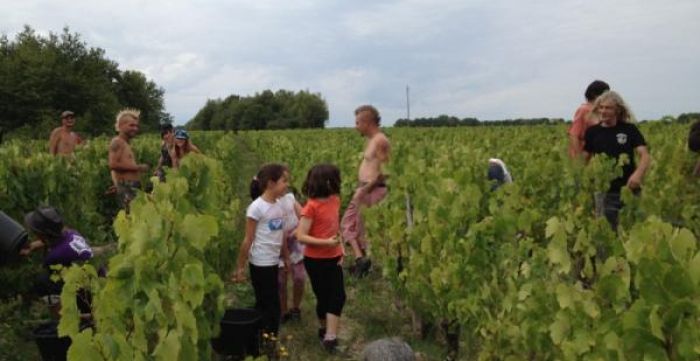
<p>2015 was a precocious year, and we started on September 2nd, about two weeks earlier than usual.<br />
<br />
Along with our team of harvesters, the two 2nd grade classes of the village joined us! What a beautiful team.</p>
<p><img src="http://louisdressner.com/uploads/images/article/2019_Sep_20//96/03/960333694c934a2d9ee94701e83462f7.png" /></p>
<p>Even the pickers are precocious!<br />
<br />
We picked through mostly sunshine, a little rain and voila! It was time to celebrate with a big costume party:</p>
<p><img src="http://louisdressner.com/uploads/images/article/2019_Sep_20//b7/fd/b7fdbac08c62fd5102119e0cc9198cc9.jpg" /></p>
<p>Looks like Darth Vader is going to be drinking Lemasson in 2016!<br />
<br />
Once the harvesters were gone, we could relax in the <span class="zalup"><span><glossary title="254">cellar</glossary><span>.</span></span></span> Look, there's some <glossary title="271">Chardonnay</glossary> this year!</p>
<p><img src="http://louisdressner.com/uploads/images/article/2019_Sep_20//f3/6e/f36eb0dc0194040777c59b84abbdafe4.jpg" /></p>
<p>To taste all of this, we will be having an open house on May 21st and 22th, 2016.</p>
<p><img src="http://louisdressner.com/uploads/images/article/2019_Sep_20//e4/2e/e42ef50da5b1278041f7279be431341d.jpg" /></p>
<p>Come see us!</p>
<p><img src="http://louisdressner.com/uploads/images/article/2019_Sep_20//a1/8a/a18a4f0e01d8c05426119ab4518e07e4.jpg" /></p>
Article
harvest report
10.09.2014
2014 Harvest Report from Cécille Lemasson
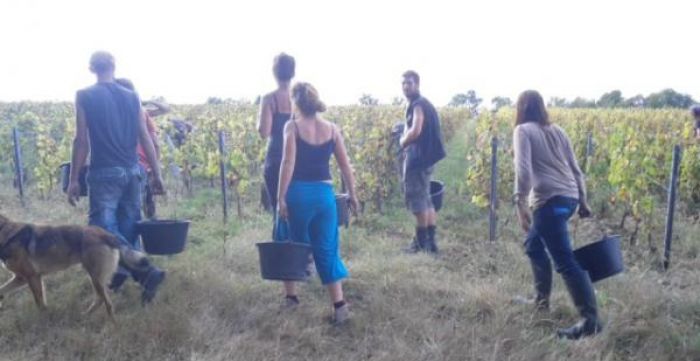
<p>Harvest began under the sun on September 15th.</p>
<p><img src="http://louisdressner.com/uploads/images/article/2019_Sep_20//3b/98/3b9862c553ca43154f5f2838178498ec.jpg" /></p>
<p><img src="http://louisdressner.com/uploads/images/article/2019_Sep_20//6b/67/6b675472d36e79b5bf30bce4af065fb3.jpg" /></p>
<p>In the <span class="zalup"><span><glossary term="Cher" title="282">Vallée du Cher</glossary><span>,</span></span></span> the morning mist eats up the horizon.</p>
<p><img src="http://louisdressner.com/uploads/images/article/2019_Sep_20//60/07/600780a4ce91bfbdefa242a47bed7df5.jpg" /></p>
<p>The first <glossary title="827">press</glossary> of the <glossary title="927">Sauvignons</glossary> taste delicious:</p>
<p><img src="http://louisdressner.com/uploads/images/article/2019_Sep_20//b3/a5/b3a5067a54ff4355f269467ad9efb40b.jpg" /></p>
<p>Then we must remove the grape <glossary term="Pomace" title="1404">pomace</glossary> multiple times a day. Jéremy, Kévin and Padle have to dispose and re-dispose of it...</p>
<p><img src="http://louisdressner.com/uploads/images/article/2019_Sep_20//57/53/575305866a5da7fd837e5b320293e80a.jpg" /></p>
<p>Fortunately, our favorite importers (LDM of course!) asked us for a picture of a "dangerous farmer" for their portfolio tasting. So while harvesting, the team has ample time to think of what to do. In the end, the jury of harvesters settles on this one during <span class="zalup"><span><glossary term="Décuvage" title="410">décuvage</glossary><span>.</span></span></span></p>
<p><img src="http://louisdressner.com/uploads/images/article/2019_Sep_20//cc/84/cc84d7644b60867e1d42314498d4a284.jpg" /></p>
<p>Let's not forget the extremely important participation of our friends Viandox, Django (who we all call Jean Claude), Inox and Vadrouille:</p>
<p><img src="http://louisdressner.com/uploads/images/article/2019_Sep_20//84/be/84be5559f1cafea6b13077fe7e8a9e21.jpg" /></p>
<p><img src="http://louisdressner.com/uploads/images/article/2019_Sep_20//5e/8e/5e8e8a1859edb1c0d1a659a481a8f812.jpg" /></p>
<p><img src="http://louisdressner.com/uploads/images/article/2019_Sep_20//33/02/330225f458a4a41b5edf62a640c0279a.jpg" /></p>
Article
harvest report
05.10.2012
2012 Harvest Report by Cécile Lemasson
<p><u><strong>October 5th, 2012:</strong></u></p>
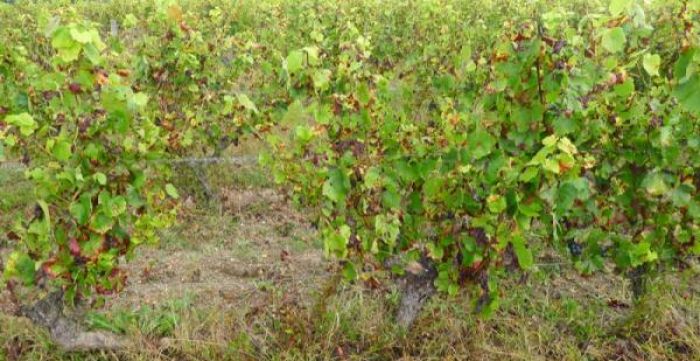
<p>Following winter's <span class="zalup"><span><glossary title="1135">frost</glossary><span>,</span></span></span> April's <span class="zalup"><span><glossary term="Frost" title="1135">frost</glossary><span>,</span></span></span> June's rain and summer's <span class="zalup"><span><glossary title="1137">mildew</glossary><span>,</span></span></span> our <glossary title="521">harvest</glossary> started under a radiant sun on September 17th. We started with ripe <span class="zalup"><span><glossary title="927">Sauvignon</glossary><span>.</span></span></span> The <span class="zalup"><span><glossary title="1129">yield</glossary><span>:</span></span></span> eight <glossary title="524">hectoliters</glossary> (compared to 40 last year from the exact same <span class="zalup"><span><glossary title="760">parcel</glossary><span>!</span></span></span>)<br />
<br />
Our fears are confirmed. Every day, we're harvesting very small quantities of grapes, but at least it's nice out! Still, we struggle filling up our buckets...<br />
<br />
And then, a good surprise with the <span class="zalup"><span><glossary term="Pineau d'Aunis" title="799">Pineau d'Aunis</glossary><span>!</span></span></span> Beautiful <glossary title="1138">clusters</glossary> in abundance! We can hardly believe it, but we don't have enough cases! During the 40 kilometer drive from the vines to the <span class="zalup"><span><glossary title="254">cellar</glossary><span>,</span></span></span> the harvesters have already refilled their buckets. With no other choice, we had to turn to plan D, lay out a big blanket in a ditch, fill it up with grapes and keep harvesting!</p>
<p><img src="http://louisdressner.com/uploads/images/article/2019_Sep_23//0d/09/0d09ab1fb4801df18918760ba29eb1ee.jpg" /></p>
<p>But that day was the exception. For the rest it's rather: really low <glossary title="1129">yields</glossary> and a lot of <glossary term="Sorting" title="1380">sorting</glossary>… We barely have any <glossary title="478">Gamay</glossary> this year, and still have to <glossary title="521">harvest</glossary> the <glossary term="Malbec" title="366">Côt</glossary> and <span class="zalup"><span><glossary term="Chenin Blanc" title="281">Chenin</glossary><span>.</span></span></span><br />
<br />
Also, every year Les Vins Contés organizes a day of harvesting with local children. This year, 50 kids from our daughter Mila's school (all seven years old) came to help us out!</p>
<p><img src="http://louisdressner.com/uploads/images/article/2019_Sep_23//5b/40/5b402d7429fece8ef6e7fa033228bb3c.jpg" /></p>
Article
harvest report
06.10.2010
2010 Harvest Report from Cécille Lemasson
<p><u><strong>October 6th 2010:</strong></u></p>
<p>Les Vins Contés moved this summer.<br />
<br />
The old <glossary title="254">cellar</glossary> in Chitenay is a thing of the past, lost at the back of the farm courtyard since 2002 and buried under heaps of old machinery.<br />
<br />
The new <glossary title="254">cellar</glossary> is in La Gardette in <span class="zalup"><span><glossary title="463">Fougère-sur-Bièvre</glossary><span>.</span></span></span><br />
<br />
Bigger, it is much easier to find, what a difference! It is clean and tidy and the area around it is also much neater.<br />
<br />
The large <glossary title="254">cellar</glossary> holds the <glossary title="1140">vats</glossary> and the <span class="zalup"><span><glossary title="142">barrels</glossary><span>.</span></span></span> There is a room for <glossary title="441">fermentation</glossary> in <span class="zalup"><span><glossary title="1140">vats</glossary><span>,</span></span></span> a kitchen, a workshop with a shower, another 50 square meter room to “organize” things which have no other particular place (for example that’s where we will keep our moped) and a big inner courtyard where we put the harvesters' tables.<br />
<br />
After several cold sweats during the moving process, finally everything is ready for the beginning of the <glossary title="521">harvest</glossary> on September 17th.<br />
<br />
Day One: at Bruno Allion’s in Thésée, we picked the <glossary title="927">Sauvignon</glossary> grapes at 12.5 percent <glossary term="alcoholic potential" title="1381">potential alcohol</glossary> with the sun shining.<br />
<br />
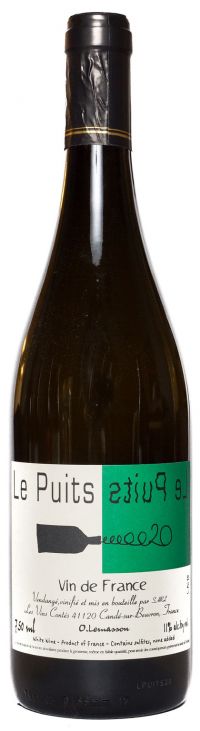
Day Two: On Saturday, at Olivier Bellanger’s in <span class="zalup"><span><glossary term="Pouillé" title="821">Pouillé</glossary><span>,</span></span></span> the team of 30 pickers, carriers and <glossary title="254">cellar</glossary> help <glossary term="Harvest" title="521">harvested</glossary> more <glossary title="927">Sauvignon</glossary> at 12.5% and <glossary title="478">Gamay</glossary> at 13%. Very little <glossary term="Sorting" title="1380">sorting</glossary> was needed these first two days. These first grapes will go into "Le Puits" and "Le P’tit Rouquin".<br />
<br />
The <glossary title="478">Gamay</glossary> grapes picked on Monday are in excellent health, even though they had <glossary title="639">matured</glossary> very quickly. Olivier, Jérémy et Jonathan, the <glossary title="254">cellar</glossary> team, filled up a new <glossary title="1140">vat</glossary> which will become a part of the "P’tit Rouquin".<br />
<br />
The days go on, it’s very cold in the morning but the sun has stayed with us. The crates are emptied, the harvesters glasses keep filling up. There is now a real sense of being a team, lots of young people from Brittany and a handful of locals.<br />
<br />
Wednesday, September 22nd: heading towards Mareuil-sur-Cher, to Bruno Ledys’ where the <glossary title="478">Gamay</glossary> grapes are gorgeous, harvested at 13.5%. They will go into the "Gama Sutra".<br />
<br />
Friday was the first day we <glossary term="Harvest" title="521">harvested</glossary> in the rain, a week’s work done.<br />
<br />
The wines are <glossary title="441">fermenting</glossary> now.</p>
Article