producer profile
13.06.2019
Luneau-Papin Producer Profile
<p>Pierre-Marie and Marie Luneau head this 39 <glossary term="Hectare" title="523">hectare</glossary> family <glossary term="Estate" title="427">estate</glossary> in <span class="zalup"><span><glossary title="586">Le Landreau</glossary><span>,</span></span></span> a village in the heart of <glossary title="697">Muscadet</glossary> country, where small <glossary term="Hamlet" title="519">hamlets</glossary> dot a landscape of vineyards on low hills. Their <span class="zalup"><span><glossary title="427">estate</glossary><span>,</span></span></span> once known as Domaine Pierre de la Grange, has been in existence since the early 18th century, when it was already planted with <glossary title="646">Melon de Bourgogne </glossary>(the <glossary title="697">Muscadet</glossary> <glossary title="113">appellation's</glossary> single <glossary title="1071">varietal</glossary>). After taking over from his father Pierre in 2011, Pierre-Marie became the ninth generation to make wine in the area.</p>
<p><glossary title="697">Muscadet</glossary> is an area where, unfortunately, a lot of undistinguished bulk wine is produced. Because of the size of their <span class="zalup"><span> <glossary title="427">estate</glossary><span>,</span></span></span> and of the privileged <glossary title="1026">terroir</glossary> of the villages of <span class="zalup"><span><glossary title="586">Le Landreau</glossary><span>,</span></span></span> <glossary title="1069">Vallet</glossary> and <span class="zalup"><span><glossary title="569">La Chapelle Heulin</glossary><span>,</span></span></span> the Luneau family opted for producing many smaller <glossary title="363">cuvées</glossary> from their several <span class="zalup"><span><glossary title="1133">plots</glossary><span>,</span></span></span> which are always <glossary title="1104">vinified</glossary> separately so as to reflect their <glossary title="1026">terroir’s</glossary> particular character. This choice, still rare and borderline of unheard of in the <span class="zalup"><span><glossary term="Muscadet" title="697">Muscadet</glossary><span>,</span></span></span> has distinguished the <glossary term="Estate" title="427">estate</glossary> stylistically for decades and over time propelled Luneau-Papin to be widely accepted amongst the region's very best producers.</p>
<p>The soil is mainly <glossary title="655">micaschist</glossary> and <span class="zalup"><span><glossary title="496">gneiss</glossary><span>,</span></span></span> but some <glossary title="1133">plots</glossary> are a mix of <span class="zalup"><span><glossary title="955">silica</glossary><span>,</span></span></span> <glossary title="1117">volcanic</glossary> rocks and <span class="zalup"><span><glossary title="933">schist</glossary><span>.</span></span></span> The <glossary title="427">estate</glossary> has a high proportion of <span class="zalup"><span><glossary title="740">old vines</glossary><span>,</span></span></span> 40 years old on average, up to 65 years of age. </p>
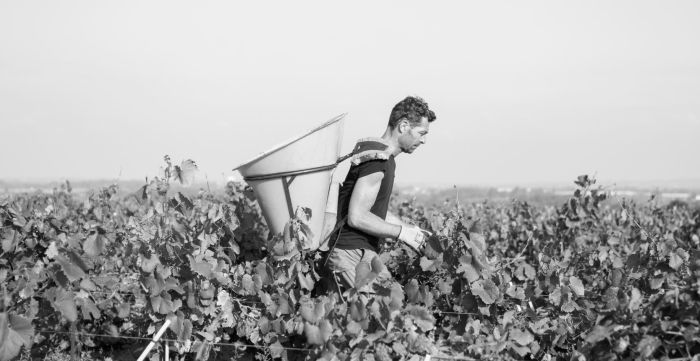
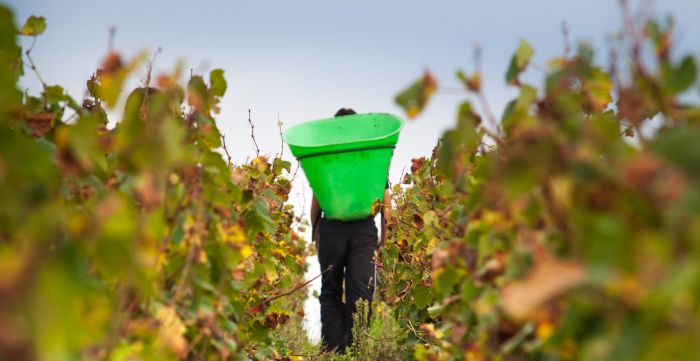
<p>The <glossary title="521">harvest</glossary> is <glossary title="520">done by hand</glossary> -also a rarity in the region- to avoid any <glossary title="754">oxidation</glossary> before <span class="zalup"><span><glossary title="827">pressing</glossary><span>.</span></span></span> There is an immediate light, <glossary title="379">débourbage</glossary> (separation of juice from <glossary title="515">gross lees</glossary>), then a four week <glossary title="441">fermentation</glossary> at 68 degrees, followed by six months of <glossary title="74">aging</glossary> in <font color="#7b143e"><b>glass-lined <glossary term="Vat/Tank" title="1140">vats</glossary> </b></font>on the wine's <span class="zalup"><span><glossary title="448">fine lees </glossary></span></span>for the entry-level wines, much longer for the rest of the lineup (12 to 48 months). This is the classic<strong> <glossary title="697">Muscadet</glossary> "</strong>sur lie" process, where the wine is kept on its <span class="zalup"><span> <glossary title="590">lees</glossary><span>,</span></span></span> with a fair amount of <glossary title="310">CO2</glossary> as protection, until <glossary title="185">bottling</glossary> in the spring following the <span class="zalup"><span><glossary title="521">harvest</glossary><span>.</span></span></span> The only modern technique used here is <glossary title="610">macération</glossary> pelliculaire (<glossary title="610">maceration</glossary> of lightly crushed berries before <glossary title="827">pressing</glossary>), which varies in proportion according to the <span class="zalup"><span><glossary title="363">cuvées</glossary><span>.</span></span></span></p>
<p>When we first started working with the Luneau, Pierre not working <glossary term="Organic" title="746">organically</glossary> and still <glossary term="Machine Harvesting" title="611">machine-harvesting</glossary> a significant part of his crop (though never the <glossary term="Single Vineyard Bottling" title="959">single parcel wines</glossary> we purchased). Pierre-Marie's arrival in 2011, also marked by the arrival of his wife Marie to the family business, has led to many changes, most notably the <glossary term="Conversion" title="332">conversion</glossary> to <glossary term="Organic" title="746">organic</glossary> <span class="zalup"><span><glossary term="Viticulture" title="1103">viticulture</glossary><span>.</span></span></span></p>
<p>This long, arduous process quickly made Marie and Pierre-Marie realize they would have to let go of some of the family's 50+ <glossary term="Hectare" title="523">hectares</glossary> of land to succeed. It was contentious at first, but over the last decade they've reduced the surface to 38 <span class="zalup"><span><glossary term="Hectare" title="523">hectares</glossary><span>,</span></span></span> are now <glossary term="Organic Certification" title="260">certified</glossary> <glossary term="Organic" title="746">organic</glossary> and working towards <glossary term="Biodynamic" title="160">biodynamic</glossary> <span class="zalup"><span><glossary term="Organic Certification" title="260">certification</glossary><span>.</span></span></span> Over time they've had to double their staff due to the extra work in the vines and now only produce <glossary term="Single Vineyard Bottling" title="959">single-parcel</glossary> <glossary term="Cuvée" title="363">cuvées</glossary> from their historic <glossary term="Parcel" title="760">parcels</glossary><span class="zalup"><span><span>. </span></span></span></p>
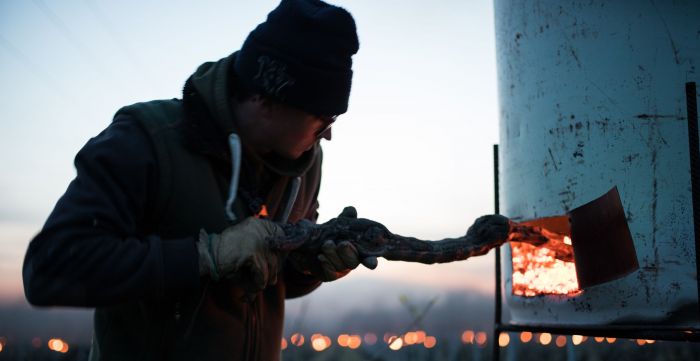
<p>The 2010's have proven to be a very difficult decade for French wine production. In 2019, after losing 80% of their crop for the third time in four years to <span class="zalup"><span><glossary term="Frost" title="1135">frost</glossary><span>,</span></span></span> the Luneau have heavily invested in towers to protect 30 <glossary term="Hectare" title="523">hectares</glossary> worth of their vines. In 2018, a small <glossary term="Négociant" title="729">négociant</glossary> license was formed to help the <glossary term="Estate" title="427">estate</glossary> stay solvent. These wines, one from <glossary term="Organic" title="746">organic</glossary> grapes and the other in <span class="zalup"><span><glossary term="Conversion" title="332">conversion</glossary><span>,</span></span></span> are <glossary term="Bottling" title="185">bottled</glossary> independently of the <glossary term="Estate" title="427">estate</glossary> wines. </p>
Article
interview
13.06.2019
An Interview with Pierre-Marie Luneau from 2012
<p><em>This interview with Pierre-Marie Luneau took place at the </em><glossary title="904"><em>Salon des Vins de Loire</em></glossary><em> in February, 2012.</em></p>
<p><strong>Tell us about<font color="#7b143e"> Domaine Luneau-Papin<em>.</em></font></strong></p>
<p>We are <glossary title="1089">vignerons</glossary> in the <span class="zalup"><span><glossary title="697">Muscadet-Sèvre et Maine</glossary><span>.</span></span></span> We're to the southeast of <span class="zalup"><span><glossary title="707">Nantes</glossary><span>,</span></span></span> which is only 15 kilometers away. In <span class="zalup"><span><glossary title="697">Muscadet</glossary><span>,</span></span></span> there are 8500 <glossary title="523">hectares</glossary> of vines spread over 25 <span class="zalup"><span><glossary title="322">communes</glossary><span>.</span></span></span> We're located in a small <glossary title="322">commune</glossary> called <glossary title="586">Le Landreau</glossary>; there are 800 <glossary title="523">hectares</glossary> of <glossary title="646">Melon de Bourgogne</glossary> here shared by 35 <span class="zalup"><span><glossary title="427">estates</glossary><span>.</span></span></span> <br />
<br />
Our <glossary title="254">cellar</glossary> is in <span class="zalup"><span><glossary title="586">Le Landreau</glossary><span>,</span></span></span> where my father Pierre Luneau was born. We also have vines in <span class="zalup"><span><glossary title="569">Chappelle-Heulin</glossary><span>,</span></span></span> where my mother's family, the Papins, are from. The two <glossary title="427">estates</glossary> merged together in the 90's, hence the name. <br />
<br />
<strong>You're 32 and 2011 was your first year as head<font color="#7b143e"> vigneron</font> for Luneau-Papin. What built up to that? </strong><br />
<br />
I've always been cradled by the <glossary title="1140">tanks</glossary> and the tractors, and I often joke that my crib was a pallet case! I have such wonderful memories from my childhood, and running through the vines brings me joy to this day. <br />
<br />
When I turned 18, I was curious about <glossary title="1103">viticulture</glossary> outside of <span class="zalup"><span><glossary title="707">Nantes</glossary><span>,</span></span></span> so I took a two year <glossary term="B.T.S" title="132">B.T.S</glossary> in <span class="zalup"><span><glossary title="178">Bordeaux</glossary><span>.</span></span></span> By the early 2000's, I didn't feel the urge to stay in school, so I decided to do a working tour of France. I worked in <glossary title="908">Sancerre </glossary>and <glossary title="178">Bordeaux</glossary> for a while, then I was in the south (between <glossary title="776">Perpignan</glossary> and <glossary title="863">Rivesaltes</glossary>) for a good year, then back to <span class="zalup"><span><glossary title="908">Sancerre</glossary><span>.</span></span></span> I came home for a year before moving to Australia for six months, but that trip was mostly to learn how to speak English!<br />
<br />
I was back for good in September 2005, and I've worked all six <glossary title="1109">vintages</glossary> since. <br />
<br />
<strong>Tell us about the work in the vines.</strong><br />
<br />
Luneau-Papin is a family <span class="zalup"><span><glossary title="427">estate</glossary><span>.</span></span></span> My father was always very knowledgeable about the area, and searched far and wide for the best <glossary title="760">parcels</glossary> our land could offer. He was able to procure many of these in the 1980's, and we find ourselves today with 50 <glossary title="760">parcels</glossary> spread over 10 <span class="zalup"><span><glossary title="1133">plots</glossary><span>.</span></span></span> We have 50 <glossary title="523">hectares</glossary> of <span class="zalup"><span><glossary title="646">Melon de Bourgogne</glossary><span>,</span></span></span> at about 7000 vines per <glossary title="523">hectare</glossary> <strong>(ed note: as of 2017, the <glossary title="427">estate</glossary> has shrunk to 45 <glossary title="523">hectares</glossary>)</strong>; because of the density of plantation, we average about 50 <font color="#7b143e"><strong><glossary term="hl/ha" title="528">hl/ha</glossary></strong></font> <span class="zalup"><span><glossary title="1129">yields</glossary><span>.</span></span></span> Our distinction at Luneau-Papin is that we work <glossary title="760">parcel</glossary> by <span class="zalup"><span><glossary title="760">parcel</glossary><span>,</span></span></span> <glossary title="1026">terroir</glossary> by <span class="zalup"><span><glossary title="1026">terroir</glossary><span>.</span></span></span> You can't claim <glossary title="1026">terroir</glossary> if you don't highlight the link between the soil, the vegetal state of the vines and its surrounding environment.<br />
<br />
40 <font color="#7b143e"><strong><glossary term="Hectare" title="523">hectares</glossary></strong></font> is a lot of vines, and today we surround ourselves with a team to thoroughly work on each <span class="zalup"><span><glossary title="760">parcel</glossary><span>.</span></span></span> This means working the soil so we don't have to use <glossary title="526">herbicides</glossary> anymore; to create a more natural place for the soil and the vines. This really started in 2008, when we acquired the Terre de Pierre <span class="zalup"><span><glossary term="Plot" title="1133">plot</glossary><span>.</span></span></span> Because of its rocky <span class="zalup"><span><glossary title="943">serpentine</glossary><span>,</span></span></span> I knew we had to work the soil. It was a time when we had the human and technical resources do so, and my father and I agreed it needed to be done. <br />
<br />
This process is <glossary title="760">parcel</glossary> by <span class="zalup"><span><glossary title="760">parcel</glossary><span>,</span></span></span> and we began on five new ones last year. Also, we only use <glossary title="333">copper</glossary> and <glossary title="993">sulfur</glossary> in the vineyards now. In France, an entire property has to be <glossary title="332">converted</glossary> to get an <span class="zalup"><span><glossary title="260">organic certification</glossary><span>.</span></span></span> You have five years to <span class="zalup"><span><glossary title="332">convert</glossary><span>,</span></span></span> and today 15 of our <glossary title="523">hectares</glossary> are completely <span class="zalup"><span><glossary title="746">organic</glossary><span>.</span></span></span> I am convinced that in five years we will succeed at this <strong>(ed note: the <glossary title="427">estate</glossary> is <glossary title="260">certified organic</glossary> as of the 2016 <glossary title="1109">vintage</glossary>)</strong>. It means a lot more work from us and our team, and we are in the process of figuring it out. This is my main challenge and goal for the <span class="zalup"><span><glossary title="427">estate</glossary><span>.</span></span></span> I want to do this so that we can best express the mineral purity of <glossary title="646">Melon de Bourgogne</glossary> in our soils. I'm seeing a lot of young <glossary title="1089">vignerons</glossary> completely in love with their place and their <span class="zalup"><span><glossary title="1026">terroir</glossary><span>.</span></span></span> I'm glad to be part of it!<br />
<br />
<strong>Can you elaborate on making cuvées parcel by parcel?</strong><br />
<br />
<glossary title="697">Muscadet</glossary> is France's largest single variety <span class="zalup"><span><glossary title="108">A.O.C</glossary><span>:</span></span></span> everything is 100% <span class="zalup"><span><glossary title="646">Melon de Bourgogne</glossary><span>.</span></span></span> We have a rich history of exporting our wine because we are very close to the ocean, and for generations <glossary title="697">Muscadet</glossary> would be shipped from the <glossary title="602">Loire</glossary> to England and Holland. And you can't forget that for a long time, 80% of the production was purchased locally! None of this created much of an incentive in making <glossary title="363">cuvées</glossary> that highlight <span class="zalup"><span><glossary title="1026">terroir</glossary><span>.</span></span></span> <br />
<br />
But both my grandfathers were passionate about winemaking. They were already working in the <glossary title="210">Burgundian</glossary> style, <glossary title="441">fermenting</glossary> and <glossary title="74">aging</glossary> everything in small <span class="zalup"><span><glossary title="142">barrels</glossary><span>.</span></span></span> <glossary title="760">Parcels</glossary> were <glossary title="1104">vinified</glossary> separately, and as a child I remember customers coming by, tasting <glossary title="144">barrique</glossary> by <span class="zalup"><span><glossary title="144">barrique</glossary><span>.</span></span></span> When you came to visit my dad, you came to taste different <span class="zalup"><span><glossary title="1026">terroirs</glossary><span>.</span></span></span><br />
<br />
<glossary title="697">Muscadet</glossary> is a big place and while some of our neighbors worked in a similar fashion, we were still relatively few. Today, we are lucky in that we sell the entirety of our production directly from the <glossary title="427">estate</glossary>; this permits ourselves to make as many <glossary title="363">cuvées</glossary> as we do. <br />
<br />
There is a new generation that is interested by their village, by the geology, the <glossary title="771">pedology</glossary> of the vines. We have so many soils and <glossary title="991">sub-soils </glossary>here. It's a really beautiful region to make wine in. And <glossary title="646">Melon</glossary> is a grape that really captures the <glossary title="662">minerality</glossary> of a soil.<br />
<br />
<strong>What about in the cellar?</strong><br />
<br />
We make white wine, and there are very few manipulations we have to worry about. With <span class="zalup"><span><glossary title="646">Melon de Bourgogne</glossary><span>,</span></span></span> you want healthy, clean grapes coming to the <span class="zalup"><span><glossary title="254">cellar</glossary><span>.</span></span></span> We spend 15 days <glossary title="520">hand harvesting</glossary> from each <glossary title="760">parcel</glossary> on 24 <font color="#7b143e"><strong><glossary term="Hectare" title="523">hectares</glossary></strong></font> of vines. I have nothing to hide: the rest are <span class="zalup"><span> <glossary title="611">machine harvested</glossary><span>,</span></span></span> because the economic realities of <glossary title="697">Muscadet</glossary> don't favor <span class="zalup"><span><glossary title="520">hand harvested</glossary><span>,</span></span></span> <glossary title="1026">terroir</glossary> driven <glossary title="185">bottling</glossary> (<strong>ed note: as of 2017, only the young vines are still machine harvested. 30 <glossary title="523">hectares</glossary> are now <span class="zalup"><span><glossary title="520">hand-harvested</glossary><span>,</span></span></span> with more to come).</strong><br />
<br />
The grapes are slow pressed, <glossary title="1124">whole-cluster</glossary> and <glossary title="1104">vinified</glossary> <glossary title="760">parcel</glossary> by <span class="zalup"><span><glossary title="760">parcel</glossary><span>.</span></span></span> We do a 36 hour <glossary title="379">débourbage</glossary> to get rid of the <span class="zalup"><span><glossary title="515">gross lees</glossary><span>.</span></span></span> <glossary title="87">Alcoholic fermentation</glossary> averages between three to six weeks depending on the <span class="zalup"><span><glossary title="760">parcel</glossary><span>.</span></span></span> The <glossary title="697">Muscadet</glossary> is known for making wine <em><glossary title="996">sur lies</glossary></em>, which means we don't <glossary title="843">rack</glossary> the wine after <span class="zalup"><span><glossary title="87">alcoholic fermentation</glossary><span>.</span></span></span> This creates an exchange between the clear juice and the dead <glossary title="1128">yeasts</glossary> and minerals. The <glossary title="74">aging</glossary> on the <glossary title="590">lees</glossary> lasts from winter through spring, at which time they are typically <span class="zalup"><span><glossary title="185">bottled</glossary><span>.</span></span></span><br />
<br />
<strong>Can you talk about the unique characteristics of the Terre de Pierre<font color="#7b143e"> plot</font>?</strong><br />
<br />
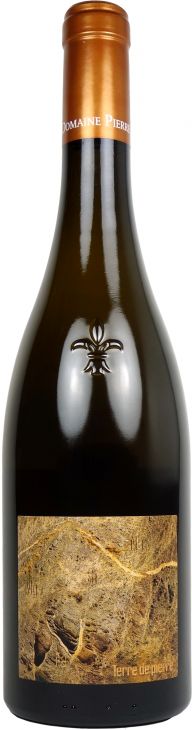
<glossary title="707">Nantes</glossary> is really at the very edge of France, and we are very close to the Atlantic Ocean. We are located on the very old Armorican massif, which is composed of metamorphic rocks like <glossary title="933">schist</glossary> and <glossary title="496">gneiss</glossary> as well as rock from magmatic eruption such as <span class="zalup"><span><glossary title="502">granite</glossary><span>.</span></span></span> We've always been fascinated by the diversity of our <span class="zalup"><span><glossary title="1026">terroir</glossary><span>,</span></span></span> and we were lucky enough to acquire an exceptional <glossary title="1133">plot</glossary> on a <glossary title="594">lieu-dit</glossary> called Butte de la Roche. We called our wine from there "Terre de Pierre"; it is unique due to its <glossary title="943">serpentine</glossary> soils. This <glossary title="943">serpentine</glossary> forms the hill itself, and actually comes from terrestrial crusts that broke off during a period of tectonic movement; these crusts eventually made their way to the surface. In the 500 million years it took for this to happen, the <glossary title="943">serpentine</glossary> became altered. So we have all this <span class="zalup"><span><glossary title="955">silicious</glossary><span>,</span></span></span> <glossary title="547">irony</glossary> <glossary title="943">serpentine</glossary> that is okra red. <br />
<br />
Some geologists from the University of <glossary title="707">Nantes</glossary> came to test it and told us we must do our best to preserve this site. They even declared it a geological landmark! <br />
<br />
<strong>What do you like to drink?</strong><br />
<br />
You have to be curious. Right now we're at the <span class="zalup"><span><glossary title="904">Salon des Vins de la Loire</glossary><span>,</span></span></span> and we all know all the great wines the region has to offer. I'm a big fan of <glossary title="95">Alsacian</glossary> wine: it's a place that's also really about <span class="zalup"><span><glossary title="662">minerality</glossary><span>,</span></span></span> and you find the same qualities on old <glossary title="646">Melon</glossary> that I get with <span class="zalup"><span><glossary title="858">Riesling</glossary><span>.</span></span></span> <br />
<br />
Otherwise, every wine has its story. You can't have preconceptions with wine. Every <glossary title="1109">vintage</glossary> is different and every time you taste it, the circumstances are different as well. Keep that in mind!</p>
Article
producer visit
07.08.2019
This visit to Domaine Luneau-Papin took place in February, 2013
<p><strong><em>This visit at Luneau-Papin took place in February, 2013.</em></strong></p>
<p><strong><em>Words by Jules Dressner, photos by Susie Curnutte and Bonnie Crocker.</em></strong></p>
<p>If I'm remembering correctly, this was the only bright, sunny morning of the whole trip. We started our visit with an invigorating hike up the <em>Butte de la Roche</em>.</p>
<p><img src="http://louisdressner.com/uploads/images/article/2019_Aug_07//a5/ef/a5ef7ae67c8f4f0ee79cf8e1f3ef9f1b.jpg" /><br />
<br />
The vines from this <glossary title="594">lieu-dit</glossary> produce the "Terre de Pierre" <span class="zalup"><span><glossary title="363">cuvée</glossary><span>.</span></span></span> On our way to the top of the hill, Pierre-Marie pointed out a 2.5 <strong><glossary title="523">hectare </glossary></strong><glossary title="1133">plot</glossary> of abandoned vineyards the family is planning to purchase. From the top, you can see all the separate <glossary title="322">communes</glossary> of the <span class="zalup"><span><glossary title="697">Muscadet</glossary><span>.</span></span></span> </p>
<p><img src="http://louisdressner.com/uploads/images/article/2019_Aug_07//35/c3/35c3df7e700fc2ffaa03d32f3f313dfe.jpg" /></p>
<p><img src="http://louisdressner.com/uploads/images/article/2019_Aug_07//df/8f/df8fb62ad23bd4dacd9ea553396254a3.jpg" /></p>
<p><em>Butte de la Roche</em> is unique as <glossary title="1026">terroir</glossary> gets. The hill is surrounded by wetlands that fill up with water in the fall and winter; in the summer, the water clears out and the surrounding area turns into a large, grassy marsh. Pierre-Marie explained that this unique setting creates incredible <glossary title="1162">bio-diversity</glossary> in the vineyards. The Luneau's vines here are <glossary title="430">exposed</glossary> southwest.</p>
<p><img src="http://louisdressner.com/uploads/images/article/2019_Aug_07//78/a1/78a10fb1b3d71525ac6d8d61d8e6650b.jpg" /></p>
<p><img src="http://louisdressner.com/uploads/images/article/2019_Aug_07//0f/1c/0f1c07b947834900ae6f06d855a5e938.jpg" /><br />
<br />
Even more interesting: <em>Butte de la Roche</em>'s soil composition. The site is actually a geological landmark because it is the only place in the world where deep <glossary title="943">serpentine</glossary> <glossary title="991">subsoil</glossary> has erupted to to the surface after a series of underground earthquakes. Huge chunks of <glossary title="943">serpentine</glossary> can be found throughout the vineyard site and the soil is very tough to work because of how rocky it is. This type of <glossary title="943">serpentine</glossary> is a <glossary title="991">subsoil</glossary> that no root could normally reach, and gives the"Terre de Pierre" <glossary title="363">cuvée</glossary> a richness and <glossary title="662">minerality</glossary> unique to the site.<br />
<br />
Kevin found a chunk of <glossary title="943">serpentine</glossary> to show you guys:</p>
<p><img src="http://louisdressner.com/uploads/images/article/2019_Aug_07//85/0f/850fb09884e340d552a29dbd5894e013.jpg" /><br />
<br />
I found a hunk of <span class="zalup"><span><glossary title="145">basalt</glossary><span>:</span></span></span></p>
<p><img src="http://louisdressner.com/uploads/images/article/2019_Aug_07//41/bc/41bc973c3b2667929240e053dafd4db4.jpg" /><br />
<br />
After listing all these factoids, you might be surprised finding out that only two of the 14 <glossary title="1089">vignerons</glossary> who cultivate vines on <em>Butte de La Roche</em> produce a site specific <font color="#7b143e"><b><glossary term="Cuvée" title="363">cuvée</glossary> from there.</b></font> The rest <glossary term="Blend" title="168">blend</glossary> them indiscriminately with the rest of their <glossary title="1026">terroirs</glossary> to produce base <span class="zalup"><span><glossary title="697">Muscadets</glossary><span>.</span></span></span><br />
<br />
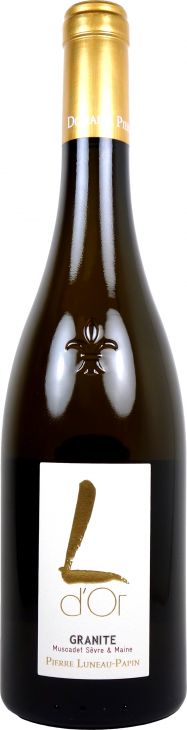
Next, we checked out the "Le L D'Or" <span class="zalup"><span><glossary title="">parcel</glossary><span>.</span></span></span> </p>
<p><img src="http://louisdressner.com/uploads/images/article/2019_Aug_07//3e/0a/3e0ac7c84f618cfa8f8e7501a511bf55.jpg" /></p>
<p>This site consists of 2.5 <font color="#7b143e"><strong><glossary term="Hectare" title="523">hectares</glossary></strong></font> on <glossary title="502">granite</glossary> soil; the first 30 cm are decomposed <span class="zalup"><span><glossary title="502">granite</glossary><span>,</span></span></span> with 500 m of pure <glossary title="502">granite</glossary> <glossary title="991">subsoil</glossary> directly underneath it. The vines are 31 years old. <br />
<br />
Walking through the vines, Pierre-Marie explained how the various little rivers -for example the <glossary title="1004">Sêvre</glossary> and the <span class="zalup"><span><glossary title="620">Maine</glossary><span>-</span></span></span> cross and divide all of <glossary title="697">Muscadet's</glossary> vineyards, deeply affecting <span class="zalup"><span><glossary title="656">microclimates</glossary><span>.</span></span></span></p>
<p><img src="http://louisdressner.com/uploads/images/article/2019_Aug_07//1c/a3/1ca3e399979444cd2b461fff35cb920d.jpg" /><br />
<br />
<em>"We </em><glossary title="521"><em>harvested</em></glossary><em> a week and half earlier than </em><glossary term="Clisson" title="303"><em>Clisson</em></glossary><em> or <glossary term="Gorges" title="1405">Gorges</glossary> here. It is obvious that the </em><glossary title="697"><em>Muscadet</em></glossary><em> has a multitude of very different <span class="zalup"><span> <glossary title="656">microclimates</glossary><span>,</span></span></span> but these are very rarely highlighted individually."</em><br />
<br />
Once we'd wrapped up our tour of the vines, we headed to the <glossary title="254">cellar</glossary> to taste some 2012's and other soon to be released <span class="zalup"><span><glossary title="185">bottlings</glossary><span>.</span></span></span></p>
<p><img src="http://louisdressner.com/uploads/images/article/2019_Aug_07//29/db/29dba32d84c3950aeb2c4a35cfbf9229.jpg" /><br />
<br />
In the picture above, you can see the large <glossary title="986">stainless steel</glossary> <glossary title="1140">tanks</glossary> the wines <glossary title="441">ferment</glossary> in. You can also spot the Luneau's large <glossary title="811">pneumatic press</glossary> on the upper right. After the wines have <span class="zalup"><span><glossary title="441">fermented</glossary><span>,</span></span></span> they are <glossary title="843">racked</glossary> on the <glossary title="590">lees</glossary> into these underground <glossary title="1140">vats</glossary> lined with glass tiles.</p>
<p><img src="http://louisdressner.com/uploads/images/article/2019_Aug_07//c8/f7/c8f752ab406d05d3aebb54cb4de604db.jpg" /></p>
<p><img src="http://louisdressner.com/uploads/images/article/2019_Aug_07//99/07/99076793ef259973abb2b1efb8843bd4.jpg" /></p>
<p><img src="http://louisdressner.com/uploads/images/article/2019_Aug_07//d5/37/d53722c051a7e91d1a78a788f6d628f6.jpg" /><br />
These <glossary title="1140">vats</glossary> were originally designed by an Italian, but have become synonymous with <glossary title="707">Nantes</glossary> wineries. They hold 150<font color="#7b143e"><strong> <glossary term="Hectoliter" title="524">hectoliters</glossary></strong></font>. <glossary title="697">Muscadet's</glossary> claim to fame is that the wines are <glossary title="74">aged</glossary> on the <glossary title="590">lees</glossary>; these take up 4.5% of the <span class="zalup"><span><glossary title="1140">tank</glossary><span>.</span></span></span> <glossary term="Battonage" title="147">Bâtonnages</glossary> are done instinctively to bring balance to the wine.<br />
<br />
Like many areas of the <span class="zalup"><span><glossary title="602">Loire valley</glossary><span>,</span></span></span> 2012 was a tough <glossary title="1109">vintage</glossary> for Luneau-Papin. Normally <glossary title="1129">yields</glossary> average 55<font color="#7b143e"><strong> <glossary term="hl/ha" title="528">hl/ha</glossary></strong></font>, and this year they were at about 25. The Luneau's didn't have any <glossary title="1135">frost</glossary> or <glossary title="1136">hail</glossary> this year, but rather a lot of <glossary title="1179">flowering</glossary> problems. In the end, there will not be a lot of wine, but the final result is positive: the <glossary title="1109">vintage</glossary> is bright, rich and full of personality.<br />
<br />
In the corner of her eye, Susie Curnutte of Cordon Selections spotted this little guy.</p>
<p><img src="http://louisdressner.com/uploads/images/article/2019_Aug_07//94/6c/946ca3054b64df05b079e07efde68b0e.jpg" /></p>
<p>That, my friends is a micro-batch of <glossary title="993">sulfur</glossary> free <span class="zalup"><span><glossary title="697">Muscadet</glossary><span>.</span></span></span> It's just an experiment, and we didn't taste it, but Pierre-Marie wanted to see what would happen. We'll keep you posted. <br />
<br />
Once we'd tasted from the <span class="zalup"><span><glossary title="254">cellar</glossary><span>,</span></span></span> it was time to enjoy a meal alongside many older <glossary title="1109">vintages</glossary> at the master table. </p>
<p><img src="http://louisdressner.com/uploads/images/article/2019_Aug_07//24/de/24deb1d26db7be50712008343a77748c.jpg" /></p>
<p>Once again, a wild boar terrine hunted by Pierre-Marie was served. Also, this impressive cheese plate wooed the masses.</p>
<p><img src="http://louisdressner.com/uploads/images/article/2019_Aug_07//97/27/9727314144f5275201ba81f7b22632ab.jpg" /></p>
<p>Mike from <a href="http://www.naturalwineco.com/" target="notSet">Natural Wine Company</a> loved this selection so much that he overdid it a little when serving himself. </p>
<p><img src="http://louisdressner.com/uploads/images/article/2019_Aug_07//0a/dd/0add658051472ddf1abdcbe1776e47c0.jpg" /><br />
</p>
Article
harvest report
02.01.2022
2022 Harvest Report from Marie Luneau-Chartier
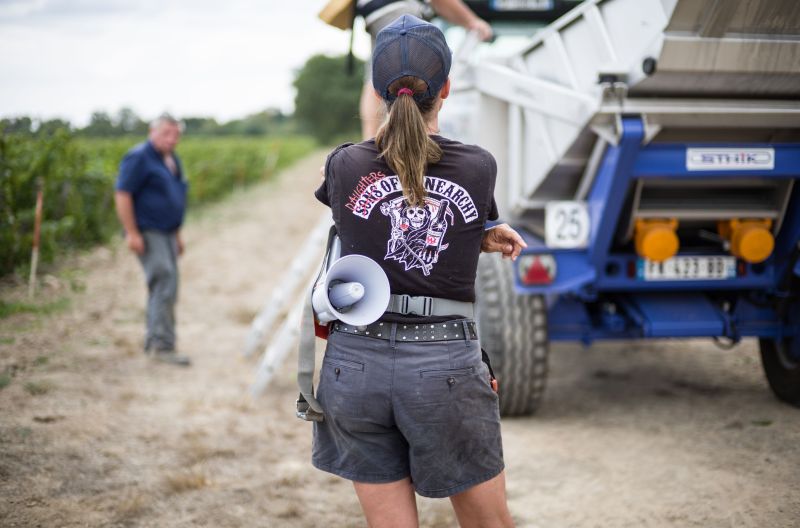
<p>This year, a jovial and focused team picked through our <glossary term="Parcel" title="760">parcels</glossary> from August 29th to September 15th. Some regulars, some quite young, some retirees, some new faces... Albanian, French, Romanian, Brazilian, Russian, from Brittany (!), everyone knew how to work together in perfect harmony and it was a great experience for us. The weather throughout the harvest was beautiful, though perhaps too hot at times. </p>
<p>Our vigilance paid off this year: we spent 10 all-nighters monitoring the weather and turning on our anti<span class="zalup"><span><span>-</span><glossary term="Frost" title="1135">frost</glossary> </span></span>towers. Had it not been for this work we would not have <glossary term="Harvest" title="521">harvested</glossary> much, as it's become abundantly clear over the last 13 years that the vegetal patrimony of the Luneau and Papin families has become incredibly vulnerable to <span class="zalup"><span><glossary term="Frost" title="1135">frost</glossary><span>.</span></span></span> Of the 35 <glossary term="Hectare" title="523">hectares</glossary> we cultivate, we are lucky that one third is planted on the higher parts of the Butte de la Roche. Not only is it a great <span class="zalup"><span><glossary term="Terroir" title="1026">terroir</glossary><span>,</span></span></span> but it's proved resistant in an era where <glossary term="Frost" title="1135">frost</glossary> violently affects our <glossary term="Harvest" title="521">harvest</glossary> on avarage every other year. </p>
<p>Regenerative <glossary term="Agriculture" title="78">agriculture</glossary> also paid off this year. The foliage of our <glossary term="Parcel" title="760">parcels</glossary> was still bright green while <glossary term="Harvest" title="521">harvesting</glossary> when it was already yellow elsewhere. Impressive considering we had scorching weather from Spring through the summer combined with a severe lack of water since the fall of 2021 has made the land and its inhabitants suffer (that's right, it did not rain at the end of last year, nor this winter, spring or summer). With the model of <glossary term="Agriculture" title="78">agriculture</glossary> we incorporated from our arrival at the <glossary term="Estate" title="427">estate</glossary> (<glossary term="Organic" title="746">organic</glossary> since 2008, <glossary term="Biodynamic" title="160">biodynamic</glossary> since 2014, <glossary term="Organic Certification" title="260">certified</glossary> since 2019 by <glossary term="Demeter" title="385">Demeter</glossary> and Biodyvin), the vines were able to search in the <glossary term="Mother Rock" title="690">mother rock</glossary> for the nutrients needed to produce their fruit.</p>
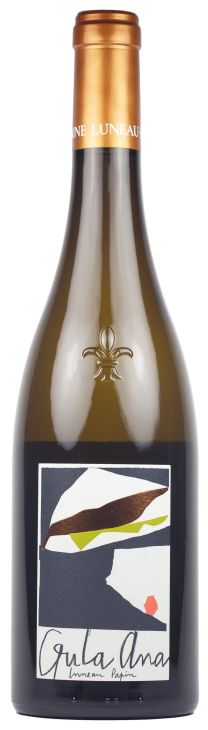
<p>The small rains in late August and early September were quite beneficial to certain <span class="zalup"><span><glossary term="Parcel" title="760">parcels</glossary><span>.</span></span></span> The <glossary term="Granite" title="502">granites</glossary> of L d''Or had seen five times less water than Butte de la Roche ("Gula Ana" and "Terre de Pierre"); this and the rains led to make very precise decisions on when and where to <span class="zalup"><span><glossary term="Harvest" title="521">harvest</glossary><span>,</span></span></span> all of which proved to be the right decisions. </p>
<p><glossary term="Fermentation" title="441">Fermentations</glossary> went off without a hitch despite the very low <glossary term="Acidity" title="71">acidity</glossary> levels, which I'll admit have us a bit worried. Now the baby wines are growing up in our glass-lined subterranean <span class="zalup"><span><glossary term="Vat/Tank" title="1140">vats</glossary><span>,</span></span></span> in <span class="zalup"><span><glossary term="Barrique" title="144">barriques</glossary><span>,</span></span></span> in <span class="zalup"><span><glossary term="Foudre" title="462">foudres</glossary><span>,</span></span></span> in porcelain, in terra-cotta and in <span class="zalup"><span><glossary term="Grès" title="1449">grès</glossary><span>.</span></span></span> We think we will <glossary term="Bottling" title="185">bottle</glossary> "Grange" and "Verger" in very early 2023. For the other <span class="zalup"><span><glossary term="Cuvée" title="363">cuvées</glossary><span>,</span></span></span> we'll decide with Pierre-Marie by tasting the wines over time. </p>
<p><u><strong>All photos by Pauline Theon:</strong></u></p>
<p><img src="https://louisdressner.com/uploads/images/article//971/83/6c/836c6b49529ad8804c4d4575944d4e7a.jpg" /><img src="https://louisdressner.com/uploads/images/article//971/b3/5b/b35bdd759bc463154e2d0e3e18be4a9e.jpg" /><img src="https://louisdressner.com/uploads/images/article//971/f3/53/f353d8e61dad1f95d2cca95851872d35.jpg" /><img src="https://louisdressner.com/uploads/images/article//971/d9/c5/d9c5c90621b620538b0e4fa9e0629eee.jpg" /><img src="https://louisdressner.com/uploads/images/article//971/d1/cb/d1cb015fcacada39e061b2d903c73dbd.jpg" /><img src="https://louisdressner.com/uploads/images/article//971/5d/7e/5d7e545cafecd953581609ef0cf76b69.jpg" /></p>
<p><img src="https://louisdressner.com/uploads/images/article//971/d8/26/d8260a02e4d4808d9cf20d883cf56701.jpg" /><img src="https://louisdressner.com/uploads/images/article//971/66/75/66756a7571f69658a53ba4f1b74f2fb8.jpg" /><img src="https://louisdressner.com/uploads/images/article//971/4f/81/4f819a8fe46da60ed53e9c8d464fb3e6.jpg" /><img src="https://louisdressner.com/uploads/images/article//971/1c/e0/1ce024e980bca7f3f9e8b31ee44e0d47.jpg" /><img src="https://louisdressner.com/uploads/images/article//971/df/39/df39d6be9280561a28e32c2b11183470.jpg" /><img src="https://louisdressner.com/uploads/images/article//971/6c/dc/6cdc4be29586d7e06f0747aeddc136fd.jpg" /><img src="https://louisdressner.com/uploads/images/article//971/64/51/64513c0dd69c0e26b576363f337fad64.jpg" /><img src="https://louisdressner.com/uploads/images/article//971/12/b7/12b71e9b7911c4a9791977a712a68c5c.jpg" /><img src="https://louisdressner.com/uploads/images/article//971/99/7a/997a932a4f8762c968fc66786fcec437.jpg" /><img src="https://louisdressner.com/uploads/images/article//971/2c/62/2c626e281add880b8514c11038372d21.jpg" /></p>
Article
harvest report
15.12.2021
2021 Harvest Report from Marie Luneau-Chartier
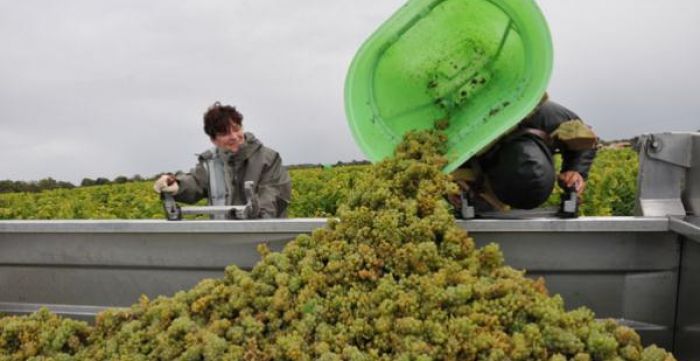
<p>We finished <glossary term="Harvest" title="521">harvesting</glossary> on the afternoon of October 6th, in total we spent three weeks picking under mostly good weather. That may seem anecdotal for you but for us it meant a lot!</p>
<p>Looking back in 2021's rearview mirror, we can really say that we and our team experienced everything the sky could give us! <glossary term="Frost" title="1135">Frost</glossary> of course: 10 long all-nighters in the vines were not enough and the biting, humid cold of April devastated up to 80% of certain <glossary term="Parcel" title="760">parcels </glossary>despite 22 <glossary term="Hectare" title="523">hectares</glossary> being protected by candles, anti<span class="zalup"><span><span>-</span><glossary term="Frost" title="1135">frost</glossary> </span></span>towers and people, not just our team but an army of friends totalling more than 40 souls out with us each night. Those nights will stay with all of us for a very long time; a part of the team would come as back up in the morning to turn off the candles and towers and it really looked like a war front: clouds of black smoke, burning candles between the rows, the sound of the anti <span class="zalup"><span><glossary term="Frost" title="1135">frost</glossary> </span></span>towers... The spring and summer that followed were globally humid and grey. We did an overall good job fighting against <glossary term="Mildew" title="1137">mildew</glossary> but some <glossary term="Parcel" title="760">parcels</glossary> still suffered heavily. Then we got hit by <span class="zalup"><span><glossary term="Hail" title="1136">hail</glossary><span>,</span></span></span> whipping our foliage and the freshly formed <span class="zalup"><span><glossary term="Cluster/Bunch" title="1138">bunches</glossary><span>.</span></span></span> Summer stayed somber and was at times very humid like in early August when it rained non-stop.</p>
<p>September is the month we <glossary term="Harvest" title="521">harvest</glossary> and usually brings more tempered weather in our parts. At least we can say we got that, the sun shining on our surviving grapes and those picking them! We started on September 16th with Butte de la Roche, the first time starting there in 13 years. This <glossary term="Terroir" title="1026">terroir</glossary> of <span class="zalup"><span><glossary term="Serpentine" title="943">serpentine</glossary><span>,</span></span></span> ventilated year round and unaffected by any <glossary term="Frost" title="1135">frost</glossary>/<glossary term="Mildew" title="1137">mildew</glossary>/<glossary term="Hail" title="1136">hail</glossary> was thus ready the earliest. It was hard to hire a team; just like our restaurant friends Covid has made finding help very challenging. In the end we were 20 (versus 70 in 2020) but the fact that it took us longer to pick was actually a good thing, the extra time resulting in perfect <span class="zalup"><span><glossary term="Maturation" title="639">maturities</glossary><span>.</span></span></span> The nice weather in September helped counteract the lack of sun in July and August and our <glossary term="alcoholic potential" title="1381">potentials</glossary> are from 11.5 to 12.5. The <glossary term="Acidity" title="71">acidities</glossary> are good and balanced. Some <glossary term="Parcel" title="760">parcels</glossary> suffered from <glossary term="Botrytis/Noble Rot" title="181">botrytis</glossary> and we had to do a very strict <glossary term="Pass" title="1144">pass</glossary> (most notablly for the <glossary term="Folle Blanche" title="1256">Folle Blanche</glossary>) to ensure top quality. Globally, the <glossary term="Parcel" title="760">parcels</glossary> protected by candles produced 50% of a normal crop. But the isolated areas and even those protected by the anti<span class="zalup"><span><span>-</span><glossary term="Frost" title="1135">frost</glossary> </span></span>towers were hit much harder; we are on average at 13<glossary term="hl/ha" title="528">hl/h</glossary> on 36 hectares. All in all this took 15 days over three weeks.</p>
<p>In the <span class="zalup"><span><glossary term="Cellar" title="254">cellar</glossary><span>,</span></span></span> we tend to gravitate towards micro<span class="zalup"><span><span>-</span> <span class="zalup"><span><glossary term="Vessel" title="1160">vessels</glossary><span>.</span></span></span></span></span> A small crop, small <span class="zalup"><span><glossary term="Vat/Tank" title="1140">vats</glossary><span>!</span></span></span> But some new ones joined the fray, like five 400L <glossary term="Barrique" title="144">barriques</glossary> from Vicard, two 2000L <glossary term="Foudre" title="462">foudres</glossary> from Stockinger and five <glossary term="Concrete Egg" title="1284">concrete eggs</glossary> lined with the <glossary term="Serpentine" title="943">serpentine</glossary> of Butte de la Roche (the latter resulting from two years of research and development with the engineering company Biopythos). While we continue to have all five of the 2020 <glossary term="Lieu-Dit" title="594">lieu-dits</glossary> in the cellar, the 2021's finished <span class="zalup"><span><glossary term="Fermentation" title="441">fermenting</glossary><span>.</span></span></span> Another first for us! </p>
<p>We continue to reduce the size of the <glossary term="Estate" title="427">estate</glossary> each <span class="zalup"><span><glossary term="Vintage" title="1109">vintage</glossary><span>,</span></span></span> something we have been doing for the decade or so since we've taken over. We will release an additional two <glossary term="Hectare" title="523">hectares</glossary> in 2022 and focus or replanting on the <glossary term="Parcel" title="760">parcels</glossary> that count in coming years. We've been able to stay afloat selling the last four <glossary term="Vintage" title="1109">vintages</glossary>' worth of wine but today the <glossary term="Cellar" title="254">cellar</glossary> is pretty empty. </p>
<p><img src="https://louisdressner.com/uploads/images/article//917/25/72/2572ee51c478445938faf20902758473.jpg" /><img src="https://louisdressner.com/uploads/images/article//917/6d/1b/6d1bbd91ec8b4b988c2c57c426fcfb65.jpg" /><img src="https://louisdressner.com/uploads/images/article//917/15/c4/15c42206e6683304c5c0dcfffb793f2f.jpg" /><img src="https://louisdressner.com/uploads/images/article//917/23/25/23252c9dbe8af4134fc8ee0390aba0a5.jpg" /><img src="https://louisdressner.com/uploads/images/article//917/78/71/7871272ca42e0fc7051f3f987e33abb2.jpg" /><img src="https://louisdressner.com/uploads/images/article//917/bb/cc/bbccaafb0de082329eb30b8b532bae73.jpg" /><img src="https://louisdressner.com/uploads/images/article//917/b9/ac/b9acc6750cc1f4d368f99d8ebee5de5b.jpg" /><img src="https://louisdressner.com/uploads/images/article//917/97/48/9748f83588b40fa8a3db4548d134bf28.jpg" /></p>
Article
harvest report
31.12.2020
2020 Harvest Report from Marie Luneau-Chartier
<p><u><strong>September 30th, 2020:</strong></u></p>
<p><u>Spring/Summer:</u></p>
<p>The world seems affected and infected by a terrible virus which is multiplying at high speed. At the <span class="zalup"><span><glossary term="Estate" title="427">estate</glossary><span>,</span></span></span> we are very worried by the announced and proven risks of spring <span class="zalup"><span><glossary term="Frost" title="1135">frosts</glossary><span>.</span></span></span> The anti-frost towers are installed, the burners, the candles. In total, it takes several dozen hours of work to install the anti-frost system on a total of 30 <span class="zalup"><span><glossary term="Hectare" title="523">hectares</glossary><span>.</span></span></span> 10 <glossary term="Hectare" title="523">hectares</glossary> remain unprotected this year. It is heartbreaking to "sail on sight" with these, but it is already a huge step to protect 30 <glossary term="Hectare" title="523">hectares</glossary> out of 40.
For 10 nights, Pierre-Marie kept watch every hour, ready to deploy a real army of around forty brave souls made up of our permanent employees and friends. The positive energy got the better of the <glossary term="Frost" title="1135">frost</glossary> and here we are in mid-May working in the vines. The <glossary term="Flowering" title="1179">flowering</glossary> is three weeks early and we will have to hustle to do three months' work in just six weeks.</p>
<p><img src="https://louisdressner.com/uploads/images/article//843/8e/7d/8e7d4bd878c9059ba123d9f7d72fe66a.jpg" /><img src="https://louisdressner.com/uploads/images/article//843/3a/12/3a128013bdd86d2a93649ec29526d852.jpg" /></p>
<p><img src="https://louisdressner.com/uploads/images/article//843/80/3e/803ed5d832eb799b04e61a911c4ea996.jpg" /><img src="https://louisdressner.com/uploads/images/article//843/67/36/673647703056ec740db971731f812eb8.jpg" /><img src="https://louisdressner.com/uploads/images/article//843/c7/40/c740c8c7819151c39542331b6f412205.jpg" /></p>
<p>While the vineyard team is busy, at the office it's a different atmosphere. While Sabine, Lydie and I became part-time school teachers (like many others) the fairs, visits and international trips are canceled.
Customers around the world are in slow motion. We reinvented ourselves from the start of containment in France thanks to the support of our friends and customers with regular deliveries to Nantes. By activating our networks, we were able to cover some of the stock from usual orders we were not receiving.</p>
<p>There is no partial unemployment at the <span class="zalup"><span><glossary term="Estate" title="427">estate</glossary><span>,</span></span></span> the vineyard and management does not wait.
The new plantations and replantings, which began in 2019, has seen the the Butte de la Roche <glossary term="Plot" title="1133">plot</glossary> getting a makeover. The planters joined us at the end of May and we anchored the babies (from our own <glossary term="Selection Massale" title="941">massale selections</glossary>) in this great <glossary term="Terroir" title="1026">terroir</glossary> of peridotite<span class="zalup"><span><span>-</span> <span class="zalup"><span><glossary term="Serpentine" title="943">serpentinite</glossary><span>.</span></span></span></span></span> A plantation project is a bet on the future and future generations. This is the DNA of our profession as <span class="zalup"><span><glossary term="Vigneron/Vignaiolo" title="1089">vignerons</glossary><span>.</span></span></span> Working hand in hand with past and future generations, reinventing yourself with each season.
</p>
<p><img src="https://louisdressner.com/uploads/images/article//843/9d/55/9d55dc28ab51b903fdd0cda61540ecc4.jpg" /></p>
<p><img src="https://louisdressner.com/uploads/images/article//843/29/52/2952722aa89bd1a9af08045e1468137b.jpg" /><img src="https://louisdressner.com/uploads/images/article//843/66/fa/66fa6b886a78d5b00322af083f563e89.jpg" /></p>
<p><img src="https://louisdressner.com/uploads/images/article//843/55/1c/551c48ec75cfee39d1af2445d4cd51dd.jpg" /></p>
<p>
Phew, here we are in mid-July, the vines are superb and the sky too. We are talking about harvesting in mid-August (with all that that entails with most people on vacation!) But the season is very beautiful and the vines are slowing their pace. Whatever happens, the <glossary term="Cellar" title="254">cellar</glossary> is ready; all we have to do is sound the trumpets and welcome the seasonal workers on the first day of picking. So we snuck out for a quick vacation to get some fresh air with the family and come back in great shape in mid-August.</p>
<p><u>End of summer/fall 2020
:</u></p>
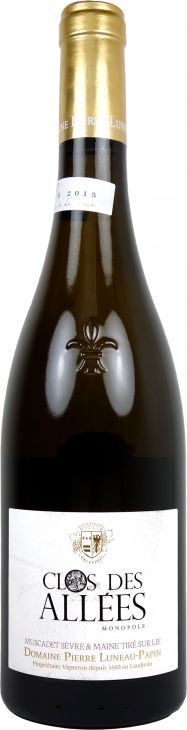
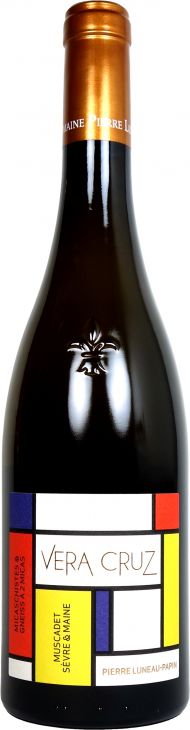
<p>On August 24, the permanent team of the <glossary term="Estate" title="427">estate</glossary> returned from summer vacation all tanned and rested, ready for the "grand harvest ball" on Wednesday, August 26th. Clos des Allées, Les Pierres Blanches, Butte de la Roche, La Grange, La Plécisière, Vera Cruz ...<br />
The <glossary term="Plot" title="1133">plots</glossary> and <glossary term="Terroir" title="1026">terroirs</glossary> follow one another day after day in a sustained rhythm accompanied by a joyful and attentive atmosphere.<br />
During these 13 consecutive days of <span class="zalup"><span><glossary term="Harvest" title="521">harvest</glossary><span>,</span></span></span> no less than a hundred seasonal employees will have marched through the <span class="zalup"><span><glossary term="Estate" title="427">estate</glossary><span>.</span></span></span> From the very young students on the first days to retirees and regular harvesters, the lively team delighted us with the work accomplished.<br />
In terms of the balance of the juices, it is a real relief not seen for many <span class="zalup"><span><glossary term="Vintage" title="1109">vintages</glossary><span>.</span></span></span></p>
<p>Balanced <glossary term="alcoholic potential" title="1381">natural degrees</glossary> and <span class="zalup"><span><glossary term="Acidity" title="71">acidities</glossary><span>,</span></span></span> real <glossary term="Yield" title="1129">yields</glossary>; it makes our whole team smile again.
As you all know if you follow our work, 2019 was a tiny crop; the wines of that <glossary term="Vintage" title="1109">vintage</glossary> will be sold out in a couple of months and even weeks for certain <span class="zalup"><span> <glossary term="Cuvée" title="363">cuvées</glossary><span>.</span></span></span> We will do our best to satisfy each of you, as we did following the successive <glossary term="Frost" title="1135">frosts</glossary> of 2016, 2017 and 2019.</p>
<p><img src="https://louisdressner.com/uploads/images/article//843/2e/54/2e54bd31c07899d10f7a37b065987d8d.jpg" /><img src="https://louisdressner.com/uploads/images/article//843/cc/e8/cce80159cd3df02bf454f37f42bf3e42.jpg" /><img src="https://louisdressner.com/uploads/images/article//843/84/b2/84b29cc045a40f039bf986e162d80c3f.jpg" /></p>
Article
harvest report
27.04.2019
2019 Harvest Report from Marie Luneau-Chartier
<p>September 25th 2019:</p>
<p>Dear all,<br />
<br />
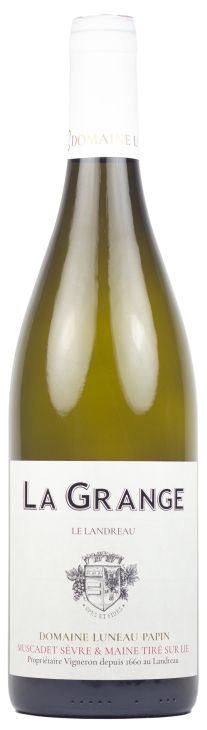
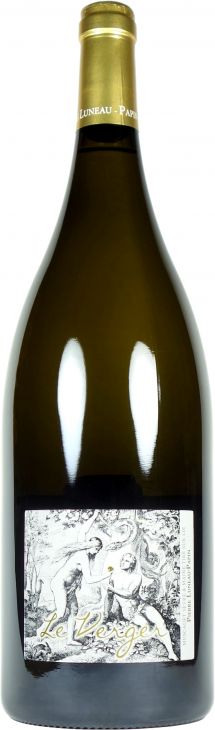
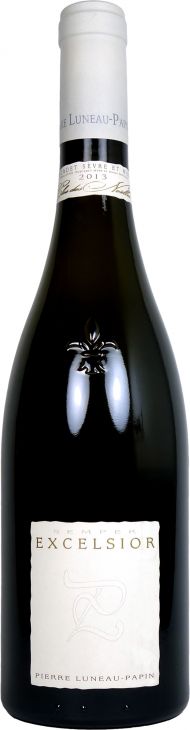
I come to give you news of the grapes and future wines that you will soon have in your hands! We started <glossary title="521">harvesting</glossary> on Monday, September 9th at 8am and completed our mission on Monday, September 23rd at 5pm. We began with the <glossary title="1133">plots</glossary> near the office and the <span class="zalup"><span><glossary title="254">cellar</glossary><span>:</span></span></span> Clos des Allées, la malhabile, la Grange followed by the Plécisière for the Noëlles (Excelsior), la Butte de la Roche (Terre de Pierre & Gula-Ana), les Pierres Blanches, the Bernardières (the Orchard) all under a summer sun.</p>
<p>The second week began on Monday with Vera Cruz and then we went to <glossary title="521">harvest</glossary> at our winemaker partner of the PM&M Luneau project (<strong>ed note:</strong> this is a new <glossary title="729">négociant</glossary> project). We returned this weekend to the family land for the Claretière (L d'Or) and pieces of the Grange, the Clos du Milieu, the Sauzaie and then the <glossary title="478">Gamay</glossary> that we now sell to a winemaker friend since we stopped the <glossary title="1104">vinification</glossary> and marketing of grape varieties other than <glossary title="646">Melon B</glossary> and <span class="zalup"><span><glossary title="1256">Folle Blanche</glossary><span>.</span></span></span> In all, we <glossary title="521">harvested</glossary> 36 <glossary title="523">hectares</glossary> of <span class="zalup"><span><glossary title="646">Melon B</glossary><span>,</span></span></span> two <glossary title="523">hectares</glossary> of <glossary title="1256">Folle Blanche</glossary> and one <glossary title="523">hectare</glossary> of <span class="zalup"><span><glossary title="478">Gamay</glossary><span>.</span></span></span></p>
<p>On Monday the 23rd we were in the <glossary title="1256">Gros Plant</glossary> and the end of <glossary title="521">harvest</glossary> lunch took place yesterday. Monday was a new season; fall and we all felt it well! Temperatures dropped and humidity rose. We can congratulate ourselves on the timing of the <glossary title="521">harvest</glossary> at the <glossary title="427">estate</glossary> this year.</p>
<p>All the grapes have been back since Monday night and the winery is singing nicely (pppsssssccccchhhhhhhhhhh). This year, in addition to the sun we benefitted from beautiful <glossary title="71">acidity</glossary> due to a fall of the temperatures at the end August. The <glossary title="783">PH</glossary> are between 3.30 and 3.40 while the grapes show 12.5 in <glossary title="1381">degree potential</glossary>; that leaves us anticipating a vintage with great <glossary title="74">aging</glossary> potential (similar to 2012). Nice juices with ripe flesh.</p>
<p>As you already know, the domaine Luneau-Papin recorded a loss of 80% of its <glossary title="521">harvest</glossary> this year (the same as 2016 and 2017) so we will have little volume on some <span class="zalup"><span><glossary title="363">cuvées</glossary><span>.</span></span></span> These difficulties led us to launch the PM&M Luneau project last year. We went out to <glossary title="521">harvest</glossary> with our own team this year to go into a little more detail as we like to do in our own vines. We believe that the future will lead to other projects like ours and allow winemakers to <glossary title="332">convert</glossary> their <glossary title="427">estate</glossary> to <glossary title="746">organic farming</glossary> and thus develop our common markets (yours and those of the winemakers newly in <glossary title="746">organic farming</glossary>).<br />
<br />
I was fortunate to have a very positive team this year. 35 cutters and 5 porters who helped each other and showed a good complicity from day one. We’ve been changing our recruitment methods for three years and it's paid off. We use employer groups and the (web) network to mix profiles (cultures, social standing, age) and the result is conclusive. They all came back for lunch with us yesterday and we took a tour of the <glossary title="254">cellar</glossary> afterwards to explain to them (as to you) the path of the juices. Many of us have said "see you next year!". This is important for us.</p>
<p>The connection we make with our permanent and seasonal workers, our clients and agents feels like 50% of the job for Pierre-Marie and I; it makes a difference over time. We also measure the ties that bind us to each of you and the efforts that you make every day so that we can continue to be winemakers while respecting our values and convictions.</p>
<p>Thanks to all of you.</p>
<p><em><strong>All photos by Pauline Théon.</strong></em></p>
<p><img src="http://louisdressner.com/uploads/images/article/2020_Apr_29//77/48/7748fd84333a78a1ef296a9b6ac967c9.jpg" /><img src="http://louisdressner.com/uploads/images/article/2020_Apr_29//73/4f/734ffc3518b49e7e75181a9530d17e06.jpg" /><img src="http://louisdressner.com/uploads/images/article/2020_Apr_29//5c/b9/5cb9c431501ce37ec4db420d3b4432d3.jpg" /><img src="http://louisdressner.com/uploads/images/article/2020_Apr_29//64/02/64025115be8070df914c95c6b6c1a0b3.jpg" /><img src="http://louisdressner.com/uploads/images/article/2020_Apr_29//66/02/660248ba5ecc9a19184b28762fdea853.jpg" /><img src="http://louisdressner.com/uploads/images/article/2020_Apr_29//c8/a3/c8a35a022f6f419ffceb75d889ac3507.jpg" /><img src="http://louisdressner.com/uploads/images/article/2020_Apr_29//69/ba/69baaa1ad0d57d904cd877a09210444c.jpg" /><img src="http://louisdressner.com/uploads/images/article/2020_Apr_29//0d/4b/0d4b8d82fcb2d816c582d3ff0f02e6eb.jpg" /><img src="http://louisdressner.com/uploads/images/article/2020_Apr_29//34/68/3468a582d3625b7da6398b3554c8c417.jpg" /><img src="http://louisdressner.com/uploads/images/article/2020_Apr_29//2a/5e/2a5ee17a8f0a4d6e46078de7ca6911a1.jpg" /></p>
<p><img src="http://louisdressner.com/uploads/images/article/2020_Apr_29//43/33/4333ed420de428240ae00473c3fe506e.jpg" /></p>
<p><img src="http://louisdressner.com/uploads/images/article/2020_Apr_29//af/5e/af5e7eec01bfd88f337b94845f63fe72.jpg" /></p>
<p><img src="http://louisdressner.com/uploads/images/article/2020_Apr_29//58/39/5839ce823e3d66071db3e9c885403a02.jpg" /><img src="http://louisdressner.com/uploads/images/article/2020_Apr_29//57/86/57861b5ba69bb871327018ce79a6574a.jpg" /><img src="http://louisdressner.com/uploads/images/article/2020_Apr_29//44/20/4420b613924875043c904bc23b381aa1.jpg" /><img src="http://louisdressner.com/uploads/images/article/2020_Apr_29//90/a2/90a213bd5a50b419d017805576328088.jpg" /><img src="http://louisdressner.com/uploads/images/article/2020_Apr_29//da/0f/da0ffd70a04c73d8babd939ebb867446.jpg" /><img src="http://louisdressner.com/uploads/images/article/2020_Apr_29//2d/49/2d4925f71ec525ab1300a1c12a1a1203.jpg" /></p>
<p><img src="http://louisdressner.com/uploads/images/article/2020_Apr_29//1f/82/1f825ed0f589afb2f1f731b122728e1a.jpg" /></p>
<p><img src="http://louisdressner.com/uploads/images/article/2020_Apr_29//e6/f7/e6f738c3fd3df42be4a14eb1e1c829e7.jpg" /></p>
<p><img src="http://louisdressner.com/uploads/images/article/2020_Apr_29//68/c9/68c909883131018097b0c7d8ea74a31a.jpg" /></p>
<p><img src="http://louisdressner.com/uploads/images/article/2020_Apr_29//1f/ef/1fef3ca183d36651254e0daabcb0ac52.jpg" /></p>
<p><img src="http://louisdressner.com/uploads/images/article/2020_Apr_29//aa/90/aa9074d1ecdd1e441240efb79d8be68b.jpg" /></p>
<p><img src="http://louisdressner.com/uploads/images/article/2020_Apr_29//0c/49/0c493dcad89524d1adf65822116c2a2a.jpg" /></p>
<p><img src="http://louisdressner.com/uploads/images/article/2020_Apr_29//59/86/59865b764e1c1605e9ab6dd771ba71fb.jpg" /></p>
<p><img src="http://louisdressner.com/uploads/images/article/2020_Apr_29//57/27/5727419bd6f782f1632b2a7128a00197.jpg" /></p>
<p><img src="http://louisdressner.com/uploads/images/article/2020_Apr_29//5d/4d/5d4d7317c22d682a2027f554550f405e.jpg" /></p>
<p><img src="http://louisdressner.com/uploads/images/article/2020_Apr_29//2a/22/2a22f8cc44a8922b041e8ab839590aa9.jpg" /></p>
<p><img src="http://louisdressner.com/uploads/images/article/2020_Apr_29//e6/1b/e61b10f89993fd39fc8d4321d652bd4e.jpg" /></p>
Article
harvest report
16.10.2018
2018 Harvest Report from Marie Luneau-Chartier
<p>Here are some photos from our 2018 <span class="zalup"><span><glossary title="521">harvest</glossary><span>.</span></span></span> Three weeks under the sun. 60 people <glossary title="521">harvesting</glossary> in the vines. We hadn't seen such a beautiful crop since 2005. We had to be extremely precise with the <glossary title="521">harvesting</glossary> dates, same with with <glossary title="1104">vinification</glossary> to make sure the wines had energy and brightness. After 10 consecutive years of tough <span class="zalup"><span><glossary title="1109">vintages</glossary><span>,</span></span></span> 2018 was a gift from God!</p>
<p><img src="http://louisdressner.com/uploads/images/article/2019_Sep_16//18/c6/18c63f424ea26e7bea44b0f58ee6abf4.jpg" /></p>
<p><img src="http://louisdressner.com/uploads/images/article/2019_Sep_16//d0/81/d081c2d06cdecb2b8f7a84d8c6975ac6.jpg" /></p>
<p><img src="http://louisdressner.com/uploads/images/article/2019_Sep_16//05/e4/05e4902061b5bf045715add0852835f6.jpg" /></p>
<p><img src="http://louisdressner.com/uploads/images/article/2019_Sep_16//ba/6a/ba6a96c45866050dca873f9bb0879798.jpg" /></p>
<p><img src="http://louisdressner.com/uploads/images/article/2019_Sep_16//f9/30/f93034e44e0af85529538ae724f9056e.jpg" /></p>
<p><img src="http://louisdressner.com/uploads/images/article/2019_Sep_16//d6/23/d623ba7f186a16597bb5daf6c9667117.jpg" /></p>
<p><img src="http://louisdressner.com/uploads/images/article/2019_Sep_16//cc/8c/cc8c25c88cde20d11030ab98d7baf13b.jpg" /></p>
<p><img src="http://louisdressner.com/uploads/images/article/2019_Sep_16//af/9f/af9fd306df621766e06f543e7e680854.jpg" /></p>
<p><img src="http://louisdressner.com/uploads/images/article/2019_Sep_16//ba/09/ba0921f428d5eba2f1aad8b126f87343.jpg" /></p>
<p><img src="http://louisdressner.com/uploads/images/article/2019_Sep_16//36/ec/36ecbbf7919c740cbb871d6a7508861d.jpg" /></p>
<p><img src="http://louisdressner.com/uploads/images/article/2019_Sep_16//0c/24/0c24fac16e8889718e3e4d93abb6a6d3.jpg" /></p>
<p><img src="http://louisdressner.com/uploads/images/article/2019_Sep_16//b2/4b/b24befd0bb7c5b2491805fa1e76629ad.jpg" /></p>
<p><img src="http://louisdressner.com/uploads/images/article/2019_Sep_16//ff/37/ff37a0466f6858c1064f6f1b994e5572.jpg" /></p>
<p><img src="http://louisdressner.com/uploads/images/article/2019_Sep_16//e7/8e/e78e2157fa1a81404fad6ebcf3f774f4.jpg" /></p>
<p><img src="http://louisdressner.com/uploads/images/article/2019_Sep_16//ed/01/ed01d87b2cbe6e1051b0ab6e358b473b.jpg" /></p>
<p><img src="http://louisdressner.com/uploads/images/article/2019_Sep_16//90/9f/909f1b515d67f27796da2697f9b7bfa0.jpg" /></p>
<p><img src="http://louisdressner.com/uploads/images/article/2019_Sep_16//76/fe/76fe121eb0caf8493881e8ff650ac4a2.jpg" /></p>
<p><img src="http://louisdressner.com/uploads/images/article/2019_Sep_16//02/45/0245433b67e284ae1f83f157806c4fab.jpg" /></p>
<p><img src="http://louisdressner.com/uploads/images/article/2019_Sep_16//53/70/5370afd59b41dc7e0cf50499a5da9675.jpg" /></p>
<p><img src="http://louisdressner.com/uploads/images/article/2019_Sep_16//22/51/2251b5d3830891739dc09513724c7ced.jpg" /></p>
<p><img src="http://louisdressner.com/uploads/images/article/2019_Sep_16//0d/64/0d6497ec240e6f936ca0019e47bd3a6f.jpg" /></p>
<p><img src="http://louisdressner.com/uploads/images/article/2019_Sep_16//90/8b/908b7652ecdb1c9f4ba4476ac1b385cd.jpg" /></p>
Article
harvest report
14.09.2013
2013 Harvest Report from Marie-Luneau Chartier
<p><u><strong>October 2nd, 2013:</strong></u></p>
<p>Our harvesters showed up last Thursday. The <glossary title="1138">bunches</glossary> are beautiful and abundant. After two very challenging <glossary title="1109">vintages</glossary> with very low quantities (particularly 2012), it's hard for us to not jump and down in excitement as we wait for the juices to fill our historic, underground <span class="zalup"><span><glossary title="1140">vats</glossary><span>.</span></span></span><br />
<br />
We were blessed with a very nice summer. Two months of bright sun shut up the rumors that it was going to be humid!</p>
Article
harvest report
25.09.2012
2012 Harvest Report from Marie Luneau-Chartier
<p><u><strong>September 25th, 2012:</strong></u></p>
<p>Our <glossary title="521">harvest</glossary> began on Monday, the 24th at 8am. Last November, we began <glossary title="834">pruning</glossary> in a winter where temperatures often fell below 0. In late January/early February, <glossary title="1135">frost</glossary> and snow (which is rather rare around these parts) kept the hand warmers in our pockets, and many chimney fires were burned! It was a perfect time to eat slow cooked rabbit and open some nice bottles from our <glossary title="1089">vignerons</glossary> friends.<br />
<br />
Spring started early, too early according to "Mamy Jeannette" (Monique's mother, who knows the <glossary title="760">parcels</glossary> like no other). But March and April quickly traded sun for rain and wind! This mediocre weather followed us into July, and as a result the vines' <glossary title="1179">flowering</glossary> -interrupted by constant rain- could not offer us all of its grapes.<br />
<br />
By the end of July, the summer finally decided to show up. August was quite hot and since then warm temperatures and blue skies have been the norm. We're now getting fresh mornings, but the sky is still beautiful and the grapes love it… Us too!<br />
<br />
The five weeks prior to <glossary title="521">harvest</glossary> are primordial for nice <glossary title="639">maturities</glossary> and richness in natural sugars. Now that we've started the <span class="zalup"><span><glossary title="521">harvest</glossary><span>,</span></span></span> we're in the thick of things and wait impatiently to taste the juices as they become wine! We're estimating alcohol to be at 12/12,5 minimum, and are waiting on certain <glossary title="760">parcels</glossary> for optimal <span class="zalup"><span><glossary title="639">maturity</glossary><span>.</span></span></span> On Monday, 35 harvesters and five porters were getting there hands full of grapes.<br />
<br />
To sum up 2012, we're going to make something very good, but not in the quantities we would have liked. Be ready to <glossary title="254">cellar</glossary> this <span class="zalup"><span><glossary title="1109">vintage</glossary><span>,</span></span></span> since we brought in less that half of a usual <span class="zalup"><span><glossary title="521">harvest</glossary><span>.</span></span></span><br />
<br />
<strong>-Pierre, Monique, Pierre-Marie & Marie Luneau</strong></p>
<p><img src="http://louisdressner.com/uploads/images/article/2019_Sep_23//7f/7e/7f7eed8e6e7b581300b9e43d7df0ac50.jpg" /></p>
<p><img src="http://louisdressner.com/uploads/images/article/2019_Sep_23//e0/c7/e0c7fc355c0fb056b71ed1d76161dd45.jpg" /></p>
<p><img src="http://louisdressner.com/uploads/images/article/2019_Sep_23//3a/81/3a81122e498abb087b44d9e326390299.jpg" /></p>
Article
harvest report
16.09.2011
2011 Harvest Report from Marie Luneau-Chartier
<p><u><strong>September 16th, 2011:</strong></u></p>
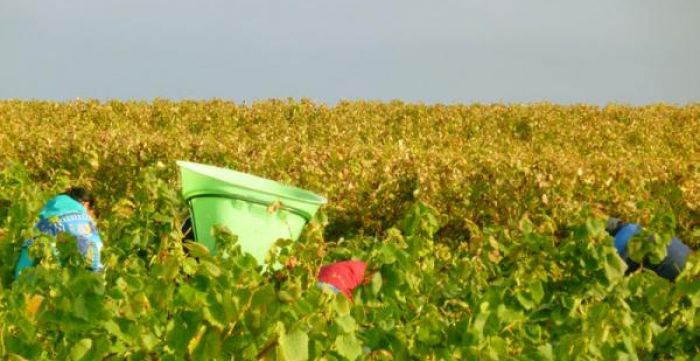
<p>We began <glossary title="521">harvesting</glossary> on August 30th under the cloudy skies we've grown accustomed to this summer. Spring started out very hot, maybe a little too hot, and the old timers predicted a windy and cloudy summer. They were spot on!<br />
<br />
It was real work out there this year! We had to <glossary term="Sorting" title="1380">sort</glossary> a lot of grapes and unfortunately had to dispose of approximately 30% of everything <span class="zalup"><span><glossary title="521">harvested</glossary><span>.</span></span></span><br />
<br />
We started with "Clos des Allées", our <glossary title="1130">young</glossary> and <span class="zalup"><span><glossary title="740">old vines</glossary><span>,</span></span></span> then "Pierres Blanches", followed by the <glossary title="760">parcel</glossary> that we make "Excelsior" with, the "L d'Or" and we finished with "Terre de Pierre". The "Butte de la Roche" <glossary title="760">parcel</glossary> was a great way to finish the <span class="zalup"><span><glossary title="521">harvest</glossary><span>,</span></span></span> and a good surprise for the pickers since there wasn't too much <span class="zalup"><span><glossary term="Sorting" title="1380">sorting</glossary><span>!</span></span></span><br />
<br />
Next week we'll start picking the <span class="zalup"><span><glossary term="Folle Blanche" title="1256">Folle Blanche</glossary><span>,</span></span></span> <span class="zalup"><span><glossary title="478">Gamay</glossary><span>,</span></span></span> <glossary title="650">Merlot</glossary> and <span class="zalup"><span><glossary title="271">Chardonnay</glossary><span>.</span></span></span><br />
<br />
The harvesters did a great job working under Monique in the vines and in the <glossary title="254">cellar</glossary> with Pierre and Pierre-Marie. The <glossary title="1138">clusters</glossary> they brought back seem like they'll produce some very promising wines! We're excited to discover them with you in the spring!</p>
<p><img src="http://louisdressner.com/uploads/images/article/2019_Sep_25//d9/b7/d9b7d5229e7105bb95ffa6ca16051f1c.jpg" /></p>
<p><img src="http://louisdressner.com/uploads/images/article/2019_Sep_25//61/d7/61d744ea09c14ea735884aef1e8ba1b6.jpg" /></p>
<p> </p>
Article
harvest report
10.09.2010
2010 Harvest Repot from Marie Luneau-Chartier
<p><u><strong>September 10th, 2010:</strong></u></p>
<p>We are starting the <glossary title="521">harvest</glossary> on Tuesday, September 14th. The 50 harvesters (44 pickers and 6 porters) have been hired and the <glossary title="254">cellar</glossary> is all spiffed up and ready to welcome the new juice.<br />
<br />
This year the sun has given us nice temperatures with no excesses and this leads us to hope for good balance.<br />
<br />
The tests that Pierre-Marie did in the vines yesterday showed reasonable <glossary title="71">acidity</glossary> and sugar levels that seem to be in a good range.<br />
<br />
The juice will probably have less sugar which will leave some room for a nice <span class="zalup"><span><glossary title="662">minerality</glossary><span>.</span></span></span><br />
<br />
I will be back in touch as the <glossary title="521">harvest</glossary> begins.</p>
<p><u><strong>September 23rd, 2010:</strong></u></p>
<p>Here we are cutting, <span class="zalup"><span><glossary title="827">pressing</glossary><span>,</span></span></span> <glossary title="379">débourbing</glossary> (separating the juice from the <glossary title="515">gross lees</glossary>) and cleaning with a lot of water, all day long.</p>
<p>This year, we have a truly nice team of harvesters, and work is done in good spirits. The grapes are fantastic, and the first <glossary title="827">presses</glossary> have good sugar content (11 to 11.5 of <glossary title="1381">potential degrees</glossary>) The balance is fine, there is <glossary title="71">acidity</glossary> the way we like it here at the <span class="zalup"><span><glossary title="427">estate</glossary><span>.</span></span></span> It is a type of <glossary title="1109">vintage</glossary> with lots of promise.<br />
<br />
The sweet sound of <glossary title="441">fermentation</glossary> is audible, it will harmonize over the weekend into a choral rendition.</p>
Article
harvest report
11.10.2006
2006 Harvest Report from Pierre Luneau
<p><u><strong>October 11th, 2006:</strong></u></p>
<p>The 2006 growing year had atypical and irregular climactic patterns.<br />
<br />
The winter was cold and the spring dreary, so the vegetation started late, 10 days later than in 2005. The growth accelerated in June, which was very dry and hot. There was no lateness any more when the vines blossomed, around June 14th, and the <glossary term="Veraison" title="1396">véraison</glossary> (moment when the grapes acquire color, a sign of increased <glossary title="639">maturity</glossary>) came early, between August 10th and 15th.<br />
<br />
Temperatures had been close to the average in May and June, but largely above average during the July heat wave. It rained quite a lot, in sporadic thunderstorms.<br />
<br />
This way, the vine growing season alternated between cool stretches and very high temperatures, that some called tropical. Despite these extremes, ripeness came, and checks we did in August predicted a good potential <span class="zalup"><span> <glossary title="521">harvest</glossary><span>.</span></span></span></p>
<p>The threat of <glossary title="475">fungal</glossary> infections (<glossary title="1137">mildew</glossary> and <glossary term="Oidium" title="737">black rot</glossary>) was there all year, but we managed to keep them in check. The grapes were healthy, when considering the whole of our <span class="zalup"><span> <glossary title="427">estate</glossary><span>,</span></span></span> before we began picking.<br />
<br />
Early September, ripeness came quickly, and the official starting date was set for September 6th. Here we started on September 13th, and the <glossary title="521">harvest</glossary> lasted two weeks. We had two days of stormy rains during that time.<br />
<br />
<span class="zalup"><span><glossary title="520">Picking by hand</glossary><span>,</span></span></span> we <glossary title="521">harvested</glossary> good quality <span class="zalup"><span><glossary title="1138">bunches</glossary><span>.</span></span></span> Alcohol degrees are between 11.5 and 12%.<br />
<br />
The juices, with good balance between <glossary title="71">acidity</glossary> and sugar, promise a <glossary title="1109">vintage</glossary> of round, balanced wines with fresh <span class="zalup"><span><glossary term="Typicity" title="1056">typicity</glossary><span>.</span></span></span></p>
Article