producer profile
25.11.2019
Jean Manciat Producer Profile
<p>We know the <glossary title="702">Mâconnais</glossary> well. Denyse Louis’ family comes from this area, has vineyards with the <glossary title="252">coop</glossary> in <glossary term="Lugny" title="606">Lugny</glossary> and we own a home there. We knew the <glossary title="252">coop</glossary> and <glossary title="729">négociant</glossary> wines that dominate the <glossary title="702">Mâconnais</glossary> and the American marketplace, but it was a 1986 <glossary title="702">Mâcon</glossary> from a small<font color="#7b143e"><strong> <glossary term="Artisan" title="121">artisinal</glossary> <glossary term="Estate" title="427">estate</glossary></strong></font> that was the revelation and the start to our search for comparable wines from other regions. We take special pride in our selections from the <span class="zalup"><span><glossary title="702">Mâconnais</glossary><span>,</span></span></span> our local wines.</p>
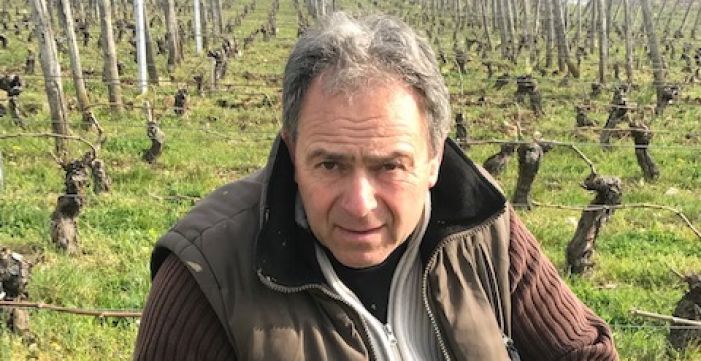
<p>Some of the <glossary title="252">coops</glossary> produce millions and millions of bottles. Jean Manciat’s vineyards can be toured on foot in a few minutes (5.5 <glossary title="523">hectares</glossary>). When Manciat took over his family <span class="zalup"><span><glossary title="427">estate</glossary><span>,</span></span></span> he immediately left the <glossary title="252">coop</glossary> in <span class="zalup"><span><glossary title="273">Charnay</glossary><span>.</span></span></span> He replanted extensively but kept as many of the <glossary title="740">old vines</glossary> as possible. The <glossary title="1129">yields</glossary> average less than 50 <glossary title="524">hectoliters</glossary>/<glossary title="523">hectare</glossary> (the <glossary title="252">coops</glossary> routinely <glossary title="521">harvest</glossary> twice as much) and the <glossary title="520">picking is done by hand</glossary> (a tradition totally lost around here except at the best <glossary title="702">Mâcon</glossary> estates). <br />
<br />
Manciat <glossary title="834">prunes</glossary> his <glossary title="271">Chardonnay</glossary> vines in the <glossary title="367">Côte d’Or</glossary> fashion (<em><glossary title="518">taille Guyot</glossary></em>), leaving a shorter <glossary title="232">cane</glossary> that is less productive. The <glossary title="702">Mâconnais</glossary> style of <glossary title="834">pruning</glossary> is to bend a long <glossary title="232">cane</glossary> into an arc, but Manciat finds the quality much higher with a shorter <span class="zalup"><span><glossary title="232">cane</glossary><span>.</span></span></span> Manciat is also experimenting with various <glossary title="78">agricultural</glossary> techniques, such as sowing particular varieties of grass between rows, to eliminate the use of <glossary title="526">herbicides</glossary> and alleviate soil erosion. He uses a type of old <glossary title="869">rootstock</glossary> which he finds ideally suited to the <glossary title="266">chalky</glossary> soil of the <glossary title="702">Mâconnais</glossary> and replants with a mix of <glossary title="304">clones</glossary> and <glossary title="500">grafts</glossary> taken from <glossary title="740">old vines</glossary> in the <glossary title="820">Pouilly-Fuissé</glossary> area.<br />
<br />
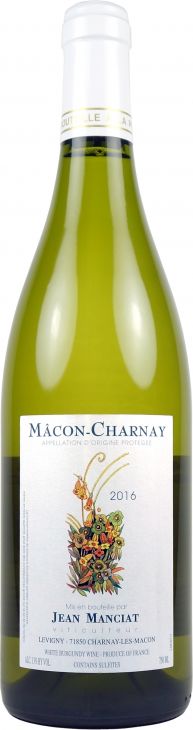
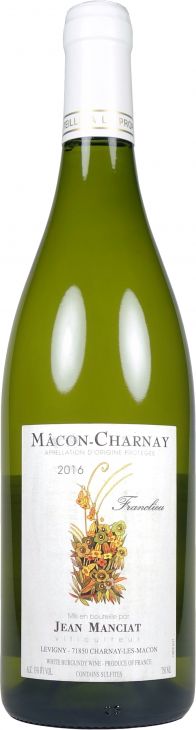
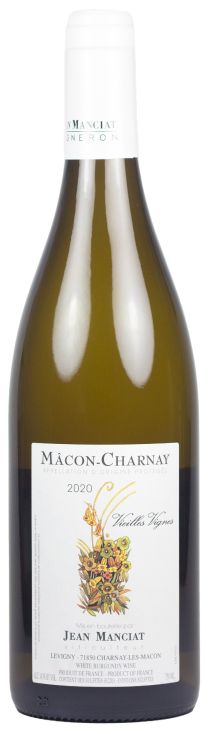
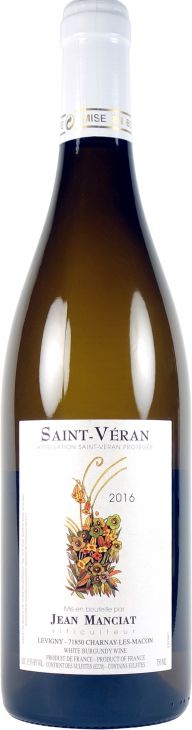
Manciat has a passion for wines <glossary title="441">fermented</glossary> and <glossary title="74">aged</glossary> in <glossary title="731">oak</glossary> <span class="zalup"><span><glossary title="142">barrels</glossary><span>,</span></span></span> and uses a fair amount of new <glossary title="1126">wood</glossary> for his <glossary title="740">Vieilles Vignes</glossary> <glossary title="363">cuvée</glossary> and his miniscule production of <span class="zalup"><span><glossary title="900">Saint-Véran</glossary><span>.</span></span></span> But the <glossary title="703">Mâcon-Charnay</glossary> and the <glossary title="959">single vineyard</glossary> "Franclieu" are made in <glossary title="986">stainless-stee</glossary>l <span class="zalup"><span><glossary title="1140">vats</glossary><span>,</span></span></span> to express the fruity, floral aromas and <glossary title="455">flinty</glossary> <glossary title="662">minerality</glossary> that characterize the best <glossary title="271">Chardonnay</glossary> in the region.</p>
Article
interview
17.06.2019
An Interview with Jean Manciat from 2012
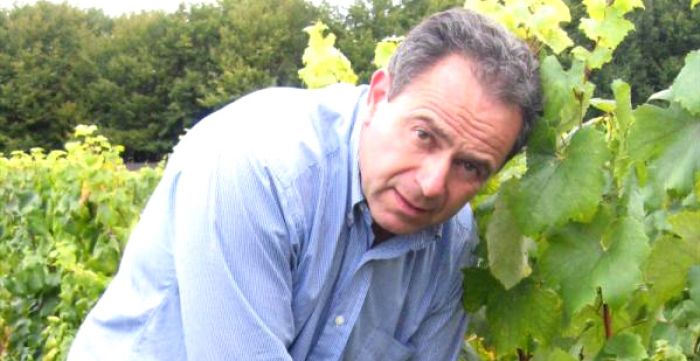
<p><em>This interview with Jean Manciat took place in his dining room in July, 2012.</em></p>
<p><strong>Tell us about your estate.</strong><br />
<br />
I'm from the <glossary title="1205">Mâconnais</glossary> in Southern <strong><span class="zalup"><span><glossary title="212">Burgundy</glossary><span>,</span></span></span> </strong>working off of nine <glossary title="523">hectares</glossary> of vines. 90% of my production is <span class="zalup"><span><glossary title="702">Mâcon</glossary><span>,</span></span></span> with a few different <span class="zalup"><span><glossary title="363">cuvées</glossary><span>.</span></span></span> But I also make a tiny bit of <glossary title="900">Saint-Véran</glossary> and <span class="zalup"><span><glossary title="820">Pouilly-Fuissé</glossary><span>.</span></span></span> Fernand Raynaud was a humorist in the 70's, and one of his routines involved comparing himself to those in the top of the heap, because he was at the bottom of the ditch. Sometimes this is how we are portrayed in the <span class="zalup"><span><glossary title="1205">Mâconnais</glossary><span>,</span></span></span> but we are an <glossary title="113">appellation</glossary> with a great price/value ratio. We work with the internationally known <span class="zalup"><span><glossary title="271">Chardonnay</glossary><span>,</span></span></span> and while we might be more modest than our noble neighbors in the North, we still have particularities and <glossary title="656">microclimates</glossary> here (as they exist everywhere). I have been making wines in this style since my beginnings, most notably with my "Franclieu" <span class="zalup"><span><glossary title="363">cuvée</glossary><span>.</span></span></span> <br />
<br />
<strong>How did the estate start?</strong><br />
<br />
The first vines were inherited. They were originally my grandfather's, then they were split between my father and uncle. But when my father got married, his wife was from the "humbler" <glossary title="1026">terroir</glossary> of <span class="zalup"><span><glossary title="274">Charolais</glossary><span>,</span></span></span> while my uncle's wife hailed from the "noble" <span class="zalup"><span><glossary title="820">Pouilly-Fuissé</glossary><span>!</span></span></span> I guess my uncle lucked out, so my father got to keep his small property in the <span class="zalup"><span><glossary title="1205">Mâconnais</glossary><span>.</span></span></span> He always made the wine independently, which was not the norm at the time since most <glossary title="1103">viticulturists</glossary> sold their grapes to the <span class="zalup"><span><glossary title="252">cave coopérative</glossary><span>.</span></span></span> But this was always a hobby, since he earned his keep raising <glossary title="274">Charolais</glossary> cattle around <span class="zalup"><span><glossary title="307">Cluny</glossary><span>.</span></span></span> <br />
<br />
I was always more interested in the vines. It seemed a lot easier to sell your wine than to negotiate beef prices at the fair! Grapes are also a lot easier to handle, and you get to <glossary title="521">harvest</glossary> them every year! So I decided to work in <span class="zalup"><span><glossary title="1103">viticulture</glossary><span>,</span></span></span> and was lucky enough to go to school with some big guns (or guys who later became big guns): Dominique Lafon, André Ostertag, Etienne Grivot, etc… These exchanges really opened up my mind.<br />
<br />
1985 was my first <span class="zalup"><span><glossary title="1109">vintage</glossary><span>.</span></span></span> It was a disaster: I had unknowingly purchased bottles that had spent who knows how long sitting around in a parking lot, and they were very dirty. Some even had pieces of straw in it! We had to un <span class="zalup"><span><span>-</span><glossary title="185">bottle</glossary> </span></span>and re <span class="zalup"><span><span>-</span><glossary title="185">bottle</glossary> </span></span>everything, and even then I had a very hard time selling it. 1986, on the other hand, was much smoother, and got some positive press which helped me sell the wine and start building a reputation for myself. I started with three <span class="zalup"><span><glossary title="523">hectares</glossary><span>,</span></span></span> and now I'm at nine, which is still very small for the <span class="zalup"><span> <glossary title="1205">Mâconnais</glossary><span>.</span></span></span> Of the original three <glossary title="523">hectares</glossary> of vines, only 75 <glossary title="1208">ares</glossary> of <glossary title="740">old vines</glossary> remain. There used to be reds, which I ripped out. But I missed it so much that I bought a tiny <glossary title="760">parcel</glossary> of <span class="zalup"><span><glossary title="478">Gamay</glossary><span>.</span></span></span> I also was able to acquire some <glossary title="760">parcels</glossary> in <glossary title="820">Pouilly-Fuissé</glossary> and rent some in <span class="zalup"><span><glossary title="900">Saint-Véran</glossary><span>.</span></span></span> <br />
<br />
<strong>What's the work in the vines like?</strong><br />
<br />
I practice <span class="zalup"><span><glossary title="1257">sustainable farming</glossary><span>,</span></span></span> which means I use little to no <span class="zalup"><span><glossary title="526">herbicide</glossary><span>.</span></span></span> This year we had so much grass because of excess water that I felt obliged to use some in a few <span class="zalup"><span><glossary title="760">parcels</glossary><span>.</span></span></span> It's too bad because I hadn't used any in three years. I still privilege working the soil, and while I use <glossary title="331">conventional</glossary> treatments, the doses are very low. Everything is <span class="zalup"><span><glossary title="520">hand harvested</glossary><span>.</span></span></span><br />
<br />
<strong>And in the cellar? </strong><br />
<br />
We never use <glossary title="321">preselected yeasts</glossary> to <glossary title="441">ferment</glossary> the wine and the only thing I add to the wine is <span class="zalup"><span><glossary title="993">sulfur</glossary><span>.</span></span></span> I hope to one day make a wine without <glossary title="993">sulfites</glossary>; Romans used to preserve bottles by putting a little bit of oil between the <glossary title="336">cork</glossary> and the wine. I'll need to try it out one of these days to see if it works. <br />
<br />
<strong>Has there been an evolution in this work over the years? </strong><br />
<br />
My father used to <glossary title="810">plow</glossary> with a horse. And when the first <glossary title="526">herbicides</glossary> came out, it was a benediction for him! We have <glossary title="301">clay</glossary> and <glossary title="596">limestone</glossary> soils, and as you know you make pots with <span class="zalup"><span><glossary title="301">clay</glossary><span>.</span></span></span> The soils get extremely tough when imbibed with water, and once the sun comes out it becomes hard as a rock. <br />
<br />
So by the time I started, <glossary title="526">herbicides</glossary> were common and I used them. Stupidly enough, at the very beginning of my career I must of forgotten to treat a <span class="zalup"><span><glossary title="760">parcel</glossary><span>,</span></span></span> and noticed that even though I'd messed up, the grass still hadn't grown. I couldn't understand how this was possible! I thought about it long and hard, and decided it might be best to start <glossary title="810">plowing</glossary> the soils again. After many, many years of trial and error, I bought a new tractor in 2008; prior to then I only owned one that could work the soil, but this second one applies treatments. This way I can work the soils without using <span class="zalup"><span><glossary title="526">herbicide</glossary><span>.</span></span></span> <br />
<br />
<strong>What about spontaneous fermentations?</strong><br />
<br />
Wine has <glossary title="441">fermented</glossary> all by itself since the dawn of time! I never felt the need to use <glossary title="321">preselected yeasts</glossary> and magic powders to help shape my wine. Even rotten grapes can make excellent wine (for whites). You can't show anyone a picture of what they look like, but it's doable!<br />
<br />
<strong>You've jokingly brought up Mâcon's status and reputation. How do you feel about the AOC system, and how do your wines fit in that system?</strong><br />
<br />
The <glossary title="108">AOC</glossary> system is always being criticized. I remember a conference a few years ago where a representative of an extremely popular magazine was asked if the <strong><glossary title="108">AOC</glossary></strong> still represents a qualitative image. She openly answered: "No." I've got to say that the few <glossary title="1089">vignerons</glossary> who truly follow the principles of the <glossary title="108">AOC </glossary>produce good wines. But most don't, and you end up with a derivative product. To put it simply: it's a great system if you respect it! <br />
<br />
The bottom line is that it doesn't matter what a panel of your peers thinks. The real judgement is delivered by the consumers. When a consumer is used to drinking your wine and you change your techniques, you won't need to tell him a thing. He's going to know right away! I love selling wine directly to my customers because it guides you; you immediately know if people appreciate your work. <br />
<br />
<strong>How do you feel about "natural wine"? </strong><br />
<br />
We can't forget that man's touch makes wine come into existence. You need a minimum of <glossary title="545">intervention,</glossary> but you also need to have the utmost respect of what you are producing. In a way, <glossary title="539">industrial methods</glossary> will only make people appreciate finely crafted wines more. <br />
<br />
In my experience, it's more difficult to regularly obtain a quality wine by not <glossary title="545">intervening</glossary> at all. The charm of a <glossary title="1109">vintage</glossary> are its subtleties, not its draconic variations. So I totally agree with the philosophy of <span class="zalup"><span><glossary title="708">natural wine</glossary><span>,</span></span></span> but we can't let the juice turn to vinegar either. And when I talk about <glossary title="664">minimal intervention</glossary> in the winemaking, this also means a lot of work in the vines to preserve the integrity of the grapes. When you have healthy grapes, you don't need to fall back on <glossary title="279">industrial products</glossary> and modern <glossary title="422">oenology.</glossary><br />
<br />
<strong>What do you like to drink?</strong><br />
<br />
I'm very cosmopolitan! I like to drink everything! When I go to the restaurant, I never order local wines because that would be boring. There is good wine in every region of France, and in every region that produces wine in the world!</p>
Article

harvest report
26.12.2025
2025 Harvest Report from Quentin Manciat
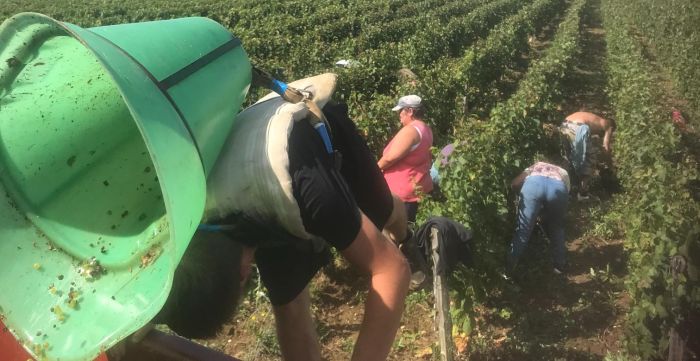
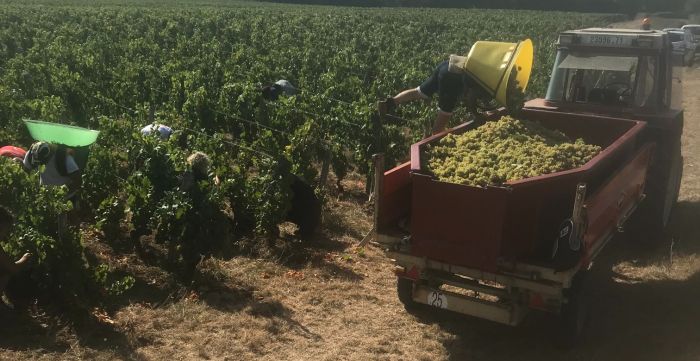
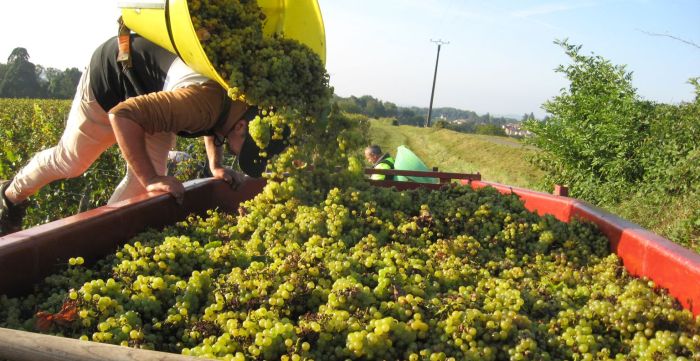
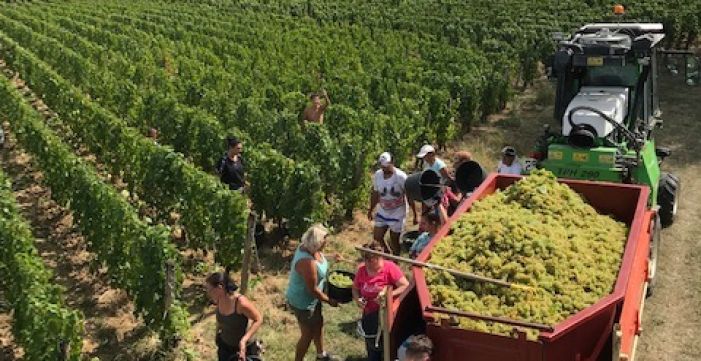
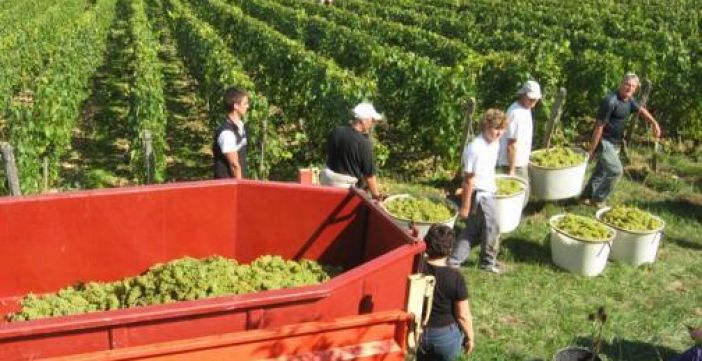
<p>After 2024, we thought we'd lived through the hardest vintage imaginable. And yet...</p>
<p>Winter was clement, with enough rain and a few more really cold days compared to past years. Spring is where we started facing problems, notably rain. The buds grew at a relatively normal pace; pockets of mildew had already started appearing by late-April/early-May on the most sensitive parcels, but at this point things didn't seem particularly dramatic. Everything felt quite manageable up until early June. </p>
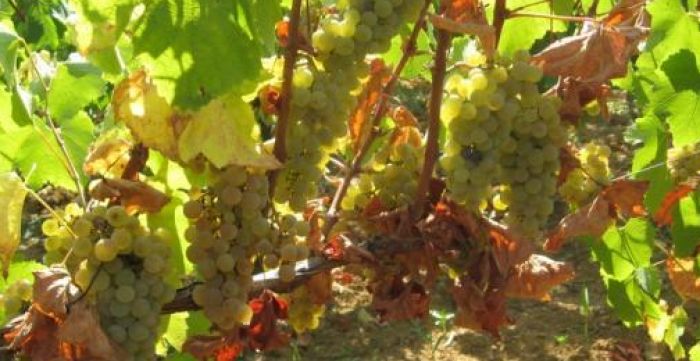
<p>From the 2nd to 8th of June, there was between 100 and 120mm of rain, making it impossible to properly protect the vines at a crucial moment. We began our conversion to organics in 2024, where only copper and sulfur are allowed as contact treatments; it is estimated these are efficient up to 20mm of rain but no more. As each week passed, the rain was too constant for us to do anything. By late June, the vines were severely marked with mildew. And what followed was a three week heatwave and drought for the rest of the month that continued up until harvest. </p>
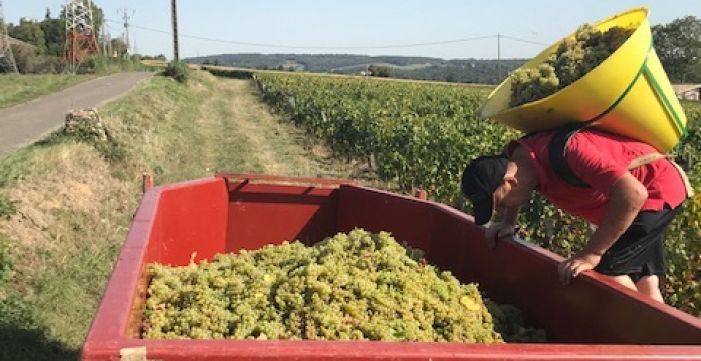
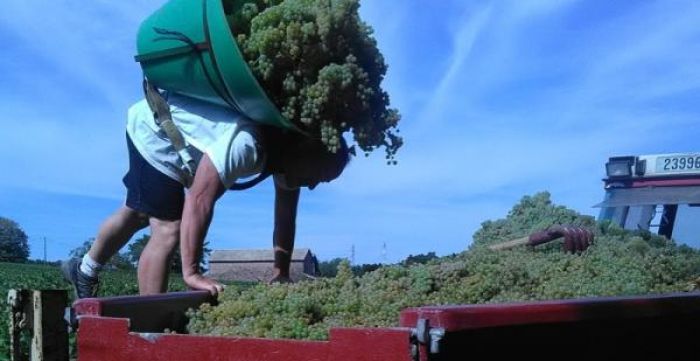
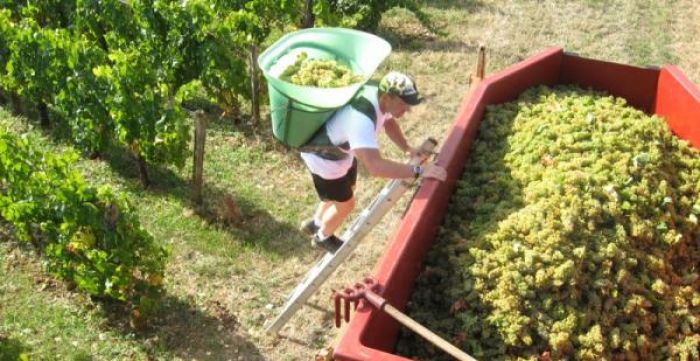
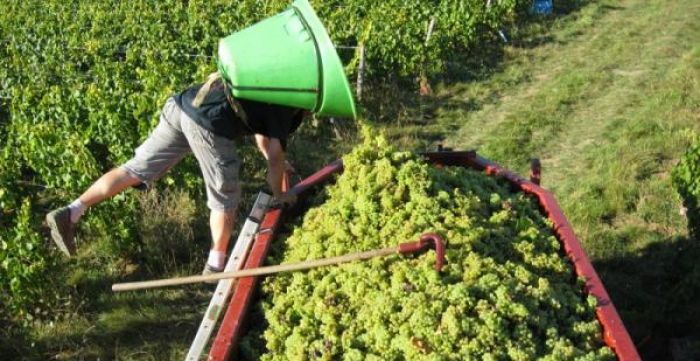
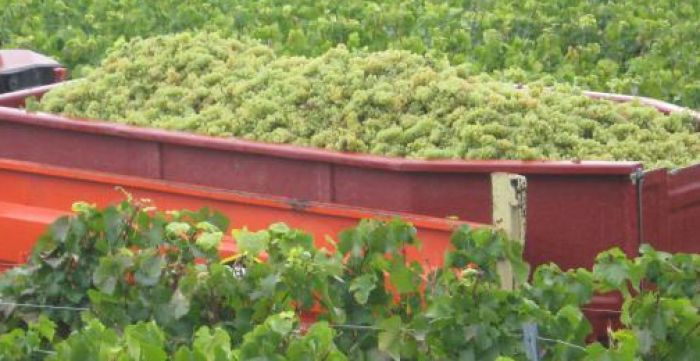
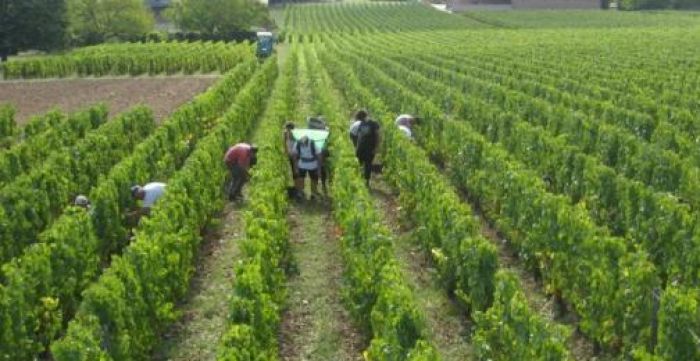
<p>Despite all the previous rain, by mid-August the high heat triggered hydric stress and blocked the grapes' physiological maturity at a time where phenolic ripeness was already quite advanced (the pips were ripe but the grapes were aromatically lacking. After waiting a few weeks hoping to obtain optimal aromatic richness, I decided to start harvesting early, on August 23rd. This decision was to avoid what I perceived as a degradation of the grapes' acid. It was the right decision, because we'd already lost 60% of the crop and that accelerated the maturities of what was left on the vines. </p>
<p>We wrapped up on September 2nd. In the end it was the right choice to pick so early, because the heavy rains that followed in early September could have destroyed the PH levels. In the end, the juices were qualitative, balanced, aromatic and with the right amount of acidity. The alcoholic fermentation was longer than in 2024, with malolactic following and now all but done (November 17th). The wines are very promising and it's also the first year we're incorporating some new vinification vessels including two new foudres.</p>
<p><img src="https://louisdressner.com/uploads/images/article//1067/0a/b7/0ab72c4ece4b9384ecd751177afc79ac.jpg" /><img src="https://louisdressner.com/uploads/images/article//1067/1e/15/1e151ad0018ffeda92707aed3ad9d504.jpg" /><img src="https://louisdressner.com/uploads/images/article//1067/2e/dc/2edca5ee64dfaf2edff4b42e514f7df9.jpg" /><img src="https://louisdressner.com/uploads/images/article//1067/10/e2/10e24b820732013497cc62cd7ded9250.jpg" /></p>
Article

harvest report
03.12.2024
2024 Harvest Report from Jean Manciat
<p>Our harvest is over...and I'm relieved!!! Right up until the last minute, we could have expected anything this year. There was even a bit of hail just beforehand in one area of the northern Mâconnais (Cruzille, I think). Everything went well between the rains, and we finished picking on September 25th. We managed to produce the desired volumes, but as you can imagine, there won't be any high alcohol, 14+% wines in 2024! </p>
<p>In any case, the fermentations that have begun are giving off pleasant aromas, suggesting a great future. The pH and acidity are more balanced than in warm years, suggesting good aging potential... So we can go to the restaurant now...</p>
<p>Here are some pictures from Quentin.</p>
<p><img src="https://louisdressner.com/uploads/images/article//1061/29/8d/298dabb27a8695842b7509c232b1da10.jpg" /><img src="https://louisdressner.com/uploads/images/article//1061/31/56/3156e496951b0f6407c5911a8900687d.jpg" /><img src="https://louisdressner.com/uploads/images/article//1061/9f/4c/9f4c3b3c66b1173f941e61285e5950cb.jpg" /><img src="https://louisdressner.com/uploads/images/article//1061/6f/48/6f4809323b5bcdab1500ed947ca7ddde.jpg" /><img src="https://louisdressner.com/uploads/images/article//1061/98/20/98200c0055716bec07df5de61a0a91ab.jpg" /><img src="https://louisdressner.com/uploads/images/article//1061/f1/a7/f1a762570cdc4860c1f1328f32d0db22.jpg" /><img src="https://louisdressner.com/uploads/images/article//1061/96/d7/96d77989bc9fe40b6221573f64de3d81.jpg" /><img src="https://louisdressner.com/uploads/images/article//1061/d3/88/d38851069d87772eea51254642ac0e8c.jpg" /></p>
<p><img src="https://louisdressner.com/uploads/images/article//1061/31/2d/312de5b2cc6616a666a6ac81870badaa.jpg" /><img src="https://louisdressner.com/uploads/images/article//1061/20/3c/203c80379878cdf834b232c6a4a8eaae.jpg" /></p>
Article
harvest report
04.01.2023
2023 Harvest Report from Jean Manciat
<p><strong>November 20th, 2023:</strong></p>
<p>After a Spring without <glossary term="Frost" title="1135">frost</glossary> and a smooth <glossary term="Flowering" title="1179">flowering</glossary> that announced a generous crop, Summer was much more complicated, with a variety of climatic challenges that kept us on constant alert. The first was a constant humidity maintained by small episodes of rain that led to <glossary term="Mildew" title="1137">mildew</glossary> pressure. Then we saw a bit of <glossary term="Oidium" title="737">odium</glossary> in late July/early August and finally a <glossary term="Hail" title="1136">hail</glossary> storm in mid-July that damaged some of the more exposed <glossary term="Cluster/Bunch" title="1138">bunches</glossary> but didn't really affect the crop, save for a small sector more in the Northern <glossary term="Mâconnais" title="1205">Mâconnais</glossary> that was devastated.</p>
<p>When the sun was out you could really feel the heat, but it was certainly cooler overall than the last few years. Late August did however catch us by surprise, with temperatures soaring from 104 to 112 during the day; as the vines are not shaded, this caused sun damage to vines on the edges of each row as well as blocking <span class="zalup"><span><glossary term="Maturation" title="639">maturation</glossary><span>.</span></span></span> Then, from one day to the next, the weather radically dipped to the high 60's (with snow in higher altitudes!) in a moment when the crop was struggling to ripen. By being patient, summer "returned" in September with more pleasant weather that got the grapes where they needed to be. Despite all these challenges, we maintained a good crop.</p>
<p>We began <glossary term="Harvest" title="521">harvesting</glossary> on September 7th and finished on the 22nd, all under a warm sun until the very last few days when it rained. To avoid the afternoon's heat, we <glossary term="Harvest" title="521">harvested</glossary> only in the morning into the early afternoon. As we continued picking, the <glossary term="alcoholic potential" title="1381">alcoholic potential</glossary> revealed itself to be between 13% and 14% but with lower <glossary term="Acidity" title="71">acidities</glossary> than usual and higher <span class="zalup"><span><glossary term="PH" title="783">PHs</glossary><span>.</span></span></span> This was quite stressful, and we were extremely vigilant in following the <glossary term="Alcoholic Fermentation" title="87">alcoholic fermentations</glossary> in order to avoid and accident or blocked <span class="zalup"><span><glossary term="Fermentation" title="441">ferment</glossary><span>.</span></span></span> We systematically cooled the juices immediately following <span class="zalup"><span><glossary term="Pressing" title="827">press</glossary><span>,</span></span></span> and made sure to separate the ends of <span class="zalup"><span><glossary term="Press Juice" title="1309">presses</glossary><span>,</span></span></span> which are always less acidic, in order to keep as much tension as possible. In spite of our fears, particularly that the <glossary term="Malolactic Fermentation" title="622">malolactic fermentation</glossary> would start before the <glossary term="Alcoholic Fermentation" title="87">alcoholic fermentation</glossary> was finished, everything went well. The <glossary term="Fermentation" title="441">fermentations</glossary> are however slow, with some wines having not started their <glossary term="Malolactic Fermentation" title="622">malo</glossary> at the time of this writing. </p>
<p>The wines are rather pleasant, round, true to form but marked by their lower <span class="zalup"><span><glossary term="Acidity" title="71">acidity</glossary><span>,</span></span></span> giving the wine an unctuous quality without feeling heavy or flabby. It should be a an easy to drink <span class="zalup"><span><glossary term="Vintage" title="1109">vintage</glossary><span>.</span></span></span>.. let's wait a few months to find out!</p>
<p><img src="https://louisdressner.com/uploads/images/article//998/d8/2d/d82d3677af4f4bf92ce0cf2e0d3079a1.jpg" /><img src="https://louisdressner.com/uploads/images/article//998/16/8c/168cb7268cb1b90622fe0471767e7485.jpg" /><img src="https://louisdressner.com/uploads/images/article//998/16/17/16170bb52d12acaf82571803aab3de3d.jpg" /><img src="https://louisdressner.com/uploads/images/article//998/ab/d6/abd6de8842edece88bd9878b95497329.jpg" /><img src="https://louisdressner.com/uploads/images/article//998/2b/3c/2b3c76b9d5863388b2fd8f703bb14037.jpg" /><img src="https://louisdressner.com/uploads/images/article//998/34/63/3463c8370b89cdaa3cc71d5884e95ed3.jpg" /><img src="https://louisdressner.com/uploads/images/article//998/d4/1e/d41e3a4319f6d7af15582f11688b338b.jpg" /><img src="https://louisdressner.com/uploads/images/article//998/db/51/db516e5e32d806acb30823798e883d50.jpg" /><img src="https://louisdressner.com/uploads/images/article//998/f0/a0/f0a06548a60bc0aa489597e192fb965f.jpg" /><img src="https://louisdressner.com/uploads/images/article//998/ac/d8/acd8768bb23f1c6334f23b7dddbe873a.jpg" /></p>
Article
harvest report
27.12.2022
2022 Harvest Report from Jean Manciat
<p><strong>November 21st, 2022.</strong></p>
<p>After another winter without much cold weather, we were ready for potential <glossary term="Frost" title="1135">frost</glossary> in late-March/early April, right when <glossary term="Budding" title="1166">budding</glossary> was starting. For a second there, it felt like we were going to have a "remake" of 2021: once again, April 3rd and 4th announced sub-freezing temperatures. This time we decided to take whatever precautions we could, most notably a later <glossary term="Pruning" title="834">pruning</glossary> to delay <glossary term="Budding" title="1166">budding</glossary> on the more vulnerable vines on the bottom of our <span class="zalup"><span><glossary term="Coteau" title="345">coteaux</glossary><span>.</span></span></span> We also did a <glossary term="Contact Treatment" title="328">contact treatment</glossary> of pulverized pectin in Franclieu the day before the announced <glossary term="Frost" title="1135">frost</glossary> (this reinforces the grapes to withstand an additional 1 to 2 degrees of cold). Finally, we created a few fires from old vine trunks. It was announced to drop to -3°- 4° but only got down to -1°, resulting only in a snow flurry. What a relief!</p>
<p>We then had a fairly normal Spring without any excess in water. But it was already trending towards <glossary term="Drought" title="1167">drought</glossary> by May, setting off a particularly early <glossary term="Flowering" title="1179">flowering</glossary> period similar to 2003 (from May 18th to the 29th). Under good conditions, we anticipated a <glossary term="Harvest" title="521">harvest</glossary> in August.</p>
<p>June was very dry but followed by beneficial rains: 150mm but spread out over three episodes in a 10 day period. This was great because the soils were able to absorb the water; usually rain in the summer comes in the form of violent storms that hit all at once, <glossary term="Erosion" title="1153">eroding</glossary> the soils and going straight into the gutter. </p>
<p>We then went back to hot, sunny weather which kept up until <span class="zalup"><span><glossary term="Harvest" title="521">harvest</glossary><span>.</span></span></span> We were hoping for some rain in mid-August, something that happens often and gives the grapes a much needed push in their <span class="zalup"><span><glossary term="Maturation" title="639">maturation</glossary><span>.</span></span></span> Not this time...</p>
<p>By this point, you could see the youngest vines planted on <glossary term="Coteau" title="345">coteaux</glossary> and all top rows were clearly suffering from lack of water, some losing their foliage. While we waited for the rain, the grapes' <glossary term="Maturation" title="639">maturities</glossary> ended up getting there on their own. Our <glossary term="Harvest" title="521">harvest</glossary> started on August 24th. The sanitary state was perfect (no surprise with the lack of rain) with a lot of grapes from vines that had not suffered as badly as we'd expected (probably from the rains in June).</p>
<p>Unsurprisingly, the levels of <glossary term="Acidity" title="71">acidity</glossary> are fairly low. The <glossary term="PH" title="783">PH</glossary> levels are fairly high but not quite the record breaking levels of 2003. Sugar was quite present, with <glossary term="alcoholic potential" title="1381">potentials</glossary> between 13 and 14%. <glossary term="Alcoholic Fermentation" title="87">Fermentations</glossary> started well, helped by keeping the juices at an optimal cold temperature; the grapes and <glossary term="Must" title="700">must</glossary> would quickly creep up to 30° right before noon, so the cold cellar was essential. In fact we only <glossary term="Harvest" title="521">harvested</glossary> in the mornings so that I could avoid getting juices at higher temperatures (and preserve our harvest team!)</p>
<p>While we weren't necessarily expecting it, we did have some <glossary term="Fermentation" title="441">fermentation</glossary> issues towards the end of the process. The <glossary term="Alcoholic Fermentation" title="87">alcoholic fermentation</glossary> started slowing down and <glossary term="Malolactic Fermentation" title="622">malolactic</glossary> started before the sugars were fully transformed (low <glossary term="Acidity" title="71">acidity</glossary>+ high <glossary term="PH" title="783">PH</glossary>+ low <glossary term="Sulfites" title="993">sulfites</glossary> = <span class="zalup"><span><glossary term="Malolactic Fermentation" title="622">malo</glossary><span>!</span></span></span>). This was the case on almost all my <glossary term="Vat/Tank" title="1140">vats</glossary>; I was worried that I would see spikes in <glossary term="Volatile Acidity" title="1116">volatile acidity</glossary> but in the end they actually are the lowest in the <glossary term="Estate" title="427">estate</glossary>'s history (these are the mysteries of <glossary term="Vinification" title="1104">vinification</glossary>). At the time of this writing, not everything is finished, with many wines blocked with eight to nine grams of <glossary term="Residual Sugar" title="853">RS</glossary> left, most notably Franclieu where I need to reactivate it to get to the four gram limit accepted by the <span class="zalup"><span><glossary term="Appellation" title="113">appellation</glossary><span>.</span></span></span> </p>
<p>All in all, I find the wines quite charming, retaining freshness (the <glossary term="Malolactic Fermentation" title="622">malos</glossary> are all done, that's exceptional at this time of year) and good structure. I believe this will be a <glossary term="Vintage" title="1109">vintage</glossary> that can be enjoyed right at release. We'll have to confirm this in a few months...</p>
<p><img src="https://louisdressner.com/uploads/images/article//965/f4/1e/f41ea7626be96477d53e255edd58d308.jpg" /><img src="https://louisdressner.com/uploads/images/article//965/19/70/1970d95e69e3c46dca1e78ac46910f80.jpg" /><img src="https://louisdressner.com/uploads/images/article//965/b7/81/b781ce8fedc7c0a868d8aa80e175ac30.jpg" /><img src="https://louisdressner.com/uploads/images/article//965/8b/e4/8be44539d7008d010715cdd04414a8ec.jpg" /><img src="https://louisdressner.com/uploads/images/article//965/8e/3b/8e3b04dc01ce36ea83b59ab12ff19817.jpg" /><img src="https://louisdressner.com/uploads/images/article//965/8e/18/8e1853fc10cc901b1c3e1c729ad60531.jpg" /><img src="https://louisdressner.com/uploads/images/article//965/81/fa/81fae18c7b92ab81bd0c868d2fac4c58.jpg" /></p>
Article
harvest report
08.12.2021
2021 Harvest Report from Jean Manciat
<p>It's very hard to brag about this 2021 <span class="zalup"><span><glossary term="Vintage" title="1109">vintage</glossary><span>,</span></span></span> which qualifies in a category that most <glossary term="Viticulture" title="1103">viticulturists</glossary> fell into: grim. You won't learn anything new from me, I suffered from all the same problems my fellow <glossary term="Vigneron/Vignaiolo" title="1089">vignerons</glossary> went through: <span class="zalup"><span><glossary term="Frost" title="1135">frost</glossary><span>,</span></span></span> <span class="zalup"><span><glossary term="Hail" title="1136">hail</glossary><span>,</span></span></span> <span class="zalup"><span><glossary term="Mildew" title="1137">mildew</glossary><span>,</span></span></span> <span class="zalup"><span><glossary term="Oidium" title="737">odium</glossary><span>,</span></span></span> and the finishing touch was rot on the <glossary term="Cluster/Bunch" title="1138">bunches</glossary> during <span class="zalup"><span><glossary term="Harvest" title="521">harvest</glossary><span>!</span></span></span></p>
<p>The most impactful was the episode of <span class="zalup"><span><glossary term="Frost" title="1135">frost</glossary><span>,</span></span></span> something I've never seen in my 35 years making wine: – 6° to - 8° in sectors that were already quite green as the vines had about 10 days of advance compared to a normal year. It was obvious my entire <glossary term="Estate" title="427">estate</glossary> was going to be affected. A few <glossary term="Cluster/Bunch" title="1138">bunches</glossary> subsisted here and there, in the some cases we got <glossary term="Second Growth" title="937">second growths</glossary> but these <glossary term="Cluster/Bunch" title="1138">bunches</glossary> were very small. For the first time in my career, we knew what we were <glossary term="Harvest" title="521">harvesting</glossary> on April 8th! And of course this catastrophe couldn't come alone, so we lived through interminable rain that propagated <glossary term="Mildew" title="1137">mildew</glossary> and <span class="zalup"><span><glossary term="Oidium" title="737">odium</glossary><span>,</span></span></span> decimating the little grapes we had left. In the end we had a tiny <glossary term="Harvest" title="521">harvest</glossary> clocking in around 2<span class="zalup"><span>0<glossary term="hl/ha" title="528">hl/h</glossary><span>,</span></span></span> a normal one being closer to 60 to 65.</p>
<p>We began <glossary term="Harvest" title="521">harvest</glossary> on September 22nd, a month later than in 2020 (August 21st) and finished on September 30th. Luckily we did not do so in the rain. The first hauls were looking good (we started with the nicest areas to keep morale up with the <glossary term="Harvest" title="521">harvest</glossary> team) but quickly things got uglier with <glossary term="Cluster/Bunch" title="1138">bunches</glossary> partially touched by <glossary term="Mildew" title="1137">mildew</glossary> or <span class="zalup"><span><glossary term="Oidium" title="737">odium</glossary><span>.</span></span></span> Having said that, white wine <glossary term="Vinification" title="1104">vinifications</glossary> (or maybe <glossary term="Chardonnay" title="271">Chardonnay</glossary>) seem to have magical powers: the ugly black grapes produced clear, pure juices after a <glossary term="Decanting" title="381">decantation</glossary> and <glossary term="Racking/Soutirage" title="843">racking</glossary> off the <span class="zalup"><span><glossary term="Gross Lees" title="515">gross lees</glossary><span>.</span></span></span> This is not the first time I've observed this phenomenon (2012 and 2013) and the wines tasted totally fine so I'm hoping this will be the case again this year. Our first tastings reassure me this will likely be the case. It's one respite to forget all the horrors 2021 has done to my grapes...</p>
<p>The <glossary term="alcoholic potential" title="1381">alcoholic potential</glossary> is fairly low compared to recent <span class="zalup"><span><glossary term="Vintage" title="1109">vintages</glossary><span>,</span></span></span> 12% or 12.5%, in some cases close to 13%, and reminds me of our <glossary term="Vintage" title="1109">vintages</glossary> 15 to 20 years ago. The <glossary term="Fermentation" title="441">fermentations</glossary> started fairly fast but then slowed down to the point of being sluggish by the end. Everything is finishing now and qualitatively is feels like it's going to be a solid vintage despite the weather. Of course the <glossary term="Acidity" title="71">acidities</glossary> are present and can be felt (lots of <glossary term="Malic Acid" title="1247">malic acid</glossary> since there was no sun to degrade it) and the little wine I produced is very honest, clear and already showing depth and matter. This will have to be confirmed when the <glossary term="Malolactic Fermentation" title="622">malos</glossary> are done but this will take a little longer than usual this year...</p>
<p><img src="https://louisdressner.com/uploads/images/article//904/b2/60/b2604d5c84b20e2bfe36239b236ca5df.jpg" /><img src="https://louisdressner.com/uploads/images/article//904/6e/c0/6ec0513fd29c57883a8def0db1d7a38a.jpg" /><img src="https://louisdressner.com/uploads/images/article//904/16/d0/16d091c972f222d921d6fca32f108c0e.jpg" /><img src="https://louisdressner.com/uploads/images/article//904/8d/b4/8db4d4f54a00921c7f2c70ba08c4012f.jpg" /><img src="https://louisdressner.com/uploads/images/article//904/c2/ea/c2ea29da3b317f4c8d29115a3a47cb8e.jpg" /><img src="https://louisdressner.com/uploads/images/article//904/fd/e8/fde848e0b666da4a2256aa9b6e1dd8a3.jpg" /><img src="https://louisdressner.com/uploads/images/article//904/53/48/53485fc2524200b0e0e9d4363e9382f8.jpg" /><img src="https://louisdressner.com/uploads/images/article//904/23/66/23668a267c90854b29fa3be932854f37.jpg" /></p>
Article
harvest report
19.01.2020
2020 Harvest Report from Jean Manciat
<p><u><strong>November 9th, 2020:</strong></u></p>
<p>I must admit we've spent the entire week stuck in front of our TV's waiting to hear the final results of your US elections. And now that we've heard the news, it's looking like the 2020 <glossary term="Vintage" title="1109">vintage</glossary> is announcing itself to be greeted in much better circumstances that it could have been. It's a good <span class="zalup"><span><glossary term="Vintage" title="1109">vintage</glossary><span>,</span></span></span> one that will forever be linked to this unprecedented global crisis I hope we will be getting out of soon.<br />
<br />
In the vines of <span class="zalup"><span><glossary term="Mâcon" title="702">Mâcon</glossary><span>,</span></span></span> the year began quickly with an average of three weeks in advance for the vegetative cycle, making us fear for the possibility of a spring <span class="zalup"><span><glossary term="Frost" title="1135">frost</glossary><span>.</span></span></span> In the end it wasn't an issue, mostly due to the dry, above average weather, never under 0°. We had zero rain from mid-April to mid-May. Confinement gave us a chance to do essential work in the vines at a leisurely pace. We were grateful to be able to be outside.</p>
<p><glossary term="Flowering" title="1179">Flowering</glossary> began very early. I noticed the first flowers on May 12th, same as 2011! In 2019 in was June 3rd. But due to a cold snap, the process took a long time. From late May forward, we didn't have a drop of rain until early August.</p>
<p>Everything was set for a very early <span class="zalup"><span><glossary term="Harvest" title="521">harvest</glossary><span>,</span></span></span> but paradoxically the lack of water had halted <glossary term="Maturation" title="639">maturities</glossary> and possibly quantities for others. Though I believe my lack of grapes came from the long <span class="zalup"><span><glossary term="Flowering" title="1179">flowering</glossary><span>,</span></span></span> a lack of <glossary term="Fertilizer" title="442">fertilizers</glossary> being added this year and <glossary term="Pruning" title="834">pruning</glossary> short. </p>
<p>We started picking on August 21st, making it the second earliest year after 2003 (when we started on the 15th). It was very hot, so mask wearing proved impossible after the first day. Fortunately everyone was fine. </p>
<p>The quality is there, with <glossary term="alcoholic potential" title="1381">potentials</glossary> globally around 14%. The juices were very hot at <span class="zalup"><span><glossary term="Pressing" title="827">press</glossary><span>,</span></span></span> so we had to lean heavily on cold temperatures for the <span class="zalup"><span><glossary term="Fermentation" title="441">fermentations</glossary><span>.</span></span></span> The <glossary term="Acidity" title="71">acidity</glossary> is not that high but the <glossary term="PH" title="783">PH</glossary> is solid, from 3 to 3.25. The <glossary term="Yield" title="1129">yields</glossary> were all over the place, with sectors on less <glossary term="Clay" title="301">clay</glossary> suffering the most (<glossary term="Clay" title="301">clay</glossary> tends to trap in more water and release less heat). Franclieu, due to being on a more <span class="zalup"><span><glossary term="Clay" title="301">clay</glossary><span>-</span></span></span>heavy <span class="zalup"><span><glossary term="Terroir" title="1026">terroir</glossary><span>,</span></span></span> was a normal crop for me. In my other <glossary term="Terroir" title="1026">terroirs</glossary> within <span class="zalup"><span><glossary term="Mâcon-Charnay" title="703">Mâcon-Charnay</glossary><span>,</span></span></span> I was lucky if I could get 5<span class="zalup"><span>0<glossary term="hl/ha" title="528">hl/h</glossary><span>.</span></span></span> In the end I have MORE wine than in 2019 but the <glossary term="Appellation" title="113">appellation</glossary> is globally 15 to 18% down. </p>
<p>Despite our fears, the <glossary term="Fermentation" title="441">fermentations</glossary> went well. They were long but not languishing, something you have to worry about when you have high <span class="zalup"><span><glossary term="alcoholic potential" title="1381">potentials</glossary><span>.</span></span></span> The <glossary term="Malolactic Fermentation" title="622">malos</glossary> are already started or finished (the sun burned a good part of the <glossary term="Malic Acid" title="1247">malic acid</glossary> away). </p>
<p>While lower than average, the <glossary term="Acidity" title="71">acidities</glossary> are satisfactory, from 3.80 to 4 grams. The wines will definitely taste as if they came from a solar <span class="zalup"><span><glossary term="Vintage" title="1109">vintage</glossary><span>:</span></span></span> round and ample but <glossary term="Aromatic" title="120">aromatic</glossary> and balanced. As always, we'll have to wait a bit and see...</p>
<p><img src="https://louisdressner.com/uploads/images/article//868/37/b4/37b41c216d6b75e31e16a8d5bb9380e3.jpg" /><img src="https://louisdressner.com/uploads/images/article//868/30/9b/309b1baca45c481ef39470f5aa4d7591.jpg" /><img src="https://louisdressner.com/uploads/images/article//868/02/cf/02cf056ee97b7842633abc59fb46fb50.jpg" /><img src="https://louisdressner.com/uploads/images/article//868/23/23/23231c37901a0615fffbc65ba0d5b826.jpg" /><img src="https://louisdressner.com/uploads/images/article//868/70/06/7006d1ec29d6ac8cb5200d2cea488ebe.jpg" /><img src="https://louisdressner.com/uploads/images/article//868/19/0d/190d777d6f419fe80fe807b3de3b8da7.jpg" /><img src="https://louisdressner.com/uploads/images/article//868/d1/ae/d1ae73b2958ff009b0729aac71aa1809.jpg" /><img src="https://louisdressner.com/uploads/images/article//868/6b/b7/6bb7dbea71185107625694c8c9ec2b5d.jpg" /><img src="https://louisdressner.com/uploads/images/article//868/74/18/7418715ca14a6684c5d3a0b54f0b6979.jpg" /></p>
Article
harvest report
05.10.2019
2019 Harvest Report from Jean Manciat
<p>Two climactic phenomenons will have marked us this <span class="zalup"><span><glossary term="Vintage" title="1109">vintage</glossary><span>:</span></span></span> cold and heat!</p>
<p>The first big cold resulted in a winter <glossary term="Frost" title="1135">frost</glossary> in early April similar to 2003 and 1998. Luckily, only the Les Crays <glossary term="Parcel" title="760">parcel</glossary> was affected for me, though many growers in the <glossary term="Mâconnais" title="1205">Mâconnais</glossary> were impacted much worst. I will say that the vines of my <glossary term="Estate" title="427">estate</glossary> were fragilized during this period. The cold snap came back (albeit a lot softer) in early June during <glossary term="Flowering" title="1179">flowering</glossary> which affected me much worst than the April <span class="zalup"><span><glossary term="Frost" title="1135">frost</glossary><span>,</span></span></span> resulting in a lot of <glossary term="Coulure" title="1252">coulure</glossary> and <span class="zalup"><span><glossary term="Millerandage" title="1393">millerandage</glossary><span>.</span></span></span> We noticed the latter during the <span class="zalup"><span><glossary term="Veraison" title="1396">véraison</glossary><span>.</span></span></span> </p>
<p>From the rest of June through July, we suffered a heat wave without a drop of rain. The rain finally came in August, but by then it did not have any effect on <span class="zalup"><span><glossary term="Yield" title="1129">yields</glossary><span>,</span></span></span> which were already noticeably reduced. </p>
<p>We anticipated harvesting this small crop early like in 2018 due to the high temperatures, but in the end we picked our first grapes on September 10th under a bright sun that kept up through the whole <span class="zalup"><span><glossary term="Harvest" title="521">harvest</glossary><span>.</span></span></span> </p>
<p>Unfortunately, there were no good surprises <span class="zalup"><span><glossary term="Yield" title="1129">yield</glossary><span>-</span></span></span>wise. In fact it was worst than we’d expected: overall a 30 to 40% loss with <glossary term="Yield" title="1129">yields</glossary> around 40 to 4<span class="zalup"><span>2<glossary term="hl/ha" title="528">hl/ha</glossary><span>.</span></span></span>The quality was there but we were already expecting that. </p>
<p>We are once again at high <glossary term="alcoholic potential" title="1381">potentials</glossary> of 14% and higher (which takes a particular, strange interest with with the current wine tariffs) with lower <glossary term="PH" title="783">PH</glossary>’s and <glossary term="Acidity" title="71">acidities</glossary> similar to 2018, a bit higher even. </p>
<p>The <glossary term="Fermentation" title="441">fermentations</glossary> are going slowly and the juices are richer in <glossary term="Nitrogen" title="719">nitrogen</glossary> than last year. We are very optimistic of the quality. I did not have enough white to retry a <glossary term="Vat/Tank" title="1140">vat</glossary> without <glossary term="Sulfites" title="993">S02</glossary> and added low doses to the wines. I did however make a tiny bit of <glossary term="Gamay" title="478">Gamay</glossary> without <span class="zalup"><span><glossary term="Yeast" title="1128">yeasts</glossary><span>,</span></span></span> <span class="zalup"><span><glossary term="Sulfites" title="993">sulfur</glossary><span>,</span></span></span> <glossary term="Tartaric Acid" title="1012">tartaric acid</glossary> or anything else.</p>
<p><img src="http://louisdressner.com/uploads/images/article/2020_Oct_05//dc/b6/dcb6a03bf07d6a191aed3b3128e8693f.jpg" /></p>
<p><img src="http://louisdressner.com/uploads/images/article//820/fd/7b/fd7ba12421a48ce730df9c90c1c9010b.jpg" /><img src="http://louisdressner.com/uploads/images/article/2020_Oct_05//0c/2c/0c2c92485cd0bceda2ab686609a77c39.jpg" /><img src="http://louisdressner.com/uploads/images/article/2020_Oct_05//69/8f/698f27ed4ef881ffb31cf1c5e7900310.jpg" /><img src="http://louisdressner.com/uploads/images/article/2020_Oct_05//2d/4a/2d4a2740542e22d0fe9b606ff8e714bd.jpg" /><img src="http://louisdressner.com/uploads/images/article/2020_Oct_05//38/7a/387a5320de2e75831761d39b7b760089.jpg" /></p>
Article
harvest report
12.09.2018
2018 Harvest Report from Jean-Manciat
<p>The 2018 <glossary title="521">harvest</glossary> was a smooth one, taking place under a hot sun as I'm sure was the case in many parts of France.<br />
<br />
In June we got rain every afternoon for a week followed by tropical heat in the morning. The consequence was an explosion of <span class="zalup"><span><glossary title="1137">mildew</glossary><span>,</span></span></span> which this year was fairly easy to cope with as the crop was very generous. Starting in July, it was the exact opposite: terribly dry for months. We were very lucky to get some rain around the 15th of August, permitting a favorable <glossary title="639">maturation</glossary> of the grapes. Still, it wasn't enough for the vines on the top of the <glossary title="345">côteaux</glossary> where the soils are deeper.<br />
<br />
The result: <glossary title="639">maturations</glossary> were very heterogeneous and some sections weren't progressing at all. The harsh sun made <glossary title="71">acidities</glossary> drop, notably due to the degradation of <span class="zalup"><span><glossary term="Malic Acid" title="1247">malic acid</glossary><span>.</span></span></span> We started our first day of <glossary title="521">harvest</glossary> on September 1st. The first juices were around 13°or 13.5° <span class="zalup"><span><glossary term="alcoholic potential" title="1381">potential</glossary><span>,</span></span></span> but this quickly rose to 14°, 14.5° for the majority of my <span class="zalup"><span><glossary title="760">parcels</glossary><span>.</span></span></span><br />
<br />
Even this early on it was evident the <glossary title="71">acidities</glossary> were going to be lower than 2015, the <glossary title="1109">vintage</glossary> that most resembles it due to dryness and heat. On top of this, if the <glossary title="783">PH</glossary> levels got any higher, adding <glossary title="1012">tartaric acid</glossary> would have been necessary. To avoid this at all costs, I separated the ends of each <glossary title="827">press</glossary> (these always have less <glossary title="71">acidity</glossary>) hoping to balance the juices.<br />
<br />
This resulted in what will be one of the particularities for my wines in 2018: a slightly darker color than usual. It looks like there is a slight <glossary title="754">oxydation</glossary> despite this not being the case. This corrected itself slightly through the <glossary title="441">fermentations</glossary> but is still noticeable. The other particularity will be very long, laborious <span class="zalup"><span> <glossary title="441">fermentations</glossary><span>.</span></span></span> As of this writing, only the <glossary title="900">Saint-Véran</glossary> <glossary title="142">barrels</glossary> and one <glossary title="1140">vat</glossary> have finished <span class="zalup"><span><glossary title="441">fermenting</glossary><span>.</span></span></span> In the end I believe the wines will be really good.<br />
<br />
And something new this year! I've experimented <glossary title="1104">vinifying</glossary> a <glossary title="1140">vat</glossary> without the addition of <span class="zalup"><span><glossary title="993">sulfites</glossary><span>.</span></span></span> For the time being it's showing quite nicely, though I need to keep a vigilant eye on it.</p>
<p><img src="http://louisdressner.com/uploads/images/article/2019_Sep_18//aa/47/aa47172a0fce0c18f6c9c777b11e6cbe.jpg" /></p>
<p><img src="http://louisdressner.com/uploads/images/article/2019_Sep_18//16/c4/16c41cce9a443fccda25d5f9c359de31.jpg" /></p>
Article
harvest report
22.10.2015
2015 Harvest Report from Jean Manciat
<p>As we all know by now, 2015 was a <glossary title="1109">vintage</glossary> marked by extreme heat. It reminds us of 2003, though there are numerous differences.<br />
<br />
For example, we did not experience a spring <glossary title="1135">frost</glossary> like in 2003, so the <glossary title="1179">flowering</glossary> of the grapes seemed promising. The heat was intense but started later than in 2003, starting in June. We also had some rain up until mid-May, while 2003 was already bone dry by then.<br />
<br />
<glossary title="1179">Flowering</glossary> in both <glossary title="1109">vintages</glossary> were at a very similar time, (a little later in 2015), but the <glossary title="521">harvest</glossary> dates were quite different: August 15th in 2003 and August 29th in 2015. The richness of the sugars crept up and took many of us by surprise, mainly due to rain around August 15th that got the sap flowing in the vines again followed by southern winds that lead to stong <span class="zalup"><span><glossary term="Concentration" title="324">concentration</glossary><span>.</span></span></span> Unfortunately, the vines on the top of our <glossary title="760">parcels</glossary> -where the roots don't go as deep and the earth and more rocks- suffered greatly (see photo).</p>
<p><img src="http://louisdressner.com/uploads/images/article/2019_Sep_18//4e/e9/4ee93e41727c8a7b5bb439379b22803e.jpg" /></p>
<p>The other major difference: we had a more or less normal crop for <span class="zalup"><span><glossary title="271">Chardonnay</glossary><span>,</span></span></span> while in 2003 we had a half<span class="zalup"><span><span>-</span> <span class="zalup"><span><glossary title="521">harvest</glossary><span>.</span></span></span></span></span> The degrees are superior to 2003, and vary from qualitatively high to excellent! This is yet another major difference, and more importantly a pleasant surprise, because <glossary title="71">acidities</glossary> are higher than 2003 and <glossary title="783">PH</glossary>'s are lower, meaning the wine will evolve with balance, a rarity in such hot <span class="zalup"><span><glossary title="1109">vintages</glossary><span>.</span></span></span><br />
<br />
The <glossary title="441">fermentations</glossary> are slow, which is a good sign. Obviously, the wines are rich, powerful and voluptuous, leading me to believe that this will prove to be a great <span class="zalup"><span><glossary title="1109">vintage</glossary><span>.</span></span></span></p>
<p><img src="http://louisdressner.com/uploads/images/article/2019_Sep_18//68/99/6899a8fa37443c3f8b02e26eaa8507e1.jpg" /></p>
<p><img src="http://louisdressner.com/uploads/images/article/2019_Sep_18//3f/f0/3ff0d011f7ec7e1d93e6dabde1e824c3.jpg" /></p>
<p><img src="http://louisdressner.com/uploads/images/article/2019_Sep_18//fa/74/fa74f1c776b8dcdbb5c14c33e52bfe7d.jpg" /></p>
<p><img src="http://louisdressner.com/uploads/images/article/2019_Sep_18//4e/54/4e548b4ebd6ca25f73a81ad3eb607750.jpg" /></p>
<p><img src="http://louisdressner.com/uploads/images/article/2019_Sep_18//e9/48/e948a4f78875e0a3cd2d965300d26c48.jpg" /></p>
<p><img src="http://louisdressner.com/uploads/images/article/2019_Sep_18//40/2b/402b465602c43382d155a0e2593ed708.jpg" /></p>
Article
harvest report
11.09.2014
2014 Harvest Report from Jean Manciat
<p><glossary title="521">Harvest</glossary> has been over for three weeks now and it's taken me a while to write back to you due to the tumultuous nature of the last month. You will understand the urgency to take care of the wine after reading this report.<br />
<br />
The first thing I'd like to note is that is was a very particular year weather wise, with seasons of rain and dryness following each other as if this were a normal cycle. Winter 2013-2014 was mild and rainy (with the exception of a small <glossary title="1135">frost</glossary> in early December), then March to June was very dry and cold with no rain (a bit of <glossary title="1135">frost</glossary> around easter). The soils were so dry that working them proved impossible! However, due to the weather grass was not growing and this proved to be less detrimental than it could have been.<br />
<br />
<glossary title="1179">Flowering</glossary> went much smoother than 2013, even though the vines were a bit pale and clearly suffering from the brisk northern winds. On the other-hand, the grapes were in excellent shape with no illnesses, meaning we didn't have to spray any <span class="zalup"><span><glossary title="328">treatments</glossary><span>.</span></span></span><br />
<br />
And then, another heavy period of rain in July and August. So heavy we set a record in the first two weeks of August! It was absolutely impossible to enter the vines during that period, and the grass was growing so fast that the whole landscape began resembling a jungle! Fortunately, the grapes were already fully formed and were able to avoid illness, save for a bit of rot. The result was a loss of any precocity gained in the spring, and we were already thinking to ourselves "Jamais deux sans trois" (ed note: a French expression that translates to "never two without three"), meaning that after two years of heavy rot, here came the third!<br />
<br />
Well nope! Like a miracle, September arrived. Its radiant sun swept away all those negative thoughts and permitted the grapes to reach full, optimal <span class="zalup"><span><glossary title="639">maturity</glossary><span>.</span></span></span> In such, we find ourselves in front of a very promising <span class="zalup"><span><glossary title="1109">vintage</glossary><span>,</span></span></span> making <glossary title="1104">vinification</glossary> a less stressful ordeal. <glossary term="Chardonnay" title="271">Chardonnay</glossary> is a tricky variety in that beautiful grapes don't necessarily mean the wine will be excellent, but I am confident we are working with a solid foundation. And look at least year: all that rot and we still produced excellent wine!<br />
<br />
The wines are honest, clear, with slight citrus notes and balanced <span class="zalup"><span> <glossary title="71">acidities</glossary><span>.</span></span></span> Alcohol has remained at stable, harmonious levels (everything at 13°) and <glossary title="1129">yields</glossary> are more generous than the last two <span class="zalup"><span><glossary title="1109">vintages</glossary><span>.</span></span></span> <glossary title="441">Fermentations</glossary> began rather quickly in the initial heat of <glossary title="521">harvest</glossary> (25 to 28°), but the following months have been cooler, giving us the slow <glossary title="441">fermentations</glossary> we like.<br />
<br />
We'll have to confirm all this is the near future. As I like to say: <em>"It's only when the wine has been drunk that we can comment on it!"</em></p>
<p><img src="http://louisdressner.com/uploads/images/article/2019_Sep_20//8d/8a/8d8a649b34f8eb8b1c05092e02ce9b25.jpg" /></p>
<p><img src="http://louisdressner.com/uploads/images/article/2019_Sep_20//b7/c2/b7c2136e24363a08161ada289bab8ae0.jpg" /></p>
<p><img src="http://louisdressner.com/uploads/images/article/2019_Sep_20//88/4c/884cadf0ec75a69d79515a32e3275ed1.jpg" /></p>
<p><img src="http://louisdressner.com/uploads/images/article/2019_Sep_20//23/dc/23dcde6e36b315ed9834d1c9a4ed5841.jpg" /></p>
<p><img src="http://louisdressner.com/uploads/images/article/2019_Sep_20//30/5c/305cb7b8714a7e0dcd619139d6f53bfa.jpg" /></p>
<p><img src="http://louisdressner.com/uploads/images/article/2019_Sep_20//fe/b9/feb91ddc774f13fd1ab2d50361677093.jpg" /></p>
<p><img src="http://louisdressner.com/uploads/images/article/2019_Sep_20//ac/41/ac4180012283385884ad01327956d4e1.jpg" /></p>
Article
harvest report
17.10.2011
2011 Harvest Report from Jean Manciat
<p>We had a lovely Spring with little rain and bright, sunny weather that reminded me of my brief time in Durham this year. April marked the beginning of vegetal activity which accelerated at the end of the month as the weather got dryer. By early May everything was three weeks earlier than usual, almost identical to 2007.<br />
<br />
<glossary title="1179">Flowering</glossary> began around May 12th and ended around the 24th/25th. All this led me to believe we were going to have a precocious <span class="zalup"><span><glossary title="1109">vintage</glossary><span>.</span></span></span> The lack of rain did not affect vegetal maturity though; the roots of my vines are very deep in the soil and in the end I felt it was beneficial because no rain means less <glossary title="328">treatments</glossary> and no "bad" grass to deal with.<br />
<br />
By late June though I began to notice potassium deficiency in some <glossary title="760">parcels</glossary> because of the lack of water, which led me to worry a little. Then - lo and behold - "fall" had arrived: rain every day, cool temperatures, cloudy skies... The weather had done a complete 180, and this phenomenon continued through July.<br />
<br />
By August the vines were looking like they would in the spring. The sun came back along with a few rainy days. The <glossary title="639">maturity</glossary> levels that began in late July were evolving normally but earlier than usual (the closer we got to <glossary title="521">harvest</glossary> time the more we felt like pushing it back…) The second half of August was quite hot and the <glossary title="1124">clusters</glossary> started plumping up at turning golden. We thought optimal <glossary title="639">maturity</glossary> was upon us and it was time to <span class="zalup"><span><glossary title="521">harvest</glossary><span>.</span></span></span><br />
<br />
We started the 27th but stopped immediately because the <glossary title="1381">alcoholic potential</glossary> was at 12 (compared to 14 and 15 in 2010 with rot). We reluctantly restarted on the 31st to preserve a minimum of <span class="zalup"><span><glossary title="71">acidity</glossary><span>,</span></span></span> but there was little evolution in this regard as the grapes were already very healthy and golden.<br />
<br />
We had a little bit of dilution due to rains that occurred the day before the <span class="zalup"><span><glossary title="521">harvest</glossary><span>.</span></span></span> We stopped again on September 8th to let the vines soak up the beautiful weather and were back at it the 17th. We suffered a little rot but the degrees are right where I want them to be. <glossary title="639">Maturity</glossary> levels are quite high and the <glossary title="1129">yields</glossary> were larger than they have been in the past years.<br />
<br />
The wines are honest and clean with maybe less <glossary title="990">structure</glossary> than 2010 (well we'll have to wait and see…) Even with the high <span class="zalup"><span><glossary title="1129">yields</glossary><span>,</span></span></span> they are less alcoholic than usual but very balanced with nice <span class="zalup"><span><glossary title="71">acidity</glossary><span>,</span></span></span> which reminds me of 1999.<br />
<br />
<glossary title="441">Fermentation</glossary> started rather quickly with the heat but have stabilized which is a good sign. I think this will be a pleasant, easy drinking <span class="zalup"><span><glossary title="1109">vintage</glossary><span>.</span></span></span> We'll see in a few months...</p>
<p><img src="http://louisdressner.com/uploads/images/article/2019_Sep_25//89/6a/896ac4410e8487f3439309450d16caec.jpg" /></p>
<p><img src="http://louisdressner.com/uploads/images/article/2019_Sep_25//33/70/337051e1c25401cad2a0754fbc2514c2.jpg" /></p>
<p><img src="http://louisdressner.com/uploads/images/article/2019_Sep_25//35/b1/35b1c678ca11e6a3afdd32906187c8ce.jpg" /></p>
<p><img src="http://louisdressner.com/uploads/images/article/2019_Sep_25//e8/41/e841a40d7eed7d549a1d77bd0e93064a.jpg" /></p>
<p> </p>
Article
harvest report
15.09.2010
2010 Harvest Report from Jean Manciat
<p><u><strong>Part 1:</strong></u></p>
<p>Here the <glossary title="521">harvests</glossary> are around the corner, after a difficult <span class="zalup"><span><glossary title="1248">growing season</glossary><span>:</span></span></span> <span class="zalup"><span><glossary title="1137">mildew</glossary><span>,</span></span></span> <glossary title="737">oïdium</glossary> (although not on my vines), <span class="zalup"><span><glossary term="Coulure" title="1252">coulure</glossary><span>,</span></span></span> <glossary title="1136">hail</glossary> in early July (there is no damage on "Franclieu", but south of here from the town of <glossary title="703">Charnay</glossary> into <span class="zalup"><span><glossary title="265">Chaintré</glossary><span>,</span></span></span> <span class="zalup"><span><glossary title="820">Fuissé</glossary><span>,</span></span></span> Leynes and Chasselas). Now <glossary title="182">gray rot</glossary> is starting, after strong rains on last Tuesday and Wednesday (Sept. 7th and 8th) and we should not wait much longer if we want to <glossary title="">harvest</glossary> anything at all.<br />
<br />
Anyway, even if good weather is not assured, temperatures are low, which could slow <glossary title="182">rot’s</glossary> progression. We are close to the profile of 2008, although total <glossary title="71">acidity</glossary> levels are lower and <glossary title="783">PH</glossary> higher. There won’t be any 15 degrees <glossary term="alcoholic potential" title="1381">potential</glossary> this year! Several of my <glossary term="Plot" title="1133">plots</glossary> are close to 13 degrees, which is really good for the <span class="zalup"><span><glossary term="Vintage" title="1109">vintage</glossary><span>.</span></span></span> I am going to start picking this Friday (Sept. 17th), rainstorms are forecast for the week-end and may augment the <glossary title="182">rot</glossary> infestation.</p>
<p><u><strong>Part 2:</strong></u></p>
<p>We just finished the <glossary term="Harvest" title="521">harvests</glossary> this Monday, September 27th and now our work consists of monitoring the progress of the <glossary term="Fermentation" title="441">fermentations</glossary> and doing the first assessments.<br />
<br />
At this point, I can say that I think this will be a good <span class="zalup"><span><glossary term="Vintage" title="1109">vintage</glossary><span>.</span></span></span> The first tests show <glossary term="Acidity" title="71">acidity</glossary> levels approaching those of 2008 and percentages of <glossary term="alcoholic potential" title="1381">potential alcohol</glossary> close to those of the 2009 <span class="zalup"><span><glossary term="Vintage" title="1109">vintage</glossary><span>,</span></span></span> which were high (14° to 15°).<br />
<br />
On the other hand, the <glossary term="Yield" title="1129">yield</glossary> was a bit smaller, I haven’t done the final count, but I hope to have an amount close to what we had last year.</p>
Article
harvest report
05.09.2009
2009 Harvest Report from Jean Manciat
<p><u><strong>September 5th, 2009:</strong></u></p>
<p>We are starting today, everybody is predicting an excellent <span class="zalup"><span><glossary title="1109">vintage</glossary><span>.</span></span></span> Our forecasters (lab technicians) are comparing the grapes they picked pre<span class="zalup"><span><span>-</span><glossary title="521">harvest</glossary> </span></span>with those of 2006. Of course this won’t be the same <span class="zalup"><span><glossary title="1109">vintage</glossary><span>,</span></span></span> but there is a lot of sugar, close to or above 14 degrees <glossary title="1381">potential</glossary> in my vines, <glossary title="783">PHs</glossary> rather high and <glossary title="71">acidity</glossary> levels quite low. This should result in wines with roundness. The weather is perfect. We had a little rain last week, but the sun and balmy temperatures are back, nights are cool.</p>
<p><u><strong>September 30th, 2009: </strong></u></p>
<p>So, how about the <span class="zalup"><span><glossary title="521">harvest</glossary><span>?</span></span></span> If you were to believe the buzz going around during picking, and if this had been 10 years ago, it would have been, once again, the <glossary title="1109">vintage</glossary> of the century! I think that it is too early to tell, but there is real excitement, a good thing given the general depressed ambiance.<br />
<br />
Compared to 2007 and 2008, this summer’s good weather, which turned super hot in August, gave us hope that quality would be high.<br />
<br />
I <glossary title="521">harvested</glossary> from September 5th to 14th, under ideal weather. There was a bit of rush to get started, because of the August heat, but nothing to worry about.<br />
<br />
I should even have started a little earlier, to get lower potential alcohol: my crop is between 13.5 and 14 degrees, which means straddling over the authorized limits. The <glossary title="783">PHs</glossary> are a little higher than usual, and <glossary title="71">acidity</glossary> levels often around 5g, with little <span class="zalup"><span><glossary title="1247">malic acid</glossary><span>,</span></span></span> but there is good overall balance.<br />
<br />
This is the case everywhere when <glossary title="1129">yields</glossary> were not too high, and it looks like the volumes were reasonable, especially in the southern <span class="zalup"><span><glossary title="1205">Mâconnais</glossary><span>.</span></span></span> The <glossary title="1109">vintage</glossary> could be reminiscent of 2006, with touches of 2003. The problem for some <glossary title="254">cellars</glossary> is low <span class="zalup"><span><glossary title="71">acidity</glossary><span>,</span></span></span> or added <span class="zalup"><span><glossary title="71">acidity</glossary><span>.</span></span></span><br />
<br />
In my <span class="zalup"><span><glossary title="254">cellar</glossary><span>,</span></span></span> <glossary title="441">fermentations</glossary> are going well, and I expect them to take a long time.<br />
<br />
All in all, a high quality <glossary title="1109">vintage</glossary> of moderate quantity.</p>
Article
harvest report
06.10.2007
2007 Harvest Report from Jean Manciat
<p>Once again, Joe was right. He said “I know French winemakers, before the <glossary title="521">harvest</glossary> they are always worried, pessimistic, it won’t be a good crop, it never stopped raining this season…. Then, after the <span class="zalup"><span><glossary title="521">harvest</glossary><span>,</span></span></span> the <glossary title="1109">vintage</glossary> is always good, regardless of the year.”<br />
<br />
Well, this is it exactly this <span class="zalup"><span><glossary title="1109">vintage</glossary><span>,</span></span></span> at least for those who had some patience at the end. I started my <glossary title="521">harvest</glossary> on September 6th, and picked in "Franclieu" starting on the 10th. I did not have to <glossary title="270">chaptalize</glossary> anything, because everything was around 13 degrees of natural alcohol potential, and the <glossary title="">old vines</glossary> were 14 degrees. The only exception is my new, small <glossary title="1133">plot</glossary> of <span class="zalup"><span><glossary title="478">Gamay</glossary><span>,</span></span></span> that reached only 12 degrees, but which for the first time has <glossary title="1129">yielded</glossary> something interesting.<br />
<br />
As you know, these results came at a total surprise, and, when comparing 2006 to 2007, it won’t be “wine and water” as I feared in August.<br />
<br />
Morale is high here.</p>
Article
harvest report
22.10.2006
2006 Harvest Report from Jean Manciat
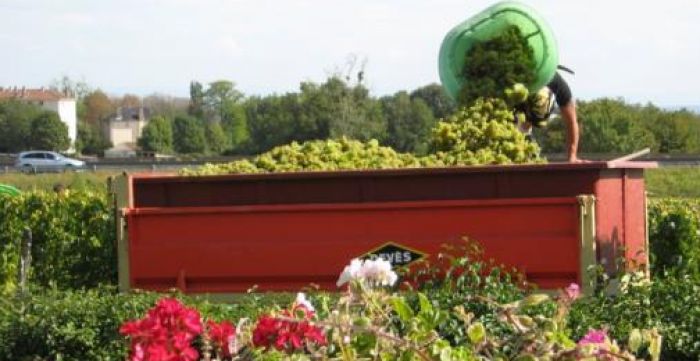
<p>I started the <glossary term="Harvest" title="521">harvest</glossary> here last Sunday (September 10th) with no regrets. Even though that may seem a little early, what had happened here was incredible: in a single week, the level of <glossary term="alcoholic potential" title="1381">potential alcohol</glossary> rose by two degrees, going from 12 to 14 degrees.<br />
<br />
After an atrocious month of August, nobody saw this coming. But it’s been sunny and hot since September 4th and since then everything has been going extremely fast – maybe even much too fast.</p>
<p>2006 will be remembered for chaotic weather, giving us surprise after surprise.<br />
<br />
The winter was long and cold, with seven snow falls, and the vegetation started slowly, 10 days late over a normal year. After March 20th, things picked up with better weather, and by early May, the vegetation was at its normal stage of development. This did not last long, however, with the return of a humid and cold stretch until June 10th. Some of us turned the heat back on at home, and we did not expect the vines to <glossary title="1179">flower</glossary> before June 15th to the 20th.<br />
<br />
In another twist, summer weather came all of a sudden around June 12th, and temperatures climbed to 42/43 degrees C (107 to 109 F) in the sun (the vines are not in the shade, and neither are we when we work there!) Vines quickly started to <span class="zalup"><span><glossary title="1179">flower</glossary><span>,</span></span></span> and within a week, around June 15th, everything was over. It was spectacular, a week before we were freezing in our heavy sweaters!<br />
<br />
This type of weather persisted through June, with spikes reaching 48C (118F), reminding us of a recent summer very present on every mind, 2003. And July was relentlessly hot, the hottest month since 1943 in <glossary title="702">Mâcon</glossary> according to the national weather bureau. We were already placing our <glossary title="521">harvest</glossary> in late August…<br />
<br />
Then August came, and we were convinced that since the grapes were way ahead, nothing much could make a difference. Well, this was not to be, and August was a catastrophe, cold and rainy. The local weather station registered only five days when the temperature managed to top 25C (77F), the average temperature for the month was 18.2C (64.76F) with 15 days of rain totaling 140mm – December 2005, January and February 2006, three months that should be rainy, totaled only 120mm!<br />
<br />
So, once again, the <glossary title="521">harvest</glossary> receded into the future. But, against all odds, early September was a repeat of June, with a complete turnover and an unprecedented jump of two degrees of <glossary term="alcoholic potential" title="1381">potential alcohol</glossary> in just one week. Instead of waiting we had to rush and start picking to avoid excessive degrees.<br />
<br />
How did the vines react to these climactic extremes, with their sudden changes? Not too bad. In the spring, there was a threat of <span class="zalup"><span><glossary title="1137">mildew</glossary><span>,</span></span></span> but June stopped that. The spring rains did not let <glossary title="737">oïdium</glossary> get started, so we were able to minimize the <span class="zalup"><span><glossary title="328">treatments</glossary><span>.</span></span></span> However, many were caught off-guard in August, a month when usually one <glossary title="328">treats</glossary> less, before going into the <span class="zalup"><span><glossary title="521">harvest</glossary><span>.</span></span></span> The rains re-started the threat of <span class="zalup"><span><glossary title="1137">mildew</glossary><span>,</span></span></span> and we had to do preventive <glossary title="328">treatments</glossary> again. Many <glossary title="1133">plots</glossary> were sick with <glossary title="1137">mildew</glossary> at <span class="zalup"><span><glossary title="521">harvest</glossary><span>,</span></span></span> but this did not affect the grapes, which are a lot less sensitive when maturing. The <span class="zalup"><span><glossary title="1184">foliage</glossary><span>,</span></span></span> on the other hand, fell almost immediately after the <span class="zalup"><span><glossary title="521">harvest</glossary><span>.</span></span></span> This may affect the plants’ reserves of nutrients to resist the winter cold and other diseases. Otherwise, we had very few problems with insects, no grapes worms were present so we did not <span class="zalup"><span><glossary title="328">treat</glossary><span>,</span></span></span> and <glossary title="181">botrytis</glossary> did not develop despite the August rains. It started in earnest at the very end of the picking season, around September 20th.<br />
<br />
With the spectacular progression of <span class="zalup"><span><glossary term="alcoholic potential" title="1381">potential alcohol</glossary><span>,</span></span></span> I rushed to start my <glossary title="521">harvest</glossary> on September 10th, in the hope of keeping some freshness, fruitiness and <span class="zalup"><span><glossary title="71">acidity</glossary><span>.</span></span></span> I have several <glossary title="1140">vats</glossary> which are going to end higher than 14% of alcohol, my "Franclieu" <glossary term="Cuvée" title="363">cuvée</glossary> among them. The <glossary title="441">fermentations</glossary> are going better than expected, with a regular progression. Of course the very end may be difficult, but right now nothing is amiss.<br />
<br />
The wines appear to be rather balanced; the “heavy” character of high alcohol that tends to mask <span class="zalup"><span><glossary title="120">aromas</glossary><span>,</span></span></span> a concern at <glossary title="521">harvest</glossary> and at the beginning of <span class="zalup"><span><glossary title="441">fermentation</glossary><span>,</span></span></span> looks to have lifted off, and more complexity and finesse are emerging. The <glossary title="71">acidity</glossary> levels are correct to good, the <glossary term="PH" title="783">PH</glossary> relatively low but still higher than in 2005. Everything points to a good <span class="zalup"><span><glossary title="1109">vintage</glossary><span>.</span></span></span></p>
Article
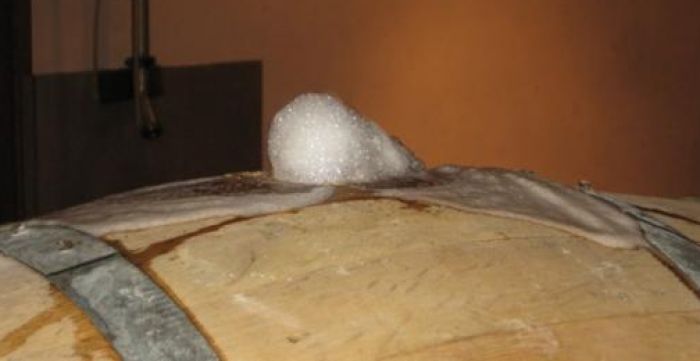
harvest report
18.11.2005
2005 Harvest Report from Jean Manciat
<p>It all started with sharps contrasts, especially in March, which swung dramatically from wintry weather with snow and low temperatures in the first two weeks to practically summer weather in the second two weeks. Luckily, because the vines had not yet emerged from their vegetative rest in early March, no damage was done.<br />
<br />
This was followed by a rather rainy early spring, particularly in April. <glossary title="206">Bud</glossary> burst was on time. May saw the appearance of some <glossary title="1137">mildew</glossary> which quickly became threatening – hitting a few <glossary title="1138">bunches</glossary> here and there.<br />
<br />
Then we had another a period of going back and forth between cool and warm temperatures leading into the start of <glossary title="1179">flowering</glossary> in early June. Though <glossary title="1179">flowering</glossary> started on time, it was very spread out and finished between June 15th and 20th - too long a <glossary title="1179">flowering</glossary> to end up with homogenous ripening….unless, that is, if we hadn’t gotten the return of extremely high temperatures which, though less intense, reminded us of 2003.<br />
<br />
As far as diseases go, the <span class="zalup"><span><glossary title="1137">mildew</glossary><span>,</span></span></span> which had us worried early on, gave way to <glossary title="737">oidium</glossary> which kept spreading in July, but thankfully, it never got as bad as it had in 2004.<br />
<br />
August came and wiped everything clean with dry, sunny weather, but the lack of water was already having a cruel effect on the more exposed <glossary title="1133">plots</glossary> (tops of slopes and <glossary title="1130">young vines</glossary> with shallow roots). Our concerns shifted from worrying about grapes ripening at different times to whether the dryness would prevent the grapes from reaching full ripeness at all.<br />
<br />
At last, September came striding in and the ripening process sped up in spite of the significant water deficit. From then on, I knew that I would not reach the minimum <glossary title="1129">yields</glossary> (60<glossary title="524">hl</glossary>), much less the maximum this year of 6<span class="zalup"><span>6<glossary title="524">hl</glossary><span>.</span></span></span> The usual 68<glossary title="524">hl</glossary> had been lowered because of the wine sale crisis…(which set off the attack on and sacking of the <glossary title="537">INAO</glossary> office in <glossary title="702">Mâcon</glossary> on September 8th, under the auspices of our local syndicate officials. What stupidity! I had been approached to join this protest movement not knowing how it would end up….but luckily I had declined the invitation).<br />
<br />
However, in setting the date of September 1st for the start of <glossary title="521">harvest</glossary> in <glossary title="702">Mâcon</glossary> and many other <span class="zalup"><span><glossary title="113">appellations</glossary><span>,</span></span></span> the <glossary title="537">INAO</glossary> could have felt safe from these kinds of incidents, but for once the winemakers were in no hurry to rush into their vineyards at that time. I have never seen such large variations in when various vineyards were ready to start <span class="zalup"><span><glossary title="521">harvesting</glossary><span>.</span></span></span> There were still winemakers (apart from the usual suspects) who on September 15th had hardly begun. People were saying in some cases (especially in the northern areas) that the grapes weren’t ripe yet and in other cases, that the winemakers felt in no hurry because of the dry weather and excellent health of the grapes. It all got picked eventually.<br />
<br />
In the <span class="zalup"><span><glossary title="254">cellar</glossary><span>,</span></span></span> the first surprises showed up in the lab analyses. Of course, given the weather conditions of this year, we found deficits in the levels of <span class="zalup"><span><glossary title="719">nitrogen</glossary><span>,</span></span></span> but what completely shocked us was that the <glossary title="71">acidity</glossary> levels were normal or even a little weak in relation to abnormally low <glossary title="783">pH</glossary> levels. It was not unusual to find <glossary title="71">acidity</glossary> levels of less than 5 g/l accompanied by <glossary title="783">pH</glossary> levels of around 3 with 13 degrees of <span class="zalup"><span><glossary term="alcoholic potential" title="1381">potential alcohol</glossary><span>,</span></span></span> whereas normally at these levels of <span class="zalup"><span><glossary title="71">acidity</glossary><span>,</span></span></span> the <glossary title="783">pH</glossary> is closer to 3.15 or indeed even 3.20 or 3.25. This presages excellent balance, I think, particularly since it should put us out of any danger of anything going wrong during <glossary title="1104">vinification</glossary> <span class="zalup"><span><glossary title="74">aging</glossary><span>.</span></span></span> The <glossary title="441">fermentations</glossary> went well, slowly, and without any particular heating up. Most of the <glossary title="363">cuvées</glossary> are finishing now.<br />
<br />
On the other hand, if these kinds of <glossary title="783">pH</glossary> levels are a sure sign of very good balance, when it comes to starting <span class="zalup"><span><glossary title="622">malolactic fermentations</glossary><span>,</span></span></span> it’s a whole other story. I’m trying hard with my <glossary title="702">Mâcon</glossary> <glossary title="363">cuvée</glossary> and the others which are in the process of finishing their <span class="zalup"><span><glossary term="Alcoholic Fermentation" title="87">alcoholic fermentations</glossary><span>,</span></span></span> notably the "Franclieu", in the hope of doing an early spring <glossary title="185">bottling</glossary> in March or April.<br />
<br />
In terms of quality, as you already know, on the whole it is a good <span class="zalup"><span><glossary title="1109">vintage</glossary><span>.</span></span></span> Will it be an exceptional <span class="zalup"><span><glossary title="1109">vintage</glossary><span>?</span></span></span> It may be a little too early to tell, probably for some <span class="zalup"><span><glossary title="363">cuvées</glossary><span>.</span></span></span><br />
<br />
Right now, you will be happy to hear, the "Franclieu" and the<b> </b>"Cuvée Vieilles Vignes" (which still has some sugar left and therefore needs to be watched carefully) look the best. The others look good too but for the time being these two stand out from the crowd. The "Franclieu" has very good <glossary title="723">nose</glossary> and mouth, which is not always the case at this stage at the end of the <span class="zalup"><span><glossary term="Alcoholic Fermentation" title="87">alcoholic fermentation</glossary><span>,</span></span></span> strong <span class="zalup"><span><glossary title="120">aromas</glossary><span>,</span></span></span> very good <glossary title="990">structure</glossary> and lots of character in the mouth. Let’s hope that all this lasts and is confirmed with time.</p>
Article
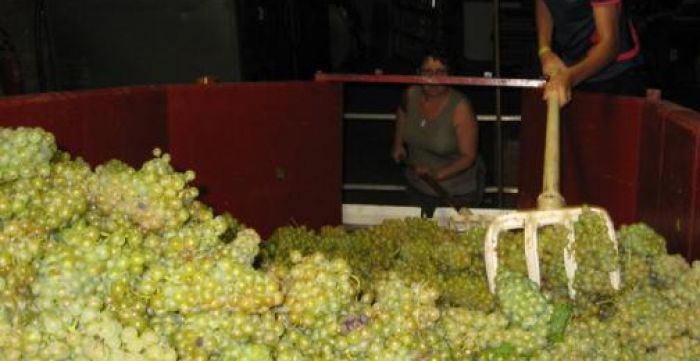
harvest report
10.11.2004
2004 Harvest Report from Jean Manciat
<p>After the <glossary title="1135">frost</glossary> and <glossary title="1167">drought</glossary> of 2003, we could only expect an abundance of grapes last spring. Which is what happened, with often three grapes per <glossary title="232">cane</glossary> in the <glossary title="271">Chardonnay</glossary> vines.<br />
<br />
It was hoped that maybe, given their high number, these grapes would stay small. This was not the case, especially in <glossary title="1133">plots</glossary> that had suffered from <glossary title="1135">frost</glossary> earlier.<br />
<br />
So, perhaps good weather conditions could save us, and make us expect a repeat of fabulous <glossary title="1109">vintage</glossary> 1999? No, that’s not really what happened either.<br />
<br />
In the spring, the dominant wind was from the north, so it did not rain and there was no threat of <span class="zalup"><span><glossary title="1137">mildew</glossary><span>.</span></span></span> On the other hand, cool nights favored the incubation of <span class="zalup"><span><glossary title="737">oïdium</glossary><span>,</span></span></span> which showed in July and lasted until <span class="zalup"><span><glossary title="521">harvest</glossary><span>.</span></span></span><br />
<br />
July and August were not propitious, they respectively reached only 86% and 87% of the sun hours’ average over 30 years (statistics from 1971 to 2000 at the local weather station). On top of this, there was more rain over these two months that the norm, and the vines with too many grapes were touched by rot. The worst climactic incident of the summer, though, was the apocalyptic thunderstorm, followed by devasting <span class="zalup"><span><glossary title="1136">hail</glossary><span>,</span></span></span> which hit the southern <glossary title="1205">Mâconnais</glossary> on July 20th (from Vergisson in the <glossary title="820">Pouilly-Fuissé</glossary> area to Azé in the upper <glossary title="1205">Mâconnais</glossary>) There was another <glossary title="1136">hailstorm</glossary> around <glossary title="606">Lugny</glossary> on August 22nd.<br />
<br />
All in all, this <glossary title="1109">vintage</glossary> looked in trouble. Fortunately, September was dry and sunny. This was not enough to ensure a homogenous quality <glossary title="521">harvest</glossary> in the whole region, because so many <glossary title="1133">plots</glossary> were overburdened with grapes, and others had been destroyed by <span class="zalup"><span><glossary title="1136">hail</glossary><span>.</span></span></span><br />
<br />
For my part, I did not believe for a moment that the miracle of 1999 could return so soon. So I spent most of the summer cutting grapes where there looked to be too many, notably in about ¾ of Franclieu, <glossary title="740">old vines</glossary> included. I am happy I did this work, because the lowest degree was 12 at <glossary title="521">harvesting</glossary> time. I was patient and had devised a very precise picking plan. It took from September 23rd to October 4th in my <glossary title="702">Mâcon</glossary> vines, then I picked in Vergisson on October 9th and 10th (<glossary title="900">Saint-Véran</glossary>) I got some 13 and 13.5 degrees. What a relief, it was a balancing act!<br />
<br />
We had no rain during the <span class="zalup"><span><glossary title="521">harvest</glossary><span>,</span></span></span> which is rare when it gets so late in the season, and the temperatures were ideal, between 59 and 77. The grapes were reasonably healthy, given the year’s weather, with very little <span class="zalup"><span><glossary title="737">oïdium</glossary><span>,</span></span></span> and no <glossary title="182">rot</glossary> – this as a result of leaving grass in the rows, applying precise <span class="zalup"><span><glossary title="328">treatments</glossary><span>,</span></span></span> cutting grapes and removing some leaves.<br />
<br />
<glossary title="441">Fermentations</glossary> went well, of course they are not all finished yet for the richest wines. The wines are pleasant, they taste well right now, they are <span class="zalup"><span><glossary title="120">aromatic</glossary><span>,</span></span></span> with balanced <glossary title="990">structure</glossary> and no excess of <glossary title="71">acidity</glossary> (they are rounder than the 2001's). I believe we have come back to a typical <glossary title="1205">Mâconnais</glossary> <span class="zalup"><span><glossary title="1109">vintage</glossary><span>,</span></span></span> of honorable quality.<br />
<br />
A <glossary title="1089">vigneron’s</glossary> <span class="zalup"><span><glossary title="1109">vintage</glossary><span>,</span></span></span> to sum it up.</p>
Article
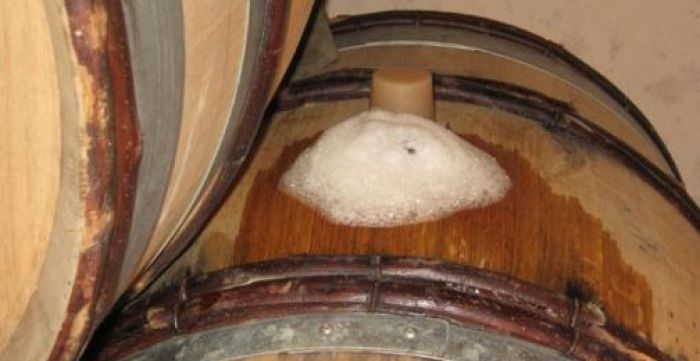
harvest report
29.09.2003
2003 Harvest Report from Jean Manciat
<p>How to start? There is so much to say about this year. It has been a <glossary title="1109">vintage</glossary> of extremes. Some people are calling this year the "3G"<strong> <glossary title="1109">vintage</glossary></strong> for Gel (<glossary title="1135">frost</glossary>), Grêle (<glossary title="1136">hail</glossary>) and Grillure (scorching of the grapes due to the heat and <glossary title="">drought</glossary>). I would add a 4th plague: the wind which came in the beginning of June breaking many of the most developed branches which had escaped the <glossary title="">frost</glossary> but were not yet supported by being <glossary title="1039">trained</glossary> onto wires. Not everyone fell victim to the <glossary title="">hail</glossary> which raged across the <glossary title="1152">Crus</glossary> <glossary title="151">Beaujolais</glossary> but spared the <span class="zalup"><span><glossary title="1205">Mâconnais</glossary><span>.</span></span></span> On the other hand, the three other plagues affected the majority of the rest of us and were responsible for a generalized lowering of <glossary title="1129">yields</glossary> (55% lower than usual at my <glossary title="427">estate</glossary>).<br />
<br />
First came the <glossary title="1135">frost</glossary> which ravaged the vines in two waves: the first time during the nights of April 6-8th when temperatures fell to –6 and –7 degrees Centigrade, then a few days later at the end of the week around April 10th and 11th with temperatures at around –4 and -5 degrees C. Paradoxically, it was the tops of the slopes which suffered the most, whereas the lower sections, which are usually more exposed, were not so badly hurt. Even though the weather had been very dry, this year’s <glossary title="1135">frost</glossary> was much more severe than that of 1998 because the vegetation was much more advanced than it was in that year, and the secondary <span class="zalup"><span><glossary title="206">buds</glossary><span>,</span></span></span> which had just begun to develop, were frozen. In my <span class="zalup"><span><glossary title="1133">plots</glossary><span>,</span></span></span> many vines bore no grapes even ones which seemed to have recovered all of their <glossary title="1184">foliage</glossary> and looked almost normal.<br />
<br />
In late May and early June, the wind came and, in one or two nights, brought the second wave of destruction breaking many branches at their base. The vegetation was already thinner than usual and thus more fragile. It is not unusual to get strong winds at this time of year but usually the vines are much fuller and thus more resistant, sometimes already trained onto wires, which makes them much less vulnerable.<br />
<br />
At any rate, apart from the <glossary title="1136">hail</glossary> which hit certain areas, notably the <span class="zalup"><span><glossary title="151">Beaujolais</glossary><span>,</span></span></span> the high temperatures which had been present all along, continued to go up day by day, finally reaching a level of 45 or even 48 degrees C in the afternoons. This went on from June to mid-August with the most extreme period being from August 1st to the 15th. We started seeing the <span class="zalup"><span><glossary title="1130">young vines</glossary><span>,</span></span></span> i.e., the vines with the shallowest roots, and other vines planted in soil with less <span class="zalup"><span><glossary title="301">clay</glossary><span>,</span></span></span> lose their bottom leaves. To be more precise, the bottom leaves were browned and scorched by the sun giving them exactly the same look as vines which have undergone treatment with one of those thermal exfoliators used by some winemakers a few days before the <span class="zalup"><span><glossary title="521">harvest</glossary><span>.</span></span></span> The grapes, having lost the shade of the leaves and exposed to the sun and were quite literally “roasted” and dried out by the heat giving them a look of dried fruit; the best ones looked like currants. In the case of certain vines, the deficit in water resulted in a stunting of the ripening process, while in other cases evaporation of water resulted in very high concentrations of sugar. At the same time, the heat and sunlight kept burning and breaking down the acids (particularly <glossary title="1247">malic acid</glossary>). Many wines will probably not go through a <glossary title="622">malolactic fermentation</glossary> because of this lack of <span class="zalup"><span><glossary title="1247">malic acid</glossary><span>.</span></span></span><br />
<br />
Today, having visited many of my neighbors’ <glossary title="254">cellars</glossary> for the first time since the <span class="zalup"><span><glossary title="521">harvest</glossary><span>,</span></span></span> it seems that certains areas were spared more than others, especially by the <span class="zalup"><span><glossary title="1135">frost</glossary><span>.</span></span></span> This was the case for the southern parts of <span class="zalup"><span><glossary title="820">Pouilly-Fuissé</glossary><span>.</span></span></span> <span class="zalup"><span><glossary title="265">Chaintres</glossary><span>,</span></span></span> for example, came through quite well, much better than Vergisson. Fuissé, Solutré and Davayé were mixed but, in general, did much better than Milly-Lamartine, Sologny, Serrière, Pierreclos, Prissé, Chevagny and <span class="zalup"><span><glossary title="273">Charnay</glossary><span>.</span></span></span> The areas dominated by the <span class="zalup"><span><glossary title="252">cooperatives</glossary><span>,</span></span></span> famous for their “legendary overproduction”, were also hurt: Igé, Azé, Verzé, <glossary title="892">St. Gengoux de Scissé</glossary> and even <glossary title="606">Lugny</glossary> won’t be able to supply the rest of the <glossary title="1205">Mâconnais</glossary> like they did in 1998. So, globally, production will be down 30%. But we have to wait for the final verdict, that is the declarations of <glossary title="1129">yields</glossary> on November 30th. This year, because of the early <span class="zalup"><span><glossary title="521">harvest</glossary><span>,</span></span></span> there will be more time than usual between the end of the <glossary title="521">harvest</glossary> and the declaration date….<br />
<br />
These different elements, backed up by the first tests I did to check the ripeness levels (on August 12th, I had several <glossary title="760">parcels</glossary> higher than 13%), brought about an extremely early <glossary title="521">harvest</glossary> for those who were not already away on vacation, and forced those who had left to come home early. The official start of the <glossary title="521">harvest</glossary> was announced on August 12th and the first grapes were cut (or<strong> </strong><glossary title="611">harvested by machine</glossary>) shortly after around August 15th. Being part of the group who had not left on vacation yet, I started on the 15th and finished on the 20th. At the beginning, we only <glossary title="521">harvested</glossary> in the morning to avoid the afternoon heat and then, by the end, all day long as the weather had cooled down a bit by then. It went really quickly because there was so little to <span class="zalup"><span><glossary title="521">harvest</glossary><span>.</span></span></span> Most of us were completely finished by the end of August.<br />
<br />
As far as <glossary title="1104">vinification</glossary> and my first impressions of the <glossary title="1109">vintage</glossary> go, there is no doubt that it is good…with the caveat that some winemakers may indulge in some questionable tinkering to compensate for the lack of volume. (We have heard that a good solution is to add 10% water and <glossary title="1012">tartaric acid</glossary>). One not very scrupulous producer in the <glossary title="151">Beaujolais</glossary> must have literally forgotten to turn off the faucet in his trailer, because when the grapes arrived at the <span class="zalup"><span><glossary title="252">cooperative</glossary><span>,</span></span></span> his wine showed no more than 6.5% potential alcohol whereas his colleagues’ wine was at 12.5%, 13.5% and sometimes even higher percentages.<br />
<br />
In spite of the heat, the <glossary title="441">fermentations</glossary> have gone well. They are having a little trouble finishing but in terms of alcohol levels, everything is quite normal. The only negative concerns the <glossary title="">acidity</glossary> levels, as I mentioned above. Besides “add water”, the advice of the <glossary title="422">oenologists</glossary> has been to add <glossary title="1012">tartaric acid</glossary> right at the start of the <glossary title="87">alcoholic fermentation</glossary> as a precaution against <glossary title="441">fermentation</glossary> accidents – especially given the heat. Many producers in the area followed this advice. I added 50g/<glossary title="524">hl</glossary> to certain <glossary title="363">cuvées</glossary> (the old rules allowed for this already as long as one didn’t also add sugar). These days, we are officially allowed to add both at the same time!!! The wines seem round and rich and not particularly unbalanced, with subtle not unpleasant dried fruit notes in those <glossary title="363">cuvées</glossary> from the most <glossary title="1167">drought</glossary> stricken <span class="zalup"><span><glossary title="1133">plots</glossary><span>.</span></span></span> That said, I’m not that sure if the quality of this <glossary title="1109">vintage</glossary> will be as extradordinary as the year’s weather.<br />
<br />
The 2002 <span class="zalup"><span><glossary title="1109">vintage</glossary><span>,</span></span></span> which has been <glossary title="185">bottled</glossary> for about two weeks now, seems to me to be of very fine quality. It is very complete, bringing together good matter, fruit, freshness and good <glossary title="74">aging</glossary> potential given the <glossary title="783">ph</glossary> levels and the <glossary title="71">acidity</glossary> and with the natural degrees of alcohol as high as the 2003.</p>
Article