producer profile
11.07.2019
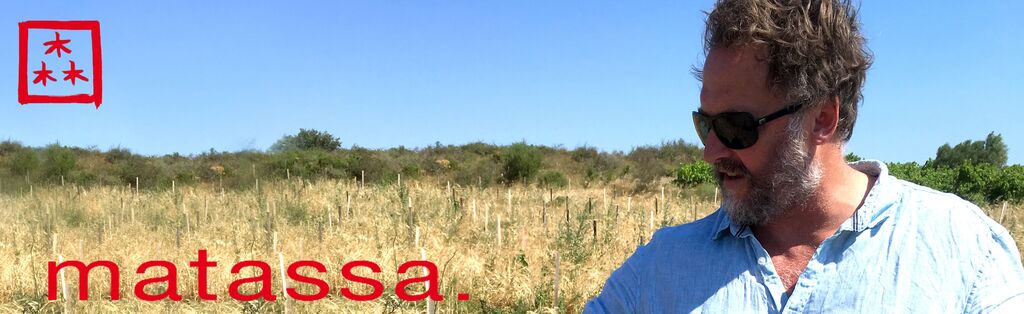
Mastassa Producer Profile
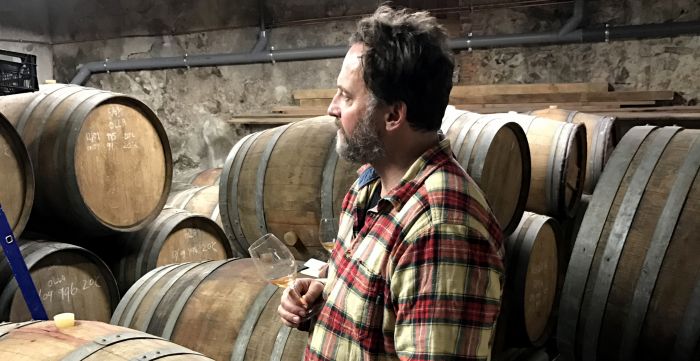
<p>How does a South African who grew up in New Zealand end up starting an iconoclastic <glossary title="427">estate</glossary> in the <span class="zalup"><span><glossary title="880">Roussillon</glossary><span>?</span></span></span> This isn't exactly an everyday occurrence, but so it goes for Tom Lubbe of <glossary title="400">Domaine</glossary> Matassa. In the late 90's, Tom was working at the only <glossary title="427">estate</glossary> in South Africa using <glossary title="538">indigenous yeasts</glossary> and lower <span class="zalup"><span><glossary title="1129">yields</glossary><span>.</span></span></span> Interested in working with <glossary title="1194">Mediterranean</glossary> <span class="zalup"><span><glossary title="1071">varietals</glossary><span>,</span></span></span> Tom managed to score a three month internship at the legendary<font color="#7b143e"><strong> </strong></font>Domaine Gauby in the village of <span class="zalup"><span><glossary term="Calce" title="223">Calce</glossary><span>.</span></span></span> Gérard Gauby quickly befriended Tom and asked him to come back for three consecutive <glossary title="1109">vintages</glossary> as a <glossary title="254">cellar</glossary> hand. During that time, Tom met his wife Nathalie, who just so happens to be Gérard's sister.</p>
<p>The birth of their first child made Tom reconsider moving back to South Africa, opting instead to stay in <glossary term="Calce" title="223">Calce</glossary> to start his own <span class="zalup"><span><glossary title="427">estate</glossary><span>.</span></span></span> Matassa was founded in 2003, with the first <glossary title="1109">vintage</glossary> entirely produced in the recently married couple's living room. Gérard felt so bad about this that he gave Tom the old Gauby <glossary title="254">cellar</glossary> in 2004!<br />
<br />
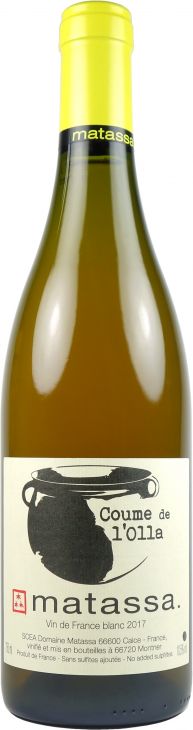
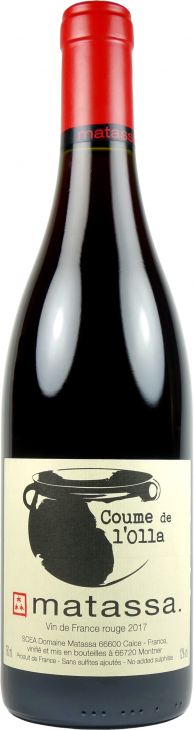
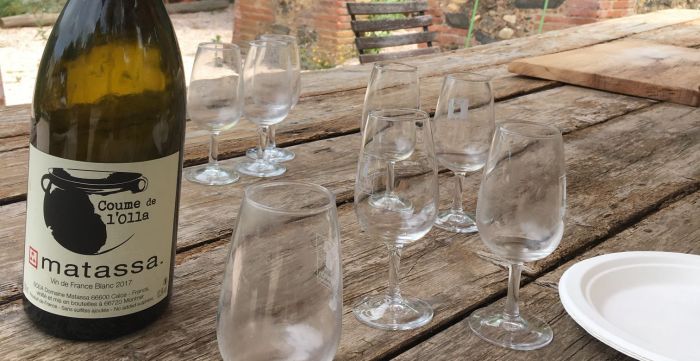
Tom works with many of the traditional <glossary title="247">Catalan</glossary> varieties: <span class="zalup"><span><glossary title="237">Carignan</glossary><span>,</span></span></span> <span class="zalup"><span><glossary title="692">Mourvèdre</glossary><span>,</span></span></span> <glossary title="508">Grenache</glossary> (mostly <span class="zalup"><span><glossary title="599">Lladonner Pelut</glossary><span>,</span></span></span> the ancient <glossary title="247">Catalan</glossary> <glossary title="1169">strain</glossary> of <glossary title="508">Grenache</glossary>), <span class="zalup"><span><glossary title="1158">Grenache Gris</glossary><span>,</span></span></span> <glossary title="687">Muscat d'Alexandrie</glossary> and <span class="zalup"><span><glossary title="699">Muscat Petits-Grains</glossary><span>.</span></span></span> These grapes are often <glossary term="Co-plantation" title="309">co-planted</glossary> together, particularly in the very <span class="zalup"><span><glossary title="740">old vines</glossary><span>.</span></span></span> In total, 20 <glossary title="523">hectares</glossary> are cultivated on <span class="zalup"><span><glossary term="Lime" title="1299">lime</glossary><span>,</span></span></span> <span class="zalup"><span><glossary term="Clay" title="301">clay</glossary><span>,</span></span></span> <span class="zalup"><span><glossary title="933">schist</glossary><span>,</span></span></span> <span class="zalup"><span><glossary title="632">marl</glossary><span>,</span></span></span> black <glossary title="961">slate</glossary> and black <glossary title="632">marl</glossary> soils. While Tom still farms some of the very low <glossary title="1129">yielding</glossary> <glossary title="740">old vines</glossary> around the village of <span class="zalup"><span><glossary title="223">Calce</glossary><span>,</span></span></span> he has vastly expanded to different areas where <glossary title="1129">yields</glossary> are more generous, typically in the 25/30 <glossary term="hl/ha" title="528">hl/ha</glossary> range (still relatively low for the region). These include the <glossary term="Lieu-Dit" title="594">lieu-dit</glossary> Coume de l'Olla as well as a 2019 acquisition of eight <glossary term="Hectare" title="523">hectares</glossary> planted above his new farmhouse (read more about this in our 2019 visit). </p>
<p>The vineyards are worked naturally without any <glossary title="279">chemical</glossary> aids and Tom is <glossary title="260">certified organic</glossary> by <span class="zalup"><span><glossary title="413">Ecocert</glossary><span>.</span></span></span> And while he does occasionally use <glossary title="160">biodynamic</glossary> techniques to activate and nourish his soils, over the years this has become less of a priority. Instead, an adamant dedication to <glossary term="Cover Crop" title="1255">cover crops</glossary> has completely transformed his soils and in turn the wines. Tom is convinced that the increased insect life within the soils, particularly worms, has changed the flavors of his wines. Another shocking effect: a drastic drop in alcohol. Tom has always harvested much earlier than most, usually starting with the <glossary title="698">Muscat</glossary> in early August. In 2005, they would typically reach a <glossary term="alcoholic potential" title="1381">potential</glossary> of 13.5% alcohol. In 2018, they came in around 10.5%.<br />
<br />
Much has also changed in the <glossary title="254">cellar</glossary> over the years. All the wines have now intentionally been <glossary term="Declassification" title="383">declassified</glossary> to <span class="zalup"><span><glossary title="1092">Vin de France</glossary><span>.</span></span></span> As mentioned above, the alcohol is much lower, rarely more than 12%. The white wines are all <glossary title="610">macerated</glossary> on their skins, a choice that goes back to "Alexandria" 2008, the first Matassa wine of its kind. For the reds, <glossary title="1124">whole-cluster</glossary> <glossary term="Infusion" title="1378">infusions</glossary> take precedent to <glossary title="610">maceration</glossary> and <span class="zalup"><span><glossary title="433">extraction</glossary><span>,</span></span></span> with white grapes often <span class="zalup"><span><glossary title="308">co-fermented</glossary><span>.</span></span></span> If <glossary title="731">oak</glossary> is used, it is not to bring <glossary title="990">structure</glossary> to the wine but rather oxygen. Longer <glossary title="418">élevages</glossary> have been abandoned to <glossary title="185">bottle</glossary> wines much earlier. Everything is <glossary title="185">bottled</glossary> without <glossary title="447">filtration</glossary> or <span class="zalup"><span><glossary title="449">fining</glossary><span>.</span></span></span> <span class="zalup"><span><glossary title="993">Sulfur</glossary><span>,</span></span></span> which Tom had used judiciously in the past, has not been added to any of the production since the 2015 <span class="zalup"><span><glossary title="1109">vintage</glossary><span>.</span></span></span></p>
Article
interview
11.07.2019
An interview with Tom Lubbe from 2010
<p><em>This interview with Tom Lubbe stems from a series of emails in September 2010. Much of the the information cited is outdated and has been updated in the Matassa Producer Profile.</em></p>
<p><strong>Can you give us the "facts" of Matassa?</strong><br />
<br />
Most of our vineyards are older ( 60- 120 years) so we work a lot with the traditional <glossary title="247">Catalan</glossary> varieties; <span class="zalup"><span><glossary title="237">Carignan</glossary><span>,</span></span></span> <glossary title="508">Grenache</glossary> (mostly <span class="zalup"><span><glossary title="599">Lladonner Pelut</glossary><span>,</span></span></span> the "<glossary title="247">Catalan</glossary><glossary title="247"></glossary>" <glossary title="508">Grenache</glossary>) <span class="zalup"><span><glossary title="609">Macabeu</glossary><span>,</span></span></span> <span class="zalup"><span><glossary title="1158">Grenache Gris</glossary><span>,</span></span></span> <glossary title="687">Muscat d'Alexandrie</glossary> and <span class="zalup"><span><glossary title="699">Muscat de Petits-Grains</glossary><span>.</span></span></span> All of these may be included in the same vineyard with a few others as well as in the very <span class="zalup"><span><glossary title="740">old vines</glossary><span>.</span></span></span> The younger vineyards (25 -35 yrs old ) include <glossary title="692">Mourvèdre</glossary> (traditional here but not much replanted after <glossary title="788">phylloxera</glossary> until recently), <glossary title="217">Cabernet Sauvignon</glossary> (1/2 <glossary title="523">ha</glossary>) and <glossary title="1111">Viognier</glossary> (1/2 <glossary title="523">ha</glossary>). We have a total of 14<strong> <glossary title="523">hectares</glossary></strong>, 12 of which are around the village of <glossary title="223">Calce</glossary> on <glossary title="933">schist</glossary> and <glossary title="632">marl</glossary> soils and 2 <glossary title="523">ha</glossary> of old <glossary title="237">Carignan</glossary> at 500-600m altitude on <glossary title="502">granitic</glossary> soils in the high <span class="zalup"><span><glossary title="439">Fenouillèdes</glossary><span>.</span></span></span><br />
<br />
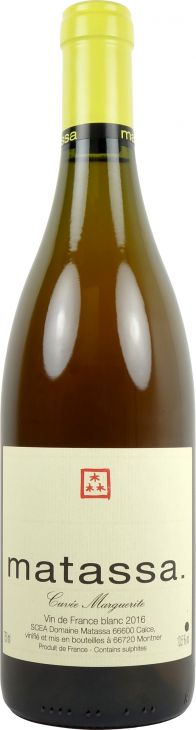
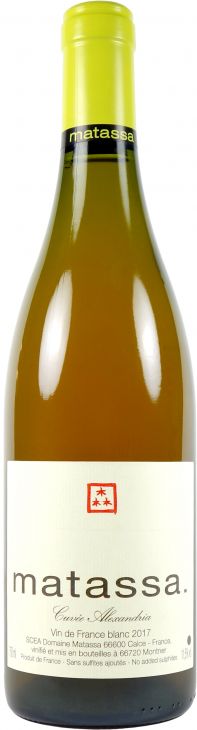
Other than "Matassa<strong> </strong>Blanc<strong>"</strong> and "Matassa Rouge", the <glossary title="363">cuvées</glossary> are named after their <glossary title="594">lieu-dit</glossary>; Romanissa (place of rosemary) , El Sarrat, Nougé and L'Estanya. "Marguerite"<em> </em>is named after my wife's grandmother who was one the last people here to speak Catalan as her first language. "Alexandria" is named cunningly after its grape, <glossary title="687">Muscat d'Alexandrie</glossary> which is thought by some to be the ancestor of all <span class="zalup"><span><glossary title="720">noble grapes</glossary><span>,</span></span></span> harking back to the first days of the craft in ancient Egypt.<br />
<br />
<strong>How did you end up in the making wine in the Languedoc-Roussillon</strong><strong>?</strong><br />
<br />
In the interests of geographical and historical specificity I will refer more to the <span class="zalup"><span><glossary title="880">Roussillon</glossary><span>,</span></span></span> rather than the modern lumping together of <span class="zalup"><span><glossary title="1193">Languedoc-Roussillon</glossary><span>.</span></span></span> They are physically separated by the <glossary title="596">limestone</glossary> massif of the <span class="zalup"><span><glossary title="334">Corbières</glossary><span>.</span></span></span> Also the <glossary title="880">Roussillon</glossary> vineyards are largely planted on <glossary title="690">mother-rock</glossary> as opposed to the <glossary title="579">Languedoc's</glossary> richer <glossary title="1032">top-soils</glossary> and has barely a quarter of the rainfall enjoyed by our northern neighbours (with correspondingly lower <glossary title="1129">yields</glossary>). Culturally, whereas the <glossary title="579">Languedoc</glossary> is part of the <glossary title="831">Provencal</glossary> tradition later looking to France, the <glossary title="880">Roussillon</glossary> has mostly been closer to <glossary title="140">Barcelona</glossary> than Paris.<br />
<br />
Over 12 years ago I was working for a wonderful woman -Louise Hofmeyer- in South Africa who had the only <glossary title="427">estate</glossary> (Welgemeend which she has since had to sell) there and then using exclusivel<span class="zalup"><span>y <glossary title="538">indigenous yeasts</glossary><span>,</span></span></span> working with lower <glossary title="1129">yields</glossary> and little or no <span class="zalup"><span><glossary title="717">new wood</glossary><span>.</span></span></span> As I wanted to work with <glossary title="1194">Mediterranean</glossary> varieties, Louise recommended I do a stage at Domaine Gauby in <span class="zalup"><span><glossary title="223">Calce</glossary><span>,</span></span></span> which I did. Gérard Gauby invited me to come back for three more <glossary title="1109">vintages</glossary> as <glossary title="254">cellar</glossary> helper during which time I met his sister with whom I am now married with two children.<br />
<br />
<strong>What's your work process with the vines? What do you think of your terroirs and your vines?</strong><br />
<br />
Our vineyards are worked naturally without any <glossary title="279">chemical</glossary> aids; we are <glossary title="260">certified organic</glossary> by <glossary title="413">Ecocert</glossary> and I use <glossary title="160">biodynamic</glossary> techniques such as <glossary title="148">Preparation 500</glossary> and various plant <glossary title="441">fermentations</glossary> to activate and nourish my soil's "life" (<glossary title="658">microbial</glossary> activity). Depending on the site our vineyards are <glossary title="810">plowed</glossary> by tractor, caterpillar tractor or by mule (about 5<glossary title="523">ha</glossary> are worked by hand) in the interests of recreating a sustainable fertility of the soil. I also believe firmly in the old <glossary title="78">agricultural</glossary> adage that the best <glossary title="442">fertilizer</glossary> is the foot-prints of the owner.<br />
<br />
The <glossary title="880">Roussillon</glossary> is an ancient wine-making <glossary title="1026">terroir</glossary>; according to some sources it's the oldest in what is currently France. Unfortunately it has been isolated from major markets over the last century and it's qualitative wine-making efforts have mostly been devoted to <span class="zalup"><span><glossary title="1095">vin doux</glossary><span>.</span></span></span> Cupped between the <glossary title="1194">Mediterranean sea</glossary> and the <span class="zalup"><span><glossary title="1195">Pyrénées mountains</glossary><span>,</span></span></span> with the physical characteristics noted above, the wines which are produced with care and passion in this region have a powerful expression of <glossary title="662">minerality</glossary> beyond anything else in France (I think). The real task of the current generation of wine-makers is how to develop a wine-making style (styles) that will harness the power and the <glossary title="662">minerality</glossary> in such a way that the drinker is energized by the wines and not hurt.<br />
<br />
Most of my vineyards I bought because they were in beautiful places with great views (and steep = cheap, to buy at least), so I love being there, and mostly the views and general feeling of the place compensates for the sore back, legs, and shoulders, not to mention the wines that I eventually get from them.<br />
<br />
<strong>What's the winemaking process like?</strong><br />
<br />
Simple as possible. Whites are <glossary title="1124">whole-bunch</glossary> <span class="zalup"><span><glossary title="935">basket-pressed</glossary><span>,</span></span></span> the first half of which I do <glossary title="458">with my feet </glossary>to get a solidly packed press (it's like making espresso, the better-packed the basket the more pure the <span class="zalup"><span><glossary title="433">extraction</glossary><span>,</span></span></span> with less bitterness and off flavors) No <glossary title="993">sulphur</glossary> is used until after <span class="zalup"><span><glossary title="622">malolactic</glossary><span>.</span></span></span> <glossary title="74">Aging</glossary> can be quite lengthy with the "Matassa<strong> </strong>Blanc<strong>"</strong> (<glossary title="740">old vine</glossary> <glossary title="1158">Grenache Gris</glossary> and <glossary title="609">Macabeu</glossary>) spending 18 months in <span class="zalup"><span><glossary title="388">demi-muid</glossary><span>,</span></span></span> none new since 2007.<br />
<br />
Reds are now more <glossary title="1124">whole-bunch</glossary> <glossary title="441">ferments</glossary> with one <glossary title="795">pigeage</glossary> (by <glossary title="458">foot</glossary> of course) in the beginning to get some juice out and start a <glossary title="441">conventional (natural) ferment</glossary> as well. They are usually <glossary title="827">pressed</glossary> off half-way through <glossary title="441">ferment</glossary> and finish their sugar in old <glossary title="388">demi-muid</glossary> where they also go through <span class="zalup"><span><glossary title="622">malo</glossary><span>.</span></span></span> <glossary title="74">Aging</glossary> from 18-24 months. Some wines are <span class="zalup"><span><glossary title="447">filtered</glossary><span>,</span></span></span> others not while no wines are <span class="zalup"><span><glossary title="449">fined</glossary><span>.</span></span></span><br />
<br />
<strong>What do you think of AOC's and the AOC your land is in?</strong><br />
<br />
I like the theory and some of the principals of the <glossary title="108">AOC</glossary> system as far as safe-guarding the specific nature of each region's produce goes. I dislike the rigid concept of hierarchy that so obsesses some perspectives of the <glossary title="108">AOC</glossary> and to think if Romanée-Conti is at the very top then we would be somewhere at the very bottom! A little tough given that 95% of <glossary title="212">Burgundy</glossary> made today is fairly poor to disgusting with no foundation in serious <glossary title="1103">viticulture</glossary> and there being little or no conception of the true nature of their <glossary title="1026">terroir</glossary> held by most <glossary title="1089">vignerons</glossary> working there today.<br />
<br />
Unfortunately the <glossary title="108">AOC</glossary> in our region is about 20 years behind this actuality (at best) and has a poor idea of what real quality can be. Thus I work in <glossary title="1093">Vin de Pays</glossary><glossary title="1093"> </glossary><glossary title="374">Côtes Catalanes</glossary><em> </em>which is in some, but not all, ways simpler.<br />
<br />
<strong>Have you always worked<font color="#7b143e"> organically</font> and with the least<font color="#7b143e"> intervention</font> possible in the wine making process? If yes, why, and if no, what made you change your mind?</strong><br />
<br />
I have always preferred gentler wines in terms of alcohols, <glossary title="1010">tannins</glossary> and <glossary title="732">oaking</glossary> and more lively wines in terms of <glossary title="71">acidity</glossary> or ideally, deeper, <glossary title="662">mineral</glossary> sensations of freshness. I have been sensitized to the stink of <glossary term="Commercial Yeast" title="321">cultured yeasts</glossary> for the last fifteen years or so.<br />
<br />
<strong>There's a big debate these days about "<font color="#7b143e">natural wine</font>". What do you think: the term, the wines, the people making them... Should the process in which a wine is made be as important to a customer as how it tastes, or should the wines speak for themselves through their unique subtleties?</strong><br />
<br />
I like the provocative aspect of the term in that it forces people (those capable of analytic thought) to think: "but then what is unnatural wine?", and if they follow that line of inquiry with any rigor they will eventually understand that about 90% of "wine" is very unnatural. Unfortunately this includes some wines being sold under the "<glossary title="708">natural</glossary>" banner even though the grapes from which they are made are farmed with <span class="zalup"><span><glossary title="279">chemicals</glossary><span>.</span></span></span> <br />
<br />
These, for me, are problematic because they add to the confusion and general ignorance in the interests of easy profit and the concept of <glossary title="708">natural wine</glossary> becomes just another marketing gag. The term "<glossary title="708">natural</glossary>" should imply a lack of <glossary title="279">chemicals</glossary> and benefits from the current positive development of <glossary title="746">organics</glossary> globally. If it is just a question of high <glossary title="1116">volatiles</glossary> and <glossary title="236">carbonic</glossary> flavors with cloudy wines then it is ultimately undermining any long-term development of appreciation of truly natural produce. In terms of the importance of process I am more with Marx than with Bismarck, so yes I do think the means justify the ends and not the other way round, however unfashionable that may be with Generation Sarkozy.<br />
<br />
While wines can speak for themselves, very few people accurately understand what they are saying and the subtleties are often lost in translation with many tasters wanting to define wines in a single sniff and sip.<br />
<br />
<strong>My parents told me about the whole relationship between Matassa and Domaine de Majas and it sounds like a cool story. Can you tell me a little bit about how you met those guys and were able to play an integral role in shaping what they're doing today?</strong><br />
<br />
A guy who worked for me is from their village and mentioned that they were keen to look into changing to <span class="zalup"><span><glossary title="746">organics</glossary><span>,</span></span></span> would I be happy to chat etc... After the vineyard tour they (Alain and Agnés) asked me to taste their wines and give an honest opinion. I dislike consulting <glossary title="422">oenologists</glossary> even more than I dislike <em>Decanter</em> journalists, supermarket wine-buyers, <glossary title="279">chemical</glossary> salesmen with their free t-shirts and so on but I could see there wasn't much hope in just changing the vineyards to <span class="zalup"><span><glossary title="746">organics</glossary><span>.</span></span></span> So I decided to lend a helping hand both in the vines and in the <glossary title="254">cellar</glossary> and now the 35 <glossary term="Hectare" title="523">hectares</glossary> are worked <glossary title="746">organically</glossary> and <glossary title="708">naturally</glossary> in the <span class="zalup"><span><glossary title="254">cellar</glossary><span>.</span></span></span><br />
<br />
<strong>What are your favorite wines to drink besides your own?</strong><br />
<br />
Through the <glossary title="1109">vintage</glossary> I drank quite a lot of stuff from Julien Guillot, the 2008's from Gauby and Jean Foillard and Eric Bordelet's <em>Poiré</em> , with quite a few bottles from Patrick Meyer (Domaine Julien Meyer) rounding things off. My dislike of <glossary title="853">residual sugar</glossary> and high <glossary title="993">sulphur</glossary> means most German and <glossary title="95">Alsace</glossary> <glossary title="858">rieslings</glossary> are unpleasant prospects, but Patrick's 2002/2004 Grand <glossary title="1152">Cru</glossary> Moenchberg is a source of eternal wonder for me. Not so everyday bottles that have touched me include 78 Rayas (white and red), quite a lot of stuff from <glossary title="305">Clos</glossary> Rougeard, older <glossary title="1109">vintages</glossary> from Charles Joguet (pre- 94), old Chave (the father's wines) nearly everything I have drunk from Lalou Bize-Leroy's own <glossary title="427">estate</glossary> which seems to be so far ahead of anything else made in <glossary title="212">Burgundy</glossary> today. Tempier from the 80's especially Cabassaou or Migoua in <span class="zalup"><span><glossary title="617">magnums</glossary><span>.</span></span></span> '61 Palmer which is delicious and also serves to highlight how badly <glossary title="178">Bordeaux</glossary> has gone wrong since its heyday.</p>
Article
producer visit
27.01.2021
This visit with Tom Lubbe took place in June, 2019
<p>Towards the end of our summer 2018 lunch with Tom Lubbe, he mentioned going to the bank later that afternoon to "see if I'll be going through with a life changing decision." He was vague at the time, but hinted it meant purchasing a soon to be defunct <glossary term="Estate" title="427">estate</glossary>'s property and vines. </p>
<p>Fast forward a year later, with Tom texting me to "put Jolly-Ferriol in the GPS. You'll find it." </p>
<p><img src="https://louisdressner.com/uploads/images/article//880/59/63/59635174ecddb03ab750117327f3e998.jpg" /><img src="https://louisdressner.com/uploads/images/article//880/22/e6/22e647ad91345f9fc6363d46a2bf8af5.jpg" /></p>
<p>If you're unfamiliar with Jolly-Ferriol, it was founded in 2006 by Isabelle Jolly and Jean-Luc Chossart, two Parisians who quit successful careers in dance and video games to pursue their dreams of <glossary term="Vigneron/Vignaiolo" title="1089">vigneron</glossary> life. The property is very isolated: off a roundabout meant to slow you down on a freeway, a lone dirt trail brings you to the Mas Ferriol, a sprawling <glossary term="Estate" title="427">estate</glossary> with no neighbors in site. When Jolly and Chossart took it over, it hadn't been inhabited in over 50 years. They were instantly enamored by a place that seemed frozen in time: untouched furniture and made beds, trees growing through some of the structures and forgotten bottles of old <glossary term="Rancio" title="1440">Rancio</glossary> strewn about a rudimentary <span class="zalup"><span><glossary term="Cellar" title="254">cellar</glossary><span>.</span></span></span> </p>
<p><img src="https://louisdressner.com/uploads/images/article//880/0f/31/0f31e9cdd41d2b93dd352ce0f2168020.jpg" /></p>
<p>Though they'd found their diamond in the rough, Jolly and Chossart never polished it. Tom and his family had moved in a few months prior and were in the midst of a massive renovation/restoration of the various building structures. When we arrived, a construction team was in full work mode.</p>
<p><img src="https://louisdressner.com/uploads/images/article//880/36/e9/36e9576886ec1812c7b039cb1f8df600.jpg" /><img src="https://louisdressner.com/uploads/images/article//880/cd/6a/cd6a4dec6b5a50452687608906cfde65.jpg" /></p>
<p>Progress was VERY behind schedule, a fact Tom lamented throughout our visit. Still, there were signs that new owners were slowly settling in.</p>
<p><img src="https://louisdressner.com/uploads/images/article//880/7f/ef/7fefb09d41198344288c110428910869.jpg" /></p>
<p>After a few minutes of Tom dealing with a construction worker, we agreed to set out to the new vines. Much to my surprise, he explained that he'd ripped out all but one of the eight <glossary term="Hectare" title="523">hectares</glossary> surrounding the Mas Ferriol property. While he has plantation rights for the next few years, Tom does not plan to dedicate it fully to <span class="zalup"><span><glossary term="Viticulture" title="1103">viticulture</glossary><span>.</span></span></span></p>
<p><em>"We might replant a </em><glossary term="Hectare" title="523"><em>hectare</em></glossary><em> or two. But this land is destined for something else." </em></p>
<p>The plan is to run a <glossary term="Polyculture" title="815">polycultural</glossary> farm: animals, fruit trees and crops. </p>
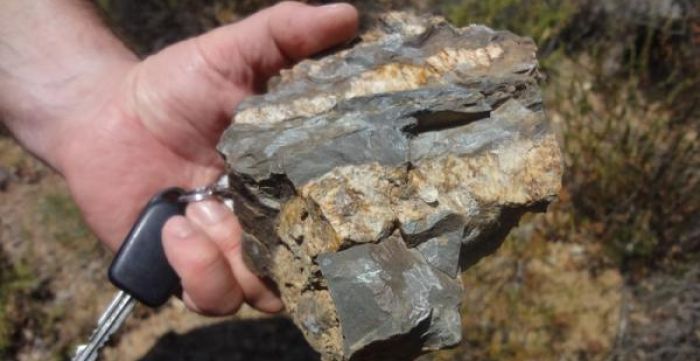
<p>Unbeknownst to Tom, on his first visit scoping out Mas Ferriol as a potential place to live and build his dream <glossary term="Cellar" title="254">cellar</glossary> (this will be the third since Matassa' inception in 2003), he noticed the eight <glossary term="Hectare" title="523">hectares</glossary> planted directly above the property. They were being worked <glossary term="Conventional Farming" title="331">conventionally</glossary> but had a lot going for them. The vines were between 25 and 70 years old and planted on on a nice slope. The grapes were an interesting mix of <span class="zalup"><span><glossary term="Mourvèdre" title="692">Mourvèdre</glossary><span>,</span></span></span> <span class="zalup"><span><glossary term="Carignan" title="237">Carignan</glossary><span>,</span></span></span> <span class="zalup"><span><glossary term="Muscat d'Alexandrie" title="687">Muscat d'Alexandrie</glossary><span>,</span></span></span> <span class="zalup"><span><glossary term="Muscat Petits Grains" title="699">Muscat à Petit Grain</glossary><span>,</span></span></span> <glossary term="Grenache" title="508">Grenache</glossary> and <span class="zalup"><span><glossary term="Grenache Gris" title="1158">Grenache Gris</glossary><span>.</span></span></span> Even more fascinating, everything was planted on a very rare geological formation of black <glossary term="Schist" title="933">schist</glossary> Tom says he's rarely if ever encountered anywhere else.</p>
<p><img src="https://louisdressner.com/uploads/images/article//880/00/44/0044325d0086b996c491dc8219015b0c.jpg" /><img src="https://louisdressner.com/uploads/images/article//880/b2/27/b2272acb0b6a178c3b6431492367a574.jpg" /></p>
<p>Already plenty busy with his 12 <span class="zalup"><span><glossary term="Hectare" title="523">hectares</glossary><span>,</span></span></span> adding another eight to the mix had not been in the books. But this unique <glossary term="Terroir" title="1026">terroir</glossary> and extreme proximity to the house was too good to pass up. In the end, that "life changing decision" of 2018 was not only to buy the Mas Ferriol but also its neighboring vines. </p>
<p><img src="https://louisdressner.com/uploads/images/article//880/0e/9f/0e9f72822d1799fa8ea05b7651b95140.jpg" /><img src="https://louisdressner.com/uploads/images/article//880/61/7d/617df39be9419a1f1dbf0153087c05b9.jpg" /><img src="https://louisdressner.com/uploads/images/article//880/29/1a/291a8700c75613f809c706f3bd2dbfbe.jpg" /><img src="https://louisdressner.com/uploads/images/article//880/e3/a2/e3a27b873ea54fccd53a34c4ca369b4b.jpg" /><img src="https://louisdressner.com/uploads/images/article//880/3c/4c/3c4cad553f810d3c8a11f1b5f9f6b59b.jpg" /><img src="https://louisdressner.com/uploads/images/article//880/a9/11/a911b7ad02d3d356491ec3f2faa2631c.jpg" /></p>
<p>I must say, I've never quite seen soils like this. Though the <glossary term="Volcanic" title="1117">volcanic</glossary> influence was obvious and reminiscent of <span class="zalup"><span><glossary term="Etna" title="429">Etna</glossary><span>,</span></span></span> the <glossary term="Canary Islands" title="231">Canary Islands</glossary> or <span class="zalup"><span><glossary term="Auvergne" title="128">Auvergne</glossary><span>,</span></span></span> it was clear we were standing in a geological anomaly, especially for the <span class="zalup"><span><glossary term="Roussillon" title="880">Roussillon</glossary><span>.</span></span></span> </p>
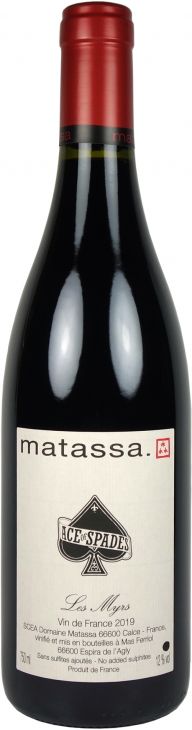
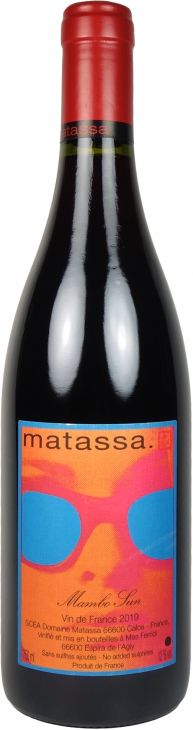
<p>The breakdowns of grapes is roughly 20% <span class="zalup"><span><glossary term="Carignan" title="237">Carignan</glossary><span>,</span></span></span> 20% <span class="zalup"><span><glossary term="Mourvèdre" title="692">Mourvèdre</glossary><span>,</span></span></span> 20% <span class="zalup"><span><glossary term="Muscat d'Alexandrie" title="687">Muscat d'Alexandrie</glossary><span>,</span></span></span> 15% <glossary term="Muscat Petits Grains" title="699">Muscat à Petit Grains</glossary> and 10% <glossary term="Grenache" title="508">Grenache</glossary> and <glossary term="Grenache Gris" title="1158">Grenache Gris</glossary> (yes that's not 100% and Tom admitted free-styling those numbers). At the time of the visit, Tom was already planning to release one or two wines specifically from this <span class="zalup"><span><glossary term="Terroir" title="1026">terroir</glossary><span>.</span></span></span> These ended up being "Ace of Spades Les Myrs" and "Mambo Sun".</p>
<p>From the vines, we walked back down to the Mas Ferriol to scope the construction of the new <glossary term="Cellar" title="254">cellar</glossary> and storage facilities. It was still in an early phase and has since been completed just in time for the 2020 <span class="zalup"><span><glossary term="Harvest" title="521">harvest</glossary><span>.</span></span></span> </p>
<p>Before tasting, I got a quick fluff in with Palkia (RIP). </p>
<p><img src="https://louisdressner.com/uploads/images/article//880/56/b1/56b182828ccef429294a62b63a8e0030.jpg" /></p>
<p>We then set to the dining room to taste most of the 2018's, which by then had already been released for many months.</p>
<p><img src="https://louisdressner.com/uploads/images/article//880/b5/3f/b53f8afab580f9b6a7fe5d3f770944b7.jpg" /><img src="https://louisdressner.com/uploads/images/article//880/52/07/52070ad483a6bb3a93bd4cf0c2064ad2.jpg" /></p>
<p>With Tom, there is always plenty to talk about. For example, his <glossary term="Bottling" title="185">bottling</glossary> faster and faster:</p>
<p><em>"I spent 10 years trying to do long </em><glossary term="Elevage" title="418"><em>elevage</em></glossary><em>. It works in a lot of places, here I do not think it works."</em></p>
<p>Or that his wines have all gone down 2% in alcohol since he's stopped working the soils and incorporated <span class="zalup"><span><glossary term="Cover Crop" title="1255">cover crops</glossary><span>:</span></span></span></p>
<p><em>" I've always started </em><glossary term="Harvest" title="521"><em>harvesting</em></glossary><em> early August. In 2005 the </em><glossary term="Muscat" title="698"><em>Muscat</em></glossary><em> were coming in at 13% around that time, now they are 10.5%."</em></p>
<p>Other positives from <span class="zalup"><span><glossary term="Cover Crop" title="1255">cover crops</glossary><span>:</span></span></span> Tom feels that earthworms, whom unperturbed can freely create tunnels in the soil, are directly related to the flavors of his wines. He's also experienced zero <glossary term="Mildew" title="1137">mildew</glossary> pressure since incorporating them. </p>
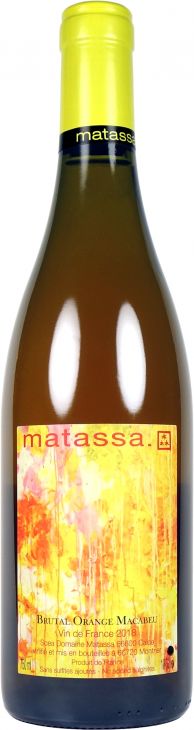
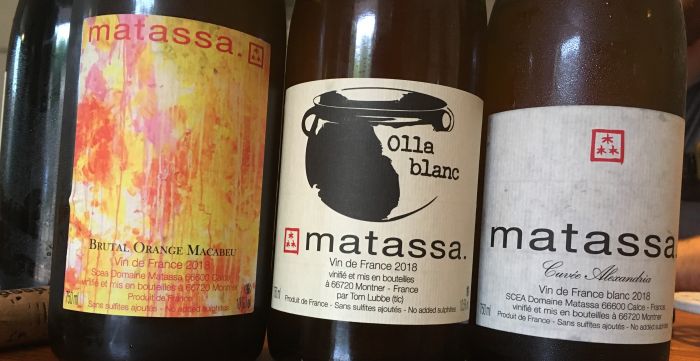
<p>We also had a a particularly entertaining conversation about the commodification of the "Brutal" line of wines. </p>
<p><img src="https://louisdressner.com/uploads/images/article//880/d5/74/d574406c92d0582be46e761c2015b60e.jpg" /></p>
<p><em>"I really don't think Laureano (Serres), Joan-Ramon (Escoda) and the other guys ever thought it would become "a thing". There is a lot of speculation of what a Brutal wine is or means, but for me it was really just a way to connect to those guys and the bar in </em><glossary term="Barcelona" title="140"><em>Barcelona</em></glossary><em>. In the early days, you'd ask them if you could do it. And they'd always say yes because why not? Now it's obviously become a marketing gimmick for people who have zero connection to them." </em></p>
<p>After tasting, the late afternoon became <span class="zalup"><span><glossary term="Aperitif" title="112">apéro</glossary><span>,</span></span></span> <glossary term="Aperitif" title="112">apéro</glossary> became dinner and a good night was had by all. </p>
<p><img src="https://louisdressner.com/uploads/images/article//880/0e/12/0e124f4e9fcaacd0f9451203ad67794d.jpg" /></p>
Article
producer visit
09.08.2019
This visit with Tom Lubbe took place in July, 2012
<p><strong><em>This visit with Tom Lubbe took place in July, 2012. </em></strong></p>
<p><strong><em>Words by Jules Dressner, photos by Maya Pedersen.</em></strong></p>
<p>Every time I see Tom Lubbe, I play a game in my head counting how many times he'll say 'fuck'. My theory is that he spends so much time speaking French in the beautiful little village of <glossary title="223">Calce</glossary> that whenever another anglophone -particularly one like myself- comes around, it's open season to let loose a repressed torrent of English expletives. The other thing I do every time I see Tom is laugh my ass off. I think this video -minus the overly dramatic, completely out of place classical music- aptly captures his great sense of humor:</p>
<p><iframe allowfullscreen="" frameborder="0" height="360" src="//www.youtube.com/embed/u4SKoTw9FSs" width="640"></iframe><br />
<br />
Tom is also the only <glossary title="1089">vigneron</glossary> we work with who is 100% fluent in English and French: in this we share a bond, a secret hand-shake of sorts involving a very special brand of Franglais/Frenglish that only 'our kind' can really understand. And over the three days and nights we spent in his village this summer, I got the chance to know Tom a lot more. Beyond all the laughs and good times, Tom really is a very intelligent and opinionated man. Holding conversations with him was a genuine pleasure. <br />
<br />
A New Zealand native who grew up in South Africa, Tom's first visit to the <glossary title="880">Roussillon</glossary> was in the late 90's. As he explains in his Louis/Dressner interview: <br />
<br />
<em>"Over 12 years ago I was working for a wonderful woman -Louise Hofmeyer- in South Africa who had the only </em><glossary title="427"><em>estate</em></glossary><em> (Welgemeend, which she has since had to sell) there and then using exclusively </em><glossary title="538"><em>indigenous yeasts</em></glossary><em>, working with lower </em><glossary title="1129"><em>yields</em></glossary><em> and little or no </em><glossary term="New Oak" title="717"><em>new wood</em></glossary><em>. As I wanted to work with <glossary title="1194">Mediterranean</glossary> varieties, Louise recommended I do a stage at Domaine Gauby in </em><glossary title="223"><em>Calce</em></glossary><em>, which I did. Gerard Gauby invited me to come back for three more </em><glossary title="1109"><em>vintages</em></glossary><em> as </em><glossary title="254"><em>cellar</em></glossary><em> helper during which time I met his sister with whom I am now married with two children."</em></p>
<p>When Tom and Natalie found out they were going to have their first child (who they called Jules, proving they have excellent taste in names), they decided to get married. Tom, who'd originally planned to take what he'd learned in the <glossary title="880">Roussillon</glossary> back to South Africa, decided to stay in France. Still determined to start his own <span class="zalup"><span><glossary title="427">estate</glossary><span>,</span></span></span> he founded Matassa in 2003. The first <glossary title="1109">vintage</glossary> was actually <glossary title="1104">vinified</glossary> and <glossary title="74">aged</glossary> in Tom's living room!</p>
<p><img src="http://louisdressner.com/uploads/images/article/2019_Aug_09//d8/0c/d80c1454b8f0ce8e728c4b8dbbb613ba.jpg" /></p>
<p><img src="http://louisdressner.com/uploads/images/article/2019_Aug_09//cd/f3/cdf39c8e65060f2386af0af35fe27cae.jpg" /><br />
<br />
<em>"The kid, the wine...It was the first year of our marriage, and almost our last!"</em><br />
<br />
Living room wine wasn't exactly sustainable, so the Gauby's donated their old <glossary title="254">cellar</glossary> to Tom for 2004.<br />
<br />
After our first night in <span class="zalup"><span><glossary title="223">Calce</glossary><span>,</span></span></span> we set off to visit Tom's vines. The first site we visited was a 1,5 <glossary title="523">h</glossary> parcel of 80 year old <glossary title="609">Macabeau</glossary> on <glossary title="933">schist</glossary> soils. </p>
<p><img src="http://louisdressner.com/uploads/images/article/2019_Aug_09//fe/ee/feeed428b800f3164a6ef05fece7d1d8.jpg" /></p>
<p><img src="http://louisdressner.com/uploads/images/article/2019_Aug_09//a1/83/a18384d0dcc290b3aab65f7d2c6d02ed.jpg" /></p>
<p><img src="http://louisdressner.com/uploads/images/article/2019_Aug_09//7f/35/7f35aafd93d285c3a7c2e7fd39738990.jpg" /></p>
<p><img src="http://louisdressner.com/uploads/images/article/2019_Aug_09//e9/f1/e9f1400e41348808eec2f4847a456767.jpg" /><br />
<br />
The <glossary title="760">parcel</glossary> is called <em>La Jasse</em>. In this area, Tom recently planted olive groves. <br />
<br />
<em>"That's my retirement plan 20 years from now."</em><br />
<br />
As we walked through the vines, the famous <glossary term="Tramontana" title="1040">Tramontane winds</glossary> were soft but steady.<br />
<br />
<em>"The </em><glossary term="Tramontana" title="1040"><em>Tramontane</em></glossary><em> is THE most defining part of this </em><glossary title="1026"><em>terroir</em></glossary><em>. When it's soft, it's a good thing. But it can be very strong and blow for up to two weeks at a time."</em><br />
<br />
This often leads to vines being broken. On average, 30% of the crop is lost to the wind each year! Next up was a 120 year old <glossary title="760">parcel</glossary> of <glossary title="609">Macabeu</glossary> called <em>Poux d'en Nougé</em>.</p>
<p><img src="http://louisdressner.com/uploads/images/article/2019_Aug_09//bc/f0/bcf0973dda9f0519a02709c7659b8844.jpg" /></p>
<p><img src="http://louisdressner.com/uploads/images/article/2019_Aug_09//36/62/3662d9c47bb5b23be532ef0f97384181.jpg" /></p>
<p><img src="http://louisdressner.com/uploads/images/article/2019_Aug_09//f1/a9/f1a9e652b48dd9d9eccfc335ac562c13.jpg" /></p>
<p><img src="http://louisdressner.com/uploads/images/article/2019_Aug_09//1f/78/1f78cca6d5254bf33ea542c1f5b1f4fe.jpg" /></p>
<p><img src="http://louisdressner.com/uploads/images/article/2019_Aug_09//12/ef/12ef57e13b4a33a55cfd789e685316df.jpg" /></p>
<p><img src="http://louisdressner.com/uploads/images/article/2019_Aug_09//a3/a0/a3a04a43c35f8c0b6a85d0caaba18691.jpg" /></p>
<p><img src="http://louisdressner.com/uploads/images/article/2019_Aug_09//98/67/9867003fc95c3e3fef2280e9c47a83f4.jpg" /></p>
<p>After that, we drove to the <glossary title="760">parcel</glossary> the "Marguerite" <glossary title="363">cuvée</glossary> comes from.</p>
<p><img src="http://louisdressner.com/uploads/images/article/2019_Aug_09//92/d0/92d006cccff8f451b3286d8952b41c07.jpg" /></p>
<p><img src="http://louisdressner.com/uploads/images/article/2019_Aug_09//06/5b/065b2a9fef02f1006db9420a909b4f75.jpg" /><br />
<br />
This <glossary title="594">lieu-dit</glossary> <span class="zalup"><span><span>-</span><glossary title="698"><em>Muscat</em></glossary><</span></span>em> de Max- is a monastery <span class="zalup"><span><glossary title="760">parcel</glossary><span>,</span></span></span> which means it was originally planted by monks over a thousand years ago. It's an old <glossary title="446">field blend</glossary> of <span class="zalup"><span><glossary title="687">Muscat D'Alexendrie</glossary><span>,</span></span></span> <glossary title="623">Malvasia</glossary> and <span class="zalup"><span><glossary title="699">Muscat Petit Grain</glossary><span>,</span></span></span> all on <glossary title="596">limestone</glossary> soils. The vines are at least 90 years old. Also planted here, a kooky grape called Datier de Baruch:<br />
<br />
<em>"They look like little bananas or chili peppers. I have no idea where they originally come from, and my best explanation is that they were planted as a joke."</em><br />
<br />
Moving along, we then drove to a 2,5 <glossary title="523">h</glossary> <glossary title="760">parcel</glossary> of <span class="zalup"><span><glossary title="1158">Grenache Gris</glossary><span>,</span></span></span> <em>Coum des Lloups</em> (Valley of the wolves).</p>
<p><img src="http://louisdressner.com/uploads/images/article/2019_Aug_09//92/49/9249fc97667335981106db8dc1f124ef.jpg" /></p>
<p><img src="http://louisdressner.com/uploads/images/article/2019_Aug_09//ef/b3/efb37b24863ddffd0b93746ad56f9c4c.jpg" /></p>
<p><img src="http://louisdressner.com/uploads/images/article/2019_Aug_09//89/da/89dad369bdbcd65db3c59e4b922608d4.jpg" /><br />
<br />
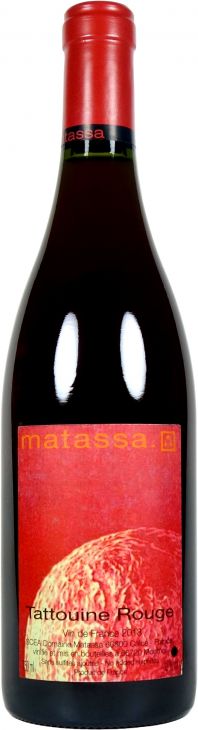
<em>"But if that is a little too Kevin Costner for you, the vineyard itself is known as Tattouine. After the town in Morocco, not the planet in Star Wars."</em><br />
<br />
<strong>P.S:</strong> I made the Star Wars reference, not Tom. <br />
<br />
<strong>P.P.S:</strong> This is the second time a Kevin Costner <em>Dances With Wolves</em> joke was made by a <glossary title="1089">vigneron</glossary> and featured on this blog. <br />
<br />
This is the biggest <glossary title="760">parcel</glossary> Tom owns. It's a field <glossary title="168">blend</glossary> of mostly white grapes, but everything is<glossary title="308"> co-fermented</glossary> and <glossary title="1104">vinified</glossary> in white. 3/4 of the "Matassa Blanc" come from this site. The soils are <glossary title="933">schist</glossary> with <glossary title="596">limestone</glossary> <span class="zalup"><span><glossary title="991">subsoil</glossary><span>.</span></span></span> </p>
<p><br />
<img src="http://louisdressner.com/uploads/images/article/2019_Aug_09//c7/9a/c79a2345b33082dbff167c732d5c7ac3.jpg" /><br />
<br />
The last <glossary title="760">parcel</glossary> we visited, <em>Romanissa</em>, was the most visually stunning:</p>
<p><img src="http://louisdressner.com/uploads/images/article/2019_Aug_09//5b/d8/5bd8c784d99fba3a2525a408173d3b6a.jpg" /></p>
<p><img src="http://louisdressner.com/uploads/images/article/2019_Aug_09//b0/1f/b01fcbabacd8be2a1588b7f2aea4121d.jpg" /></p>
<p><img src="http://louisdressner.com/uploads/images/article/2019_Aug_09//16/17/1617a870558a50b7571549b44862667b.jpg" /></p>
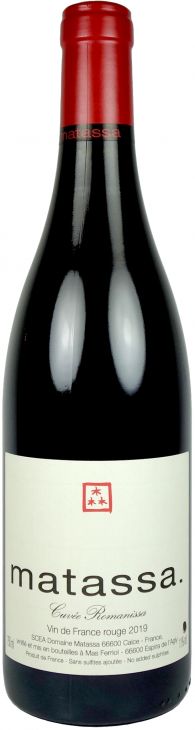
<p>These 130 year <glossary title="740">old vines</glossary> are on a super steep <glossary title="345">coteau</glossary> and barely produce 15<glossary title="524">hl</glossary> <span class="zalup"><span><glossary title="1129">yields</glossary><span>.</span></span></span> Mechanical work is impossible, and the prior owner sold it to Tom for next to nothing. The "Romanissa" <glossary title="363">cuvée</glossary> comes from here (DUHHH!), and is made with the <glossary title="599">Lledoner Pelut</glossary> grape. This <glossary title="1071">varietal</glossary> is an old school <glossary title="247">Catalan</glossary> <glossary title="1169">strain</glossary> of <span class="zalup"><span><glossary title="508">Grenache</glossary><span>.</span></span></span> People told Tom it was useless, but he knew better; the skins are very thick, so they are incredibly resilient against illness.<br />
<br />
The visit ended with a trip to the <glossary title="254">cellar</glossary> to taste some 2010's and 2011's. </p>
<p><img src="http://louisdressner.com/uploads/images/article/2019_Aug_09//a3/7e/a37efe581d94e349254f75fea9132771.jpg" /></p>
<p><img src="http://louisdressner.com/uploads/images/article/2019_Aug_09//00/24/0024b3620b6426044563a8cd5cb69359.jpg" /></p>
<p><img src="http://louisdressner.com/uploads/images/article/2019_Aug_09//72/72/7272951e8e90f129863fc70657bb1386.jpg" /><br />
<br />
After the grapes are brought into the <span class="zalup"><span><glossary title="254">cellar</glossary><span>,</span></span></span> Tom <glossary title="458">foot-treads</glossary> them into the <span class="zalup"><span><glossary title="827">press</glossary><span>.</span></span></span> This way, he can pack it to maximum capacity and perform a very slow press. The <glossary title="254">cellar</glossary> is not <span class="zalup"><span><glossary title="1018">temperature controlled</glossary><span>.</span></span></span> <glossary title="993">Sulfur</glossary> use varies <glossary title="1109">vintage</glossary> to <span class="zalup"><span><glossary title="1109">vintage</glossary><span>,</span></span></span> but typically 10mg are added at <span class="zalup"><span> <glossary title="827">press</glossary><span>,</span></span></span> with a possible additional 10 mg after <span class="zalup"><span><glossary title="622">malolactic fermentation</glossary><span>.</span></span></span> Tom rarely <glossary title="993">sulfurs</glossary> at <span class="zalup"><span><glossary title="185">bottling</glossary><span>.</span></span></span><br />
<br />
My personal highlight was the "Matassa Blanc" (70% <span class="zalup"><span><glossary title="1158">Grenache Gris</glossary><span>,</span></span></span> 30% <glossary title="609">Macabeu</glossary>) which I found stunning: a crazy poppy seed <glossary title="723">nose</glossary> and unique taste.<em> </em>"Alexandria", a 100% <glossary title="699">Muscat Petit Grain</glossary> <glossary title="363">cuvée</glossary> was one of the craziest things I tasted the entire trip (that's a good thing), and the Rouge was excellent as well. As Maya "Mayhem" Pedersen aptly pointed out, the wines -due to Tom's intentionally low <glossary title="1129">yields</glossary> (15<glossary title="524">hl</glossary>/<glossary title="523">h</glossary> on average!)- have this incredible concentration that I've rarely experienced elsewhere. To me, these are some of the most iconoclastic wines in the portfolio.</p>
Article

harvest report
29.12.2020
2020 Harvest and Dog Report from Matassa
<p><u><strong>August 27th, 2020:</strong></u></p>
<p>We have just finished the 2020 <glossary term="Harvest" title="521">harvest</glossary> (yesterday morning) in time to miss the two hottest days of the year. It is about 36°C right now, at 10:30 in the morning, so we are very happy to be <glossary term="Pressing" title="827">pressing</glossary> in the <glossary term="Cellar" title="254">cellar</glossary> rather than picking grapes. It has been a long and complicated summer in the vineyards (everywhere...) but I am happy to say that we came out of it with a much better crop than last year. The building work on the <glossary term="Cellar" title="254">cellar</glossary> (phase 2) was finishing during our first week of <glossary term="Harvest" title="521">harvest</glossary> which was not ideal but we have the sense that things are finding their place. Us too. I don't think you have met Arzak our Spanish mastiff who came to us from a refuge in Zaragoza last year. He is a beautiful and somewhat impressive dog but terrified of people with a wonky hip to boot. </p>
<p>Unfortunately Palkia, our beloved black labrador died in her sleep in May which left us all distraught but Arzak was completely lost until we took in a little braque puppy, Ina who had been left in a box outside a local refuge in <span class="zalup"><span><glossary term="Rivesaltes" title="863">Rivesaltes</glossary><span>.</span></span></span> During <glossary term="Harvest" title="521">harvest</glossary> an emaciated tortoiseshell cat with large green eyes turned up with a fractured hip. Freya is now walking ok after an operation, and has gained weight from a diet heavy on sardines but will probably never be a great hunter which is a good thing with the local bird population flourishing in the <glossary term="Cover Crop" title="1255">cover-cropped</glossary> fields. Several tribes of perdreaux and faisans roam around stuffing themselves with grains shrieking at anyone who gets too close. Very small steps towards rebuilding a living farm but there will be some fruit trees and some vineyard going in this winter. Judith is obviously making a strong case as to why we need horses. Apparently you can't just have one.</p>
Article
article
20.07.2020
Tom Lubbe: Funny Guy
<p>You are quite right in believing that the age of the vines is very important, mine are at least 700 years old , and when I am talking to a particularly influential journalist they may even go up to 900 or so, depending on my mood and the general elasticity of my ambition that day. This is a Spanish technique I have picked up being so close to the border but unfortunately we do not get Jay Miller coming over here (he has been banned by French law) and Schildnecht is harder to fool (and spell). Otherwise I would have 99 points for everything and because this hazy lacuna between fact and dreams is so narrow I claim on my website that it is true and ask you nicely to do the same. Please. I am hoping that the magical realist marketing technique will do for me what it has done for so many of my Southern neighbours rendering irrelevant such annoying details as vineyard work and drinkability of a given wine.<br />
<br />
Prior to my outrageous success, I was sometimes, unfortunately, labelled as a militant for <glossary term="Organic" title="746">organic</glossary> <span class="zalup"><span><glossary term="Agriculture" title="78">agriculture</glossary><span>.</span></span></span> If I did ever say that any <glossary term="Vigneron/Vignaiolo" title="1089">vigneron</glossary> or wine-grower using <glossary term="Roundup" title="877">Round-up</glossary> should be shot at dawn using a lead-free bullet, then I was obviously confused or possibly high. To suggest that South Africa (my hinter land) should renounce <glossary term="Industrial Agriculture" title="539">chemical viticulture</glossary> by reason of having a perfect climate and cheap/needy labour was silly and clearly I have been proved wrong by the steady stream of excellent wines flowing from that country, wines hall-marked by the vivacious contrapuntal play between fruit and <glossary term="Minerality" title="662">minerality</glossary> with no need for <span class="zalup"><span><glossary term="Acidification" title="70">fake acid</glossary><span>,</span></span></span> <glossary term="Oak" title="731">oak</glossary> essences or other flavour props employed by less scrupulous winemakers in places like Norway and Madagascar.<br />
<br />
Otherwise I am now very happily installed in France where I have a choice between drinking the poisonous, atrabilious crap sold in supermarkets, including the 50€ <span class="zalup"><span><glossary term="Bordeaux" title="178">Bordeaux</glossary><span>,</span></span></span> and drinking a wide range of real wines with high volatiles and low prices some of which aren't even scored by the Wine Advocate if you can believe that? Needless to say I choose the 50€ <glossary term="Bordeaux" title="178">Bordeaux</glossary> which whilst affirming my bulging masculine success in life also shares the same volatile expression as flat Fanta, one of the more exciting beverages available to the modern consumer with informed tastes.<br />
<br />
I am guessing your readers are breathlessly wondering which 50€ <glossary term="Bordeaux" title="178">Bordeaux</glossary> are affirming my success but it really doesn't matter as long as the price tag is bold and beautiful. Sometimes I will drink lesser <glossary term="Vintage" title="1109">vintages</glossary> of <glossary term="Bordeaux" title="178">Bordeaux</glossary> (93 pointers) to show that I am hip and savvy but in these cases make sure you are paying at least 75€ which should guarantee some kind of objective quality.<br />
<br />
For once and for all I would like to put paid to the nasty rumours about my media-hostility which are frankly unfounded. My hi-jacking, although I prefer "re-directing", the LMVH Lear jet packed with Decanter journalists bound for yet another important chateau vertical was misread by many commentators as an aggressive act but some of those journalists (the stronger ones) are still alive and well, toiling on the rocky and vertiginous slopes of Domaine Matassa. I have promised the Queen to send the survivors back fitter and more bronzé than before if she agrees to buying 5000 bottles of Matassa Blanc to put in her annual Xmas Harrod's hampers. (The Matassa Blanc did only get a miserly 93 from M. Schildnecht and 18 (out of 20!) from Jancis but I will be billing her Majesty a straight but nonetheless cheeky 50€ per bottle ex-cellars which would make it cheap if it was <span class="zalup"><span><glossary term="Bordeaux" title="178">Bordeaux</glossary><span>.</span></span></span><br />
<br />
"50€ for a <glossary term="Roussillon" title="880">Roussillon</glossary> !" was Her first gasped response ,..." that is rather cheeky, even if the above two luminaries and the third most important journalist in the world after these, Jean-Emmanuel Simond of the RVF all agree that the <glossary term="Roussillon" title="880">Roussillon</glossary> is currently the most exciting new/old wine region in France and thus the world. " Interestingly all three agree that The <glossary term="Grand Cru" title="501">Grand Cru</glossary> of the <glossary term="Roussillon" title="880">Roussillon</glossary> (Rosséllo to be authentic and <glossary term="Catalunya" title="247">Catalan</glossary>) is <span class="zalup"><span><glossary term="Calce" title="223">Calce</glossary><span>,</span></span></span> which is coincidentally the village where Domaine Matassa can be found. Village is maybe an exaggeration , a huddle of stone huts in the <span class="zalup"><span><glossary term="Garrigue" title="483">garrigue</glossary><span>,</span></span></span> home to some 200 souls mostly drunkards and layabouts but nevertheless the most exciting new/old <glossary term="Grand Cru" title="501">Grand Cru</glossary> in the world. Drink up!</p>
<p>Salut, Tom</p>
Article