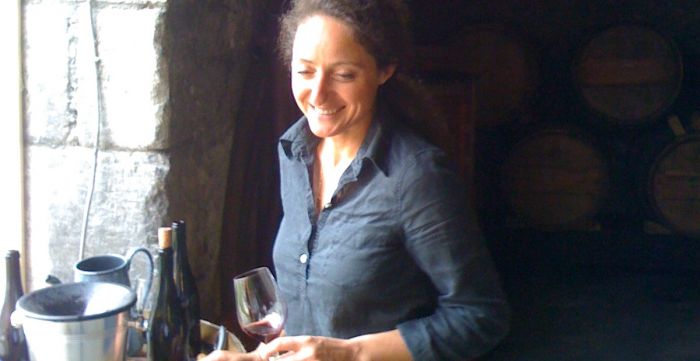
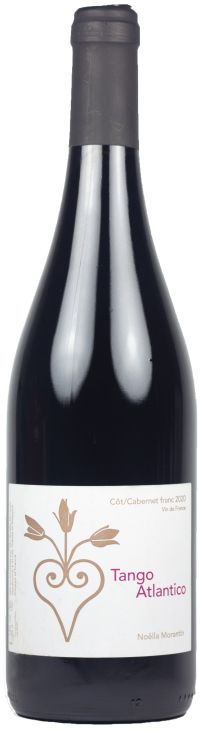
<p>Noëlla Morantin, originally from <span class="zalup"><span><glossary title="197">Brittany</glossary><span>,</span></span></span> started making wine in the <glossary title="1036">Touraine</glossary> in 2008. A random encounter with a professor of <glossary title="1103">viticulture</glossary> inspired her to start learning about wine and the hobby quickly became an obsession. In 2001, she quit her job and started <glossary title="1103">viti</glossary>//<glossary title="1104">vini</glossary> school, where she interned with <a href="http://louisdressner.com/producers/Mosse/">Agnès and René Mosse</a> until 2003. In 2004, she met Junko Arai, the owner of the now defunct <glossary title="1036">Touraine</glossary> <glossary title="427">estate</glossary> <em>Les Bois Lucas</em>. The two hit it off and Noëlla was eventually hired as head overseer of the <span class="zalup"><span><glossary title="427">estate</glossary><span>.</span></span></span></p>
<p><em>Bois Lucas</em>' vines had previously been owned by Catherine Roussel and Didier Barrouillet of <a href="http://louisdressner.com/producers/Roche/">Clos Roche Blanche</a>. Working in close proximity to each other served as a natural way for Noëlla and Didier to get to know each other and the two became friends. In 2008, the decision was made to downsize CRB in half; this coincided with Noëlla's plans of starting her own <span class="zalup"><span><glossary title="427">estate</glossary><span>,</span></span></span> so she jumped on the opportunity when Didier proposed she rent some of his vines.<br />
<br />
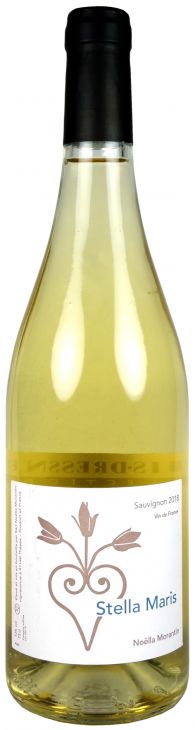
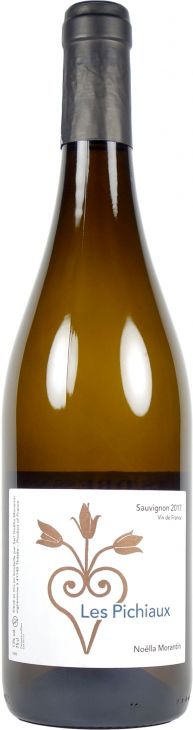
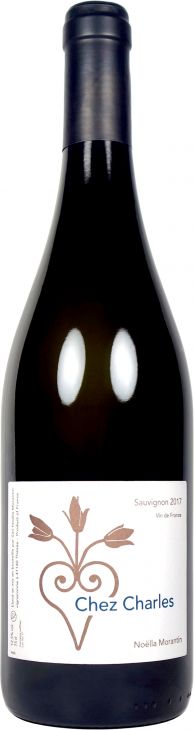
Up until 2016, Noëlla rented 8.5 <glossary title="523">hectares</glossary> of vines from ex-Clos<strong> </strong>Roche Blanche land. With Catherine and Didier's retirement along <a href="http://louisdressner.com/producers/Pineau/">Julien Pineau</a> and Laurent Saillard's acquisition of the land, Noëlla had to source other <glossary title="760">parcels</glossary> to rent, particularly for <glossary title="478">Gamay</glossary> and <span class="zalup"><span><glossary title="366">Côt</glossary><span>.</span></span></span> She eventually purchased four <glossary title="523">hectares</glossary> of land she worked with at <em>Bois Lucas</em>, and later the "Les Pichiaux" and "Chez Charles" <glossary title="760">parcels</glossary> that produce her <glossary title="959">single parcel </glossary><glossary title="927">Sauvignons</glossary>. Today she owns all of her vines, six <glossary title="523">hectares</glossary> in total. She also buys fruit as a <glossary title="729">négociant</glossary> to produce a few entry level <span class="zalup"><span><glossary title="363">cuvées</glossary><span>.</span></span></span> <br />
<br />
<span class="zalup"><span><glossary title="927">Sauvignon Blanc</glossary><span>,</span></span></span> <span class="zalup"><span><glossary title="478">Gamay</glossary><span>,</span></span></span> <glossary title="366">Côt</glossary> and <glossary title="216">Cabernet Franc</glossary> are cultivated (Noëlla ripped out her <glossary title="217">Cabernet Sauvignon</glossary> in 2019 to plant <glossary title="867">Romorantin</glossary>). The vines are tended <glossary title="746">organically</glossary> (<glossary title="260">certified</glossary> by <glossary title="413">Ecocert</glossary> in 2008), and the wine is <glossary title="1104">vinified</glossary> without intervention or manipulation. Almost everything <glossary title="441">ferments</glossary> in large <glossary title="1126">wooden</glossary> <span class="zalup"><span><glossary title="1140">vats</glossary><span>.</span></span></span></p>
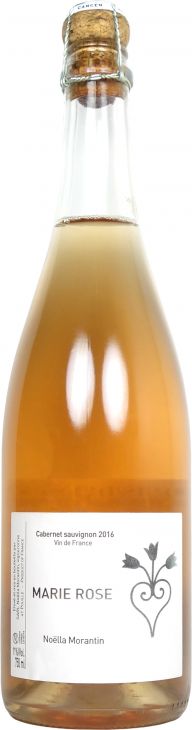
<p>Other than the "Marie-Rose" (a <glossary title="217">Cabernet Sauvignon</glossary> <glossary title="871">rosé</glossary> named after Noëlla's grandmothers), all wines are <glossary title="74">aged</glossary> a year to a year and a half in old <span class="zalup"><span><glossary title="142">barrels</glossary><span>,</span></span></span> which differs from the vast majority of <glossary title="1036">Touraine</glossary> wines, which get released in the early Spring. Not wanting to deal with <glossary title="108">AOC</glossary> politics, Noëlla intentionally <glossary title="383">declassifies</glossary> all her <glossary title="363">cuvées</glossary> to <span class="zalup"><span><glossary title="1092">Vin de France</glossary><span>.</span></span></span></p>
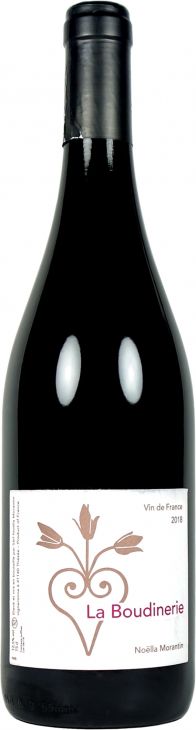
<p><em>This interview took place at La Boudinerie, Noëlla Morantin's home, in June 2011. Much of the information is outdated and has been updated on Noëlla's producer profile.</em></p>
<p><strong>Tell us about your estate.</strong><br />
<br />
I currently work 8 1/2 <glossary title="523">hectares</glossary> in <glossary title="821">Pouillé</glossary> in the <span class="zalup"><span><glossary title="601">Loire-et-Chere</glossary><span>.</span></span></span> At the moment I rent 6 1/2 <glossary title="523">hectares</glossary> from the<strong> </strong>Clos Roche Blanche and 2 <glossary title="523">hectares</glossary> at the bottom of <span class="zalup"><span><glossary title="821">Pouillé</glossary><span>.</span></span></span> I work and <glossary title="1104">vinify</glossary> five <span class="zalup"><span><glossary title="1071">varietals</glossary><span>:</span></span></span> <span class="zalup"><span><glossary title="927">Sauvignon Blanc</glossary><span>,</span></span></span> <span class="zalup"><span><glossary title="271">Chardonnay</glossary><span>,</span></span></span> <span class="zalup"><span><glossary title="478">Gamay</glossary><span>,</span></span></span> <glossary title="366">Côt</glossary> and <span class="zalup"><span><glossary title="217">Cabernet Sauvignon</glossary><span>.</span></span></span> I purchased all of my fruit for the 2008 <glossary title="1109">vintage</glossary> and I've been renting from<strong> </strong>Clos Roche Blanche since 2009. <br />
<br />
<strong>Did you have a previous career before wine?</strong><br />
<br />
I'm originally from Pornic, a small town bordering the Atlantic ocean. My father always had a little vineyard, and I'd do the <glossary title="521">harvest</glossary> every year. We'd make wine for personal consumption: a <glossary title="142">barrel</glossary> of red and a <glossary title="142">barrel</glossary> of white. I always drank and liked wine as far back as I can remember.<br />
<br />
Anyhow, I used to be a marketing director for a communications company. I was terribly bored at my job and one night I randomly met a professor of <glossary title="1103">viticulture</glossary> in a bistro. He suggested I give it a shot, so I did. At that point I had no intention of becoming a <span class="zalup"><span><glossary title="1089">vigneronne</glossary><span>.</span></span></span> I just wanted to learn more about wine. But things just progressed, happened naturally, and here I am!<br />
<br />
<strong>How did you end up in the Loire?</strong><br />
<br />
I got my <glossary title="205">BTS</glossary> in <glossary title="78">agriculture</glossary>/<glossary title="422">oenology</glossary> in 2004, at which point I was also working for Agnès and René Mosse (from 2001 to 2003). I then spent a winter with Marc Pesnot in the <span class="zalup"><span><glossary title="697">Muscadet</glossary><span>.</span></span></span> That same winter I decided to go to the<glossary title="904"> Salon de Vins de Loire</glossary> where I met Junko Arai from <em>Bois Lucas</em>. Junko lives in Tokyo and was looking for someone to replace Pascal Potaire as main overseer of the <span class="zalup"><span><glossary title="427">estate</glossary><span>.</span></span></span> She hired me in 2004, and in the first few months I was trained by Pascal. I worked there until 2008, and when I started looking for vines to work under my name, Didier and Catherine from<strong> </strong>Clos Roche Blanche thought of me.<br />
<br />
<strong>How would you distinguish your wines from Clos Roche Blanche?</strong><br />
<br />
The approach is different. I follow my instincts and sensibilities and I think that makes my wines stand out. <br />
<br />
<strong>What's the work like in the vines?</strong><br />
<br />
We work them how we see fit. My partner Laurent does a lot of the vine work and we make decisions together based on what we think needs to be done at any given point. I think it's of utmost importance to be in the vines every day in order to really grasp what they need. We work the soils, try to get rid of grass and make sure not to "<glossary title="866">rogne</glossary>" too early so the wines can have a nice <span class="zalup"><span><glossary title="71">acidity</glossary><span>.</span></span></span> <br />
<br />
<strong>And in the cellar? </strong><br />
<br />
As naturally as possible, and with no <span class="zalup"><span><glossary title="545">intervention</glossary><span>.</span></span></span> I follow my wines closely and stay attentive to the <glossary title="1104">vinification</glossary> process from start to finish. I also <glossary title="74">age</glossary> my wines in <glossary title="142">barrel</glossary> for a long time, which in 2009 was a big risk since it meant that I wouldn't have any wine to sell in 2010. Still, I knew it had to be done. <br />
<br />
For example the "Chez Charles" and "Terres Blanches" were <glossary title="521">harvested</glossary> in 2009 and <glossary title="185">bottled</glossary> in March 2011 and the 2010 <glossary title="478">Gamay</glossary> was bottled in April 2011. And now that I can see and taste the result, I know I made the right decision and have no regrets. <br />
<br />
For me it's about adapting to each <span class="zalup"><span><glossary title="">vintage</glossary><span>.</span></span></span> I don't want my <glossary title="254">cellar</glossary> work to follow a strict agenda. I don't want to say: "everything will be <glossary title="185">bottled</glossary> in March!" If you don't adapt, you won't always reach the full potential of the <span class="zalup"><span><glossary title="1109">vintage</glossary><span>.</span></span></span> <br />
<br />
<strong>Have you always worked organically?</strong><br />
<br />
I would not be making wine if I wasn't working <glossary title="746">organic</glossary> vineyards. And I wouldn't be making wine if it wasn't <span class="zalup"><span><glossary title="708">natural wine</glossary><span>.</span></span></span><br />
<br />
<strong>Speaking of "natural wine", tell us how you feel about this whole movement of winemaking?</strong><br />
<br />
It's become very trendy in the last few years in France and a lot of <glossary title="1089">vignerons</glossary> claiming to make <glossary title="708">natural wines</glossary> are lying to their customers to help increase their sales. As far as I'm concerned, I fully support the movement and consider myself part of it. I make <span class="zalup"><span><glossary title="708">natural wine</glossary><span>.</span></span></span> <br />
<br />
From the work in the vineyard to the bottle sitting on your table, there has been no <glossary title="279">chemical</glossary> <glossary title="545">intervention</glossary> whatsoever, just a tiny bit of <glossary title="993">sulfur</glossary> at <glossary title="185">bottling</glossary> to help preserve the wine. <br />
<br />
Now maybe because I add a gram of <glossary title="993">sulfur</glossary> at <glossary title="185">bottling</glossary> some winemakers might accuse me of not making "real" <span class="zalup"><span><glossary title="708">natural wine</glossary><span>,</span></span></span> but those same people also tend to make a lot of vinegar. When I was at <em>Bois Lucas</em>, I made some <glossary title="993">sulfur</glossary> free wine, and I made wine with a gram of <glossary title="993">sulfur</glossary> at <glossary title="185">bottling</glossary> like I do now. The <glossary title="993">sulfured</glossary> wines were much better! They were more balanced and when I analyzed them a year later, that gram of <glossary title="993">sulfur</glossary> had disappeared. <br />
<br />
Once the wine is finished and ready to be <glossary title="185">bottled</glossary> you can't really harm or manipulate it, and I don't think a small amount of <glossary title="993">sulfur</glossary> will affect the wine negatively. You can keep a bottle of "Chez Charles" open for a week and it won't budge. It's very resistant to <glossary title="754">oxidation</glossary> and won't fall apart. This isn't because of <span class="zalup"><span><glossary title="993">sulfur</glossary><span>,</span></span></span> it's because of the work in the vines. <br />
<br />
All this to say that I am not against <glossary title="993">sulfur</glossary> free wine; the <glossary title="778">pétillant naturel</glossary> I make is <glossary title="993">sulfur</glossary> free, but that's because it has a lot of gas and the risks of it falling apart without <glossary title="993">sulfur</glossary> are much lower. <br />
<br />
<strong>You only bottle as Vin de France as opposed to the Touraine AOC. Can you tell us how you came to this choice?</strong><br />
<br />
From the get-go I wanted to make <span class="zalup"><span><glossary title="1092">Vin de France</glossary><span>,</span></span></span> but a lot of people advised me against it. They told me that it was important to defend and take pride in your <span class="zalup"><span><glossary title="113">appellation</glossary><span>,</span></span></span> and I reluctantly started making <glossary title="108">AOC</glossary> wines. Unfortunately, I quickly realized that the majority of the <glossary title="108">AOC</glossary> wine being produced in my region came from <span class="zalup"><span><glossary title="331">conventional</glossary><span>,</span></span></span> <glossary title="279">chemical</glossary> farming and <glossary title="422">oenological</glossary> manipulation in the <span class="zalup"><span><glossary title="254">cellar</glossary><span>.</span></span></span> <br />
<br />
These people have <glossary title="113">appellation</glossary> <glossary title="927">Sauvignon</glossary> because they've used an <glossary title="321">industrial yeast </glossary>that makes the wine smell like cat piss. If it doesn't smell like cat piss, you don't get the <span class="zalup"><span><glossary title="113">appellation</glossary><span>.</span></span></span> That was my first big problem with the <glossary title="108">AOC</glossary> system.<br />
<br />
The final straw was last year when there was an issue with my "Boudinerie" 2009. It had 0.24 <span class="zalup"><span><glossary title="1116">volatile acidity</glossary><span>,</span></span></span> and even though 0.9 is the level necessary for the wine to be deemed flawed, the board denied me the <glossary title="108">AOC</glossary> for this <glossary title="363">cuvée</glossary> because of <glossary title="1116">V.A.</glossary> I reanalyzed the wine myself and provided them with the results proving I was well within the limits allowed, and they told me that it didn't matter, that when they had tasted it they had deemed the <glossary title="1116">V.A</glossary> too high and I'd have to present it again in order to reevaluate it. So out of principle, because at this point I'd sold all my wine and there wasn't any left, I re-presented the wine and, lo and behold, this time the wine was ok and they accorded me the <span class="zalup"><span><glossary title="108">AOC</glossary><span>.</span></span></span><br />
<br />
At that point I told myself I didn't need these people to tell me what to do. I'm perfectly capable of making the wines I want to make without having the <glossary title="108">AOC</glossary> boss me around. <br />
<br />
<strong>What do you like to drink?</strong><br />
<br />
Other people's wines! I'm always drinking mine so whenever I can drink someone else's I jump on the opportunity! I love Eric Pfifferling's wines. I love Marc Pesnot. I love René Mosse's <glossary title="105">Anjou</glossary> <span class="zalup"><span><glossary title="163">Blancs</glossary><span>.</span></span></span></p>
producer visit12.08.2019
A Visit with Noëlla Morantin
This visit with Noëlla Morantin took place in July, 2013
<p><strong><em>This visit with Noëlla Morantin took place in July, 2013.</em></strong></p>
<p><strong><em>Words by Jules Dressner, photos by John Kafarski and Jules Dressner.</em></strong></p>
<p>I'm not sure if this is common knowledge, but Clos Roche Blanche, Maisons Brûlées, and Noëlla Morantin's houses are all extremely close to each other. So close, in fact, that if you look closely at the pictures from the visits, you will spot the same "<glossary title="1036">Touraine</glossary>" water tower in the background. </p>
<p><img src="http://louisdressner.com/uploads/images/article/2019_Aug_12//ae/d4/aed42402ff514e23b99fb1e9518fae55.jpg" /></p>
<p>After breakfast, we decided to walk through the<font color="#7b143e"><strong> </strong></font>Clos Roche Blanche to Noëlla's. There is an obvious path you can take, but Didier happened to be in the vines and was heading home (he lives right next to Noëlla), so he showed us his secret shortcut. </p>
<p><img src="http://louisdressner.com/uploads/images/article/2019_Aug_12//63/c8/63c86682a4ed819731525cc66f29ba66.jpg" /></p>
<p><img src="http://louisdressner.com/uploads/images/article/2019_Aug_12//23/d9/23d922b5c160e0aaa8531412557a4635.jpg" /></p>
<p>After a beautiful 15 minute walk through the woods, we'd arrived to <em>La Boudinerie</em>, the old farm where Didier and Noëlla live. </p>
<p><img src="http://louisdressner.com/uploads/images/article/2019_Aug_12//68/64/6864860077835167db84b18bcfc4e837.jpg" /></p>
<p><img src="http://louisdressner.com/uploads/images/article/2019_Aug_12//73/87/7387562f7ebde27ca3dbfe2adf802189.jpg" /></p>
<p>The surrounding vines you see above go into the "Chez Charles" <span class="zalup"><span><glossary title="217">Sauvignon</glossary><span>.</span></span></span> <br />
<br />
<em>"It's very different than the rest. While the other </em><glossary title="760"><em>parcels</em></glossary><em> are on </em><glossary title="301"><em>clay</em></glossary><em> and </em><glossary title="455"><em>flint</em></glossary><em>, here it's very </em><glossary title="93"><em>alluvial</em></glossary><em> and </em><glossary title="909"><em>sandy</em></glossary><em>. A friend told me it reminds them of the soils of </em><glossary title="968"><em>Sologne</em></glossary><em>."</em><br />
<br />
Upon arrival, we were immediately greeted by ex-Brooklynite Panache. </p>
<p><img src="http://louisdressner.com/uploads/images/article/2019_Aug_12//89/08/8908d7a9269ba665e16376d17c101c0d.jpg" /></p>
<p>He didn't mind saying hello, but since he was in the middle of lunch, he promptly got back to chomping down. </p>
<p><img src="http://louisdressner.com/uploads/images/article/2019_Aug_12//e1/8b/e18bba02430af2bcd721f81d8041d9bf.jpg" /></p>
<p>Seriously, that looks better than some meals I've paid good money for!<br />
<br />
We also got to meet Piggy!</p>
<p><img src="http://louisdressner.com/uploads/images/article/2019_Aug_12//82/a7/82a7cc42ad19d6bc0fbdc886d3dea482.jpg" /></p>
<p><img src="http://louisdressner.com/uploads/images/article/2019_Aug_12//47/35/4735ae534ae39b1aeced5fc660e02784.jpg" /></p>
<p><img src="http://louisdressner.com/uploads/images/article/2019_Aug_12//ff/f0/fff014d1c34898d5042cab8f2d068995.jpg" /></p>
<p>As cute and adorable as Piggy looks, we all know what's going to happen down the line (eating him). Laurent and Noëlla's last pig was called Copain (<em>buddy</em>), and this time Laurent hasn't given him an affectionate name for fear of getting attached to the animal. As Didier Barrouillet stated the night before:<br />
<br />
<em>"I helped slay Copain, and it was a very hard experience for me. I'd done it once before in my youth, but with that pig I had no emotional connection. This was really tough. I have some chickens I have to slay in couple of days and I've decided to call them Thigh and Juicy, to remind myself of their alimentary purpose. You have to stay emotionally detached. Otherwise it's too hard." </em><br />
<br />
For the record, I met Copain when he was alive and have eaten at least five different parts of his body in all types of various concoctions, including the lunch that would follow this visit. He was delicious, and lasted Laurent, Noëlla, Didier and Catherine over a year. One pig a year to feed four? Not too bad on waste. <br />
<br />
After a bit of chit-chat, we set off to visit Noëlla's recently acquired three <glossary title="523">hectares</glossary> of <span class="zalup"><span><glossary title="927">Sauvignon Blanc</glossary><span>.</span></span></span></p>
<p><img src="http://louisdressner.com/uploads/images/article/2019_Aug_12//25/5f/255f93eb86e67248eed78e46dbcf6294.jpg" /></p>
<p><img src="http://louisdressner.com/uploads/images/article/2019_Aug_12//73/bf/73bfb7e278c86b627fd6d1df8f17ae14.jpg" /></p>
<p><img src="http://louisdressner.com/uploads/images/article/2019_Aug_12//fe/86/fe86f59b8524bdcdcc3881da7196f0a4.jpg" /></p>
<p><img src="http://louisdressner.com/uploads/images/article/2019_Aug_12//d1/10/d110e84417124cd12cd38ced8b9db1fa.jpg" /></p>
<p><img src="http://louisdressner.com/uploads/images/article/2019_Aug_12//81/c0/81c0624f860e52f5614de6614bf2ec03.jpg" /></p>
<p>These vines used to be part of the now defunct <em>Bois Lucas</em> <span class="zalup"><span><glossary title="427">estate</glossary><span>.</span></span></span> And since Noëlla was in charge of <em>Bois Lucas</em> before starting her own operation, she is already extremely familiar with the land. Still, the vines had been pseudo-abandoned for years and were a total mess when she reclaimed them, with wild Acacia trees between the vines and an insane amount of grass everywhere. Fortunately, the vines were planted in 1948 and 1968, so their foundation was still strong. These will produce a yet to be named new <span class="zalup"><span><glossary title="363">cuvée</glossary><span>.</span></span></span><br />
<br />
Interesting aside: A small amount of <glossary title="1130">young vines</glossary> planted in 2002 spent 10 years buried underground from abandonment. Incredibly, they were still alive and Laurent was able to salvage them. <br />
<br />
Just a bit further down, we visited a .8<glossary title="523">h</glossary> <glossary title="760">parcel</glossary> of very old <span class="zalup"><span><glossary title="478">Gamay</glossary><span>.</span></span></span> </p>
<p><br />
<img src="http://louisdressner.com/uploads/images/article/2019_Aug_12//4f/c2/4fc27a3f51a39cc5c502f11de48d6e46.jpg" /></p>
<p><img src="http://louisdressner.com/uploads/images/article/2019_Aug_12//b9/4d/b94dbcfb6119fe2a5a2a184ba0e3194f.jpg" /></p>
<p>Laurent explained that the very small <glossary title="1138">bunches</glossary> from these vines make very good juice. The soil here is composed of less compact <glossary title="301">clay</glossary> with lots of rocks (these loosen the soil).</p>
<p><img src="http://louisdressner.com/uploads/images/article/2019_Aug_12//84/f7/84f70ae8db7e82b5871bfb70403ae355.jpg" /></p>
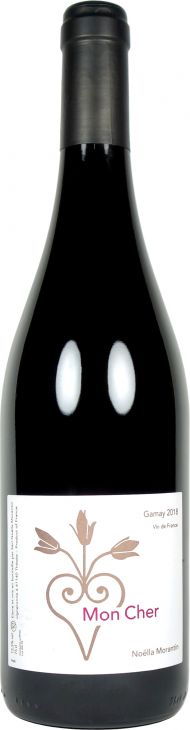
<p>This <glossary title="478">Gamay</glossary> goes into<em> "</em>Mon Cher". <br />
<br />
We then drove over to a new underground <glossary title="254">cellar</glossary> space Noëlla is now renting.</p>
<p><img src="http://louisdressner.com/uploads/images/article/2019_Aug_12//cc/11/cc11fa5daf480096189ba89f2214e888.jpg" /></p>
<p><img src="http://louisdressner.com/uploads/images/article/2019_Aug_12//a3/9d/a39d80646fdd9023bb1e644a1ba3570f.jpg" /></p>
<p>What you see above is the totality of their whites in 2012. The biggest issue was severe <span class="zalup"><span><glossary title="1137">mildew</glossary><span>,</span></span></span> which halted <span class="zalup"><span><glossary title="639">maturities</glossary><span>.</span></span></span> <br />
<br />
<em>"The sap just couldn't circulate."</em><br />
<br />
Noëlla is very happy to have this underground space because it stays cool throughout the year. She was prompted to search for a new <glossary title="254">cellar</glossary> after losing an entire <glossary title="363">cuveé's</glossary> worth of wine due to lack of <span class="zalup"><span><glossary title="1018">temperature control</glossary><span>.</span></span></span><br />
<br />
<em>"One thing you never hear people talk about with </em><glossary title="708"><em>natural wine</em></glossary><em> is </em><glossary title="1018"><em>temperature control</em></glossary><em>. It's SUPER important."</em><br />
<br />
She's also very happy that she can pump the wine into the <glossary title="254">cellar</glossary> by <glossary title="1165">gravity</glossary> through this little window. </p>
<p><img src="http://louisdressner.com/uploads/images/article/2019_Aug_12//61/df/61df8590a070447f26632bb3e7738e4c.jpg" /></p>
<p>After tasting the whites (all off to a good start), we drove to a nearby <glossary title="254">cellar</glossary> where Laurent has his ONE <glossary title="142">barrel</glossary> from the .2 <glossary title="523">hectares</glossary> of <glossary title="927">Sauvignon</glossary> he <glossary title="521">harvested</glossary> in 2012. </p>
<p><img src="http://louisdressner.com/uploads/images/article/2019_Aug_12//97/b2/97b22f896d38a5c5b5687491e6ae7021.jpg" /></p>
<p>There it is:</p>
<p><img src="http://louisdressner.com/uploads/images/article/2019_Aug_12//6e/ab/6eab9a89ed267fafe7e3f271dc2ddc61.jpg" /><br />
<br />
It was really, really good. This <glossary title="142">barrel</glossary> will only produce a few hundred bottles, and he's thinking of calling it "Lucky You". 2013 should mean a bit more of this. <br />
<br />
We ended the visit by going back to <em>La Boudinerie</em> to taste the un-<span class="zalup"><span><glossary title="185">bottled</glossary> </span></span>2012 reds. </p>
<p><img src="http://louisdressner.com/uploads/images/article/2019_Aug_12//6f/bd/6fbd9f36cbca7d9e59d31dfd49afb4d4.jpg" /></p>
<p><img src="http://louisdressner.com/uploads/images/article/2019_Aug_12//86/f1/86f1cfaae57374321d3abaa502a38dee.jpg" /></p>
<p><img src="http://louisdressner.com/uploads/images/article/2019_Aug_12//ab/dc/abdc72aa2e8f83a51062525bbf3a1098.jpg" /></p>
<p><img src="http://louisdressner.com/uploads/images/article/2019_Aug_12//cc/3e/cc3e61f6994dde76d39d1a5c8822b7c0.jpg" /></p>
<p>To wrap things up, Laurent prepared us an epic meal. </p>
<p><img src="http://louisdressner.com/uploads/images/article/2019_Aug_12//a1/82/a1827c014bf85d761b0303228d34672c.jpg" /></p>
<p>We had a hilarious conversation that basically boiled down to:<br />
<br />
<em>"The problem with wine is alchohol. Otherwise I could drink it all day." </em><br />
<br />
I also got inspired from the wax top of Laurent's "La Pause" <span class="zalup"><span><glossary title="478">Gamay</glossary><span>,</span></span></span> which resulted in this:</p>
<p><img src="http://louisdressner.com/uploads/images/article/2019_Aug_12//d6/2a/d62af21b960f36335b0d77f1d0475fff.jpg" /><br />
</p>
<p>Noëlla Morantin, originally from <span class="zalup"><span><glossary title="197">Brittany</glossary><span>,</span></span></span> started making wine in the <glossary title="1036">Touraine</glossary> in 2008. A random encounter with a professor of <glossary title="1103">viticulture</glossary> inspired her to start learning about wine and the hobby quickly became an obsession. In 2001, she quit her job and started <glossary title="1103">viti</glossary>//<glossary title="1104">vini</glossary> school, where she interned with <a href="http://louisdressner.com/producers/Mosse/">Agnès and René Mosse</a> until 2003. In 2004, she met Junko Arai, the owner of the now defunct <glossary title="1036">Touraine</glossary> <glossary title="427">estate</glossary> <em>Les Bois Lucas</em>. The two hit it off and Noëlla was eventually hired as head overseer of the <span class="zalup"><span><glossary title="427">estate</glossary><span>.</span></span></span></p>
<p><em>Bois Lucas</em>' vines had previously been owned by Catherine Roussel and Didier Barrouillet of <a href="http://louisdressner.com/producers/Roche/">Clos Roche Blanche</a>. Working in close proximity to each other served as a natural way for Noëlla and Didier to get to know each other and the two became friends. In 2008, the decision was made to downsize CRB in half; this coincided with Noëlla's plans of starting her own <span class="zalup"><span><glossary title="427">estate</glossary><span>,</span></span></span> so she jumped on the opportunity when Didier proposed she rent some of his vines.<br />
<br />
Up until 2016, Noëlla rented 8.5 <glossary title="523">hectares</glossary> of vines from ex-Clos<strong> </strong>Roche Blanche land. With Catherine and Didier's retirement along <a href="http://louisdressner.com/producers/Pineau/">Julien Pineau</a> and Laurent Saillard's acquisition of the land, Noëlla had to source other <glossary title="760">parcels</glossary> to rent, particularly for <glossary title="478">Gamay</glossary> and <span class="zalup"><span><glossary title="366">Côt</glossary><span>.</span></span></span> She eventually purchased four <glossary title="523">hectares</glossary> of land she worked with at <em>Bois Lucas</em>, and later the "Les Pichiaux" and "Chez Charles" <glossary title="760">parcels</glossary> that produce her <glossary title="959">single parcel </glossary><glossary title="927">Sauvignons</glossary>. Today she owns all of her vines, six <glossary title="523">hectares</glossary> in total. She also buys fruit as a <glossary title="729">négociant</glossary> to produce a few entry level <span class="zalup"><span><glossary title="363">cuvées</glossary><span>.</span></span></span> <br />
<br />
<span class="zalup"><span><glossary title="927">Sauvignon Blanc</glossary><span>,</span></span></span> <span class="zalup"><span><glossary title="478">Gamay</glossary><span>,</span></span></span> <glossary title="366">Côt</glossary> and <glossary title="216">Cabernet Franc</glossary> are cultivated (Noëlla ripped out her <glossary title="217">Cabernet Sauvignon</glossary> in 2019 to plant <glossary title="867">Romorantin</glossary>). The vines are tended <glossary title="746">organically</glossary> (<glossary title="260">certified</glossary> by <glossary title="413">Ecocert</glossary> in 2008), and the wine is <glossary title="1104">vinified</glossary> without intervention or manipulation. Almost everything <glossary title="441">ferments</glossary> in large <glossary title="1126">wooden</glossary> <span class="zalup"><span><glossary title="1140">vats</glossary><span>.</span></span></span></p>
<p>Other than the "Marie-Rose" (a <glossary title="217">Cabernet Sauvignon</glossary> <glossary title="871">rosé</glossary> named after Noëlla's grandmothers), all wines are <glossary title="74">aged</glossary> a year to a year and a half in old <span class="zalup"><span><glossary title="142">barrels</glossary><span>,</span></span></span> which differs from the vast majority of <glossary title="1036">Touraine</glossary> wines, which get released in the early Spring. Not wanting to deal with <glossary title="108">AOC</glossary> politics, Noëlla intentionally <glossary title="383">declassifies</glossary> all her <glossary title="363">cuvées</glossary> to <span class="zalup"><span><glossary title="1092">Vin de France</glossary><span>.</span></span></span></p>
<p><em>This interview took place at La Boudinerie, Noëlla Morantin's home, in June 2011. Much of the information is outdated and has been updated on Noëlla's producer profile.</em></p>
<p><strong>Tell us about your estate.</strong><br />
<br />
I currently work 8 1/2 <glossary title="523">hectares</glossary> in <glossary title="821">Pouillé</glossary> in the <span class="zalup"><span><glossary title="601">Loire-et-Chere</glossary><span>.</span></span></span> At the moment I rent 6 1/2 <glossary title="523">hectares</glossary> from the<strong> </strong>Clos Roche Blanche and 2 <glossary title="523">hectares</glossary> at the bottom of <span class="zalup"><span><glossary title="821">Pouillé</glossary><span>.</span></span></span> I work and <glossary title="1104">vinify</glossary> five <span class="zalup"><span><glossary title="1071">varietals</glossary><span>:</span></span></span> <span class="zalup"><span><glossary title="927">Sauvignon Blanc</glossary><span>,</span></span></span> <span class="zalup"><span><glossary title="271">Chardonnay</glossary><span>,</span></span></span> <span class="zalup"><span><glossary title="478">Gamay</glossary><span>,</span></span></span> <glossary title="366">Côt</glossary> and <span class="zalup"><span><glossary title="217">Cabernet Sauvignon</glossary><span>.</span></span></span> I purchased all of my fruit for the 2008 <glossary title="1109">vintage</glossary> and I've been renting from<strong> </strong>Clos Roche Blanche since 2009. <br />
<br />
<strong>Did you have a previous career before wine?</strong><br />
<br />
I'm originally from Pornic, a small town bordering the Atlantic ocean. My father always had a little vineyard, and I'd do the <glossary title="521">harvest</glossary> every year. We'd make wine for personal consumption: a <glossary title="142">barrel</glossary> of red and a <glossary title="142">barrel</glossary> of white. I always drank and liked wine as far back as I can remember.<br />
<br />
Anyhow, I used to be a marketing director for a communications company. I was terribly bored at my job and one night I randomly met a professor of <glossary title="1103">viticulture</glossary> in a bistro. He suggested I give it a shot, so I did. At that point I had no intention of becoming a <span class="zalup"><span><glossary title="1089">vigneronne</glossary><span>.</span></span></span> I just wanted to learn more about wine. But things just progressed, happened naturally, and here I am!<br />
<br />
<strong>How did you end up in the Loire?</strong><br />
<br />
I got my <glossary title="205">BTS</glossary> in <glossary title="78">agriculture</glossary>/<glossary title="422">oenology</glossary> in 2004, at which point I was also working for Agnès and René Mosse (from 2001 to 2003). I then spent a winter with Marc Pesnot in the <span class="zalup"><span><glossary title="697">Muscadet</glossary><span>.</span></span></span> That same winter I decided to go to the<glossary title="904"> Salon de Vins de Loire</glossary> where I met Junko Arai from <em>Bois Lucas</em>. Junko lives in Tokyo and was looking for someone to replace Pascal Potaire as main overseer of the <span class="zalup"><span><glossary title="427">estate</glossary><span>.</span></span></span> She hired me in 2004, and in the first few months I was trained by Pascal. I worked there until 2008, and when I started looking for vines to work under my name, Didier and Catherine from<strong> </strong>Clos Roche Blanche thought of me.<br />
<br />
<strong>How would you distinguish your wines from Clos Roche Blanche?</strong><br />
<br />
The approach is different. I follow my instincts and sensibilities and I think that makes my wines stand out. <br />
<br />
<strong>What's the work like in the vines?</strong><br />
<br />
We work them how we see fit. My partner Laurent does a lot of the vine work and we make decisions together based on what we think needs to be done at any given point. I think it's of utmost importance to be in the vines every day in order to really grasp what they need. We work the soils, try to get rid of grass and make sure not to "<glossary title="866">rogne</glossary>" too early so the wines can have a nice <span class="zalup"><span><glossary title="71">acidity</glossary><span>.</span></span></span> <br />
<br />
<strong>And in the cellar? </strong><br />
<br />
As naturally as possible, and with no <span class="zalup"><span><glossary title="545">intervention</glossary><span>.</span></span></span> I follow my wines closely and stay attentive to the <glossary title="1104">vinification</glossary> process from start to finish. I also <glossary title="74">age</glossary> my wines in <glossary title="142">barrel</glossary> for a long time, which in 2009 was a big risk since it meant that I wouldn't have any wine to sell in 2010. Still, I knew it had to be done. <br />
<br />
For example the "Chez Charles" and "Terres Blanches" were <glossary title="521">harvested</glossary> in 2009 and <glossary title="185">bottled</glossary> in March 2011 and the 2010 <glossary title="478">Gamay</glossary> was bottled in April 2011. And now that I can see and taste the result, I know I made the right decision and have no regrets. <br />
<br />
For me it's about adapting to each <span class="zalup"><span><glossary title="">vintage</glossary><span>.</span></span></span> I don't want my <glossary title="254">cellar</glossary> work to follow a strict agenda. I don't want to say: "everything will be <glossary title="185">bottled</glossary> in March!" If you don't adapt, you won't always reach the full potential of the <span class="zalup"><span><glossary title="1109">vintage</glossary><span>.</span></span></span> <br />
<br />
<strong>Have you always worked organically?</strong><br />
<br />
I would not be making wine if I wasn't working <glossary title="746">organic</glossary> vineyards. And I wouldn't be making wine if it wasn't <span class="zalup"><span><glossary title="708">natural wine</glossary><span>.</span></span></span><br />
<br />
<strong>Speaking of "natural wine", tell us how you feel about this whole movement of winemaking?</strong><br />
<br />
It's become very trendy in the last few years in France and a lot of <glossary title="1089">vignerons</glossary> claiming to make <glossary title="708">natural wines</glossary> are lying to their customers to help increase their sales. As far as I'm concerned, I fully support the movement and consider myself part of it. I make <span class="zalup"><span><glossary title="708">natural wine</glossary><span>.</span></span></span> <br />
<br />
From the work in the vineyard to the bottle sitting on your table, there has been no <glossary title="279">chemical</glossary> <glossary title="545">intervention</glossary> whatsoever, just a tiny bit of <glossary title="993">sulfur</glossary> at <glossary title="185">bottling</glossary> to help preserve the wine. <br />
<br />
Now maybe because I add a gram of <glossary title="993">sulfur</glossary> at <glossary title="185">bottling</glossary> some winemakers might accuse me of not making "real" <span class="zalup"><span><glossary title="708">natural wine</glossary><span>,</span></span></span> but those same people also tend to make a lot of vinegar. When I was at <em>Bois Lucas</em>, I made some <glossary title="993">sulfur</glossary> free wine, and I made wine with a gram of <glossary title="993">sulfur</glossary> at <glossary title="185">bottling</glossary> like I do now. The <glossary title="993">sulfured</glossary> wines were much better! They were more balanced and when I analyzed them a year later, that gram of <glossary title="993">sulfur</glossary> had disappeared. <br />
<br />
Once the wine is finished and ready to be <glossary title="185">bottled</glossary> you can't really harm or manipulate it, and I don't think a small amount of <glossary title="993">sulfur</glossary> will affect the wine negatively. You can keep a bottle of "Chez Charles" open for a week and it won't budge. It's very resistant to <glossary title="754">oxidation</glossary> and won't fall apart. This isn't because of <span class="zalup"><span><glossary title="993">sulfur</glossary><span>,</span></span></span> it's because of the work in the vines. <br />
<br />
All this to say that I am not against <glossary title="993">sulfur</glossary> free wine; the <glossary title="778">pétillant naturel</glossary> I make is <glossary title="993">sulfur</glossary> free, but that's because it has a lot of gas and the risks of it falling apart without <glossary title="993">sulfur</glossary> are much lower. <br />
<br />
<strong>You only bottle as Vin de France as opposed to the Touraine AOC. Can you tell us how you came to this choice?</strong><br />
<br />
From the get-go I wanted to make <span class="zalup"><span><glossary title="1092">Vin de France</glossary><span>,</span></span></span> but a lot of people advised me against it. They told me that it was important to defend and take pride in your <span class="zalup"><span><glossary title="113">appellation</glossary><span>,</span></span></span> and I reluctantly started making <glossary title="108">AOC</glossary> wines. Unfortunately, I quickly realized that the majority of the <glossary title="108">AOC</glossary> wine being produced in my region came from <span class="zalup"><span><glossary title="331">conventional</glossary><span>,</span></span></span> <glossary title="279">chemical</glossary> farming and <glossary title="422">oenological</glossary> manipulation in the <span class="zalup"><span><glossary title="254">cellar</glossary><span>.</span></span></span> <br />
<br />
These people have <glossary title="113">appellation</glossary> <glossary title="927">Sauvignon</glossary> because they've used an <glossary title="321">industrial yeast </glossary>that makes the wine smell like cat piss. If it doesn't smell like cat piss, you don't get the <span class="zalup"><span><glossary title="113">appellation</glossary><span>.</span></span></span> That was my first big problem with the <glossary title="108">AOC</glossary> system.<br />
<br />
The final straw was last year when there was an issue with my "Boudinerie" 2009. It had 0.24 <span class="zalup"><span><glossary title="1116">volatile acidity</glossary><span>,</span></span></span> and even though 0.9 is the level necessary for the wine to be deemed flawed, the board denied me the <glossary title="108">AOC</glossary> for this <glossary title="363">cuvée</glossary> because of <glossary title="1116">V.A.</glossary> I reanalyzed the wine myself and provided them with the results proving I was well within the limits allowed, and they told me that it didn't matter, that when they had tasted it they had deemed the <glossary title="1116">V.A</glossary> too high and I'd have to present it again in order to reevaluate it. So out of principle, because at this point I'd sold all my wine and there wasn't any left, I re-presented the wine and, lo and behold, this time the wine was ok and they accorded me the <span class="zalup"><span><glossary title="108">AOC</glossary><span>.</span></span></span><br />
<br />
At that point I told myself I didn't need these people to tell me what to do. I'm perfectly capable of making the wines I want to make without having the <glossary title="108">AOC</glossary> boss me around. <br />
<br />
<strong>What do you like to drink?</strong><br />
<br />
Other people's wines! I'm always drinking mine so whenever I can drink someone else's I jump on the opportunity! I love Eric Pfifferling's wines. I love Marc Pesnot. I love René Mosse's <glossary title="105">Anjou</glossary> <span class="zalup"><span><glossary title="163">Blancs</glossary><span>.</span></span></span></p>
Article
producer visit12.08.2019
This visit with Noëlla Morantin took place in July, 2013
<p><strong><em>This visit with Noëlla Morantin took place in July, 2013.</em></strong></p>
<p><strong><em>Words by Jules Dressner, photos by John Kafarski and Jules Dressner.</em></strong></p>
<p>I'm not sure if this is common knowledge, but Clos Roche Blanche, Maisons Brûlées, and Noëlla Morantin's houses are all extremely close to each other. So close, in fact, that if you look closely at the pictures from the visits, you will spot the same "<glossary title="1036">Touraine</glossary>" water tower in the background. </p>
<p><img src="http://louisdressner.com/uploads/images/article/2019_Aug_12//ae/d4/aed42402ff514e23b99fb1e9518fae55.jpg" /></p>
<p>After breakfast, we decided to walk through the<font color="#7b143e"><strong> </strong></font>Clos Roche Blanche to Noëlla's. There is an obvious path you can take, but Didier happened to be in the vines and was heading home (he lives right next to Noëlla), so he showed us his secret shortcut. </p>
<p><img src="http://louisdressner.com/uploads/images/article/2019_Aug_12//63/c8/63c86682a4ed819731525cc66f29ba66.jpg" /></p>
<p><img src="http://louisdressner.com/uploads/images/article/2019_Aug_12//23/d9/23d922b5c160e0aaa8531412557a4635.jpg" /></p>
<p>After a beautiful 15 minute walk through the woods, we'd arrived to <em>La Boudinerie</em>, the old farm where Didier and Noëlla live. </p>
<p><img src="http://louisdressner.com/uploads/images/article/2019_Aug_12//68/64/6864860077835167db84b18bcfc4e837.jpg" /></p>
<p><img src="http://louisdressner.com/uploads/images/article/2019_Aug_12//73/87/7387562f7ebde27ca3dbfe2adf802189.jpg" /></p>
<p>The surrounding vines you see above go into the "Chez Charles" <span class="zalup"><span><glossary title="217">Sauvignon</glossary><span>.</span></span></span> <br />
<br />
<em>"It's very different than the rest. While the other </em><glossary title="760"><em>parcels</em></glossary><em> are on </em><glossary title="301"><em>clay</em></glossary><em> and </em><glossary title="455"><em>flint</em></glossary><em>, here it's very </em><glossary title="93"><em>alluvial</em></glossary><em> and </em><glossary title="909"><em>sandy</em></glossary><em>. A friend told me it reminds them of the soils of </em><glossary title="968"><em>Sologne</em></glossary><em>."</em><br />
<br />
Upon arrival, we were immediately greeted by ex-Brooklynite Panache. </p>
<p><img src="http://louisdressner.com/uploads/images/article/2019_Aug_12//89/08/8908d7a9269ba665e16376d17c101c0d.jpg" /></p>
<p>He didn't mind saying hello, but since he was in the middle of lunch, he promptly got back to chomping down. </p>
<p><img src="http://louisdressner.com/uploads/images/article/2019_Aug_12//e1/8b/e18bba02430af2bcd721f81d8041d9bf.jpg" /></p>
<p>Seriously, that looks better than some meals I've paid good money for!<br />
<br />
We also got to meet Piggy!</p>
<p><img src="http://louisdressner.com/uploads/images/article/2019_Aug_12//82/a7/82a7cc42ad19d6bc0fbdc886d3dea482.jpg" /></p>
<p><img src="http://louisdressner.com/uploads/images/article/2019_Aug_12//47/35/4735ae534ae39b1aeced5fc660e02784.jpg" /></p>
<p><img src="http://louisdressner.com/uploads/images/article/2019_Aug_12//ff/f0/fff014d1c34898d5042cab8f2d068995.jpg" /></p>
<p>As cute and adorable as Piggy looks, we all know what's going to happen down the line (eating him). Laurent and Noëlla's last pig was called Copain (<em>buddy</em>), and this time Laurent hasn't given him an affectionate name for fear of getting attached to the animal. As Didier Barrouillet stated the night before:<br />
<br />
<em>"I helped slay Copain, and it was a very hard experience for me. I'd done it once before in my youth, but with that pig I had no emotional connection. This was really tough. I have some chickens I have to slay in couple of days and I've decided to call them Thigh and Juicy, to remind myself of their alimentary purpose. You have to stay emotionally detached. Otherwise it's too hard." </em><br />
<br />
For the record, I met Copain when he was alive and have eaten at least five different parts of his body in all types of various concoctions, including the lunch that would follow this visit. He was delicious, and lasted Laurent, Noëlla, Didier and Catherine over a year. One pig a year to feed four? Not too bad on waste. <br />
<br />
After a bit of chit-chat, we set off to visit Noëlla's recently acquired three <glossary title="523">hectares</glossary> of <span class="zalup"><span><glossary title="927">Sauvignon Blanc</glossary><span>.</span></span></span></p>
<p><img src="http://louisdressner.com/uploads/images/article/2019_Aug_12//25/5f/255f93eb86e67248eed78e46dbcf6294.jpg" /></p>
<p><img src="http://louisdressner.com/uploads/images/article/2019_Aug_12//73/bf/73bfb7e278c86b627fd6d1df8f17ae14.jpg" /></p>
<p><img src="http://louisdressner.com/uploads/images/article/2019_Aug_12//fe/86/fe86f59b8524bdcdcc3881da7196f0a4.jpg" /></p>
<p><img src="http://louisdressner.com/uploads/images/article/2019_Aug_12//d1/10/d110e84417124cd12cd38ced8b9db1fa.jpg" /></p>
<p><img src="http://louisdressner.com/uploads/images/article/2019_Aug_12//81/c0/81c0624f860e52f5614de6614bf2ec03.jpg" /></p>
<p>These vines used to be part of the now defunct <em>Bois Lucas</em> <span class="zalup"><span><glossary title="427">estate</glossary><span>.</span></span></span> And since Noëlla was in charge of <em>Bois Lucas</em> before starting her own operation, she is already extremely familiar with the land. Still, the vines had been pseudo-abandoned for years and were a total mess when she reclaimed them, with wild Acacia trees between the vines and an insane amount of grass everywhere. Fortunately, the vines were planted in 1948 and 1968, so their foundation was still strong. These will produce a yet to be named new <span class="zalup"><span><glossary title="363">cuvée</glossary><span>.</span></span></span><br />
<br />
Interesting aside: A small amount of <glossary title="1130">young vines</glossary> planted in 2002 spent 10 years buried underground from abandonment. Incredibly, they were still alive and Laurent was able to salvage them. <br />
<br />
Just a bit further down, we visited a .8<glossary title="523">h</glossary> <glossary title="760">parcel</glossary> of very old <span class="zalup"><span><glossary title="478">Gamay</glossary><span>.</span></span></span> </p>
<p><br />
<img src="http://louisdressner.com/uploads/images/article/2019_Aug_12//4f/c2/4fc27a3f51a39cc5c502f11de48d6e46.jpg" /></p>
<p><img src="http://louisdressner.com/uploads/images/article/2019_Aug_12//b9/4d/b94dbcfb6119fe2a5a2a184ba0e3194f.jpg" /></p>
<p>Laurent explained that the very small <glossary title="1138">bunches</glossary> from these vines make very good juice. The soil here is composed of less compact <glossary title="301">clay</glossary> with lots of rocks (these loosen the soil).</p>
<p><img src="http://louisdressner.com/uploads/images/article/2019_Aug_12//84/f7/84f70ae8db7e82b5871bfb70403ae355.jpg" /></p>
<p>This <glossary title="478">Gamay</glossary> goes into<em> "</em>Mon Cher". <br />
<br />
We then drove over to a new underground <glossary title="254">cellar</glossary> space Noëlla is now renting.</p>
<p><img src="http://louisdressner.com/uploads/images/article/2019_Aug_12//cc/11/cc11fa5daf480096189ba89f2214e888.jpg" /></p>
<p><img src="http://louisdressner.com/uploads/images/article/2019_Aug_12//a3/9d/a39d80646fdd9023bb1e644a1ba3570f.jpg" /></p>
<p>What you see above is the totality of their whites in 2012. The biggest issue was severe <span class="zalup"><span><glossary title="1137">mildew</glossary><span>,</span></span></span> which halted <span class="zalup"><span><glossary title="639">maturities</glossary><span>.</span></span></span> <br />
<br />
<em>"The sap just couldn't circulate."</em><br />
<br />
Noëlla is very happy to have this underground space because it stays cool throughout the year. She was prompted to search for a new <glossary title="254">cellar</glossary> after losing an entire <glossary title="363">cuveé's</glossary> worth of wine due to lack of <span class="zalup"><span><glossary title="1018">temperature control</glossary><span>.</span></span></span><br />
<br />
<em>"One thing you never hear people talk about with </em><glossary title="708"><em>natural wine</em></glossary><em> is </em><glossary title="1018"><em>temperature control</em></glossary><em>. It's SUPER important."</em><br />
<br />
She's also very happy that she can pump the wine into the <glossary title="254">cellar</glossary> by <glossary title="1165">gravity</glossary> through this little window. </p>
<p><img src="http://louisdressner.com/uploads/images/article/2019_Aug_12//61/df/61df8590a070447f26632bb3e7738e4c.jpg" /></p>
<p>After tasting the whites (all off to a good start), we drove to a nearby <glossary title="254">cellar</glossary> where Laurent has his ONE <glossary title="142">barrel</glossary> from the .2 <glossary title="523">hectares</glossary> of <glossary title="927">Sauvignon</glossary> he <glossary title="521">harvested</glossary> in 2012. </p>
<p><img src="http://louisdressner.com/uploads/images/article/2019_Aug_12//97/b2/97b22f896d38a5c5b5687491e6ae7021.jpg" /></p>
<p>There it is:</p>
<p><img src="http://louisdressner.com/uploads/images/article/2019_Aug_12//6e/ab/6eab9a89ed267fafe7e3f271dc2ddc61.jpg" /><br />
<br />
It was really, really good. This <glossary title="142">barrel</glossary> will only produce a few hundred bottles, and he's thinking of calling it "Lucky You". 2013 should mean a bit more of this. <br />
<br />
We ended the visit by going back to <em>La Boudinerie</em> to taste the un-<span class="zalup"><span><glossary title="185">bottled</glossary> </span></span>2012 reds. </p>
<p><img src="http://louisdressner.com/uploads/images/article/2019_Aug_12//6f/bd/6fbd9f36cbca7d9e59d31dfd49afb4d4.jpg" /></p>
<p><img src="http://louisdressner.com/uploads/images/article/2019_Aug_12//86/f1/86f1cfaae57374321d3abaa502a38dee.jpg" /></p>
<p><img src="http://louisdressner.com/uploads/images/article/2019_Aug_12//ab/dc/abdc72aa2e8f83a51062525bbf3a1098.jpg" /></p>
<p><img src="http://louisdressner.com/uploads/images/article/2019_Aug_12//cc/3e/cc3e61f6994dde76d39d1a5c8822b7c0.jpg" /></p>
<p>To wrap things up, Laurent prepared us an epic meal. </p>
<p><img src="http://louisdressner.com/uploads/images/article/2019_Aug_12//a1/82/a1827c014bf85d761b0303228d34672c.jpg" /></p>
<p>We had a hilarious conversation that basically boiled down to:<br />
<br />
<em>"The problem with wine is alchohol. Otherwise I could drink it all day." </em><br />
<br />
I also got inspired from the wax top of Laurent's "La Pause" <span class="zalup"><span><glossary title="478">Gamay</glossary><span>,</span></span></span> which resulted in this:</p>
<p><img src="http://louisdressner.com/uploads/images/article/2019_Aug_12//d6/2a/d62af21b960f36335b0d77f1d0475fff.jpg" /><br />
</p>