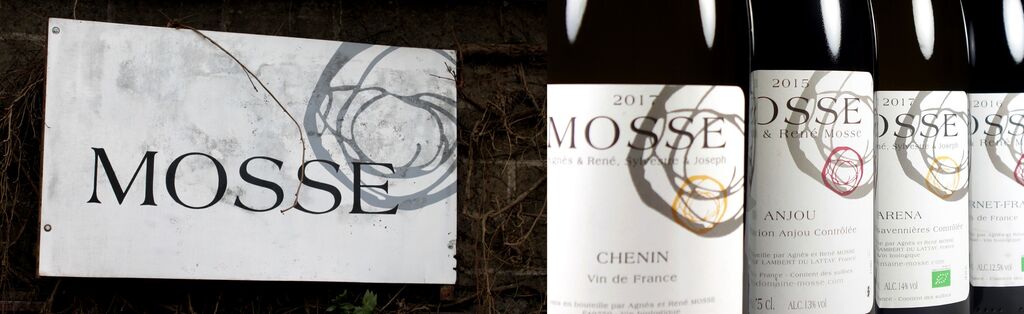
producer profile
14.06.2019
Agnès et René Mosse Producer Profile
<p>Agnès and René Mosse, along with their sons Joseph and Sylvestre, live and work in the village of <span class="zalup"><span><glossary title="983">St-Lambert-du-Lattay</glossary><span>,</span></span></span> a village in the <glossary title="349">Coteaux-du-Layon</glossary> area of <span class="zalup"><span><glossary title="105">Anjou</glossary><span>.</span></span></span> <glossary title="">The</glossary> <glossary title="584">Layon</glossary> is a small <glossary title="1046">tributary</glossary> to the <glossary title="603">Loire</glossary> that lazily digs its way through well <glossary title="430">exposed</glossary> and drained hills of <glossary title="933">schist</glossary> and <span class="zalup"><span><glossary title="910">sandstone</glossary><span>.</span></span></span> Its <glossary title="656">micro-climate</glossary> allows for a long <span class="zalup"><span><glossary title="1163">hang-time</glossary><span>,</span></span></span> and when the mornings are foggy in the fall, with no rain, <glossary title="181">botrytis</glossary> develops easily on the <glossary title="281">Chenin</glossary> grapes.</p>
<p>Before becoming vignerons, the Mosse had owned a wine-bar/retail shop hybrid in <span class="zalup"><span><glossary title="1038">Tours</glossary><span>.</span></span></span> They credit the great <glossary title="1089">vignerons</glossary> they met there, among them Jo Pithon and François Chidaine, as the impetus to become winemakers. The couple studied <glossary title="1103">viticulture</glossary> and <glossary title="422">oenology</glossary> at the agricultural lycée in <glossary title="100">Amboise</glossary> where two of their teachers were Thierry Puzelat (<a href="https://louisdressner.com/producers/clos%20du%20tue-boeuf">Clos du Tue-Boeuf</a>) and Christian Chaussard (<a href="https://louisdressner.com/producers/domaine%20le%20briseau%7Cnana,%20vins%20et%20cie">Domaine le Briseau</a>).<br />
<br />
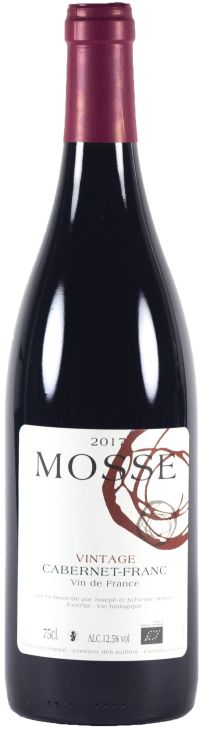
After graduating, the Mosse spent two years working in <glossary title="368">Côte-de Beaune</glossary><glossary title="368"> </glossary>before buying their <glossary title="427">estate</glossary> in <glossary title="983">St-Lambert</glossary> in 1999. They currently work 17<strong> <glossary title="523">hectares</glossary></strong> of vines, most of them planted with <glossary title="281">Chenin Blanc</glossary> (9<glossary title="523">HA</glossary>), and <glossary title="216">Cabernet Franc </glossary>(3 <glossary title="523">HA</glossary>), the rest planted with <span class="zalup"><span> <glossary title="478">Gamay</glossary><span>,</span></span></span> <span class="zalup"><span><glossary title="271">Chardonnay</glossary><span>,</span></span></span> <glossary title="513">Grolleau</glossary> <glossary title="512">Gris</glossary> and <span class="zalup"><span><glossary title="513">Noir</glossary><span>.</span></span></span><br />
<br />
They adopted <glossary title="746">organic</glossary> <glossary title="1103">viticulture</glossary> techniques from the start, <glossary title="810">plowing</glossary> between and under the rows, and use <glossary title="160">biodynamic</glossary> preparations to treat the vines and soil. In their area of "<glossary title="105">Anjou</glossary> Noir" (Black <span class="zalup"><span> <glossary term="Anjou" title="105">Anjou</glossary><span>,</span></span></span> so called because of the dark color of the soils of <glossary title="961">slate</glossary> and <glossary title="1117">volcanic</glossary> rocks), the soils are shallow, with <glossary title="991">subsoils</glossary> of <glossary title="933">schist</glossary> and <span class="zalup"><span><glossary title="910">sandstone</glossary><span>,</span></span></span> and varying amounts of <glossary title="301">clay</glossary> on the <span class="zalup"><span><glossary title="1032">surface</glossary><span>.</span></span></span><br />
<br />
With all the efforts put into vineyard work, it is equally important to them to <glossary title="1104">vinify</glossary> in a <glossary title="708">natural</glossary> fashion, and they are particularly attentive to minimizing manipulations and the use of <span class="zalup"><span><glossary title="993">sulfur</glossary><span>.</span></span></span> All the wines are <span class="zalup"><span><glossary title="142">barrel</glossary><span>-</span></span></span><glossary title="441">fermented</glossary> and <span class="zalup"><span><glossary title="74">aged</glossary><span>.</span></span></span> The whites usually go through their <span class="zalup"><span><glossary title="622">malolactic fermentation</glossary><span>.</span></span></span> The <glossary title="142">barrels</glossary> are renewed as needed, but are always older as to not impart <glossary title="731">oak</glossary> flavors.</p>
<p><u><strong>2020 Update:</strong></u></p>
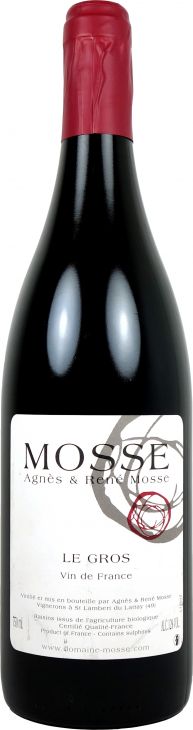
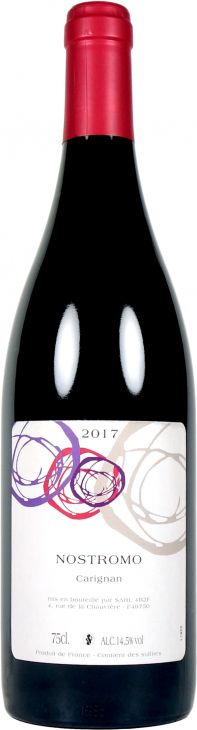
<p>René is technically retired, Agnès still works. Syvlestre and Joseph both came on board in the early 2010's (what are we supposed to call these? The tens?) and have been making the wines since 2014. The only major changes in the production of the historic <glossary title="427">estate</glossary> wines have been to rip out most of the <glossary title="217">Cabernet Sauvignon</glossary> to focus exclusively on <glossary title="216">Cabernet Franc</glossary> and the decision in 2016 to pass the entirery of the <glossary title="105">Anjou</glossary> production into <span class="zalup"><span><glossary title="1092">Vin de France</glossary><span>.</span></span></span> Otherwise, the brothers have been having fun creating new <glossary title="363">cuvées</glossary> from their own <glossary title="427">estate</glossary> fruit as well as with purchased grapes through the family's <glossary title="729">négociant</glossary> license 4B2F.</p>
Article
interview
14.06.2019
An Interview with René Mosse from 2011
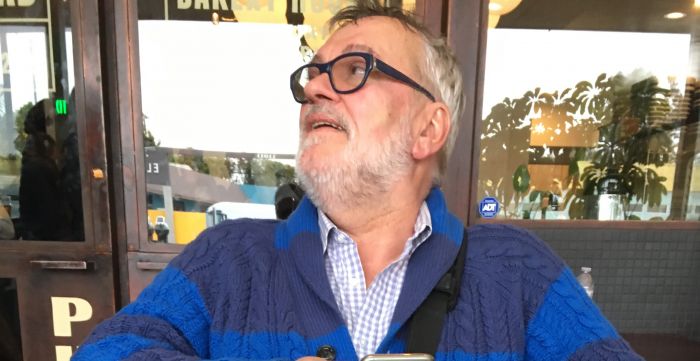
<p><em>This interview with René Mosse took place in his dining room in June 2011.</em></p>
<p><strong>Tell us about the history of the estate. </strong><br />
<br />
We arrived in <glossary title="105">Anjou</glossary> in 1999 to take over a family <glossary title="427">estate</glossary> that had no successor. The owner was about to retire and we purchased the land from him. At the time the <glossary title="427">estate</glossary> was 9 1/2 <glossary title="523">hectares</glossary> of vines, and today we work 17. Over the years, we've replanted a lot of <glossary title="760">parcels</glossary> as well as acquiring <glossary title="760">parcels</glossary> of <span class="zalup"><span><glossary title="216">Cabernet Franc</glossary><span>.</span></span></span> We're still in the process of ameliorating the <span class="zalup"><span><glossary title="1130">vineyard</glossary><span>,</span></span></span> a work which we feel is never finished. Prior to our arrival the vines had gone through three generations of intensive <glossary title="279">chemical</glossary> <span class="zalup"><span><glossary title="1103">viticulture</glossary><span>,</span></span></span> so from day one we started slowly <glossary title="332">converting</glossary> the vines <glossary title="760">parcel</glossary> by <glossary title="760">parcel</glossary> to <glossary title="746">organic </glossary> <span class="zalup"><span><glossary title="1103">viticulture </glossary><span>-</span></span></span>and since 2001- to <glossary title="160">biodynamic</glossary> <span class="zalup"><span><glossary title="1103">viticulture</glossary><span>.</span></span></span> <br />
<br />
<strong>How did you end up a vigneron?</strong><br />
<br />
I worked all types of jobs before I ended up where I am now. Prior to purchasing the <span class="zalup"><span><glossary title="427">estate</glossary><span>,</span></span></span> I had a wine bar/bistro in <glossary title="1038">Tours</glossary> with Agnès where you could drink a bottle in house or take it to go. This led to meeting a bunch of <glossary title="1089">vignerons</glossary> from the <span class="zalup"><span><glossary title="602">Loire</glossary><span>,</span></span></span> most notably Christian Chaussard and Francois Chidaine. We became friends, hung out and this was my first real exposure to the <glossary title="1130">vineyard</glossary> and the <span class="zalup"><span><glossary title="254">cellar</glossary><span>.</span></span></span> <br />
<br />
I eventually stopped working in <glossary title="1038">Tours</glossary> and for a period of time I was a cook for various <span class="zalup"><span><glossary title="1089">vignerons</glossary><span>,</span></span></span> which was a lot of fun. They would organize tastings or celebrations and I would cater the food. This is when I really started meeting a lot of <glossary title="1089">vignerons</glossary> and one of them told me about a <glossary title="1103">viticultural</glossary> formation in <glossary title="100">Amboise</glossary> for old people. Oops, I mean adults! <br />
<br />
Agnès and I went through the program together. I then got hired at an <glossary title="427">estate</glossary> in <span class="zalup"><span><glossary title="1036">Touraine</glossary><span>,</span></span></span> where she joined me in the work. After that I worked in <glossary title="212">Burgundy</glossary> for a year and half and once that was done we decided to start our own <glossary title="427">estate</glossary> in 1999. <br />
<br />
<strong>How did you end up in Anjou?</strong><br />
<br />
Ending up in <glossary title="105">Anjou</glossary> was a bit of a coincidence. I'm from the <span class="zalup"><span><glossary title="1036">Touraine</glossary><span>,</span></span></span> where there are <glossary title="113">appellations</glossary> for white <span class="zalup"><span>(<glossary title="1121">Vouvray</glossary><span>,</span></span></span> <glossary title="684">Montlouis</glossary>) and for red <span class="zalup"><span>(<glossary title="288">Chinon</glossary><span>,</span></span></span> <glossary title="191">Bourgueil</glossary>). What's interesting about <glossary title="105">Anjou</glossary> is that you can make red and white wines on the same <span class="zalup"><span><glossary title="1026">terroirs</glossary><span>,</span></span></span> and in <glossary title="1036">Touraine</glossary> this is a rarity. It was also much cheaper to start the <glossary title="427">estate</glossary> here than in one of the <glossary title="113">appellations</glossary> I just mentioned. <br />
<br />
What we soon realized about <glossary title="105">Anjou</glossary> was that selling the wine wouldn't be easy. The average French customer grimaces when you mention <span class="zalup"><span> <glossary title="105">Anjou</glossary><span>.</span></span></span> While a <glossary title="191">Bourgueil</glossary> or <glossary title="1121">Vouvray</glossary> means quality, when they think of <glossary title="105">Anjou</glossary> they think of headaches and stomach pains. <glossary title="1089">Vignerons</glossary> here make wines that are heavily <glossary title="993">sulfured</glossary> and <span class="zalup"><span><glossary title="270">chaptalised</glossary><span>,</span></span></span> and save for a few big houses that put out a quality product, the region has had a hard time fixing its bad reputation.<br />
<br />
I'm glad, however, to say that in the 10+ years we've been working here, there's been a positive evolution. A lot of younger <glossary title="1089">vignerons</glossary> have come here to start their own <span class="zalup"><span><glossary title="427">estates</glossary><span>,</span></span></span> working well and on a smaller scale. Today I am happy being a <glossary title="1089">vigneron</glossary> in <span class="zalup"><span><glossary title="105">Anjou</glossary><span>.</span></span></span> But when we first started we were really worried we'd made a terrible choice. <br />
<br />
<strong>What's the work in the vines like?</strong><br />
<br />
We work the vines <glossary title="746">organically</glossary> and <span class="zalup"><span><glossary title="160">biodynamically</glossary><span>:</span></span></span> no <span class="zalup"><span><glossary title="279">chemicals</glossary><span>,</span></span></span> no <glossary title="526">herbicides</glossary> and we work the soils. We are <glossary title="260">certified organic</glossary> but not <span class="zalup"><span><glossary title="160">biodynamic</glossary><span>.</span></span></span><br />
<br />
<strong>And in the cellar?</strong><br />
<br />
I do everything! No that's not true. <br />
<br />
Once we've <glossary title="521">harvested</glossary> the grapes, the whites are<strong> </strong><glossary title="392">pressed directly</glossary> and put in <glossary title="142">barrels</glossary> the next day. The reds <glossary title="441">ferment</glossary> in <glossary title="986">stainless steel </glossary>and are then <glossary title="74">aged</glossary> in <glossary title="142">barrel</glossary> for about a year. <br />
<br />
<strong>As a member of the A.V.N (Association des vins naturals) tell us how you feel about "natural wine".</strong><br />
<br />
When we started out, "<glossary title="708">natural wine</glossary>", at least the way we speak of it today, did not exist. For us it was all about working <glossary title="746">organically</glossary> in the vines. We never <glossary title="545">intervened</glossary> in the <glossary title="254">cellar</glossary> either, but it was never our intent to be labeled or to be part of a movement. When we started out, a vast majority of <glossary title="1089">vignerons</glossary> who had <glossary title="746">organic</glossary> <glossary title="1130">vineyards</glossary> didn't even know they had them, but had simply always worked that way.<br />
<br />
And when I sold wine in <span class="zalup"><span><glossary title="1038">Tours</glossary><span>,</span></span></span> it was never about if the wine had been <glossary title="542">inoculated</glossary> or <glossary title="270">chaptalised</glossary> or this or that. What we did look for was quality, something that spoke to us when we drank it. When we drank a Bernard Baudry or a Francois Chidaine for example, we could taste the quality, and that was what drew us towards the wine. This was the late 80's/early 90's, and neither of those guys were working <glossary title="746">organically</glossary> at the time. <br />
<br />
I never speak of <glossary title="708">natural wine</glossary> when asked about our wines. For me working as well as you can in the <glossary title="1130">vineyard</glossary> and not intervening in the <glossary title="254">cellar</glossary> is the ONLY way to make exceptional wine. If you ask me I'll tell you it's wine made as <glossary title="708">naturally</glossary> as possible. I have no ties or intent in defending "<glossary title="708">natural wine</glossary>" or being part of this so called movement. A lot of the stuff coming from these<font color="#7b143e"><b> natural</b></font> winemakers is completely undrinkable and I refuse to be in cahoots with these guys. Quality is what matters. I don't care how your wine was made if it's undrinkable.</p>
Article
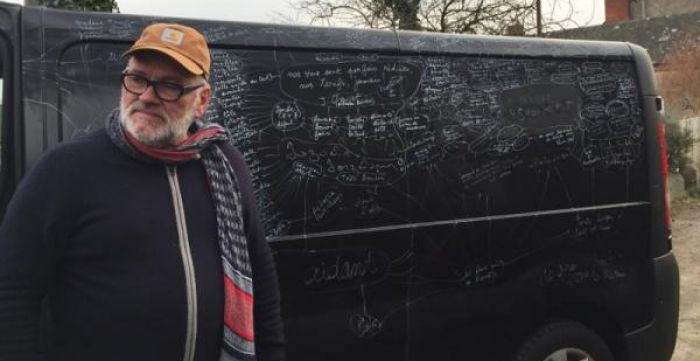
producer visit
09.08.2019
This visit with Agnès and René Mosse took place in January, 2015
<p><strong><em>This visit with Agnès and René Mosse took place in January, 2015.</em></strong></p>
<p><strong><em>Words by Jules Dressner, photos by Noah Oldham, David Sink, Patrick Capiello, Hadley Foss and Josefa Concannon.</em></strong></p>
<p>Upon arrival to Mosse headquarters, we kind of freaked out these two journalists who were there to write a piece about the <span class="zalup"><span><glossary title="427">estate</glossary><span>.</span></span></span></p>
<p><img src="http://louisdressner.com/uploads/images/article/2019_Aug_09//de/bb/debb5d1e2dd49c4cb769b79a3c0c345d.jpg" /><br />
After a big hello with Agnès and René, their son Joseph took us out to the vineyards. </p>
<p><img src="http://louisdressner.com/uploads/images/article/2019_Aug_09//5d/cd/5dcd04712508dde83ce8e2698e6eb809.jpg" /></p>
<p>Joseph is the young man on the left of the picture above. He's 25, had just returned from working with Louis-Antoine Luyt for a year, is obsessed with sneakers and is poised to take over when his parents retire. <br />
<br />
When we told him that my car had gotten obsessed with "<a href="https://www.youtube.com/watch?v=DrQfZ96rX18">Fresh Prince" by Soprano</a> (click that hyperlink if you're a fan of the Will Smith sitcom, totally worth it) he told us that that song was terrible commercial rap and played us something really good that I forgot. Though it was reminiscent to one of my favorite french rap songs of all time, "La Rue Cause" by Karlito (RIP DJ Medhi). </p>
<p><iframe allowfullscreen="" frameborder="0" height="360" src="//www.youtube.com/embed/FSR36o31oB4" width="640"></iframe><br />
<br />
The Mosse family doesn't have any dogs, so here is a picture of one of their chickens. </p>
<p><img src="http://louisdressner.com/uploads/images/article/2019_Aug_09//8f/a2/8fa2331f63de0fdfcf672a633cb644da.jpg" /><br />
The first vineyard we visited was a <glossary title="760">parcel</glossary> of 10 year old vines that contributes to the production of the <span class="zalup"><span> <glossary term="Anjou" title="105">Anjou Blanc</glossary><span>.</span></span></span> <br />
<img src="http://louisdressner.com/uploads/images/article/2019_Aug_09//e1/0b/e10b29d77802ae7f1bf49d457b73ae2c.jpg" /></p>
<p><img src="http://louisdressner.com/uploads/images/article/2019_Aug_09//41/4e/414efe55466c7c7de730e598097fef78.jpg" /></p>
<p>Joseph explained that the majority of the region is defined by <glossary title="301">clay</glossary> <glossary title="1032">topsoil</glossary> with <glossary title="933">schist</glossary> <span class="zalup"><span><glossary title="991">subsoils</glossary><span>,</span></span></span> with the amount of <glossary title="1032">topsoil</glossary> <glossary title="933">schist</glossary> composition varying greatly (chunks, <span class="zalup"><span><glossary title="504">pebbles</glossary><span>,</span></span></span> <glossary title="909">sand</glossary>). There are lots of grains grown in the area as well as a fair amount of cattle raising. For the <span class="zalup"><span><glossary title="1130">young vines</glossary><span>,</span></span></span> they do a very short <glossary title="834">pruning</glossary> in order to limit <glossary title="1129">yields</glossary> from the get go. This helps to avoid having to <glossary title="507">green harvest</glossary> later in the year. <br />
<br />
All of the Mosse's vineyards are located in the <span class="zalup"><span><glossary title="349">Coteaux-du-Layon</glossary><span>,</span></span></span> an area defined by the abundant hillsides that curve and bend alongside the <span class="zalup"><span><glossary title="584">Layon river</glossary><span>.</span></span></span> The hills help induce humidity in the morning but also make for very warm afternoons; this helps <glossary title="181">botrytis</glossary> thrive, which explains why the area has historically produced sweet wines from <span class="zalup"><span><glossary title="721">noble rot</glossary><span>.</span></span></span><br />
<br />
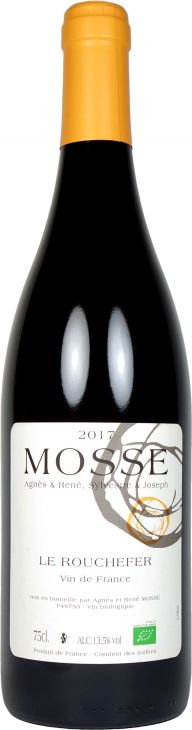
From the young <span class="zalup"><span><glossary title="760">parcel</glossary><span>,</span></span></span> we drove to Le Rouchefer, a <glossary title="760">parcel</glossary> is released as its own <span class="zalup"><span><glossary title="363">cuvée</glossary><span>.</span></span></span></p>
<p><img src="http://louisdressner.com/uploads/images/article/2019_Aug_09//77/67/77679049d8ba5d7cd15273b1ac347653.jpg" /></p>
<p><img src="http://louisdressner.com/uploads/images/article/2019_Aug_09//93/43/93432786a534056c22ab880bd5655c43.jpg" /></p>
<p><img src="http://louisdressner.com/uploads/images/article/2019_Aug_09//38/68/38687d41b40a6c7b987ec3a5a0f6e7bb.jpg" /></p>
<p>Le Rouchefer is a 1.6 <glossary title="523">hectare</glossary> <glossary title="760">parcel</glossary> of 40 year old <glossary title="281">Chenin Blanc</glossary> grown on<span class="zalup"><span> <glossary title="547">iron</glossary><span>-</span></span></span>heavy <glossary title="301">clay</glossary> and <glossary title="504">gravel</glossary> on <span class="zalup"><span><glossary title="933">schist</glossary><span>,</span></span></span> with <glossary title="504">pebbles</glossary> and <glossary title="842">quartz</glossary> at the bottom. As you can see from the photo below, large chunks of <glossary title="933">schist</glossary> are easily found on the <span class="zalup"><span><glossary title="1032">top-soil</glossary><span>.</span></span></span> </p>
<p><img src="http://louisdressner.com/uploads/images/article/2019_Aug_09//13/09/1309f54c1236d174469f281c34a39a01.jpg" /></p>
<p>Directly across the road from the Le Rouchefer, one finds the lovely Marie Besnard<strong> <glossary title="760">parcel</glossary></strong>.</p>
<p><img src="http://louisdressner.com/uploads/images/article/2019_Aug_09//06/d3/06d34ea5c4c2fe88ef114d6bbcb00ba2.jpg" /></p>
<p>These crazy vines are over 100 years old!!!</p>
<p><img src="http://louisdressner.com/uploads/images/article/2019_Aug_09//68/69/6869d6f1b90026de7800c0171447a743.jpg" /></p>
<p><img src="http://louisdressner.com/uploads/images/article/2019_Aug_09//4b/28/4b28789274823092ac8209f4da756d66.jpg" /></p>
<p>René briefly made a "Marie Besnard" <span class="zalup"><span><glossary title="363">cuvée</glossary><span>,</span></span></span> but the vines have become so low <glossary title="1129">yielding</glossary> that he now <glossary title="168">blends</glossary> them with "Le Rouchefer". Also, for reasons unknown to Joseph, the vineyard is named after Marie Besnard, a local woman accused of poisoning 12 people from 1927 to 1949. If you're curious about her, you can get an in-depth bio on her murderpedia page. <br />
<br />
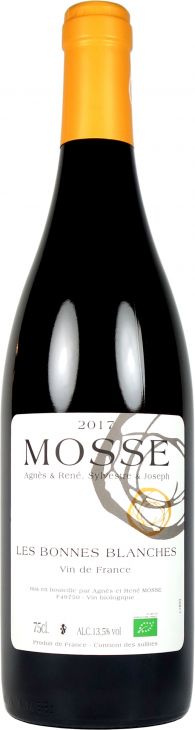
The final <glossary title="740">vineyard</glossary> we visited was Les Bonnes Blanches, from an area widely considered to be the best <glossary title="1026">terroir</glossary> in the <span class="zalup"><span><glossary title="584">Layon</glossary><span>.</span></span></span> </p>
<p><img src="http://louisdressner.com/uploads/images/article/2019_Aug_09//43/26/43263c3a15b005e457c356f9c723f237.jpg" /></p>
<p><img src="http://louisdressner.com/uploads/images/article/2019_Aug_09//63/e5/63e5979e986e8be9da38cdae74caf11f.jpg" /></p>
<p><img src="http://louisdressner.com/uploads/images/article/2019_Aug_09//5d/b0/5db0416161118b92f82a696ce4e8e08c.jpg" /></p>
<p>As you can see, this was the only vineyard the Mosse hadn't yet <span class="zalup"><span><glossary title="834">pruned</glossary><span>.</span></span></span> <br />
<br />
The reasons why this is considered the best is two-fold: first is its ideal proximity to the <span class="zalup"><span><glossary title="584">Layon river</glossary><span>.</span></span></span> This is one of the rare <glossary title="740">vineyards</glossary> that can produce an excellent <glossary title="349">Coteaux-du-Layon</glossary> every year, but the Mosse intentionally <glossary title="521">harvest</glossary> earlier to produce <glossary title="405">dry</glossary> whites. The second is that the soils are composed of shallow, decomposing <glossary title="933">schist</glossary> and <glossary title="842">quartz</glossary> on <glossary title="933">schist</glossary> rock, so the <glossary title="869">roots</glossary> of the vineyards' 40 year old vines can get exceptionally deep, providing an unparalleled amount of <glossary title="662">minerality</glossary> in the wine. <br />
<br />
After a solid vineyard tour, we got to taste all the 2014 <glossary title="143">barrel samples</glossary> as well as some yet to be released 2013's (many of which have now hit the market).</p>
<p><img src="http://louisdressner.com/uploads/images/article/2019_Aug_09//5f/7a/5f7aa1744c0c3b7baa6a4a580d1f88e4.jpg" /><br />
Everything is smack dab delicious, including a CURVEBALL TWIST with the 2014 'Magic of Juju", which is now 90% <glossary title="646">Melon de Bourgogne</glossary> (WAAAAA????)!!!<br />
<br />
More importantly, we ate the ultimate<em> casse-croute</em> lunch thanks to this butcher:</p>
<p><img src="http://louisdressner.com/uploads/images/article/2019_Aug_09//87/61/87610f305deb05b21732d75be7f4f359.jpg" /></p>
<p>In that pot were some fantastic rillettes. But the ham, rillons, cheese and butter were nothing to scoff at!</p>
<p><img src="http://louisdressner.com/uploads/images/article/2019_Aug_09//bd/ed/bdedcc9003f7d0f57d68f1a957c668cc.jpg" /></p>
<p><img src="http://louisdressner.com/uploads/images/article/2019_Aug_09//48/29/4829e826ba33e4f4fe409466abf2829b.jpg" /></p>
<p><img src="http://louisdressner.com/uploads/images/article/2019_Aug_09//24/55/245503a7f9ac46ba86c824df2afd0a8e.jpg" /></p>
<p>So simple. So hearty. So good.<br />
<br />
After lunch, we checked out the <span class="zalup"><span><glossary title="254">cellar</glossary><span>.</span></span></span></p>
<p><img src="http://louisdressner.com/uploads/images/article/2019_Aug_09//c9/90/c9903d2c5b475d648b6709776febfdf4.jpg" /></p>
<p><img src="http://louisdressner.com/uploads/images/article/2019_Aug_09//b1/9e/b19e0467f55adb15a911f087b0f70fc6.jpg" /></p>
<p>The entirety of the Mosse production <glossary title="441">ferments</glossary> and <glossary title="74">ages</glossary> in old <glossary title="731">oak </glossary> <span class="zalup"><span><glossary title="142">barrels</glossary><span>,</span></span></span> often for a really long time. <glossary title="622">Malo</glossary> is a prerequisite on the whites, and often happens on the reds as well. The extended <glossary title="590">lees</glossary> contact on the whites gives them a weight and unctuousness that take the wines to the next level. Also, René leaves a radio on 24/7/365 so that the <glossary title="142">barrels</glossary> can listen to music at all times. <br />
<br />
As we set up to say goodbye, the whole thing got very hug-centric: </p>
<p><img src="http://louisdressner.com/uploads/images/article/2019_Aug_09//51/56/5156d8295c7e56356866a477c91b2569.jpg" /></p>
<p><img src="http://louisdressner.com/uploads/images/article/2019_Aug_09//eb/51/eb5136aa48589640dc35848b236f58e9.jpg" /></p>
<p><img src="http://louisdressner.com/uploads/images/article/2019_Aug_09//9e/0f/9e0ffa46c3c3c8d13700a916df02e108.jpg" /></p>
<p><img src="http://louisdressner.com/uploads/images/article/2019_Aug_09//d1/7c/d17c53ea1f74bc45d7ecd248720ecf4c.jpg" /><br />
</p>
Article

harvest report
29.12.2025
2025 Harvest Report from Joseph Mosse
<p>For Domaine Mosse, 2025 was a vintage that started out great. For example: since we installed our anti-frost tower we haven't seen frost in Anjou in years... almost like nature is laughing at our investments. </p>
<p>Spring was rather nice with little illness in the vines but little to show as far as bunches. So pretty early on, we know 2025 was not going to be a massive crop.</p>
<p>When we got back from our vacations on August 17th, we went to test the maturity of the grapes and were VERY surprised that certain parcels already showed a potential of 11.5%. Our team was supposed to assemble on September 1st. This forced us to put together a team of friends and seasonal working to start picking on August 21st, a record for earliest harvest in the estate's history.</p>
<p>The grapes were in great shape: no sorting, no throwing anything away. Still, there wasn't a tremendous amount to harvest so we ended pretty quickly, on September 10th. The team was young, motivated and super cool.</p>
<p>Following 2023 and 2024, vintages that were vivacious and pretty low in alcohol, 2025 is back to being riper and more generous. The fermentations were pretty slow so we kept a close eye on everything. As far as the wines' profile, it reminds me of 2019 and I anticipate Chenins with great again potential. </p>
<p>In other estate news, thanks to our new, spacious winery, we've begun doing longer elevages on our nicer cuvées like Bonnes Blanches, Arena and Cabernet Franc. We are very happy to finally be able to age the wines the way they should be: in 400L barrels, concrete eggs, foudres... We also organized a nice "portes ouvertes" tasting in June, it was a lot of fun and we look forward to doing it again. </p>
<p><img src="https://louisdressner.com/uploads/images/article//1079/48/ec/48ec61ba6de36bf4cab9f033c667affa.jpg" /><img src="https://louisdressner.com/uploads/images/article//1079/85/0c/850c3adf6d3f238aa7cbb8bc6022069e.jpg" /><img src="https://louisdressner.com/uploads/images/article//1079/11/1e/111e9afb1b7b0371c540ae9f85460b7a.jpg" /><img src="https://louisdressner.com/uploads/images/article//1079/12/c2/12c2924e3cd0bc213be86463c469a855.jpg" /><img src="https://louisdressner.com/uploads/images/article//1079/cc/a2/cca2b98096ed2698a6fecc7d39ac2dd3.jpg" /><img src="https://louisdressner.com/uploads/images/article//1079/61/83/6183406bdd894896d80d204db2844314.jpg" /><img src="https://louisdressner.com/uploads/images/article//1079/83/52/83523932a2329683e45cf3e0d4090bef.jpg" /><img src="https://louisdressner.com/uploads/images/article//1079/95/33/9533982e2293e0dcb880faf54a355e32.jpg" /><img src="https://louisdressner.com/uploads/images/article//1079/0c/82/0c82bdbfad3b94daef4b7d08e0ceff5d.jpg" /><img src="https://louisdressner.com/uploads/images/article//1079/04/3f/043fae4d8a0924e1d255acf4bcb8401d.jpg" /><img src="https://louisdressner.com/uploads/images/article//1079/13/4e/134ecdd4a59455eca5c3c007def70cc9.jpg" /><img src="https://louisdressner.com/uploads/images/article//1079/15/45/1545e19fc34f6a3f29d048e3af10a47e.jpg" /><img src="https://louisdressner.com/uploads/images/article//1079/26/7f/267faac32133f130c73162e2563bd469.jpg" /><img src="https://louisdressner.com/uploads/images/article//1079/b4/7c/b47c195134529c574f815a1cdfe5fba6.jpg" /><img src="https://louisdressner.com/uploads/images/article//1079/1b/e8/1be84fd1b99b4b885fb90584ce4b115e.jpg" /><img src="https://louisdressner.com/uploads/images/article//1079/f1/c4/f1c446c0cf45390c36be0c41609aaca9.jpg" /><img src="https://louisdressner.com/uploads/images/article//1079/be/fd/befd0240479b2622f015ad5849ff570c.jpg" /><img src="https://louisdressner.com/uploads/images/article//1079/1a/97/1a972553d95748e11d29c2bd3e05a65e.jpg" /></p>
Article

harvest report
04.12.2024
2024 Harvest Report from Joseph Mosse
<p><em><strong>“2022 leaves us with the impression that we've seen what the future holds in terms of climate change: spring frost, lack of rain, summer heat.”</strong></em></p>
<p>I wrote this for the 2022 harvest report. I was so wrong. So either I’m a total fool or the climate is changing and unpredictable. Most likely both.</p>
<p>2024 was super rainy and it still is as I’m writing this on December 11th. It’s been raining for pretty much a year here. So we had to adapt our work in the vineyard, no plowing, just cutting the grass, a lot of spraying against mildew. But at the end we had a reasonably good harvest. And we realize how lucky we were this year compared to a lot of other regions of France.</p>
<p>We hired a large team of young and motivated Europeans so the harvest was fast, finished in 3 weeks which is very comfortable compared to some vintages where it seems to last forever.</p>
<p>Yields and maturity were almost normal. The juices are fermenting very slowly in our brand new cellar but we stay patient. You can expect bright acidity and the whole range to be produced this vintage.</p>
<p><br />
<img src="https://louisdressner.com/uploads/images/article//1032/0e/12/0e12ff6b98efdec1011d6834c05ae356.jpg" /><img src="https://louisdressner.com/uploads/images/article//1032/cf/3a/cf3aee79f086c33bc495ba3287c56de3.jpg" /><img src="https://louisdressner.com/uploads/images/article//1032/be/35/be3578d7b5ffac66dd8d542a5cb457e7.jpg" /><img src="https://louisdressner.com/uploads/images/article//1032/c0/d7/c0d7f956338c8e5da51b69195fcd49cf.jpg" /><img src="https://louisdressner.com/uploads/images/article//1032/8f/dd/8fddb44725e40ab2395a47a330013bc0.jpg" /><img src="https://louisdressner.com/uploads/images/article//1032/bf/65/bf658f58e76e60e1695489d9e6aefdc0.jpg" /><img src="https://louisdressner.com/uploads/images/article//1032/6b/7b/6b7baa8da4ec4be0d6ce88ba22f185fb.jpg" /><img src="https://louisdressner.com/uploads/images/article//1032/da/f5/daf57c52280fcfec91afc9558ee0fac4.jpg" /><img src="https://louisdressner.com/uploads/images/article//1032/fc/34/fc34f11bcac037a1bd5816a947b11280.jpg" /><img src="https://louisdressner.com/uploads/images/article//1032/45/65/4565ecdf462907213c87c53a78b929d3.jpg" /><img src="https://louisdressner.com/uploads/images/article//1032/69/71/6971c0779eb93d0bbacde165e87c4054.jpg" /><img src="https://louisdressner.com/uploads/images/article//1032/91/ed/91ed50c09bed27f5804d2a4049a5b116.jpg" /><img src="https://louisdressner.com/uploads/images/article//1032/8b/c6/8bc6b98a1bdc76bcf33b9cf27cb18b33.jpg" /><img src="https://louisdressner.com/uploads/images/article//1032/6d/91/6d914dd4d3d9c7a5e251f7f2cfe85aa3.jpg" /><img src="https://louisdressner.com/uploads/images/article//1032/dd/9c/dd9cffdcb99760d017de31c48c00b27c.jpg" /><img src="https://louisdressner.com/uploads/images/article//1032/46/b3/46b3f09bb29e4a96490ca0a9552ca303.jpg" /><img src="https://louisdressner.com/uploads/images/article//1032/53/17/5317ec87b8b028c5a3db6d3a34c186eb.jpg" /><img src="https://louisdressner.com/uploads/images/article//1032/ed/92/ed92dc0cd7ea4bd05e1fed9f40a867fa.jpg" /></p>
Article
harvest report
26.12.2022
2022 Harvest Report from Joseph Mosse
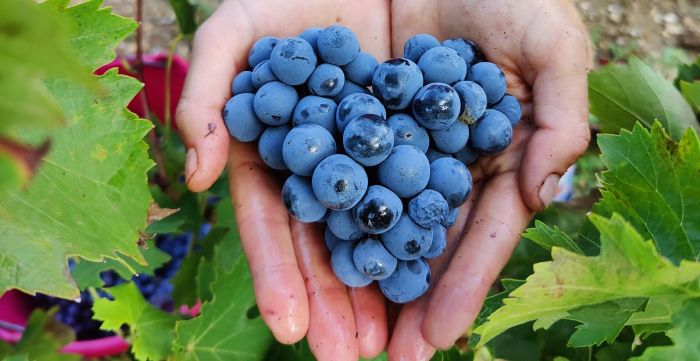
<p>2022 leaves us with the impression that we've seen what the future holds in terms of climate change: spring <span class="zalup"><span><glossary term="Frost" title="1135">frost</glossary><span>,</span></span></span> lack of rain, summer heat.</p>
<p>April 4th we had a very cold morning, going as low as -5°C and freezing some early <span class="zalup"><span><glossary term="Bud" title="206">buds</glossary><span>,</span></span></span> mostly <glossary term="Chenin Blanc" title="281">Chenin</glossary> and <span class="zalup"><span><glossary term="Grolleau" title="513">Grolleau</glossary><span>.</span></span></span> By luck, the <glossary term="Frost" title="1135">frost</glossary> was vey early in the season and didn’t do too much damage.</p>
<p>Spring was really dry, so <glossary term="Oidium" title="737">odium</glossary> and <glossary term="Mildew" title="1137">mildew</glossary> was not a problem this year, very little <glossary term="Contact Treatment" title="328">spraying</glossary> was necessary.</p>
<p>Summer was really warm, sunburning the <glossary term="Chenin Blanc" title="281">Chenins</glossary> and resulting in a severe lack of water for young vines like our <glossary term="Savagnin" title="922">Savagnin</glossary> and <span class="zalup"><span><glossary term="Grolleau" title="513">Grolleau Gris</glossary><span>.</span></span></span> <span class="zalup"><span><glossary term="Cabernet Franc" title="216">Cabernet Franc</glossary><span>,</span></span></span> which needs water to develop properly, is really starting to show that it’s probably not the best choice of variety for this region in the future. It produced little fruit, with thick skins and as much seeds as pulp before the early September rains plumped the grapes up a tiny bit.</p>
<p>On August 11th, we went to the <glossary term="Roussillon" title="880">Roussillon</glossary> and picked four tons of <glossary term="Muscat d'Alexandrie" title="687">Muscat d’Alexandrie</glossary> from Domaine Carterole in order to produce a new, fun <span class="zalup"><span><glossary term="Cuvée" title="363">cuvée</glossary><span>.</span></span></span></p>
<p>We knew <glossary term="Harvest" title="521">harvest</glossary> was going to take a long time because we had a small team, so we started picking early in our vineyards on August 25th.</p>
<p>The team was international, young and very nice, more people joined along the way and we <glossary term="Harvest" title="521">harvested</glossary> for over four weeks.</p>
<p>We are happy with the quantity, averaging 30hl per <glossary term="Hectare" title="523">hectare</glossary> which is very good considering the <span class="zalup"><span><glossary term="Frost" title="1135">frost</glossary><span>,</span></span></span> the <glossary term="Drought" title="1167">drought</glossary> and the heatwaves <span class="zalup"><span><span>.</span><glossary term="Fermentation" title="441"></glossary><</span></span>/p></p>
<p><glossary term="Fermentation" title="441">Fermentations</glossary> were kind of slow but the <glossary term="Cellar" title="254">cellar</glossary> is mostly <glossary term="Dry/Sec" title="405">dry</glossary> as we speak.</p>
<p>Can’t wait for you all to taste these wines!</p>
<p><img src="https://louisdressner.com/uploads/images/article//958/2a/c3/2ac3eb4b8db3fbab2a99151cffa14e50.jpg" /><img src="https://louisdressner.com/uploads/images/article//958/5d/72/5d727c5720b28b9168846bc124c8b9f1.jpg" /><img src="https://louisdressner.com/uploads/images/article//958/e5/f0/e5f08789efd72484c33e4756d75ab6bb.jpg" /><img src="https://louisdressner.com/uploads/images/article//958/c6/30/c63059cbb3607e0fc2bf365624d51776.jpg" /><img src="https://louisdressner.com/uploads/images/article//958/03/3b/033bc1ab8f363902f3164066eb4f4cba.jpg" /><img src="https://louisdressner.com/uploads/images/article//958/4d/1f/4d1f50d788c1afc9e295bfe37367fd29.jpg" /><img src="https://louisdressner.com/uploads/images/article//958/4a/31/4a315180f9344d487da969f194c345f3.jpg" /><img src="https://louisdressner.com/uploads/images/article//958/9a/21/9a21dda8ce5e131417e36544493810cd.jpg" /><img src="https://louisdressner.com/uploads/images/article//958/50/a0/50a005496329de5b489632b1256c7c3a.jpg" /><img src="https://louisdressner.com/uploads/images/article//958/59/eb/59ebe024b04d37b601f5902886a01873.jpg" /><img src="https://louisdressner.com/uploads/images/article//958/7e/d3/7ed34670513b8dc8e6eb83cde4ec1dc5.jpg" /><img src="https://louisdressner.com/uploads/images/article//958/78/7f/787f47bbb4c56cf8b9ffdef839fb3679.jpg" /><img src="https://louisdressner.com/uploads/images/article//958/8f/44/8f441959e7df3821af640d0410c751a3.jpg" /><img src="https://louisdressner.com/uploads/images/article//958/b2/f4/b2f4e7d763dc72388fc5c09cbca6c8d7.jpg" /><img src="https://louisdressner.com/uploads/images/article//958/f7/fd/f7fd87397a4286681d0ca1b12e817bca.jpg" /><img src="https://louisdressner.com/uploads/images/article//958/85/63/8563002cefd0f86d36b072ffa8fe60d5.jpg" /><img src="https://louisdressner.com/uploads/images/article//958/51/5d/515d02be7a3bfcdf5352be87621f5329.jpg" /><img src="https://louisdressner.com/uploads/images/article//958/df/90/df90df55b306df230179d7c945d1044e.jpg" /><img src="https://louisdressner.com/uploads/images/article//958/d8/48/d848cbfb04d2f093c8a2d42af1e79dd0.jpg" /><img src="https://louisdressner.com/uploads/images/article//958/f7/06/f7067a090ae59b82eb1be628f30fb019.jpg" /></p>
Article
harvest report
15.12.2021
2021 Harvest Report from Joseph Mosse
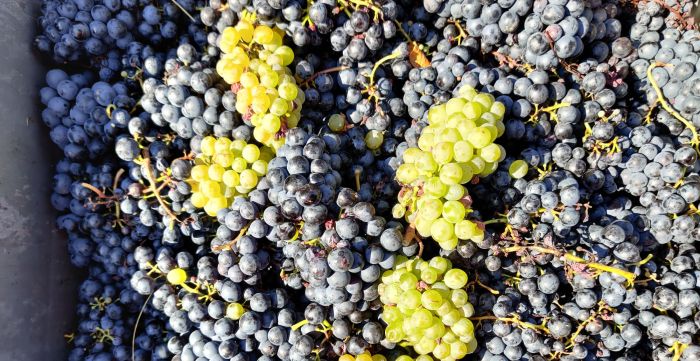
<p>Our <glossary term="Harvest" title="521">harvest</glossary> took place from September 16th to October 6th, three weeks of picking. We were about 15 in total, a team of young Europeans who were very dynamic and nice. They also didn't drink too much compared to some years, which helped from ruining our stocks...</p>
<p>We decided to start picking the <glossary term="Chenin Blanc" title="281">Chenin</glossary> fairly early in order to keep freshness and moderate <span class="zalup"><span><glossary term="alcoholic potential" title="1381">alcoholic potentials</glossary><span>.</span></span></span> This also guarantees having juices that would <glossary term="Fermentation" title="441">ferment</glossary> quickly without any slowdowns and make the balanced wines we like. We then picked the <glossary term="Grolleau" title="513">Grolleaux</glossary> which were juicy and spicy and finished with the <glossary term="Cabernet Franc" title="216">Cabernet</glossary> which by then had reached good levels of <span class="zalup"><span><glossary term="Maturation" title="639">maturity</glossary><span>.</span></span></span> </p>
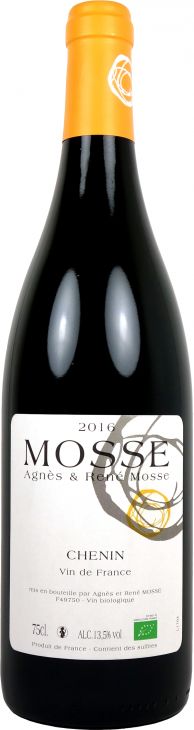
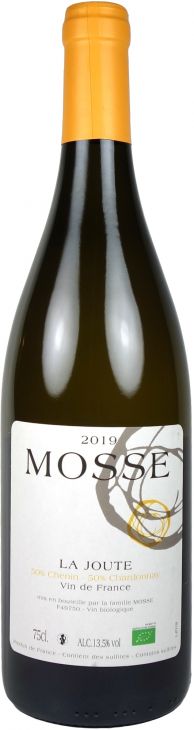
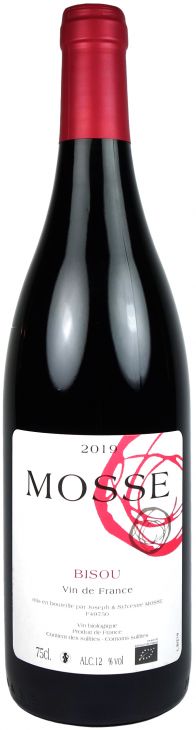
<p>As we suspected, the <glossary term="Yield" title="1129">yields</glossary> were quite low for the <glossary term="Estate" title="427">estate</glossary> following the April <glossary term="Frost" title="1135">frosts</glossary> and the <glossary term="Mildew" title="1137">mildew</glossary> caused from summer rain. At 12<glossary term="hl/ha" title="528">hl/h</glossary> we made four times less wine than 2020. The <glossary term="Vinification" title="1104">vinifications</glossary> in 2020 had been a good time with lots of experimentation with new <span class="zalup"><span><glossary term="Cuvée" title="363">cuvées</glossary><span>,</span></span></span> but in 2021 we had to focus on the "classic" wines of the house. We therefore produced "Bisou", "Cabernet Franc", "Chenin", "Le Rouchefer", "Les Bonnes Blanches", "La Joute" and "Arena".</p>
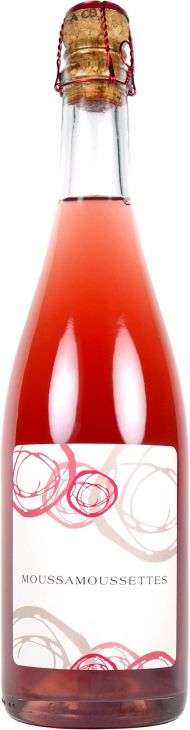
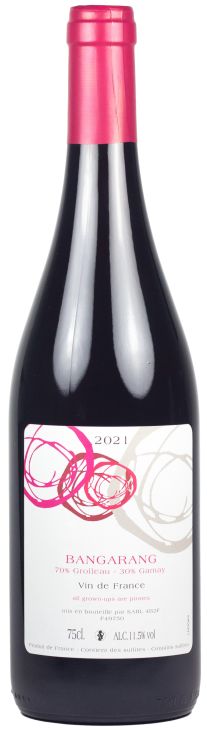
<p>We worked with local <glossary term="Anjou" title="105">Anjou</glossary> producers, some whom we've been working with a long time and others brand new, in order to produce the <glossary term="Négociant" title="729">négociant</glossary> wines which will include "Magic of Juju", "Bangarang" and "Moussamoussettes" </p>
<p>Hope to see you all soon in the US or elsewhere!</p>
<p><img src="https://louisdressner.com/uploads/images/article//920/88/9c/889c25c91a9d51a1770e746d33d15ec6.jpg" /><img src="https://louisdressner.com/uploads/images/article//920/ab/8a/ab8ab266dd19796098db68e78c4ad760.jpg" /><img src="https://louisdressner.com/uploads/images/article//920/98/9b/989b1eacae3ebfe6c402bdf6d383c183.jpg" /><img src="https://louisdressner.com/uploads/images/article//920/99/65/99659f7cf60e441d8288880b6d0e188d.jpg" /><img src="https://louisdressner.com/uploads/images/article//920/df/f6/dff64f74c671787c8d45c6325aefd000.jpg" /><img src="https://louisdressner.com/uploads/images/article//920/4d/bb/4dbbf2fd62f346568f1e2bcc2c41e809.jpg" /><img src="https://louisdressner.com/uploads/images/article//920/d4/67/d4672afc9b1aeacc5d50705d918d0c55.jpg" /><img src="https://louisdressner.com/uploads/images/article//920/0a/2e/0a2e5b48a2e6bc80bee3776e7ec6ed94.jpg" /><img src="https://louisdressner.com/uploads/images/article//920/d5/13/d513d5ea0620a8205046a0215bf25140.jpg" /><img src="https://louisdressner.com/uploads/images/article//920/f5/06/f506ad910f90ccd5929b7b3b5853232c.jpg" /><img src="https://louisdressner.com/uploads/images/article//920/40/0e/400e5dbc4deac13f55251b078c3ca44e.jpg" /><img src="https://louisdressner.com/uploads/images/article//920/22/29/2229e28998324e838cbdbbf0fec49ef7.jpg" /><img src="https://louisdressner.com/uploads/images/article//920/7a/42/7a425c7238f450d083673a552d8dce87.jpg" /><img src="https://louisdressner.com/uploads/images/article//920/c0/bd/c0bdb950b2cec5fb88118bc5e75bac87.jpg" /><img src="https://louisdressner.com/uploads/images/article//920/57/ab/57abcee23845e202e63d9d43045d1e3b.jpg" /><img src="https://louisdressner.com/uploads/images/article//920/47/cb/47cb8825babef1bf143e7be9b58afffd.jpg" /><img src="https://louisdressner.com/uploads/images/article//920/0f/34/0f34d77a977f7afa111de4298f317ab4.jpg" /><img src="https://louisdressner.com/uploads/images/article//920/d6/6a/d66a84b04418fe9c6ca97b518c4dbb03.jpg" /><img src="https://louisdressner.com/uploads/images/article//920/9c/0a/9c0ae14f9c4d702c0862b77e9a35d6c7.jpg" /><img src="https://louisdressner.com/uploads/images/article//920/6b/ed/6bed6c8f686c456365947acdb2788271.jpg" /></p>
Article
harvest report
18.01.2020
2020 Harvest Report from Joseph Mosse
<p><u><strong>November 16th, 2021:</strong></u></p>
<p>2020 is a year of mixed feeling: sales were obviously complicated due to the pandemic, the inability to gather amongst fellow <glossary term="Vigneron/Vignaiolo" title="1089">vignerons</glossary> friends, to do tastings for our customers, to clink our glasses in good fun... but in the end we don't feel we can complain. We were able to work outside and were not confined to apartments; we know this must have been much more challenging and difficult than anything we went through. </p>
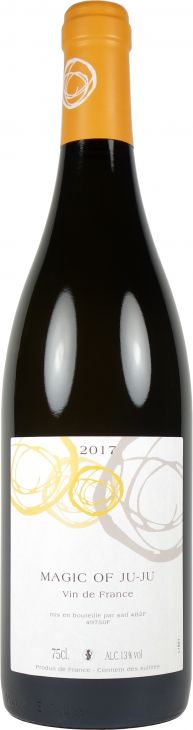
<p>Through these trials and tribulations, we found joy in our new wines bringing pleasure and comfort to our customers, for example with "Bisou" (replacing "Le Gros"), "Magic of Juju" as a unique <glossary term="Blend" title="168">blend</glossary> and "Goldeneye", and <glossary term="Aromatic" title="120">aromatic</glossary> and free white. </p>
<p>In the vines, conditions were rather good. We narrowly dodged a spring <glossary term="Frost" title="1135">frost</glossary> in late March, there was very little <glossary term="Mildew" title="1137">mildew</glossary> but some <glossary term="Oidium" title="737">oidium</glossary> on the whites. Our global <glossary term="Yield" title="1129">yields</glossary> were good, on average 4<span class="zalup"><span>0<glossary term="hl/ha" title="528">hl/h</glossary><span>.</span></span></span> </p>
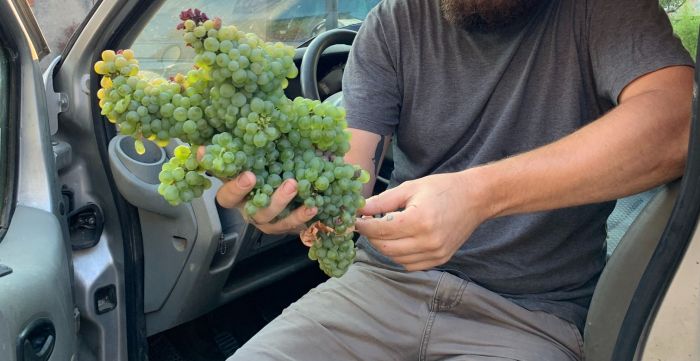
<p>For the first time in the <glossary term="Estate" title="427">estate</glossary>'s history, we began harvesting in August (the 31st). It's crazy to think that just 20 years ago, <glossary term="Harvest" title="521">harvest</glossary> never started before late September in the <span class="zalup"><span><glossary term="Coteaux-du-Layon" title="349">Layon</glossary><span>.</span></span></span>.. <glossary term="Harvest" title="521">Harvest</glossary> lasted five weeks with a young, motivated and fun team of about 20 people. One thing we quickly realized by tasting grapes was that the <glossary term="Vintage" title="1109">vintage</glossary> would be low in <span class="zalup"><span><glossary term="Acidity" title="71">acid</glossary><span>,</span></span></span> so we picked accordingly. The "Chenin" <span class="zalup"><span><glossary term="Cuvée" title="363">cuvée</glossary><span>,</span></span></span> for example, will be a <glossary term="Blend" title="168">blend</glossary> of <glossary term="Parcel" title="760">parcels</glossary> harvested in early September at 11.5% and some picked later at 13.5% as to balance <span class="zalup"><span><glossary term="Acidity" title="71">acidity</glossary><span>,</span></span></span> flavor and texture. </p>
<p>As young winemakers, <glossary term="Vintage" title="1109">vintages</glossary> with good quantities give us the opportunity to experiment more in the <span class="zalup"><span><glossary term="Cellar" title="254">cellar</glossary><span>,</span></span></span> and that's exactly what we did in 2020: in order to counter the lack of <glossary term="Acidity" title="71">acidity</glossary> in certain <span class="zalup"><span><glossary term="Chenin Blanc" title="281">Chenins</glossary><span>,</span></span></span> we attempted different methods and amounts of <glossary term="Maceration" title="610">maceration</glossary> to bring <glossary term="Structure" title="990">structure</glossary> and energy to the juices. We believe it's a way to be reactive to this very warm <glossary term="Vintage" title="1109">vintage</glossary> but also in the face of global warming and its effects on our region; we anticipate heading more and more in this direction. The result: we will release two or three <glossary term="Cuvée" title="363">cuvées</glossary> of <glossary term="Maceration" title="610">macerated</glossary> <glossary term="Chenin Blanc" title="281">Chenin</glossary> in 2020. </p>
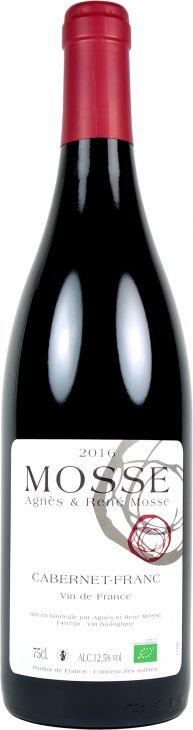
<p>Our <glossary term="Grolleau" title="513">Grolleau</glossary> and <glossary term="Gamay" title="478">Gamay</glossary> are going back into "Bisou" this year, very juicy and fun. The <glossary term="Cabernet Franc" title="216">Cabernet</glossary> is vivacious, powerful and <span class="zalup"><span><glossary term="Structure" title="990">structured</glossary><span>,</span></span></span> just how we like it. For the <glossary term="Négociant" title="729">négoce</glossary> we stayed exclusively in <glossary term="Anjou" title="105">Anjou</glossary> this year, purchasing <span class="zalup"><span><glossary term="Chenin Blanc" title="281">Chenin</glossary><span>,</span></span></span> <span class="zalup"><span><glossary term="Grolleau" title="513">Grolleau</glossary><span>,</span></span></span> <glossary term="Pineau d'Aunis" title="799">Pineau d'Aunis</glossary> and <span class="zalup"><span><glossary term="Cabernet Franc" title="216">Cabernet Franc</glossary><span>.</span></span></span> All the "fan favorites" are back: "Magic of Juju", "Moussamoussettes" and "Bangarang".</p>
<p>RIP Sir Sean Connery.</p>
<p><img src="https://louisdressner.com/uploads/images/article//858/ef/be/efbe7c2ca8fd3f3eb0efaf29f74f1e26.jpg" /><img src="https://louisdressner.com/uploads/images/article//858/6a/5e/6a5e96b1eb9af299756e4b9b14337122.jpg" /><img src="https://louisdressner.com/uploads/images/article//858/b6/76/b676437ebe6b560263536e4d06bcb677.jpg" /><img src="https://louisdressner.com/uploads/images/article//858/8b/c6/8bc6c078bd74a204bd96379b0c234d6a.jpg" /><img src="https://louisdressner.com/uploads/images/article//858/24/cd/24cd53254ea040944c6d1031a5e94501.jpg" /><img src="https://louisdressner.com/uploads/images/article//858/4c/a1/4ca1b7bca8206a88adae99eb2baf0d60.jpg" /><img src="https://louisdressner.com/uploads/images/article//858/73/3f/733f361cdde9d26c5a03988c213b6fe3.jpg" /><img src="https://louisdressner.com/uploads/images/article//858/44/89/4489e6dd94d998963c09f3e73e468703.jpg" /><img src="https://louisdressner.com/uploads/images/article//858/cf/e5/cfe57fbaf30b59570ca425b281efc39b.jpg" /><img src="https://louisdressner.com/uploads/images/article//858/78/b3/78b3708e95059e0861d15c99b850b42a.png" /></p>
Article
harvest report
15.11.2018
2018 Harvest Report from Agnès Mosse
<p>What a strange <glossary title="1109">vintage</glossary> 2018 was! The first six months of the year were very rainy with a bit of <span class="zalup"><span><glossary title="1137">mildew</glossary><span>.</span></span></span> But in the end it was a beautiful <glossary title="521">harvest</glossary> in quantity and quality, with very healthy and ripe grapes. The <glossary title="441">fermentations</glossary> have proven to be very slow. Now we must be patient.<br />
<br />
After two consecutive years of <glossary term="Frost" title="1135">frost</glossary> we are happy to be able to produce and offer our entire range of wines + some new ones.</p>
<p><img src="http://louisdressner.com/uploads/images/article/2019_Sep_16//49/c5/49c543b8926e302f9a313a1b92a4c32e.jpg" /></p>
<p><img src="http://louisdressner.com/uploads/images/article/2019_Sep_16//ae/cd/aecdc346c171bce64769c1e3281c5fc2.jpg" /></p>
<p><img src="http://louisdressner.com/uploads/images/article/2019_Sep_16//81/9c/819c626cff6819074a0c55e779dd70dc.jpg" /></p>
<p><img src="http://louisdressner.com/uploads/images/article/2019_Sep_16//7f/78/7f787b935ac59776bd4bc630be6b3820.jpg" /></p>
<p><img src="http://louisdressner.com/uploads/images/article/2019_Sep_16//0b/f6/0bf6a872084ca66acf573e8ecfea445f.jpg" /></p>
<p><img src="http://louisdressner.com/uploads/images/article/2019_Sep_16//12/14/1214e24c4c60fb166251a5959dbd2014.jpg" /></p>
<p><img src="http://louisdressner.com/uploads/images/article/2019_Sep_16//b0/d6/b0d61bb6522c7d41f06d141fb5a623f6.jpg" /></p>
<p><img src="http://louisdressner.com/uploads/images/article/2019_Sep_16//2c/94/2c9497467bf9101442d0d3031d158f3c.jpg" /><img src="http://louisdressner.com/uploads/images/article/2019_Sep_16//7b/1f/7b1f77386b9261a68a5c0b6ed4ff783b.jpg" /></p>
<p><img src="http://louisdressner.com/uploads/images/article/2019_Sep_16//67/30/673026ff52d117b32c8cbadbf274fc19.jpg" /></p>
<p><img src="http://louisdressner.com/uploads/images/article/2019_Sep_16//a2/44/a2440b1d807d7a58ea3b5175ff4d178c.jpg" /></p>
<p><img src="http://louisdressner.com/uploads/images/article/2019_Sep_16//25/40/25401212e46d64ab7646347075bbfeb8.jpg" /></p>
<p><img src="http://louisdressner.com/uploads/images/article/2019_Sep_16//a9/5b/a95b7d05336b5736013a22ebe08aa392.jpg" /></p>
<p><img src="http://louisdressner.com/uploads/images/article/2019_Sep_16//8d/06/8d06df7a94ad83d5374a8fba09f1ffab.jpg" /></p>
<p><img src="http://louisdressner.com/uploads/images/article/2019_Sep_16//bf/e9/bfe9a306a72ebe978b23a2b616c22053.jpg" /></p>
<p><img src="http://louisdressner.com/uploads/images/article/2019_Sep_16//32/4a/324af1d65e01a8f1cf825d81ffd12ca2.jpg" /></p>
<p><img src="http://louisdressner.com/uploads/images/article/2019_Sep_16//e0/23/e023989f56a86ed75f346342a76ef197.jpg" /><img src="http://louisdressner.com/uploads/images/article/2019_Sep_16//ad/c2/adc26f256fd2feb875b308ef631453af.jpg" /></p>
Article
harvest report
20.10.2017
2017 Harvest Report from Joseph Mosse
<p>Though we did <glossary term="Frost" title="1135">frost</glossary> twice in late-April, we had less losses than 2016. Sadly, it was our single <glossary title="760">parcels</glossary> that suffered the most: Bonnes Blanches, Initial Bb, <glossary title="930">Savennières</glossary> and Rouchefer. The juices are of very high quality and are <glossary title="441">fermenting</glossary> well: the <glossary title="281">Chenins</glossary> are <glossary term="Aromatic" title="120">aromatic</glossary> and vivacious, the <glossary title="513">Grolleau</glossary> is juicy and the <glossary title="216">Cabernets</glossary> are powerful.<br />
<br />
"Magic of Juju" will make its triumphant return, and new <glossary title="363">cuvées</glossary> may see the light of day. The <glossary title="521">harvest</glossary> went well with a motivated, hardworking team.</p>
<p><img src="http://louisdressner.com/uploads/images/article/2019_Sep_18//62/e8/62e82c936ff22a3cc5a18ca1b0645a15.jpg" /></p>
<p><img src="http://louisdressner.com/uploads/images/article/2019_Sep_18//39/ab/39ab494299c328fa32ef5879921ad1ef.jpg" /></p>
<p><img src="http://louisdressner.com/uploads/images/article/2019_Sep_18//66/ae/66ae6cc037dd45e43d30876bf155fee5.jpg" /></p>
<p><img src="http://louisdressner.com/uploads/images/article/2019_Sep_18//1a/5c/1a5cbc410690accc919abcad9e79aa5b.jpg" /></p>
<p><img src="http://louisdressner.com/uploads/images/article/2019_Sep_18//24/8c/248c9d4d0cd76d28907aad37c6dcf360.jpg" /></p>
<p><img src="http://louisdressner.com/uploads/images/article/2019_Sep_18//6d/04/6d048ec41852f6b65ef0c9c20049a792.jpg" /></p>
<p><img src="http://louisdressner.com/uploads/images/article/2019_Sep_18//cd/5b/cd5b17f15623e1d2abc0af43961ed30f.jpg" /></p>
<p><img src="http://louisdressner.com/uploads/images/article/2019_Sep_18//12/5f/125f95e1259b6a1cbf5f5365d7b25050.jpg" /><img src="http://louisdressner.com/uploads/images/article/2019_Sep_18//ef/d5/efd5df5cf592392bbad90afb9f6c4716.jpg" /></p>
<p><img src="http://louisdressner.com/uploads/images/article/2019_Sep_18//e4/60/e460e57b7871b48c5aa5238cef583225.jpg" /><img src="http://louisdressner.com/uploads/images/article/2019_Sep_18//9f/58/9f58cca3de6924b08fcb8962806d4c3c.jpg" /><img src="http://louisdressner.com/uploads/images/article/2019_Sep_18//9e/67/9e6706fe89c5c8dcfed0c2cde977f07d.jpg" /></p>
<p><img src="http://louisdressner.com/uploads/images/article/2019_Sep_18//9e/67/9e6706fe89c5c8dcfed0c2cde977f07d.jpg" /><img src="http://louisdressner.com/uploads/images/article/2019_Sep_18//f2/74/f2749b7e094a64775da67d786b017fe5.jpg" /></p>
Article
harvest report
13.08.2014
2014 Harvest Pictures from Agnès Mosse
<p><img src="http://louisdressner.com/uploads/images/article/2019_Sep_20//72/3a/723a090ff4c9e50006cf512dcb0f60cf.jpg" /></p>
<p><img src="http://louisdressner.com/uploads/images/article/2019_Sep_20//58/eb/58eb1f0e28557c76153aa62dd74defad.jpg" /></p>
<p><img src="http://louisdressner.com/uploads/images/article/2019_Sep_20//7c/c5/7cc55db1525ee9b8d9c53b7ca8ef02ab.jpg" /></p>
<p><img src="http://louisdressner.com/uploads/images/article/2019_Sep_20//17/7d/177d77d0b7f98401fdd4006ae853fbb0.jpg" /></p>
<p><img src="http://louisdressner.com/uploads/images/article/2019_Sep_20//38/a1/38a145f5e70254c155fc4dade30bc9c4.jpg" /></p>
<p><img src="http://louisdressner.com/uploads/images/article/2019_Sep_20//0b/28/0b28be2d464b1e4783d77b59e8cf5b27.jpg" /></p>
<p><img src="http://louisdressner.com/uploads/images/article/2019_Sep_20//02/6a/026a05ee2679b637a3fcefa5d561c520.jpg" /></p>
<p><img src="http://louisdressner.com/uploads/images/article/2019_Sep_20//c4/52/c4529dfa954f0b09bf0b103de1759097.jpg" /></p>
<p><img src="http://louisdressner.com/uploads/images/article/2019_Sep_20//aa/6a/aa6a086b2f6233106b6340cab647d2fe.jpg" /></p>
<p><img src="http://louisdressner.com/uploads/images/article/2019_Sep_20//4a/27/4a272ede55a5eaa2f804f1b97df9c80e.jpg" /></p>
<p><img src="http://louisdressner.com/uploads/images/article/2019_Sep_20//03/aa/03aac4351233a18af5ead91ac8a8fc63.jpg" /></p>
<p><img src="http://louisdressner.com/uploads/images/article/2019_Sep_20//cf/ce/cfcef0f174e9a3a9f409dc187a9f2e12.jpg" /></p>
<p><img src="http://louisdressner.com/uploads/images/article/2019_Sep_20//12/ca/12cae4ce4bd13037d4c8bc6f237b2227.jpg" /></p>
<p><img src="http://louisdressner.com/uploads/images/article/2019_Sep_20//1d/75/1d75479a295b3f5d3ff7ae4630385be8.jpg" /></p>
<p><img src="http://louisdressner.com/uploads/images/article/2019_Sep_20//50/a0/50a015c2c766ed9a5fc9e28bcf22a0e6.jpg" /></p>
Article
harvest report
16.10.2013
2013 Harvest Report from Joseph Mosse
<p><u><strong>December 2nd, 2013:</strong></u></p>
<p>The winter in France was very long and we had a disappointing spring: we only saw the sun on rare occasions and temperatures were low. This resulted in the <glossary title="521">harvest</glossary> being delayed. By July, the weather finally improved and temperatures escalated, but it was almost too late.<br />
<br />
We started <glossary title="520">harvesting</glossary> on October 8th in the small <glossary title="271">Chardonnay</glossary> field we always begin with. We waited as long as we could, but had to start even though the <glossary term="alcoholic potential" title="1381">alcoholic potential</glossary> was low (around 11.5). On the following days, we carefully watched the <glossary term="alcoholic potential" title="1381">potential</glossary> and <glossary title="324">concentration</glossary> of each field of <glossary title="281">Chenin Blanc</glossary> in order to choose which to <span class="zalup"><span><glossary title="521">harvest</glossary><span>,</span></span></span> often waiting until the last possible minute. We had to be quick and adaptive so we gathered a big team, almost 25 people.<br />
<br />
On October 14th, all of the <glossary title="281">Chenin</glossary> was <glossary title="521">harvested</glossary> except for the <span class="zalup"><span><glossary title="930">Savennières</glossary><span>,</span></span></span> whose grapes were still low in sugar but in good shape. In the three following days, we <glossary title="521">harvested</glossary> the <glossary title="513">Grolleau</glossary> and then the <span class="zalup"><span><glossary title="930">Savennières</glossary><span>.</span></span></span> The <glossary title="216">Cabernet</glossary> grapes were looking good but will be low in <span class="zalup"><span><glossary term="alcoholic potential" title="1381">potential alcohol</glossary><span>.</span></span></span> Our hardworking team finished them in a few days, and on October 23th, the 2013 <glossary title="521">harvest</glossary> was over.<br />
<br />
The overall <glossary title="1129">yields</glossary> are low, about 2 <span class="zalup"><span>0<glossary title="528">hl/ha</glossary><span>.</span></span></span> You can however expect good, <glossary title="405">dry</glossary> white wines and maybe lighter than usual <span class="zalup"><span><glossary title="216">cabernets</glossary><span>.</span></span></span></p>
<p><img src="http://louisdressner.com/uploads/images/article/2019_Sep_20//a0/69/a069770b2a8c8c5b9ff004aee0d2a95d.jpg" /></p>
<p><img src="http://louisdressner.com/uploads/images/article/2019_Sep_20//14/f7/14f76533d52bcd972a4366ed53bd0a74.jpg" /></p>
<p><img src="http://louisdressner.com/uploads/images/article/2019_Sep_20//da/93/da93c814a4df1ac35c9ecf24ef4dad2c.jpg" /></p>
<p><img src="http://louisdressner.com/uploads/images/article/2019_Sep_20//79/c0/79c075db662cf1dcb5f51f8da46ddc93.jpg" /></p>
<p><img src="http://louisdressner.com/uploads/images/article/2019_Sep_20//76/01/7601de8ff9e8edbe3306eaf284d4f557.jpg" /></p>
<p> </p>
Article
harvest report
26.08.2011
2011 Harvest Report from Agnès Mosse
<p><u><strong>August 26th, 2011:</strong></u></p>
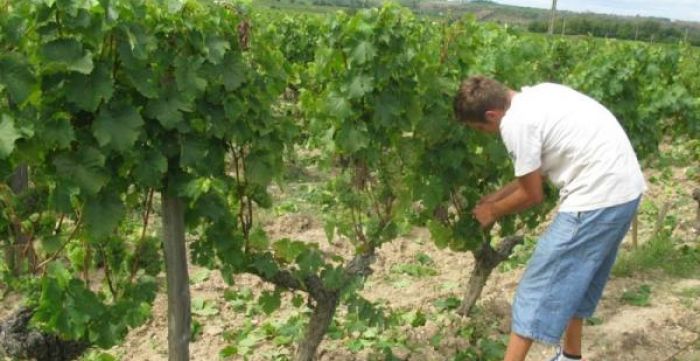
<p>We will probably start <glossary title="521">harvest</glossary> around September 12th. In the meantime we're removing leaves from the vines. It rained a lot in recent days and there are pockets of rot. In the attached photo you can see some of the damage on the vine to the left of Jo.<br />
</p>
Article
harvest report
12.09.2006
2006 Harvest Report from Agnès Mosse
<p><u><strong>September 12th, 2006:</strong></u></p>
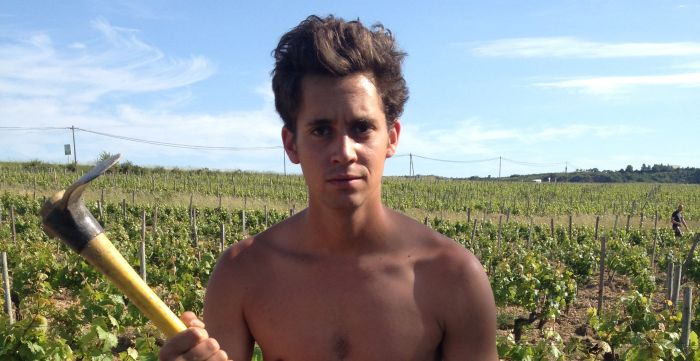
<p>The <glossary title="521">harvest</glossary> approaches. The <glossary title="811">pneumatic press</glossary> which we are renting from a <span class="zalup"><span><glossary title="294">cider</glossary><span>-</span></span></span>maker arrived yesterday. Toby has cleaned it thoroughly. We will start on Monday, September 18th. In spite of all the cold weather in August, ripening has been early because we have been subject to a real heat wave - around 85 degrees every day for the last two weeks. We got about 10mm of rain at the beginning of September and now we are seeing a few little areas affected by rot. There will be some sorting to do!<br />
<br />
Stay tuned for the next episode….</p>
Article