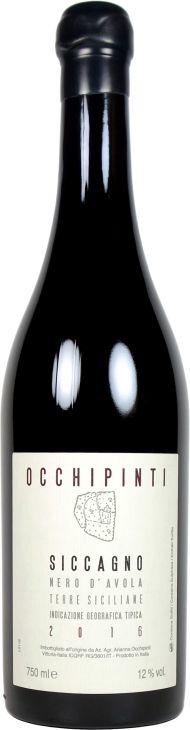
producer profile
26.06.2019
Arianna Occhipinti Producer Profile
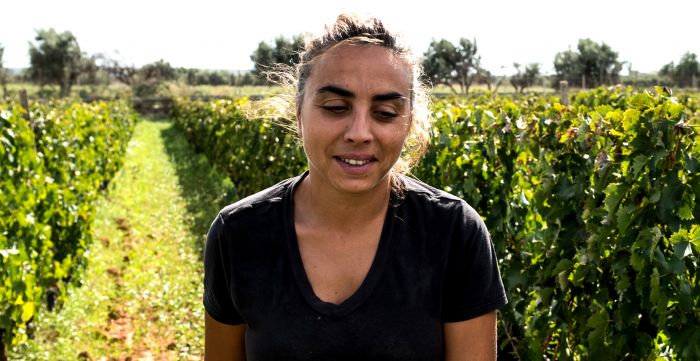
<p>In 2006, Joe and Kevin fell in love with the wines of an unassuming 24 year old showing her first <glossary title="1109">vintage</glossary> at an Italian wine fair. Today, Arianna Occhipinti has become a seminal figure for a new generation of wine lovers. Her rise to prominence has been meteoric, and rightfully so: anyone who has ever met Ari will instantly vouch for her charming personality and seemingly boundless energy. </p>
<p>Arianna is the niece of Giusto Occhpinti, whose COS wines are undisputedly amongst the very best of <span class="zalup"><span><glossary title="951">Sicily</glossary><span>.</span></span></span> In 1998, Giusto invited her to help him out at <glossary title="1105">Vinitaly</glossary> for four days. Arianna was 16 at the time and knew nothing about wine; the experience was such a good one that she decided to study <glossary title="1103">viticulture</glossary> and <glossary title="422">oenology</glossary> in university. This quickly proved counter-intuitive, since everything she had learned from her uncle (<glossary title="746">organic</glossary> <span class="zalup"><span><glossary title="1103">viticulture</glossary><span>,</span></span></span> <span class="zalup"><span><glossary title="520">hand-harvesting</glossary><span>,</span></span></span> <glossary title="538">native yeast </glossary><glossary title="441">fermentations</glossary>) clashed with what she was being taught in school. <br />
<br />
Undeterred, Arianna started making her own wine with just one <glossary title="523">hectare</glossary> of abandoned vines in the <glossary title="322">commune</glossary> of <span class="zalup"><span><glossary title="1114">Vittoria</glossary><span>.</span></span></span> Over the years, she has progressively expanded the <glossary title="427">estate</glossary> by replanting 10 <glossary title="523">hectares</glossary> of the region's <glossary title="1139">indigenous</glossary> <glossary title="467">Frappato</glossary> and <glossary title="714">Nero D'Avola</glossary> in <span class="zalup"><span><glossary title="941">selection massale</glossary><span>.</span></span></span> A few years later, she was able to start renting 50 year old <glossary title="467">Frappato</glossary> and 45 year old <glossary title="714">Nero D'Avola</glossary> <span class="zalup"><span><glossary title="740">vines</glossary><span>,</span></span></span> both independently bottled as single <glossary title="1071">varietal</glossary>/<glossary title="740">vineyard</glossary> <span class="zalup"><span><glossary title="363">cuvées</glossary><span>.</span></span></span> In 2012, an additional eight <glossary title="523">hectares</glossary> of 19 year old vines were acquired, which for the time being will be used to produce more of her "SP68". <br />
<br />
Continually pushing things forward, Arianna built herself a new <glossary title="254">cellar</glossary> in 2014, a huge step up from the cramped, chaotic space she used to work in. Besides the obvious advantage of having more space, it has permitted Arianna to start a new regiment of <glossary title="325">concrete</glossary> <glossary title="441">fermentation</glossary> and <glossary title="74">aging</glossary> for both "SP68"'s, which used to to be produced in <glossary title="986">stainless steel</glossary> and <span class="zalup"><span><glossary title="445">fiberglass</glossary><span>.</span></span></span> Some of the <glossary title="1140">tanks</glossary> are glass lined, some aren't. They are all 2mx2m, and with the way they are set up, the juice can be <span class="zalup"><span><glossary title="1165">worked by gravity</glossary><span>.</span></span></span></p>
Article
interview
26.06.2019
An Interview with Arianna Occhipinti from 2011
<p><em>This interview with Arianna Occhipinti took place in <span class="zalup"><span> <glossary title="459">Fornovo</glossary><span>,</span></span></span> Italy during the <glossary title="1101">Vini di Vigniaoli</glossary> fair in October, 2011.</em></p>
<p><strong>Tell us about about your estate.</strong><br />
<br />
I started making my own wine in 2004, right after I'd graduated from university. Everything started with my uncle (<strong>ed note: </strong>Giusto Occhipinti, the O of the COS wines) when I was 16; he invited me to come help him out at <span class="zalup"><span><glossary title="1105">Vinitaly</glossary><span>,</span></span></span> and I thought to myself: "I can miss four days of school!" so I quickly agreed to come with him.<br />
<br />
I knew nothing about wine, but it was a fantastic experience. I met a lot of people and was immediately drawn to it. I decided to study it, and while I was in university, I started learning more about <glossary title="78">agricultural</glossary> and <glossary title="422">oenological</glossary> practices, which ultimately led me to focus on <glossary title="">natural</glossary> <span class="zalup"><span><glossary title="1089">winemaking</glossary><span>.</span></span></span> <br />
<br />
So again I started in 2004, with just one <span class="zalup"><span><glossary title="523">hectare</glossary><span>.</span></span></span> Now I'm working with 12 <glossary title="523">hectares</glossary> of <glossary title="467">Frappato</glossary> and <span class="zalup"><span><glossary title="714">Nero D'Avola</glossary><span>.</span></span></span> Six years ago, I planted a vineyard of whites with <glossary title="86">Albanello</glossary> and <span class="zalup"><span><glossary title="698">Muscat</glossary><span>.</span></span></span> These are all grapes local to my area, especially <glossary title="86">Albanello</glossary> which really isn't produced much anymore.<br />
<br />
My farm is in <glossary title="746">organic</glossary> <glossary title="78">agriculture</glossary> and I'm <span class="zalup"><span><glossary title="260">certified</glossary><span>.</span></span></span> <br />
<br />
I like to make wine and I like to make wine from where I come from. My region is a fresh area in the southeast of <span class="zalup"><span><glossary title="951">Sicily</glossary><span>,</span></span></span> between the mountains and the sea. We receive fresh winds from the mountains and it's important to me to capture this in the wines. The result is fresh and elegant, with nice acidity. <br />
<br />
Making wine connects me to my homeland and lets me bond with my roots. It's a wonderful job. I'm very lucky. <br />
<br />
<strong>Can you elaborate on the growth of your estate from one to 12 hectares? Do you own everything?</strong><br />
<br />
I own 10 <span class="zalup"><span><glossary title="523">hectares</glossary><span>,</span></span></span> and have been renting two <glossary title="523">hectares</glossary> of 55 year old vines for six years now. <br />
<br />
<strong>What about that first hectare? </strong><br />
<br />
My parents had bought a country house while I was in university, and there was a <glossary title="523">hectare</glossary> of vines attached to the property. I rented it from them the first year; the vineyard was abandoned, which was really good because a) it had never been exposed to <glossary title="279">chemicals</glossary> and b) I had to work it back into shape, which taught me a lot.<br />
<br />
With this I made 2000 bottles of <glossary title="467">Frappato</glossary> and 2000 bottles of <span class="zalup"><span><glossary title="714">Nero D'Avola</glossary><span>.</span></span></span> After that, I progressively planted around the first <span class="zalup"><span><glossary title="523">hectare</glossary><span>:</span></span></span> the 10 <glossary title="523">hectares</glossary> are all in one place, and the two <glossary title="523">hectares</glossary> of <glossary title="740">old vines</glossary> are 500 meters away from the farm. <br />
<br />
<strong>You've never worked with<font color="#7b143e"> chemicals</font> then?</strong><br />
<br />
No. I was lucky because I was surrounded by <glossary title="708">natural</glossary> <glossary title="1089">winemakers</glossary> at the very beginning of my journey. My mind was set, and I was even getting into fights with my teachers at university about it. They wanted to teach a recipe to make wine, but thanks to a many outside influences, I knew that this wasn't the way I wanted to work. I've been working <glossary title="708">naturally</glossary> since the first <span class="zalup"><span><glossary title="1109">vintage</glossary><span>.</span></span></span> <br />
<br />
I was a little afraid at the beginning, because I'd conceptualized everything I wanted to do in my mind, but it was all theory and no practice. I made my first <glossary title="1109">vintage</glossary> when I was 21; I had the book knowledge, but my real education was in the vineyards.<br />
<br />
I remember when I <glossary title="834">pruned</glossary> for the first time, I asked two locals to help me out. We started in different rows, and after 50 meters, one of them looked at me and said: "Ari! You are taking pictures of the vineyard! You need to get to work!" They talked about how I probably wanted to get it over with as soon as possible to get back to the city, and that their son had left the country a year prior.<br />
<br />
But even back then, I knew I wanted to stay and make wine from this place. It's important that <glossary title="951">Sicilian</glossary> people remain at home. We have the possibility to start something important: our territory is ready for a fresh new start. <br />
<br />
I want to be an example for young people who leave <glossary title="951">Sicily</glossary> in search of something better or more important than the countryside. I want to show them the importance of tradition and the beauty of being attached to a sense of place. <br />
<br />
<strong>What's the work in the vineyards and in the cellar<span class="zalup"><span><span>?</span></span></span></strong><br />
<br />
I'm <span class="zalup"><span><glossary title="260">certified organic</glossary><span>,</span></span></span> but don't put it on my <glossary title="573">labels</glossary> because I feel the law for <glossary title="260">organic certification</glossary> is a bit convoluted. In <span class="zalup"><span><glossary title="951">Sicily</glossary><span>,</span></span></span> it is easy to work naturally thanks to the weather, specifically the wind. I use <glossary title="333">copper</glossary> and <glossary title="993">sulfur</glossary> in the vineyards. I let grass grow. I don't work the soil in the winter and do so only two times a year, both in the summer. <br />
<br />
As far as the <span class="zalup"><span><glossary title="254">cellar</glossary><span>,</span></span></span> the most important thing is to have the highest quality grapes coming into it. If you have good grapes, the <glossary title="254">cellar</glossary> work is easy. All you do is follow the evolution into wine. It's very important for me to use the <glossary title="538">natural yeasts</glossary> from the grapes to start <span class="zalup"><span><glossary title="441">fermentation</glossary><span>,</span></span></span> because this is the grape expressing itself. If I really need to, I'll add a tiny bit of <glossary title="993">sulfur</glossary> at bottling; never before. <br />
<br />
Of course every producer will have his own interpretation of the wines they are making. I like making long <span class="zalup"><span><glossary title="610">macerations</glossary><span>:</span></span></span> one month for the "SP68" and the reds, 10 days for the white. I do a lot of <glossary title="795">punchdowns</glossary> during <span class="zalup"><span><glossary title="441">fermentation</glossary><span>,</span></span></span> let it <glossary title="610">macerate</glossary> a few more days and then I <span class="zalup"><span><glossary title="827">press</glossary><span>.</span></span></span> <br />
<br />
Some wines are <glossary title="74">aged</glossary> in big and old <glossary title="962">Slavonian barrels </glossary>that I bought from <span class="zalup"><span><glossary title="793">Piemonte</glossary><span>.</span></span></span> I've had those since the beginning. The rest stays in <span class="zalup"><span><glossary title="986">stainless steel</glossary><span>.</span></span></span> <br />
<br />
<strong>Can you tell us about the Tami' project?</strong><br />
<br />
The Tami' project was an idea that came to me a few years ago: that was to prove that it's possible to make good, simple, <glossary title="708">natural wine</glossary> in <span class="zalup"><span><glossary title="951">Sicily</glossary><span>.</span></span></span> Tami' is something I've started with some friends who own some<strong> </strong>vineyards in <span class="zalup"><span><glossary title="330">Contrada</glossary><span>,</span></span></span> a district close to mine. Three years ago, we agreed we would <glossary title="332">convert</glossary> their vineyards to <glossary title="746">organic </glossary> <span class="zalup"><span><glossary title="1103">viticulture</glossary><span>.</span></span></span> In 2009, we made the first "all grape" <span class="zalup"><span><glossary title="1104">vinification</glossary><span>.</span></span></span> The goal was to take good grapes and make a simple, every day wine. There is a white and two reds. <br />
<br />
The vineyards are about 10 years old. The wine is made with a short <glossary title="610">maceration</glossary> (one week) and then six months in <span class="zalup"><span><glossary title="986">stainless steel</glossary><span>.</span></span></span> We do <glossary title="447">filter</glossary> it because it's <glossary term="Bottling" title="185">bottled</glossary> very young.<br />
<br />
A big part of this project is also to give younger people an opportunity to try a simple but delicious wine, something that can introduce them to the pleasures of wine.<br />
<br />
<strong>How do you feel about the term "natural wine"? </strong><br />
<br />
I make <span class="zalup"><span><glossary title="708">natural wine</glossary><span>,</span></span></span> but this is a term I'm beginning to be less and less comfortable with, because its implications are very complicated. I really want to stress that my main goal is to make a good wine that reflects where it comes from, and for me the only way to successfully do this is to make the wine naturally. <br />
<br />
When I first started, people were just starting to talk about <span class="zalup"><span><glossary title="708">natural wine</glossary><span>.</span></span></span> It was very important to me to think about all these issues , and in those early years I definitely had a more militant attitude about it. Making <glossary title="708">natural wine</glossary> was a mission, something worth fighting for.<br />
<br />
Now that I've grown up a little bit, the mission is making wine of <span class="zalup"><span><glossary title="1026">terroir</glossary><span>.</span></span></span> You have to respect the vineyards, and nature in general. When I wake up in the morning, I want to feel free. Making this wine is my opportunity to feel free. <br />
<br />
So again, my goal is not to make <span class="zalup"><span><glossary title="708">natural wine</glossary><span>,</span></span></span> Working this way is a process to make good wine. <br />
<br />
<strong>Anything to add? </strong><br />
<br />
I'm very happy with the current situation in the U.S, which I consider to be a very important place for <glossary title="708">natural wine</glossary> right now. I feel comfortable with the people who drink wine there. I feel that there is a really good interpretation of <glossary title="708">natural wine</glossary> there. <br />
<br />
It's simple: people drink the wine, and if they like it, they buy it. In most other places, the idea of <glossary title="708">natural wine</glossary> is difficult because people think too much; in the U.S, people are more open to new experiences and they are not afraid of tasting something new. <br />
<br />
Italy and France are the two biggest wine producing countries in the world, so we consider ourselves to have the most "knowledge" about wine. Yet we always follow the trends of the market. This has destroyed traditional winemaking. I know that <glossary title="708">natural wine</glossary> is fashionable right now, but I also know that people really believe in these wines: they drink them because they like them, not because these are the wines of the moment. <br />
<br />
The difference in the U.S is that people have less prejudices about how the wine should be made, and they react to what they like rather than what is trendy. We reflect too much: we should drink more and speak less!</p>
Article
interview
26.06.2019
A Video Interview with Arianna Occhipnti
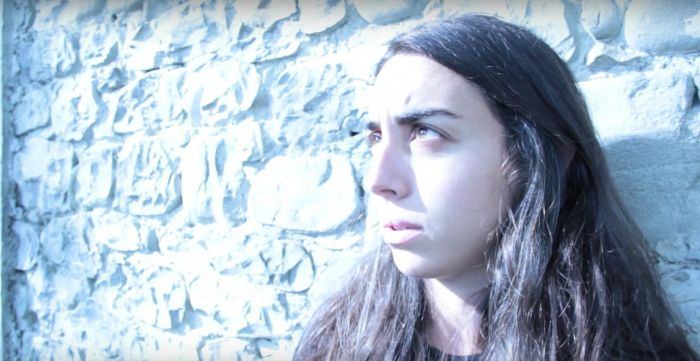
<p>Arianna Occhipnti on her work philosophy, the history of her <span class="zalup"><span><glossary title="427">estate</glossary><span>,</span></span></span> wine and its' sense of place, and FRA/ITA V.S U.S drinking culture.</p>
<p><iframe allowfullscreen="" frameborder="0" height="360" src="//www.youtube.com/embed/-Hp5arwvSDc" width="640"></iframe></p>
<p><iframe allowfullscreen="" frameborder="0" height="360" src="//www.youtube.com/embed/KL2PWzWAO78" width="640"></iframe></p>
<p><iframe allowfullscreen="" frameborder="0" height="360" src="//www.youtube.com/embed/SDvCBJjDZC8" width="640"></iframe></p>
<p><iframe allowfullscreen="" frameborder="0" height="360" src="//www.youtube.com/embed/InT8EqbFKY8" width="640"></iframe></p>
<p> </p>
Article
producer visit
12.08.2019
This visit to Arianna Occhipinti's took place in May, 2014
<p><strong><em>This visit to Arianna Occhipinti's took place in May, 2014</em></strong></p>
<p><strong><em>Words by Jules Dressner, photos by Maya Pedersen, Josefa Concannon and David Norris.</em></strong></p>
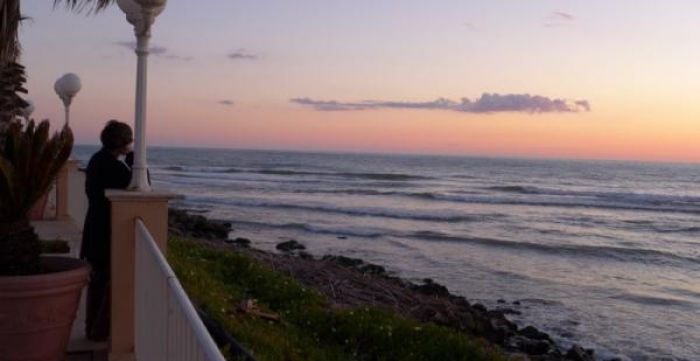
<p>Before visiting Arianna in her native <span class="zalup"><span> <glossary title="1114">Vittoria</glossary><span>,</span></span></span> we spent a night in the lovely town of <span class="zalup"><span><glossary title="906">San Leone</glossary><span>.</span></span></span> Serious sunset vibes. </p>
<p><img src="http://louisdressner.com/uploads/images/article/2019_Aug_12//4a/c1/4ac19b2e8d8e3c915a585bc37d937c94.jpg" /></p>
<p>The main reason we stayed there was because of a legendary seafood spot that was a pure joy. Check out this before and after:</p>
<p><img src="http://louisdressner.com/uploads/images/article/2019_Aug_12//f3/ce/f3ce285a3c96ff463042c19ee1a8c03a.jpg" /></p>
<p><img src="http://louisdressner.com/uploads/images/article/2019_Aug_12//e3/66/e366de9ad1de8d851535629d0f36352b.jpg" /></p>
<p>This whole octopus was pretty stellar as well: </p>
<p><img src="http://louisdressner.com/uploads/images/article/2019_Aug_12//6c/32/6c3288b2e02f9838b433937a48835af5.jpg" /></p>
<p>On a much stranger note, our hotel was adorned with very bizarre artwork, including crying clowns and this police brutality portrait:</p>
<p><img src="http://louisdressner.com/uploads/images/article/2019_Aug_12//3a/10/3a10083ed56b03cb93a4bdb81feb9cbe.jpg" /></p>
<p>Way to set the mood...<br />
<br />
Ok, on to the good stuff! Occhipinti time!<br />
<br />
The big news is that Arianna has built a beautiful new <glossary title="254">cellar</glossary> on the farm she acquired two years ago (read up on that in my first recap from 2012).</p>
<p><img src="http://louisdressner.com/uploads/images/article/2019_Aug_12//8a/29/8a29313c6dff18948b906cb0f930b9ed.jpg" /></p>
<p><img src="http://louisdressner.com/uploads/images/article/2019_Aug_12//fc/d5/fcd5fe8af2303028217dda1057271ed9.jpg" /></p>
<p>Besides the obvious advantage of having way more space, it has permitted Arianna to start a new regiment of <glossary title="325">concrete</glossary> <glossary title="441">fermentation</glossary> and <glossary title="74">aging</glossary> for both "SP68"'s (in the past everything was done in <glossary title="986">stainless steel</glossary> and <glossary title="445">fiberglass</glossary>). Some of the <glossary title="1140">tanks</glossary> are glass lined, some aren't. They are all 2mx2m, and with the way they are set up, the juice can be <span class="zalup"><span><glossary title="1165">worked by gravity</glossary><span>.</span></span></span> </p>
<p><img src="http://louisdressner.com/uploads/images/article/2019_Aug_12//23/f8/23f8c210dd04ea6751d5806e56fef274.jpg" /></p>
<p><em>"We can smell and feel the grapes from the top, which is a huge step up from the old </em><glossary title="254"><em>cellar</em></glossary><em>." </em><br />
<br />
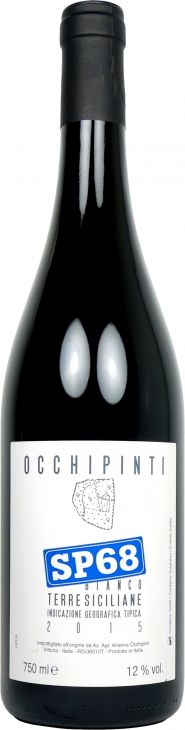
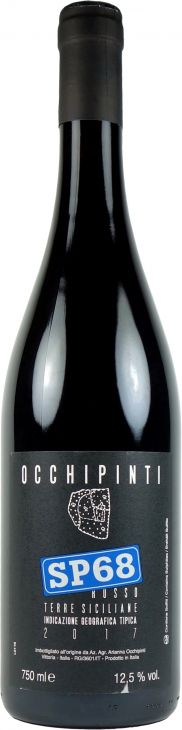
From <glossary title="325">concrete</glossary> <span class="zalup"><span><glossary title="1140">tank</glossary><span>,</span></span></span> we tried both "SP68" Bianco and Rosso. The Bianco is 40% <glossary title="86">Albanello</glossary> and 60% <glossary title="1131">Zibibbo</glossary> this year, with no <span class="zalup"><span><glossary title="610">skin contact</glossary><span>.</span></span></span> "SP68 Rosso" is 70% <glossary title="467">Frapatto</glossary> and 30% <glossary title="714">Nero d'Avola</glossary><glossary title="714"> </glossary>in 2013, with 30 days <glossary title="610">skin contact</glossary> and six months <glossary title="74">aging</glossary> in <span class="zalup"><span><glossary title="325">cement</glossary><span>.</span></span></span> For both <span class="zalup"><span><glossary title="168">blends</glossary><span>,</span></span></span> Arianna usually <glossary title="308">co-fermented</glossary> the wines, though some years this is not possible. <br />
<br />
We then tasted through some 2013 <glossary title="142">barrels</glossary> of <span class="zalup"><span><glossary title="467">Frapatto</glossary><span>,</span></span></span> "Siccagno" (the <glossary title="714">Nero d'Avola</glossary>) and <span class="zalup"><span><glossary title="258">Cerasuolo</glossary><span>.</span></span></span> </p>
<p><img src="http://louisdressner.com/uploads/images/article/2019_Aug_12//a1/ae/a1ae73a392db38f1617c48007998eeeb.jpg" /></p>
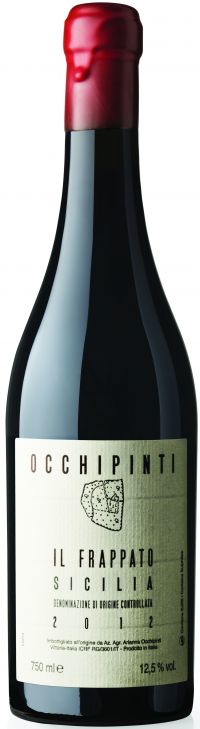
<p>Some 2012 "Il<strong> </strong>Frappato<strong>"</strong> was also being <span class="zalup"><span><glossary title="185">bottled</glossary><span>.</span></span></span> </p>
<p><img src="http://louisdressner.com/uploads/images/article/2019_Aug_12//e6/75/e675495e6ab4cc99cff823f07d1d1acd.jpg" /></p>
<p>While tasting, Jill from <a href="http://domainela.com/" target="_blank">Domaine LA</a> asked Arianna for insight on why her wines are so elegant and light compared to most <glossary title="951">Sicilian</glossary> wine. Besides the fact that <glossary title="1114">Vittoria</glossary> is located amongst many mountains that provide the vines with constant wind, Arianna had this to say:<br />
<br />
<em>"Not </em><glossary title="549"><em>irrigating</em></glossary><em>, </em><glossary title="521"><em>harvesting</em></glossary><em> late and not using </em><glossary title="442"><em>fertilizers</em></glossary><em> are the secret to making more elegant wines in the area. The freshness and </em><glossary title="662"><em>minerality</em></glossary><em> in my wines come from the </em><glossary title="991"><em>subsoils</em></glossary><em>. Any wine made from </em><glossary title="1130"><em>young vines</em></glossary><em> or </em><glossary title="539"><em>chemically grown vines</em></glossary><em> feeding only off of the </em><glossary title="1032"><em>top soil</em></glossary><em> will have the cooked, hot characteristics people associate with wine from warm regions."</em><br />
<br />
After a great lunch where we tasted currently bottled offerings, Arianna showed us the old farm house she is currently renovating. More precisely, she showed us the <span class="zalup"><span><glossary title="758">Palmento</glossary><span>,</span></span></span> which pretty much a staple of nearly every farm-house in <span class="zalup"><span><glossary title="951">Sicily</glossary><span>.</span></span></span></p>
<p><img src="http://louisdressner.com/uploads/images/article/2019_Aug_12//6b/5e/6b5ef1f0056e97706fd0c510c7b0285b.jpg" /></p>
<p><img src="http://louisdressner.com/uploads/images/article/2019_Aug_12//43/5f/435feb5239f75c73310bb5a1e3600ced.jpg" /></p>
<p><img src="http://louisdressner.com/uploads/images/article/2019_Aug_12//6a/b0/6ab04432b9b5cb93c0adcf79ae396a57.jpg" /></p>
<p><img src="http://louisdressner.com/uploads/images/article/2019_Aug_12//bc/55/bc5542435fe5bb568da89859b1deed32.jpg" /></p>
<p>These <glossary title="758">Palmentos</glossary> are extremely common, but also extremely abandoned. The reason is less that they were made illegal for "sanitary" reasons in the 1970's. And more that, there are simply a lot less people making wine on the island. Only 600 <glossary title="523">hectares</glossary> of vines are currently planted in the <glossary title="1114">Vittoria</glossary> region and Arianna estimates it was 20 times as much in early 1900's.<br />
<br />
We then took a coffee break, which served as an excellent moment for everyone to pet Arianna's dog Paco.</p>
<p><img src="http://louisdressner.com/uploads/images/article/2019_Aug_12//70/80/7080846931d8027b4b1db80bfa0cf28f.jpg" /></p>
<p><img src="http://louisdressner.com/uploads/images/article/2019_Aug_12//fc/47/fc47b685c631f80f481781c161157677.jpg" /><br />
<br />
<img src="http://louisdressner.com/uploads/images/article/2019_Aug_12//37/ea/37eaea3668bce85f8f461d120efc6c56.jpg" /></p>
<p>I decided to join the fun:</p>
<p><img src="http://louisdressner.com/uploads/images/article/2019_Aug_12//4f/91/4f910d88506fa0b627b40ed4c8435d34.jpg" /></p>
<p>I then began fluffing him, which got Paco frisky. </p>
<p><img src="http://louisdressner.com/uploads/images/article/2019_Aug_12//c7/82/c782b30c6b672e3019c8f4048b5f0eaf.jpg" /></p>
<p>Then, out of nowhere, he snatched my notebook!</p>
<p><img src="http://louisdressner.com/uploads/images/article/2019_Aug_12//ad/a4/ada4a748c0d0353f7d7f9f7352d37ece.jpg" /></p>
<p>Naturally, I panicked since all of my precious notes (including the ones used to write this) were in there. </p>
<p><img src="http://louisdressner.com/uploads/images/article/2019_Aug_12//96/ac/96aca8199e9ee9f108e419c9194f9ac9.jpg" /></p>
<p>Chasing him proved unsuccessful, but after some screaming on Arianna's part, Paco dropped the book. He was a bit bummed his mom wouldn't let him play anymore: </p>
<p><img src="http://louisdressner.com/uploads/images/article/2019_Aug_12//d7/e9/d7e9347245f5d64847cf5474e2b55216.jpg" /></p>
<p>The book was more or less unscathed, but did suffer a bit of superficial damage. </p>
<p><img src="http://louisdressner.com/uploads/images/article/2019_Aug_12//b9/76/b97693d6e9a339ea59e15023072fc317.jpg" /></p>
<p>After all that excitement, we walked over Arianna's new plantation of 3.5 <glossary title="523">hectares</glossary> of <glossary title="467">Frapatto</glossary> on red <glossary title="909">sand</glossary> over <span class="zalup"><span><glossary title="596">limestone</glossary><span>.</span></span></span></p>
<p><img src="http://louisdressner.com/uploads/images/article/2019_Aug_12//b1/45/b14531416f3a84ff4261ea4d44c435b3.jpg" /></p>
<p><img src="http://louisdressner.com/uploads/images/article/2019_Aug_12//9a/74/9a74f29a9504986033614c10bd70b12c.jpg" /></p>
<p><img src="http://louisdressner.com/uploads/images/article/2019_Aug_12//1b/4a/1b4a7960461f1891dc4105b2cae436df.jpg" /></p>
<p>These were all <glossary title="500">grafted</glossary> in place in <span class="zalup"><span><glossary title="941">massale</glossary><span>.</span></span></span> 19 000 plants will be <glossary term="Grafting" title="500">re-grafted</glossary><span class="zalup"><span> </span></span>on the <glossary title="869">roots</glossary> starting in August. Arianna will undertake this daunting task with the help of three local <span class="zalup"><span><glossary title="329">contadinos</glossary><span>.</span></span></span> <br />
<br />
The visit ended with a quick tour of the <glossary title="">bianco</glossary> <span class="zalup"><span><glossary title="760">parcel</glossary><span>,</span></span></span> which is trained in <span class="zalup"><span><glossary title="497">alberello</glossary><span>.</span></span></span> </p>
<p><img src="http://louisdressner.com/uploads/images/article/2019_Aug_12//f6/b6/f6b6896a35905782f7ffa32c07d7b238.jpg" /><br />
<br />
While there, we were informed that Ari only performed one <glossary title="333">copper</glossary> and <glossary title="993">sulfur treatment</glossary> in 2014! That's crazy!<br />
<br />
Walking back to the house, we were surrounded by a never ending amount of bright red poppies. </p>
<p><img src="http://louisdressner.com/uploads/images/article/2019_Aug_12//70/bd/70bde126ac1648f6954d6a65f8ecb3b5.jpg" /></p>
<p>It was a great visit.</p>
Article

producer visit
12.08.2019
This visit with Arianna Occhipinti took place in April, 2012
<p><strong><em>This visit with Arianna Occhipinti took place in April, 2012</em></strong></p>
<p><strong><em>Words by Jules Dressner, photos by Lauren Feldman, Shawn Mead and Ian Becker.</em></strong></p>
<p>After driving over to <span class="zalup"><span><glossary title="960">Siracusa</glossary><span>,</span></span></span> we started off with an <glossary title="112">aperitif</glossary> at <a href="http://tamishop.com/" target="_blank">TAMI</a>, Arianna's storefront.</p>
<p><img src="http://louisdressner.com/uploads/images/article/2019_Aug_12//8a/13/8a133246371837f05dd574fdec44faf1.jpg" /></p>
<p>I had always assumed that TAMI' was just a wine shop, but it turns out they sell all types of food, beer, books, knick knacks (including a <a href="http://bananaguard.com/" target="_blank">bananaguard</a>), toys and gadgets. Jeff Vierra scored this sweet hat there. </p>
<p><img src="http://louisdressner.com/uploads/images/article/2019_Aug_12//8d/f9/8df92bdff002ba77c475ef0106e9dfc0.jpg" /></p>
<p>After hanging out and drinking <a href="http://louisdressner.com/producers/costepiane/">Coste Piane</a>, we grabbed some bottles and head over to a new restaurant just a few blocks away, located in this teeny-tiny alley. </p>
<p><img src="http://louisdressner.com/uploads/images/article/2019_Aug_12//6e/99/6e99770685b9162968b41054b80156a0.jpg" /></p>
<p>It was a good chance to practice my "<glossary title="969">SOMM</glossary>" skills with Arianna.</p>
<p><img src="http://louisdressner.com/uploads/images/article/2019_Aug_12//9b/8e/9b8ea1350d86447a9a956dfd75e8a088.jpg" /></p>
<p>This work of photoshopped "art" in the men's bathroom embodies what I assume all Americans immediately think of when you say "Italy" (other than <a href="http://youtube.com/watch?v=2hfinyfyy7A">Jersey Shore</a>). </p>
<p><img src="http://louisdressner.com/uploads/images/article/2019_Aug_12//db/14/db14f84f7c51d46cfcb46b6331218cd7.jpg" /></p>
<p>Notice the espresso?<br />
<br />
After dinner, it quickly became a <span class="zalup"><span><glossary title="503">grappa</glossary><span>,</span></span></span> TAMI' <glossary title="511">Grillo</glossary> and <a href="http://birramoretti.com/">shitty Italian beer</a> party on Jeff Vierra's rooftop terrace. A good time was had, and with the exception of Ian Becker and Robert Brownsen who went to a fist-pumping techno club, everyone went to bed to be ready for the first annual OCCHIPINTATHON™. <br />
<br />
In the morning, we drove to <glossary title="1114">Vittoria</glossary> and immediately started our visit by checking the the "SP68" vines. These are located right by her house and bordering the <glossary title="1159">autostrada</glossary> of the same name.</p>
<p><img src="http://louisdressner.com/uploads/images/article/2019_Aug_12//04/89/048910b41eb32d1f016adac1678645e1.jpg" /></p>
<p><img src="http://louisdressner.com/uploads/images/article/2019_Aug_12//17/fd/17fdba2b7d48a09f8b40a0e955d418e3.jpg" /></p>
<p><img src="http://louisdressner.com/uploads/images/article/2019_Aug_12//21/92/2192fdd55aa7bc05d4260ec49b20646f.jpg" /></p>
<p><img src="http://louisdressner.com/uploads/images/article/2019_Aug_12//bc/d3/bcd3daf9148b853e80794c88d0a54269.jpg" /></p>
<p>The vines here are 8-15 years old. The <glossary title="467">Frappato</glossary> vines are 50 years old and the <glossary title="714">Nero D'Avola</glossary> is 45. Arianna prefers the <glossary title="518">guyot</glossary> <span class="zalup"><span><glossary title="1039">training system</glossary><span>,</span></span></span> especially for <span class="zalup"><span><glossary title="467">Frappato</glossary><span>,</span></span></span> because the first <glossary title="206">buds</glossary> tend to not produce grapes when trained in <span class="zalup"><span><glossary title="497">alberello</glossary><span>.</span></span></span> As you can see in the pictures, grass grows free between each row, and Ari plants fava beans in each other row of the "SP68"<strong> </strong>vineyards. The idea is to create <glossary title="1162">biodiversity</glossary> and stimulate the soil in one row while the other gets "a year off". She also uses paper tape, as opposed to plastic, to tie vines. This way she avoids plastic falling off and polluting the soil. We wrapped up our tour of the vines, then drove the 1,5 km to Arianna's new property and future home. <br />
<br />
Last December, Arianna's lifelong dream came true when she purchased <em>La Bombonieri</em>, a 23 <glossary title="523">hectare</glossary> farm with no neighbors. The entire site has been <glossary title="260">certified organic</glossary> for 15 years and consists of 11 <glossary title="523">hectares</glossary> of cereals, orange trees and cow stables (she doesn't have any yet, but plans to). There are also seven <glossary title="523">hectares</glossary> of 18 year old vines (<glossary title="467">Frappato</glossary> and <glossary title="714">Nero D'Avola</glossary>) on a mix of <span class="zalup"><span><glossary title="266">chalk</glossary><span>,</span></span></span> <glossary title="301">clay</glossary> and <span class="zalup"><span><glossary title="909">red sands</glossary><span>.</span></span></span> The vines are equipped with an <glossary title="549">irrigation</glossary> system Arianna has no intention of using and that she will eventually remove when she has the free time. I asked her if she might want to make a new, separate <glossary title="363">cuvée</glossary> with these vines since the soil composition differs from the <glossary title="909">red sands</glossary> the rest of her vines grow in, and she said "<em>maybe</em>". For now, these grapes will go into the "SP68". The house that came with the farm needs major renovation, but will eventually become her permanent residence. Francesco, who owns TAMI' but is also an architect, will design and build a new <glossary title="254">cellar</glossary> on the premises.<br />
<br />
<strong>Surprising Factoid™</strong>: <glossary title="467">Frappato</glossary> actually has thicker skins than <span class="zalup"><span><glossary title="714">Nero d'Avola</glossary><span>,</span></span></span> which I never would have guessed. <br />
<br />
After visiting the <span class="zalup"><span><glossary title="254">cellar</glossary><span>,</span></span></span> it was lunch time. Once seated, we began to talk about <glossary title="1114">Vittoria</glossary> as a wine region, and its recent rise to popularity almost entirely due to the high profile work of Arianna and her uncle Giusto of <a href="http://cosvittoria.it/en/" target="_blank">COS</a>. Arianna explained that <glossary title="1114">Vittoria</glossary> is a very <glossary title="78">agricultural</glossary> place, but it's also very economy driven. Because it is a poor part of <glossary title="951">Sicily</glossary> (which itself is one of the poorest parts of Italy), farmers are always looking to grow whatever crop will make them the most money. For most, grapes are worth next to nothing; it got so bad in 2009 that some of Arianna's friends where going to dispose of their entire <glossary title="521">harvest</glossary> without making a penny. Instead, she decided to partner up with them and <glossary title="1104">vinify</glossary> those grapes, eventually leading to the TAMI' wine project. The only reason Arianna is one of the only <glossary title="1089">vigniaoli</glossary> with <glossary title="740">old</glossary> <glossary title="467">Frappato</glossary> vines is because most farmers have torn theirs out over the years.<br />
<br />
After lunch we tasted the current releases that will be be making it to the US soon. The 2011 "SP68 Bianco" is less potent and more elegant than the 2010, most notably due to it being 100% <glossary title="86">Albanello</glossary><glossary title="86"></glossary> this year (last year's had <glossary title="1131">Zibbibo</glossary>). The "SP68 Rosso" was excellent. The 2010 <glossary title="467">Frappato</glossary> had very <span class="zalup"><span><glossary title="990">structured</glossary><span>,</span></span></span> dark berry fruit and <glossary title="1010">tannins</glossary> with pronounced <span class="zalup"><span><glossary title="71">acidity</glossary><span>.</span></span></span> It will <glossary title="74">age</glossary> incredibly well. <br />
<br />
As a special treat, Arianna pulled out <glossary title="617">magnums</glossary> of the <glossary title="467">Frappato</glossary> 2004, her first <span class="zalup"><span> <glossary title="1109">vintage</glossary><span>.</span></span></span> Alex Miranda pointed out that the <glossary title="723">nose</glossary> had notes similar to a <span class="zalup"><span><glossary title="137">Barbaresco</glossary><span>.</span></span></span> It had aged very elegantly, and was still full of life. It was then time to taste the 2005 <span class="zalup"><span><glossary title="714">Nero d'Avola</glossary><span>:</span></span></span> it had <glossary title="990">structured</glossary> fruit on the <glossary title="723">nose</glossary> and <span class="zalup"><span><glossary title="756">palate</glossary><span>,</span></span></span> as well as nice <glossary title="1010">tannic</glossary> <span class="zalup"><span><glossary title="990">structure</glossary><span>.</span></span></span><br />
<br />
We then hung out and digested in the sun for a few hours before saying goodbye.</p>
Article
harvest report
03.01.2023
2023 Harvest Report from Arianna Occhipinti
<p><strong>Harvest start date: August the 26th, 2023,</strong></p>
<p>Here we are, our 20th harvest. As with every year, we tried to best understand our territory and our soils despite all the issues caused by a climate which is more and more unpredictable every year. We first had strong winds in May and then abundant rains with morning humidity in June that let <glossary term="Mildew" title="1137">mildew</glossary> to develop quickly. We suffered a loss of 40% in our production, but thanks to low <glossary term="Yield" title="1129">yields</glossary> and good <glossary term="Acidity" title="71">acidity</glossary> in the <span class="zalup"><span><glossary term="Must" title="700">musts</glossary><span>,</span></span></span> the quality of the wine seems to be really good. A bit more full-bodied, but fresh and enjoyable.</p>
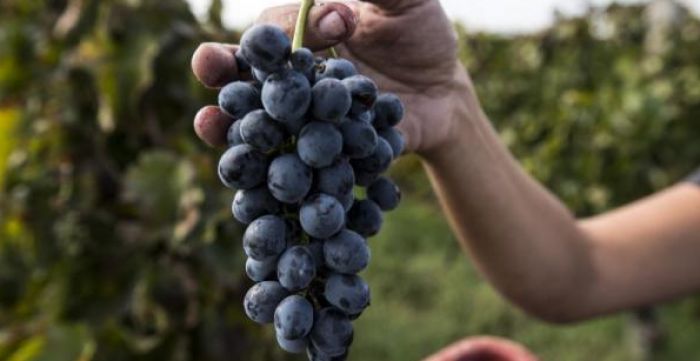
<p>A first for me, we had a fresh and rainy Spring, which helped the plants be vigorous and have a healthy vegetative cycle. We started <glossary term="Harvest" title="521">harvesting</glossary> at the end of August with the <glossary term="Moscato Giallo" title="688">Moscato d’Alessandria</glossary> and <glossary term="Albanello" title="86">Albanello</glossary>; we continued with the <glossary term="Frappato" title="467">Frappato</glossary> and <span class="zalup"><span><glossary term="Nero d'Avola" title="714">Nero D’Avola</glossary><span>,</span></span></span> picking the <glossary term="Grillo" title="511">Grillo</glossary> from Santa Margherita in the interim.</p>
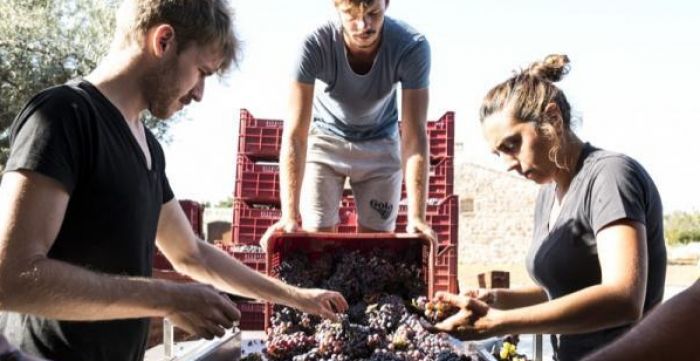
<p>Despite the hardships of the <span class="zalup"><span><glossary term="Vintage" title="1109">vintage</glossary><span>,</span></span></span> the <glossary term="Harvest" title="521">harvest</glossary> was a moment of great happiness and conviviality thanks to the young and international team that joined us. The grapes that arrived to the <glossary term="Sorting" title="1380">sorting table</glossary> had good <span class="zalup"><span><glossary term="Concentration" title="324">concentration</glossary><span>,</span></span></span> so we could reduce <glossary term="Maceration" title="610">maceration</glossary> time to have a lower <glossary term="Extraction" title="433">extraction</glossary> in a shorter period. For us, in Vittoria, the year 2023 will be remembered as a complex <glossary term="Vintage" title="1109">vintage</glossary> for many different reasons.</p>
<p>In the end, here we are, <glossary term="Harvest" title="521">harvest</glossary> after <span class="zalup"><span><glossary term="Harvest" title="521">harvest</glossary><span>,</span></span></span> not only to enjoy the ride: it's<br />
more to try and understand, to know that in the end, every year, for specific reasons, is different from the others. We are also here to teach from our experience: what the farmer learns, which will help us all listen a bit more what Nature has to tell us.</p>
<p>This wines from 2023 <glossary term="Vintage" title="1109">vintage</glossary> will talk to us of twenty years of passion, experimentation and experience. Twenty years of memories, to the path of our achievements, working a territory that is not always easy but beautiful for the vines. And twenty years of proof to the core potential I saw in my first <glossary term="Hectare" title="523">hectare</glossary> in Fossa di Lupo.</p>
Article
harvest report
13.10.2015
2015 Harvest Report from Arianna Occhipinti
<p><glossary title="521">Harvest</glossary> started on September 20th, 2015. Because of a hot summer, it was a long wait to get to the grapes to ripen. This led to a bit of uncertainty in some moments: we know the excess of heat does not help <glossary title="787">photosynthesis </glossary>and that plants protect themselves by closing up. This generates some delays in the ripening process but, as is usual here in <span class="zalup"><span><glossary title="1114">Vittoria</glossary><span>,</span></span></span> our <glossary title="521">harvest</glossary> was completed in October.<br />
<br />
We are lucky to have had a team full of enthusiasm as this <glossary title="1109">vintage</glossary> required a lot of <glossary title="324">concentration</glossary> on my part. The wines, after <span class="zalup"><span><glossary title="622">malolactic fermentation</glossary><span>,</span></span></span> surprised me a lot. 15 days of <glossary title="610">maceration</glossary> for the two "SP68" wines and just over three weeks for "Il Frappato<font color="#7b143e"><strong>"</strong></font> and "Siccagno". During the <span class="zalup"><span><glossary title="521">harvest</glossary><span>,</span></span></span> the <glossary title="71">acidity</glossary> in the grapes was high and the <glossary title="1010">tannins</glossary> present; now everything has mellowed, giving way to more balance and freshness. The white is very drinkable, and I believe this <glossary title="1109">vintage</glossary> that will behave well over time.<br />
<br />
<strong><glossary title="1109">Vintage</glossary> description:</strong><br />
<br />
The winter was characterized by abundant rainfall. The summer started slowly and then made itself hotter with very high temperatures in July. August has been cooler, accompanied by some rainy days. A dry autumn.<br />
<br />
<strong>Produced Wines:</strong><br />
<br />
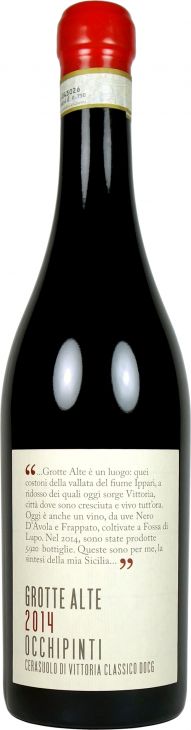
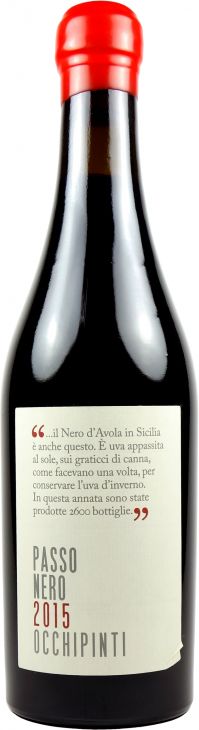
"SP68 Bianco", "SP68 Rosso", "Il Frappato", "Siccagno", "Grotte Alte", "Passo Nero".</p>
<p><img src="http://louisdressner.com/uploads/images/article/2019_Sep_18//6c/04/6c04c0b135e8a301b23a08c05eddf77e.jpg" /></p>
<p><img src="http://louisdressner.com/uploads/images/article/2019_Sep_18//d5/eb/d5eba114a2a134b97323ca2b39261135.jpg" /></p>
<p><img src="http://louisdressner.com/uploads/images/article/2019_Sep_18//e5/70/e5703fd3e7a8156be7064bdf5c6742fa.jpg" /></p>
<p><img src="http://louisdressner.com/uploads/images/article/2019_Sep_18//db/e6/dbe63308a247a2110697d0da98f715fd.jpg" /></p>
<p><img src="http://louisdressner.com/uploads/images/article/2019_Sep_18//0e/68/0e6816ff7d3f1568ee3327452e57e4a9.jpg" /></p>
<p><img src="http://louisdressner.com/uploads/images/article/2019_Sep_18//2a/5c/2a5c58701f43f65c138fd71fc542f9aa.jpg" /></p>
<p><img src="http://louisdressner.com/uploads/images/article/2019_Sep_18//da/cd/dacda3b52f9e81ae2d052dcba889a1fe.jpg" /></p>
<p><img src="http://louisdressner.com/uploads/images/article/2019_Sep_18//a6/ab/a6ab276eb090f60e975635c06e668d21.jpg" /></p>
<p><img src="http://louisdressner.com/uploads/images/article/2019_Sep_18//c1/e0/c1e0a671da0aa72d38003f48a36eff57.jpg" /></p>
<p><img src="http://louisdressner.com/uploads/images/article/2019_Sep_18//25/da/25da28024e3f46f9dc0f7c91526404a2.jpg" /></p>
<p><img src="http://louisdressner.com/uploads/images/article/2019_Sep_18//71/64/716489aa7cb6969c8074b23f6b765589.jpg" /></p>
<p><img src="http://louisdressner.com/uploads/images/article/2019_Sep_18//12/a2/12a25d1c3165c01ed79f41672159fe82.jpg" /></p>
<p><img src="http://louisdressner.com/uploads/images/article/2019_Sep_18//59/54/5954ecd26c0389eaf92bd53825319545.jpg" /></p>
<p><img src="http://louisdressner.com/uploads/images/article/2019_Sep_18//56/b4/56b4703f93229c30791d94fd7a8c280e.jpg" /></p>
<p><img src="http://louisdressner.com/uploads/images/article/2019_Sep_18//b2/28/b228dc6e8d9c2ea610e5053631590512.jpg" /></p>
<p><img src="http://louisdressner.com/uploads/images/article/2019_Sep_18//1a/e2/1ae244107213b30460cbca8b1b2b51e3.jpg" /><img src="http://louisdressner.com/uploads/images/article/2019_Sep_18//8f/e7/8fe7be8d8667e55c823578770af5561f.jpg" /></p>
Article

harvest report
09.07.2014
2014 Harvest Report from Arianna Occhipinti
<p><glossary title="521">Harvest</glossary> began on September 18th with a good team. They had great energy, which is vital in such moments. We had to pick everything in 15 days, as the rains during the summer have become desired in past years. We tried to collect everything at the ideal time. We only had one day of rain, which slowed the work and fortunately gave us a little breathing time.<br />
<br />
This year, I preferred to work on a <glossary title="610">maceration</glossary> of about 15 days for the two "SP68"'s, with light <glossary title="850">pump-overs</glossary> and <glossary title="795">punchdowns</glossary> on all wines. For the <glossary title="467">Frappato</glossary> and "Siccagno" <span class="zalup"><span><glossary title="714">Nero d'Avola</glossary><span>,</span></span></span> we did a longer <glossary title="610">maceration</glossary> of 25 days. It's amazing to note that the more the <glossary title="746">organic</glossary> substance in our soils goes on, the more these grapes give the wines more balance. The balance that I feel is when <span class="zalup"><span> <glossary title="1010">tannins</glossary><span>,</span></span></span> alcohol, <span class="zalup"><span><glossary title="662">minerality</glossary><span>,</span></span></span> <glossary title="71">acidity</glossary> and freshness, regardless of the <span class="zalup"><span><glossary title="1109">vintage</glossary><span>,</span></span></span> work well together.<br />
<br />
<glossary title="1114">Vittoria</glossary> surprises me more and more, and I notice that this unique combination of <glossary title="222">calcareous</glossary> soils, red <glossary title="909">sands</glossary> and the Monti Iblei in front our little secret for these the wines of the south.<br />
<br />
I wish you to drink a lot of it!<br />
<br />
<strong><glossary title="1109">Vintage</glossary> description:</strong><br />
<br />
This <glossary title="">vintage</glossary> is marked by fairly normal weather patterns. It was characterized by a mild winter, followed by an equally mild spring with some initial pressure of <glossary title="737">powdery mildew</glossary> (which did require a lot of attention). The summer was absent of rainfall but fortunately not too hot, allowing the plant to remain healthy. The <glossary title="1396">veraison</glossary> was very slow, especially for the <glossary title="467">Frappato</glossary> this year.<br />
<br />
<strong>Produced Wines:</strong><br />
<br />
"SP68 Bianco", "SP68 Rosso", "Il Frappato", "Siccagno", "Grotte Alte", "Passo Nero"</p>
Article
harvest report
16.10.2013
2013 Harvest Report from Arianna Occhipinti
<p><glossary title="521">Harvest</glossary> began on September 24th, 2013. It was our first <glossary title="">vintage</glossary> in the new <span class="zalup"><span><glossary title="254">cellar</glossary><span>.</span></span></span> There was a fresh new smell in the <span class="zalup"><span><glossary title="254">cellar</glossary><span>,</span></span></span> but it was also lacking 2012's aromas. Still, I moved all of the 2012 <glossary title="1109">vintage</glossary> in to keep us company and to make the grapes feel comfortable their first time entering their new home!<br />
<br />
All the <glossary title="1140">tanks</glossary> are <glossary title="325">concrete</glossary> from now on. Finally, more space! I had a lot of anxiety about how everything would be: for the <glossary title="441">fermentations </glossary>but also for my team adapting to a new place (and quickly!) But all at once, as soon as the grapes started to <glossary title="441">ferment</glossary> I made a big sigh of relief.<br />
<br />
The smell of the <glossary title="700">must</glossary> was the same as always, and everything went well. I think that what we have in the vineyard really is the most important thing, and that's why I found all and everything in the wines while being in a new place. I am very happy with this <span class="zalup"><span><glossary title="1109">vintage</glossary><span>.</span></span></span> It is my tenth, so it had to be special!<br />
<br />
<strong><glossary title="1109">Vintage</glossary> description:</strong><br />
<br />
Ideal weather throughout the year. July and August were cool. We had just a bit of rainfall, which refreshed the soil and helped the plants restart. With a cool climate, a breezy season and perfectly sanitary grapes, things were looking good.<br />
<br />
I found, however, a greater difficulty in finding the point of <glossary title="639">maturity</glossary> in the grapes. I remember starting the <span class="zalup"><span> <glossary title="521">harvest</glossary><span>,</span></span></span> but interrupting it and resuming it after a few days. It was a belated year and the grapes needed to stay on the plant a little longer. The <glossary title="714">Nero d'Avola</glossary> was rich and typical, the <glossary title="467">Frappato</glossary> very fragrant. <glossary title="610">Macerations</glossary> have been shortened slightly, with <glossary title="795">punchdowns</glossary> and <glossary term="Remontage/Pumping Over" title="850">pump-overs</glossary><glossary title="850"> </glossary>on a daily basis.<br />
<br />
<strong>Produced Wines:</strong><br />
<br />
"SP68 Bianco", "SP68 Rosso", "Il Frappato", "Siccagno", "Grotte Alte", "Passo Nero"</p>
Article
harvest report
01.10.2011
2011 Harvest Pictures from Arianna Occhipinti
<p><img src="http://louisdressner.com/uploads/images/article/2019_Sep_25//59/a1/59a16031be5dd9d016a3270b1059c06f.jpg" /></p>
<p><img src="http://louisdressner.com/uploads/images/article/2019_Sep_25//01/90/019010695f4910e63966b75266a20671.jpg" /></p>
<p><img src="http://louisdressner.com/uploads/images/article/2019_Sep_25//e8/37/e83756510ca7efa40ca001368da4ef43.jpg" /></p>
<p><img src="http://louisdressner.com/uploads/images/article/2019_Sep_25//f4/27/f427fb66986ad5604edc7089bef0857d.jpg" /></p>
<p><img src="http://louisdressner.com/uploads/images/article/2019_Sep_25//8d/34/8d34edc9087f2174d387a07bc323a195.jpg" /></p>
<p> </p>
Article
harvest report
02.10.2010
2010 Harvest Report from Arianna Occhipinti
<p>Today is the last day of <span class="zalup"><span><glossary title="521">harvest</glossary><span>.</span></span></span> My happiness, however, ultimately turns to sadness because of one thing.<br />
<br />
I'll tell you the story of Mr. L, who <glossary title="521">harvested</glossary> his grapes and left them on the ground to rot because he otherwise would have been forced to sell them at € 0.10 / kg - to say the least a useless amount of money. Today I saw, with my own eyes, piles of grapes, piles of waste, piles of sadness!<br />
<br />
This year he decided not to be fooled by anyone, neither by the big <glossary title="254">cellars</glossary> nor by the entire system. But I'm sure that he thinks that after all this year's work - cultivating his vineyard, doing his duty as he has for the last 75 years - he is the one made a fool. How can you dedicate your life to something and then be forced to throw away your work on the ground?<br />
<br />
He has decided not to even leave the grapes on the plant; he has <glossary title="521">harvested</glossary> and thrown them on the ground to rot.<br />
<br />
This is the reality of the deep agricultural crisis in <span class="zalup"><span><glossary title="951">Sicily</glossary><span>.</span></span></span><br />
<br />
But I'm not ready for this. I do not want to hear more of these things, or see this kind of slaughter any more. I do not want to hear anymore that large wineries have not yet paid the farmers for last year’s <span class="zalup"><span><glossary title="521">harvest</glossary><span>.</span></span></span></p>
<p><br />
<span class="zalup"><span><glossary title="951"></glossary></span></span><span class="zalup"><span><glossary title="951">Sicily</glossary><span>,</span></span></span> and all you others:<br />
<br />
Keep impoverishing our<font color="#7b143e"><strong> <glossary term="Agriculture" title="78">agricultual</glossary></strong></font> foundation, so that the young people who pay attention will abandon the countryside definitively, so that which was our main strength and represents the heart of our land, is permanently lost to history in this inevitable future!<br />
<br />
I believe that Mr. L will no longer <glossary title="834">prune</glossary> his vineyard in January. He like many others has decided to abandon it.</p>
Article
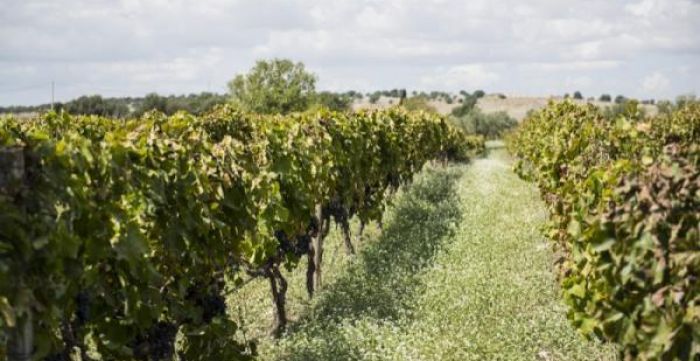
harvest report
03.10.2008
2008 Harvest Report from Arianna Occhipinti
<p><u><strong>October 3rd, 2008:</strong></u></p>
<p>Here we go, finally. The most anticipated moment…it's hard to describe. The grapes are ripe and we are starting the <span class="zalup"><span><glossary title="521">harvest</glossary><span>.</span></span></span> Besides two small and insignificant rainfalls, this year has been very dry, beautiful and pleasant.<br />
<br />
The scents of the air are changing to those of grape <glossary title="700">must</glossary> and of fruit that in turn changes to the scent of wine and, of course, the smell of <glossary title="310">carbon dioxide</glossary> which intensifies the air.<br />
<br />
As always it is a happy moment, of renewal and trying new things.<br />
<br />
<em><strong>Buona Vendemmia a tutta Italia!</strong></em></p>
Article