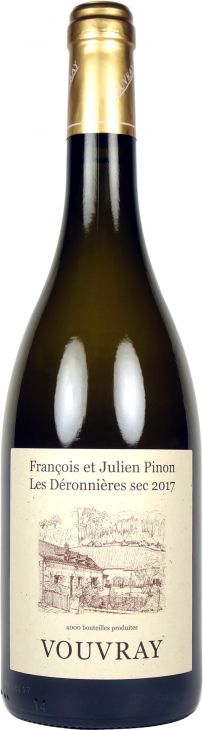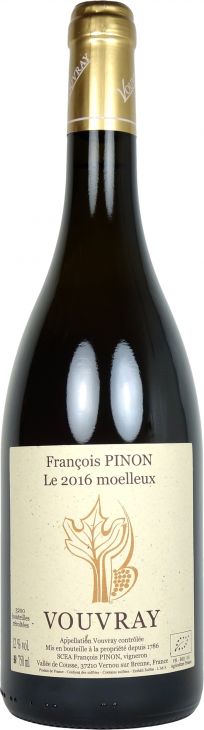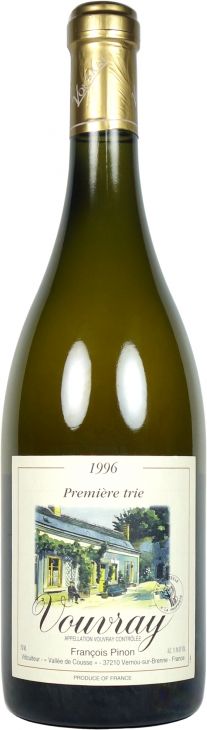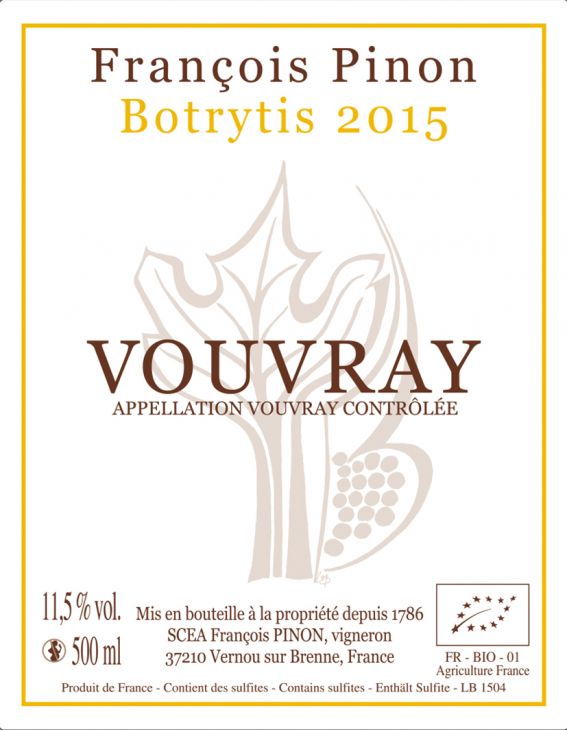
producer profile
01.07.2019
François et Julien Pinon Producer Profile
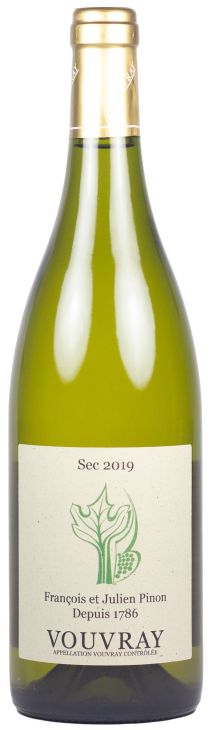
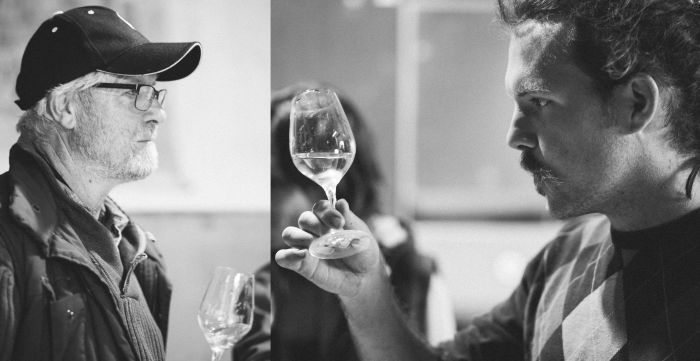
<p>The wines of François and Julien Pinon are considered among the finest of <span class="zalup"><span><glossary title="1121">Vouvray</glossary><span>.</span></span></span> François, a former child psychologist, took over the <glossary title="427">estate</glossary> from his father in 1987, and has steadily made a name for the <span class="zalup"><span><glossary title="427">estate</glossary><span>.</span></span></span> He is a serious winemaker whose main focus is "to keep the <glossary title="1056">typicity</glossary> of both the <glossary title="113">appellation</glossary> and the <glossary title="1109">vintage</glossary>" in all his wines. Julien's arrival has cemented the family's dedication to <glossary title="746">organic</glossary> <glossary title="1103">viticulture</glossary> and <glossary title="664">minimal intervention</glossary> winemaking.</p>
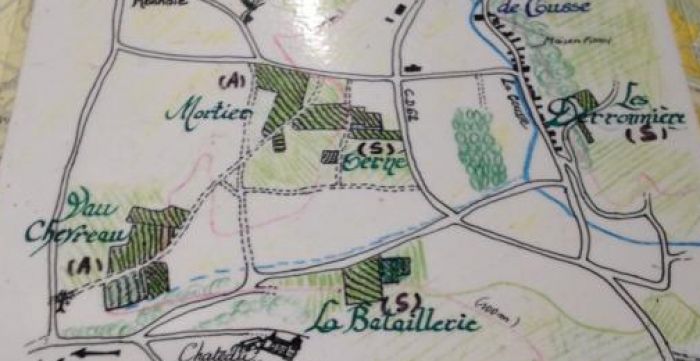
<p>The vineyards are in the <glossary title="340">corniche</glossary> of the <span class="zalup"><span><glossary title="1202">Vallée de Cousse</glossary><span>.</span></span></span> The soil is <glossary title="301">clay</glossary> and <glossary title="955">silica</glossary> on a base of <glossary title="596">limestone</glossary> (<glossary title="1053">tuffeau</glossary>) with <glossary title="455">flint</glossary> (silex) and the area is rated among the top sites in the <glossary title="113">appellation</glossary> for <glossary title="1121">Vouvrays</glossary> of distinction and long life. The Pinon follow a discipline of <glossary title="810">plowing</glossary> the vineyards, not using <glossary title="279">chemical</glossary> <glossary title="442">fertilizers</glossary> and <glossary title="1142">pesticides</glossary> and, of course, he <glossary title="520">harvesting by hand</glossary> and uses not using <glossary title="321">cultured yeasts </glossary>in the <span class="zalup"><span><glossary title="254">cellar</glossary><span>.</span></span></span> All new plantings are done by <glossary title="941">selection massale</glossary> and no nursery <glossary title="304">clones</glossary> are used; the vines are an average of 25 years old. The <glossary title="427">estate</glossary> has been <glossary title="260">certified organic</glossary> since 2011.<br />
<br />
The <glossary title="87">alcoholic fermentation</glossary> occurs in <glossary title="1126">wood</glossary> <span class="zalup"><span><glossary title="142">barrels</glossary><span>.</span></span></span> Then the wines are <glossary title="74">aged</glossary> in <glossary title="986">stainless steel</glossary> or <glossary title="462">foudres</glossary> (big <span class="zalup"><span><glossary title="242">casks</glossary><span>,</span></span></span> about twice the size of <glossary title="144">barrique</glossary> <glossary title="180">Bordelaise</glossary>) to obtain a balance between fruit and <span class="zalup"><span> <glossary title="847">reduction</glossary><span>.</span></span></span> There is one <glossary title="843">racking</glossary> to remove the <glossary title="515">heavy lees</glossary> and the wine remains on its <glossary title="448">fine lees</glossary><glossary title="448"> </glossary>until <span class="zalup"><span><glossary title="185">bottling</glossary><span>,</span></span></span> which takes place a full year after the <glossary title="521">harvest</glossary> to “finish” the wine. Rather than use a large dose of <span class="zalup"><span><glossary title="993">SO2</glossary><span>,</span></span></span> Pinon prefers to gently <glossary title="447">filter</glossary> his wines to ensure their stability and <glossary title="74">aging</glossary> potential.<br />
<br />
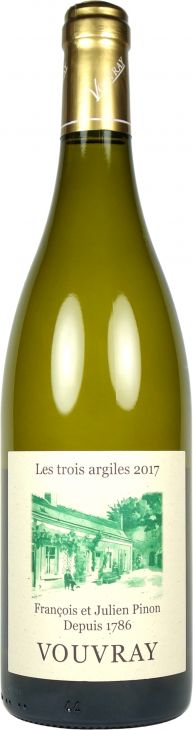
The two main wines of the <glossary title="427">estate</glossary> are both meant to highlight the area's two distinct <span class="zalup"><span><glossary title="1026">terroirs</glossary><span>.</span></span></span> The "Trois Argiles" <span class="zalup"><span><glossary title="363">cuvée</glossary><span>,</span></span></span> grown on heavy <glossary title="301">clay</glossary> with <glossary title="596">limestone</glossary> <span class="zalup"><span><glossary title="991">subsoils</glossary><span>,</span></span></span> is what is termed a <glossary title="1099">vin tendre</glossary>; the sweetness is between a <glossary title="936">sec</glossary> and <span class="zalup"><span><glossary title="386">demi-sec</glossary><span>.</span></span></span> It has a delicate sweetness in the attack that gives over to a pleasant citrus finish with resonance and length. It has flavors reminiscent of apples and quince with a slightly spicy accent. This wine will continue to develop with age, but is affable and charming when drunk young. </p>
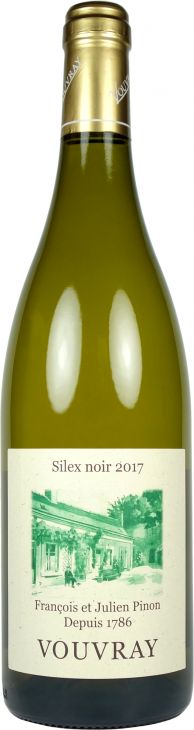
<p>"Silex Noir" is named for the black <glossary title="455">flint</glossary> soils characteristic of two <glossary title="760">parcels</glossary> totalling 3.7 <span class="zalup"><span><glossary title="523">hectares</glossary><span>.</span></span></span> Just like <span class="zalup"><span><glossary title="596">limestone</glossary><span>,</span></span></span> <glossary title="455">flint</glossary> is left by ancient seabeds. Millions of shells and other organisms make up deep layers of <glossary title="596">limestone</glossary> (or <glossary title="266">chalk</glossary>), while more complicated chemical interactions between <glossary title="955">silica</glossary> (contained in seawater) and organisms such as sponges created nodules of hard flint, which embedded itself into the <span class="zalup"><span><glossary title="596">limestone</glossary><span>.</span></span></span> </p>
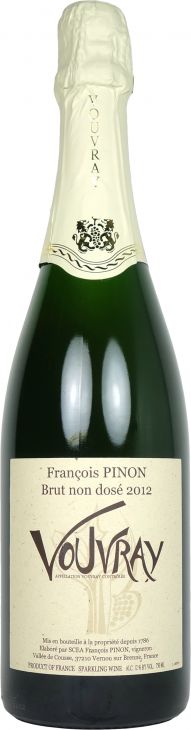
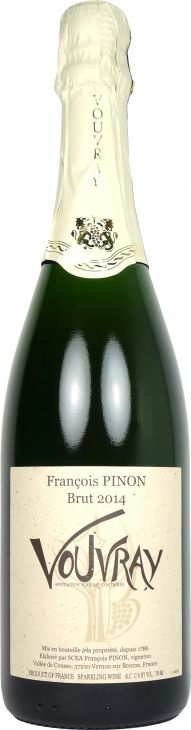
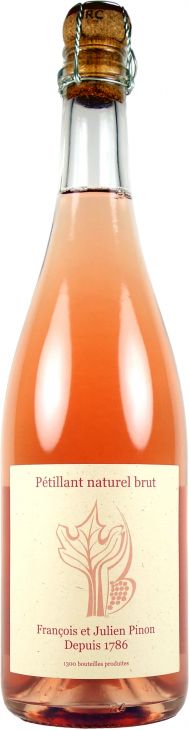
<p>The other significant part of production are the sparkling wines (bottled <glossary title="203">brut nature</glossary> and <glossary title="202">brut</glossary>) produced from grapes on more neutral soils as well as the <glossary title="427">estate</glossary>'s <span class="zalup"><span><glossary title="1130">youngest vines</glossary><span>.</span></span></span> The weather of the <glossary title="1109">vintage</glossary> will affect the amount of sparkling made each year: if it was a rainy year, the Pinon make more sparkling because in drier <span class="zalup"><span><glossary title="1109">vintages</glossary><span>,</span></span></span> the grapes reach <glossary title="639">maturities</glossary> more suited for still wines. <br />
<br />
When the weather in September and October creates the right conditions for <glossary title="721">noble rot</glossary> and/or <glossary title="763">passerillage</glossary> (sun or wind-dried grapes), Pinon makes a whole range of <span class="zalup"><span><glossary title="1121">Vouvrays</glossary><span>:</span></span></span> <span class="zalup"><span><glossary title="936">sec</glossary><span>,</span></span></span> <span class="zalup"><span><glossary title="386">demi-sec</glossary><span>,</span></span></span> <span class="zalup"><span><glossary title="694">moëlleux</glossary><span>,</span></span></span> and, more rarely, a <em>grain par grain</em> selection that results in a <span class="zalup"><span><glossary title="598">liquoreux</glossary><span>.</span></span></span></p>
Article

article
06.06.2021
François Pinon (1951-2021)
<p><strong><u>Words from Jules Dressner:</u></strong></p>
<p>How to describe François Pinon? From looks alone, you could gather through his trademark ascot, hat, thick glasses and bushy beard that there was an intellectual there. And that was true: prior to returning to his family estate, François was a young professor and later a child psychologist and psychoanalyst. Maybe to the passerby, his look might have come off as reserved and private, the type of guy who takes everything too seriously and never cracks a smile. But all it took was a few moments sitting and talking with him, seeing the beginning of his mischievous grin form after making a dry joke, his wonderful sense of humor coming to light: you knew you were in the midst of someone special. His intelligence was unquestionable but never intimidating, his opinions strong and always well thought out. If you paid attention, he could be the funniest person in the room. But what I’ll miss most was François’ emanating warmth and kindness. </p>
<p>So many memories came flooding back last night as I ate my simple dinner (a soup and a glass of Touraine Pinot Noir, very <em>paysan</em> though lacking bread), both from France and his numerous visits to the USA, a tradition I know he relished. In no particular order: François walking us through his hailed vines in summer 2013. Telling us about a downed World War 2 aircraft in one of his parcels. Joe Dougherty guessing the 1953 vintage blind during a winter tasting (I’ll never forget the surprised but satisfied smile on François’ face). François picking up my girlfriend at the Tours train station because her flight had been delayed. Us “Home Alone-ing” him by leaving the hotel without him on an early train ride during one of the US March tours (Seattle?). My interview with him while drinking beer from a keg on a bus from LA to SF in 2011. The beginnings of his son Julien joining the estate, their first trip together to the US in March. The trove of old Pinon bottles we get to enjoy every summer in Saint-Gengoux…</p>
<p>A colloquial French term I often use with my mother is <i>vieux de la vieille</i>. It’s essentially a way of saying “old school” and usually in reference to the vignerons we’ve been working with since the early 1990’s. Louis/Dressner Selections is almost as old as I am; in its 30+ years of existence we’ve managed to retain a sizable amount of <i>vieux de la vieille</i> relationships, putting me in the unique position of knowing many of these vignerons since I was a little kid (and vice versa). They’ve seen me grow up, go from a punk kid dragged to their vineyards to a young man curious about their work and ultimately brought into the fold. In many ways, they’ve become relatives of sorts, part of an extended family. </p>
<p>François was one of my inspirations for joining LDM. Long before I had any interest in terroir, vintages, regions or wine for that matter, I was inspired by the peace of mind I perceived in vignerons like François, Catherine Roussel and Marc Ollivier. Here were these peasants, a term most would consider derogative, smiling, happy, laughing, satisfied despite their work in the vines, simple country homes and humble way of life. I’d also observe the relationship my parents had with them, the satisfaction and genuine joy in reuniting over bottles and a meal. I may have been a punk kid bored to tears, but I was paying attention. François was a link, an affirmation to our improbable history with France, to peasants, to the humanity we find in those places.</p>
<p>When Julien’s friend Maxime Robin <a href="https://www.larvf.com/,vin-naturel-etas-unis-la-releve-de-l-importateur-louis-dressner-est-assuree,10337,4250301.asp">profiled me in 2013 for la Revue des Vins de France</a>, François’s kind quotes on LDM and my joining the business really meant the world; I’d just moved back to NYC, it hadn’t been that long since Joe had passed and hearing that the <em>vieux de la vieille</em> had my back gave me the confidence I needed back then. On the phone with Julien, he told me they spoke about us often and that François felt he’d learned a lot from us. Well, the feeling is reciprocal. </p>
<p>One memory that really marked me was a summer night (probably 2016) having dinner at the Lemasson with Denyse. Olivier pulled out a bottle of François’ Vouvray. For some reason I was a bit shocked; Olivier is on the more militant side with his own winemaking and I’d falsely assumed that a wine like François’ would be of no interest to him. But he told me they’d become friends over the years on the USA trips and yearly Valaire tastings and now regularly exchanged bottles. We didn’t talk much about it past that but it was clear everyone enjoyed the wine. On a deeper level it affirmed that our work, despite it crossing many boundaries and work philosophies, was always grounded in this love of people and relationships. I am so happy that François became close to many of the other vignerons we work with and introduced him to.</p>
<p>If COVID hadn’t happened we’d be in the Loire today, fully expecting to visit or see François at one point or another, taste the new wines and catch up. I’d originally planned to spend an extensive part of my summer touring the Loire, a daunting feat last accomplished in 2016. While we’ve all had to accept the disruptions in our lives, I was fully expecting to see everyone again. So this hurts bad. </p>
<p>Through the pain I am finding solace in remembering François’ warmth, something he seemed to have in never ending supply. I don’t know if this is unique to me, but most people I’ve known since early childhood have always looked exactly the same as years went by, bringing me great comfort in their familiarity. I know that’s a distortion of reality (pictures posted on social media confirm François once had brown in his beard), but this is perhaps what we (I?) do to remember and immortalize. François will always be the ascot, the hat, the white beard, that mischievous grin, the warmth, the kindness, the years of collaboration and friendship. </p>
<p>François, you will be greatly missed and never forgotten. </p>
<p><img src="https://louisdressner.com/uploads/images/article//736/33/04/3304e33d2eadf89b47ad68beb4eb839a.jpg" /></p>
<p><u><strong>Words from Josefa Concannon:</strong></u></p>
<p>I was traveling to Europe for the first time on my own in 2007, the ink barely dry on my divorce papers; and was headed to France on what was the first of many LDM trips to The Loire Valley. I was working for Maverick Wines as the American Portfolio Manager, so this trip was on my dime. The keeper of the purse strings at the time thought that this was not an allowable expense, but I insisted on going and Joe welcomed me.</p>
<p>Our visit to Pinon was memorable for many reasons - the visit in the cellar tasting the new wines, followed by a convivial and delicious dinner prepared by his wife, Odile, was a day and evening full of laughter and great memories. It was even more special because they graciously opened up their home to a stranger and I got to spend the night. I was given one of the girl’s old rooms with a lilliputian bed, which was perfect for a person of my short stature and for a cold January night. At that time, my French was no better than it was when I got out of college but breakfast the next morning was where my friendship with François was permanently cemented. I had a copy of The Botany of Desire, by Michael Pollan that I had just finished reading and offered to leave it with him, but he said he had already read the French translation and managed to pull a copy our from one of the many bookshelves in the house. Our conversation, strained a bit by the language barrier, evolved around the vine and how its evolution was also part of this greater conversation of man and our relationship to nature.</p>
<p>Later that week, at the Salon in Angers, I showed up at his booth with Joe, and we tasted through the new wines again, and this time, he was showing a bottle of 1964, perhaps as an example of the age-worthiness of the wines or maybe he was offering it to clients as a cellar release, I am not sure. I mentioned that I was thrilled to be tasting a birth year wine, probably for the first time in my life. I have to think that he never forgot this because I recall tasting this wine with him on numerous occasions after this. Always when we visited him at the estate and once, back in 2008 or 2009, at the home of our late friend, Joe Dougherty. The last time we shared old wine with him was two years ago in his cellar, where he once again pulled out a<br />
bottle of 1964. Its brilliance was only eclipsed by the next bottle, a 1945, the first vintage that his father Claude had made - a storied vintage because so many vigneron in Vouvray, a region hit hard and at the front lines of many battles during WWII, managed to coax out a beautiful vintage from vines that that had not been properly tended for a few years. </p>
<p>From drinking old wines at the estate, to the many years of tastings and travel together, I hold my memories of François dear. As many others have said, François was more than just a vigneron. His kindness and gentle manner, his sense of humor and playfulness, and most of all his humanity make this such a painful loss for me. And to Julien, Suzanne, and Lucie – sending you much love and light. May his memory be for a blessing and may our words bring you some comfort in knowing how much the rest of our little wine world held him in such high regard.</p>
<p><img src="https://louisdressner.com/uploads/images/article//736/bd/fc/bdfc233b2768a7171d87cc27573d4c76.png" /></p>
<p><img src="https://louisdressner.com/uploads/images/article//736/e7/16/e716212bdc666590c531a0204975feeb.jpg" /></p>
<p><u><strong>Words from Carl Moberg:</strong></u></p>
<p>The first time I had a bottle of wine from François Pinon was many years ago. It was the nascency of what would become my love-affair with the wines of the Loire Valley. I had tasted Vouvray before, but something about this bottling of Silex Noir made me take notice. When looking back on my tasting notes, I had avoided all the silly flowery language I was prone to at that time and just wrote “Astounding.”</p>
<p>It would be years later when I would meet François for the first time at a Louis/Dressner event in Chicago. After tasting at a few other tables I noticed that there was no one at François’s table and I immediately made my way over. Tasting through the full range of the wines was obviously a delight. However, it was getting a chance to chat uninterrupted with François that was so enjoyable. He was patient and humorous in answering the absurd number of questions I had about the winemaking process and just exuded warmth and knowledge.</p>
<p>Last year when we visited the Pinon estate, it was my first opportunity to tour the house and cellar. Unfortunately, we weren’t able to walk in the vines because it was a typical January afternoon in the Loire, cold and rainy. It was wonderful to see the pride François took in his son Julien, who was leading the tour, while François stood back and occasionally chimed in with support. After the tour he switched into consummate host and plied us with old vintages and put out a stunning spread of food capped off by a lovely galette des rois. Upon saying our goodbyes, I awkwardly messed up la bise and François just laughed it off. His graciousness and kindness indelibly impressed upon me. He will be greatly missed.</p>
<p><img src="https://louisdressner.com/uploads/images/article//736/4c/cf/4ccf5d97a495c8b7089a02d73d32bae4.jpg" /></p>
<p><u><strong>Words from David Lillie:</strong></u></p>
<p><a href="https://www.chambersstwines.com/Articles/12946/francois-pinon-a-dear-friend-has-passed-away">Please follow this link to read David Lillie's tribute to François</a>. It was David who discovered the wines in the late 1980's and introduced us to the estate. </p>
<p><img src="https://louisdressner.com/uploads/images/article//736/cd/b5/cdb58ab20e0bb384321c543e32d04643.jpg" />Photo courtesy of Isaac Rosenthal. </p>
<p><u><strong>Words from Kevin McKenna:</strong></u></p>
<p>We almost lost François Pinon once. It was on my very first trip with Joe and Denyse to France in the summer and the Loire Valley. Joe had made up his mind to stop working with François with whom he and Denyse had been importing for just a few years. The reasoning was if we couldn’t work with Huet or Foreau why struggle with a Vouvray? I was a bit disappointed because I liked the wines and saw potential for them. And I was already Chenin lover. But I was new and a bit green and didn’t express my hesitation.</p>
<p>We didn’t have time on this trip to go over to Vouvray, so Joe set up a meeting in Azay-Le-Rideau after our visit to a producer with whom we were working at the time. We sat at an outdoor cafe at the marked hour, and arrived a very unassuming man with a gentle manner, an ascot and a tweed flat cap - <i>l’air Anglais.</i> The conversation started, continued for an hour and by the end we were happily continuing representing François’s wines. François had in a very well-reasoned way convinced Joe that he was worth sticking with even though he had no expectations to become the next Pinguet or a Foreau. He was on the backside of Vouvray - in the Vallée de Cousse in Vernou - the top vineyard sites were in the front line <i>côte </i>in Vouvray. But his intention was to make the absolute best wines he could with the material he had, which was certainly not sub-par. His professed intention to take the harder route to making a true expression of his terroir and, in fact, his charm won the day.</p>
<p>The following years solidified our relationship and François’s abilities as a first-rate winemaker with the skill, intelligence and curiosity to make very enjoyable, classic Chenins from clay and silex based limestones of Vouvray. As François came to identify and differentiate his terroirs by bottling, he taught me much about soil and its effect on Chenin Blanc. His learning curve was always a shared experience. In the meantime, François had converted to organic, changed the pruning, and was presented with some very good vintages in the mid-nineties. A perfect storm for enhancing his reputation first in the US and then also in France and Europe. </p>
<p>On his many trips to the US on our tour and beyond, François was always in demand and received with great warmth and encouragement. On our many visits to his vineyards and cellar, François was a great source of knowledge and an unrelenting searcher in evaluating the work in the vines and in the cellar. In adverse circumstances like the spring flooding of 2008 or the hailstorms of 2013, not to mention the constant threats of late spring frosts, François stoically and pragmatically faced the consequences and still always managed to keep any trace of the adversity out of his wines. Furthermore, he was always a willing and generous host for hosting our group (which could hover or exceed 20 persons) in his home, at his table. His late wife, Odile, was a deft hand at curative soups for a tasting-weary crowd. Old vintages were always uncorked (a rare place where I was able to taste wine from my birth year - and not just once!) And the apple tart that Claude, his retired father, always gifted us became legendary and of blue-ribbon regard among those lucky enough to experience it. </p>
<p>Now, personally, I am greatly saddened at the loss of one of the most even, modest and easiest of winemakers of unmistakeable talent. It was always a great pleasure to be in the company of him and his family - Suzanne when she would come to the US with him, and then Julien who has been working with his dad for about 5 years now. François is on of the orginals of our portfolio and gave so much knowledge to our company about soil, Chenin blanc, vine husbandry and acidity - the only of our Chenin producers to meticulously each year share the analysis of each wines - most importantly residual sugar, total acidity and ph. He was also always forthcoming about his use of sulfur and has since early days strove to keep the content at minimal levels. His trademark graphic incorporates the idea of a bud or seedling just as it is bursting forth; to me that symbol also represents the man, M. Pinon, who found that the earth and closeness to its force was the path to remarkable wine. Goodbye, dear friend, teacher, most noble man.</p>
<p><img src="https://louisdressner.com/uploads/images/article//736/93/07/9307bed9e7c4026c97c3673f649a13cd.jpg" /></p>
<p><u><strong>Words from Denyse Louis:</strong></u></p>
<p>François dressed like a <i>gentleman farmer</i>. And he was a real gentleman, but above all a farmer. He was elegant, distinguished, erudite, never pedantic or judgmental, passionate about his land and his work and he spoke impeccable French (something important to me; I believe people from Touraine and Anjou speak the best French in the country). He was a calm presence, serious and meticulous in his work and his words. But all one had to do was to look at his very blue eyes to discover a mischievous sparkle, true to his great sense of humor and gentleness.<br />
<br />
Every visit in Vallée de Cousse was a pleasure. There was always something new to learn from him, but mainly we enjoyed the warmth of his and Odile's welcome, the meals shared, the tastings in the small cellar dug into the hill, the beautiful garden with its fig and lemon trees, the flowers Odile so lovingly tended.<br />
<br />
François loved to come to the US: he felt invigorated and refreshed by the welcome he would get from "his Americans", the youth and enthusiasm of the tasters, how lively and fun the tastings and everything around them were. It was such a contrast to the rather staid, and much older customers he would meet in Europe that he went home with more optimism and determination to make his best wines possible.</p>
<p>During these numerous trips, he quickly became a regular member of our gang of winemakers and started long lasting friendships with most. When we left him behind at our hotel in Seattle, en route to Portland, he made it to the station at the last minute and had to endure endless teasing from his colleagues. He took with his usual humor: after all, he had enjoyed a solid breakfast and wasn't sorry for it.<br />
<br />
It was impossible not to love him, we hear from his fellow winemakers. Our thoughts go to Suzanne and Lucie, his daughters, his father Claude and his companion Isabelle, with sorrow and affection. We know Julien will carry on the work with the same dedication, which he has already demonstrated. We look forward to many vintages of his in the future.<br />
<br />
Thank you, François, for your wines and your friendship over so many years.</p>
<p><img src="https://louisdressner.com/uploads/images/article//736/bd/c9/bdc9a9604b6d43ad8a95e08c79e6778c.jpg" /></p>
<p><img src="https://louisdressner.com/uploads/images/article//736/0b/ee/0bee9122a38a4b3ae14ec32e2af1f13b.jpg" />Photo courtesy of Isaac Rosenthal. </p>
Article
interview
01.07.2019
An Interview with François Pinon from 2011
<p><em>This interview with François Pinon took place in a bus travelling from Los Angeles to San Francisco in March 2011.</em></p>
<p><strong>Tell us about your estate.</strong><br />
<br />
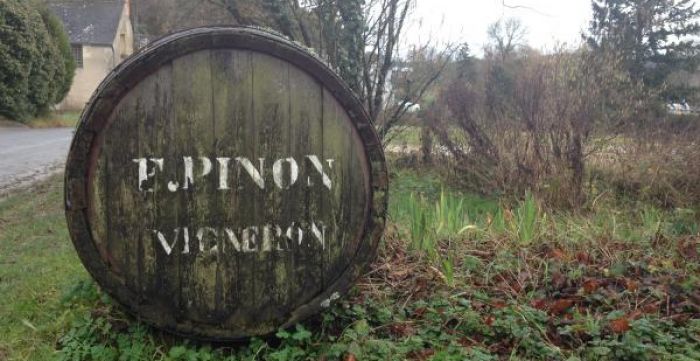
I work about 13.5 <span class="zalup"><span><glossary title="523">hectares</glossary><span>.</span></span></span> It's stayed in the family and has never changed in size. In the last three years, we've focused on highlighting our two distinct <span class="zalup"><span><glossary title="1026">terroirs</glossary><span>:</span></span></span> on our slopes we have a rocky <glossary title="455">flint</glossary> soil, and the rest is <span class="zalup"><span><glossary title="301">clay</glossary><span>.</span></span></span> In both cases, about 1.5 meters below the two soils is a layer of <glossary title="266">chalky</glossary> <span class="zalup"><span><glossary title="596">limestone</glossary><span>.</span></span></span> So these are our two principle <span class="zalup"><span><glossary title="363">cuvées</glossary><span>:</span></span></span> "Silex Noir"<glossary title="455"> </glossary>and the "Trois Argiles". <br />
<br />
The sparkling wines are produced from grapes on more "neutral" soils as well as our <span class="zalup"><span><glossary title="1130">youngest vines</glossary><span>.</span></span></span> The weather of the <glossary title="1109">vintage</glossary> will affect the amount of sparkling we make each year: if it was a rainy year, we'll make more sparkling because in drier years, the grapes reach a nicer <glossary title="639">maturity</glossary> and I'll want to incorporate them into the still <span class="zalup"><span><glossary title="363">cuvées</glossary><span>.</span></span></span> <br />
<br />
For the <span class="zalup"><span><glossary title="386">demi-sec</glossary><span>,</span></span></span> we've picked out three specific <glossary title="760">parcels</glossary> both from the <glossary title="455">flint</glossary> and <glossary title="301">clay</glossary> soils so the wine comes from six different <span class="zalup"><span><glossary title="760">parcels</glossary><span>.</span></span></span> <br />
<br />
<strong>How did you end up becoming a vigneron?</strong><br />
<br />
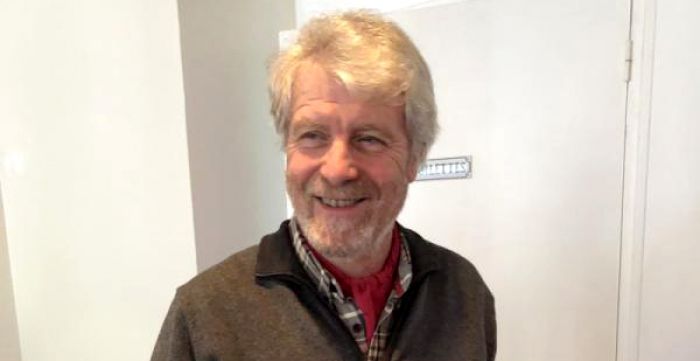
Before making wine, I used to be a professor. This led to a career in psychology and psychoanalysis. When my father retired, I took over the <span class="zalup"><span><glossary title="427">estate</glossary><span>.</span></span></span> I was 35 at the time. It was a point in my life where I wanted to start over, to fully invest myself in something new. <br />
<br />
When I was 20 year old, I wasn't ready to work with my father. It was petty teenager stuff. And though we never worked together, I was always able to stay on good terms with him. The year I took over, we worked together so he could show me everything, but after that I was on my own. If I had any questions he would gladly answer them, but it was up to me to get the work done. <br />
<br />
<strong>What's work like in the vineyards?</strong><br />
<br />
We work closely with our soils through extensive <span class="zalup"><span><glossary title="810">plowing</glossary><span>.</span></span></span> We do our best to not dig very deep, so grass grows back faster and we are basically always <span class="zalup"><span><glossary title="810">plowing</glossary><span>.</span></span></span> This is fine during dryer spring seasons, but if it's humid out, it makes life a lot more complicated. Every year we slightly modify our techniques in accordance to the weather.<br />
<br />
<strong>What about in the cellar?</strong><br />
<br />
In the <glossary title="254">cellar</glossary> my approach is to intervene as little as possible, or as "nicely" as possible. Before any work can start in the <span class="zalup"><span><glossary title="254">cellar</glossary><span>,</span></span></span> it's imperative that we <glossary title="521">harvest</glossary> our grapes at optimal <span class="zalup"><span><glossary title="639">maturity</glossary><span>.</span></span></span> This is easier said than done: a few days could change everything. <br />
<br />
When I <span class="zalup"><span><glossary title="1104">vinify</glossary><span>,</span></span></span> my main focus is to not lose any of the juice's potential. We do everything very slowly and methodically, and make sure that no oxygen reaches the juice. Again, this is easier said than done, and requires a lot of thought and effort. For example, when you <glossary title="843">rack</glossary> your wine, you can't do it alone. You need another person to hold the other end of the pipe so that he can lift it and avoid any air getting in contact with the juice. <br />
<br />
The wine's maximum potential comes with optimal <glossary title="639">maturity</glossary> and nothing can be added during the winemaking to make the wine better: it's already all there. So instead of adding anything I make sure to not detract anything. <br />
<br />
We use <glossary title="310">CO2</glossary> gas tanks to initiate the grapes prior to pressing them into the <span class="zalup"><span><glossary title="1140">vats</glossary><span>.</span></span></span> We also occasionally use <glossary title="310">CO2</glossary> to give the <glossary title="538">natural yeasts</glossary> a boost if they need it. Again I do all this so that I don't have to manipulate the wine later. <br />
<br />
<strong>Are you certified organic or biodynamic?</strong><br />
<br />
We started <glossary title="332">converting</glossary> to <glossary title="746">organic</glossary> <glossary title="78">agriculture</glossary> in 2003. As of 2007 most of the <glossary title="427">estate</glossary> is worked <glossary title="746">organically</glossary> and I anticipate having the <glossary title="427">estate</glossary> <glossary title="260">certified</glossary> by the 2011 <span class="zalup"><span><glossary title="521">harvest</glossary><span>.</span></span></span><br />
<br />
I've always worked this way, but it came to a point where I felt it was time to get <glossary title="260">certified</glossary> so the work would be clear to the consumer. This way, it confirms what I do and avoids confusion or doubt. <br />
<br />
It's simple: if you voluntarily use <glossary title="279">chemicals</glossary> in your vineyards, you might be making your work easier, but you're voluntarily polluting the ground, water and the air. I see guys in the vineyard wearing space suits to protect themselves from the <glossary title="279">chemicals</glossary> they are spraying on their own land. If they're taking those precautions, then they know it's bad. Yet they'd still sell you their wine and continue to harm the planet. It's hypocritical nonsense. <br />
<br />
<strong>How do you feel about Vouvray as an AOC, and more specifically do you feel your wines fit in to the notion of "typicity" of a region? </strong><br />
<br />
I'm rather comfortable with the <glossary title="1121">Vouvray</glossary> <span class="zalup"><span><glossary title="108">AOC</glossary><span>.</span></span></span> As long as you're using <span class="zalup"><span><glossary title="281">Chenin Blanc</glossary><span>,</span></span></span> anything is possible. We're the only <glossary title="113">appellation</glossary> in France where you can produce the wine you want on any given <span class="zalup"><span> <glossary title="760">parcel</glossary><span>.</span></span></span> Sparkling, still, <span class="zalup"><span><glossary title="936">sec</glossary><span>,</span></span></span> <span class="zalup"><span><glossary title="386">demi-sec</glossary><span>,</span></span></span> <span class="zalup"><span><glossary title="389">dessert wines</glossary><span>:</span></span></span> the choice is the <span class="zalup"><span><glossary title="1089">vigneron's</glossary><span>.</span></span></span> <br />
<br />
I think that <glossary title="1121">Vouvray</glossary> is an <glossary title="108">AOC</glossary> where if the work is being done right, you will end up having wines that reflect their <span class="zalup"><span><glossary title="1109">vintage</glossary><span>.</span></span></span> I go back to the example I used earlier about making more sparkling wines some years than others. Because their is no <glossary title="108">AOC</glossary> based specifically in sparkling wine from the area, the <glossary title="1089">vigneron</glossary> can make a conscious choice to produce more sparkling wines that year and not be reprimanded for quantity. <br />
<br />
As far as the general state of the <glossary title="108">AOC</glossary> system, I think most regions are getting bombarded with paperwork, with rules and legislation on how to make their wine when all anybody should be doing is making authentic wines. When you are being told that your wines need to be this or that way to be accepted as <glossary title="108">AOC</glossary> wines, I can see why some <glossary title="1089">vignerons</glossary> would feel obliged to manipulate them in the <glossary title="254">cellar</glossary> so that they fit a certain profile.<br />
<br />
<strong>What's your take on the whole natural wine debate?</strong><br />
<br />
This term has become popular because of an excess of <glossary title="279">chemical</glossary> use and <glossary title="254">cellar</glossary> manipulation. I think the original point of defining these wines as "natural" was to point out just how many artificial additives were being put in "<glossary title="331">conventional</glossary>" wine. An <glossary title="113">appellation</glossary> will tell you that its goal is to express <span class="zalup"><span><glossary title="1026">terroir</glossary><span>,</span></span></span> but <glossary title="1089">vignerons</glossary> are somehow legally allowed to use <glossary title="321">commercial yeasts</glossary> that are not indigenous to the area and will modify the wine in a way that <glossary title="1026">terroir</glossary> will be lost. <br />
<br />
So to me, "<glossary title="708">natural wine</glossary>" is a reaction to wines that are too <span class="zalup"><span><glossary title="993">sulfured</glossary><span>,</span></span></span> too <span class="zalup"><span><glossary title="324">concentrated</glossary><span>,</span></span></span> over <span class="zalup"><span><glossary title="433">extracted</glossary><span>,</span></span></span> over <span class="zalup"><span><glossary title="447">filtered</glossary><span>.</span></span></span>.. Over-everything! It makes sense that certain people would want to let the world know that you can make great wine without manipulation. <br />
<br />
I still think <glossary title="708">natural wine</glossary> is a flawed term. Man makes wine. The grapes can be natural (<glossary title="746">organic</glossary> or <glossary title="160">biodynamic</glossary>) but the minute you decide to make wine, a process of <glossary title="545">intervention</glossary> begins. From the <glossary title="521">harvest</glossary> to the <span class="zalup"><span><glossary title="254">cellar</glossary><span>,</span></span></span> human decisions in the winemaking will affect the final product. <br />
<br />
What matters to me is to <glossary title="545">intervene</glossary> but not manipulate. Of course I use <glossary title="538">indigenous yeasts</glossary> because I want my wines to reflect their <span class="zalup"><span><glossary title="1026">terroir</glossary><span>.</span></span></span> So maybe we should talk about wines of <glossary title="1026">terroir</glossary> instead of <span class="zalup"><span><glossary title="708">natural wine</glossary><span>!</span></span></span><br />
<br />
<strong>What do you like to drink?</strong><br />
<br />
Locally, I really enjoy the balance of <glossary title="386">demi-sec</glossary> <span class="zalup"><span><glossary title="1121">Vouvray</glossary><span>:</span></span></span> the <glossary title="281">Chenin's</glossary> <glossary title="71">acidity</glossary> and the <glossary title="853">residual sugars</glossary> work harmoniously. Outside of the <span class="zalup"><span><glossary title="602">Loire</glossary><span>,</span></span></span> I'm a big fan of <span class="zalup"><span><glossary title="858">Rieslings</glossary><span>.</span></span></span></p>
Article
producer visit
24.07.2019
This visit with François Pinon took place in February, 2013
<p><em>This visit with François Pinon took place in February, 2013.</em></p>
<p><em>Words by Jules Dressner, photos by Susie Curnutte and Bonnie Crocker.</em></p>
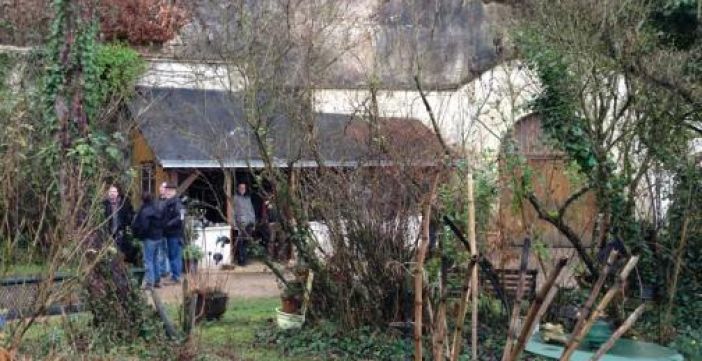
<p>Places like <span class="zalup"><span><glossary title="1202">Vallée de Cousse</glossary><span>,</span></span></span> the village where François Pinon resides, make me question if spending the majority of my time in a New York is really the way to go. I mean, look at this place!</p>
<p><img src="http://louisdressner.com/uploads/images/article/2019_Jul_24//87/95/879518f62baddf6e02c4f45350640ac9.jpg" /><br />
<br />
Can anyone argue this DOESN'T resemble something out of a fairy-tale?<br />
<br />
We arrived to François' house in the early afternoon, where the group was introduced to Emmanuel, the young man who has been working at the <glossary title="427">estate</glossary> for a few years now. The guy is full of passion and enthusiasm, and it was nice to get to know him better.<br />
<br />
It had rained heavily the night before, so the vines were soaked. Under the overcast skies, we drove up a nearby hill to visit a vineyard that goes into the "Silex Noir"<em> </em><span class="zalup"><span><glossary title="363">cuvée</glossary><span>.</span></span></span></p>
<p><img src="http://louisdressner.com/uploads/images/article/2019_Jul_24//79/ef/79ef0798c94b8a596618962378d84f9b.jpg" /></p>
<p><img src="http://louisdressner.com/uploads/images/article/2019_Jul_24//bd/68/bd688b6c26c70375f6abfa3b06c77925.jpg" /></p>
<p><img src="http://louisdressner.com/uploads/images/article/2019_Jul_24//f3/8f/f38f16cad1e5ad0cbe80c91bc32b0504.jpg" /><br />
<br />
This <glossary title="760">parcel</glossary> was originally planted in 1944. François' grandfather must have been quite the optimist, planting a vineyard before the end of the war and all. <glossary title="1121">Vouvray</glossary> wasn't exactly out of the line of fire either, confirmed by the fact that an American jetplane gunned down in Montlouis crashed directly into this vineyard that same year.<br />
<br />
<em>"It happens less and less, but for many years, it was totally normal to find bits of wreckage while working the soil."</em></p>
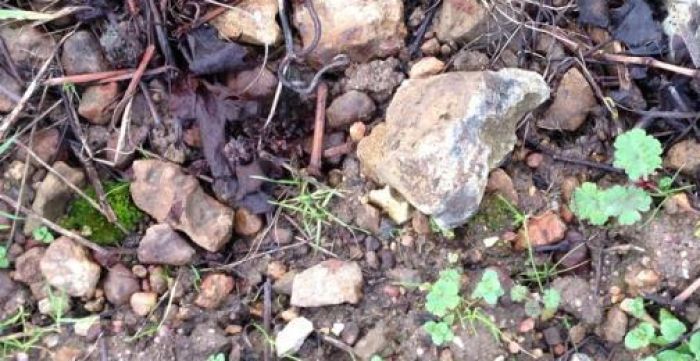
<p>"Silex Noir" translates to <em>Black </em><span class="zalup"><span><glossary title="455"><em>Flint</em></glossary><span>,</span></span></span> and if you look closely, you can spot bits and pieces in the soil. </p>
<p><img src="http://louisdressner.com/uploads/images/article/2019_Jul_24//0d/ff/0dff2f911f24efa7bb8c728de1568417.jpg" /></p>
<p><img src="http://louisdressner.com/uploads/images/article/2019_Jul_24//4e/d8/4ed88a30a5ac66ee3e18300002a04cb0.jpg" /></p>
<p><img src="http://louisdressner.com/uploads/images/article/2019_Jul_24//86/8f/868f6f8d9cdfdf6f9714e4a65f1894be.jpg" /></p>
<p><img src="http://louisdressner.com/uploads/images/article/2019_Jul_24//64/e8/64e803f8fe903ceb0ef86caf2848282a.jpg" /></p>
<p>Kevin also found a piece of (not black) <glossary title="455">flint</glossary> to show the group.</p>
<p><img src="http://louisdressner.com/uploads/images/article/2019_Jul_24//45/b3/45b3b061e27c5d5e8e8d9091fe499a1d.jpg" /><br />
<br />
Though the vineyard was planted in 1944, the vast majority of the vines producing grapes today were replanted in <glossary title="941">massale</glossary> in 1981. <br />
<br />
<em>"There is not a single </em><glossary title="304"><em>clonal selection</em></glossary><em> in this entire </em><glossary title="427"><em>estate</em></glossary><em>." </em><br />
<br />
Our next stop was a <glossary title="301">clay</glossary> heavy <glossary title="760">parcel</glossary> that goes into "Trois Argiles" (formerly known in the US as Cuvée Tradition"). It was really, really wet, so we couldn't venture too deep into the vines.</p>
<p><img src="http://louisdressner.com/uploads/images/article/2019_Jul_24//eb/99/eb998fd7e5d8a9e339c9c8a2945dd775.jpg" /></p>
<p><img src="http://louisdressner.com/uploads/images/article/2019_Jul_24//4d/19/4d196be9c02b32c7fcd036c7b14bce48.jpg" /><br />
<br />
You could take a bath in there! The oldest vines here were planted in 1948, and none of them survived last winter's <span class="zalup"><span><glossary title="1135">frost</glossary><span>.</span></span></span><br />
<br />
The rough winter led to a conversation about the ever increasing amount of dying vines due to <span class="zalup"><span><glossary title="425">esca</glossary><span>.</span></span></span></p>
<p><img src="http://louisdressner.com/uploads/images/article/2019_Jul_24//de/4a/de4aa60336178fb6dc98b7a913f9b996.jpg" /></p>
<p>Interestingly, according to Emmanuel and François, the <glossary title="474">fungal illness</glossary> might not be the issue at all: there is mounting worry that the vines were already dying before anyone could tell, and the <glossary title="425">esca</glossary> mushrooms snuck in later. Because <glossary title="425">esca</glossary> does not affect every grape variety in France, very little research has been done up to this point. François half-jokingly pointed out that:<br />
<br />
<em>"If it's not affecting </em><glossary title="267"><em>Champagne</em></glossary><em>, then no research is going to be done." </em><br />
<br />
François' theory is that the problem lies with <span class="zalup"><span><glossary title="741">omega grafting</glossary><span>,</span></span></span> since these mass deaths have been occurring in the 15-20 years since this technique has become the norm. Emmanuel elaborated that with a poorly executed <span class="zalup"><span><glossary title="741">omega vine</glossary><span>,</span></span></span> the <glossary title="500">graft</glossary> is the equivalent of a clogged or corroded artery: the sap is still flowing, but not the way it should. Furthermore, the <glossary title="500">grafts</glossary> might not be healing properly, permitting <glossary title="425">esca</glossary> to sneak in and finish the job.<br />
<br />
After visiting the vines, we drove back to the <glossary title="1104">vinification</glossary> <span class="zalup"><span><glossary title="254">cellar</glossary><span>.</span></span></span> </p>
<p><img src="http://louisdressner.com/uploads/images/article/2019_Jul_24//bf/ec/bfec70cccc55724d91310a062ba24c6c.jpg" /><br />
<br />
2012 was a very tough year for François, and he just didn't feel the quality was there to make a "Silex Noir"<b><i> </i></b>or "Trois Argiles". In such, 90% of the 2012 production will be made as sparkling, the rest being a small amount of still <glossary title="1121">Vouvray</glossary> reserved for his French customers. <br />
<br />
We tasted the <glossary title="146">base</glossary> of what will be the 2012 bubbles (from grapes that are always used to make sparkling). The alcohol was just 10,5%, but François explained that this is an ideal level for sparkling production. </p>
<p><img src="http://louisdressner.com/uploads/images/article/2019_Jul_24//8a/e7/8ae7e080434b5bdec9013c53a3cb8a05.jpg" /></p>
<p>We then tasted from a <glossary title="760">parcel</glossary> that would have gone into "Silex Noir". I thought it was very good, but François insisted it was lacking depth and complexity. Ah, le perfectionnisme...<br />
<br />
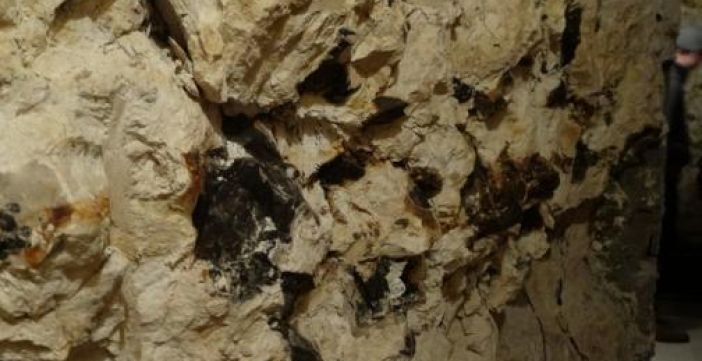
We then walked back to the storage/<glossary title="74">aging</glossary> <span class="zalup"><span><glossary title="254">cellar</glossary><span>,</span></span></span> which is adjacent to François' house. Like many <glossary title="427">estates</glossary> in the <span class="zalup"><span><glossary title="602">Loire</glossary><span>,</span></span></span> the <glossary title="254">cellar</glossary> is built into the region's famous <glossary title="1053">tuffeau</glossary> <span class="zalup"><span><glossary title="596">limestone</glossary><span>.</span></span></span> Here, you can easily spot the many large chunks of black <span class="zalup"><span><glossary title="455">flint</glossary><span>,</span></span></span> which is unique to this particular area of <span class="zalup"><span><glossary title="1121">Vouvray</glossary><span>.</span></span></span> </p>
<p><img src="http://louisdressner.com/uploads/images/article/2019_Jul_24//86/6e/866ef51e085619db35375a1f8749b3d5.jpg" /></p>
<p><img src="http://louisdressner.com/uploads/images/article/2019_Jul_24//93/4e/934e9b88012e7d256f1a7f1c4611e857.jpg" /><br />
<br />
Kevin aptly pointed out is the exact <glossary title="991">subsoil</glossary> of the first <glossary title="760">parcel</glossary> we visited, since François' <glossary title="">cellar</glossary> is directly underneath it. <br />
<br />
Everyone got to check out some old bottles of bubbles. </p>
<p><img src="http://louisdressner.com/uploads/images/article/2019_Jul_24//e3/a0/e3a090d6515046d181b145528ab4b903.jpg" /><br />
<br />
We then returned to the main tasting room, where François broke it down with a geological lesson on the region's soil composition. </p>
<p><img src="http://louisdressner.com/uploads/images/article/2019_Jul_24//96/66/96668f5e977300925da8c1f1aea61af3.jpg" /></p>
<p><img src="http://louisdressner.com/uploads/images/article/2019_Jul_24//07/bc/07bce9a4deefe2e86027fe659cbb4ed2.jpg" /></p>
<p><img src="http://louisdressner.com/uploads/images/article/2019_Jul_24//09/e2/09e20ce32fef53e8bbb6e83a91468b3c.jpg" /><br />
<br />
As you could see in the pictures above, the <glossary title="1053">tuffeau</glossary> <glossary title="596">limestone</glossary> in Pinon's area contain layers of black <span class="zalup"><span><glossary title="455">flint</glossary><span>.</span></span></span> Just like <span class="zalup"><span><glossary title="596">limestone</glossary><span>,</span></span></span> <glossary title="455">flint</glossary> is a <glossary title="">sedimentary rock</glossary> left by ancient seabeds. Millions of shells and other organisms made up deep layers of <glossary title="596">limestone</glossary> (or <glossary title="266">chalk</glossary>), while more complicated chemical interactions between <glossary title="955">silica</glossary> (contained in seawater) and organisms such as sponges created nodules of hard <span class="zalup"><span><glossary title="455">flint</glossary><span>,</span></span></span> which embedded itself into the <span class="zalup"><span><glossary title="266">chalk</glossary><span>.</span></span></span> <br />
<br />
In the <span class="zalup"><span><glossary title="1202">Vallée de Cousse</glossary><span>,</span></span></span> these <glossary title="455">flint</glossary> stones vary from very dark brown to black. The "Silex Noir"<em> </em><glossary title="363">cuvée</glossary> comes from vineyards where erosion has crumbled the softer <span class="zalup"><span><glossary title="596">limestone</glossary><span>,</span></span></span> leaving the harder stones on the surface. Some of Pinon's other soils contain <span class="zalup"><span><glossary title="455">flint</glossary><span>,</span></span></span> but the layer of <glossary title="301">clay</glossary> (i.e decomposed <glossary title="266">chalk</glossary>) is too heavy, so they remain in the <span class="zalup"><span><glossary title="991">subsoil</glossary><span>.</span></span></span> <br />
<br />
After our informative lesson, it was time to taste currently <glossary title="185">bottled</glossary> wines. François had them all <glossary title="381">decanting</glossary> outside for us. </p>
<p><img src="http://louisdressner.com/uploads/images/article/2019_Jul_24//bf/58/bf587d3ffe285b6fd4c12b88d0ec3918.jpg" /><br />
<br />
Before tasting, Emmanuel made sure we had rillettes to munch on.</p>
<p><img src="http://louisdressner.com/uploads/images/article/2019_Jul_24//a0/3a/a03a97b823b894af7d3eadc9205f3ec6.jpg" /><br />
<br />
We tasted all of the 2010's and 2011's, which were unsurprisingly great. What WAS surprising was a 2011 <strong><glossary title="778">PET NAT</glossary></strong> attempt!!! That's right, you heard it here first! Emmanuel convinced François to give it a shot for fun. This, plus the fact that we saw Mr. Pinon at the <glossary title="395">Dive Bouteille</glossary> and that he has the best collection of ascots in France = François giving Williamsburg's finest a run for their money! <br />
<br />
The <glossary title="778">PET NAT</glossary> itself was pretty austere, and they both agree they let the sugars go too far into <span class="zalup"><span><glossary title="441">fermentation</glossary><span>.</span></span></span> They might add a little <glossary title="694">moelleux</glossary> to even out this current batch, and will try again in the future.<br />
<br />
We then did a flight of "Cuvée Tradition", which for many years was the only <glossary title="405">dry</glossary> wine François produced. 1997 was rich and honied <span class="zalup"><span><glossary title="723">nose</glossary><span>,</span></span></span> with a candied finish. 1993 tasted "older", but still had a fresh <glossary title="723">nose</glossary> and great <span class="zalup"><span><glossary title="71">acidity</glossary><span>.</span></span></span> At just 11,5%, it was holding up very well, and had a bit of <glossary title="181">botrytised</glossary> grapes in it. A 1993 <glossary title="694">moëlleux</glossary> was delish.<br />
<br />
We ended with a 1953 <glossary title="694">moëlleux</glossary> made by François' father that was lip-smacking jolly good. <em>Average American Consumer</em> Joe Dougherty was able to correctly guess the <glossary title="1109">vintage</glossary> before it was announced.</p>
Article

harvest report
26.12.2025
2025 Harvest Report From Julien Pinon
<p>2025: a great harvest.</p>
<p>The whole year was very nice: great weather, dry wind, no mildew at all. It was the opposite of 2024! It could have been an truly exceptional vintage, but the rain arrived just before and also during the harvest. Therefore, some bad acetic rot has developed itself, forcing us to throw away about 15 % of the grapes.</p>
<p>Anyway, I am very happy with this vintage, because the quality and the yields are good. Furthermore, it was possible to produce all the types of Vouvray: dry, semi-dry, sweet and also sparkling. It is pretty rare to have this possibility.</p>
<p>This year was very dry in Vouvray, but my vineyard did not suffer from the drought, because it is located in a cool climate valley and also -especially- because I plow the soil of all my estate. Plowing is very helpful for the humidity during a dry season.</p>
<p>The 2025's harvest was very early, from September the 8th to the 26th. That is one month earlier than 2024!</p>
<p><img src="https://louisdressner.com/uploads/images/article//1068/7d/a5/7da58ee5855b917c34909897317f08b7.jpg" /><img src="https://louisdressner.com/uploads/images/article//1068/34/a9/34a9ae016741e87415906e9712a5f490.jpg" /><img src="https://louisdressner.com/uploads/images/article//1068/9f/76/9f76dbda213991af3ee69d74abef1eb3.jpg" /><img src="https://louisdressner.com/uploads/images/article//1068/fe/89/fe891e6a3f9baec3a7336f604e4b137b.jpg" /><img src="https://louisdressner.com/uploads/images/article//1068/b2/a2/b2a28d3868025d5212ca2e5fdad00223.jpg" /><img src="https://louisdressner.com/uploads/images/article//1068/50/e4/50e4d256db93840a41f9872e62f63bac.jpg" /><img src="https://louisdressner.com/uploads/images/article//1068/71/d8/71d87804ab96e7a5c49f9bfea2d4d633.jpg" /><img src="https://louisdressner.com/uploads/images/article//1068/5d/d7/5dd748bc232b162984810b7c91a05963.jpg" /><img src="https://louisdressner.com/uploads/images/article//1068/6b/90/6b909b47f22672b13413d6a2076a2330.jpg" /></p>
Article

harvest report
03.12.2024
2024 Harvest Report from Julien Pinon
<p>Lots of rain, small quantities, low degrees...</p>
<p>It has been raining all year long: a lot and all the time. In fact it was twice the average quantity of a normal year! Therefore, blooming was not great and mildew was very strong. We had to spray a lot in order to fight it. We also had issues with grass and weeds due to the excess of rain. It was hard to plow and fight against them. These problems happened in Vouvray but also all over France. I lost 40% of the harvest. It's bad, but some colleagues lost 80%.</p>
<p>The lack of sun caused a lack of sugar and alcoholic potential; nevertheless, I did not chaptalize my wines. However, I was only able to produce sparkling wines and still dry wines in 2024.</p>
<p>The good surprise is that the black rot from mildew was not very strong. In Vouvray, 60 mm of rain fell two days before the harvest. Everyone was fearing the development of black rot but it did not show up.</p>
<p>2024 will make fresh wines. As I already mentioned, I have lost 40 % of the harvest. That is a lot, but luckily the vintages 2022 and 2023 were generous and I have a good stock of all the cuvées.</p>
<p><img src="https://louisdressner.com/uploads/images/article//1037/61/1d/611da557cb4641526f5ea945edeb5392.jpg" /><img src="https://louisdressner.com/uploads/images/article//1037/8c/e5/8ce596d027c421b24eae5a67c836bf34.jpg" /><img src="https://louisdressner.com/uploads/images/article//1037/32/fa/32fa2ad66342de3613bcec2acbc25bd6.jpg" /><img src="https://louisdressner.com/uploads/images/article//1037/21/7a/217aca1c61bbcac4e2690ec183a76082.jpg" /><img src="https://louisdressner.com/uploads/images/article//1037/a0/36/a036307a2bb253546071ae73e135e4fc.jpg" /><img src="https://louisdressner.com/uploads/images/article//1037/ff/cd/ffcdb254aceca7b600c98182a36af7e5.jpg" /><img src="https://louisdressner.com/uploads/images/article//1037/51/f9/51f91638321b952205e2b3259a82df8a.jpg" /><img src="https://louisdressner.com/uploads/images/article//1037/3d/7b/3d7b4d2a71ada96e9e98233d596b8863.jpg" /><img src="https://louisdressner.com/uploads/images/article//1037/d3/17/d317f2a74b5b829e34b548f5b9008227.jpg" /><img src="https://louisdressner.com/uploads/images/article//1037/46/f6/46f6fcad3c10ab1ff2921df6e837db8d.jpg" /><img src="https://louisdressner.com/uploads/images/article//1037/44/77/447796fb2f7ecf2424dbf13f3d02592b.jpg" /><img src="https://louisdressner.com/uploads/images/article//1037/3c/be/3cbed38aef335fc2e8fb989f900bb308.jpg" /><img src="https://louisdressner.com/uploads/images/article//1037/3e/56/3e563ee0f3f8b7f22a367eaf2920b0eb.jpg" /><img src="https://louisdressner.com/uploads/images/article//1037/0e/51/0e51fa5963b4b6070590068e57ea9366.jpg" /><img src="https://louisdressner.com/uploads/images/article//1037/a7/63/a763fb99f3d0876e75d2493a7df3b74e.jpg" /><img src="https://louisdressner.com/uploads/images/article//1037/ba/6e/ba6e9104b9edba4e7a272df273ddf751.jpg" /><img src="https://louisdressner.com/uploads/images/article//1037/5d/73/5d73954d8a4eb0e1d1edfea4efd56720.jpg" /><img src="https://louisdressner.com/uploads/images/article//1037/a3/f8/a3f89f30bcca829a1dac7646ff0d0bc4.jpg" /><img src="https://louisdressner.com/uploads/images/article//1037/3c/6f/3c6fac136649732158bab6a2e77c7d0c.jpg" /><img src="https://louisdressner.com/uploads/images/article//1037/b3/d5/b3d586eee9c9523431801907d7696f30.jpg" /></p>
Article
harvest report
07.12.2021
2021 Harvest Report from Julien Pinon
<p>Here are a few words about the 2021 <span class="zalup"><span><glossary term="Vintage" title="1109">vintage</glossary><span>.</span></span></span></p>
<p>It's simply the the worst crop since 1930, a year my great-grandfather didn't harvest a single grape... We're at about 95% losses, 75% due to <glossary term="Frost" title="1135">frost</glossary> and 15% due to <span class="zalup"><span><glossary term="Mildew" title="1137">mildew</glossary><span>.</span></span></span> In <glossary term="Vouvray" title="1121">Vouvray</glossary> this year, there was a lot of rot. Ironically we didn't have this this problem because we had so few <glossary term="Cluster/Bunch" title="1138">bunches</glossary> they were properly aerated! We had no rot at all, very clean juices and fairly low <glossary term="alcoholic potential" title="1381">potentials</glossary> (for which I am thankful for).</p>
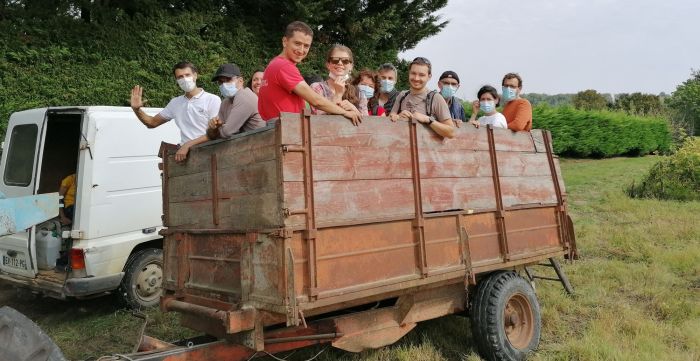
<p>To <glossary term="Harvest" title="521">harvest</glossary> the few bunches still on the vines, we organized a "solitary <glossary term="Harvest" title="521">harvest</glossary>" with some of our most loyal clients like in 2013 when we lost almost everything to <span class="zalup"><span> <glossary term="Hail" title="1136">hail</glossary><span>.</span></span></span> It was very fun and many customers showed up, around 60 total. They were very happy to help but also to discovery what <glossary term="Harvest" title="521">harvesting</glossary> is like.</p>
<p>This year I'm probably only going to be able to make two <span class="zalup"><span><glossary term="Cuvée" title="363">cuvées</glossary><span>:</span></span></span> the "Brut Spontané" (a white <glossary term="Pétillant Naturel" title="778">pétillant naturel</glossary>) and a "Sec". Fortunately I have good stocks in the <span class="zalup"><span><glossary term="Cellar" title="254">cellar</glossary><span>.</span></span></span> I'm also considering making a <glossary term="Solera" title="967">solera</glossary> <glossary term="Cuvée" title="363">cuvée</glossary> combining wines from 2018, 2019 and 2020.</p>
<p>I don't know if you're familiar with Jean-Bernard Berthomé, he was the chief of <glossary term="Viticulture" title="1103">viticulture</glossary> and <glossary term="Cellar" title="254">cellar</glossary> master at Huet. He's been retired for a year and has been helping me a lot with advice on working the soils, <span class="zalup"><span><glossary term="Vinification" title="1104">vinifying</glossary><span>,</span></span></span> etc.. He's been a family friend for a long time and I'm happy to be able to hire him a few days a week. </p>
<p><img src="https://louisdressner.com/uploads/images/article//892/3a/e4/3ae4d2822519aff203295be468499f39.jpg" /><img src="https://louisdressner.com/uploads/images/article//892/bd/d1/bdd1e07a54597009a97b735e0be6581d.jpg" /><img src="https://louisdressner.com/uploads/images/article//892/a1/a6/a1a618505158cefca209bab752f30b0f.jpg" /><img src="https://louisdressner.com/uploads/images/article//892/f1/da/f1da527723ded8036692d46699d69c0d.jpg" /><img src="https://louisdressner.com/uploads/images/article//892/c0/0e/c00e2e4540e1dcac86fc1dd9a8ab5404.jpg" /><img src="https://louisdressner.com/uploads/images/article//892/5e/5a/5e5aebcaffd15ce3ef10f3aadf8b3cd3.jpg" /></p>
Article
harvest report
31.12.2020
2020 Harvest Report from Julien Pinon
<p>We just finished up the <span class="zalup"><span><glossary term="Harvest" title="521">harvest</glossary><span>,</span></span></span> the most precocious in eight generations! We picked from September 7th to the 22nd, totally unheard of… <glossary term="Yield" title="1129">Yields</glossary> are solid (39<glossary term="hl/ha" title="528">hl/h</glossary>) the <glossary term="alcoholic potential" title="1381">potentials</glossary> are fairly high but there is more <glossary term="Acidity" title="71">acidity</glossary> than in 2018. </p>
<p>In <span class="zalup"><span><glossary term="Vouvray" title="1121">Vouvray</glossary><span>,</span></span></span> many <glossary term="Vigneron/Vignaiolo" title="1089">vignerons</glossary> had very low <glossary term="Yield" title="1129">yields</glossary> due to the ongoing <span class="zalup"><span><glossary term="Drought" title="1167">drought</glossary><span>.</span></span></span> We are at the northernmost part of the <glossary term="Appellation" title="113">appellation</glossary> where it is cooler. Our sector therefore has less <glossary term="alcoholic potential" title="1381">alcoholic potential</glossary> and higher <span class="zalup"><span><glossary term="Yield" title="1129">yields</glossary><span>.</span></span></span> The struggle to find balanced <glossary term="Maturation" title="639">maturities</glossary> has for generations been an inconvenience, but now it’s starting to become a major advantage…</p>
Article
harvest report
13.09.2018
2018 Harvest Report from Julien Pinon
<p>It is an amazing year, a crazy <span class="zalup"><span><glossary title="1109">vintage</glossary><span>!</span></span></span><br />
<br />
At our <span class="zalup"><span><glossary title="427">estate</glossary><span>,</span></span></span> the grapes were really great and we have <glossary title="1129">yields</glossary> of 53 <span class="zalup"><span><glossary title="528">hectoliters per hectare</glossary><span>,</span></span></span> which is a lot for us. We are very happy. We began the 17th of September, two weeks earlier than usual. <glossary title="521">Harvest</glossary> lasted almost four weeks, with one late <glossary title="521">harvest</glossary> on October 25th.<br />
<br />
Normally we make three <glossary title="1144">passes</glossary> of the grapes: one in the <glossary title="760">parcel</glossary> by the pickers, one over a sorting table and a last one before the <glossary title="827">press</glossary> on a conveyor belt. This year everything was so good we used everything.<br />
<br />
The wines are going to have a lot of <glossary title="853">residual sugar</glossary> but won't have a lot of <glossary title="71">acidity</glossary> because of the<strong> </strong><span class="zalup"><span><glossary title="1167">drought</glossary><span>.</span></span></span> For now, the <glossary title="441">fermentations</glossary> are good. This year, we made all our <glossary title="363">cuvées</glossary> <span class="zalup"><span>(<glossary title="936">sec</glossary><span>,</span></span></span> <span class="zalup"><span><glossary title="386">demi-sec</glossary><span>,</span></span></span> <span class="zalup"><span><glossary title="694">moelleux</glossary><span>,</span></span></span> sparkling) and with good quantities.<br />
<br />
The whole country has known a great September and lots of winemakers are very happy. In <glossary title="1121">Vouvray</glossary> -after five years of climactic disasters- the <glossary term="Harvest" title="521">harvest</glossary> is terrific. The grapes were very good, very ripe and very healthy; no bad mold at all. The were also a lot of grapes, so great quality and quantity.<br />
<br />
In the <span class="zalup"><span><glossary title="602">Loire valley</glossary><span>,</span></span></span> the Spring was very rainy, with a lot of <span class="zalup"><span><glossary title="1137">mildew</glossary><span>.</span></span></span> Because of this, we have lost about 15 % of the <span class="zalup"><span><glossary title="521">harvest</glossary><span>.</span></span></span> Fortunately, the summer was beautiful. In September, the wind has turned east, which is like miracle. Normally the wind comes from the west (the ocean) and carries humidity. But with the eastern wind from the continent, the air is dry. Therefore there was no mold, no <glossary title="181">botrytis</glossary> but a lot of shrivelled grapes (<glossary title="763">passerillage</glossary>), which is rarer here.<br />
<br />
A lot of old winemakers say that the 2018 should be at the same level as the 1989.</p>
Article
harvest report
16.10.2010
2010 Harvest Report from François Pinon
<p>The winter was long and colder than usual in <span class="zalup"><span><glossary title="1036">Touraine</glossary><span>,</span></span></span> with snowfalls in December and January. The spring was dry and cool, with frequent eastern wind. <glossary title="1179">Flowering</glossary> occurred between June 20th and 25th, the future crop was quite small. The summer was cool, the only high temperatures were in late June through mid-July. Our last <glossary title="328">treatment</glossary> of the vines was done on July 15th.<br />
<br />
In September, two rainfalls helped the grapes to ripen, with 42mm on Sept. 8th and 24mm on Sept. 24th.<br />
<br />
We started our <glossary title="521">harvest</glossary> on Tuesday Sept. 28th, picking grapes for our sparkling wines until Oct. 5th. From Oct. 5th to 8th, we <glossary title="521">harvested</glossary> the grapes of the "Silex Noir<strong>"</strong> <span class="zalup"><span><glossary title="363">cuvée</glossary><span>,</span></span></span> and continued with the "Tradition" <glossary title="363">cuvée</glossary> from Oct. 8th to 13th. Beautiful sunny weather was back by then.<br />
<br />
We had a large team of 22 pickers and had to work fast because the grapes evolved quickly due to the heat and humidity. I don’t believe that they’ll be able to take over ripening for much longer. Also, the potential alcohol levels are comfortable, around 14% these days, with lively <span class="zalup"><span><glossary title="71">acidity</glossary><span>.</span></span></span> Touches of <glossary title="181">botrytis</glossary> on the grapes meant for "Silex Noir" and "Tradition" promise good matter and complexity.<br />
<br />
Back to the vines this week to pursue the <span class="zalup"><span><glossary title="521">harvest</glossary><span>.</span></span></span></p>
Article
harvest report
10.09.2007
2007 Harvest Report from François Pinon
<p>Here’s a sunny pre<span class="zalup"><span><span>-</span><glossary title="521">harvest</glossary> </span></span>report: we have enjoyed three weeks of eastern wind since late August, cool temperatures in the morning and sunny weather all day, which is sheer happiness for our <glossary title="281">Chenin</glossary> grapes after the sad, humid, cloudy summer they had to endure.<br />
<br />
Our battle against <glossary title="1137">mildew</glossary> was fought almost daily, but thanks to passion and energy, we managed to keep our vines sheltered from the disease, so nefarious for <glossary title="1184">foliage</glossary> and <span class="zalup"><span><glossary title="1138">bunches</glossary><span>.</span></span></span><br />
<br />
We now have a moment of calm and we can think about our <glossary title="521">harvest</glossary> organization and how to deal with this very particular <span class="zalup"><span><glossary title="1109">vintage</glossary><span>.</span></span></span><br />
<br />
We have the grapes, the weather forecasts for September are good, all we have to do is to transform this crop into a beautiful 2007 <span class="zalup"><span><glossary title="1109">vintage</glossary><span>.</span></span></span><br />
<br />
We cannot wait for the next installment of this saga.</p>
Article
harvest report
25.09.2006
2006 Harvest Report from François Pinon
<p>Here are a few lines before we start the <glossary title="521">harvest</glossary> proper.<br />
<br />
We had a lot of sun and heat in June and July that made this <glossary title="1109">vintage</glossary> quite early. August was cloudy and cool, and the grapes ripened while retaining their <span class="zalup"><span><glossary title="71">acidity</glossary><span>.</span></span></span><br />
<br />
High temperatures returned in early September and promised a wonderful <span class="zalup"><span><glossary title="1109">vintage</glossary><span>.</span></span></span> Alas, rain around Sept. 15th started to spoil our hopes and expectations. Mother Nature is playing with our nerves!<br />
<br />
This <glossary title="1109">vintage</glossary> may very well become a winemaker’s year, at least here in the <glossary title="602">Loire</glossary> with <glossary title="281">Chenin</glossary> grapes.<br />
<br />
We started the <glossary title="521">harvest</glossary> for the effervescent wines on Sept. 21st, and I have grapes to <glossary title="827">press</glossary> tonight.</p>
Article
harvest report
27.09.2005
2005 Harvest Report from François Pinon
<p><u><strong>Part 1:</strong></u></p>
<p>We started <glossary title="521">harvesting</glossary> the <glossary title="281">Chenin</glossary> grapes after a year without any major weather concerns (neither <glossary title="1136">hail</glossary> nor <glossary title="1135">frost</glossary>) but with chronic lack of precipitation (very little rain last winter and even less this summer), a cool dry spring and an early <span class="zalup"><span><glossary title="1179">flowering</glossary><span>.</span></span></span><br />
<br />
Cool nights, lots of sunshine and high temperatures in the summer sped up the ripening of the berries (two weeks earlier than usual) while still maintaining good <span class="zalup"><span><glossary title="71">acidity</glossary><span>.</span></span></span><br />
<br />
Right now, the grapes have a deep golden color, good sugar levels and are in good health. But with the first mists of autumn, some <glossary title="181">botrytis</glossary> has begun to appear.<br />
<br />
Excellent potential and high hopes for this <span class="zalup"><span><glossary title="1109">vintage</glossary><span>.</span></span></span></p>
<p><u><strong>Part 2:</strong></u></p>
<p>It looks like we are going to be done with our 2005 <glossary title="521">harvest</glossary> in a few days.<br />
<br />
We did two first <glossary title="1144">passes</glossary> to pick the highly <glossary title="181">botrycized</glossary> grapes, with high sugar content.<br />
<br />
The third <glossary title="1144">pass</glossary> was a <glossary title="521">harvest</glossary> of normally ripe grapes for the <glossary title="736">off-dry</glossary> "Cuvée Tradition," and these days we are picking the last grapes, turned golden by the October sun, to make a promising cuvée of <span class="zalup"><span> <glossary title="694">Moëlleux</glossary><span>.</span></span></span><br />
<br />
Less extreme than 2003, with no spring <glossary title="1135">frost</glossary> and no excessive summer heat, 2005 has offered us an exceptional <span class="zalup"><span> <glossary title="521">harvest</glossary><span>,</span></span></span> close to my ideal <span class="zalup"><span> <glossary title="1109">vintage</glossary><span>.</span></span></span></p>
Article
harvest report
03.10.2003
2003 Harvest Report from François Pinon
<p><u><strong>Part 1:</strong></u></p>
<p>The week of April 8-11 was very cold, and in the early hours of the 11th, a severe <glossary title="1135">frost</glossary> with temperatures of -5 C killed the new <glossary title="206">buds</glossary> and <glossary title="1138">bunches</glossary> of the “Haut Mortier” <span class="zalup"><span><glossary title="1133">plot</glossary><span>,</span></span></span> always an early starter.<br />
<br />
A <glossary title="1136">hailstorm</glossary> on June 25, with an avalanche of hailstones (measuring 25-30 mm in diameter), destroyed this year’s crop and seriously injured the vines themselves in the “Boissières” <span class="zalup"><span><glossary title="1133">plot</glossary><span>.</span></span></span><br />
<br />
A summer of heat waves especially affected the <glossary title="1138">bunches</glossary> with South/South-West <span class="zalup"><span><glossary title="430">exposures</glossary><span>.</span></span></span> They spent many an afternoon in temperatures over 50 C: and often the most beautiful September grapes were “toasted”.</p>
<p>But even after all this, our morale is still good because all the other <glossary title="1133">plots</glossary> kept their <glossary title="1138">bunches</glossary> and actually seem to be shaping up for a historic <span class="zalup"><span><glossary title="1109">vintage</glossary><span>.</span></span></span> The heat of the Mediterranean has reached all the way up to the <glossary title="602">Loire Valley</glossary>; this happened in 1893 also.<br />
<br />
The only really dry month was August, with 3mm of rainfall. It rained on a regular basis in May, June and July (60mm each month). All the soil on our <glossary title="427">estate</glossary> is <span class="zalup"><span><glossary title="810">plowed</glossary><span>,</span></span></span> so the vines have been able to withstand August’s dryness without any problem and are still in good shape to nourish their grapes through this final decisive stage.<br />
<br />
The <span class="zalup"><span><glossary title="827">presses</glossary><span>,</span></span></span> the <glossary title="142">barrels</glossary> and the <glossary title="1140">vats</glossary> are all ready for the new crop and, 20 days earlier than an average <span class="zalup"><span><glossary title="521">harvest</glossary><span>,</span></span></span> our team has been scheduled to start work on September 15. We have our fingers crossed.</p>
<p><u><strong>Part 2:</strong></u></p>
<p>We have been <glossary title="521">harvesting</glossary> from September 16th to 30th with beautiful sunny weather worthy of the Côte d’Azur. The <glossary title="1129">yields</glossary> were, as I had predicted, quite small. I would estimate that the crop will be about half the normal size, but WHAT A CROP! The grapes were bursting with sun and sugar.<br />
<br />
On September 8th, 60mm of rain “blessed” the grapes and then the following day, the sun and the east wind came back. In our <glossary title="810">plowed</glossary> <span class="zalup"><span><glossary title="1133">plots</glossary><span>,</span></span></span> not a drop of water was lost and from that point on, the ripening process, which had been hindered by the <glossary title="1167">drought</glossary> having caused tough skins and pulp, began in earnest.<br />
<br />
During the first <span class="zalup"><span><glossary title="1144">pass</glossary><span>,</span></span></span> we picked the least ripe <glossary title="1138">bunches</glossary> which will be used to make a small amount of “<glossary title="936">sec</glossary>”, then later went back and picked the overripe grapes with <glossary title="721">noble rot</glossary> which will make great raw material for the “<glossary title="694">moelleux</glossary>” wines.<br />
<br />
One last <glossary title="1144">pass</glossary> through the sloping <glossary title="1133">plots</glossary> provided us with magnificent grapes, perfect for the<strong> "</strong>Cuvée Tradition".</p>
<p>Today is October 1st and all we have left to <glossary title="521">harvest</glossary> are the <glossary title="740">old vines</glossary> of the Mortier and Vau Chevreau <span class="zalup"><span><glossary title="1133">plots</glossary><span>.</span></span></span> They should be ready in about two weeks.<br />
<br />
No more anxiety, we are in very good spirits.</p>
<p><u><strong>Part 3:</strong></u></p>
<p>We took up our clippers again in the third week of October when the grapes had reached a perfect degree of ripeness.<br />
<br />
We <glossary title="1380">sorted</glossary> the grapes on a table in the vineyard and were able to pick out the overripe grapes which we hope will give birth to a lovely <glossary title="363">cuvée</glossary> of "Première Trie".<br />
<br />
As I write, the <glossary title="441">fermentations</glossary> are progressing well and we are getting close to the point of balance for the different batches of "Cuvée Tradition".</p>
Article