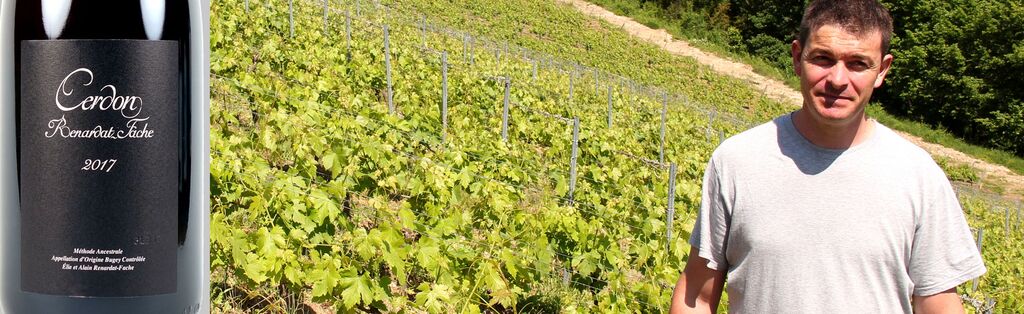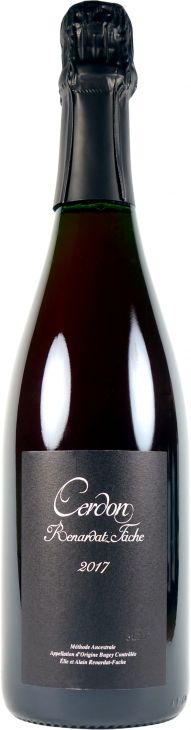
producer profile
01.07.2019
Renardat-Fâche Producer Profile
<p>The <span class="zalup"><span><glossary title="208">Bugey</glossary><span>,</span></span></span> halfway between Lyons and <span class="zalup"><span><glossary title="487">Geneva</glossary><span>,</span></span></span> is one of the tiniest and most obscure wine areas in France. Although the altitude is modest, the terrain is very mountainous, the roads are steep and winding as in the <glossary title="94">Alps</glossary> and the villages are built for cold winters – the houses made of gray/white <glossary title="596">limestones</glossary> all bunched together on narrow streets.</p>
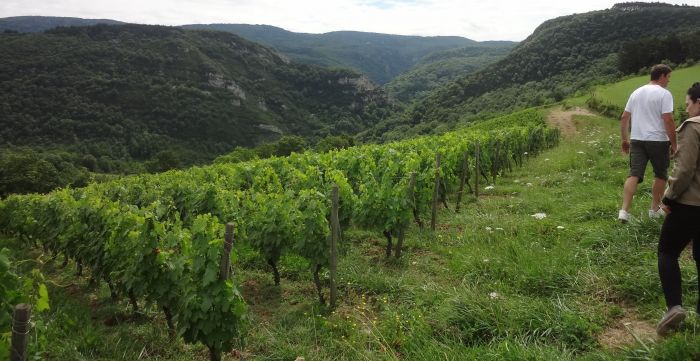
<p>The vineyards are hard to detect, little patches here and there on steep slopes looking southeast or southwest, lost in the midst of fields with grazing cows and dense forests. The total surface of vineyards in the <glossary title="208">Bugey</glossary> covers about 170 <glossary title="523">hectares </glossary>and the <glossary title="1071">varietals</glossary> are borrowed from all the surrounding areas: <span class="zalup"><span><glossary title="478">Gamay</glossary><span>,</span></span></span> <glossary title="822">Poulsard</glossary> (a grape from Northern <glossary title="560">Jura</glossary>), <span class="zalup"><span><glossary title="879">Roussette</glossary><span>,</span></span></span> <glossary title="484">Mondeuse</glossary> (both from <glossary title="925">Savoie</glossary>) and <span class="zalup"><span><glossary title="271">Chardonnay</glossary><span>.</span></span></span> Many still wines are produced, but the region's star wine is the <glossary title="259">Cerdon</glossary> <span class="zalup"><span><glossary title="653">Méthode Ancestrale</glossary><span>,</span></span></span> a <strong><glossary title="386">demi-sec</glossary></strong>, pink bubbly made by <glossary title="976">spontaneous </glossary>but incomplete <span class="zalup"><span><glossary title="441">fermentation</glossary><span>.</span></span></span> <br />
<br />
Alain Renardat is a respected <glossary title="1089">vigneron</glossary> in <span class="zalup"><span><glossary title="259">Cerdon</glossary><span>,</span></span></span> and was a long-time supplier of Alain Chapel's restaurant in the <span class="zalup"><span><glossary title="401">Dombes</glossary><span>.</span></span></span> The <span class="zalup"><span><glossary title="401">Dombes</glossary><span>,</span></span></span> which, like the <span class="zalup"><span><glossary title="208">Bugey</glossary><span>,</span></span></span> is in the <glossary title="83">Ain</glossary> department, is an area of ponds and marshes, known for its fish and small birds. Alain Chapel, who died several years ago, was a chef beloved among chefs, and famous for his love of wine and winemakers. A <glossary title="1089">vigneron</glossary> selected by Chapel was guaranteed to have great personality and wines. And while the restaurant is now closed after a long run under the helm of Chapel's widow and sons, the winemakers he'd bring together annually to treat them to dinner remain great friends. <br />
<br />
Alain, though technically retired for years, is active as ever. Along with his son Elie, they make their <glossary title="259">Cerdon</glossary> from <glossary title="478">Gamay</glossary> and <span class="zalup"><span><glossary title="822">Poulsard</glossary><span>,</span></span></span> and follow the technique of <glossary title="1311">méthode ancestrale</glossary> (as opposed to <glossary title="653">Méthode Champenoise</glossary> plain old carbonation, the preferred method used for supermarket wines). The grapes are <span class="zalup"><span><glossary title="520">picked by hand</glossary><span>,</span></span></span> <glossary title="827">pressed</glossary> and <glossary title="441">fermented</glossary> in cold <glossary title="1140">vats</glossary> until the alcohol reaches about six degrees of alcohol. After a light <glossary title="447">filtration</glossary> that leaves most of the active <glossary title="1128">yeast</glossary> in the unfinished wine, it is <glossary title="185">bottled</glossary> and continues its <glossary title="441">fermentation</glossary> in the bottle, reaching about 7.5 or 8 degrees of alcohol and retaining a fair quantity of its original sugar. It is more vinous (with grapey primary aromas) than most <span class="zalup"><span><glossary title="267">Champagne</glossary><span>,</span></span></span> since there is neither <glossary title="403">dosage</glossary> nor addition of <glossary title="1128">yeast</glossary> before the <span class="zalup"><span><glossary title="938">second fermentation</glossary><span>.</span></span></span> <br />
<br />
<glossary title="259">Cerdon</glossary> is to be consumed throughout the year following the <span class="zalup"><span><glossary title="1109">vintage</glossary><span>.</span></span></span> It is fragile and requires excellent <glossary title="255">cellaring</glossary> and transporting conditions. Renardat's is delicate, berry-scented, refreshing, and makes a delicious <glossary title="112">aperitif</glossary> or <glossary title="389">dessert wine</glossary> (even chocolate goes well with it).</p>
<p><strong>2021 Update:</strong></p>
<p>The 2020 <glossary term="Vintage" title="1109">vintage</glossary> will mark a distinct shift and evolution in the work at Renardât-Fache. Over the years, Elie had become increasingly frustrated with the inability to assure his <glossary term="Cerdon" title="259">Cerdon</glossary> be consumed in its optional drinking window (within the year of release). Hobbled sales due to the COVID pandemic were the final straw: with the abundant 2020 crop, he decided he'd create a new <glossary term="Cuvée" title="363">cuvée</glossary> that could maintain fruit and freshness throughout the year. </p>
<p>The solution was to make a 100% <span class="zalup"><span><glossary term="Gamay" title="478">Gamay</glossary><span>,</span></span></span> <glossary term="Non-Vintage" title="728">non-vintage</glossary> <span class="zalup"><span><glossary term="Cerdon" title="259">Cerdon</glossary></span></span>, <glossary term="Blending" title="1146">blending</glossary> years to preserve freshness. For those who have been drinking the wines for a long time, Elie says it reminds him of what the <glossary term="Estate" title="427">estate</glossary> was producing 20 years ago: fruity, "<glossary term="Glou-Glou" title="495">glou glou</glossary>" <glossary term="Cerdon" title="259">Cerdon</glossary> to knock back without abandon. The goal is to adapt year by year but have this <glossary term="Cuvée" title="363">cuvée</glossary> represent 60 to 70% of the <glossary term="Estate" title="427">estate</glossary>'s global production. The first release will be a <glossary term="Blend" title="168">blend</glossary> of 2019 and 2020. </p>
<p>For Renardât's classic <glossary term="Vintage" title="1109">vintage</glossary> release (the wine we've always imported), this means two things. The first is an significant drop in overall annual production since so much fruit will go to the <glossary term="Gamay" title="478">Gamay</glossary> <span class="zalup"><span><glossary term="Cuvée" title="363">cuvée</glossary><span>.</span></span></span> The second is a large increase in the percentage of <glossary term="Poulsard" title="822">Poulsard</glossary> used in the <span class="zalup"><span><glossary term="Blend" title="168">blend</glossary><span>.</span></span></span> The Renardât were already the only <glossary term="Estate" title="427">estate</glossary> using significant amount of <glossary term="Poulsard" title="822">Poulsard</glossary> in their <span class="zalup"><span><glossary term="Cerdon" title="259">Cerdon</glossary><span>,</span></span></span> and Elie feels the wine has gained enormously in complexity and finesse from this decision. </p>
<p>There has also been an intentional push to make wines with less <span class="zalup"><span><glossary term="Residual Sugar" title="853">residual sugar</glossary><span>.</span></span></span> The 2020's are on average 10 to 15 grams less than the 2019's, and Elie feels the additional <glossary term="Poulsard" title="822">Poulsard</glossary> for the <glossary term="Vintage" title="1109">vintage</glossary> <glossary term="Bottling" title="185">bottling</glossary> makes you sense sugars even less. The final, exciting development is a future release of 100% still <glossary term="Gamay" title="478">Gamay</glossary> and <glossary term="Poulsard" title="822">Poulsard</glossary> <span class="zalup"><span><glossary term="Cuvée" title="363">cuvées</glossary><span>!</span></span></span></p>
Article
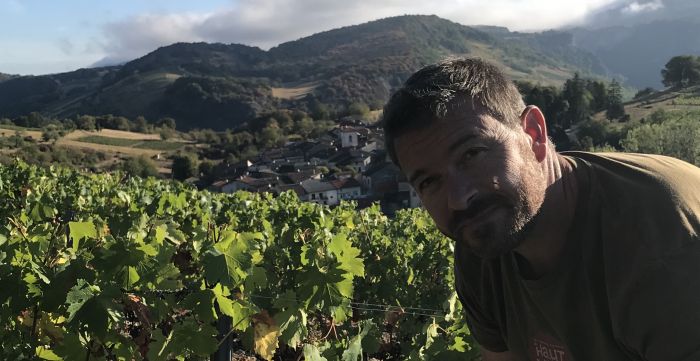
interview
01.07.2019
An Interview with Elie Renardat-Fâche from 2011
<p><em>This interview with Elie Renardat-Fâche took place in a bus from Los Angeles to San Francisco in March 2011.</em></p>
<p><strong>Tell us about your estate. </strong><br />
<br />
My name is Elie Renardat-Fâche, son of Alain Renardat-Fâche! I am the sixth generation to produce <glossary title="259">Cerdon</glossary> in the <span class="zalup"><span><glossary title="208">Bugey</glossary><span>,</span></span></span> a very small region that represents around 150 <glossary title="523">hectares</glossary> of vines. We currently work with 12 <glossary title="523">hectares</glossary> split between <glossary title="478">Gamay</glossary> (70%) and <glossary title="822">Poulsard</glossary> (30%).<br />
<br />
<glossary title="822">Poulsard</glossary> used to be the dominant <glossary title="1071">varietal</glossary> in <span class="zalup"><span><glossary title="259">Cerdon</glossary><span>.</span></span></span> After <span class="zalup"><span><glossary title="788">phylloxera</glossary><span>,</span></span></span> many different <glossary title="532">hybrids</glossary> were planted in the area, but when it was decided to replant "<glossary title="720">noble grapes</glossary>", <glossary title="478">Gamay</glossary> was prioritized because it's easier to cultivate than <glossary title="822">Poulsard</glossary> and produces much higher <span class="zalup"><span><glossary title="1129">yields</glossary><span>.</span></span></span><br />
<br />
Having a large percentage of <glossary title="822">Poulsard</glossary> in our wines is a personal choice that means a lot to us. In the last three years we've had notably low <glossary title="1129">yields</glossary> with our <glossary title="822">Poulsard</glossary> vines, but they remain a prerequisite for quality. <br />
<br />
<strong>Now that you are at the head of the estate, have there been any major changes?</strong><br />
<br />
A lot has changed since the days of my grandfather and even my father. The <glossary title="427">estate</glossary> is currently in it's third year of <glossary title="332">conversion</glossary> to <glossary title="746">organic</glossary> <span class="zalup"><span><glossary title="1103">viticulture</glossary><span>,</span></span></span> and this is a personal choice I've fought hard for. <br />
<br />
It's a challenge because most of our vineyards are on steep hills. This is why the <glossary title="332">conversion</glossary> has taken so long. <br />
<br />
<strong>What lead to the decision to convert the vineyards to organic viticulture?</strong><br />
<br />
I studied <glossary title="1103">viticulture</glossary> and <glossary title="422">oenology</glossary> in <glossary title="154">Beaune</glossary> for five years. Since I was a kid I was surrounded by <glossary title="1089">vignerons</glossary> that worked <span class="zalup"><span><glossary title="746">organically</glossary><span>.</span></span></span> At the time my father did not have the technical resources to make it happen, but today we do have these resources, so I'm putting them to use. We've always believed in working <span class="zalup"><span><glossary title="746">organically</glossary><span>,</span></span></span> even before we could do it ourselves. <br />
<br />
<strong>What is the work in the vines like?</strong><br />
<br />
Nothing too shocking. We <glossary title="834">prune</glossary> in the spring, then the <span class="zalup"><span><glossary title="1044">treillissage</glossary><span>.</span></span></span> We <glossary title="810">plow</glossary> the soil with a tractor adapted to our hills. We <span class="zalup"><span><glossary title="521">harvest</glossary><span>!</span></span></span><br />
<br />
<strong>What about in the cellar?</strong><br />
<br />
In the <glossary title="254">cellar</glossary> we're getting into something more specific because of the wine we make. To obtain a <glossary title="1311">methode ancestrale</glossary> wine, the <glossary title="1104">vinification</glossary> must be done at very low temperatures. After we <glossary title="827">press</glossary> the grapes, the <glossary title="441">fermentation</glossary> occurs at temperatures varying from 0 to 10 degrees celsius. We then let the wine <glossary title="938">re-ferment</glossary> in bottle between 10 and 12 degrees. The secret to keeping the fruit so light and sweet is working at these low temperatures. <br />
<br />
<strong>Can you explain "methode ancestrale" to those who might not be familiar with it?</strong><br />
<br />
There are currently four <glossary title="113">appellations</glossary> that produce <glossary title="653">Méthode Ancestrale</glossary> wine under their <span class="zalup"><span><glossary title="108">AOC</glossary><span>:</span></span></span> <span class="zalup"><span><glossary title="298">Clairette de Die</glossary><span>,</span></span></span> <span class="zalup"><span><glossary title="476">Gaillac</glossary><span>,</span></span></span> <glossary title="597">Limoux</glossary> and <span class="zalup"><span><glossary title="259">Cerdon</glossary><span>.</span></span></span> <glossary title="259">Cerdon</glossary> was not always a region that produced sparkling wine and was originally known for its reds. The <glossary title="1311">ancestrale</glossary> bottles used to be family wine: after <glossary title="1089">vignerons</glossary> had finished their <span class="zalup"><span><glossary title="521">harvests</glossary><span>,</span></span></span> they would make a softer, sweeter wine by <glossary title="185">bottling</glossary> the juice while it was still <span class="zalup"><span><glossary title="441">fermenting</glossary><span>.</span></span></span> They soon realized that once in the bottle the <glossary title="441">fermentation</glossary> continued and this made a sparkling wine. The quantities were minimal are were always for personal consumption. <br />
<br />
The way my grandfather did it was to remove the <glossary title="441">fermenting</glossary> juice from its <glossary title="1126">wood</glossary> <span class="zalup"><span><glossary title="1140">vat</glossary><span>,</span></span></span> <glossary title="447">filter</glossary> it and <glossary title="185">bottle</glossary> it. At that time he didn't have the ability to keep the <glossary title="254">cellar</glossary> as cool as we do now so he had to <glossary title="993">sulfur</glossary> heavily at <span class="zalup"><span><glossary title="185">bottling</glossary><span>.</span></span></span> I'll admit they were hard to drink and could easily cause a headache. Instead of trying to master the <glossary title="938">refermentation</glossary> in bottle himself, he'd even go as far as selling the wine to customers before it had actually occurred. When the customer saw the deposit at the bottom of the bottle, they knew it was ready. The customer was basically doing half of the work!<br />
<br />
By the time my father took over, there was a lot of effort made to improve our work process, most notably the idea of <glossary title="1104">vinifying</glossary> at very low temperatures. By bringing in this "industrial" cold, he was able to not have to <glossary title="993">sulfur</glossary> during <span class="zalup"><span><glossary title="441">fermentation</glossary><span>.</span></span></span> <br />
<br />
<strong>Have you ever considering making still wines?</strong><br />
<br />
We do make still wines! But they are "P.N.G": Pour Notre Gueule (all for us)! We only make still <glossary title="478">Gamay</glossary> simply because we don't have enough <span class="zalup"><span><glossary title="822">Poulsard</glossary><span>.</span></span></span> They are very light, 10-10.5% and they go down easy! <br />
<br />
<strong>How do you feel about your AOC, and more specifically how do your wines fit in the idea of an AOC?</strong><br />
<br />
I hear a lot of people criticize <glossary title="113">appellations</glossary> these days. Our <glossary title="113">appellation</glossary> is very recent; it's only been two years since we were granted the <span class="zalup"><span><glossary title="108">AOC</glossary><span>.</span></span></span> And I have to say I'm rather proud of the <glossary title="259">Cerdon</glossary> <glossary title="108">AOC</glossary> because it was created by its' own <glossary title="1089">vignerons</glossary> and they made sure not to impose too many work limitations on themselves. There are no rules for <glossary title="853">residual sugar</glossary> levels, color, aromatics, etc… Of course there is an outside panel that tastes the wines before they can be commercialized, but I've yet to hear someone being flagged for making an "atypical" <span class="zalup"><span><glossary title="259">Cerdon</glossary><span>.</span></span></span> <br />
<br />
<strong>What's your take on the whole natural wine debate?</strong><br />
<br />
What matters to me is how the consumer feels with that glass of wine in them. My philosophy is simple: I think that <glossary title="708">natural wine</glossary> is a good thing and it's great that people are talking about it. Unfortunately not everybody is willing to make <span class="zalup"><span><glossary title="708">natural wine</glossary><span>,</span></span></span> because working naturally is a risk: it's a lot more work and it doesn't guarantee you will sell more wine. <br />
<br />
Minimizing all <glossary title="545">intervention</glossary> in the <glossary title="254">cellar</glossary> is a good thing. But you have to remember that nothing is perfect and you will occasionally encounter problems. If you keep that in mind, then I have no problem with anyone making <span class="zalup"><span><glossary title="708">natural wine</glossary><span>!</span></span></span><br />
<br />
<strong>Cerdon is obviously a great aperitif wine but what food pairing would you recommend with it?</strong><br />
<br />
Around our parts it's really simple: a sugar cookie! Or a brioche. <glossary title="259">Cerdon</glossary> is a wine to drink. It's great for dessert but you can drink it whenever! <br />
<br />
<strong>What wines do you like to drink?</strong><br />
<br />
I love <span class="zalup"><span><glossary title="267">Champagne</glossary><span>,</span></span></span> and I love the <span class="zalup"><span><glossary title="560">Jura</glossary><span>.</span></span></span> Overnoy wines are some of my absolute favorites.</p>
Article
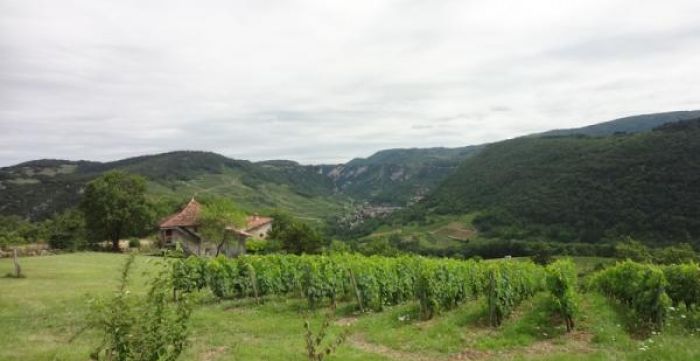
producer visit
24.07.2019
This visit to Domaine Renardat-Fâche took place in June, 2013
<p><strong><em>This visit to Domaine Renardat-Fâche took place in June, 2013.</em></strong></p>
<p><strong><em>Words by Jules Dressner, photos by Maya Pedersen.</em></strong></p>
<p>Elie Renardat-Fâche is huge! </p>
<p><img src="http://louisdressner.com/uploads/images/article/2019_Jul_24//a5/ad/a5ad88ac16fbd62953ab2efae458d4ef.jpg" /></p>
<p>If he was American, people would ask him if he plays in the NBA all the time. Fortunately, he lives in the tiny mountain village of <span class="zalup"><span><glossary title="705">Mérignat</glossary><span>,</span></span></span> population 100! Located in the heart of the <span class="zalup"><span><glossary title="208">Bugey</glossary><span>,</span></span></span> this relatively obscure region of France is known for its sparkling <span class="zalup"><span><glossary title="259">Cerdon</glossary><span>.</span></span></span> Universally referred to as <em>"breakfast wine"</em> by happy go lucky (and borderline alcholic?) fans of the style, <glossary title="259">Cerdon</glossary> is the result of a <glossary title="653">méthode ancestrale</glossary> <span class="zalup"><span><glossary title="441">fermentation</glossary><span>,</span></span></span> and is always light in alcohol, high in sugar and giving in fruit. But great <glossary title="259">Cerdon</glossary> also packs the heavy <glossary title="662">minerality</glossary> and <glossary title="71">acidity</glossary> to really uplift the bottle. </p>
<p>Domaine Renardat-Fâche is widely considered to be one of, if not the best <glossary title="259">Cerdon</glossary> currently produced. And the way we started working with them is a cool story: at a birthday dinner for my grandfather at the original <a href="http://www.danielnyc.com/daniel.html" target="_blank">Daniel</a> (now Café Boulud), Daniel himself came out to wish Sam a happy birthday and to complement him on his son's accomplishments (my grandpa was very proud that day). This was around the time Daniel was prepping his second restaurant, and for the opening, he told Joe he wanted the <glossary title="259">Cerdon</glossary> that legendary chef Alain Chapel was serving in Mionnay. <br />
<br />
Joe and Denyse didn't want to call Alain Chapel's restaurant just to ask what their <glossary title="259">Cerdon</glossary> was. So Joe, as a pioneer of the world wide web, found a link to an Australian restaurant in the <glossary title="208">Bugey</glossary> called <a href="http://www.le-boomerang.com/" target="notSet">Le Boomerang</a> (France's first and only Australian restaurant, which sadly closed a few years ago) and asked owner Rose-Marie Perkins if she had any leads. She told him that she worked with someone else, but that Chapel's <glossary title="259">Cerdon</glossary> was from none other than, you guessed it, Alain Renardat-Fâche! Joe got in touch with him, and the rest is history. <br />
<br />
<strong>SIDE NOTE:</strong> We actually ate at <a href="http://www.le-boomerang.com" target="notSet">Le Boomerang</a> once and had ostrich steaks. I remember it being really good. <br />
<br />
Our visit started in the Renardat-Fâche tasting room, which brought back vivid memories from my childhood. </p>
<p><img src="http://louisdressner.com/uploads/images/article/2019_Jul_24//0d/43/0d43711ce0e498cd89ac788522958016.jpg" /><br />
<br />
At the time, my sister and I were obsessed with <glossary title="259">Cerdon</glossary> because, well, it's SO DELICIOUS! We'd drink as much of it as our parents would allow (which was probably way above the average of NONE) any chance we could get. Anyway, while scoping the room out and remembering my youth, I spotted this oddity:</p>
<p><img src="http://louisdressner.com/uploads/images/article/2019_Jul_24//81/51/81513ab1cdc3ad1fa1eac282db528735.jpg" /><br />
<br />
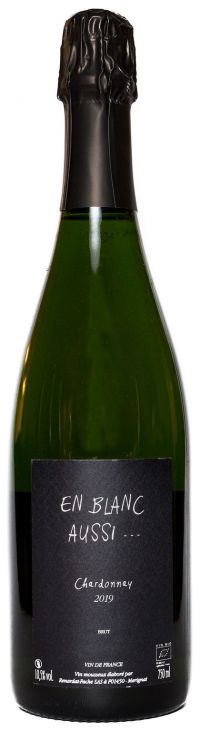
Turns out the Renardat have been making a <glossary title="271">Chardonnay</glossary> for years, but it's always been in tiny supply. It also turns out that 2006 was the last year they made it, so I guess that's that.<br />
<br />
2012 factoids: <glossary title="1166">Budding</glossary> was very good but unfortunately, it's looking like a low <glossary title="1129">yielding</glossary> year for the <span class="zalup"><span><glossary title="822">Poulsard</glossary><span>.</span></span></span> The <glossary title="478">Gamay</glossary> suffered from a lot of <span class="zalup"><span><glossary title="1393">millerandage</glossary><span>,</span></span></span> a term that does not exist in the English language but means tiny berries as a result of difficult <span class="zalup"><span><glossary title="1179">flowering</glossary><span>.</span></span></span> No <span class="zalup"><span><glossary title="1136">hail</glossary><span>,</span></span></span> a bit of <span class="zalup"><span><glossary title="1135">frost</glossary><span>.</span></span></span>.. And if you didn't know, after a six year <glossary title="332">conversion</glossary> the <glossary title="427">estate</glossary> is finally <glossary title="260">certified organic</glossary> as of the 2011 <span class="zalup"><span><glossary title="1109">vintage</glossary><span>!</span></span></span> Also, for the first time EVER, Elie is offering up <span class="zalup"><span><glossary title="617">MAGNUMS</glossary><span>!</span></span></span> He feels that you can actually age these a bit, which is rarely the case with 750's. <glossary title="185">Bottled</glossary> to order, so contact us if you're interested. <br />
<br />
Our next stop was to the <span class="zalup"><span><glossary title="254">cellar</glossary><span>,</span></span></span> where Alain and Elie broke down the incredibly technical nature of making <span class="zalup"><span><glossary title="259">Cerdon</glossary><span>:</span></span></span> everything starts at <span class="zalup"><span><glossary title="521">harvest</glossary><span>,</span></span></span> where they intentionally don't pick at optimum ripeness (10-11% potential). The grapes are <span class="zalup"><span><glossary title="378">destemmed</glossary><span>,</span></span></span> then <glossary title="441">fermented</glossary> in <span class="zalup"><span><glossary title="1018">temperature controlled</glossary><span>,</span></span></span> <glossary title="986">stainless steel</glossary> <span class="zalup"><span><glossary title="1140">tanks</glossary><span>.</span></span></span> After <span class="zalup"><span><glossary title="827">press</glossary><span>,</span></span></span> they add 40-50mg of <glossary title="993">sulfur</glossary> and let the wine go through a slow, three week <span class="zalup"><span><glossary title="317">cold maceration</glossary><span>.</span></span></span> Elie has experimented not using <glossary title="993">sulfur</glossary> this early on, but the length of <glossary title="610">maceration</glossary> has always led to <span class="zalup"><span><glossary title="754">oxidation</glossary><span>.</span></span></span><br />
<br />
A <span class="zalup"><span><glossary title="976">spontaneous</glossary><span>,</span></span></span> <glossary title="942">semi-carbonic</glossary> <glossary title="441">fermentation</glossary> occurs, which they stop at around 6% alcohol. After that, they lower the temperature of the <glossary title="1140">tank</glossary> between 0 and 20 degrees celsius. This helps block the <glossary title="441">fermentation</glossary> without <span class="zalup"><span><glossary title="993">sulfur</glossary><span>,</span></span></span> a major innovation in <glossary title="653">methode ancestrale</glossary> winemaking (Elie brings up not-so-found memories of his grandfather's extremely <glossary title="993">sulfury</glossary> <glossary title="259">Cerdon</glossary> in his <a href="http://louisdressner.com/producers/Renardat/" target="notSet">interview</a>). Alain and a few of the guys he went to school with were the first to use this technique in France.<br />
<br />
At this point the <glossary title="993">yeasts</glossary> are dormant, so they gently <glossary title="447">filter</glossary> the wine before <glossary title="185">bottling</glossary> and letting it <glossary title="938">referment</glossary> in bottle. In <span class="zalup"><span><glossary title="267">Champagne</glossary><span>,</span></span></span> a wine can be <glossary title="393">disgorged</glossary> because it is <span class="zalup"><span><glossary title="405">dry</glossary><span>.</span></span></span> But since there is so much sugar left in a bottle of <span class="zalup"><span><glossary title="259">Cerdon</glossary><span>,</span></span></span> they always keep the storage <glossary title="254">cellar</glossary> at five degrees. Otherwise, the <glossary title="1128">yeasts</glossary> would become over-active, resulting in deviant wines and exploding bottles. Also, unlike <span class="zalup"><span><glossary title="267">Champagne</glossary><span>,</span></span></span> bottles are stored standing up rather than on their side. </p>
<p><img src="http://louisdressner.com/uploads/images/article/2019_Jul_24//96/6d/966dab6f375ec56540630629ca306d3e.jpg" /></p>
<p>If they were laid down, the bubbles would become bigger, stronger and more violent and that would not be a good thing. Out of curiosity, I asked if it wouldn't be simpler for them to just have all of the wine in one big <glossary title="1140">vat</glossary> instead of bottle by bottle. Alain responded <em>"of course"</em>, but that they don't do it for two reasons. The first is that historically, a French sparkling wine had to <glossary title="441">ferment</glossary> in bottle. But more importantly, all the fruit aromatics of the <glossary title="478">Gamay</glossary> would be lost.<br />
<br />
They then empty each bottle by <glossary title="310">C02</glossary> and gently <glossary title="447">filter</glossary> out the deposits left from the <strong><glossary title="938">secondary fermentation</glossary></strong>. This is done 8000 bottles at a time, with everything poured into a <glossary title="1146">blending</glossary> <span class="zalup"><span><glossary title="1140">vat</glossary><span>.</span></span></span> The content in the <glossary title="1140">vats</glossary> represents a <glossary title="168">blend</glossary> from five or six separately <glossary title="1104">vinified</glossary> <span class="zalup"><span><glossary title="760">parcels</glossary><span>,</span></span></span> bringing balance and elegance to the final wine. In the end, they make sure the final <glossary title="441">fermentation</glossary> is never over 7,5% alcohol, because even at 8% you'd lose a lot of fruit. The <glossary title="168">blended</glossary> wine is then rebottled and corked. Did you know that <glossary title="267">Champagne</glossary> <glossary title="336">corks</glossary> look like this before they are <span class="zalup"><span><glossary title="185">bottled</glossary><span>:</span></span></span></p>
<p><img src="http://louisdressner.com/uploads/images/article/2019_Jul_24//6f/f1/6ff1bf96e12a27e04014648d76de9337.jpg" /></p>
<p><img src="http://louisdressner.com/uploads/images/article/2019_Jul_24//3d/bd/3dbd666fac60d6be22d35420b5d76664.jpg" /><br />
<br />
Who knew?<br />
<br />
Seeing what Alain and Elie are doing in the <glossary title="254">cellar</glossary> makes it easy to understand why their wines qualitatively stand out of the pack. Few go to such lengths to produce this style of wine in the region; though it technically can't be labelled as <span class="zalup"><span><glossary title="259">Cerdon</glossary><span>,</span></span></span> the majority of regional sparkling, sweet, low alcohol wine is being produced with hefty doses of <glossary title="993">sulfur</glossary> to halt <glossary title="441">fermentations</glossary> and using the <glossary title="272">chermat method</glossary> to add carbonation. These practices are is large part responsable for why the region has developed a bad reputation in France.<br />
<br />
After our <glossary title="422">oenology</glossary> lesson, we set off to our first vineyard site!</p>
<p><img src="http://louisdressner.com/uploads/images/article/2019_Jul_24//b5/68/b5681b158d628a36c819cf62871f2f72.jpg" /></p>
<p><img src="http://louisdressner.com/uploads/images/article/2019_Jul_24//80/19/801996c8448c198959a2688900145e36.jpg" /></p>
<p>We began by visiting this three <glossary title="523">hectare</glossary> <span class="zalup"><span><glossary title="760">parcel</glossary><span>,</span></span></span> which happen to be the first vines Alain bought when he was only 14 years old! It is steep!</p>
<p><img src="http://louisdressner.com/uploads/images/article/2019_Jul_24//0f/84/0f840cf797186a1d3096cdeea497a4c2.jpg" /></p>
<p><img src="http://louisdressner.com/uploads/images/article/2019_Jul_24//08/0e/080ed838f05125625414d7c04e6008fe.jpg" /><br />
<br />
Because they don't use <span class="zalup"><span><glossary title="526">herbicides</glossary><span>,</span></span></span> these inclines make soil-work decisions very important:<br />
<br />
<em>"We're only five years into working </em><glossary title="746"><em>organically</em></glossary><em>, and it's still a learning process. We're the only ones to </em><glossary title="810"><em>plow</em></glossary><em> here, and maybe this year we should have done less." </em></p>
<p><img src="http://louisdressner.com/uploads/images/article/2019_Jul_24//47/8b/478b48b4d77578ac72e231d324b1f9a1.jpg" /></p>
<p>The vines are spread over 25 zones of the village, and range from 250 to 500 meters in altitude. Combined, the <glossary title="760">parcels</glossary> face every type of <glossary title="430">exposition</glossary> possible. Everything is <span class="zalup"><span><glossary title="520">hand harvested</glossary><span>.</span></span></span> <br />
<br />
A big part of why Alain and Elie's <glossary title="259">Cerdon</glossary> is so unique is that they are among a tiny percentage of <glossary title="1089">vignerons</glossary> who blend <glossary title="822">Poulsard</glossary> into their <span class="zalup"><span><glossary title="478">Gamay</glossary><span>.</span></span></span> Other than the <span class="zalup"><span><glossary title="560">Jura</glossary><span>,</span></span></span> you won't find <glossary title="822">Poulsard</glossary> anywhere else. Still, it only represents a tiny part of <glossary title="208">Bugey's</glossary> vines: only eight <glossary title="523">hectares</glossary> are planted, and the Renardat own three. Though it was traditionally planted in the region, <glossary title="822">Poulsard</glossary> is fragile and low <glossary title="1129">yielding</glossary> so people ripped it out to favor the more productive <span class="zalup"><span><glossary title="478">Gamay</glossary><span>.</span></span></span> <br />
<br />
We continued the visit with Elie wanting to show us an experiment they'd started in the spring. It involves a trial with <glossary title="160">biodynamics</glossary> on 10% of the <span class="zalup"><span><glossary title="427">estate</glossary><span>:</span></span></span> four <glossary title="760">parcels</glossary> have been split 50/50 between <glossary title="746">organic</glossary> and <glossary title="160">biodynamic</glossary> <glossary title="1103">viticulture</glossary> to observe any differences.</p>
<p><img src="http://louisdressner.com/uploads/images/article/2019_Jul_24//c1/b6/c1b6cca34db7383428b87026bb5f556e.jpg" /></p>
<p><img src="http://louisdressner.com/uploads/images/article/2019_Jul_24//81/3e/813eb17054910e038e79fa5fb03f94dc.jpg" /></p>
<p>Only a few months into the comparison, the major thing Elie has noticed is that on the <glossary title="160">biodynamic</glossary> vines, the leaves seem to naturally spread out more and curve themselves inward to better absorb the sun. </p>
<p><img src="http://louisdressner.com/uploads/images/article/2019_Jul_24//c5/68/c5682e87fe97e637fc43ccf715c13221.jpg" /></p>
<p>Why? That's beyond them. Alain, who has always been a man of science, has been pleasantly surprised by the whole experience:<br />
<br />
<em>"I don't understand it, but I see the results and it makes me want to pursue things further."</em></p>
<p><img src="http://louisdressner.com/uploads/images/article/2019_Jul_24//11/ad/11adb4bc210531da3a5d72389573058a.jpg" /></p>
<p>Elie then pointed out:<br />
<br />
<em>"Human beings have lost the inherent instinct of being in sync with nature. An animal knows when a storm is coming, where to find the food it needs... For some it's never left, but it's something most of us have progressively lost. But I believe it's slowly coming back."</em><br />
<br />
We finished the tour of the vines, then got to taste a bunch of pre-<span class="zalup"><span><glossary title="168">blended</glossary> </span></span><glossary title="259">Cerdon</glossary> before eating lunch. I was very excited, because Elie had promised me that we would taste the <span class="zalup"><span><glossary title="405">dry</glossary><span>,</span></span></span> still <glossary title="478">Gamay</glossary> they make for personal consumption. I'd actually been thinking about it for over a year now (when he'd mentioned it in his interview). It did not disappoint: 11% alcohol, light and fruity but it still has a cool expression of <glossary title="1026">terroir</glossary> that differed from the <span class="zalup"><span><glossary title="151">Beaujolais</glossary><span>.</span></span></span> It was quite easy knocking back an entire <glossary title="617">magnum</glossary>; Elie is actually considering <glossary title="185">bottling</glossary> and selling small quantities of it in the future, and I certainly hope he does!<br />
<br />
After lunch, Maya snapped some pics of the Renardat-Fâche's dogs Rapunzel and Guinevere:</p>
<p><img src="http://louisdressner.com/uploads/images/article/2019_Jul_24//05/f9/05f936d6e5f9b59b7d1c08adf0f59e2c.jpg" /></p>
<p><img src="http://louisdressner.com/uploads/images/article/2019_Jul_24//12/6d/126da90f23dc7b1479d9833d3bbaa9a9.jpg" /><br />
</p>
Article

harvest report
04.12.2024
2024 Harvest Report from Renardat-Fâche
<p>I think we can resume 2024 with: we can’t wait for 2025!</p>
<p>After 2017, 2021 and 2022, we have “again” gone through a severe episode of April frost, with negative temperatures for five nights. 100% of the vines that produce Cerdon was affected!</p>
<p>In April, we had not finished pruning the Gamay and because of the frost, had decided to leave two canes instead of the one we usually leave. This decision did help us limit some of the damage because we were able to get some secondary growth, which of course were lesser and smaller bunches. The May that followed was very cold and rainy, delaying any revived vigor in the vines. By the end of the month, some of the vegetation hadn’t grown back at all and you could still visibly see the frost damage.</p>
<p>The rain continued through mid-July, and then we finally had a beautiful August. We’d originally planned to start picking on September 16th, but the previous week was cold and very rainy, delaying the maturity of the grapes. In the end we began on September 20th to end on the 29th with a great team of about 25 pickers from all over France.</p>
<p>In total, we lost about 65% of our crop! The sector of Rivelle (the large parcel with a vue on the village of Cerdon) was the area that suffered the least from frost, helping us to actually bring in some Poulsard: in all our other Poulsard parcels we averaged 5hl/h!!!!</p>
<p>If this wasn’t enough, we had another major change in 2024. Due to the density of our vines, following a restructuration of our surface to ensure we can work in the best way possible, we lost 1.4 hectares in the designated zone for Bugey Cerdon. The wines from these parcels will now bear the IGP Côteau de l’Ain designation. We’ve decided to make an ancestral bubble from this land from Gamay (Au Commencement) and a tiny cuvée of still red Poulsard (Cuvée Meÿthe).</p>
<p><img src="https://louisdressner.com/uploads/images/article//1044/87/1c/871cf16b7dbac3c34bc3426435890df8.jpg" /><img src="https://louisdressner.com/uploads/images/article//1044/88/b4/88b43b69d1291d76c49489845ca37a1e.jpg" /><img src="https://louisdressner.com/uploads/images/article//1044/b8/d2/b8d26f5d3ba18ac175c05a6bbb5daae0.jpg" /><img src="https://louisdressner.com/uploads/images/article//1044/3e/e7/3ee76abb5c5aa408bb6dc33972caf17e.jpg" /><img src="https://louisdressner.com/uploads/images/article//1044/38/73/3873939da1a6b8d580ce6a8cc0f790d8.jpg" /><img src="https://louisdressner.com/uploads/images/article//1044/55/02/550281d1c43c933df15e96d27bff6875.jpg" /><img src="https://louisdressner.com/uploads/images/article//1044/12/29/12296aa77c197ddb3ebb2233e62c7e08.jpg" /></p>
Article
harvest report
16.12.2021
2021 Harvest Report from Christelle Renardat
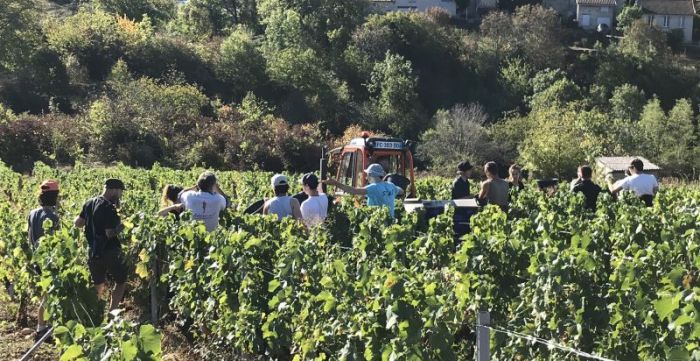
<p>Our <glossary term="Harvest" title="521">harvest</glossary> was September 27th to October 3rd. 6.5 days to <glossary term="Harvest" title="521">harvest</glossary> 12.5 <span class="zalup"><span><glossary term="Hectare" title="523">hectares</glossary><span>,</span></span></span> as you can see we were very fast! </p>
<p>We were already anticipating a small crop because of the <glossary term="Frost" title="1135">frost</glossary> and the ugly, rainy summer we had. But we expected to do better, we should have done better; the birds and boars found our vines! We tried protecting them with electrified fences, hair, tonnes fort (a device that mimics the sound of a gun shot) but we estimate they ate around 30% of what was still there!</p>
<p>The result: we had our shortest crop in 25 years, barely 20% of a normal <span class="zalup"><span><glossary term="Vintage" title="1109">vintage</glossary><span>!</span></span></span> It's a very hard blow! Elie and I are already thinking of scenarios for next year. The 2021<glossary term="Vintage" title="1109">vintage</glossary> <glossary term="Cerdon" title="259">Cerdon</glossary> will be released in Spring 2022</p>
Article
harvest report
14.10.2020
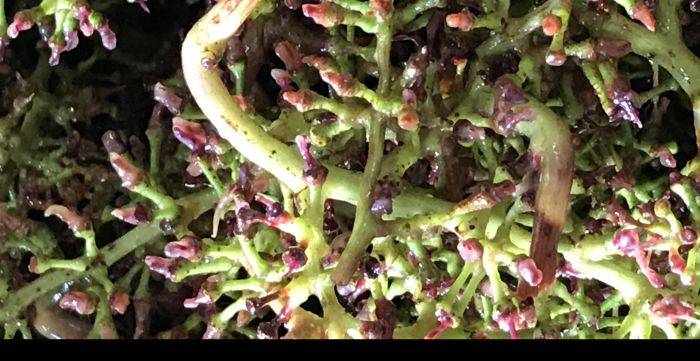
2020 Harvest Report from Christelle Renardat
<p><u><strong>October 14th, 2020:</strong></u></p>
<p>The best way to resume 2020 is precocious. After a spring that couldn't wait like most of us in confinement, the vegetation went into warp speed. <glossary term="Flowering" title="1179">Flowering</glossary> started in early May and was done mid-way through the month: a whole month earlier than in 2019. The summer was very dry and hot, and the August temperatures blocked the grapes' <span class="zalup"><span><glossary term="Maturation" title="639">maturation</glossary><span>.</span></span></span> It took some nice rain in late August for everything to get started again. </p>
<p>Lots of new things in Mérignat!</p>
<p>It's a "20" <span class="zalup"><span><glossary term="Vintage" title="1109">vintage</glossary><span>,</span></span></span> and quantities are good. We've decided, in addition to our classic <glossary term="Gamay" title="478">Gamay</glossary>/<glossary term="Poulsard" title="822">Poulsard</glossary> <span class="zalup"><span><glossary term="Cerdon" title="259">Cerdon</glossary><span>,</span></span></span> we have concocted lots of surprises:</p>
<p>-A <glossary term="Methode Ancestrale" title="1311">méthode ancestrale</glossary> <glossary term="Cerdon" title="259">Cerdon</glossary> from 100% <span class="zalup"><span><glossary term="Gamay" title="478">Gamay</glossary><span>.</span></span></span> </p>
<p>-A 100% <glossary term="Poulsard" title="822">Poulsard</glossary> <glossary term="Methode Ancestrale" title="1311">méthode ancestrale</glossary> <span class="zalup"><span><glossary term="Brut Nature" title="203">brut nature</glossary><span>.</span></span></span> </p>
<p>- A <span class="zalup"><span><glossary term="Dry/Sec" title="405">dry</glossary><span>,</span></span></span> still 100% <glossary term="Poulsard" title="822">Poulsard</glossary> from <glossary term="Mérignat" title="705">Mérignat</glossary> fruit. This <glossary term="Cuvée" title="363">cuvée</glossary> was harvested by the whole family, our parents and kids sheers in hand! </p>
<p>- A still <glossary term="Bugey" title="208">Bugey</glossary> from 100% <glossary term="Mérignat" title="705">Mérignat</glossary> <span class="zalup"><span><glossary term="Gamay" title="478">Gamay</glossary><span>.</span></span></span> </p>
<p><glossary term="Harvest" title="521">Harvest</glossary> lasted two weeks. We started on the 1st with the family, harvesting the small <glossary term="Parcel" title="760">parcel</glossary> of <glossary term="Poulsard" title="822">Poulsard</glossary> that would become the <glossary term="Bone-Dry" title="176">dry</glossary> wine. It will be sold as a <glossary term="Vin de France" title="1092">Vin de France</glossary> because <glossary term="Poulsard" title="822">Poulsard</glossary> is only reserved for <glossary term="Cerdon" title="259">Cerdon</glossary> in the <span class="zalup"><span><glossary term="Bugey" title="208">Bugey</glossary><span>.</span></span></span> </p>
<p>The more serious work began on the 2nd when our full team of lovely harvesters joined us. For 12 days, they picked <glossary term="Gamay" title="478">Gamay</glossary> and <glossary term="Poulsard" title="822">Poulsard</glossary> under the sun. It was ideal conditions and good to see the grapes hadn't stressed too much from the hydric deficit and the August heat wave. The <glossary term="Maturation" title="639">maturities</glossary> were good and there was a nice balance of sugar<span class="zalup"><span>/<glossary term="Acidity" title="71">acidity</glossary><span>.</span></span></span> </p>
<p>We are very excited to see where these go!</p>
<p><img src="http://louisdressner.com/uploads/images/article/2020_Oct_14//2c/2a/2c2a6188102c70cfef29d4e4d3c3ffb0.jpg" /><img src="http://louisdressner.com/uploads/images/article/2020_Oct_14//1a/c4/1ac44c077a369cd6231861fe8a8df86c.jpg" /><img src="http://louisdressner.com/uploads/images/article/2020_Oct_14//db/80/db80e7ad9ecff0ddb81163d165f1c4e3.jpg" /><img src="http://louisdressner.com/uploads/images/article/2020_Oct_14//9d/c9/9dc9fc433bd6916a979b7d9e74476b31.jpg" /><img src="http://louisdressner.com/uploads/images/article/2020_Oct_14//e6/13/e61352a100745a2ddfde373b0d842b07.jpg" /><img src="http://louisdressner.com/uploads/images/article/2020_Oct_14//19/47/194729320cf132135f9fb7b11cd377ab.jpg" /><img src="http://louisdressner.com/uploads/images/article/2020_Oct_14//52/2f/522f0cb447fee55147d299062f02aab2.jpg" /><img src="http://louisdressner.com/uploads/images/article/2020_Oct_14//90/35/9035023b7cb56b1e8e98c91b79f2633a.jpg" /></p>
Article
harvest report
16.10.2018
2018 Harvest Report from Christelle Renardat-Fâche
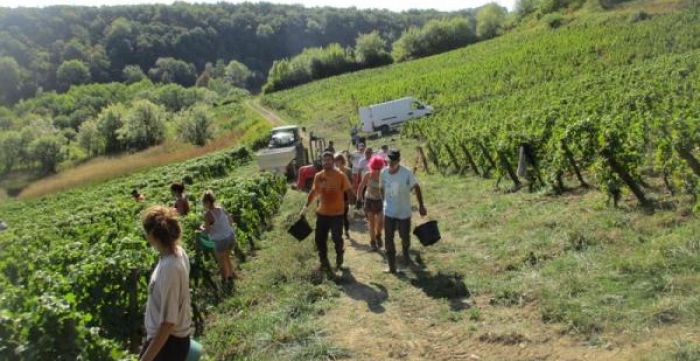
<p>We harvested from September 10th to the 24th. 12 days under a scorching sun that nonetheless promised us a good crop.<br />
<br />
2018 is another tumultuous year climatically. The first half of the year was marked by constant rain followed by very hot weather and a <span class="zalup"><span><glossary title="1167">drought</glossary><span>.</span></span></span> A <glossary title="1136">hail</glossary> storm on the 20th of July damaged a part of our <span class="zalup"><span><glossary title="427">estate</glossary><span>.</span></span></span> Of our 12 <span class="zalup"><span><glossary title="523">hectares</glossary><span>,</span></span></span> five are touched and two are decimated at 90%. Morale is low, especially following the particularly drastic 2017.<br />
<br />
In Spring, the amount of grapes on the vines was impressive, to the point where we entertained the possibility of a <span class="zalup"><span><glossary title="507">green harvest</glossary><span>!</span></span></span> But with the <glossary title="1167">drought</glossary> and the <span class="zalup"><span><glossary title="1136">hail</glossary><span>,</span></span></span> we had to change strategies.<br />
<br />
We began on September 10th and from the beginning we are very surprised by the <span class="zalup"><span><glossary title="1129">yields</glossary><span>.</span></span></span> Against all odds and expectations, we are happy to report that we actually had a plentiful <glossary title="521">harvest</glossary> with grapes of great quality. Unbelievable!</p>
<p><img src="http://louisdressner.com/uploads/images/article/2019_Sep_16//c0/65/c065ad69b46b13d2e50bbd03e4961e7e.jpg" /></p>
<p><img src="http://louisdressner.com/uploads/images/article/2019_Sep_16//a8/32/a8323384af7bb8298d71168a508eb33a.jpg" /></p>
<p><img src="http://louisdressner.com/uploads/images/article/2019_Sep_16//9d/48/9d4834e817423c276cd2f23c3702d773.jpg" /></p>
<p><img src="http://louisdressner.com/uploads/images/article/2019_Sep_16//e5/00/e500388c7079906d1aa1868c3149efc6.jpg" /></p>
<p><img src="http://louisdressner.com/uploads/images/article/2019_Sep_16//42/05/42058cd84134a1188117864e7282f029.jpg" /></p>
<p><img src="http://louisdressner.com/uploads/images/article/2019_Sep_16//95/c4/95c4683250e36e1ece98e79efd2d08df.jpg" /></p>
<p><img src="http://louisdressner.com/uploads/images/article/2019_Sep_16//85/1e/851ea19485dbd4a35b18a19fac7093df.jpg" /></p>
Article
harvest report
13.09.2013
2013 Harvest Report by Christelle Renardat-Fâche
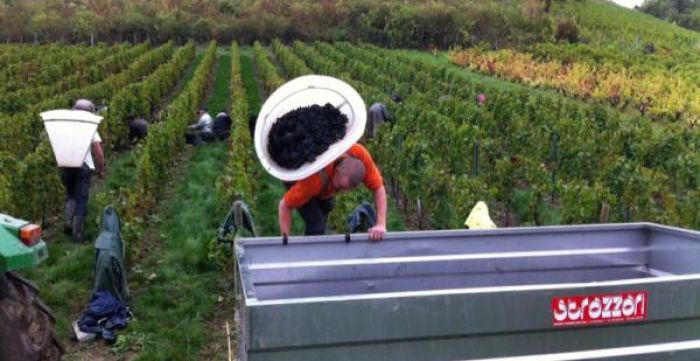
<p><glossary title="521">Harvest</glossary> is done! The wine is <glossary title="441">fermenting</glossary> slowly and will be <glossary title="185">bottled</glossary> soon to give it bubbles. We picked from October 7th to the 15th: 3 weeks later than usual due to the excessive rain and lack of sunshine.<br />
<br />
The grapes are of excellent quality, and the <span class="zalup"><span><glossary title="478">Gamay</glossary><span>-</span></span></span><glossary title="822">Poulsard</glossary> <glossary title="168">blend</glossary> will be the usual (70%/30%). 2013 <glossary title="">Cerdon</glossary> will have an excellent balance between sugar and <span class="zalup"><span><glossary title="71">acidity</glossary><span>,</span></span></span> a beautiful color and aromas even more intense than 2012! Of course this is all hypothetical, since the wines haven't begun bubbling yet and you can never be sure what you're gonna get! The only downside is that the crop was low this year. We'll do our best to have more in 2014. If the weather agrees!</p>
<p><img src="http://louisdressner.com/uploads/images/article/2019_Sep_20//10/f8/10f80b9a18f540af3f7f2ce751442f19.jpg" /></p>
<p><img src="http://louisdressner.com/uploads/images/article/2019_Sep_20//ce/55/ce55845f929265a0c2cc0b046e2c56ad.jpg" /></p>
<p><img src="http://louisdressner.com/uploads/images/article/2019_Sep_20//cf/de/cfde498015d2b3ef3961cd3d42ab2fb3.jpg" /></p>
Article
harvest report
10.09.2012
2012 Harvest Report by Christelle Renardat-Fâche
<p><u><strong>November 22nd, 2012:</strong></u></p>
<p>2012 is looking like a promising <span class="zalup"><span><glossary title="1109">vintage</glossary><span>.</span></span></span><br />
<br />
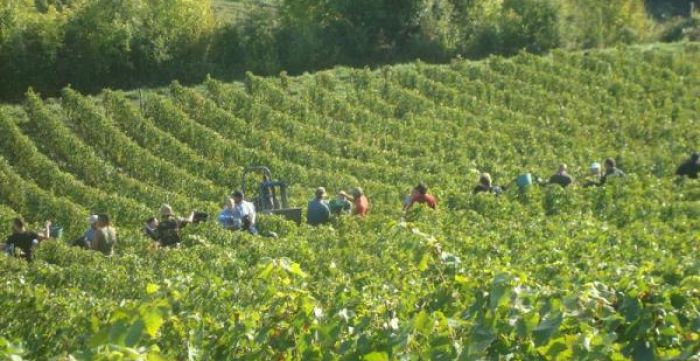
We started on September 24th and the seven days of <glossary title="521">harvest</glossary> brought us beautiful grapes of extremely high quality. No <glossary title="182">grey rot</glossary> whatsoever, and grapes affected by <glossary title="1137">mildew</glossary> fell off in August/early September or were manually removed before <span class="zalup"><span><glossary term="Harvest" title="521">harvesting</glossary><span>.</span></span></span> We were also able to completely protect ourselves from <span class="zalup"><span><glossary title="737">odium</glossary><span>,</span></span></span> perhaps due to the newly incorporated plant preparations we used to <glossary title="328">treat</glossary> the vines.<br />
<br />
On the other hand, our <glossary title="1129">yields</glossary> are about 30% lower than they were in 2011. This is mainly due to climate. It all started with a period of <glossary title="1135">frost</glossary> in winter, then another in the spring (each on different <glossary title="760">parcels</glossary>), and a lot of rain during <glossary title="1179">flowering</glossary> which lead to <glossary term="Coulure" title="1252">coulure</glossary> and pockets of <span class="zalup"><span><glossary title="1137">mildew</glossary><span>.</span></span></span><br />
<br />
Also, the results of this year's experimentation with <glossary title="160">biodynamics</glossary> (on four separate <span class="zalup"><span><glossary title="760">parcels</glossary><span>,</span></span></span> about 10% of the <glossary title="427">estate</glossary>) has driven us to generalize this practice on the rest of <glossary title="427">estate</glossary> as of 2013.</p>
<p><img src="http://louisdressner.com/uploads/images/article/2019_Sep_23//47/96/47960cd9d1081d656d0f087c2c043e60.jpg" /></p>
<p><img src="http://louisdressner.com/uploads/images/article/2019_Sep_23//62/fb/62fb54f5630c98967fc2f1f24512eb5e.jpg" /></p>
<p><img src="http://louisdressner.com/uploads/images/article/2019_Sep_23//e7/bd/e7bd0dabd700462eaa1db97e790c4b3f.jpg" /></p>
<p><img src="http://louisdressner.com/uploads/images/article/2019_Sep_23//16/b8/16b87db87d4ddb2d47c57e107d28d4b8.jpg" /></p>
Article

harvest report
11.10.2011
2011 Harvest Report by Christelle Renardat-Fâche
<p><u><strong>October 11th, 2011</strong></u></p>
<p>Many <glossary title="1089">vignerons</glossary> will tell you that 2011 was an atypical year: a cold winter with snow in November and December then dry and freezing for the rest of the season; a premature spring with dryness and heat stimulating the vines; <glossary title="1166">budding</glossary> occurring 2 to 3 weeks earlier than the norm... In the end our vines didn't really suffer from the lack of water and the few storms we had seemed quite tame with light and breezy rain.<br />
<br />
This was followed by a capricious summer. July was cold and rainy and a very uncertain August had us puzzled and worried about when to start the <span class="zalup"><span><glossary title="521">harvest</glossary><span>.</span></span></span> Our vacation time was cut short this year!<br />
<br />
<glossary title="521">Harvest</glossary> started September 6th (the same day school started in Côme) with a team of 30 pickers under a radiant sun! We finished on the 17th.<br />
<br />
In total there were nine days of harvesting, with a few days of rest at the half-way point. The nice weather remained present for the entirety of the <span class="zalup"><span><glossary title="521">harvest</glossary><span>.</span></span></span><br />
<br />
2011 seems to be a very promising year. Our <glossary title="1129">yields</glossary> were generous (finally!) and of great quality and I am happy to say we had very good results with the <glossary title="822">Poulsard</glossary> this year.<br />
<br />
This is also our first year <glossary title="260">certified organic</glossary> and the quality of the <glossary title="521">harvest</glossary> comforts me in our choice to <glossary title="332">convert</glossary> the <span class="zalup"><span><glossary title="427">estate</glossary><span>.</span></span></span><br />
<br />
It seems that the juice will be producing a very fruity and rich <glossary title="259">Cerdon</glossary> this year, with dominating aromas of strawberries, raspberries and of course grapes! It will be a rich, full color. Let's let the wine make itself and we'll check back in few months for some good drinking!</p>
Article
harvest report
29.10.2010
2010 Harvest Report from Christelle Renardat-Fâche
<p><u><strong>October 29th 2010:</strong></u></p>
<p>We <glossary title="521">harvested</glossary> our grapes between September 20th and October 2nd under magnificent sun. This very favorable weather during picking allowed us excellent conditions, and our grapes easily reached the ripeness we hoped for a quality <span class="zalup"><span><glossary title="1109">vintage</glossary><span>.</span></span></span></p>
<p>Spring growing conditions, however, were very adverse: rain and cold during the blossom resulted in <glossary title="1252">coulure</glossary> and <span class="zalup"><span><glossary title="1393">millerandage</glossary><span>,</span></span></span> so a big loss in <span class="zalup"><span><glossary title="1129">yields</glossary><span>.</span></span></span><br />
<br />
<glossary title="441">Fermentations</glossary> are going well now. Our first release of 2010 will be on January 15th. The rest of our wines, from vineyards in <glossary title="746">organic</glossary> <span class="zalup"><span><glossary title="332">conversion</glossary><span>,</span></span></span> will be available at the beginning of March 2011.</p>
Article
harvest report
03.11.2005
2005 Harvest Report from Mireille Renardat-Fâche
<p><u><strong>November 3rd, 2005:</strong></u></p>
<p>At long last, some news from our 2005 <span class="zalup"><span><glossary title="521">harvest</glossary><span>.</span></span></span><br />
<br />
After a very hot late spring and early summer, our vines <glossary title="1179">flowered</glossary> in a much too generous fashion, which led us to manually remove a great number of <glossary title="1138">bunches</glossary> between July 14th and August 15th. The <span class="zalup"><span><glossary title="1167">drought</glossary><span>,</span></span></span> which lasted until August 15th, kept the vines healthy.</p>
<p>The rain came exactly when it was needed in the middle of August, followed by beautiful weather. This, along with a balanced distribution of <glossary title="1138">bunches</glossary> on the vines, made for quick ripening. Our <glossary title="521">harvest</glossary> was done between September 15th and 25th, under good weather.<br />
<br />
The general <glossary title="1129">yield</glossary> is lower than in 2004, but we are still going to make more wine, thanks to the first <glossary title="521">harvest</glossary> in a young <glossary title="1133">plot</glossary> of <span class="zalup"><span><glossary title="822">Poulsard</glossary><span>.</span></span></span> The <glossary title="700">musts</glossary> after <glossary title="827">pressing</glossary> have deep color, what we call “intense pink” for <glossary title="822">Poulsard</glossary> as well as <span class="zalup"><span><glossary title="478">Gamay</glossary><span>.</span></span></span> After the first partial <glossary title="441">fermentation</glossary> in <span class="zalup"><span><glossary title="1140">vats</glossary><span>,</span></span></span> all the wine has been <span class="zalup"><span><glossary title="185">bottled</glossary><span>.</span></span></span><br />
<br />
Some bottles have started their <glossary title="938">second fermentation</glossary> and have bubbles, what we are tasting so far shows rich aromas. The first wines <glossary title="1104">vinified</glossary> should be ready for release around mid December, after they are <span class="zalup"><span><glossary title="393">disgorged</glossary><span>.</span></span></span></p>
Article