producer profile
31.05.2019
Cà de Noci Producer Profile
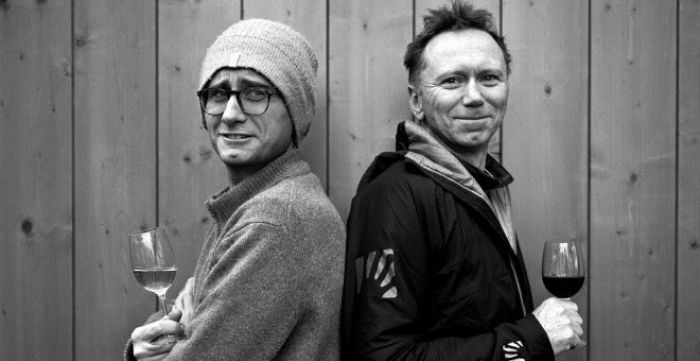
<p>Cà de Noci was established in 1993 by brothers Giovanni and Alberto Masini on their family’s <glossary title="427">estate</glossary> near <span class="zalup"><span><glossary title="849">Reggio Emilia</glossary><span>.</span></span></span> For more than thirty years, the family has had a walnut forest on the property (hence the name “Walnut Farm”). In the 700’s, the province of <glossary title="420">Emilia-Romagna</glossary> was known to have over 100 different grape varieties. The Masinis wanted to plant local, traditional grapes that were slowly disappearing, among them <span class="zalup"><span><glossary title="973">Spergola</glossary><span>,</span></span></span> <glossary title="621">Malbo Gentile</glossary> and <span class="zalup"><span><glossary title="674">Montericco</glossary><span>.</span></span></span></p>
<p>The vines are planted in five <glossary title="523">hectares</glossary> of rocky <glossary title="596">limestone</glossary> soil along the Crostolo river. The dryness, and general poorness of the soils help give these grapes all their powerful flavor and <span class="zalup"><span><glossary title="662">minerality</glossary><span>.</span></span></span> All the vines were planted in the 90’s and are therefore fairly young. They are cultivated using <glossary title="260">certified organic</glossary> methods and only minimal <glossary title="328">treatments</glossary> of natural <glossary title="333">copper</glossary>/<glossary title="993">sulfate</glossary> and <glossary title="160">biodynamic</glossary> decoctions from plant or animal sources are used.<br />
<br />
The grapes are <glossary title="520">hand-harvested</glossary> in small caskets at maximum ripeness, with healthy skins, then <glossary title="378">destemmed</glossary> and left in <glossary title="1140">vats</glossary> in the cool outside air overnight for <span class="zalup"><span><glossary title="433">extraction</glossary><span>.</span></span></span> The <glossary title="234">caps</glossary> are <glossary title="795">punched down</glossary> in the morning and the <glossary title="610">maceration</glossary> on the skins continues for a long period, for some wines more than a week. The grapes are then <glossary title="827">pressed</glossary> on a <glossary title="1200">manual press</glossary> and <glossary title="843">racked</glossary> into wood <glossary title="142">barrels</glossary> or neutral <span class="zalup"><span><glossary title="1140">vats</glossary><span>.</span></span></span> The wines are <glossary title="74">aged</glossary> without <glossary title="447">filtration</glossary> or <glossary title="449">fining</glossary> and <glossary title="993">S02</glossary> is never added.<br />
<br />
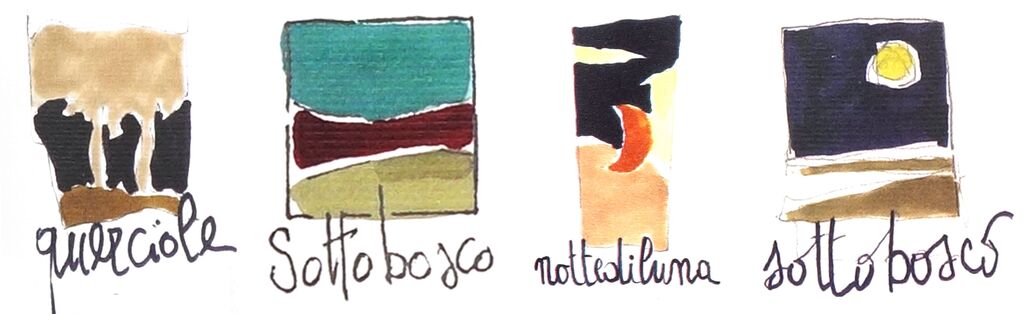
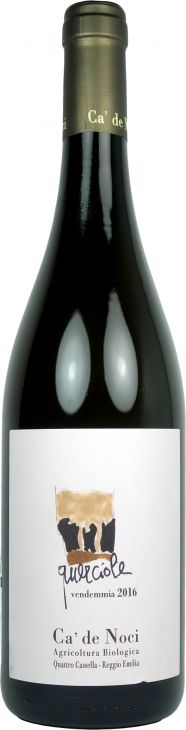
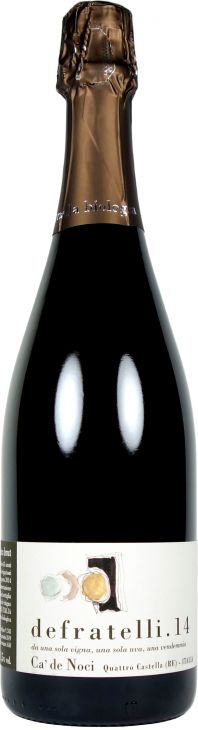
The <glossary title="973">Spergola</glossary> grape, due to its high <glossary title="71">acidity</glossary> levels, has always had a reputation as fine material for sparkling wine. For many years it was considered a type of <span class="zalup"><span><glossary title="927">Sauvignon</glossary><span>,</span></span></span> but has now been genetically proven to be a grape variety of its own. The Masinis make two distinct wines that are 100% <span class="zalup"><span><glossary title="973">Spergola</glossary><span>:</span></span></span> First, there is a <glossary title="653">metodo tradizionale</glossary> sparkling wine called "Riserva dei Fratelli", which is <glossary title="938">refermented in bottle</glossary> using only the <glossary title="590">lees</glossary> of the wine and has no <span class="zalup"><span><glossary title="403">dosage</glossary><span>.</span></span></span> The second wine, "Querciole", is a natural <glossary title="938">refermentation in bottle</glossary> to give a <glossary title="471">frizzante</glossary><em> </em>style. It is <glossary title="447">unfiltered</glossary> so may it throw <span class="zalup"><span><glossary title="939">sediment</glossary><span>.</span></span></span> <br />
<br />
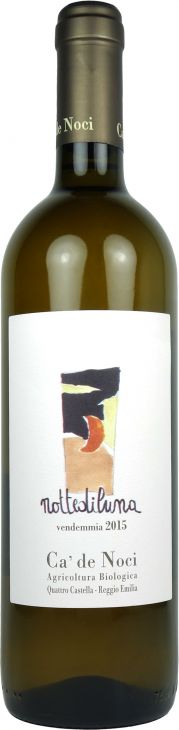
Another still white wine, "Nottediluna", is made in small quantities using <span class="zalup"><span> <glossary title="1297">Malvasia di Candia</glossary><span>,</span></span></span> <glossary title="688">Moscato Giallo</glossary> and <glossary title="973">Spergola</glossary> with extended <glossary title="610">skin contact</glossary> and <glossary title="74">aged</glossary> in large <glossary title="184">botti</glossary><em>.</em> <br />
<br />
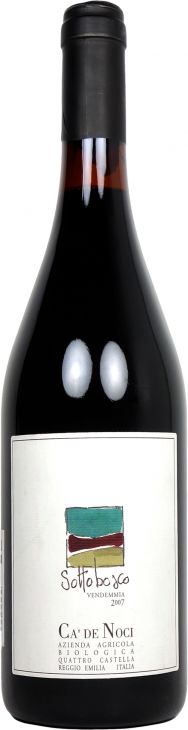
The "Sottobosco" is a wine from three red grapes: <glossary title="577">Lambrusco</glossary> Grasparossa, <glossary title="577">Lambrusco</glossary> Maestri and <span class="zalup"><span><glossary title="621">Malbo Gentile</glossary><span>,</span></span></span> distinctive grapes of the <glossary title="420">Emilia-Romagna</glossary> region. The grapes are <glossary title="610">macerated</glossary> for 10 days on their skins. It is also a natural <glossary title="938">refermentation in bottle</glossary> to produce a <span class="zalup"><span> <glossary title="405">dry</glossary><span>,</span></span></span> <glossary title="471">frizzante</glossary> wine, and is <span class="zalup"><span><glossary title="447">unfiltered</glossary><span>.</span></span></span> Like the<em> "</em>Querciole", the "Sottobosco" is <glossary title="447">unfiltered</glossary> and may have some <span class="zalup"><span> <glossary title="939">sediment</glossary><span>.</span></span></span></p>
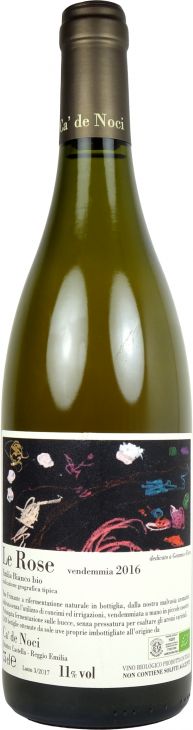
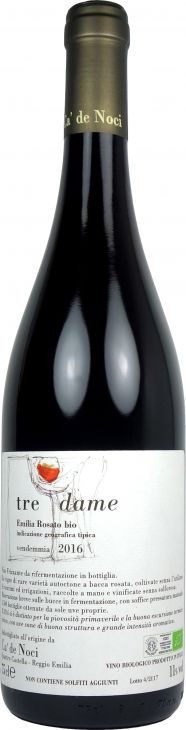
<p>Newer additions to the lineup are "Tre Dame", a <span class="zalup"><span><glossary title="405">dry</glossary><span>,</span></span></span> <glossary title="471">frizzante</glossary> <glossary title="871">rosato</glossary> from the <glossary title="1139">indigenous</glossary> <glossary title="1304">Termanira</glossary> and <glossary title="947">Sgavetta</glossary> grapes and "Le Rose", an <glossary title="120">aromatic</glossary> sparkler made exclusively from <span class="zalup"><span><glossary title="1297">Malvasia di Candia</glossary><span>.</span></span></span> </p>
<p>The wines should be served at <glossary title="254">cellar</glossary> temperature (56 degrees F) and poured somewhat gently. Enjoy these with a range of dishes, but fatty meats and dry sausages are winners.</p>
Article
interview
22.05.2019
An Interview with Alberto Masini of Cà de Noci from 2011
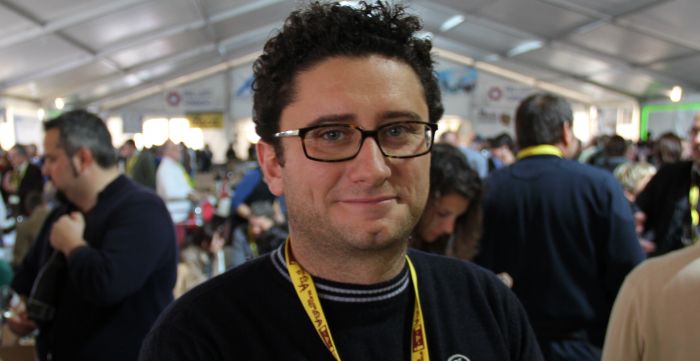
<p><em>This interview with Alberto Masini took place during <glossary term="Vini di Vigniaoli" title="1101">Vini di Vignaioli</glossary> in <glossary term="Fornovo" title="459">Fornovo</glossary> in November, 2011. It was conducted by Kevin Mckenna and translated by Pietro Straccia.</em></p>
<p><strong>Tell us about Cà de Noci's history.</strong><br />
<br />
We started eighteen years ago, in 1993. At the time, the only grape planted in our area was <span class="zalup"><span><glossary title="577">Lambrusco</glossary><span>,</span></span></span> which was being produced mainly by large, commercial wineries. Mass produced <span class="zalup"><span><glossary title="577">Lambrusco</glossary><span>!</span></span></span> When we decided we wanted to work under an <glossary term="Artisan" title="121">artisanal</glossary> model, we weren't quite sure what was possible or not, because other <glossary term="Varietal" title="1071">varietals</glossary> had been abolished from our region's vineyards. <br />
<br />
Ten years ago we started to replant <span class="zalup"><span><glossary title="577">Lambrusco</glossary><span>,</span></span></span> but more importantly we began planting other native <glossary term="Varietal" title="1071">varietals</glossary> that had been abandoned throughout the years: <span class="zalup"><span><glossary title="973">Spergola</glossary><span>,</span></span></span> <glossary title="577">Lambrusco</glossary> di Montericcho, <glossary title="621">Malbo Gentile</glossary> and <span class="zalup"><span><glossary title="947">Sgavetta</glossary><span>.</span></span></span> Once upon a time, these were the traditional <glossary title="1071">varietals</glossary> of our area.<br />
<br />
Choosing to work with these grapes also led to a reevaluation of our work as <span class="zalup"><span><glossary title="1089">vignaoli</glossary><span>,</span></span></span> and we eventually decided to work the vineyard <glossary title="746">organically</glossary> and to use simple methods of <glossary title="1104">vinification</glossary> in the <span class="zalup"><span><glossary title="254">cellar</glossary><span>.</span></span></span> This quickly led us to understand something very important: to make good wine, you need good grapes. To get good grapes, you need low <span class="zalup"><span><glossary title="1129">yields</glossary><span>.</span></span></span> <br />
<br />
The next big realization was that <glossary title="441">fermentation</glossary> must be controlled with the least amount of manipulation as possible. This is much easier said than done, as it has taken us eighteen years to figure it out! I feel that we now do a good job with this.<br />
<br />
<strong>Can you elaborate on the process of learning how to work this way (<font color="#7b143e">organics</font>/low intervention in the<font color="#7b143e"> cellar</font>)?</strong><br />
<br />
It started with my father, who had the vineyards in the 1970’s. There was no <glossary title="254">cellar</glossary> until 2000, when my brother and I decided to build one. This was at the same time we started replanting all the <glossary title="1071">varietals</glossary> I've just mentioned, so it's been a very slow evolution.<br />
<br />
Initially we were only making <glossary title="471">frizzante</glossary> wine, which is the local tradition. Our desire to make an authentic product led us to work with natural, <glossary term="Secondary Fermentation" title="938">secondary fermentations</glossary> in bottle, a tradition that had vanished since the <glossary term="Industrial Wine" title="540">industrialization</glossary> of wine in our region (<strong>note: </strong>typically, mass produced <glossary title="577">Lambrusco</glossary> is now made in the <glossary title="272">charmat method</glossary>). This decision was key to our identity, because we were amongst the first to reintroduce it and work with the methods of our grandparents.<br />
<br />
As time went by we were able to perfect these methods, and we were able to elevate rare <span class="zalup"><span><glossary title="1071">varietals</glossary><span>:</span></span></span> <glossary title="973">Spergola</glossary> in particular, but also the hill grown <glossary title="577">Lambrusco</glossary>’s, which are the <glossary title="674">Montericcho</glossary> and <span class="zalup"><span><glossary title="621">Malbo Gentile</glossary><span>.</span></span></span> The various phases that the vineyards went through were not immediate; it took a very, very long time. In the end I believe the most important thing that we obtained was to give value to the land. We've brought back tradition and value to a land that had forgotten what that was. <br />
<br />
<strong>What about the work in the vineyard?</strong><br />
<br />
It’s the most important part. With <glossary title="746">organic</glossary> production, you must control all phases of production. You cannot leave anything behind. You have to be present for everything, from the <glossary title="834">pruning</glossary> to the <span class="zalup"><span><glossary title="521">harvest</glossary><span>.</span></span></span> Our work begins with good <glossary title="834">pruning</glossary> and maintaining the land without <span class="zalup"><span><glossary title="442">fertilizers</glossary><span>.</span></span></span> It took us a long time, but we were able to find a perfect balance in the vineyard, which results in high quality grapes and very low <span class="zalup"><span><glossary title="1129">yields</glossary><span>.</span></span></span> This allows us to <glossary title="1104">vinify</glossary> our wines with a fruit that is always very <span class="zalup"><span><glossary term="Concentration" title="324">concentrated</glossary><span>,</span></span></span> very intense. <br />
<br />
All the work in the vineyard allows you to work "<glossary title="746">organically</glossary>" in the <glossary title="254">cellar</glossary> and not use <span class="zalup"><span><glossary title="993">sulfites</glossary><span>.</span></span></span> There is simply no need to, because the <glossary title="441">fermentation</glossary> develops <glossary title="993">sulfites</glossary> naturally. These same <glossary title="993">sulfites</glossary> actually protect the wine already. If I did not have a healthy fruit I would have a “sick” wine and I would have to use a lot of <span class="zalup"><span><glossary title="993">sulfur</glossary><span>.</span></span></span> This is not case.<br />
<br />
<strong>How does Cà de Noci relate to the conversation of DOC or IGT?</strong><br />
<br />
There is confusion because no one is sure of what they want to do. The legislators, those who are in charge of creating these regulations, do not have a clear agenda. This is a problem for us.<br />
<br />
We have chosen to go with Indicazione Geografica (<glossary title="535">IGT</glossary>) because we want to assure the consumer that our origins and location are well understood. However, it is not important to have a denomination because it doesn’t guarantee quality. It doesn’t guarantee low <glossary term="Yield" title="1129">yields</glossary> per <span class="zalup"><span><glossary term="Hectare" title="523">hectare</glossary><span>.</span></span></span> If I am under a <glossary title="1156">DOC</glossary> I could have very high <span class="zalup"><span><glossary title="1129">yields</glossary><span>.</span></span></span><br />
<br />
We must always trust the farmer who tends the land. He's the only one who knows what's truly going on. This is who we should rely on as a testament to quality. Regulations and <glossary title="1156">DOC’s</glossary> are made for <span class="zalup"><span><glossary term="Industrial Wine" title="540">industrial wines</glossary><span>.</span></span></span> <br />
<br />
<strong>What do you think of terms like <font color="#7b143e"><em>Natural Wines</em></font>, <em>Vivacious Wines</em> or <em>Real Wines</em>?</strong><br />
<br />
Everyone uses their own name to differentiate themselves but in essence we are wine <span class="zalup"><span><glossary title="121">artisans</glossary><span>.</span></span></span> As long as you can drink a lot of what you're making in your own <span class="zalup"><span><glossary title="254">cellar</glossary><span>,</span></span></span> you're doing a good job. <br />
<br />
<strong>What food do you recommend for your wine?</strong><br />
<br />
Emilia is the homeland of pork and also the homeland of pasta. Stuffed pasta: Tortelli, il Cappelletto; basically the Tortellino. <br />
<br />
It’s fun to be in the land of <glossary title="471">frizzante</glossary> wines because we need to pair fatty foods with our <glossary title="71">acidity</glossary> and vivaciousness. This a historical pairing that was born unknowingly and naturally. It works really well!<br />
<br />
<strong>Aside from your wine are there other wines other regions that you like?</strong><br />
<br />
We grew up in the 80’s. When we were 18, my brother and I would go around Italy to get an idea of other realities, of different places. We are lovers of <glossary title="793">Piemonte</glossary> but also of <glossary title="1055">Tuscany</glossary> because it was THE legendary region for wine.<br />
<br />
We also realized that in every region, there are many small producers that work very well, and little by little we have learned about these small regions. I can no longer say that I’m in love with only one region but of all regions and small, independently made wine.</p>
Article
producer visit
17.07.2019
This visit to Cà de Noci took place in November, 2012
<p><strong><em>This visit to Cà de Noci took place in November, 2012</em></strong></p>
<p><strong><em>Words and photos by Jules Dressner.</em></strong></p>
<p>For Hurricane Sandy related reasons, it was looking like we weren't going to be able to go to Italy at all. After some desperate rescheduling (including a particularly daunting option that involved flying to Moscow to connect to <glossary title="660">Milan</glossary>), we somehow managed to nab a direct flight two days later than scheduled. It meant missing visits with <a href="http://louisdressner.com/producers/Fonterenza/">Fonterenza</a>, <a href="http://louisdressner.com/producers/Poderi/">Sanguineto</a> and <a href="http://louisdressner.com/producers/Saetti/">Luciano Saetti</a>, but it was better than not going at all. <br />
<br />
When we arrived, we all got upgraded and for the second year in a row I once again got to enjoy the laps of of luxury that is business class. I totally recommend spending the 5000 dollars it would normally cost to do this: made to order hot fudge Sundaes, seats that turn into beds, getting to watch everyone in economy stare at you in contempt as they walk by and MOST OF ALL, having master <glossary title="969">sommelier</glossary> Andrea Robinson answer every question you've ever had about wine!<br />
<br />
Legs? Who knew? Also, worth viewing this video lets you know that "<em>Once you get to 30 000 feet, your sense of taste and smell are really attenuated</em>". You do get used to the beds though...<br />
<br />
Enough funny business!<br />
<br />
After landing in <glossary title="660">Milan</glossary> and driving to <glossary title="762">Parma</glossary> -where we'd stay for the next three days- we set off to the <glossary title="322">commune</glossary> of <a href="http://en.wikipedia.org/wiki/Quattro_Castella" target="_blank">Quattro Castella</a> to visit the Masini brothers of Cà de Noci.<br />
<br />
<img src="http://louisdressner.com/uploads/images/article/2019_Jul_17//10/0b/100b74b90d96b13eb7af299e5b0eed2b.jpg" /><br />
<br />
Alberto and Giovanni were there to greet us, as was their father Vittorio.<br />
<br />
<img src="http://louisdressner.com/uploads/images/article/2019_Jul_17//4e/45/4e459bcfb08c64f0321bf44a352040ab.jpg" /><br />
<br />
Vittorio had never met Kevin (or any of us, for that matter), and was delighted to finally put a face to a name he'd been hearing for years.<br />
<br />
<em>"Every time I have to add the back labels or hear about the U.S.A, it's always Kevin, Kevin. Kevin! Finally I know what you look like!" </em><br />
<br />
A large portion of the vines surround the farm, so after saying our hello's we jumped right into the visit by checking out their <glossary title="740">old vine </glossary> <span class="zalup"><span><glossary title="973">Spergola</glossary><span>.</span></span></span></p>
<p><img src="http://louisdressner.com/uploads/images/article/2019_Jul_17//01/97/019703700b5c920d91d22c8c32a0d852.jpg" /></p>
<p><img src="http://louisdressner.com/uploads/images/article/2019_Jul_17//0c/1c/0c1c60c376fa089a4b35d8664d323e63.jpg" /></p>
<p><img src="http://louisdressner.com/uploads/images/article/2019_Jul_17//bb/4d/bb4db8f54fe2562ae829ab005668735c.jpg" /></p>
<p><img src="http://louisdressner.com/uploads/images/article/2019_Jul_17//c9/a7/c9a71c609b339bef4c372a753b654740.jpg" /><br />
<br />
These were all planted in 1970 by Vittorio. As you can see from the pictures, every single vine has grown independently and differently. This is where the "Querciole" is produced; the <glossary title="363">cuvée</glossary> is named after the large <glossary title="731">oak</glossary> tree in the middle of the <span class="zalup"><span><glossary title="760">parcel</glossary><span>.</span></span></span><br />
<br />
Close by, they have bee hives. Alberto explained:<br />
<br />
<em>"It's very important for pollination. Grapes like </em><glossary title="621"><em>Malbo Gentile</em></glossary><em> would have a hard time without them." </em><br />
<br />
The whites all grow in the less fertile soils around the farm, and with the exception of the older <span class="zalup"><span><glossary title="973">Spergola</glossary><span>,</span></span></span> all the vines are younger re-plantings of almost extinct local varieties. A short walk from the <span class="zalup"><span><glossary title="740">old vines</glossary><span>,</span></span></span> we got to check out <glossary title="1130">young vine</glossary> <span class="zalup"><span><glossary title="973">Spergola</glossary><span>,</span></span></span> <glossary title="623">Malvasia</glossary> and <span class="zalup"><span><glossary title="698">Muscat</glossary><span>,</span></span></span> all randomly <glossary title="309">co-planted</glossary> together. </p>
<p><img src="http://louisdressner.com/uploads/images/article/2019_Jul_17//a8/58/a8583a9ea6f9dfcdc6f77c9b37a6bfca.jpg" /></p>
<p><img src="http://louisdressner.com/uploads/images/article/2019_Jul_17//64/3b/643b1be61328f740b06d1571fd34b432.jpg" /></p>
<p>The fall colors of the leaves were beautiful, including some strikingly red plants.</p>
<p><img src="http://louisdressner.com/uploads/images/article/2019_Jul_17//40/be/40bed0ba21a34e4714b88be96895be5b.jpg" /></p>
<p><img src="http://louisdressner.com/uploads/images/article/2019_Jul_17//dc/0a/dc0a5c66730d738954bdb23919f2ab2a.jpg" /><br />
<br />
This year, the brothers tried using a new, mineral based product on six rows of these vines to protect them, the idea being to find a substitute for <glossary title="333">copper</glossary> and <span class="zalup"><span><glossary title="993">sulfur</glossary><span>.</span></span></span> It was a first year experiment, and they lost about 50% of the grapes. They are still motivated to make this work, and will try again.<br />
<br />
After walking around the farm, we took a short drive into the hills to visit the reds. </p>
<p><img src="http://louisdressner.com/uploads/images/article/2019_Jul_17//c8/09/c809242259ec01d0edc2945ca90d8e59.jpg" /><br />
<br />
Up in the hills, the soils and composed of <glossary title="909">sand</glossary> and are more fertile. The oldest vines are <glossary title="217">Cabernet Sauvignon</glossary> of 15 years. All the different red varieties are planted here, which include: <glossary title="577">Lambrusco</glossary> Grasparossa, <glossary title="577">Lambrusco</glossary> Maestri, <glossary title="577">Lambrusco</glossary> Montericco, <glossary title="621">Malbo Gentile</glossary> and <span class="zalup"><span><glossary title="217">Cabernet Sauvignon</glossary><span>.</span></span></span> In total, the brothers have 5,4 <glossary title="523">hectares</glossary> of vines. Alberto does the majority of vineyard work and Giovanni makes the wines. <br />
<br />
After visiting the vines, we took a quick tour of the <glossary title="254">cellar</glossary> before tasting. </p>
<p><img src="http://louisdressner.com/uploads/images/article/2019_Jul_17//df/4a/df4a2b84964fb57791d90797a74eb6af.jpg" /></p>
<p><img src="http://louisdressner.com/uploads/images/article/2019_Jul_17//86/68/8668b9f0a94329484981682f9ac988b3.jpg" /><br />
<br />
For <span class="zalup"><span><glossary title="74">aging</glossary><span>,</span></span></span> they only use old French <span class="zalup"><span> <glossary title="142">barrels</glossary><span>.</span></span></span> With the exception of "Riserva dei Fratelli", the <glossary title="471">frizzante</glossary> wines are made using <glossary title="740">old vine</glossary> <glossary title="973">Spergola</glossary> <span class="zalup"><span><glossary title="700">must</glossary><span>.</span></span></span> The wines <glossary title="938">referment</glossary> in bottle, but are never <glossary title="393">disgorged.</glossary></p>
<p>"Riserva dei Fratelli", on the other hand, ages three years<strong> <glossary title="995">sur lattes</glossary></strong> before being <span class="zalup"><span><glossary title="393">disgorged</glossary><span>.</span></span></span> Look at all that floaty stuff in there!</p>
<p><img src="http://louisdressner.com/uploads/images/article/2019_Jul_17//94/b3/94b328794981ef504d4a9bc6a4fa029e.jpg" /></p>
<p>The Masinis <glossary title="393">disgorge</glossary> every bottle manually, an extremely time consuming process. It takes about a month to do 140 bottles, because you can only do it very early in the winter morning, when the day is at its coldest (has to be done at 0 degrees). You also lose about 10% of each bottle per <span class="zalup"><span><glossary title="393">disgorgement</glossary><span>.</span></span></span> While tedious, this permits the brothers to produced a <glossary title="393">disgorged </glossary>sparkling with no added <glossary title="993">sulfites</glossary> (a true rarity), and is totally worth the extra labor.<br />
<br />
Speaking of no <span class="zalup"><span><glossary title="993">sulfites</glossary><span>,</span></span></span> nothing at Cà de Noci ever sees added <span class="zalup"><span><glossary title="993">sulfur</glossary><span>,</span></span></span> even at <span class="zalup"><span><glossary title="185">bottling</glossary><span>.</span></span></span> Though they make <glossary title="610">skin contact</glossary> whites and work with thick skinned red grapes, I still have to say that I am very impressed by how consistently stable these wines are. Kudos! <br />
<br />
It was officially tasting time, and we got things started by <glossary title="393">disgorging</glossary> a <glossary title="617">magnum</glossary> of "Fratelli"<em> </em>2009. This was actually the first time Alberto and Giovanni were tasting it! It was savory, tangy and very dry. Next, we opened up some "Querciole" 2011, which was excellent; giving on the fruit and very a long <span class="zalup"><span><glossary title="450">finish</glossary><span>.</span></span></span> We also tasted some the still <glossary title="973">Spergola</glossary> from 2012 before the addition of <glossary term="Must" title="700">must</glossary><span class="zalup"><span>:</span></span> it was obviously very young, but still tasty. <br />
<br />
At dinner, we went through a <glossary title="1085">vertical</glossary> of "Sottobosco" (2008 through 2011) to compare and prove that <glossary title="577">Lambrusco</glossary> really can be a wine that expresses <span class="zalup"><span><glossary title="1109">vintage</glossary><span>:</span></span></span> for example, the 2008 was super robust and <span class="zalup"><span><glossary title="1010">tannic</glossary><span>,</span></span></span> while 2010 was fruity and fresh. Still <glossary title="1010">tannic</glossary> though!</p>
Article
harvest report
23.12.2022
2022 Harvest Report from Cà de Noci
<p><strong>A Diary of 2022:</strong></p>
<p>The rains in May were the last we'd see for three months. What followed was an unrelenting <glossary term="Drought" title="1167">drought</glossary> just like in 2021. After months of <glossary term="Drought" title="1167">drought</glossary> our rivers were dry and the grapes were burning. Our Earth and her climate are asking for more and more help! The dry cracks in the earth tore out the youngest vines' roots. The sky brought only thirst every day, and this year we lost more than 1000 plants of the 3000 in the new vineyards.</p>
<p>Then, on August 18th, rain saved the <glossary term="Vintage" title="1109">vintage:</glossary> a single 60 mm downpour. A salvation for <glossary term="Cluster/Bunch" title="1138">clusters</glossary> that were withering. We waited several days after the rains for the evolution of the <glossary term="Cluster/Bunch" title="1138">bunches</glossary> to arrive: a new balance in a situation that seemed hopeless.</p>
<p>In the end, like in 2021, we lost 20% of our production and were not able to the produce the "Fratelli" or "Aresco".</p>
<p><strong>The Harvest:</strong></p>
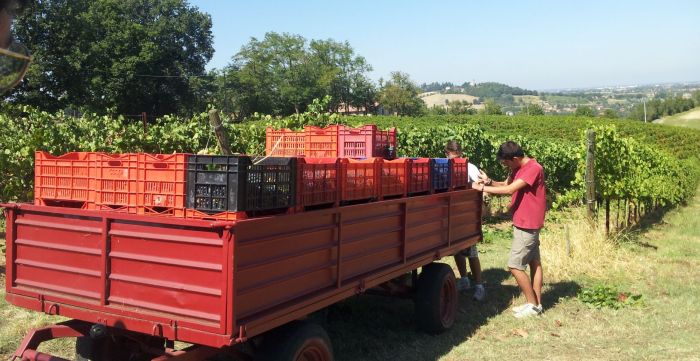
<p>A <span class="zalup"><span><glossary term="Pass" title="1144">multi-pass</glossary><span>,</span></span></span> <glossary term="Hand Harvesting" title="520">manual harvest</glossary> is always essential for the selection of the best <glossary term="Cluster/Bunch" title="1138">bunches</glossary> for each wine. The oldest vines, between 30 to 50 years old, had the most balanced <glossary term="Maturation" title="639">maturities</glossary> and will serve as the columns of the <span class="zalup"><span><glossary term="Vintage" title="1109">vintage</glossary><span>.</span></span></span> During the <span class="zalup"><span><glossary term="Harvest" title="521">harvest</glossary><span>,</span></span></span> the <glossary term="Cluster/Bunch" title="1138">bunches</glossary> were very healthy, with a perfect balance between <glossary term="Acidity" title="71">acidity</glossary> and sugar.</p>
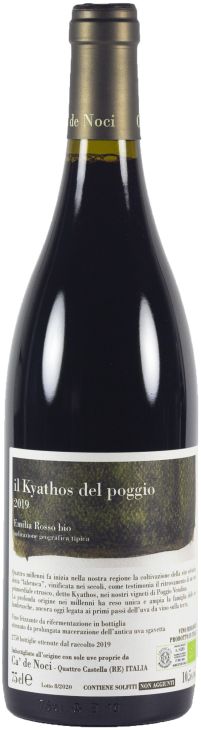
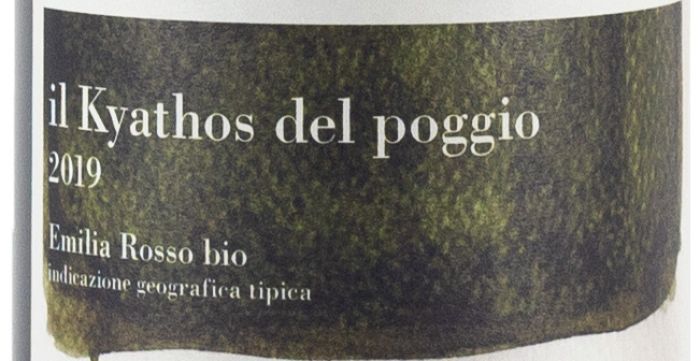
<p>Earlier we said a "new balance" because it arrived with the August rain after months of intense <span class="zalup"><span><glossary term="Drought" title="1167">drought</glossary><span>.</span></span></span> With this great fruit, it was possible to <glossary term="Maceration" title="610">macerate</glossary> the <glossary term="Sgavetta" title="947">Sgavetta</glossary> and <glossary term="Spergola" title="973">Spergola</glossary> grapes for a long time to produce the red "Kyathos" and a now a white "Kyathos" in terracotta jars. 2022 was an ideal <glossary term="Vintage" title="1109">vintage</glossary> for long <span class="zalup"><span><glossary term="Maceration" title="610">macerations</glossary><span>.</span></span></span></p>
<p><strong>The Cellar:</strong></p>
<p>2022 was a <glossary term="Vintage" title="1109">vintage</glossary> where we needed to treat and respect the grapes with great responsibility. The <glossary term="Lambrusco" title="577">Lambrusco</glossary> grapes in particular had a long and gradual <span class="zalup"><span><glossary term="Maturation" title="639">maturation</glossary><span>,</span></span></span> creating a strong <glossary term="Structure" title="990">structure</glossary> and a complete <glossary term="Aromatic" title="120">aromatic</glossary> expression.</p>
<p>The <glossary term="Spontaneous Fermentation" title="976">spontaneous fermentations</glossary> without added <glossary term="Sulfites" title="993">sulfur</glossary> completed the complexity of the wines, which are rich in <glossary term="Structure" title="990">structure</glossary> and show a rare harmony this early on. </p>
Article
harvest report
14.12.2021
2021 Harvest Report from Cà de Noci
<p><strong>Diary 2021:</strong></p>
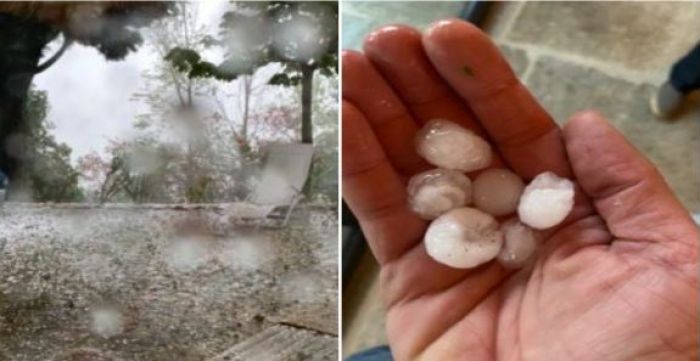
<p>The April rains were the last we'd see. May, June, July and August were without water from a hot sky. The <glossary term="Old Vines" title="740">old vines</glossary> with very deep roots have been saved, while the young ones have suffered and died due to conditions we'd never seen before: the cracks in the soil ripped out the thinnest roots. The sky brought only thirst every day ... how urgent it is to all work for the climate in order to hope for tomorrow!</p>
<p><strong>The climate of the year:</strong></p>
<p>In the period from June to July we experienced the hottest summer of the last 30 years and completely without rain. This did not lead to a real <glossary term="Maturation" title="639">maturation</glossary> but only to different levels of suffering, a loss of grapes and vegetation. Some of the youngest vines died from drying out, about 40%. The medium-aged vines tried to ripen but the path was blocked due to water stress when the <glossary term="alcoholic potential" title="1381">potential</glossary> was close to 10° alcohol. The <glossary term="Acidity" title="71">acidity</glossary> remained at medium levels but the ripening of the polyphenols was interrupted, often giving a slightly bitter taste. A reduction in production has been drastic on many wines: 35% less "Querciole", 20% less "Sottobosco", 25% less "Le Rose" and 40% less "Defratelli". </p>
<p><strong>The Bunches:</strong></p>
<p>The grapes that reached maturity were healthy but cooked in the heat and <glossary term="Drought" title="1167">drought</glossary> so had with very little juice. Contrary to the forecasts, this dryness did not bring high sugar levels because the heat did not allow the leaves to produce sugar and at the beginning of August the plants began to lose leaves like in autumn and the green <glossary term="Cluster/Bunch" title="1138">clusters</glossary> started drying out. The oldest vines between 30 and 50 years survived and led to a balanced ripening; they were the pillar and the salvation of our <span class="zalup"><span><glossary term="Harvest" title="521">harvest</glossary><span>.</span></span></span></p>
<p><strong>The harvest:</strong></p>
<p>The <glossary term="Hand Harvesting" title="520">manual harvest</glossary> in several steps was essential to try to select the ripe <glossary term="Cluster/Bunch" title="1138">bunches</glossary> from the dried or unripe ones. Due to the characteristics of the grapes and the very low production, it was impossible to make the "Aresco" <glossary term="Passito" title="765">passito</glossary> wine. Instead, we tried to <glossary term="Maceration" title="610">macerate</glossary> the very golden <glossary term="Spergola" title="973">Spergola</glossary> grapes for twenty days, creating... a new white wine with the color of the sun!</p>
<p><strong>The cellar:</strong></p>
<p>A very difficult <glossary term="Vintage" title="1109">vintage</glossary> with different <glossary term="Maturation" title="639">maturation</glossary> developments. The grapes had 30% less <glossary term="Must" title="700">must</glossary> when <span class="zalup"><span><glossary term="Pressing" title="827">pressing</glossary><span>.</span></span></span> The <glossary term="alcoholic potential" title="1381">alcoholic potentials</glossary> were medium-low because the absence of water blocked the <span class="zalup"><span><glossary term="Maturation" title="639">maturation</glossary><span>.</span></span></span> The wines show very persistent <glossary term="Structure" title="990">structure</glossary> and <glossary term="Tannin" title="1010">tannins</glossary> because those are the tools of plants to defend themselves, with stable <glossary term="Acidity" title="71">acidity</glossary> with aromatic notes of jams, dried flowers and fruit liqueurs.</p>
Article
harvest report
19.01.2020
2020 Harvest Report by the Masini Brothers
<p><img src="https://louisdressner.com/uploads/images/article//864/59/91/5991a3c1907060f628c80e134131cd55.jpg" /><img src="https://louisdressner.com/uploads/images/article//864/33/84/3384d0697f4445dd400b45d3491bfcfd.jpg" /></p>
Article
harvest report
10.11.2014
2014 Harvest Report from Cà de Noci
<p><strong>Climatic characteristics:</strong><br />
<br />
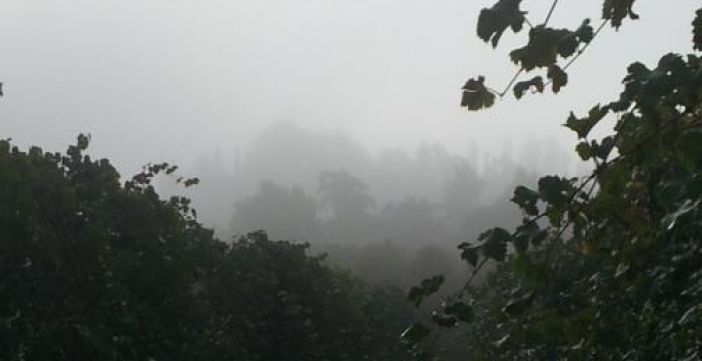
High rainfall in August, rain every 2/4 days.<br />
Low sunlight and temperatures below the seasonal average.<br />
High humidity made it difficult to defend the vines against disease.<br />
<br />
<strong>Ripeness of the grapes:</strong><br />
<br />
The <glossary title="521">harvest</glossary> began with the <glossary title="120">aromatic</glossary> white grapes <glossary title="623">Malvasia</glossary> and <glossary title="688">Moscato</glossary> on August 21st. Alchohol levels were below average. The red grapes struggled with <glossary title="784">phenolic</glossary> <span class="zalup"><span><glossary title="639">maturation</glossary><span>,</span></span></span> it was really slow. However, it was a great year for primary aromas (or varietal aromas) and optimal for the aromas and <glossary title="71">acidity</glossary> of the white grapes. Alcohol content provided below the average.<br />
<br />
<strong>Vinification of the grapes:</strong><br />
<br />
Our ongoing selection of healthy grapes in the vineyard proved very important in the <span class="zalup"><span><glossary title="254">cellar</glossary><span>.</span></span></span> The <glossary title="976">spontaneous fermentations</glossary> showed great <glossary title="120">aromatic</glossary> complexity.<br />
<br />
<br />
<strong>Decanting:</strong><br />
<br />
The wines are now <glossary title="74">aging</glossary> on their <span class="zalup"><span><glossary title="590">lees</glossary><span>.</span></span></span> The temperatures of the season are not yet low enough for their natural <span class="zalup"><span><glossary title="299">clarification</glossary><span>.</span></span></span> We expect them do so by early December.</p>
<p><img src="http://louisdressner.com/uploads/images/article/2020_Jul_14//c5/9c/c59ce3d3971ce8b7312ff45d31ab4fad.jpg" /><img src="http://louisdressner.com/uploads/images/article/2020_Jul_14//18/51/185157ceb4dc9d9356896adcd2366372.jpg" /><img src="http://louisdressner.com/uploads/images/article/2020_Jul_14//17/4f/174fda7b1355bbcb846e1ea5de48ecf2.jpg" /></p>
Article
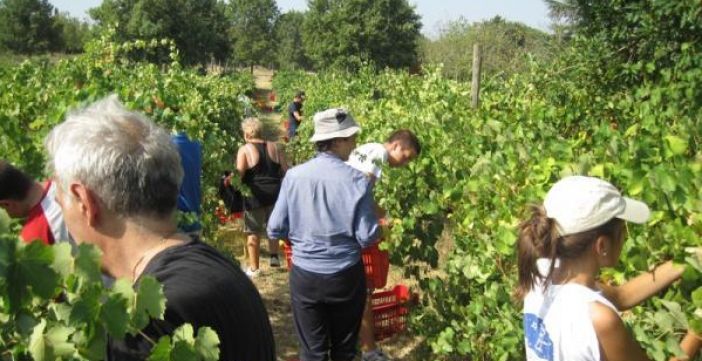
harvest report
13.09.2013
2013 Harvest Report from Cà de Noci
<p><u><strong>by Alberto Masini, September 30th, 2013:</strong></u></p>
<p>The <glossary title="521">harvest</glossary> is just about finished here and we're fortunate to have had a truly great year.<br />
<br />
The only problem we have had was with the <glossary title="217">Cabernet Sauvignon</glossary>; we hardly harvested any, and there will be no "Gheppio" in 2013 (this happened once before in 2008). Luckily, all the other <glossary term="Varietal" title="1071">varieties</glossary> were fine.<br />
<br />
This summer, we had a great <glossary title="639">maturation</glossary> and a strong swing in temperatures between day and night (high 80's/low 90's during the day and low 60s' at night) by which the fruit held on to its aromas and <glossary title="71">acidity</glossary> extremely well. The <glossary title="639">maturation</glossary> was more balanced than in previous years. We think it's a wonderful <glossary title="1109">vintage</glossary> for the "Querciole" and the "Nottediluna" white wines.<br />
<br />
The <glossary title="521">harvest</glossary> of the <glossary title="973">Spergola</glossary> and other whites began August 22nd, and we finished the 20th of September with the <glossary title="577">Lambrusco</glossary> varieties. This year, the <glossary title="947">Sgavetta</glossary> and the <glossary title="621">Malbo Gentile</glossary> were terrific and ended up with a higher degree of alcohol.<br />
<br />
Now we wait for the cold to arrive.</p>
<p><img src="http://louisdressner.com/uploads/images/article/2019_Sep_20//d3/66/d366a36ebf1e58eb5e8a32985b966554.jpg" /></p>
<p><img src="http://louisdressner.com/uploads/images/article/2019_Sep_20//36/90/3690480b0bee5b79b00269a9e7f83ba9.jpg" /></p>
<p><img src="http://louisdressner.com/uploads/images/article/2019_Sep_20//0b/b4/0bb4b0bec7d3b9417283c3509c68049c.jpg" /></p>
<p><img src="http://louisdressner.com/uploads/images/article/2019_Sep_20//9b/61/9b61961d6eb70dc552f36427d5a4a007.jpg" /></p>
<p><img src="http://louisdressner.com/uploads/images/article/2019_Sep_20//a9/8d/a98d617885c88b9b26f97ab361f5344e.jpg" /></p>
<p><img src="http://louisdressner.com/uploads/images/article/2019_Sep_20//6d/f5/6df52a3d1d72563497c2e9328ecfafd5.jpg" /></p>
Article
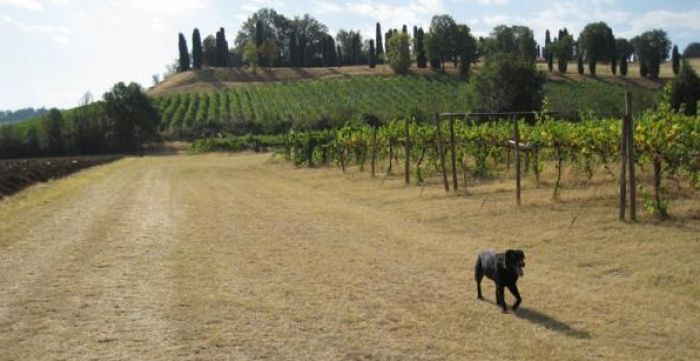
harvest report
10.10.2008
2008 Harvest Report from Cà de Noci
<p><u><strong>Giovanni Masini in Quattro Castello, October 10th:</strong></u></p>
<p>The <glossary title="521">harvest</glossary> in the hills of Quattro Castello was a small one as a result of the <glossary title="1137">mildew</glossary> attack that followed the heavy spring rains. The <glossary title="217">Cabernet Sauvignon</glossary> for making our "Gheppio" wine was not even harvested. I am not a big fan of the grape and the soft, characterless wine it produces, so it is okay with me.<br />
<br />
The <span class="zalup"><span><glossary title="973">Spergola</glossary><span>,</span></span></span> <glossary title="688">Moscato (Giallo)</glossary> and <glossary title="623">Malvasia</glossary> are very <glossary term="Aromatic" title="120">aromatic</glossary> and with small <glossary title="1129">yields</glossary> and cooler September nights the aromas were only heightened.<br />
<br />
Now we hope not to erase nature's work by doing as little as possible in the <font color="#7b143e"><b><span class="zalup"><span><glossary term="Cellar" title="254">cellar</glossary><span>.</span></span></span></b></font></p>
Article