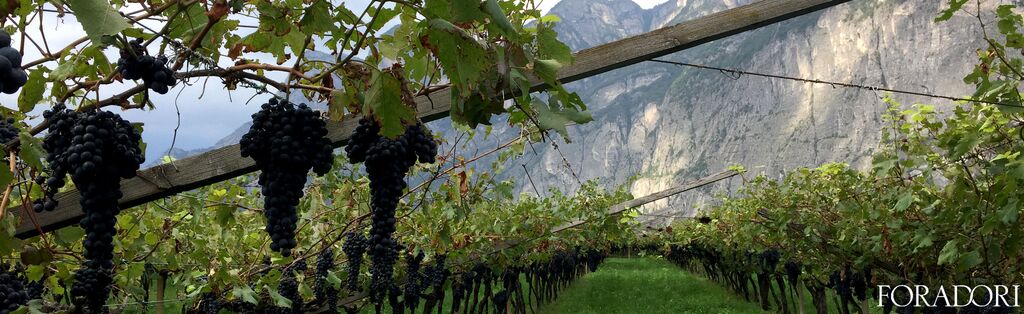
producer profile
03.06.2019
Foradori Producer Profile
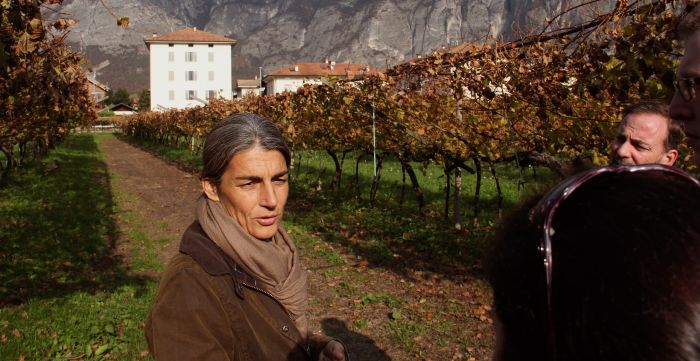
<p>"How can one try to describe the wines of Elisabetta? It’s easy to say that, in this case, the grape does not fall far from the vine or the hand that cultivated it. Foradori - immediately striking, gracefully elegant, discerningly tasteful, soberly serious while at the same time wry and playful, and above all always generous and sincere. Wait, is that Elisabetta or her wines? In fact, it could easily be used to describe one or the other."</p>
<p>Kevin wrote that introduction paragraph over a decade ago. It's a beautfully expressed sentiment that still rings true. And lo and behold, the exact same words can be extended (more or less) verbatim to her children Emilio, Theo and Myrtha, all three now integral to the <span class="zalup"><span><glossary title="427">estate</glossary><span>.</span></span></span> We'll get to that, but first we need to start at the beginning.</p>
<p>Elisabetta’s journey in her “wine life” is a familiar tale, but one that we never tire of hearing. The early death of her father unexpectedly hurtled her to the management of the family <span class="zalup"><span><glossary title="427">estate</glossary><span>.</span></span></span> Though “born among the vines” as she says, she took the helm at first more from a sense of duty than one of passion or vocation. Eventually, however, that passion and vocation came through the work itself, both in the vines and in the <span class="zalup"><span><glossary title="254">cellar</glossary><span>.</span></span></span> </p>
<p>Despite her star rising as "the queen of <glossary title="1020">Teroldego</glossary>" throughout the 1990's, by 2000 Elisabetta had lost all personal connection to her work. A path of questioning, experimentation and intuition (including everything from <span class="zalup"><span><glossary title="160">biodynamics</glossary><span>,</span></span></span> <glossary title="941">massale selection</glossary> and the use of <glossary title="103">amphorae</glossary>) eventually led her to give up any sense of chasing market trends of the “wine industry” to develop the <glossary title="427">estate</glossary> towards the goal of making wines respectful of the soil and the local grapes she wants to honor, and using the techniques she found more interesting, less invasive, and more wine “holistic”.<br />
<br />
Even with a proven track record, starting from scratch does not always guarantee success. Decisions like progressively replanting the majority of the land from <glossary title="774">pergola</glossary> to <span class="zalup"><span><glossary title="518">guyot</glossary><span>,</span></span></span> radically changing <span class="zalup"><span><glossary title="1104">vinifications</glossary><span>,</span></span></span> producing <glossary title="959">single vineyard expressions</glossary> of <glossary title="1020">Teroldego</glossary> (in <glossary title="103">amphora</glossary> no less!); there was no way to know if this would resonate with established or new customers. Still, Elisabetta stayed true to her instincts and, as we now know, kept her proverbial throne.<br />
<br />
Elisabetta is still very much a daily presence and "the face" for most of the winery's fans. But if you've been following the <glossary title="427">estate</glossary> over the last decade it's likely you've met and interacted with her three children Emilio, Theo and Myrtha. All three are lovely and very much evolving the winery into its next phase of existence.<br />
<br />
Emilio, the eldest son, has been around the longest and, unbeknownst to most, has headed the <glossary title="1103">viticulture</glossary> for quite some time. And after many years in the <glossary title="">cellar</glossary> with his mother, he's been solely responsable for making the wines since 2013. His brother Theo travels the most to represent the winery. He also communicates with people like us (importers, distributors) and is and integral part of the winemaking since 2016, serving as a confidant and advisor to Emilio.<br />
<br />
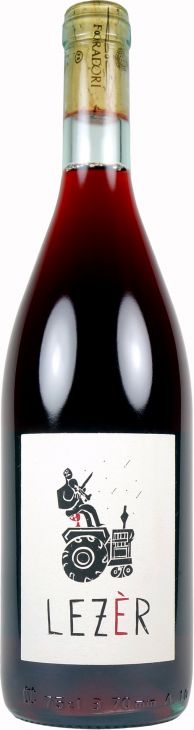
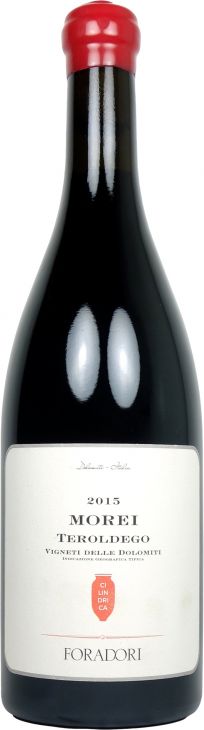
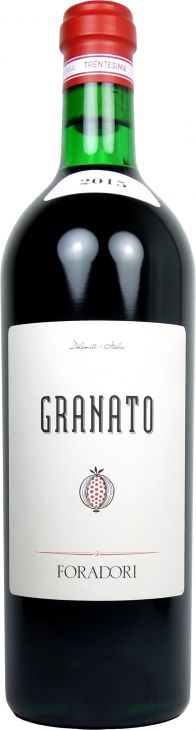
Stylistic shifts, already in motion when Elisabetta was still in the <span class="zalup"><span><glossary title="254">cellar</glossary><span>,</span></span></span> have become clearly defined over the last decade. This is particularly noticeable with the softening of the "Foradori Rosso" and "Granato" <glossary title="363">cuvées</glossary> through "<glossary title="1378">infusion</glossary>" style <span class="zalup"><span><glossary title="610">macerations</glossary><span>,</span></span></span> partial or full <strong><glossary title="1124">whole-cluster</glossary> <glossary title="1104">vinifications</glossary></strong> and avoiding <span class="zalup"><span><glossary title="717">new oak</glossary><span>.</span></span></span> There have been further experiments with <glossary title="103">amphora</glossary> as well, including the very limited "Cilindrica" <span class="zalup"><span><glossary title="185">bottlings</glossary><span>,</span></span></span> <glossary title="74">aged</glossary> an extra year in a smaller, cylindrical <span class="zalup"><span><glossary title="103">amphorae</glossary><span>.</span></span></span> Finally, it's hard to imagine a wine like "Lezèr", a light red born produced with damaged "Foradori Rosso" fruit following devastating <glossary title="1136">hailstorms</glossary> in 2017, would have come into existence without the sensibilities of a younger generation.<br />
<br />
And let's not forget Myrtha, who after a long stretch working in farms in Oregon and Quebec has returned to <glossary title="654">Mezzolombardo</glossary> and is already beginning Foradori's transformation from winery to full-fledged <glossary title="815">polycultural</glossary> farm. This shift to diversify is very important to the entire family. A full vegetable garden has been planted and the <glossary title="774">pergola</glossary> rows are now full of salads and radishes. The last time we visited, we didn't see vines but rather spent a late afternoon driving up windy roads to visit a gorgeous, lush mountain destined for cow grazing. In 2020, we got to taste Foradori's first cheeses, an early effort from five cows. Theo laments Italy's lack of <em>affinage</em> and hopes they can incorporate this into their production.<br />
<br />
Going back to Kevin's original text, he ended it with the following statement about Elisabetta. Again, it's fitting and affirming that it applies just as pertinently to her children:</p>
<p>"In a lot of ways, she has come far, but we think, that for Elisabetta, like for other great grower/winemakers we are privileged to work with, it is a process, and one that doesn't necessarily end."</p>
Article
interview
03.06.2019
An Interview with Elisabetta Foradori from 2011
<p><em>This interview with Elisabetta Foradori took place in Los Angeles in March 2011.</em></p>
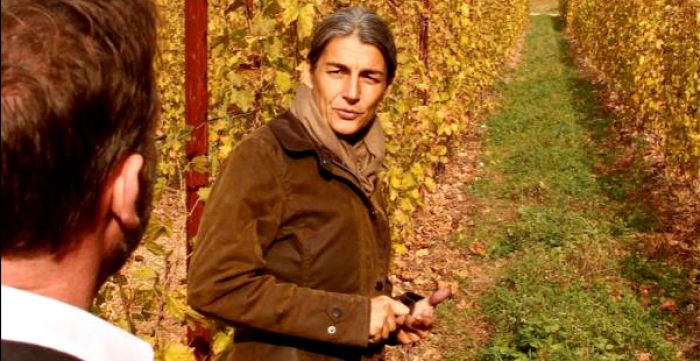
<p><strong>Tell us about your<font color="#7b143e"> estate</font>.</strong><br />
<br />
I live in the <span class="zalup"><span><glossary title="399">Dolomites</glossary><span>,</span></span></span> which is in the north of Italy, close to the Austrian border. A lot of mountains, a fresh climate; it's a place where the people are very much surrounded by nature and a bit closed off from the rest of the world. <br />
<br />
Our region has a very interesting history with Austria. The area used to be under Austrian domination for 800 years, and many cultural traits remain, including <glossary title="78">agricultural</glossary> work. <br />
<br />
As for the wines, I work primarily with <span class="zalup"><span><glossary title="1020">Teroldego</glossary><span>,</span></span></span> an <glossary title="1139">indigenous </glossary> <span class="zalup"><span><glossary title="1071">varietal</glossary><span>.</span></span></span> I have around 18 <glossary title="523">hectares</glossary> of it. For white I grow <span class="zalup"><span><glossary title="724">Nosiola</glossary><span>,</span></span></span> another local <span class="zalup"><span><glossary title="1071">varietal</glossary><span>,</span></span></span> and <span class="zalup"><span><glossary title="628">Manzoni Bianco</glossary><span>,</span></span></span> a hybrid of <glossary title="858">Riesling</glossary> and <span class="zalup"><span><glossary title="801">Pinot Bianco</glossary><span>.</span></span></span> Because of our history with Austria, <glossary title="858">Riesling</glossary> found itself being planted in the area and this is how this <glossary title="1071">varietal</glossary> came to be. So I work mostly with <glossary title="1020">Teroldego</glossary> but in the last three years I've had a lot of fun making my whites because I feel these are relatively unknown <glossary title="1071">varietals</glossary> that have a lot of personality.<br />
<br />
<strong>How did you find yourself at the head of winery? </strong><br />
<br />
I was born in the small village of <span class="zalup"><span><glossary term="Mezzolombardo" title="654">Mezzolombardo</glossary><span>.</span></span></span> Our house is in the vineyards, and I was born there. My grandfather started the <span class="zalup"><span> <glossary title="427">estate</glossary><span>,</span></span></span> and my father followed in his footsteps but died very young. I was the only child and had to take over. I had just finished high school; I started studying <glossary title="422">oenology</glossary> and took over at 20. At the time it didn't feel like a choice. It's not obvious being 20 and in this position; I struggled with it at first.<br />
<br />
But even as a very young child, I always felt a very strong connection with nature. As a young girl I loved working the garden, playing in the forest... I had a passion for plants and flowers then, and I still have it now. And regardless of the ups and downs over the years, I am very grateful for what I have today. <br />
<br />
<strong>What's the work like in the vineyards?</strong><br />
<br />
For a long time Foradori was a wine that didn't get much farther than <span class="zalup"><span><glossary title="1045">Trentino</glossary><span>.</span></span></span> It was a local wine for local people to drink at the bar. Besides Damijan, not many wines left the <span class="zalup"><span><glossary title="399">Dolomites</glossary><span>.</span></span></span><br />
<br />
When I took over I wouldn't say I took over a tradition. Of course my land was linked to <glossary title="1045">Trentino</glossary> but it was more or less a disaster. <glossary title="304">Clones</glossary> and mechanical work were the norm in the area and my father had done just that. The grapes made some perfectly fine <glossary title="1006">table wine</glossary> but not much else.<br />
<br />
As a young <span class="zalup"><span><glossary title="422">oenologist</glossary><span>,</span></span></span> I was taught that working <glossary title="539">industrially</glossary> was normal, and at that point I didn't know any better. Eventually I realized what I was doing and decided to change everything. I replanted a large part of the vineyard with <glossary title="941">selection massales</glossary> and everything eventually changed for the better. It was very instinctive and happened naturally and at my own pace. <br />
<br />
Around the year 2000, I got tired of my work. I still think I was making very good wine, but it didn't speak to me. I took this as a sign that I needed to start over. This eventually led me to <glossary title="882">Rudolph Steiner</glossary>'s philosophies and <glossary title="160">biodynamic</glossary> <span class="zalup"><span><glossary title="78">agriculture</glossary><span>.</span></span></span> A good friend in <glossary title="95">Alsace</glossary> happened to have been working <glossary title="160">biodynamically</glossary> for years and this was a big inspiration to me. <br />
<br />
<strong>Are you certified organic or biodynamic?</strong><br />
<br />
Yes I am <glossary title="260">certified</glossary> for both, but I didn't do this just to put <glossary title="385">demeter</glossary> on the label. Rather it permits me to meet and interact with a group of people who share a common philosophy in how they work. <br />
<br />
I started working <glossary title="746">organically</glossary> and <glossary title="160">biodynamically</glossary> because I needed to move away from technical <glossary title="78">agriculture</glossary> and <glossary title="254">cellar</glossary> work. I am an advocate of science, but science without a philosophy is all technique and technique has no soul. It's a dry process; you're making wine but it has no connection to nature. <br />
<br />
<strong>Do you have an opinion on "<font color="#7b143e">natural wine</font>"?</strong><br />
<br />
The most important thing is to be a good farmer. You need to interact with nature in order to make a wine that symbolizes a region. And to do this you have to be proud of what you do. For me this is working the right way: with respect and knowledge of your land and your roots. <br />
<br />
<strong>What food would you pair with<font color="#7b143e"> Teroldego</font>?</strong><br />
<br />
The food from the area is very simple. A lot of what we eat comes from the forest. We also make delicious cheeses. These might not sound like the best food pairings, but when you're here in the mountains, it just makes sense and everything tastes great together. <br />
<br />
What's important to me is the feeling of the moment. Taste is personal. If the food or the wine or both is making you feel good, then go for it. A lot of people don't give themselves enough freedom when it comes to trying something new. This is a beautiful thing. <br />
<br />
<strong>What wines do you like to drink?</strong><br />
<br />
I'm a big fan of wines from the <glossary title="1205">Mâconnais</glossary> and <span class="zalup"><span><glossary title="151">Beaujolais</glossary><span>:</span></span></span> <span class="zalup"><span><glossary title="685">Morgon</glossary><span>,</span></span></span> <span class="zalup"><span><glossary title="454">Fleurie</glossary><span>,</span></span></span> <span class="zalup"><span><glossary title="350">Côte du Py</glossary><span>.</span></span></span>..<br />
<br />
For Italian I really like <span class="zalup"><span><glossary title="709">Nebbiolo</glossary><span>.</span></span></span> I think Italy is changing for the better right now. It's almost like a renaissance. People are working closer to nature and wines are becoming distinctive again. For example, I think it's great you that you can now find a pure, honest expression of <glossary title="1043">Trebbianno</glossary> in Italy.</p>
Article
producer visit
25.07.2019
This visit with Elisabetta Foradori took place in November, 2011
<p><strong><em>This visit with Elisabetta Foradori took place in November, 2011.</em></strong></p>
<p><strong><em>Words by Jules Dressner, photos by Alex Finberg and Josefa Concannon.</em></strong></p>
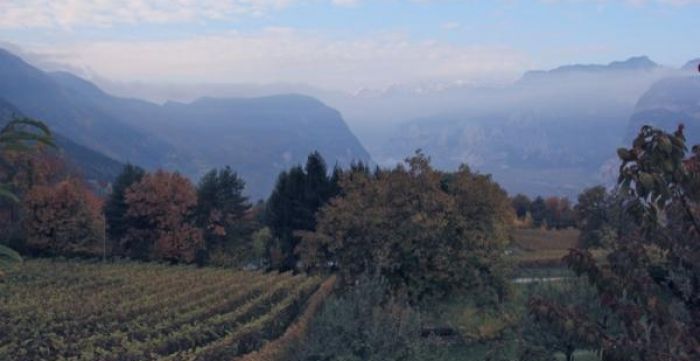
<p>This is my first time in the <span class="zalup"><span><glossary title="399">Dolomites</glossary><span>,</span></span></span> and it's one of the most beautiful places I've ever seen in my life. As the photos prove, everything is a landscape, and it's no surprise Elisabetta's wines come from such an inspiring area.</p>
<p><img src="http://louisdressner.com/uploads/images/article/2019_Jul_25//eb/a7/eba7f57634cc5c6436c19ab17938739b.jpg" /></p>
<p>After breakfast, we headed back down to <glossary title="1045">Trentino</glossary> to visit Elisabetta's main vineyard, home to 15 <glossary title="523">hectares</glossary> of <span class="zalup"><span><glossary title="1020">Teroldego</glossary><span>.</span></span></span> The traditional method of vine tending in the area is<strong> <glossary title="774">pergola</glossary></strong>, but Elisabetta has progressively replanted all 15 <glossary title="523">hectares</glossary> in<strong> <glossary title="518">guyot</glossary></strong> from a <glossary title="941">selection massale</glossary> of her best<strong> <glossary title="774">pergola</glossary></strong> vines (a few rows remain untouched and go into the "Granato").</p>
<p><img src="http://louisdressner.com/uploads/images/article/2019_Jul_25//2b/1e/2b1ec767d5809c390440f44b98ec6931.jpg" /></p>
<p>Elisabetta's<strong> <glossary title="518">guyot</glossary></strong> vines <glossary title="1129">yield</glossary> about 40<glossary title="524">hl</glossary>/<glossary title="523">h</glossary> while her neighbors'<strong> <glossary title="774">pergolas</glossary></strong> average 150. <br />
<br />
We also bore witness to neighboring vines already <glossary title="834">pruned</glossary> and <glossary title="507">green harvested</glossary> in early November! Essentially the <glossary title="1089">vignaiolis</glossary> are tricking the vines into thinking it's a different season (winter) so they shut down and hibernate early. In the spring they kick start them back up with <glossary title="442">fertilizers</glossary> which ultimately leads to, you guessed it, much higher <span class="zalup"><span><glossary title="1129">yields</glossary><span>.</span></span></span> Elisabetta considers this a shame and a tragedy. </p>
<p><img src="http://louisdressner.com/uploads/images/article/2019_Jul_25//17/d0/17d0c5b5927caecec0c71340e43b5014.jpg" /><br />
<br />
In the <span class="zalup"><span><glossary title="254">cellar</glossary><span>,</span></span></span> we got to taste some 2011 samples of whites and reds that had been <glossary title="441">fermented</glossary> in <glossary title="1140">tank</glossary> and <span class="zalup"><span><glossary title="103">amphora</glossary><span>.</span></span></span></p>
<p><img src="http://louisdressner.com/uploads/images/article/2019_Jul_25//c0/18/c018f30837a38450f587b9a805914854.jpg" /><br />
<br />
The <glossary title="103">amphoras</glossary> that Elisabetta uses are not the traditional Greek or <glossary title="1171">Georgian</glossary> kind and do not have any bees wax on the inside. </p>
<p><img src="http://louisdressner.com/uploads/images/article/2019_Jul_25//ad/9e/ad9e5da902f2cf02f45f837e69d722a2.jpg" /><br />
<br />
Only one Spanish producer makes a limited amount of these each year, and they are hard to come by. </p>
<p><img src="http://louisdressner.com/uploads/images/article/2019_Jul_25//3f/c3/3fc3a1ee0e136bfe2d121a0875ec726c.jpg" /><br />
<br />
Elisabetta has accumulated a serious collection of these, and they bring an unparalleled freshness to what could easily be much heavier wines. <br />
<br />
After an extensive <glossary title="254">cellar</glossary> tour, we went to check out the three <glossary title="523">hectares</glossary> of vines Elisabetta rents. </p>
<p><img src="http://louisdressner.com/uploads/images/article/2019_Jul_25//f2/12/f2128014b86a18ecbc5256bfc8d6d832.jpg" /></p>
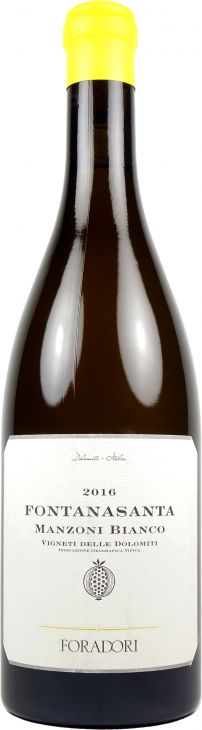
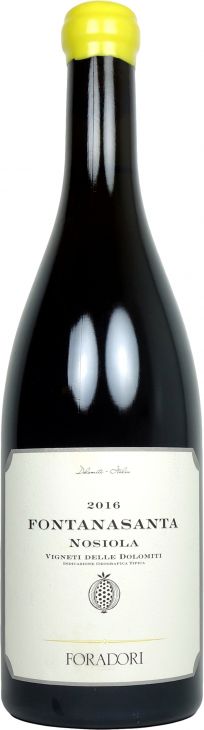
<p>This is where she grows her <glossary title="628">Manzoni Bianco</glossary> and the <glossary title="">Nosiola</glossary> that goes into the two "Fontanasanta" wines. Fontanasanta is a <glossary title="594">lieu-dit</glossary> which translates to "holy fountain". Lo and behold, there is it! </p>
<p><img src="http://louisdressner.com/uploads/images/article/2019_Jul_25//c6/44/c6440f0c4e1078986e991aa5df35b862.jpg" /><br />
<br />
This is a very unique <glossary title="1026">terroir</glossary> for the area: <glossary title="596">limestone</glossary> with a pink hue due to a very strong presence of <span class="zalup"><span><glossary title="547">iron</glossary><span>.</span></span></span> </p>
<p><img src="http://louisdressner.com/uploads/images/article/2019_Jul_25//02/8b/028b82898bc26337c2eac9a390fbe3b1.jpg" /></p>
<p><img src="http://louisdressner.com/uploads/images/article/2019_Jul_25//ea/e9/eae909049cc8850a4f4cc7c0db8474c0.jpg" /><br />
</p>
Article
interview
03.06.2019
A Video Interview with Elisabetta Foradori
<p><iframe allowfullscreen="" frameborder="0" height="360" src="//www.youtube.com/embed/KhrikyF6XH4" width="640"></iframe></p>
<p><iframe allowfullscreen="" frameborder="0" height="360" src="//www.youtube.com/embed/R3eXDMdAIJA" width="640"></iframe></p>
<p><iframe allowfullscreen="" frameborder="0" height="360" src="//www.youtube.com/embed/nRp9BkQJM1U" width="640"></iframe></p>
<p><iframe allowfullscreen="" frameborder="0" height="360" src="//www.youtube.com/embed/Bgtom-KvPic" width="640"></iframe></p>
Article
harvest report
05.01.2023
2023 Harvest Report from Emilio Zierock
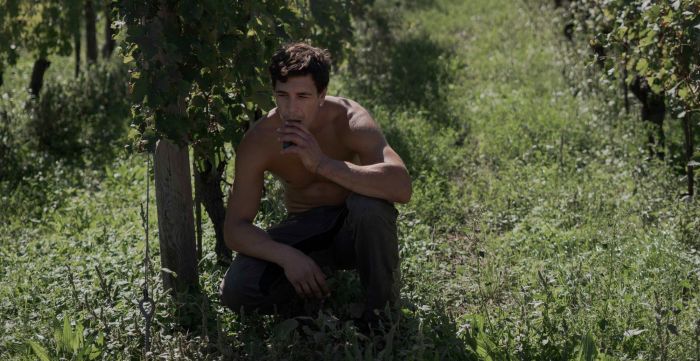
<p>It is the second winter in a row with extremely dry conditions. We had basically no rain from mid-December to April. Lake Garda, which is a 40-minute drive from our winery, had the lowest water level ever recorded in 2023. The consequences on flora and fauna were dramatic, with the liveliness of nature feeling reduced. My ski season cost me two pair of skies, as even the northern couloirs on glacier areas were full of stones. Continuous hard times for my beloved winter-alpinism in the <span class="zalup"><span><glossary term="Dolomites" title="399">Dolomites</glossary><span>.</span></span></span></p>
<p>Then everything flipped: May, June and especially July were extremely rainy. The lack of water in the winter season was recuperated by end of September. In terms of temperatures it was quite a ride: the winter was very mild, summer cold and September and October surprisingly hot. These conditions had a strong impact on vegetation and on the vines. <glossary term="Mildew" title="1137">Mildew</glossary> was our main concern (15% loss of production) with added <glossary term="Hail" title="1136">hail</glossary> damage on a part of the Foradori Rosso vineyards. All in all, we had 22% less production compared to 2022, which which felt like a normal good <span class="zalup"><span><glossary term="Harvest" title="521">harvest</glossary><span>.</span></span></span></p>
<p>All the white varieties reacted quite well to these conditions: we have more <glossary term="Acidity" title="71">acidity</glossary> than 2022 and less opulent fruit. The reds, which are still <span class="zalup"><span><glossary term="Fermentation" title="441">fermenting</glossary><span>,</span></span></span> are less consistent and more obscure in their evolution at the moment. <glossary term="Maturation" title="639">Maturation</glossary> was regular, but the fruit is not as bright we'd hoped. The lack of light during the summer season is showing the more herbal and spicy side of <span class="zalup"><span><glossary term="Teroldego" title="1020">Teroldego</glossary><span>.</span></span></span></p>
<p><glossary term="Harvest" title="521">Harvest</glossary> started August 28th and finished October 2nd; quite long for us. The <glossary term="Pinot Gris/Pinot Grigio" title="803">Pinot Grigio</glossary> was hit by <glossary term="Hail" title="1136">hail</glossary> twice: once in July and once in August. The damage felt negligible in the first instance, but, when it came to <span class="zalup"><span><glossary term="Harvest" title="521">harvest</glossary><span>,</span></span></span> we saw the result on the <span class="zalup"><span><glossary term="Sorting" title="1380">sorting table</glossary><span>.</span></span></span> Many berries were dried out or not fully <glossary term="Maturation" title="639">matured</glossary> because they were touched -even slightly- by the storms. Our <glossary term="Pinot Gris/Pinot Grigio" title="803">Pinot Grigio</glossary> is planted in the <span class="zalup"><span><glossary term="Pergola" title="774">pergola system</glossary><span>,</span></span></span> so leaves protect grapes from more dramatic damage. Still, light scoffs still reduce <glossary term="Maturation" title="639">maturation</glossary> significantly. We had to sort these berries out carefully. The result was reduced quantities but, after <span class="zalup"><span><glossary term="Fermentation" title="441">fermentation</glossary><span>,</span></span></span> the wines are bright and straight as arrows.</p>
<p>We decided to pick Manzoni Bianco quite early, in the beginning of September. <glossary term="Acidity" title="71">Acidities</glossary> were still nice around the end of August. September stayed quite warm. We succeeded well in choosing the moment of <glossary term="Harvest" title="521">harvest</glossary> to have a good balance of <glossary term="Phenols" title="784">phenolic maturation</glossary> and freshness. <glossary term="Fermentation" title="441">Fermentations</glossary> were very regular. Nosiola was more complicated to interpret: We decided to proceed with the picking in two <glossary term="Pass" title="1144">passes</glossary> with almost two weeks of pause in between. The aim was to keep freshness by picking early and search more complexity with a later <span class="zalup"><span><glossary term="Harvest" title="521">harvest</glossary><span>.</span></span></span> Today the first picking shows more energy and tension, which I prefer at the moment. It will be curious to see how both trials will develop.</p>
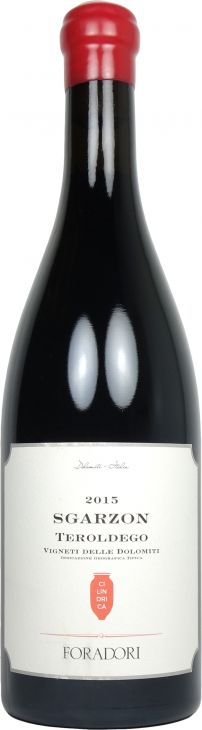
<p>By the end of July, the <glossary term="Teroldego" title="1020">Teroldego</glossary> was unbalanced and showed an irregular <span class="zalup"><span><glossary term="Veraison" title="1396">veraison</glossary><span>.</span></span></span> This was the consequence of the extremely rainy month. We decreased the <glossary term="Yield" title="1129">yield</glossary> on average by 20% -by cutting down green fruit- to get the rest to ripen regularly. It was a good decision. Unfortunately the <glossary term="Hail" title="1136">hail</glossary> hit plots for the Foradori Rosso and Sgarzon lost an additional 20% with later storms. <glossary term="Maturation" title="639">Maturation</glossary> was slow even with a warm September and some rain in the first half of the month. The first pickings showed a crunchy fruit. Morei, picked later this time, reminds me of cold <glossary term="Syrah" title="1001">Syrah</glossary> from <span class="zalup"><span><glossary term="Cornas" title="339">Cornas</glossary><span>.</span></span></span> The Granato vineyards (especially Regin and Noval) were very healthy. Sgarzon, affected by <glossary term="Botrytis/Noble Rot" title="181">botrytis</glossary> and <span class="zalup"><span><glossary term="Hail" title="1136">hail</glossary><span>,</span></span></span> is having a harder time this year, a bit like in 2021.</p>
<p>The 2023 <glossary term="Vintage" title="1109">vintage</glossary> was strongly affected by extreme weather conditions. I think we will see more of this kind of years in future. Plants were stressed and reflect this trend in the fruit. Similar stress levels as 2022, but almost flipped conditions. We have to understand which are the right varieties to interpret such extremes.</p>
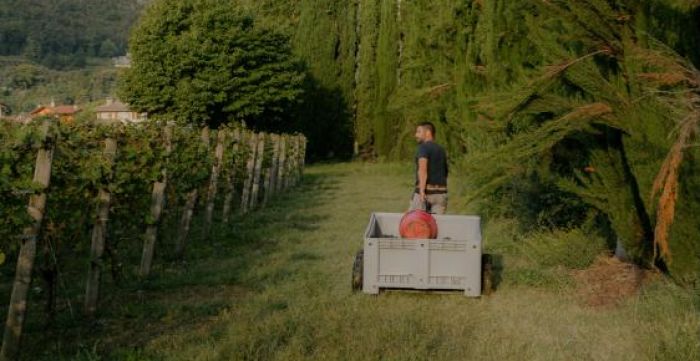
<p>Our <glossary term="Harvest" title="521">harvest</glossary> team was really formidable and the rhythm was constant and pleasant. During Spring and Summer many interventions were needed, due to the constant occurrence of <glossary term="Mildew" title="1137">mildew</glossary>’s favorite weather conditions. It was a particularly work intensive year and we feel deeply thankful for everybody’s sacrifice.</p>
<p><img src="https://louisdressner.com/uploads/images/article//1013/2a/3d/2a3d583418e4b0947a02dafd51d6c805.jpg" /><img src="https://louisdressner.com/uploads/images/article//1013/44/1e/441e1e940540515427b5ddb399fd52cc.jpg" /><img src="https://louisdressner.com/uploads/images/article//1013/53/a3/53a35a38193be2ff6e2ec3a764468c33.jpg" /><img src="https://louisdressner.com/uploads/images/article//1013/b5/c1/b5c1c23a51ee951c696acacfd1f0436d.jpg" /><img src="https://louisdressner.com/uploads/images/article//1013/47/bc/47bccf167d7d4f2a4e268afdb13362b3.jpg" /><img src="https://louisdressner.com/uploads/images/article//1013/47/bc/47bccf167d7d4f2a4e268afdb13362b3.jpg" /><img src="https://louisdressner.com/uploads/images/article//1013/f5/40/f54006bb68c0bc3d45fb3aa679887d4d.jpg" /><img src="https://louisdressner.com/uploads/images/article//1013/0c/b9/0cb9f77f4972f4f19e72e9d2dced670a.jpg" /><img src="https://louisdressner.com/uploads/images/article//1013/f8/5d/f85d2d72edb866d3d8496dbb4dbe3ec5.jpg" /><img src="https://louisdressner.com/uploads/images/article//1013/0e/73/0e7314fe8c189712e6e33bc9ead25a8d.jpg" /><img src="https://louisdressner.com/uploads/images/article//1013/3f/34/3f34ad9d9e207956a85cb013778a117d.jpg" /><img src="https://louisdressner.com/uploads/images/article//1013/0d/fb/0dfb4c47a822ae1cc0fda9bf2c035e0b.jpg" /><img src="https://louisdressner.com/uploads/images/article//1013/bc/7f/bc7f2a5ba34089282f566d3ff828456c.jpg" /><img src="https://louisdressner.com/uploads/images/article//1013/f2/5d/f25df82b401f2e6e3c2797a288babe0e.jpg" /><img src="https://louisdressner.com/uploads/images/article//1013/ac/ff/acff0ebfb077b70c0bafae020b2048d5.jpg" /><img src="https://louisdressner.com/uploads/images/article//1013/f8/b9/f8b986d209cc10d97462c1e146b7d63a.jpg" /><img src="https://louisdressner.com/uploads/images/article//1013/48/ba/48bac71ef00f191eaba4e779b5acb4a3.jpg" /><img src="https://louisdressner.com/uploads/images/article//1013/a6/d3/a6d3acf879a3f13077b288ba2853776f.jpg" /><img src="https://louisdressner.com/uploads/images/article//1013/89/79/8979da96dd1b59ca7204ad3484d9e62b.jpg" /><img src="https://louisdressner.com/uploads/images/article//1013/fc/38/fc38e59212470e4befc3846cd00f067e.jpg" /><img src="https://louisdressner.com/uploads/images/article//1013/02/75/02752ca4363a9cd0e6bf899c5cfccad1.jpg" /><img src="https://louisdressner.com/uploads/images/article//1013/06/83/06836adb7d630af937db08090b3e5149.jpg" /><img src="https://louisdressner.com/uploads/images/article//1013/e3/30/e3307876a9291780b40d7685c42a3971.jpg" /><img src="https://louisdressner.com/uploads/images/article//1013/cf/00/cf00e24b647487e0e4301c24837a6759.jpg" /><img src="https://louisdressner.com/uploads/images/article//1013/46/e4/46e43e423a1d0b49cf9fbfa8b557772e.jpg" /><img src="https://louisdressner.com/uploads/images/article//1013/1a/9a/1a9aba739d6593aafe5fd608e10e2f55.jpg" /><img src="https://louisdressner.com/uploads/images/article//1013/be/61/be611752ecc9a0d87f76b58194f16d30.jpg" /><img src="https://louisdressner.com/uploads/images/article//1013/7f/cb/7fcbcdac891e0c8382e42c8831af50a7.jpg" /><img src="https://louisdressner.com/uploads/images/article//1013/d6/7c/d67c11178716b7d749ea3c53f20eb5ad.jpg" /><img src="https://louisdressner.com/uploads/images/article//1013/60/1a/601a6ab88d5c2323ed824f38ecb9035e.jpg" /><img src="https://louisdressner.com/uploads/images/article//1013/c4/82/c482af569dd518768663110fb4a46210.jpg" /><img src="https://louisdressner.com/uploads/images/article//1013/c1/bd/c1bd2815b5d6d958e92318919f152c9a.jpg" /><img src="https://louisdressner.com/uploads/images/article//1013/14/0c/140c5aeaf6c1fdfdb7e41df1449ca3de.jpg" /><img src="https://louisdressner.com/uploads/images/article//1013/f5/bd/f5bd01cc7224d94122f8968d71f41e3a.jpg" /><img src="https://louisdressner.com/uploads/images/article//1013/ad/1d/ad1d17642722d54251e395e669953e77.jpg" /></p>
Article
harvest report
26.12.2022
2022 Harvest Report from Emilio Zierock
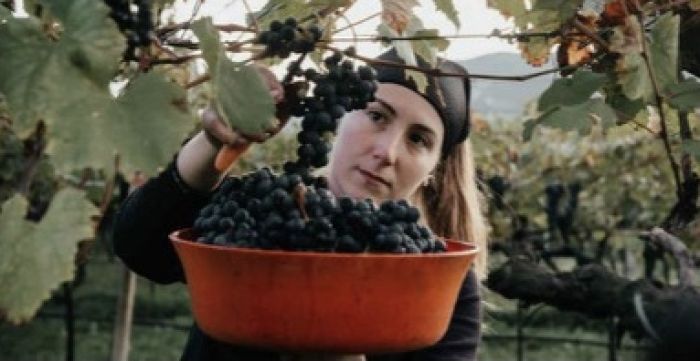
<p>2022 started with a very dry winter. Snow was rare, only in March did we see a little bit. Spring continued to be dry, with <glossary term="Budding" title="1166">bud break</glossary> starting in the first half of April; a regular time in this area. We got a decent amount of rain in June. Temperatures were normal until the beginning of July but then the Piana Rotaliana became a part of hell.</p>
<p>A very dry and hot summer began like in most parts of South-Western Europe. The rockier vineyards such as Morei had hydric stress issues, but most vineyards actually withstood the <glossary term="Drought" title="1167">drought</glossary> quite well. It was dramatic to see how some South-facing forests were really struggling and even started to lose their leaves. We had never experienced something like this before. Finally August brought back rain, which continued into September. Besides those two months, we had 35% less water compared to the average of the last 20 years.</p>
<p><glossary term="Harvest" title="521">Harvest</glossary> started August 24th and ended September 28th.</p>
<p>Before August 10th, everything looked like a regular, early, climate-change <span class="zalup"><span><glossary term="Vintage" title="1109">vintage</glossary><span>:</span></span></span> fast sugar accumulations and a slow development of <span class="zalup"><span><glossary term="Acidity" title="71">acidities</glossary><span>.</span></span></span> But something mystical happened between August 20th and August 27th: grapes accumulated three times more sugar than the norm, forcing us to make an ultra-fast picking of the whites. Overall, <span class="zalup"><span> <glossary term="Manzoni Bianco" title="628">Manzoni Bianco</glossary><span>,</span></span></span> <glossary term="Nosiola" title="724">Nosiola</glossary> and the <glossary term="Pinot Gris/Pinot Grigio" title="803">Pinot Grigio</glossary> are on the riper side compared to 2021. But thanks to our reactivity, we kept the alpine character in the wines. <glossary term="Fermentation" title="441">Fermentations</glossary> were fast and regular; the wines already show a crystal-clear brightness and a well-balanced opulence.</p>
<p>After such a fast start, we expected to continue with the reds. But the weather changed: cold nights and rain arrived and everything slowed to a crawl. The <glossary term="Teroldego" title="1020">Teroldego</glossary>'s tannins stayed green and the grapes did not proceed to ripen. In the second half of September, there was a big change and we finally picked fully ripened fruit. We can already taste a certain polarity in this <glossary term="Vintage" title="1109">vintage</glossary> for the reds. The fruit picked before September 21st shows freshness, while those picked later have a deeper and more defined structure.</p>
<p><strong>Manzoni Bianco:</strong> definitely on the tropical, sunny-side of life. Already showing great drinkability now and a juicy character.</p>
<p><strong>Nosiola:</strong> this vineyard loves heat and is definitely profiting from this warmer year. Deep and full.</p>
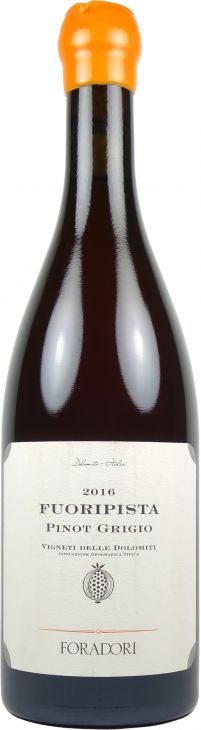
<p><strong>Fuoripista:</strong> we were afraid about the hot summer. <glossary term="Pinot Gris/Pinot Grigio" title="803">Pinot Grigio</glossary> is a grape that has been suffering greatly from the changing climate, but we were surprised: the <glossary term="Acidity" title="71">acidity</glossary> stayed high and fits well with the rounder soul of this <span class="zalup"><span><glossary term="Vintage" title="1109">vintage</glossary><span>.</span></span></span></p>
<p><strong>Lezèr:</strong> in order to maintain the wine's crunchiness, we started <glossary term="Harvest" title="521">harvesting</glossary> for it in the last week of August. The wines are showing a fantastic, smooth balance already. This is a Lezèr-style <span class="zalup"><span><glossary term="Vintage" title="1109">vintage</glossary><span>.</span></span></span></p>
<p><strong>Foradori:</strong> it will be fun to figure out the final <glossary term="Blend" title="168">blend</glossary> as we picked the potential 15 <glossary term="Parcel" title="760">parcels</glossary> at different ripening stages. We have everything from skinny expressions at 11% alcohol to muscular fruit bombs. We are excited to find the balance. </p>
<p><strong>Sgarzon:</strong> this was the most complicated vineyard to interpret this year. Although the grapes looked really nice and healthy, <glossary term="Phenols" title="784">phenolic</glossary> ripeness was really hard to achieve. It was the last vineyard we picked on September 28th.</p>
<p><strong>Morei:</strong> a surprisingly slow <glossary term="Fermentation" title="441">fermentation</glossary> this year which took its time. The wine is already very open. We will see how it develops.</p>
<p><strong>Granato:</strong> the differences between the four potential Granato <glossary term="Pergola" title="774">pergolas</glossary> were huge. Pedot, usually providing the elegance in the <span class="zalup"><span><glossary term="Blend" title="168">blend</glossary><span>,</span></span></span> had a hard year and suffered the hot summer. Regin, which gives opulence, was very generous in every sense. <glossary term="Fermentation" title="441">Fermentations</glossary> are not totally done yet; it started as quite the complicated year for Granato, but finally we are surprised about the balance in the wines.</p>
<p>All photos by Martin Errichiello:</p>
<p><img src="https://louisdressner.com/uploads/images/article//954/9a/3f/9a3fc81cccebd3c12da24afece8df496.jpg" /><img src="https://louisdressner.com/uploads/images/article//954/28/04/280468c26514db23a7e75ee4f27e0d2a.jpg" /><img src="https://louisdressner.com/uploads/images/article//954/97/e5/97e5772c6571052b9a54b20a0c735fc3.jpg" /><img src="https://louisdressner.com/uploads/images/article//954/c3/f6/c3f68c2e418d928ffe2ced6d6f5469a6.jpg" /><img src="https://louisdressner.com/uploads/images/article//954/91/85/918513ca8097fa376b2df72646a309a3.jpg" /><img src="https://louisdressner.com/uploads/images/article//954/e8/e9/e8e96bec9420a476f005bdbfd453b076.jpg" /><img src="https://louisdressner.com/uploads/images/article//954/6d/c0/6dc0f5615ee552811817ee0248d3b473.jpg" /><img src="https://louisdressner.com/uploads/images/article//954/13/55/1355168df80fbe4fc6b24eb21ac520c7.jpg" /><img src="https://louisdressner.com/uploads/images/article//954/b2/9c/b29cbd721047ad7dc76666f61d168c52.jpg" /><img src="https://louisdressner.com/uploads/images/article//954/9d/6a/9d6aa3d6cd45a8d91efb6332fc8311f6.jpg" /><img src="https://louisdressner.com/uploads/images/article//954/e6/be/e6be9f59c12e0542a50d4e8fab23e3b5.jpg" /><img src="https://louisdressner.com/uploads/images/article//954/b0/95/b095e9c0439bb4c25899656dd965000e.jpg" /><img src="https://louisdressner.com/uploads/images/article//954/cd/f3/cdf3f5fce119d618da25ed7e7f7836fd.jpg" /><img src="https://louisdressner.com/uploads/images/article//954/6b/94/6b9497e2dfa5567b1124289a5a04f58a.jpg" /><img src="https://louisdressner.com/uploads/images/article//954/49/6c/496cdb416bf9505fc9c63c609a9c3da1.jpg" /><img src="https://louisdressner.com/uploads/images/article//954/bd/fd/bdfdc99fc423227eb1032ff525a5829a.jpg" /><img src="https://louisdressner.com/uploads/images/article//954/38/b1/38b1bc562d9eecc41e6d554bfad57519.jpg" /><img src="https://louisdressner.com/uploads/images/article//954/39/fb/39fb846a1633cd949acff1b1843f848f.jpg" /><img src="https://louisdressner.com/uploads/images/article//954/50/b9/50b927fef46ecbd4c3f026b651f00e03.jpg" /><img src="https://louisdressner.com/uploads/images/article//954/70/45/7045ff01f7f9c8921980a6075264e203.jpg" /><img src="https://louisdressner.com/uploads/images/article//954/13/21/1321c4a7cdfa5b90862e8da7f62fb45b.jpg" /><img src="https://louisdressner.com/uploads/images/article//954/e7/ef/e7efd65770c3cb1a6fe57a41a124b583.jpg" /><img src="https://louisdressner.com/uploads/images/article//954/da/a4/daa4863ee011b0f76c6b7fc60f9abbd7.jpg" /><img src="https://louisdressner.com/uploads/images/article//954/94/37/94375cdb127733adbf25e845e22b275d.jpg" /><img src="https://louisdressner.com/uploads/images/article//954/7c/59/7c592c889c3bc278ee14450c9189c9db.jpg" /><img src="https://louisdressner.com/uploads/images/article//954/1f/21/1f2154ee00d9b3ab8d423a45cf14d5df.jpg" /><img src="https://louisdressner.com/uploads/images/article//954/cc/4c/cc4c86a291efb609d66ed8a99608f66a.jpg" /><img src="https://louisdressner.com/uploads/images/article//954/c2/28/c228e0e84e9dc6fcf4f8fa2dea64baea.jpg" /><img src="https://louisdressner.com/uploads/images/article//954/52/c4/52c4ec1ed7f8c8777aafd0a9dcb0b097.jpg" /></p>
Article
harvest report
07.12.2021
2021 Harvest Report from Emilio Zierock
<p><iframe allowfullscreen="" frameborder="0" height="360" src="//www.youtube.com/embed/CV35Ml7JqcA" width="640"></iframe></p>
<p><img src="https://louisdressner.com/uploads/images/article//895/13/e9/13e9f4dc1d88aeaf1670fcd005373571.jpg" /></p>
<p><img src="https://louisdressner.com/uploads/images/article//895/c4/3e/c43ececf90f860327d72edcec7b923ab.jpg" /></p>
<p><img src="https://louisdressner.com/uploads/images/article//895/a4/28/a4282cb4fb7bda8d6ea9e5c8cfbad79b.jpg" /><img src="https://louisdressner.com/uploads/images/article//895/e5/82/e58262c58d7140c7b3f0cc97192df240.jpg" /><img src="https://louisdressner.com/uploads/images/article//895/20/b1/20b166321a216597a0d2195139e03edd.jpg" /><img src="https://louisdressner.com/uploads/images/article//895/2a/cf/2acfdfa4080c117a84d60267ff8057e7.jpg" /><img src="https://louisdressner.com/uploads/images/article//895/5d/2a/5d2abc403fb25df9c8804ee13dd48ef4.jpg" /></p>
Article
harvest report
05.01.2020
2020 Harvest Report from Theo Zierock
<p><img src="https://louisdressner.com/uploads/images/article//850/a3/e4/a3e478ff8ab782a8a31a7c05925a9bbf.jpg" /><img src="https://louisdressner.com/uploads/images/article//850/df/a4/dfa42de44761464f8d42d224d74b0498.jpg" /><img src="https://louisdressner.com/uploads/images/article//850/12/e6/12e6318ee63feb1cac4f3479902549da.jpg" /><img src="https://louisdressner.com/uploads/images/article//850/8f/88/8f883afe9e5438de87dbe7f7829ed33c.jpg" /><img src="https://louisdressner.com/uploads/images/article//850/e9/00/e90011e92a4d5501f7a1884a4a530044.jpg" /><img src="https://louisdressner.com/uploads/images/article//850/9f/65/9f653fd8eb108a815f43b2325d51c0ef.jpg" /></p>
Article
harvest report
28.04.2019
2019 Harvest Report from Emilio Zierock
<p><u><strong>Words by Emilio Zierock, October 22nd, 2019:</strong></u></p>
<p><glossary title="521">Harvest</glossary> 2019: “Boom!” and then seven weeks of picking: the longest <glossary title="521">harvest</glossary> in our history.</p>
<p><u><strong>The seasons:</strong></u></p>
<p>The winter was quite dry, not too cold. Conditions were good for hibernation. Spring started early, but was interrupted dramatically by snow and cold weather which continued until May. Skiing conditions were fantastic - the germination terrible. Strong winds in May destroyed 20% of the shoots in the three "Granato" vineyards. <glossary title="1179">Flowering</glossary> was problematic. Summer was not too hot. Rain fell regularly. We had some <glossary title="1136">hail</glossary> in mid-June, which created damages on "Morei" and "Sgarzon".</p>
<p><u>Harvest:</u></p>
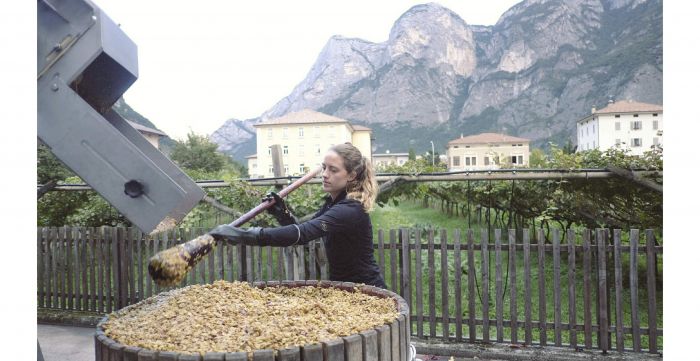
<p>Everything started with an explosion (video will follow). Due to an old valve the tube of our peristaltic pump exploded. Nobody was injured, we “just” lost 150kg of grapes. But our whole courtyard was<br />
covered with juice and grapes. Pretty spectacular. What followed was the longest <glossary title="521">harvest</glossary> of our history.<br />
<br />
<span class="zalup"><span><glossary title="803">Pinot Grigio</glossary><span>:</span></span></span> the last week of August was wet and hot. This had a bad impact on <span class="zalup"><span><glossary title="803">Pinot Grigio</glossary><span>,</span></span></span> which is our earliest ripening grape. <glossary title="181">Botrytis</glossary> appeared, we were forced to pick in order to not lose brightness. <glossary title="441">Fermentation</glossary> was normal, wines are crisp and fragrant.</p>
<p><span class="zalup"><span><glossary title="628">Manzoni Bianco</glossary><span>:</span></span></span> because of its thick skin, <glossary title="628">Manzoni</glossary> was well prepared for the wet end of August. Picking started in the second half of September. Grapes where perfectly ripe, <glossary title="71">acidity</glossary> is high. For sure the most convincing white wine this year.</p>
<p><span class="zalup"><span><glossary title="724">Nosiola</glossary><span>:</span></span></span> it was a hard year for <span class="zalup"><span><glossary title="724">Nosiola</glossary><span>.</span></span></span> Very bad <span class="zalup"><span><glossary title="1179">flowering</glossary><span>,</span></span></span> a small crop and lots of humidity in the last weeks before picking made things complicated. <glossary title="724">Nosiola</glossary> has a very thin and sensitive skin. We had to make a very strong selection in the vineyard, up to 30% of the grapes fell on the ground. <glossary title="441">Fermentation</glossary> was normal, wines are not defined so far.</p>
<p><span class="zalup"><span><glossary title="1020">Teroldegos</glossary><span>:</span></span></span> because of the extreme weather conditions in spring (especially in May) we had a very irregular <span class="zalup"><span><glossary title="639">maturity</glossary><span>.</span></span></span> There was irregularity in the <glossary title="784">phenolic</glossary> <glossary title="639">maturation</glossary> in the <glossary title="760">parcels</glossary> and even in single <span class="zalup"><span><glossary title="1138">bunches</glossary><span>.</span></span></span> This forced us to pick everything step by step, waiting patiently for perfect <span class="zalup"><span><glossary title="639">maturity</glossary><span>.</span></span></span> We <glossary title="1144">passed</glossary> up to four times through the same vineyards to pick fully ripe grapes. <glossary title="774">Pergola</glossary> vineyards had more homogeneity and a better <glossary title="639">maturity</glossary> of the <span class="zalup"><span><glossary title="1010">tannins</glossary><span>,</span></span></span> somehow they protected grapes better than the <span class="zalup"><span><glossary title="518">guyot</glossary><span>,</span></span></span> where grapes were more exposed to harsh conditions. It seems to be a classic <span class="zalup"><span> <glossary title="1109">vintage</glossary><span>:</span></span></span> regular long <span class="zalup"><span> <glossary title="441">fermentations</glossary><span>,</span></span></span> good <glossary title="71">acidity </glossary>and good equilibrium of <span class="zalup"><span><glossary title="1010">tannins</glossary><span>.</span></span></span> Let’ s wait for the <glossary title="622">malos</glossary> to understand more.<img src="http://louisdressner.com/uploads/images/article/2020_Apr_28//a4/87/a487969236831b753b4a56cf2d009c14.jpg" /><img src="http://louisdressner.com/uploads/images/article/2020_Apr_28//e1/e7/e1e7dff60a4fa92d1317482cf692d03e.jpg" /><img src="http://louisdressner.com/uploads/images/article/2020_Apr_28//f9/4a/f94aa0779003bb4e4c3fad0deaf83803.jpg" /></p>
<p><img src="http://louisdressner.com/uploads/images/article/2020_Apr_28//0f/c5/0fc5aac610c908ac46eec6e159584810.jpg" /></p>
<p><img src="http://louisdressner.com/uploads/images/article/2020_Apr_28//5a/7b/5a7bacd24161cdb9547a7047814cd576.jpg" /><img src="http://louisdressner.com/uploads/images/article/2020_Apr_28//e5/b9/e5b97f4369289bb3e87c929d917c4655.jpg" /><img src="http://louisdressner.com/uploads/images/article/2020_Apr_28//45/1a/451af365168f0bbdd22acb531f77ce9e.jpg" /><img src="http://louisdressner.com/uploads/images/article/2020_Apr_28//8d/3e/8d3e2c951d3f86b6a06d95c2d8860d3a.jpg" /><img src="http://louisdressner.com/uploads/images/article/2020_Apr_28//4d/93/4d93e84857ea4d09fdba820204ee8817.jpg" /><img src="http://louisdressner.com/uploads/images/article/2020_Apr_28//9f/a5/9fa5790d0eba3aac5f84c792a0d2a836.jpg" /></p>
<p><img src="http://louisdressner.com/uploads/images/article/2020_Apr_28//71/f1/71f166189d1ca597f8fb86075708d687.jpg" /><img src="http://louisdressner.com/uploads/images/article/2020_Apr_28//8c/ce/8ccee07fd3e082db1564fffd0b56c1d7.jpg" /><img src="http://louisdressner.com/uploads/images/article/2020_Apr_28//39/24/39249a5fb1a8cc9fdfd558c2ab471d4b.jpg" /><img src="http://louisdressner.com/uploads/images/article/2020_Apr_28//fc/2f/fc2fe7e241a233f7e32d843ce537b44c.jpg" /><img src="http://louisdressner.com/uploads/images/article/2020_Apr_28//77/f7/77f74437cc0e2ee572b114da14674c71.jpg" /><img src="http://louisdressner.com/uploads/images/article/2020_Apr_28//cb/b8/cbb8a9bce3dd923106ed2410851f1344.jpg" /><img src="http://louisdressner.com/uploads/images/article/2020_Apr_28//45/6e/456edee9fc52b6d57d9ae098fb3a1e74.jpg" /><img src="http://louisdressner.com/uploads/images/article/2020_Apr_28//f2/c8/f2c8881b83ecf0ec4a7c8654b84d7dee.jpg" /><img src="http://louisdressner.com/uploads/images/article/2020_Apr_28//f7/6e/f76e1e84fa13844528b5222e1558c54f.jpg" /><img src="http://louisdressner.com/uploads/images/article/2020_Apr_28//69/86/69869cccf075235a006970f4d31113fd.jpg" /><img src="http://louisdressner.com/uploads/images/article/2020_Apr_28//a1/b3/a1b33e20c0d9e289f728394ccd1695db.jpg" /><img src="http://louisdressner.com/uploads/images/article/2020_Apr_28//78/10/78106557efc3d89a9a2244560c5d093a.jpg" /><img src="http://louisdressner.com/uploads/images/article/2020_Apr_28//4c/99/4c998413a4d3c0aa6a3cd371af4796b8.jpg" /><img src="http://louisdressner.com/uploads/images/article/2020_Apr_28//1c/2d/1c2df8a8e5294ad01007694dfd54a5c0.jpg" /><img src="http://louisdressner.com/uploads/images/article/2020_Apr_28//c2/66/c266379cdf94d861cfb4ff7629b4d671.jpg" /><img src="http://louisdressner.com/uploads/images/article/2020_Apr_28//1f/57/1f5729272396857ff82e7ea4d2960018.jpg" /><img src="http://louisdressner.com/uploads/images/article/2020_Apr_28//57/cc/57ccc921d1ff1aed52c4b7cf03c3ec02.jpg" /><img src="http://louisdressner.com/uploads/images/article/2020_Apr_28//41/0c/410c25b7ee5422f6b9340f2d905342e2.jpg" /><img src="http://louisdressner.com/uploads/images/article/2020_Apr_28//f3/a9/f3a933c923c773d2357612e0a5ab1598.jpg" /></p>
<p><img src="http://louisdressner.com/uploads/images/article/2020_Apr_28//37/bc/37bcdd49b41f2606fb4f3c21acc15673.jpg" /><img src="http://louisdressner.com/uploads/images/article/2020_Apr_28//32/f8/32f8afeeb20bde9b5632522bf7eefee9.jpg" /><img src="http://louisdressner.com/uploads/images/article/2020_Apr_28//a3/a2/a3a2b27dc1c53b9d1b9947734b677b15.jpg" /></p>
Article
harvest report
19.10.2017
2017 Harvest Pictures from Foradori
<p><img src="http://louisdressner.com/uploads/images/article/2019_Sep_18//3b/88/3b880e9a45d48925fd52ee4316b884f3.jpg" /></p>
<p><img src="http://louisdressner.com/uploads/images/article/2019_Sep_18//29/3e/293e71945a6dc66bc6efeae687600282.jpg" /></p>
<p><img src="http://louisdressner.com/uploads/images/article/2019_Sep_18//2c/2e/2c2e585a03b746717b73553ec919b8bd.jpg" /></p>
<p><img src="http://louisdressner.com/uploads/images/article/2019_Sep_18//e6/50/e650ea0a1cbb155dcf887165dca40fa8.jpg" /></p>
<p><img src="http://louisdressner.com/uploads/images/article/2019_Sep_18//71/55/71551f462cad90d8b39a152e93259fdf.jpg" /></p>
<p><img src="http://louisdressner.com/uploads/images/article/2019_Sep_18//c1/09/c109096e4d1ea910f2adea0f0c950e2a.jpg" /></p>
<p><img src="http://louisdressner.com/uploads/images/article/2019_Sep_18//b6/9b/b69b8c65234c22053cf78dd980b0ac04.jpg" /></p>
<p><img src="http://louisdressner.com/uploads/images/article/2019_Sep_18//94/7e/947ef81fb397c1828b8eb200c679bf96.jpg" /></p>
<p><img src="http://louisdressner.com/uploads/images/article/2019_Sep_18//57/49/5749485750e49f8aaa05e432b1e9ac5e.jpg" /></p>
<p><img src="http://louisdressner.com/uploads/images/article/2019_Sep_18//f8/ed/f8edb483d920c173886d25ab6ab04ecc.jpg" /></p>
<p><img src="http://louisdressner.com/uploads/images/article/2019_Sep_18//19/58/1958f8207c1f6f4988c251d0e7297c72.jpg" /></p>
<p><img src="http://louisdressner.com/uploads/images/article/2019_Sep_18//14/17/14178012f0215ad5e851036aa775525d.jpg" /></p>
Article
harvest report
21.09.2016
2016 (Virtual Reality!) Harvest Report from Theo Zierock
<p><iframe allowfullscreen="" frameborder="0" height="360" src="//www.youtube.com/embed/fPoBm1-HHUM" width="640"></iframe></p>
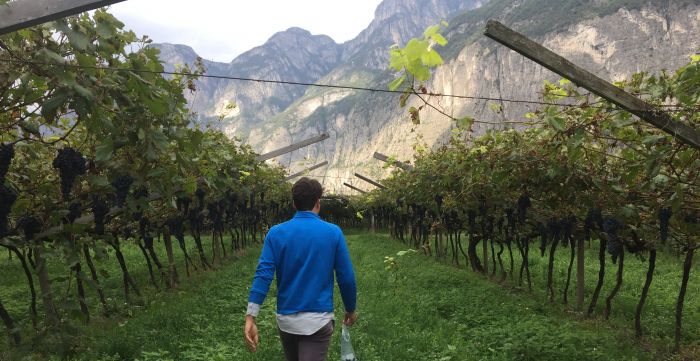
<p>This spring, after a calm winter, a wave of immediate heat favored an early vegetative explosion. The hot start was quickly interrupted by a wet and cold end of May, which continued into a chilly summer until August. Heat and lack of rain marked the second half of the season and continued almost uninterrupted until the end of the <span class="zalup"><span><glossary term="Harvest" title="521">harvest</glossary><span>.</span></span></span> Single showers helped the vines in the last days before picking, but overall, although very productive, this <glossary term="Vintage" title="1109">vintage</glossary> is marked by an unbalanced climate. We will discover in the next phases of human transformation how this bipolarity transfers to the wines.<br />
<br />
To share this year's harvest we thought of creating a participative experience of the winery during the moment of the year, where all the challenges and efforts come to a peak.<br />
<br />
1. The video above is a condensed overview of the whole production process from the grape <glossary term="Harvest" title="521">harvest</glossary> to <glossary term="Fermentation" title="441">fermentation</glossary> in our <glossary term="Clay" title="301">clay</glossary> <span class="zalup"><span><glossary term="Tinaja" title="1293">Tinajas</glossary><span>.</span></span></span><br />
<br />
2. The <glossary term="Harvest" title="521">harvest</glossary> in the <glossary term="Teroldego" title="1020">Teroldego</glossary> vineyards:</p>
<p><iframe allowfullscreen="" frameborder="0" height="360" src="//www.youtube.com/embed/qVvUif8vRd0" width="640"></iframe></p>
<p>Both scenes are filmed in <glossary term="Parcel" title="760">parcels</glossary> that end up in bottles of the Foradori Rosso. The first part shows our harvest-team picking grapes from our wide <span class="zalup"><span><glossary term="Pergola" title="774">pergola</glossary><span>.</span></span></span> This original method of <glossary term="Teroldego" title="1020">Teroldego</glossary> farming in the area of the Piana Rotaliana allowed our ancestors to be as autonomous as possible with little farmable land. Between these wide rows, originally the peasants would plant vegetables or corn for polenta, keep animals and cut hay.<br />
<br />
3. Our collaborator Andrea drives the tractor with the <glossary term="Harvest" title="521">harvest</glossary> from the vineyard to the courtyard for the next step:</p>
<p><iframe allowfullscreen="" frameborder="0" height="360" src="//www.youtube.com/embed/lfmA3yHljwg" width="640"></iframe></p>
<p>4. After weighting the harvested grapes on our old scale (built-in to the courtyard), Lorenzo moves the load from the scale to the processing area. Here the grapes are destemmed and pumped to the <glossary term="Cellar" title="254">cellar</glossary> without being <span class="zalup"><span><glossary term="Pressing" title="827">pressed</glossary><span>:</span></span></span></p>
<p><iframe allowfullscreen="" frameborder="0" height="360" src="//www.youtube.com/embed/TTsDgfquY7g" width="640"></iframe></p>
<p>5. The harvest team at lunch. This year our team was particularly young and international: hailing from seven different countries, most of our pickers were under 30:</p>
<p><iframe allowfullscreen="" frameborder="0" height="360" src="//www.youtube.com/embed/xe-r5Tj9sGE" width="640"></iframe></p>
<p>6. The Foradori brothers, Emilio and Theo, take care of the grape stomping or <glossary term="Pigeage/Punchdown" title="795">pigeage</glossary> in the <span class="zalup"><span><glossary term="Cellar" title="254">cellar</glossary><span>.</span></span></span> During the <glossary term="Fermentation" title="441">fermentation</glossary> this is done twice a day for every <span class="zalup"><span><glossary term="Tinaja" title="1293">tinaja</glossary><span>.</span></span></span></p>
<p><iframe allowfullscreen="" frameborder="0" height="360" src="//www.youtube.com/embed/7sCu843CnMs" width="640"></iframe></p>
Article
harvest report
17.09.2014
2014 Harvest Report from Elisabetta Foradori
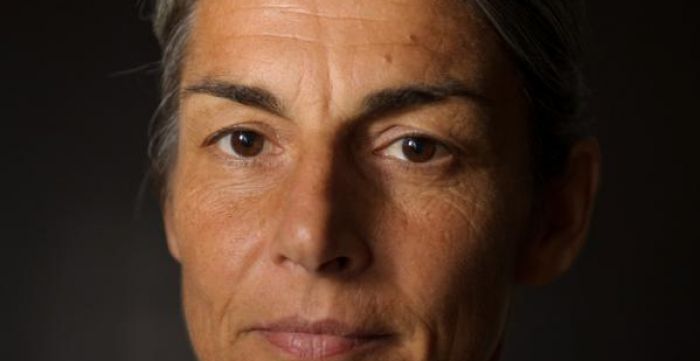
<p>I was thinking at a different way to see the <span class="zalup"><span><glossary title="521">harvest</glossary><span>:</span></span></span> people who helped me and not pictures of grapes and vineyards. Hope you enjoy!</p>
<p><img src="http://louisdressner.com/uploads/images/article/2019_Sep_20//92/06/92061b73c11f1075f23e7b9499366ba1.jpg" /></p>
<p><strong>Alessandro Pederzolli</strong></p>
<p><img src="http://louisdressner.com/uploads/images/article/2019_Sep_20//2b/19/2b19d1ac89ed2ed69a329b1a1307b4cd.jpg" /></p>
<p><strong>Carlo Tait</strong></p>
<p><img src="http://louisdressner.com/uploads/images/article/2019_Sep_20//1d/e7/1de7d4d959d95be2d909fcb387adc5a6.jpg" /></p>
<p><strong>Daniela Gottardi</strong></p>
<p><img src="http://louisdressner.com/uploads/images/article/2019_Sep_20//02/e3/02e3e2267829ea59e154096dabea4dcc.jpg" /></p>
<p><strong>Elena Dodos</strong></p>
<p><img src="http://louisdressner.com/uploads/images/article/2019_Sep_20//27/c2/27c244026f2e7cca268c570ceb9b2906.jpg" /></p>
<p><strong>Elisabetta Foradori</strong></p>
<p><img src="http://louisdressner.com/uploads/images/article/2019_Sep_20//22/90/2290db56a316c2bd5d18518e43aa7689.jpg" /></p>
<p><strong>Emilio Zierock</strong></p>
<p><img src="http://louisdressner.com/uploads/images/article/2019_Sep_20//ad/fa/adfa423914860e6c762614d62c15dc87.jpg" /></p>
<p><strong>Ezio Bert</strong></p>
<p><img src="http://louisdressner.com/uploads/images/article/2019_Sep_20//a0/b9/a0b9dda3cc19549fdd73a3bf5e7a29ea.jpg" /></p>
<p><strong>Gabriella Casna</strong></p>
<p><img src="http://louisdressner.com/uploads/images/article/2019_Sep_20//2a/dd/2add8c26bd1b1c2d797f0ab3f73cb8f6.jpg" /></p>
<p><strong>Giulia Zanellati</strong></p>
<p><img src="http://louisdressner.com/uploads/images/article/2019_Sep_20//7b/c1/7bc1dba2c4f07caf34d1131bc957b821.jpg" /></p>
<p><strong>Johannes Gostner</strong></p>
<p><img src="http://louisdressner.com/uploads/images/article/2019_Sep_20//19/d9/19d92f9e773bf5c26328c4726227017e.jpg" /></p>
<p><strong>Lorenzo Roncador</strong></p>
<p><img src="http://louisdressner.com/uploads/images/article/2019_Sep_20//4b/ef/4bef52dd75bf73b255c9dd08437a1835.jpg" /></p>
<p><strong>Loris Degasperi</strong></p>
<p><img src="http://louisdressner.com/uploads/images/article/2019_Sep_20//ee/16/ee1660bb3555d0d937eba2f363818572.jpg" /></p>
<p><strong>Maria Buffa</strong></p>
<p><img src="http://louisdressner.com/uploads/images/article/2019_Sep_20//08/64/08648dc1503460526633385a496af434.jpg" /></p>
<p><strong>Nely Webber</strong></p>
<p><img src="http://louisdressner.com/uploads/images/article/2019_Sep_20//03/c9/03c99e029a99fa7a411aa4eac0c30a8a.jpg" /></p>
<p><strong>Remo Noldin</strong></p>
<p><img src="http://louisdressner.com/uploads/images/article/2019_Sep_20//3a/d1/3ad15c31910e413d6d04a9ec55608937.jpg" /></p>
<p><strong>Theo Zierock</strong></p>
Article

harvest report
22.09.2011
2011 Harvest Report from Elisabetta Foradori
<p>Hot, then snow in the mountains in July, then hot again -- August ended with record temperatures and finally from the middle of September, cool nights and clear Alpine days. It seemed like such drastic changes were a hard test for the vines but in hindsight of it all we see it's just nature's way. If nature is rich in energy, it finds a different solution each time.<br />
<br />
We are still <span class="zalup"><span><glossary title="521">harvesting</glossary><span>.</span></span></span> There's aromas of violets and cyclamen in the <span class="zalup"><span><glossary title="254">cellar</glossary><span>.</span></span></span> This year we did a shorter<strong> <glossary title="610">maceration</glossary></strong> and in fact each of those <glossary title="1140">vats</glossary> is already <glossary title="843">racked</glossary> and they will finish the <glossary title="441">fermentation</glossary> without the skins. Despite the slightly strange season, the <glossary title="441">fermentations</glossary> are very harmonic, more than other years, with temperatures not more than 26/28 degrees celsius without any <span class="zalup"><span><glossary title="1018">temperature control</glossary><span>.</span></span></span> The whole <glossary title="142">barrels</glossary> with whole grapes (a cold <glossary title="236">carbonic</glossary> for <glossary title="1020">Teroldego</glossary> which I learned from my visits in <glossary title="685">Morgon</glossary>) and <glossary title="103">amphora</glossary> are bubbling and there were many women's hands involved at the <glossary title="521">harvest</glossary> and helping the <span class="zalup"><span><glossary title="441">fermentations</glossary><span>:</span></span></span> a great female energy is with us. Today we <glossary title="521">harvest</glossary> the <span class="zalup"><span><glossary title="724">Nosiola</glossary><span>,</span></span></span> then the last vines of <span class="zalup"><span><glossary title="1020">Teroldego</glossary><span>:</span></span></span> we started on the 26th of August with the <glossary title="628">Manzoni Bianco</glossary><glossary title="158"></glossary>.<br />
</p>
<p><img src="http://louisdressner.com/uploads/images/article/2019_Sep_25//f8/c5/f8c52a509b4d080bd56b9d0acd2cd0ad.jpg" /></p>
<p><img src="http://louisdressner.com/uploads/images/article/2019_Sep_25//29/0c/290c8d0b00a6ff0ad68bc009f0188668.jpg" /></p>
<p><img src="http://louisdressner.com/uploads/images/article/2019_Sep_25//dd/a8/dda8dfeb819c697dc01edff4d757a07e.jpg" /></p>
<p><img src="http://louisdressner.com/uploads/images/article/2019_Sep_25//a4/49/a4499a52823def045512c68eb96c8ccd.jpg" /></p>
Article
harvest report
18.10.2010
2010 Harvest Report from Elisabetta Foradori
<p>Everything started with unusual anxiety, we needed to <glossary title="521">harvest</glossary> quickly around 10 days earlier than usual. There was a little too much rain and there were some signs of <glossary title="737">oidium</glossary> on some of the less balanced vines.</p>
<p>But with a little reflexion and a lot of faith in hard work we can verify that nature was right.<br />
<br />
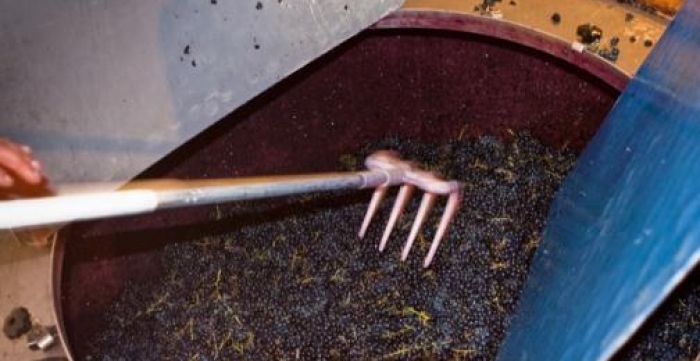
The <glossary title="1020">Teroldego</glossary> ripened well, each vine with a unique character, and always more unique and the <glossary title="103">anforae</glossary> helped to express that purity and precision. Today the <glossary title="441">fermentations</glossary> are finishing so we’ll begin the first <span class="zalup"><span><glossary title="843">rackings</glossary><span>.</span></span></span> It’s a wine with a lot of <glossary title="120">aromatics</glossary> and unusual subtleness.</p>
<p>We'll see, I'm usually not one to make hasty judgments, only observe the evolution of things over time.</p>
Article