producer profile
11.07.2019
Yannick Pelletier Producer Profile
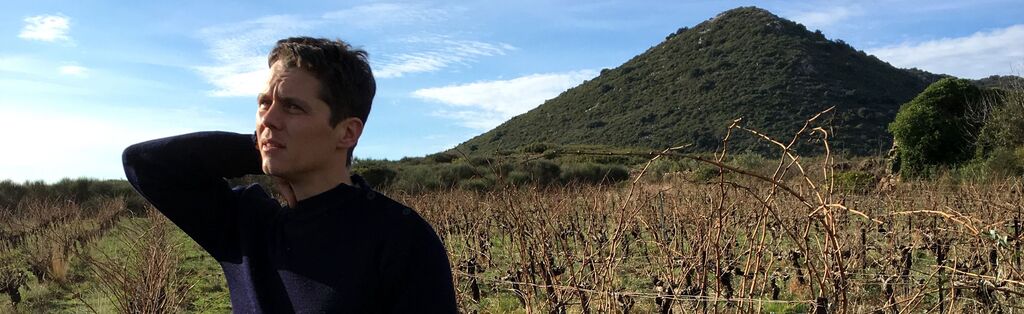
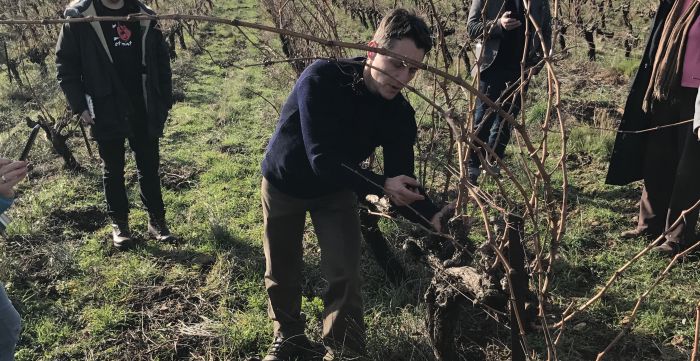
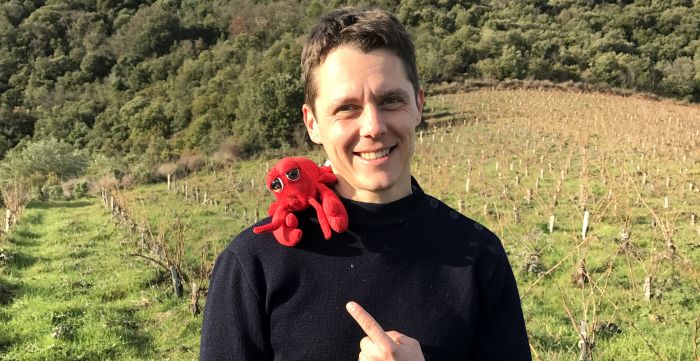
<p>Yannick Pelletier's <glossary title="427">estate</glossary> currently consists of 10 <strong><glossary title="523">hectares</glossary></strong> in the <glossary title="980">Saint Chinian</glossary> <glossary title="108">AOC</glossary> that he has been working with since January 2004. He currently grows five <span class="zalup"><span><glossary title="1071">varietals</glossary><span>:</span></span></span> <glossary title="1001">Syrah</glossary> (15%), <glossary title="692">Mourvedre</glossary> (5%), <glossary title="508">Grenache</glossary> (50%), <glossary title="1188">Cinsault</glossary> (16%) and <glossary title="237">Carignan</glossary> (14%), and has recently acquired 0.5 <glossary title="523">ha</glossary> of 50 year old <glossary title="1025">Terret</glossary> <glossary title="163">Blanc</glossary> vines as well as some <span class="zalup"><span><glossary title="1025">Terret Gris</glossary><span>.</span></span></span> The <glossary title="760">parcels</glossary> are relatively distant from each other, which lets him take advantage of many different types of <span class="zalup"><span><glossary title="1026">terroirs</glossary><span>:</span></span></span> 65% <span class="zalup"><span><glossary title="933">schist</glossary><span>,</span></span></span> 23% <glossary title="301">clay</glossary> and <glossary title="596">limestone</glossary> and 12% <span class="zalup"><span><glossary title="477">round stones</glossary><span>.</span></span></span> The youngest vines are 15, the oldest 70 and the estate is <span class="zalup"><span><glossary title="260">certified organic</glossary><span>.</span></span></span></p>
<p>For the most part Yannick <glossary title="1039">trains his vines</glossary> in <glossary title="497">gobelet</glossary> in the vines, which applies to the <span class="zalup"><span><glossary title="508">Grenache</glossary><span>,</span></span></span> <glossary title="237">Carignan</glossary> and <span class="zalup"><span><glossary title="1188">Cinsault</glossary><span>.</span></span></span> The <glossary title="1001">Syrah</glossary> is <glossary title="1039">trained</glossary> in <glossary title="335">Cordon</glossary> de Royat, and normally he leaves six to eight <glossary title="978">spurs</glossary> with one <glossary title="206">bud</glossary> each.<br />
<br />
The soil is worked with one or two <glossary title="810">plowings</glossary> and a possible <glossary title="1386">hoeing</glossary> by hand. He <glossary title="442">fertilizes</glossary> the soil with an <glossary title="746">organic</glossary> compost; about 500 to 1500 kilos per <span class="zalup"><span><glossary title="523">hectare</glossary><span>.</span></span></span> Yannick and his team do as much of the work as they can manually, for what he describes as two reasons: the work is more thorough than if done <span class="zalup"><span><glossary title="645">mechanically</glossary><span>,</span></span></span> and also avoids the passage of tractors which pack down the soil.<br />
<br />
Pelletier's property is relatively small; about half the size of the average <glossary title="427">estate</glossary> in his area. In his own words:</p>
<p><em>"This would allow me to </em><glossary title="645"><em>mechanize</em></glossary><em> all the work and not employ anybody. If I did this, however, the wine wouldn't be made as well and wouldn't taste the same. You need one person for </em><glossary title="834"><em>pruning</em></glossary><em>, two people for </em><glossary title="380"><em>debudding</em></glossary><em>, six for the </em><glossary title="521"><em>harvest</em></glossary><em> and four to </em><glossary title="1380"><em>sort</em></glossary><em> the grapes, not to mention the occasional help of friends and family."</em><br />
<br />
To protect the <span class="zalup"><span><glossary title="1184">foliage</glossary><span>,</span></span></span> he uses <span class="zalup"><span><glossary title="328">contact treatments</glossary><span>,</span></span></span> <glossary title="333">copper</glossary> and <glossary title="993">sulphur </glossary>that don't penetrate the plant and therefore are not present in the grape. <br />
<br />
<span class="zalup"><span><glossary title="380">Debudding</glossary><span>,</span></span></span> or <span class="zalup"><span><glossary title="380">green pruning</glossary><span>,</span></span></span> is the most important work done in the spring. It entails eliminating non fruit-bearing shoots (called gourmands, or suckers) or those which grew in the wrong spot, especially in the center of the vine. This allows air to circulate through the plant, control <glossary title="1129">yields</glossary> and concentrate the sap for the best shoots. <br />
<br />
Pelletier's guiding principle in the winemaking process is to preserve the integrity of the grapes and wine: manual sorting of the grapes, use of <glossary title="1165">gravity</glossary> (yes!), <glossary title="538">indigenous yeasts</glossary>… If the grapes are clean, pure, healthy and of good quality, he sees no reason to alter them with <glossary title="279">chemicals</glossary> or <span class="zalup"><span><glossary title="422">oenology</glossary><span>.</span></span></span><br />
<br />
Yannick's wines are made, <glossary title="74">aged</glossary> and <glossary title="185">bottled</glossary> without <span class="zalup"><span><glossary title="993">sulfites</glossary><span>.</span></span></span> They are not <glossary title="449">fined</glossary> or <glossary title="447">filtered</glossary> and should be stocked in a room or <glossary title="254">cellar</glossary> that does not exceed 18 C (64.4 F).</p>
Article
interview
11.07.2019
An interview with Yannick Pelletier from 2010
<p><strong><em>This interview with Yannick Pelletier was conducted through a series of emails in November 2010. </em></strong></p>
<p><strong>What's new?</strong><br />
<br />
I've recently started to work with a half <glossary title="523">hectare</glossary> of <glossary title="692">Mourvèdre</glossary> on <glossary title="301">clay</glossary> and <glossary title="596">limestone</glossary> soils since 2009. I also plan to plant 0.7 <glossary title="523">ha</glossary> of <glossary title="508">Grenache</glossary> <glossary title="1158">Gris</glossary> and<strong> <glossary title="509">Grenache Blanc</glossary></strong> on <glossary title="933">schist</glossary> this winter in hopes of <glossary title="1146">blending</glossary> it with my <strong><glossary title="1025">Terret Blanc</glossary></strong> and <glossary title="1025">Terret Gris</glossary> in hopes of making a more complex white.<br />
<br />
<strong>How did you end up a vigneron?</strong><br />
<br />
When I was in high school, my plans were to start a business selling French products abroad. When I was done with university, I decided to do a formation in the commercialization of wines and spirits. I worked retail for a few years at various shops around Lyon and got the opportunity to work in some vineyards between jobs. <br />
<br />
I started to realize how much I enjoyed it, so I took some <glossary title="422">oenological</glossary> classes in hopes of eventually starting my own <span class="zalup"><span><glossary title="427">estate</glossary><span>.</span></span></span> Many internships followed, mostly in <glossary title="331">conventional agriculture</glossary> at first, and I eventually started working for Leon Barral, where I started to feel a true understanding of the vineyard and wine. I then worked another year at a small <glossary title="427">estate</glossary> in <glossary term="Faugères" title="1387">Faugères</glossary> before starting my own operation in 2004.<br />
<br />
<strong>What is the work process like with the vines? What do you think of your<font color="#7b143e"> terroirs</font>?</strong><br />
<br />
I don't have a "process" other than working well and favoring the life of the ground and the plants. The <glossary title="1026">terroir</glossary> in itself is great; the <glossary title="933">schists</glossary> are fantastic. The climate however, is quite challenging: scorching sun, wind, and in some years violent rain or heat waves… Not to mention the <glossary title="1026">terroirs</glossary> are tainted from many years of brutal <glossary term="Mechanization" title="645">mechanical</glossary> work, <glossary title="279">chemicals</glossary> and the plantation of "vine on vine", in other words not giving the ground time to rest and replenish itself. <br />
<br />
The judicial term for an <glossary title="427">estate</glossary> is an "<font color="#7b143e"><strong><glossary term="Agriculture" title="78">agricultural</glossary> </strong></font>exploitation". Usually, when you exploit something, you use it without caring for it or respecting it, and inevitably what you are exploiting ends up suffering in the process. Such is the human condition… Still, I'm working hard in order to restore the <glossary title="1026">terroirs</glossary> to where I want them to be.<br />
<br />
<strong>What about the winemaking process?</strong><br />
<br />
Sorry, but I don't have a <glossary title="1104">vinification</glossary> process either. <glossary title="1124">Whole cluster</glossary> or <span class="zalup"><span><glossary title="378">destemmed</glossary><span>,</span></span></span> <glossary title="795">pigeages</glossary> or <span class="zalup"><span><glossary title="850">remontages</glossary><span>,</span></span></span> <glossary title="610">maceration</glossary> time: there are no rules, just instinct. I function heavily on instinct and taste, from choosing when to <glossary title="521">harvest</glossary> right down to <span class="zalup"><span><glossary title="185">bottling</glossary><span>.</span></span></span> I make wines with the grapes, <glossary title="1026">terroirs</glossary> and the weather of that year. I think they've greatly progressed in nuance and complexity since I started in 2004. Of course I hope to perfect them even more in time. For example a current focus would be more finesse in <glossary title="1010">tannic</glossary> structure. <br />
<br />
<strong>How do you feel about your<font color="#7b143e"> AOC</font>, and more specifically your wines in regards to the "typicality" of your region?</strong><br />
<br />
My <glossary title="108">AOC</glossary> is a "political <glossary title="113">appellation</glossary>" because the many <glossary title="1026">terroirs</glossary> are heterogeneous and have nothing to do with one another. Of course I feel my wines are "typical" of their <glossary title="1026">terroirs</glossary> because I do everything I can to respect them. <br />
<br />
<strong>Have you always worked<font color="#7b143e"> organically</font> or<font color="#7b143e"> biodynamically</font> in the vineyard and with the least amount of<font color="#7b143e"> intervention</font> in the<font color="#7b143e"> cellar</font>? If yes, then why and if no, what made you change your mind?</strong><br />
<br />
During my many internships, I often worked in a "<glossary title="279">chemical</glossary>" or "technological" manner and found no real worth or pleasure in it. When I started working for Barral I started to gain an understanding of how soils and <glossary title="1026">terroirs</glossary> worked, of the complete process of winemaking, from the vine to to the bottle. It just so happened that Barral worked this way and in turn I began working <glossary title="746">organically</glossary> myself. <br />
<br />
<strong>What's your take on the "natural wine" debate?</strong><br />
<br />
These days, everyone is making <glossary title="746">organic</glossary> or <glossary title="160">biodynamic</glossary> wine, "<glossary term="Natural WIne" title="708">natural wine</glossary>"<glossary title="708"> </glossary>that is also "environmentally friendly". Wine should distinguish itself by its' own merit. <glossary term="Organic Certification" title="260">Certifications</glossary> can't do anything and do not exist for <span class="zalup"><span><glossary term="Natural WIne" title="708">natural wine</glossary><span>.</span></span></span><br />
<br />
My goal is to make a wine that lets the drinker experience their own senses, to ask themselves what they are drinking, why they like it and to want to come back to it. If they get that far, only then should you explain to them why and how wines like these are made. <br />
<br />
<strong>What wines do you enjoy drinking besides your own?</strong><br />
<br />
<glossary title="560">Jura</glossary> and <span class="zalup"><span><glossary title="151">Beaujolais</glossary><span>.</span></span></span></p>
Article
producer visit
26.08.2019
This visit with Yannick Pelletier took place in July, 2012
<p><strong><em>This visit with Yannick Pelletier took place in July, 2012.</em></strong></p>
<p><strong><em>Words and photos by Jules Dressner.</em></strong></p>
<p>After meeting Yannick in front of his <span class="zalup"><span><glossary title="254">cellar</glossary><span>,</span></span></span> we stepped in to taste the unfinished 2011's. Nothing had been <glossary title="185">bottled</glossary> or <glossary title="1146">blended</glossary> yet, but this should be happening soon to make room for the 2012 <span class="zalup"><span><glossary title="521">harvest</glossary><span>.</span></span></span> With the exception of a few <glossary title="739">old</glossary> <glossary title="142">barrels</glossary> and some <span class="zalup"><span><glossary title="445">fiberglass</glossary><span>,</span></span></span> the vast majority of Yannick's wine is <glossary title="1104">vinified</glossary> in large <glossary title="325">cement</glossary> tanks. </p>
<p><img src="http://louisdressner.com/uploads/images/article/2019_Aug_26//c1/62/c162205e89d294145b314e0f6214cc01.jpg" /></p>
<p>We started by tasting some <glossary title="1025">Terret Blanc</glossary> and <glossary title="1025">Terret Gris</glossary> <glossary title="521">harvested</glossary> in late October. The alcohol was surprisingly low, only 12.3%. Some of this is <glossary title="441">fermented</glossary> in <span class="zalup"><span><glossary title="445">fiberglass</glossary><span>,</span></span></span> the rest in wood to add <span class="zalup"><span><glossary title="990">structure</glossary><span>.</span></span></span> It will be bottled as "L'R de Rien", a crisp <glossary title="1006">table wine</glossary> that hasn't made it stateside yet for quantity reasons. </p>
<p><img src="http://louisdressner.com/uploads/images/article/2019_Aug_26//fd/4e/fd4e634aaf22bc3885adcaf6e336cac7.jpg" /></p>
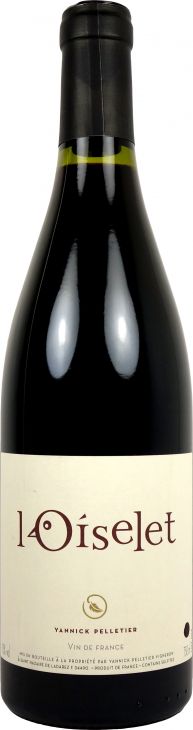
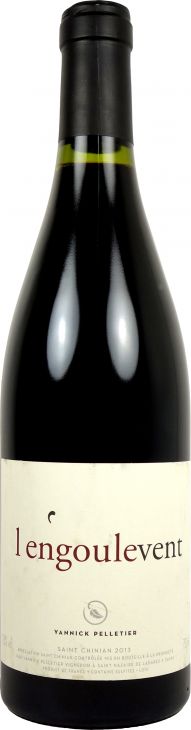
<p>Next we tasted <glossary title="1188">Cinsault</glossary> from different <glossary title="325">concrete</glossary> tanks; Yannick believes these will all turn up in the 2011 "Oiselet". The prominent characteristics were red fruit on the nose and <span class="zalup"><span><glossary title="756">palate</glossary><span>,</span></span></span> with a nice <glossary title="1010">tannic</glossary> <glossary title="990">structure</glossary> and finish. We also tasted a <glossary title="445">fiberglass</glossary> <glossary title="441">fermented</glossary> <glossary title="508">Grenache</glossary> that will probably end up in "L'Engouvelement" -it was showing darker and deeper fruit. We ended on some <glossary title="1158">Grenache Gris</glossary> from <span class="zalup"><span><glossary title="143">barrel</glossary><span>:</span></span></span> it had a smoked meat quality on the <span class="zalup"><span><glossary title="723">nose</glossary><span>,</span></span></span> was a little marked by the <span class="zalup"><span><glossary title="731">oak</glossary><span>,</span></span></span> but overall showed <glossary title="324">concentrated</glossary> fruit and a <glossary title="1010">tannic</glossary> finish.<br />
<br />
After tasting the 2011's, Yannick proposed we revisit his 2010's with lunch at <a href="http://lacavesaintmartin.fr/" target="_blank">Cave Saint Martin</a>, an excellent wine bar, retailer and restaurant in the neighboring town of <span class="zalup"><span><glossary title="870">Roquebrun</glossary><span>.</span></span></span></p>
<p><img src="http://louisdressner.com/uploads/images/article/2019_Aug_26//19/09/1909aa317d3f4ff9a97e21abad9d4b0a.jpg" /></p>
<p>This place is run by the infamous Raymond Lecoq, the guy who sells his charcuteries to all of our favorite restaurants in France. Also, our waitress was none other than Marcel Lapierre's daughter Camille! Lunch consisted of a lot of seasonal, local fish and various forms of pork and cheese. Yannick loves the fact that a place like this exists so close to his house.<br />
<br />
<em>"In the summer, I eat here almost everyday for lunch." </em><br />
<br />
Denyse and I hadn't seen Yannick since the <span class="zalup"><span><glossary title="395">Dive Bouteille</glossary><span>,</span></span></span> so it was a good time to catch up. Fresh with memories of the <span class="zalup"><span><glossary title="880">Roussillon</glossary><span>,</span></span></span> I started describing the great energy I felt there: the ever increasing amount of <glossary title="427">estates</glossary> starting up or <glossary title="332">converting</glossary> to <glossary title="746">organic</glossary> <glossary title="1103">viticulture</glossary>/<glossary title="664">minimal intervention</glossary> winemaking, everyone getting along and helping each other out, the enthusiasm to break free of the region's bad reputation... Yannick -while happy to hear about this- informed us that the good vibes haven't really spread up North yet.<br />
<br />
<em>"We are maybe two or three here (</em><glossary title="980"><em>Saint-Chinian</em></glossary><em>) who have the same priorities."</em><br />
<br />
Case in point: the <glossary title="980">Saint-Chinian</glossary> <glossary title="108">A.O.C</glossary> board recently <glossary title="383">declassified</glossary> the 2010<em> </em>"Oiselet" into a <span class="zalup"><span><glossary title="1092">Vin de France</glossary><span>.</span></span></span> Why? Because Yannick used more <glossary title="1188">Cinsault</glossary> than is legally allowed in the <span class="zalup"><span><glossary title="168">blend</glossary><span>.</span></span></span><br />
<br />
This puts him in a tough position: though all his good customers still bought the wine, not having the <glossary title="108">AOC</glossary> can have devastating effects on sales, particularly in France. Still, Yannick is considering intentionally <glossary title="383">declassifying</glossary> all his <glossary title="363">cuvées</glossary> in future <span class="zalup"><span><glossary title="1109">vintages</glossary><span>.</span></span></span> It's a decision many of our growers have made in the past: it's a risk, but at least it gives them the freedom to make the wines they want to make. Either way, Yannick doesn't see his relationship with the <glossary title="537">INAO</glossary> getting any better. <br />
<br />
<em>"I can feel that the </em><glossary title="108"><em>AOC</em></glossary><em> has a problem with me, and I don't want to fight to be accepted in an institution that doesn't want me around."</em><br />
<br />
After lunch, it was vineyard time! First stop, Yannick's only <glossary title="692">Mourvèdre</glossary> vines. </p>
<p><img src="http://louisdressner.com/uploads/images/article/2019_Aug_26//18/dd/18dd33c15eef72d73203566520af6304.jpg" /></p>
<p><img src="http://louisdressner.com/uploads/images/article/2019_Aug_26//54/a6/54a6c657b596d43bf37b9ee3a964f11c.jpg" /></p>
<p><img src="http://louisdressner.com/uploads/images/article/2019_Aug_26//5e/0e/5e0e61f0e722d98cd0a360f69049199a.jpg" /></p>
<p>These are grown on very dry <glossary title="301">clay</glossary> and <span class="zalup"><span><glossary title="596">limestone</glossary><span>.</span></span></span> The vines were acquired in 2009 and are 30 years old. The <glossary title="692">Mourvèdre</glossary> ends up being <glossary title="1146">blended</glossary> into "Coccigrues<em>"</em>. For the last year, Yannick has been experimenting with <glossary title="160">biodynamic</glossary> techniques and wants to start making the <glossary title="826">preparations</glossary> himself.<br />
<br />
Next, we visited a <glossary title="933">schist</glossary> <span class="zalup"><span><glossary title="760">parcel</glossary><span>,</span></span></span> a mix of 60 year old <glossary title="237">Carignan</glossary> and <glossary title="508">Grenache</glossary> vines on the top and some much younger <glossary title="1001">Syrah</glossary> vines at the bottom.</p>
<p><img src="http://louisdressner.com/uploads/images/article/2019_Aug_26//33/15/33153f8d2fd2cc0df77bd90172325f95.jpg" /></p>
<p><img src="http://louisdressner.com/uploads/images/article/2019_Aug_26//ca/65/ca659b331464960dcb6d33636eeb6d61.jpg" /></p>
<p><img src="http://louisdressner.com/uploads/images/article/2019_Aug_26//9e/77/9e771c938cd3058700d3c1a923950c65.jpg" /></p>
<p><img src="http://louisdressner.com/uploads/images/article/2019_Aug_26//4b/07/4b07f053346fa19040cffec52dc698f8.jpg" /></p>
<p>In the case of these <glossary title="933">schist</glossary> soils, the first 30 centimeters are very hard stone. But once you get past those, the <glossary title="933">schists</glossary> are completely shattered, so this where the vines' roots truly take. The <glossary title="237">Carignan</glossary> portion is particularly rocky. <br />
<br />
Next was Yannick's baby, a <glossary title="760">parcel</glossary> of <glossary title="509">Grenache Blanc</glossary> and <glossary title="">Grenache Gris</glossary> he completely planted himself. </p>
<p><img src="http://louisdressner.com/uploads/images/article/2019_Aug_26//c9/6c/c96c8bbce959e183d0b75fbb627919c5.jpg" /></p>
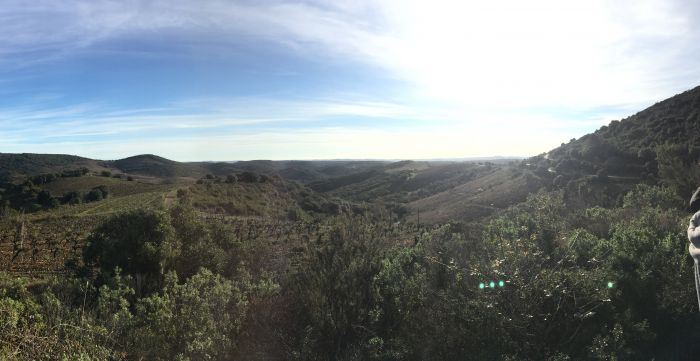
<p>These were planted last April on <glossary title="933">schist</glossary> and <span class="zalup"><span><glossary title="301">clay</glossary><span>.</span></span></span> 63 <glossary title="1208">ares</glossary> total. The soils here had been resting for 15 years, which was a big factor in Yannick's purchase. The other? A very nice panoramic view!</p>
<p><img src="http://louisdressner.com/uploads/images/article/2019_Aug_26//78/fe/78fe7d5fcf70ff056fe10c3ec6fc293c.jpg" /></p>
<p>The last site we saw was <glossary title="508">Grenache</glossary> on dark <span class="zalup"><span><glossary title="301">clay</glossary><span>.</span></span></span> This <glossary title="760">parcel</glossary> is in an isolated <span class="zalup"><span><glossary title="305">clos</glossary><span>.</span></span></span></p>
<p><img src="http://louisdressner.com/uploads/images/article/2019_Aug_26//bf/7d/bf7dfe534c5f51881f02aeccdae0d3db.jpg" /></p>
<p><img src="http://louisdressner.com/uploads/images/article/2019_Aug_26//f1/cc/f1cc83ddbf15215bfb4c5784a2e740c1.jpg" /><br />
</p>
Article
harvest report
16.10.2011
2011 Harvest Report from Yannick Pelletier
<p><em>by Yannick Pelletier, October 16th, 2011</em></p>
<p>After a two year hiatus, 2011 marked the return of the infamous storm of August 15th! (<strong>note</strong>: see Yannick's 2010 <glossary title="521">harvest</glossary> report for past reference to this storm.)<br />
<br />
Precipitations this year were in the norm (600mm) with a particularly marking episode in late March, where we had between 250 and 300 mm in three days! Fortunately, this rain was not violent and penetrated the soil nicely. It was a strike of luck because there had been no water all winter, just like the rest of France who suffered from this dry spell.<br />
<br />
There was no further rain until August 15th, which resulted in the landscape staying green much later than it usually does. I am very fortunate for this rain, because I planted some <glossary title="1130">young vines</glossary> of <glossary title="1158">Grenache Gris</glossary> and <glossary title="509">Grenache Blanc</glossary> this year; this way I didn't have to water them (save at plantation).<br />
<br />
On the other hand, temperature wise it was a mess! <glossary title="1179">Flowering</glossary> began early because temperatures were reaching 29°C in the shade up until April, and the <glossary title="1109">vintage</glossary> was marked by stretches of intense heat followed by bouts of frigid cold (23° in July mid afternoon!). The consequence of this variation (and this is only my interpretation) was that the vines weren't quite sure what season it was anymore. Everything was about two weeks premature but in the end some late freshness put things back on track and we harvested at almost normal dates.<br />
<br />
In the end I think the vines ceased <glossary title="639">maturation</glossary> quite early as many of the <glossary title="1138">clusters</glossary> began to wither. This wasn't a uniform phenomena, but it leads me to believe that some vines were lacking in sap. Regardless, the <glossary title="1129">yields</glossary> were quite satisfactory (which feels good after the last few years). There wasn't much <glossary title="324">concentration</glossary> so the wine should be quite easy and fresh.</p>
Article
harvest report
13.10.2010
2010 Harvest Report from Yannick Pelletier
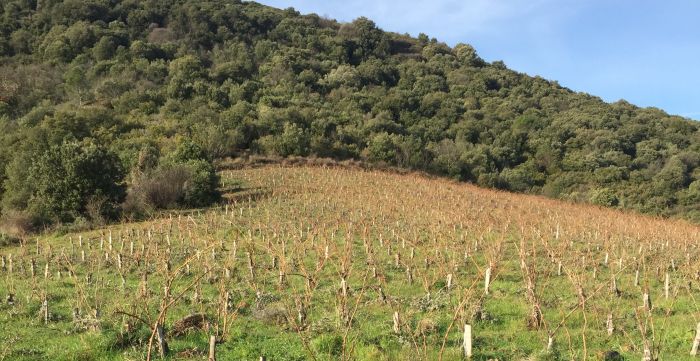
<p>I've been in the area since 2002, and there has invariably been one very dry year followed by a very rainy one. This year the chain was broken; even though 2010 was particularly rainy in spring and the beginning of summer (around the 15th of June), it has been extremely dry ever since.<br />
<br />
Let's go back to Fall 2009, which was very cool until mid November (we still had tomatoes in the garden!) The vines' leaves had fallen rather late, which further delayed <span class="zalup"><span><glossary title="834">pruning</glossary><span>.</span></span></span> There was very little rain through the winter which made me worry that the soil wouldn't have enough water reserves.<br />
<br />
The vines started <glossary title="1166">budding</glossary> in early April but a cold spell slowed the growth of the first <span class="zalup"><span><glossary title="206">buds</glossary><span>.</span></span></span> Other than that, the vegetative process went off without a hitch and no illness occurred (even with heavy rainfall), so I barely had to use any <span class="zalup"><span><glossary title="328">treatments</glossary><span>:</span></span></span> a half dose of <glossary title="333">copper</glossary> and three doses of powdered <span class="zalup"><span><glossary title="993">sulfur</glossary><span>.</span></span></span><br />
<br />
It is quite typical in the area for a large storm to brew around the 15th of August. This storm often will directly affect the <glossary title="521">harvest's</glossary> quantity and quality because as you know a vine that is over stressed with too much water does not produce an optimal grape.<br />
<br />
We've now gone two years without this storm, and perhaps in the long term this will make us reevaluate how we cultivate our vines in the region.<br />
<br />
The rain did come, however, the day before the <span class="zalup"><span><glossary title="521">harvest</glossary><span>,</span></span></span> a little late to "plump up" most of the grapes but some of the <glossary title="760">parcels</glossary> I <glossary title="521">harvest</glossary> last for optimal <glossary title="639">maturity</glossary> were able to take advantage of this.<br />
<br />
The consequences of this lack of water was two-fold: the berries were small and very <glossary title="324">concentrated</glossary> and that they were very healthy. No green <span class="zalup"><span><glossary title="1138">clusters</glossary><span>,</span></span></span> no <glossary title="1137">mildew</glossary> or <glossary title="737">odium</glossary> and the <glossary title="521">harvest</glossary> was perfect.<br />
<br />
We started September 9th and ended on October 7th for a total of 13 days of harvesting. The rain slowed us down for a few days and I took some days off to let my late<span class="zalup"><span><span>-</span><glossary title="521">harvest</glossary> </span></span><glossary title="760">parcels</glossary> ripen to optimal <span class="zalup"><span><glossary title="639">maturity</glossary><span>.</span></span></span><br />
<br />
Even though the <glossary title="1138">clusters</glossary> and berries were small, it was a very respectable <glossary title="521">harvest</glossary> for me and I reached 22 <span class="zalup"><span><glossary title="528">hl/ha</glossary><span>.</span></span></span> The <glossary title="87">alcoholic fermentation</glossary> went very well even though I was quite worried since the <glossary title="622">malolactic fermentation</glossary> had already started right from the beginning. There was little evolution from there and the <glossary term="Volatile Acidity" title="1116">volatile acidity</glossary> remained surprisingly low.<br />
<br />
This exact phenomenon happened to all my "natural" neighbors as well, and no one is quite sure how to explain it! We are still all waiting on the <glossary title="622">malo</glossary> which is now taking its' time; this is definitely the first time this has ever happened!</p>
Article
harvest report
19.10.2009
2009 Harvest Report from Yannick Pelletier
<p><em>Yannick Pelletier, St-Nazaire-de-Ladarez, St-Chinian AOC, on Oct. 19th, 2009</em></p>
<p>This has been another dry year, like 2001, 2003, 2005, 2007 (it looks like there is a pattern of odd years). We got a fair amount of rain over the winter and spring, and then almost nothing: 30mm between May and September.<br />
<br />
<glossary title="1137">Mildew</glossary> was almost unseen, contrary to 2008, but there was more <glossary title="737">oïdium</glossary> and destruction from vers de la grappe (NT: caterpillars of three types of moths: Eudemis, Eulia and Cochylis.)<br />
<br />
The vines suffered from the <span class="zalup"><span><glossary title="1167">drought</glossary><span>,</span></span></span> which prevented the grapes from reaching full ripeness. <glossary title="1010">Tannins</glossary> remained “green”, especially on <glossary title="508">Grenache</glossary> grapes. <glossary title="1188">Cinsault</glossary> did better, although <glossary title="1129">yields</glossary> were rather low. <glossary title="237">Carignan</glossary> and <glossary title="1001">Syrah</glossary> were all over the place in <glossary title="1129">yields</glossary> and ripeness.<br />
<br />
On the whole, <glossary title="1129">yields</glossary> are reasonable, despite the <span class="zalup"><span><glossary title="1167">drought</glossary><span>,</span></span></span> and the grapes were very healthy. I <glossary title="1104">vinified</glossary> about half my crop in <span class="zalup"><span><glossary title="1124">whole bunches</glossary><span>.</span></span></span> <glossary title="441">Fermentations</glossary> went quickly for the first <span class="zalup"><span> <glossary title="1140">vats</glossary><span>,</span></span></span> and are going extremely slowly with what was <glossary title="521">harvested</glossary> later. Although it is early to say, it looks like they could take the whole winter to finish.</p>
Article