producer profile
03.06.2019
Ulysse Collin Producer Profile
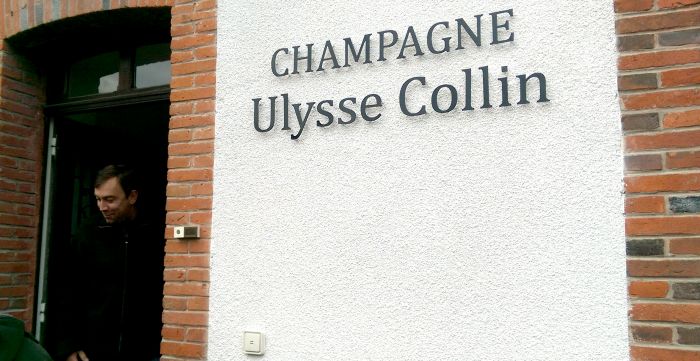
<p>Based in the village of Congy, Olivier Collin comes from a family of vinegrowers who have been active in the <glossary title="1221">Coteaux du Petit Morin</glossary> since 1812. Georges Collin was the first <glossary title="1222">Récoltant Manipulant</glossary> in Congy; he started in 1930 and received awards from the French Ministry of Agriculture. Following the second world war, René Collin (Olivier’s grandfather) grew the estate to 18 <glossary title="523">hectares</glossary> of vines, began producing his own <glossary title="267">Champagne</glossary> <glossary title="168">blends</glossary> and was an esteemed member of the "<em>Club des Viticulteurs Champenois"</em> until the 1980’s (it now goes by "<em>Club Trésors de Champagne</em>"). In 1987, Olivier’s father sold the company and began renting the entirety of the family’s vines and <glossary title="254">cellar</glossary> to a big <glossary title="267">Champagne</glossary> house, effectively ending independent production.</p>
<p>In his youth, reclaiming the family land was not Olivier's focus; the interest came following a trip to <glossary title="212">Burgundy</glossary> in his early days of university. It was a truly introspective experience and he instantly fell in love with the wines of the region. Stunned by the singularity of the various <glossary title="959">climats</glossary> and the particularities of the wines tasted in the <span class="zalup"><span><glossary title="368">Côte de Beaune</glossary><span>,</span></span></span> this sparked the desire to not only reclaim his family land back but, as we will discuss later, greatly influence Olivier's work philosophy. He began law school in 1995 with the secret intention of using his acquired knowledge to accomplish the challenging task of reclaiming 8.7 <glossary title="523">hectares</glossary> back from a big <span class="zalup"><span><glossary title="729">négociant</glossary><span>.</span></span></span> Almost a decade later, when it looked like it was actually going to happen, Olivier did a six month formation in <glossary title="1103">viticulture</glossary> (all the while continuing his studies in law) followed by a six week stage at an <glossary title="427">estate</glossary> in <span class="zalup"><span><glossary title="267">Champagne</glossary><span>.</span></span></span> <br />
<br />
In 2003, Olivier successfully recovered 4.5 <glossary title="523">hectares</glossary> that had been rented out for a generation. Starting from scratch, his first purchase was a second-hand tractor so he could work soils that had not been <glossary title="810">plowed</glossary> in 18 years. His second investment consisted of used <glossary title="">Burgundy</glossary> <glossary title="142">barrels</glossary> (at least four years old) because he felt the <glossary title="1110">vin clair</glossary> had to be made in <span class="zalup"><span><glossary title="731">oak</glossary><span>.</span></span></span> 2003 proved to be very challenging year: there was a severe <glossary title="1135">frost</glossary> on April 11th followed by a record breaking heatwave in the summer that forced <glossary title="521">harvest</glossary> to start on August 23rd. Olivier decided to sell off all of the grapes from this extreme and unbalanced <glossary title="1109">vintage</glossary> to stay solvent and prepare his first real <glossary title="1104">vinification</glossary> at the newly formed <span class="zalup"><span><glossary title="427">estate</glossary><span>.</span></span></span></p>
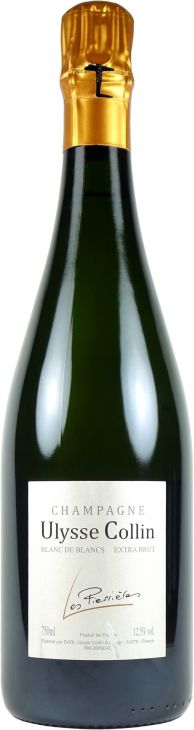
<p>Along came the 2004 <span class="zalup"><span><glossary title="1109">vintage</glossary><span>,</span></span></span> which broke all records for high <glossary title="1129">yields</glossary> in <span class="zalup"><span><glossary title="267">Champagne</glossary><span>.</span></span></span> Olivier <glossary title="271">vinified</glossary> <glossary title="271">Chardonnay</glossary> grapes from a 1.2 <glossary title="523">hectare</glossary> <glossary title="1133">plot</glossary> called Les Pierrières where the vines are around 40 years old. It has a shallow, poor <glossary title="1032">topsoil</glossary> 10 to 50 cm deep over the rocky <glossary title="991">subsoil</glossary> of soft «Campanian» <glossary title="266">chalk</glossary> with carbonated <glossary title="455">silex</glossary> or Onyx, a rare geological combination in <glossary title="267">Champagne</glossary> found specifically in <glossary title="1221">Coteaux du Petit Morin</glossary> (and key to the Ulysse Collin <glossary title="267">Champagnes'</glossary> unique expressions). The <glossary title="430">exposure</glossary> is south-southeast. His first release was 5 400 bottles exclusively from this vineyard. </p>
<p>If you don't know the <span class="zalup"><span><glossary title="1221">Coteaux du Petit Morin</glossary><span>,</span></span></span> Olivier hopes to change that. The region, still in the <glossary title="1068">Marne</glossary> but south of the <glossary title="501">Grand Crus</glossary> in the <span class="zalup"><span><glossary title="1224">Côte des Blancs</glossary><span>,</span></span></span> is little known but of great geological distinction and history (<a href="https://videotheque.cnrs.fr/doc=6715">if you speak french, we highly encourage you to watch the following documentary on the subject</a>). To promote his native <span class="zalup"><span><glossary title="1026">terroirs</glossary><span>,</span></span></span> for three years Olivier acted as president of the region as well as vice-president of the <glossary title="1005">Coteaux du Sézannais</glossary><glossary title="1005"></glossary> in order to build defend and promote the historical, cultural and geographic identity of both these underappreciated regions.</p>
<p>Despite <glossary title="267">Champagne’s</glossary> historical notoriety for multi<span class="zalup"><span><span>-</span><span class="zalup"><span><glossary title="760">parcel</glossary><span>,</span></span></span></span></span> multi-<span class="zalup"><span><glossary title="1109">vintage</glossary> </span></span><span class="zalup"><span><glossary title="168">blends</glossary><span>,</span></span></span> Olivier’s fascination with <glossary title="212">Burgundy</glossary> led him to wonder if the model of expressing unique sites and <glossary title="959">climats</glossary> could translate to his native <span class="zalup"><span><glossary title="1026">terroirs</glossary><span>.</span></span></span> From the beginning, his vision was thus to only release <glossary title="959">single vineyard expressions</glossary> of his land. While this idea has gained traction in <glossary title="267">Champagne</glossary> over the years, it was all but unheard of at the time and still remains relatively rare. In this sense Olivier is a true pioneer. And to this day, Ulysse Collin is the only <glossary title="427">estate</glossary> in <glossary title="267">Champagne</glossary> to release 100% of its wines as <span class="zalup"><span><glossary title="959">single vineyards expressions</glossary><span>.</span></span></span><br />
<br />
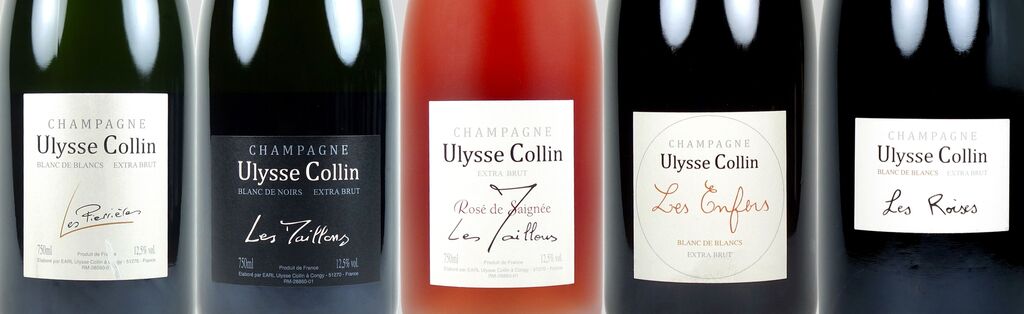
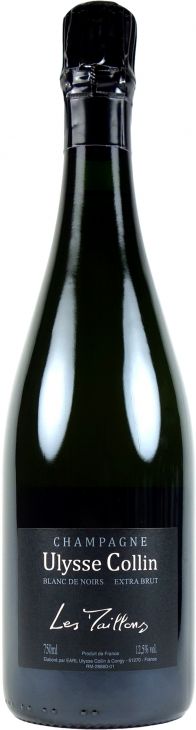
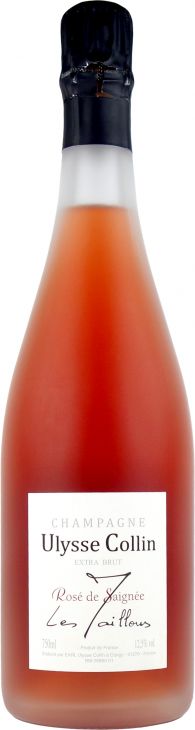
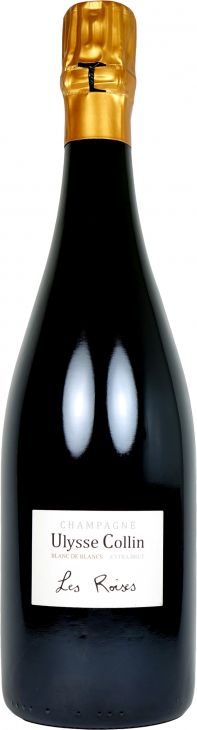
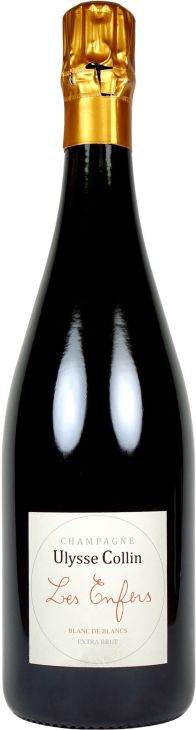
In 2005, Olivier got back an additional 4.2 <glossary title="523">hectares</glossary> of vines, three of which belonged to his grandparents, along with the whole winemaking facility (including the <glossary title="427">estate’s</glossary> historical Coquard <glossary title="1200">press</glossary>) and <glossary title="74">aging</glossary> <span class="zalup"><span><glossary title="254">cellar</glossary><span>.</span></span></span> New wines soon followed. Olivier made a second <glossary title="267">Champagne</glossary> in 2006, a <glossary title="166">Blanc de Noirs</glossary> from a two <glossary title="523">hectares</glossary> <glossary term="Plot" title="1133">plot</glossary> called Les Maillons near the town of <glossary title="1005">Sézanne</glossary> in the Coteaux du Sezannais (another sub region of Champagne located in the South of <glossary title="1221">Coteaux du Petit Morin</glossary>). The soils there are very different (<glossary title="301">clays</glossary> rich in <glossary title="547">iron</glossary>), but had been worked like Les Pierrières since 2003. Following "Les Maillons" was "Les Maillons <glossary title="887">Rosé de Saignée</glossary>" and later he would release "Les Roises" and "Les Enfers", two neighboring <glossary title="760">parcels</glossary> of <glossary title="271">Chardonnay</glossary> with different <glossary title="430">expositions</glossary> in his village of Congy (both <glossary title="1133">plots</glossary> are 62 <glossary title="1208">hares</glossary> and a much smaller part of the annual production). Today, Olivier currently <glossary title="1104">vinifies</glossary> the equivalent of 5.3 <glossary title="523">hectares</glossary> of the 8.7 he owns, selling the rest of the grapes or juices he does not want for his own production to <span class="zalup"><span><glossary title="729">négociants</glossary><span>.</span></span></span> Annual production is around 50 000 bottles. <br />
<br />
The <glossary title="254">cellar</glossary> work has evolved greatly over the years. From 2004 to 2011, only <glossary title="210">Burgundian</glossary> <glossary title="142">barrels</glossary> were used and the wines were released as single <glossary title="1109">vintages</glossary> with small additions of <span class="zalup"><span><glossary title="1223">reserve wine</glossary><span>.</span></span></span> During this time, the <glossary title="418">elevages</glossary> in <glossary title="142">barrel</glossary> progressively got longer: 10 months in 2004, 12 in 2005, 13 in 2006… By 2012, Olivier began intentionally holding back large amounts of each <glossary title="1109">vintage</glossary> back, culminating in a current 18 <glossary title="462">foudres</glossary> of <span class="zalup"><span><glossary title="1223">reserve wine</glossary><span>,</span></span></span> the equivalent of a full <glossary title="521">harvest</glossary> in a plentiful <span class="zalup"><span><glossary title="1109">vintage</glossary><span>.</span></span></span> These vary in size depending on the <glossary title="760">parcel</glossary> they store (10, 12, 20 and 30 <glossary title="524">hectoliters</glossary>).<br />
<br />
These <glossary title="1223">reserve wines</glossary> are not <glossary title="967">solera</glossary> but rather <glossary title="1110">vins clairs</glossary> from the previous two <span class="zalup"><span><glossary title="1109">vintages</glossary><span>.</span></span></span> Depending on the current year's crop, Olivier will <glossary title="168">blend</glossary> as much or as little of the three <glossary title="1109">vintages</glossary> to find the most complex expression possible. For a recent example, the 2015 <glossary title="146">base</glossary> of "Les Maillons" is 50% 2015, 50% <glossary title="1223">reserve wine</glossary> (80% 2014, 20% 2013). In 2019 (a plentiful <glossary title="1109">vintage</glossary>), 70% of the year's juices will probably be destined to <span class="zalup"><span><glossary title="1223">reserve wines</glossary><span>.</span></span></span> While the goal is to have the freshest year dominate the <span class="zalup"><span><glossary title="168">blend</glossary><span>,</span></span></span> there are no set rules.<br />
<br />
<em>"It's a great liberty to be able to work this way, to let a </em><glossary title="1109"><em>vintage</em></glossary><em> evolve and use it at the right time or to use it when I need it. The expression of a </em><glossary title="1109"><em>vintage</em></glossary><em> is always interesting, but you are trapped with the good and the bad of that year. I want to make the best possible expression of my vineyards at any given time, and to me that means going beyond </em><glossary title="1109"><em>vintage</em></glossary><em>.”</em><br />
<br />
All <glossary title="441">fermentations</glossary> occur in <glossary title="210">Burgundian</glossary> <span class="zalup"><span><glossary title="142">barrels</glossary><span>.</span></span></span> The majority are old but, in exceptional <span class="zalup"><span><glossary title="1109">vintages</glossary><span>,</span></span></span> 10 to 25% of <glossary title="717">new oak</glossary> <glossary title="142">barrels</glossary> enter the rotation. <glossary title="87">Alcoholic fermentation</glossary> takes as long as it needs (sometimes up to six months) and is followed by <span class="zalup"><span><glossary title="622">malolactic fermentation</glossary><span>.</span></span></span> <glossary title="1012">Tartaric precipitations</glossary> occur under natural cold conditions, and the wine is not <glossary title="449">fined</glossary> or <glossary title="447">filtered</glossary> before the <glossary title="938">secondary fermentation</glossary> in bottle. The <glossary title="1110">vins clairs</glossary> tend to be 11% or 11.5%, giving them a <glossary title="1108">vinous</glossary> complexity. </p>
<p>Going against the trend of releasing earlier and earlier, Olivier has followed a path of long <glossary title="74">aging</glossary> to enhance the quality of his wines’ <glossary title="120">aromatic</glossary> complexity. One <glossary title="185">bottling</glossary> occurs every year in July and one <glossary title="393">disgorgement</glossary> in March.<em> "</em>Les Maillons" stays 36 months <glossary title="995">sur lattes</glossary> before release. "Les Pierrières" has been <glossary title="393">disgorged</glossary> at 36 months historically but has passed to 48 months starting with the 2015 <span class="zalup"><span><glossary title="146">base</glossary><span>.</span></span></span> "Les Enfers"<em> </em>and "Les Roises" went from 36 to 48 months <glossary title="995">sur lattes</glossary> in 2013, though a first release of the 2014 <glossary title="146">bases</glossary> will be released with 60 months <span class="zalup"><span><glossary title="995">sur lattes</glossary><span>,</span></span></span> the trajectory to expect for these <glossary title="363">cuvées</glossary> in coming years. Some special bottles have been <glossary title="393">disgorged</glossary> after 96 or even 124 months. This information was previously listed on each <glossary title="133">back label</glossary>; in 2020 the <glossary title="573">front labels</glossary> will now indicate the <glossary title="995">sur lattes</glossary> <glossary title="74">aging</glossary> with a <strong>« </strong>Vieillissement en cave de X mois » and the <glossary title="146">base</glossary> <glossary title="1109">vintage</glossary> on the <span class="zalup"><span><glossary title="133">back label</glossary><span>.</span></span></span> </p>
<p>
Olivier is a firm believer that <glossary title="403">dosage</glossary> is important to the final balance of a <glossary title="267">Champagne</glossary> and essential for it to <glossary title="74">age</glossary> gracefully over an extended period of time. <glossary title="403">Dosage</glossary> has varied over the years, but has always been low. Through experimentation, Olivier has become a fan of 1.7G or 2.4 G <glossary title="403">dosage</glossary> and is likely the only <glossary title="267">Champagne</glossary> producer to use these specific measurements. This however is not an absolute or a formula, and higher or lower <glossary title="403">dosages</glossary> could hypothetically be applied. <br />
<br />
In the vines, <glossary title="810">plowing</glossary> contributes to "feeding the soil to feed the vines" and represents the majority of the vineyard work. Olivier will let grass grow from August to March, but for a four month period will do four to five superficial <glossary title="1028">tillings</glossary> to avoid competition but also to integrate <glossary title="323">organic compost</glossary> to the soil. <glossary title="526">Herbicides</glossary> or anti-rot products are not used, only <glossary title="993">powdered sulfur</glossary> against <glossary title="1137">odium</glossary> and an <glossary title="746">organic</glossary> <glossary title="543">insecticide</glossary> against ver de la grappe (a type of tiny caterpillar that eats berries and causes gray rot). While Olivier isn’t against <glossary title="746">organic</glossary> <glossary title="1103">viticulture</glossary> (he attempted to <glossary title="332">convert</glossary> in 2012), he feels that the climate of <glossary title="267">Champagne</glossary> is too unforgiving for it. He therefore permits himself, in cases of severe <glossary title="1137">mildew</glossary> attacks, to combat them with <span class="zalup"><span><glossary title="279">chemical compounds</glossary><span>.</span></span></span> </p>
Article
interview
03.06.2019
An Interview with Olivier Collin from 2010
<p><em>This interview with Olivier Collin stems from an email exchange in October 2010.</em></p>
<p><strong>How did you get into wine?</strong><br />
<br />
The Collin family has been working the vineyards of Congy since 1812.<br />
<br />
As for myself, my passion for wine began as an amateur and a drinker, a path which ultimately led me to seek out "alternative" and original wines. My lineage and passion made it a natural transition into a career.<br />
<br />
<strong>What was happening with the<font color="#7b143e"> estate</font> before you took over?</strong><br />
<br />
My father rented his vines to a <glossary title="729">négociant</glossary> until 2003. I began studying law in 1995 in hopes of legally re-obtaining the family <glossary title="427">estate</glossary> when the time was right. <br />
<br />
Between 2001 and 2003, I discreetly began an <glossary title="114">apprentissage</glossary> at Selosse while also studying law in <glossary title="706">Nancy</glossary> as well as <glossary title="1103">viticulture</glossary> in <span class="zalup"><span><glossary title="178">Bordeaux</glossary><span>.</span></span></span> At the time I wasn't sure if I'd ever be a <glossary title="1089">vigneron</glossary>; you don't regain a 8,7 <glossary title="523">hectare</glossary> <glossary title="427">estate</glossary> from a <glossary title="729">négociant</glossary> that easily…<br />
<br />
<strong>Why Selosse?</strong> <br />
<br />
The man spoke of and intellectualized a type of <glossary title="1103">viticulture</glossary> which just didn't exist in <span class="zalup"><span><glossary title="267">Champagne</glossary><span>:</span></span></span> <span class="zalup"><span><glossary title="160">biodynamic</glossary><span>.</span></span></span> At my own pace, I began understanding his work methods. Over time I came to realize that working in this fashion confirmed what I already believed to be "wines of <glossary title="1026">Terroir</glossary>". <br />
<br />
By November 2002 we began trying to regain our <glossary title="427">estate</glossary> from the <glossary title="729">négociant</glossary> which was shutting down on March 22nd, 2003. The heavy <glossary title="1135">frost</glossary> of April 11th made it impossible for me to keep the few grapes of this first <span class="zalup"><span><glossary title="1109">vintage</glossary><span>,</span></span></span> thus 2004 was my first <glossary title="1109">vintage</glossary> as a <span class="zalup"><span><glossary title="1089">vigneron</glossary><span>.</span></span></span> <br />
<br />
<strong>What is your work process like in vines? What do you think of your<font color="#7b143e"> terroirs</font>?</strong><br />
<br />
When we took over from the <span class="zalup"><span><glossary title="729">négoce</glossary><span>,</span></span></span> the land wasn't in great shape; my initial impulse was to re<span class="zalup"><span><span>-</span><glossary title="810">plow</glossary> </span></span>with my first major investment: a tractor. For me, <glossary title="810">plowing</glossary> is an evident necessity for making wines of <span class="zalup"><span><glossary term="Terroir" title="1026">Terroir</glossary><span>.</span></span></span><br />
<br />
Fundamentally, I distinguish between the protection of the vegetal leaf from illness and the vitalization of the roots and the <glossary title="855">rhizosphere</glossary> by working the soil. Even though this forces us to stay vigilant in regards to what products we use, for me the way a wine tastes stems from the <glossary title="301">clay</glossary> and mineral composition of the soil, more precisely from the "interface" of the roots and the healthy circulation of the plant's sap. This is why I feel so strongly about keeping a steady and dynamic stimulation of microbiological activity in the soil.<br />
<br />
For me, protection of the <glossary title="1184">foliage</glossary> is an afterthought; it doesn't really affect the quality of the soil’s minerals [mineral salts] that the plant feeds on. To do so is a pragmatic approach in winemaking in which you place more importance in the gustative "quality" of your wine than the sanitary "quality" of your grapes.<br />
<br />
Why don't I use <glossary title="333">copper</glossary> (in its <glossary title="993">sulfite</glossary> or hydroxide form) against <glossary title="1137">mildew</glossary> and use more <glossary term="Conventional Farming" title="331">conventional</glossary> products? To protect from fungi with <glossary title="333">copper</glossary> is aleatory and risky in our region. <glossary title="333">Copper</glossary> is a sterilizer that soaks through the leaf, which eventually falls to the ground, which absorbs it: I've noticed this cycle tends to decrease microbiological activity. Therefore one would need to use very small quantities of <glossary title="333">copper</glossary> to limit its effect on the soil. Because of the propensity of <glossary title="1137">mildew</glossary> in <span class="zalup"><span><glossary title="267">Champagne</glossary><span>,</span></span></span> this remains extremely difficult in our region and I have the utmost respect for those that succeed in doing so. <br />
<br />
We never use the tractor after the <glossary term="Harvest" title="521">harvest</glossary> because the grass that has grown during the summer helps detoxify the soil. <br />
<br />
After reflecting on my <span class="zalup"><span><glossary title="760">parcels</glossary><span>,</span></span></span> I began shaping the three <glossary title="363">cuvées</glossary> I make today. Three <glossary title="363">cuvées</glossary> made in the same spirit but with strong, individual personalities. There is still a lot of work to do but the lasting impression I've had since 2003 seems to be pushing the <glossary title="1026">Terroirs</glossary> in the right direction. Everything can be perfected. <br />
<br />
<strong>What about the<font color="#7b143e"> vinification</font> process?</strong><br />
<br />
My <glossary title="1104">vinification</glossary> process is an attempt to reveal the true personalities of each <glossary title="760">parcel</glossary> in function of its history. I do my best to respect the identity of each <glossary title="">parcel</glossary> with a <span class="zalup"><span><glossary title="664">minimum of intervention</glossary><span>.</span></span></span> The <span class="zalup"><span><glossary title="142">barrels</glossary><span>,</span></span></span> the <span class="zalup"><span><glossary title="441">fermentation</glossary><span>,</span></span></span> the absence of <glossary title="447">filtration</glossary> and a low <glossary term="Dosage" title="403">dosage</glossary> lead me to believe that we are coherent in a calculated aesthetic that corresponds to the style of the <span class="zalup"><span><glossary title="427">estate</glossary><span>.</span></span></span><br />
<br />
<strong>How do you feel about<font color="#7b143e"> Champagne</font> as a region?</strong><br />
<br />
It's an <glossary title="539">industrialized</glossary> region which could benefit greatly from real <glossary term="Artisinal" title="122">artisanal</glossary> work. There are good wines in <span class="zalup"><span><glossary title="267">Champagne</glossary><span>,</span></span></span> made with the heart and soul of those who make them. I respect these wines and consider myself in this category. <br />
<br />
<strong>What are kind of wines are you trying to make? </strong><br />
<br />
I create nothing. I accompany the forces of nature. <br />
<br />
We don't make "name" wines but rather wines of <span class="zalup"><span><glossary title="1026">Terroir</glossary><span>,</span></span></span> wines where the <glossary title="1089">vigneron</glossary> does not impose his personal preferences; instead we try to accentuate the personality of the <span class="zalup"><span><glossary title="760">parcels</glossary><span>.</span></span></span> I truly respect the spirit of <span class="zalup"><span><glossary title="1026">Terroir</glossary><span>:</span></span></span> the internal structure of these wines lies in the individuality of my <span class="zalup"><span><glossary title="760">parcels</glossary><span>.</span></span></span><br />
<br />
<strong>What about tradition?</strong><br />
<br />
Tradition (traditio in Latin), is a passage on from hand to hand of "<em><glossary title="1185">savoir faire</glossary></em>". I do not work like my father or my grandfather. Maybe my great grandfather worked this way: horses, manual <span class="zalup"><span><glossary title="810">plowing</glossary><span>,</span></span></span> specific <span class="zalup"><span><glossary title="142">barrels</glossary><span>,</span></span></span> <glossary title="538">indigenous yeasts</glossary> and no modern <span class="zalup"><span><glossary title="422">oenology</glossary><span>.</span></span></span> In the end we never created anything, we just found a way to work. Through wine, we search for our roots...<br />
<br />
<strong>What wines do you like to drink besides your own?</strong><br />
<br />
These days:<br />
<br />
<glossary title="262">Chablis</glossary> for white.<br />
<br />
<glossary title="1120">Vosne-Romanée</glossary> and <glossary title="1118">Volnay</glossary> for reds.</p>
Article
producer visit
23.08.2019
This visit with Olivier Collin took place in January, 2015
<p><strong><em>This visit with Olivier Collin took place in January, 2015.</em></strong></p>
<p><strong><em>Words by Jules Dressner, photos by Noah Oldham, David Sink, Patrick Cappiello and Josefa Concannon.</em></strong></p>
<p>Olivier Collin is a meticulous man in the <span class="zalup"><span><glossary title="254">cellar</glossary><span>.</span></span></span> Everything starts with this incredible manual <span class="zalup"><span><glossary title="935">press</glossary><span>:</span></span></span></p>
<p><img src="http://louisdressner.com/uploads/images/article/2019_Aug_23//d8/be/d8be8bafb22271a8de1389941bc9004e.jpg" /></p>
<p>Yes, that is in fact a divine light shining on to me. <br />
<br />
This is one of the first <glossary title="1200">presses</glossary> in the village of Congy. It was built in the 1950's, and the whole village used to use it. During <span class="zalup"><span><glossary title="521">harvest</glossary><span>,</span></span></span> it is hand operated by four people for 12 days, 18 hours a day. <br />
<br />
<em>"It's a lot more work, but for me it is fundamental: you extract more matter, </em><glossary title="1010"><em>tannins</em></glossary><em>, </em><glossary title="107"><em>anti-oxidants</em></glossary><em> and it permits the wines to </em><glossary title="74"><em>age</em></glossary><em> longer. It may be hard to taste when the wine is young, but they become sublime later on."</em><br />
<br />
Using a <glossary title="1200">manual press</glossary> forces Olivier to <glossary title="521">harvest</glossary> at a higher <glossary title="639">maturity</glossary> than if he used a <glossary title="811">pneumatic</glossary> one, because otherwise the wine would take on bitter characteristics. The <glossary title="271">Chardonnay</glossary> is pressed separately from the <span class="zalup"><span><glossary title="805">Pinot Noir</glossary><span>,</span></span></span> and all in all 4000 kg of grapes produce about 2050 liters of <glossary title="1309">press juice</glossary> and 500l of "jus de taille" (2nd <glossary title="827">press</glossary>). Notice the numbers on each of these underground <span class="zalup"><span><glossary title="1140">tanks</glossary><span>?</span></span></span></p>
<p><img src="http://louisdressner.com/uploads/images/article/2019_Aug_23//f0/e0/f0e07909504b49fcc4a9a0edd7584958.jpg" /></p>
<p>Olivier meticulously keeps first and second juices from each <glossary title="827">pressing</glossary> separately: the first <glossary title="827">press</glossary> goes into the <glossary title="365">cuves</glossary> 2-5, and he manually deviates the jus de tailles into <glossary title="365">cuve</glossary> 1. <br />
<br />
After press, Olivier pumps the juices into the <glossary title="379">débourbage</glossary> <glossary title="1140">vats</glossary> pictured below. </p>
<p><img src="http://louisdressner.com/uploads/images/article/2019_Aug_23//56/08/5608638379fcb65954ffba5c7cd00d2a.jpg" /></p>
<p>The juices are left overnight and sometimes a bit longer to let the juice settle. Olivier likes the juice to be very clear and free of <em><glossary title="187">bourbes</glossary></em> ("<glossary title="515">gross lees</glossary>") because you never know what can be in there. <br />
<br />
According to Olivier, many independent growers in <glossary title="267">Champagne</glossary> choose to discard their "jus de taille" and sell them to <span class="zalup"><span><glossary title="729">négociants</glossary><span>.</span></span></span> This is why many "<glossary title="267">Champagnes</glossary> de taille" are usually what ends up in supermarkets. In the case of the Ulysse Collin wines, Olivier feels that the <glossary title="1309">jus de presse</glossary> gives the wine its backbone and <glossary title="990">structure</glossary> -permitting it to <glossary title="74">age</glossary> longer- and the jus de taille makes the wine a little stronger, richer and adds <em>gourmandise</em>. Because the second juices are more murky and fragile, Olivier keeps them separated from the first juice at least one year before <span class="zalup"><span><glossary title="1146">blending</glossary><span>.</span></span></span> <br />
<br />
The entirety of the Ulysse Collin production is <glossary title="441">fermented</glossary> and <glossary title="74">aged</glossary> in <span class="zalup"><span><glossary title="142">barrel</glossary><span>.</span></span></span> </p>
<p><img src="http://louisdressner.com/uploads/images/article/2019_Aug_23//f4/5a/f45a0eafe906da3d9e9b0830d6da8493.jpg" /></p>
<p>Olivier is not a fan of <span class="zalup"><span><glossary title="717">new oak</glossary><span>,</span></span></span> but new <glossary title="142">barrels</glossary> are out of necessity syphoned in every year to replace the old ones. Another major development in the <glossary title="254">cellar</glossary> is Olivier's recent investment in <span class="zalup"><span><glossary title="462">foudres</glossary><span>,</span></span></span> which have been used since the 2011 <span class="zalup"><span><glossary title="1109">vintage</glossary><span>.</span></span></span> </p>
<p><img src="http://louisdressner.com/uploads/images/article/2019_Aug_23//6d/1f/6d1f168fed24548c8adfdc9e1bb6c52a.jpg" /></p>
<p>If you're not familiar with the Ulysse Collin wines, sites are not <glossary title="1146">blended</glossary> and each <glossary title="363">cuvée</glossary> is <glossary title="760">parcel</glossary> specific. Today, Olivier produces four wines from four sites: <em>Les Maillons</em>, <em>Les Pierrières</em>, <em>Les Roises</em> and <em>Les Enfers</em>. And while <glossary title="1109">vintage</glossary> and <glossary title="852">reserve wine</glossary> is important to the final product, this is not what Oliver is seeking to accomplish with his <span class="zalup"><span><glossary title="267">Champagnes</glossary><span>.</span></span></span><br />
<br />
<em>"When you work this way </em><strong><em>(</em><glossary title="1104"><em>vinifying</em></glossary><em> </em></strong><em>specific</em><strong><em> </em><glossary title="760"><em>parcels</em></glossary><em>)</em></strong><em>, the goal is not to express the </em><glossary title="1109"><em>vintage</em></glossary><em> or the percentage of<strong> </strong></em><glossary title="1223"><em>reserve wine</em></glossary><em>. I want you to taste the </em><glossary title="760"><em>parcel</em></glossary><em>, to taste its DNA." </em><br />
<br />
Strong words.<br />
<br />
Nothing is set in stone, but about 20 to 40% of each year's juices go into his <span class="zalup"><span><glossary title="1223">reserve wines</glossary><span>.</span></span></span><br />
<br />
<strong>NON-SEQUITUR FACTOID:</strong> The <glossary title="596">limestone</glossary> <glossary title="991">subsoils</glossary> in Congy feature the same type of rare black <glossary title="455">flint</glossary> you spot at François Pinon's in <span class="zalup"><span><glossary title="1121">Vouvray</glossary><span>!</span></span></span></p>
<p><img src="http://louisdressner.com/uploads/images/article/2019_Aug_23//9c/04/9c04b9a6b2da5bbd47e63970ddcab517.jpg" /></p>
<p><img src="http://louisdressner.com/uploads/images/article/2019_Aug_23//66/1f/661f1c2071e6f78cc246f1b643806b4d.jpg" /></p>
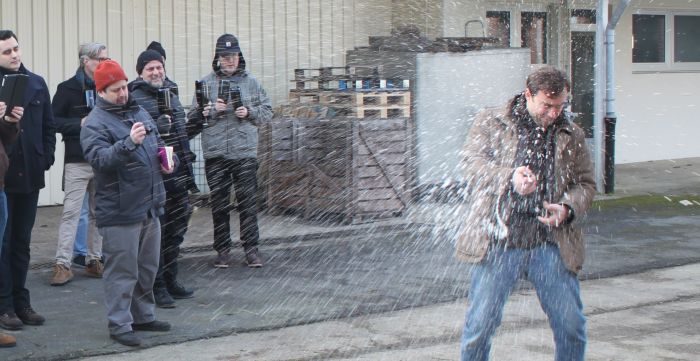
<p>From the <span class="zalup"><span><glossary title="254">cellar</glossary><span>,</span></span></span> Oliver manually <glossary title="393">disgorged</glossary> some 2014's for us to taste. </p>
<p><img src="http://louisdressner.com/uploads/images/article/2019_Aug_23//d3/d4/d3d484e0549e3525daa52a1df553c5f8.jpg" /></p>
<p><img src="http://louisdressner.com/uploads/images/article/2019_Aug_23//c5/3c/c53c282541ce74b471f31daf8ede8600.jpg" /></p>
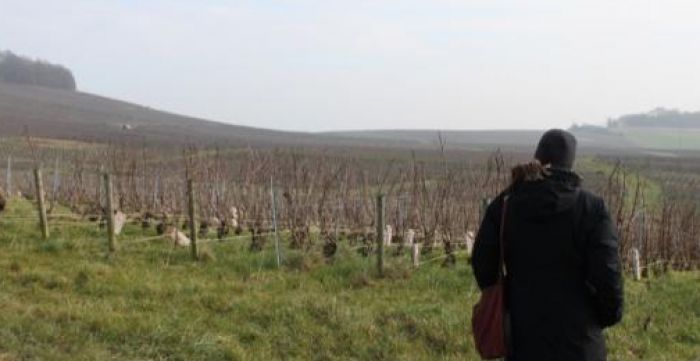
<p>Before tasting, we took a quick stroll to go visit <em>Les Roises</em> and <em>Les Enfers</em>.</p>
<p><img src="http://louisdressner.com/uploads/images/article/2019_Aug_23//89/95/89956d3aaf47bec92c07d61f81e88830.jpg" /></p>
<p><img src="http://louisdressner.com/uploads/images/article/2019_Aug_23//f1/18/f1189a97572e31789e9298fde7491763.jpg" /></p>
<p><img src="http://louisdressner.com/uploads/images/article/2019_Aug_23//5d/70/5d700bd21e5a415aa54f35f0005015ce.jpg" /></p>
<p><img src="http://louisdressner.com/uploads/images/article/2019_Aug_23//9b/45/9b4520d6853502337c2f6c6e13339a17.jpg" /></p>
<p><img src="http://louisdressner.com/uploads/images/article/2019_Aug_23//41/a5/41a5df419621607edf082442b7b2c829.jpg" /><br />
</p>
<p><em>Les Roises</em> and <em>Les Enfers</em> are neighboring <span class="zalup"><span><glossary title="760">parcels</glossary><span>,</span></span></span> with the former <glossary title="430">exposed</glossary> full south and the latter <glossary title="430">exposed</glossary> east. The soils for both <glossary title="760">parcels</glossary> are <glossary title="301">clay</glossary> <glossary title="1032">topsoils</glossary> and <glossary title="596">limestone</glossary> <span class="zalup"><span><glossary title="991">subsoils</glossary><span>,</span></span></span> though <em>les Roises</em> has a almost twice as much <span class="zalup"><span><glossary title="301">clay</glossary><span>.</span></span></span> <br />
<br />
Walking through Les Enfers, Olivier grabbed this plant from the soil:</p>
<p><img src="http://louisdressner.com/uploads/images/article/2019_Aug_23//a9/16/a916be79282b780cf2b456d3585a4e34.jpg" /></p>
<p>It is called Le Mouron des Oiseaux, which might just be the frenchest thing I've ever heard. <br />
<br />
<em>"When you see this plant, you know your soils are doing well. It's a bio-indicator that proves there is healthy microbiology in the soil."</em><br />
<br />
As we've discussed before, Olivier isn't 100% convinced with <glossary title="746">organic</glossary> <span class="zalup"><span><glossary title="1103">viticulture</glossary><span>,</span></span></span> at least not in <span class="zalup"><span><glossary title="267">Champagne</glossary><span>.</span></span></span> He tried working les Roises <glossary title="746">organically</glossary> in 2012 and lost 80% of his crop.<br />
<br />
<em>"I admit 2012 was the wrong year to launch myself into working </em><glossary title="746"><em>organically</em></glossary><em>. But I really believe that is is extremely difficult working 100% </em><glossary title="746"><em>organically</em></glossary><em> in </em><glossary title="267"><em>Champagne's</em></glossary><em> conditions. As an aside, one thing I notice about </em><glossary title="746"><em>organic</em></glossary><em> </em><glossary title="267"><em>Champagne</em></glossary><em> is they tend to taste more bitter to me. I believe this is because the use of </em><glossary title="333"><em>copper</em></glossary><em> increases the thickness of the skins, and I feel it is evident in the wine. I still believe that the most important thing anyone can do in the vineyard is work the soils." </em><br />
<br />
For protection, Olivier mostly sprays the vines with <span class="zalup"><span><glossary title="955">silica</glossary><span>.</span></span></span> However, if he sees a sickness taking place, he will intervene with Pecadeux, a non<span class="zalup"><span><span>-</span><glossary title="1002">systemic product</glossary> </span></span>that is legally allowed in German <glossary title="746">organics</glossary> but not in France.<br />
<br />
<em>"I don't believe in </em><glossary title="328"><em>treating</em></glossary><em> my vineyards with </em><glossary title="1002"><em>systemic products</em></glossary><em>. But I also don't believe in letting my vines suffer greatly from illness. I </em><glossary title="328"><em>treat</em></glossary><em> them like I would treat myself: if I'm really not feeling well, I will take antibiotics to get better."</em><br />
<br />
Of course, we then tasted the 2014's, which were obviously very young but already showing great promise. We were also treated to the one-time-only "Le Magnum", a relic from the 2006 <span class="zalup"><span><glossary title="1109">vintage</glossary><span>.</span></span></span></p>
<p><img src="http://louisdressner.com/uploads/images/article/2019_Aug_23//4e/8d/4e8d11223d3816950c295062dad15bf2.jpg" /><br />
</p>
Article
harvest report
31.12.2025
2025 Harvest Report from Olivier Collin
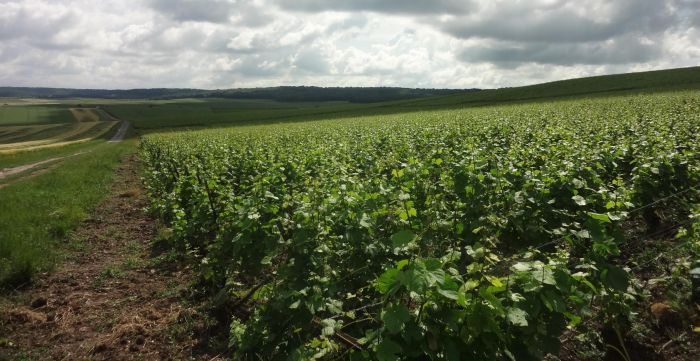
<p>Year after year, the grape harvest is becoming increasingly difficult to predict, with vintages that follow one another but are completely different. We had planned to start on September 1st, but we had to move the start date forward to August 25th in a hurry, without our usual team, in order to save the grapes in the Maillons vineyard. The climate in the Sezannais region is much warmer than on our slopes in the Petit Morin area.</p>
<p>The ripening process accelerated dramatically around August 15th, and the alcoholic potentials jumped by 2.5% in a single week. It was unprecedented.</p>
<p>In order to maintain balance, we started with the sunniest vineyards (Maillons then Roises) and finished 15 days later with the Jardin d'Ulysse vineyard, which faces mostly north.</p>
<p>The harvest is exceptional in quality. The wines are balanced with vibrant acidity and reasonable ripeness. We are completely satisfied, thanks to everyone's hard work.</p>
Article
producer visit
02.12.2019
This visit to Domaine Ulysse Collin took place in July 2013
<p><em><strong>This visit to Domaine Ulysse Collin took place in July 2013.</strong></em></p>
<p><em><strong>Words and photos by Jules Dressner.</strong></em></p>
<p>Olivier and Sandra Collin have a beautiful yard. <br />
<br />
<img src="http://louisdressner.com/uploads/images/article/2019_Dec_02//fb/c9/fbc98731af6c730f7bd607c570d35ea8.jpg" /><br />
<br />
<img src="http://louisdressner.com/uploads/images/article/2019_Dec_02//72/3a/723a072662fd61b78a0eae974dced900.jpg" /><br />
<br />
<img src="http://louisdressner.com/uploads/images/article/2019_Dec_02//9a/db/9adb48308babccd31b3d1b216dbcb5b7.jpg" /></p>
<p>After some chatty <em><glossary title="854">retrouvailles</glossary></em>, Olivier asked us if we were pressed on time. We weren't, so he proposed taking us to the somewhat far-away <glossary title="760">parcel</glossary> Les Maillons, a site none of us had ever visited. It sounded like a great idea, so we got into our cars and took the half an hour drive to get there. <br />
<br />
In true journalistic fashion, I spent the whole drive asking questions and furiously jotting down answers, no easy feat on bumpy country roads where familiar drivers tend to put the <a href="http://www.youtube.com/watch?v=STy1UL49FZM" target="_blank">pedal to the metal</a>.</p>
<p><img src="http://louisdressner.com/uploads/images/article/2019_Dec_02//23/60/23606ce583a1c8d112d290db1b474408.jpg" /><br />
<br />
While the most talented of you might be able to decipher that, I'll retype it just in case.<br />
<br />
As we'd soon find out, <glossary title="1136">hail</glossary> was at the tip of everyone's tongue this year. Including Olivier's: <br />
<br />
<em>"It's scary, and the problem is that insurance only covers grapes, not wine!"</em><br />
<br />
This was right after the <glossary title="1121">Vouvray</glossary> <glossary title="1136">hailstorm</glossary> (but before the recent 5000 <glossary title="523">hectare</glossary> disaster in the Southwest), and perhaps the most terrifying thing that can happen to a <span class="zalup"><span><glossary title="1089">vigneron</glossary><span>.</span></span></span> No chance to fight back, just total losses. Our own <a href="http://louisdressner.com/producers/Pinon/">François Pinon</a> lost five <span class="zalup"><span><glossary title="523">hectares</glossary><span>,</span></span></span> which he talks about in this French news piece that aired shortly after the storm.</p>
<p><iframe allowfullscreen="" frameborder="0" height="315" src="https://www.youtube.com/embed/CZ4Mjy6TazA" width="560"></iframe></p>
<p>The prospect of a small crop in 2013 is especially daunting for <glossary title="1089">vignerons</glossary> in Northern France, a majority of whom suffered from <span class="zalup"><span><glossary title="1136">hail</glossary><span>,</span></span></span> <span class="zalup"><span><glossary title="1135">frost</glossary><span>,</span></span></span> <glossary title="1137">mildew</glossary> or all three in 2012, resulting in microscopic <span class="zalup"><span><glossary title="1129">yields</glossary><span>.</span></span></span> Fortunately, Olivier didn't suffer from heavy losses, and even found some positive in the situation.<br />
<br />
<em>"The one positive thing about 2012: low </em><glossary title="1129"><em>yields</em></glossary><em>. The grapes were damaged, but the ones left had incredible </em><glossary title="324"><em>concentration</em></glossary><em>. Their optimal ripeness produced great wines."</em><br />
<br />
We also discussed Olivier's long term experimentation with <span class="zalup"><span><glossary title="160">biodynamics</glossary><span>.</span></span></span> After five years, he is not convinced:<br />
<br />
<em>"I try to do what I understand. The one thing where I can biologically see the results of my labor is working the soils. The </em><glossary title="441"><em>fermentations</em></glossary><em> in the ground mineralize the rock, which assimilate into the plant."</em><br />
<br />
For this reason, he refuses use <span class="zalup"><span><glossary title="526">herbicides</glossary><span>.</span></span></span> <br />
<br />
<em>"But you need to work on the soils at the right time. If you're consistently </em><glossary title="810"><em>plowing</em></glossary><em>, you will bring too much harmful </em><glossary title="719"><em>nitrogen</em></glossary><em>, which will dilute the wines." </em><br />
<br />
After all that driving and chatting, we finally made it to Les Maillons!<br />
<br />
<img src="http://louisdressner.com/uploads/images/article/2019_Dec_02//19/a1/19a1d34676db81a77d697f83348521a5.jpg" /></p>
<p><img src="http://louisdressner.com/uploads/images/article/2019_Dec_02//c0/43/c0433b7b53a750bc8de10ac9b205258e.jpg" /><br />
<br />
<img src="http://louisdressner.com/uploads/images/article/2019_Dec_02//1b/1c/1b1c550b2cf8ae6c476e0f64b046b44a.jpg" /><br />
<br />
Les Maillons is a <glossary title="594">lieu-dit</glossary> totaling six <span class="zalup"><span><glossary title="523">hectares</glossary><span>,</span></span></span> all in <span class="zalup"><span><glossary title="805">Pinot Noir</glossary><span>.</span></span></span> Olivier owns 2,5 of these; these produce the <glossary title="363">cuvée</glossary> of the same name.</p>
<p><img src="http://louisdressner.com/uploads/images/article/2019_Dec_02//d4/87/d487c615257394f67967684ea3b99053.jpg" /><br />
<br />
Everything is planted in <span class="zalup"><span><glossary title="941">massale</glossary><span>.</span></span></span> The soils here are heavy <glossary title="301">clay</glossary> (much darker than in Congy) with <glossary title="596">limestone</glossary> <glossary title="266">chalk</glossary> <span class="zalup"><span><glossary title="991">subsoils</glossary><span>.</span></span></span> <br />
<br />
<img src="http://louisdressner.com/uploads/images/article/2019_Dec_02//e3/f1/e3f17d4fccb21a76e17ecd7e8aa8aefe.jpg" /><br />
<br />
<img src="http://louisdressner.com/uploads/images/article/2019_Dec_03//01/72/0172c24a74deaeac8fb28e64aae30a30.jpg" /></p>
<p>The vines are 41 years old and <glossary title="430">exposed</glossary> east. This produces great <glossary title="71">acidities</glossary> from the sun. As I mentioned earlier, it's about a 30 minute drive from Congy, but more impressively it takes Olivier 2 hours EACH WAY to get there on the tractor! <br />
<br />
There are very few independent growers in Olivier's region, and almost everybody sells to the <span class="zalup"><span><glossary title="729">négoce</glossary><span>.</span></span></span> Since people only sell grapes and care about weight, no one works the soils except him.<br />
<br />
<em>"You get paid by the amounts of grapes you sell, not your </em><glossary title="1103"><em>viticultural</em></glossary><em> merit."</em><br />
<br />
<img src="http://louisdressner.com/uploads/images/article/2019_Dec_03//ec/c5/ecc59d948053e0bf43f8b1688ae1ade1.jpg" /><br />
<br />
<img src="http://louisdressner.com/uploads/images/article/2019_Dec_03//e8/65/e86592213dd59299e4b34eb53a699065.jpg" /><br />
<br />
<img src="http://louisdressner.com/uploads/images/article/2019_Dec_03//0a/8a/0a8a1e9231cd1fd4da40419c198c81a1.jpg" /></p>
<p>We then drove back to Congy to taste! As of the 2008 <span class="zalup"><span><glossary title="1109">vintage</glossary><span>,</span></span></span> Olivier has started <glossary title="185">bottling</glossary> the wines with <glossary title="760">parcel</glossary> names. "Les Pierrières" is all <glossary title="271">Chardonnay</glossary> from three adjascent <span class="zalup"><span><glossary title="760">parcels</glossary><span>,</span></span></span> all <glossary title="1104">vinified</glossary> separately. With only 1.7 g <span class="zalup"><span><glossary title="403">dosage</glossary><span>,</span></span></span> it's 90% 2009, 10% 2008.<br />
<br />
<em>"When you </em><glossary title="185"><em>bottle</em></glossary><em> </em><glossary title="852"><em>reserve wines</em></glossary><em> from the same </em><glossary title="760"><em>parcel</em></glossary><em> with each other, you get very interesting complexities."</em><br />
<br />
"Les Maillons" is all <glossary title="805">Pinot Noir</glossary> from 2009, and one of the most unique <glossary title="267">Champagnes</glossary> I've ever tasted. I don't even know how to describe it, but it was a truly inspiring bottle. <br />
<br />
Olivier always <glossary title="993">sulfurs</glossary> 50mg right after <span class="zalup"><span><glossary title="827">press</glossary><span>,</span></span></span> then lets the rest of the <glossary title="1104">vinification</glossary> occur without any <span class="zalup"><span><glossary title="545">intervention</glossary><span>.</span></span></span> <br />
<br />
<em>"I'd rather do that than put 20mg and feel obliged to play catch up."</em><br />
<br />
"Les Roises" is all <span class="zalup"><span><glossary title="">Chardonnay</glossary><span>,</span></span></span> also 90% 2009 and 10% 2008. It also has the very low <glossary title="403">dosage</glossary> of 1.7 g.<br />
<br />
<em>"The 1.7 grams of sugar seems like nothing, but it completely balances the wine, lets it fully express itself."</em><br />
<br />
It's true! All the 2010's we tried felt a lot stricter and less alive without their <span class="zalup"><span><glossary title="403">dosage</glossary><span>.</span></span></span></p>
Article
harvest report
14.06.2018
2018 Harvest Report from Olivier Collin
<p>2018 was exceptional in <glossary title="267">Champagne</glossary> for numerous reasons. The <glossary title="1110">vins clairs</glossary> are of great purity and <glossary title="324">concentration</glossary> as we were able to benefit from favorable weather in the<strong> </strong><glossary title="1221">Coteaux du Petit Morin</glossary> (80mm less of rain than the <glossary title="1224">Côtes des Blancs</glossary> situated 15 km northeast of here). The grapes were ripe, savory and our <glossary title="1129">yields</glossary> are reasonable in comparison to the averages in <span class="zalup"><span><glossary title="267">Champagne</glossary><span>.</span></span></span><br />
<br />
Despite taking the risk of not adding <glossary title="442">fertilizers</glossary> at the beginning of 2018 in order to achieve low <span class="zalup"><span><glossary title="1129">yields</glossary><span>,</span></span></span> nature was never the less generous. We therefore decided to conserve <glossary title="1223">reserve wine</glossary> of great quality to compensate harsher future <glossary title="1109">vintages</glossary> if need be. These <glossary title="1223">reserve wines</glossary> are <glossary title="74">aging</glossary> in 18 <span class="zalup"><span><glossary title="462">foudres</glossary><span>,</span></span></span> patiently waiting for their final destination.<br />
<br />
A newly acquired <glossary title="827">press</glossary> has permitted us to gain precision in the <glossary title="433">extraction</glossary> of the juices and the results are worthy of this investment. It's a major event for us because a <glossary title="1089">vigneron</glossary> only changes presses once in a lifetime. It's another step forward in being the most adapted to our work and philosophy of making <span class="zalup"><span><glossary title="959">single-parcel expressions</glossary><span>.</span></span></span><br />
<br />
We began <glossary title="521">harvesting</glossary> in Les Maillons on Monday, August 27th. We were at an average <glossary title="1381">potential</glossary> of 11,5°. The <glossary title="871">Rosé</glossary> de <glossary title="887">Saignée</glossary> from this <glossary title="760">parcel</glossary> was picked on August 30th. I also decided to let the grapes on a few rows ripen a little longer to produce a <glossary title="268">Coteaux Champenois</glossary> from this site.<br />
<br />
We continued harvesting under the sun with Pierrières in the village of Vert Toulan, with nice <glossary title="639">maturities</glossary> around 11,2°. We followed this site with Les Enfers at 11,5° and finished in les Roises at 11,9°. There is another single <glossary title="760">parcel</glossary> <glossary title="363">cuvée</glossary> that I've been developing since 2015 but that's a secret.<br />
<br />
We finished harvesting on September 13th in Les Maillons with the rows untouched on August 30th. The grapes were extremely <glossary title="324">concentrated</glossary> and beginning to dry out. When we put the wine in <glossary title="1140">vats</glossary> to start <glossary title="1104">vinifying</glossary> the red, we were very surprised to see 14,7° <span class="zalup"><span><glossary title="1381">potential</glossary><span>,</span></span></span> an exceptional degree in <span class="zalup"><span><glossary title="267">Champagne</glossary><span>.</span></span></span> The <glossary title="362">cuvaison</glossary> lasted three weeks.<br />
<br />
The warm weather stayed with us through September, October and November and let the woods mature well as we started <glossary title="834">pruning</glossary> under the sun.<br />
<br />
We thank nature and our <glossary title="521">harvest</glossary> team, both of whom, year after year, give their best to let us pick the most beautiful grapes. Both participate in the elaboration of our <glossary title="267">Champagnes</glossary> with rigor and conviviality.</p>
<p><img src="http://louisdressner.com/uploads/images/article/2019_Sep_16//ec/7c/ec7c5af72f5c663edfead2bd8b7974f7.jpg" /></p>
<p><img src="http://louisdressner.com/uploads/images/article/2019_Sep_16//99/6b/996b855a7a42cb71710acfc0fe6ed6ce.jpg" /></p>
<p><img src="http://louisdressner.com/uploads/images/article/2019_Sep_16//99/60/9960f0ebed74c4da51ac8a5a101d54da.jpg" /></p>
<p><img src="http://louisdressner.com/uploads/images/article/2019_Sep_16//6b/4c/6b4cae183646f0dd7299f104e5d58d5e.jpg" /></p>
<p><img src="http://louisdressner.com/uploads/images/article/2019_Sep_16//d0/66/d066139b259dc6feea5eaeeb0f771538.jpg" /></p>
<p><img src="http://louisdressner.com/uploads/images/article/2019_Sep_16//cb/68/cb684e967567f8901fb55f5da7d93601.jpg" /></p>
<p><img src="http://louisdressner.com/uploads/images/article/2019_Sep_16//72/9b/729b31fa8e0070391810d4c65148d4b6.jpg" /></p>
Article